
I’d always hoped I’d get to write about today’s featured watch. Given Seiko only made 100, I suspect most are now locked away in vaults or sitting in museums. There can't have been many left in the wild for me to capture.
But I finally got one.
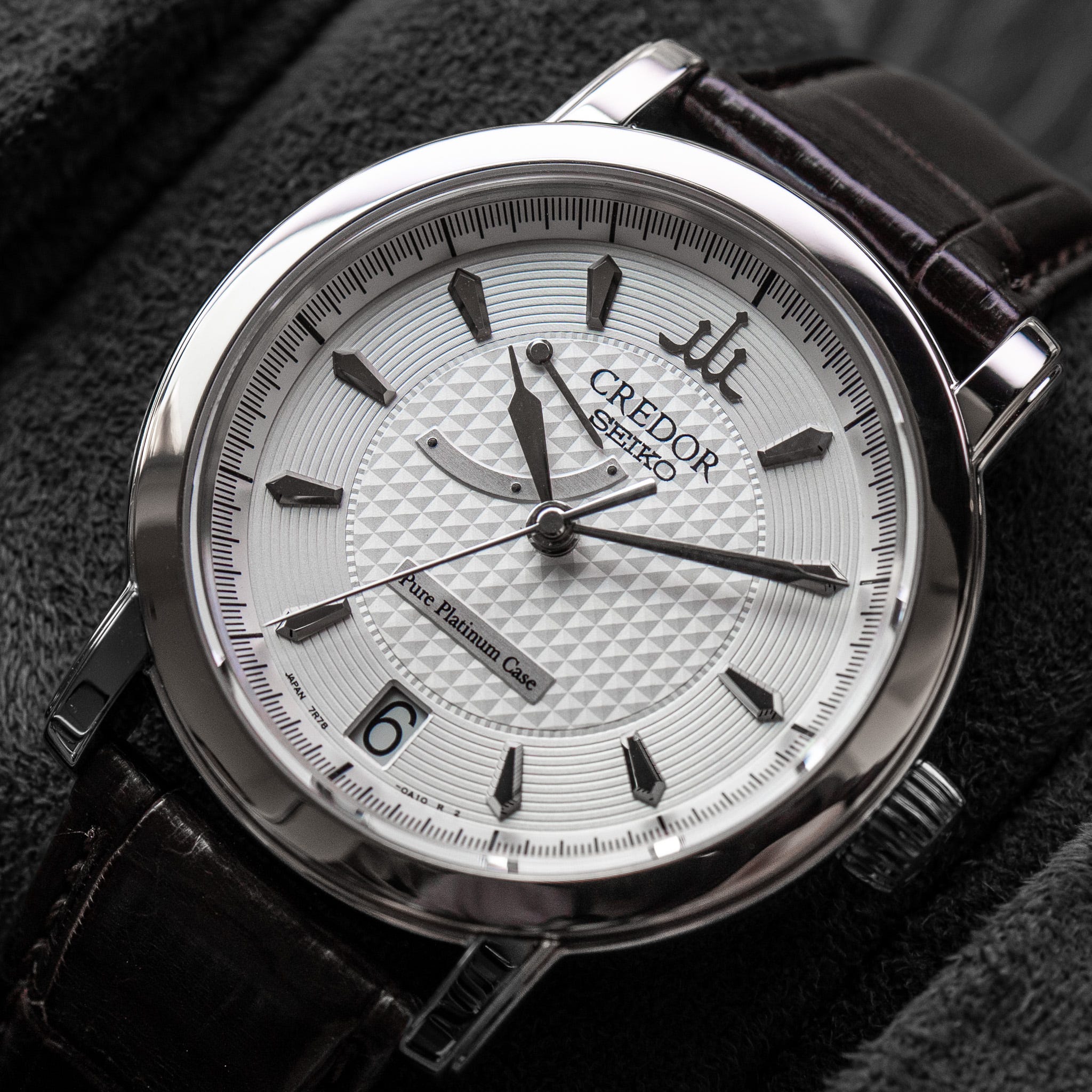
The start of something special. It’s hard to separate Spring Drive from Seiko. The smooth sweep of the seconds hand has become one of the brand’s most recognisable calling cards - and yet, by horological standards, it’s a fairly novel innovation. And the GBLG999, on offer today, has been there since the beginning.
The Spring Drive entered development at Seiko in 1977. Yoshikazu Akahane, the engineer who began his ambitious quest for the everlasting watch, hoped to solve the accuracy issues that plagued traditional watches, while significantly reducing mechanical wear as well.
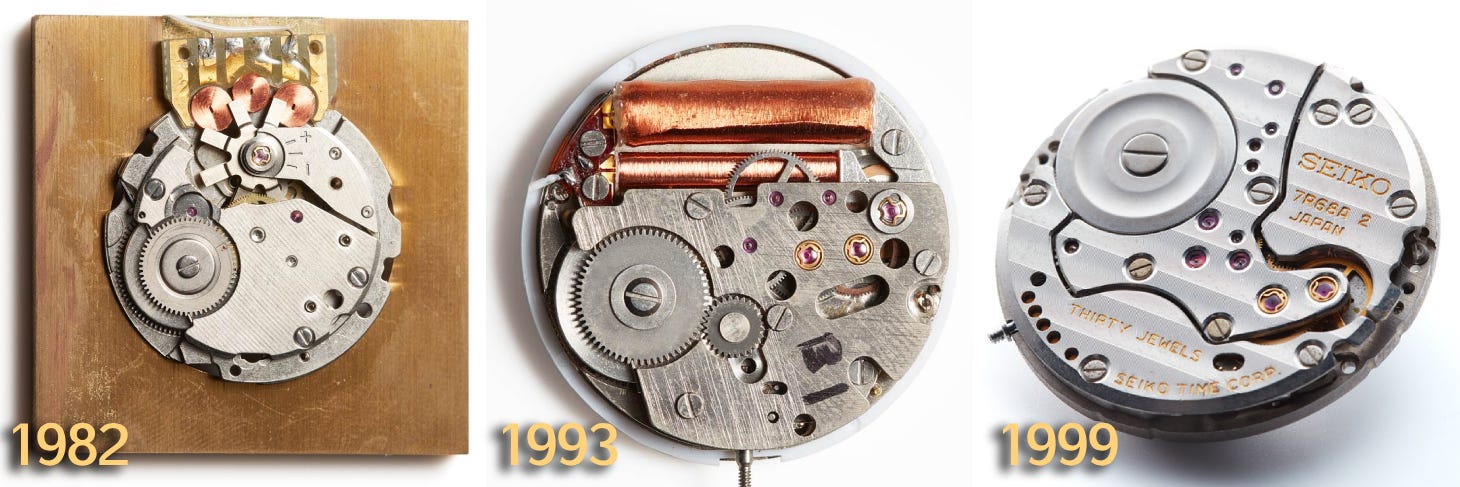
It took 22 years, 600 prototypes and countless patents (currently at 230, although most are expired), but Akahane’s lofty goals were achieved. The Spring Drive was ready for production in 1999. Tragically, Akahane passed away in 1998 at just 52, so he wasn’t able to bask in all of his deserved glory. Thankfully, he lived long enough to see his creation unveiled to the world at Baselworld the same year.
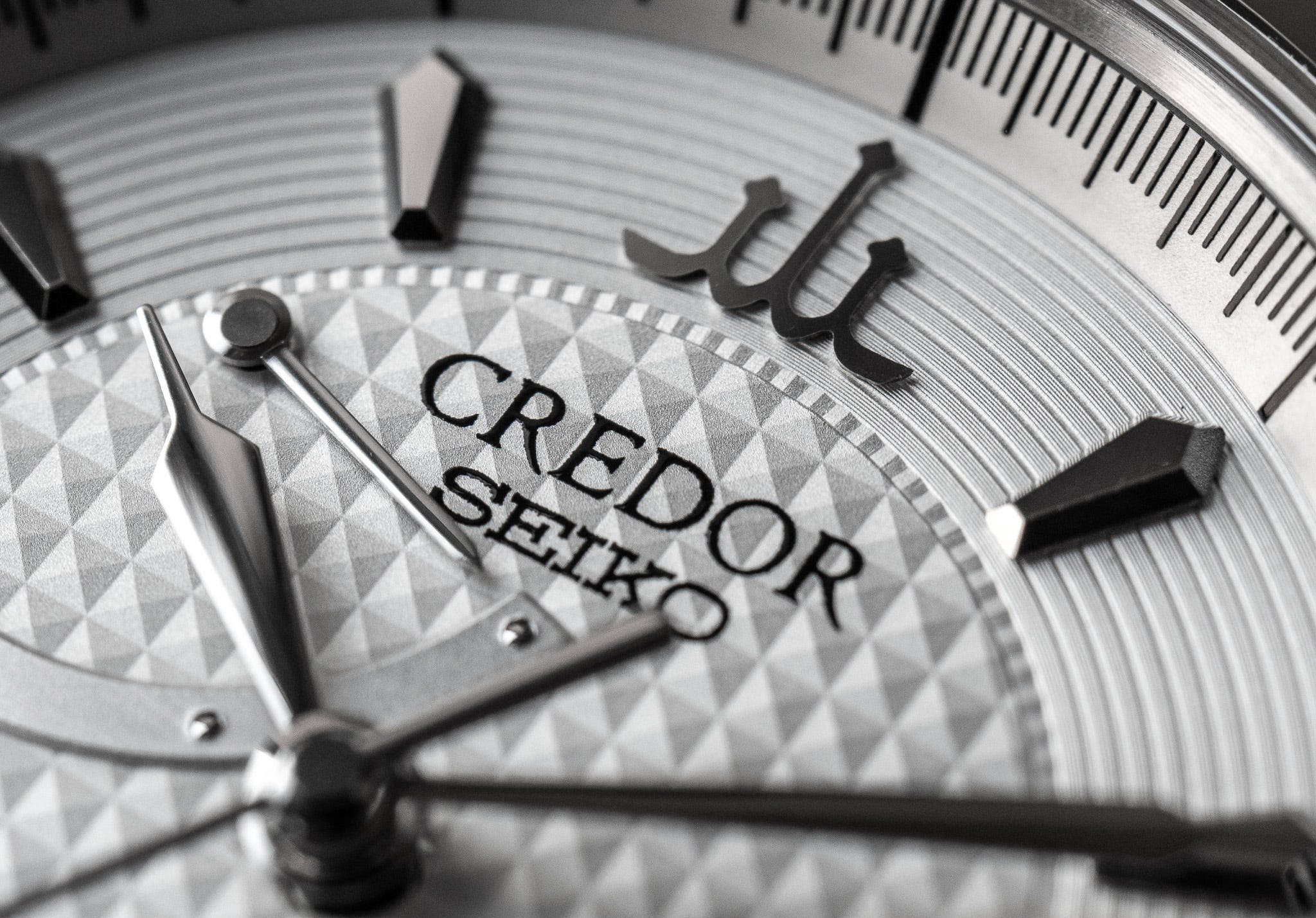
I doubt any readers of this newsletter need a full lesson in what the Spring Drive is, but here’s a quick summary:
In a traditional mechanical watch, a pallet fork and balance wheel regulate the release of energy from the mainspring. Watch accuracy lives and dies by this interaction.
In a Spring Drive, that responsibility falls to an electromagnetically braked glide wheel governed by a quartz oscillator. The result is near-perfect accuracy, less mechanical wear, and the smoothest seconds hand sweep in all of watchmaking.
Are there any downsides? It depends who you ask.
Purists will say it’s cheating in some capacity - an argument you will have heard traditionalists make about electric cars at some point - but revolutionary advancements often look illegitimate when judged by the standards of the technologies they replace.
Others will bemoan the increased service costs and complexity - which I do understand, although it’s worth pointing out that servicing a Rolex or Omega will typically cost more. However, compared to servicing a normal Seiko movement, it’s double or triple the price.
Call me biased, but I see considerably more upsides than downsides - and the GBLG999 comes packed full of its own upsides.
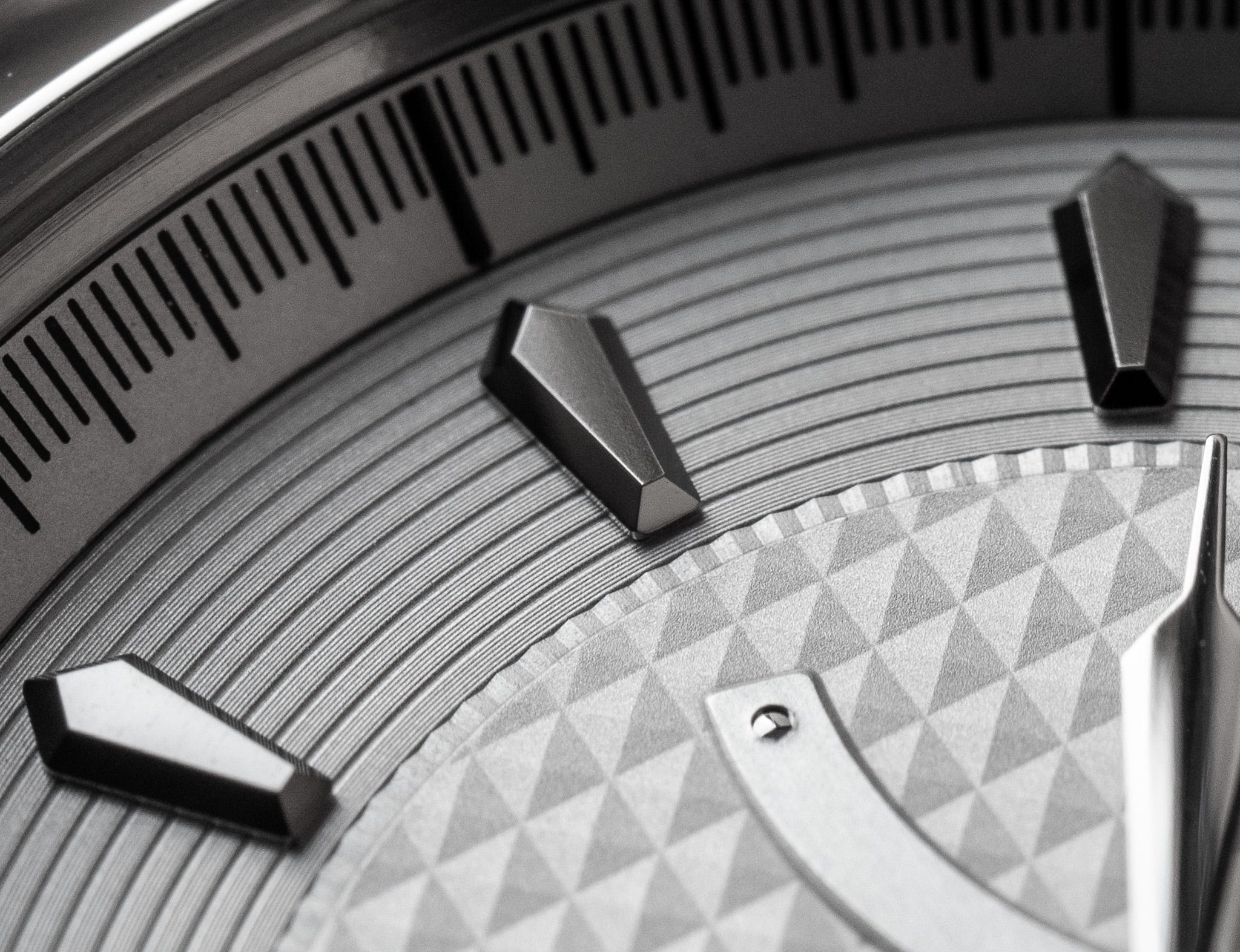
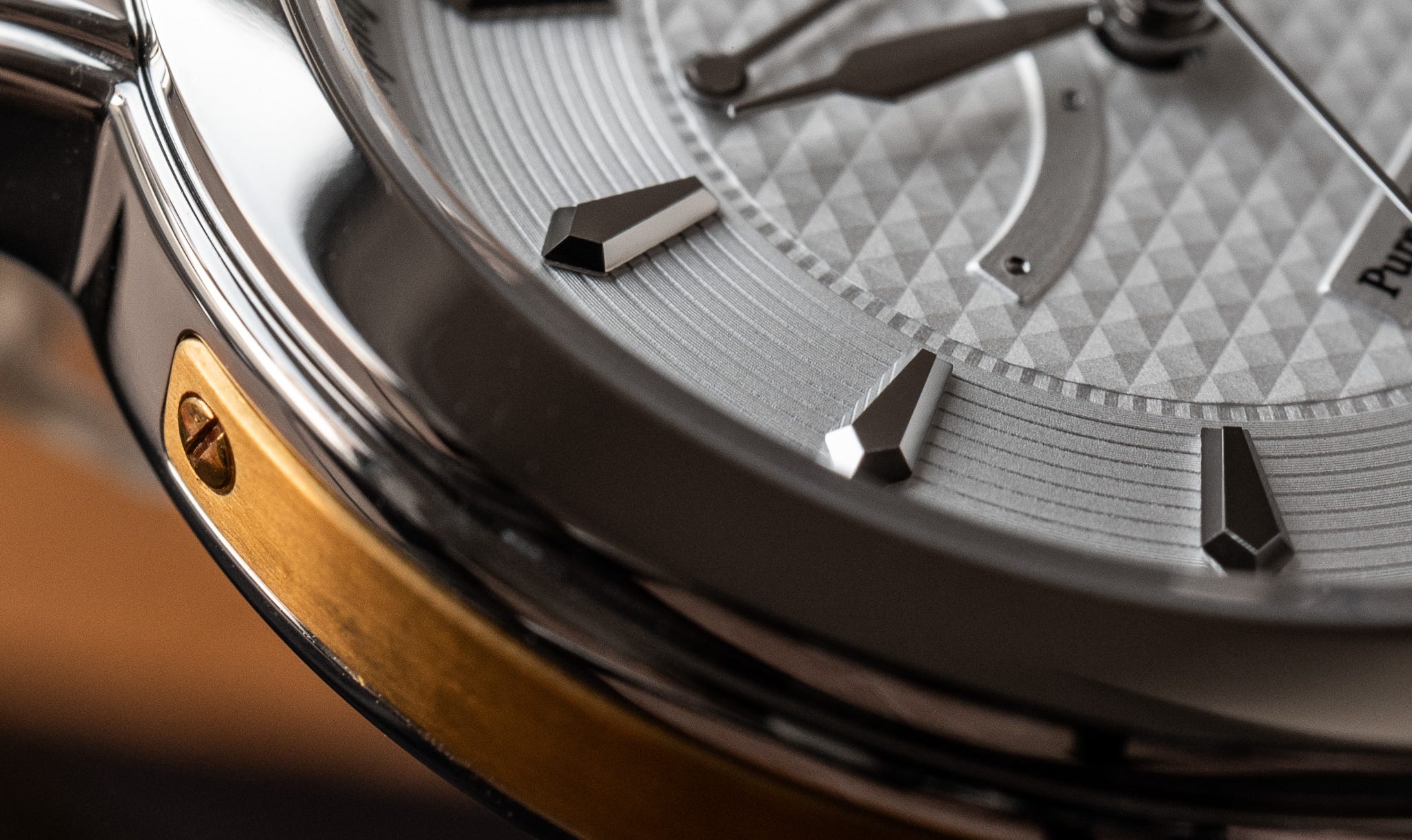
The hobnail dial texture hasn’t appeared particularly often in the Credor catalogue over the last thirty years, but it provides exactly the right amount of contrast without becoming overbearing. Atop the concentric rings that frame the dial beautifully sit tombstone hour markers - a design I have no recollection of seeing beyond this watch.
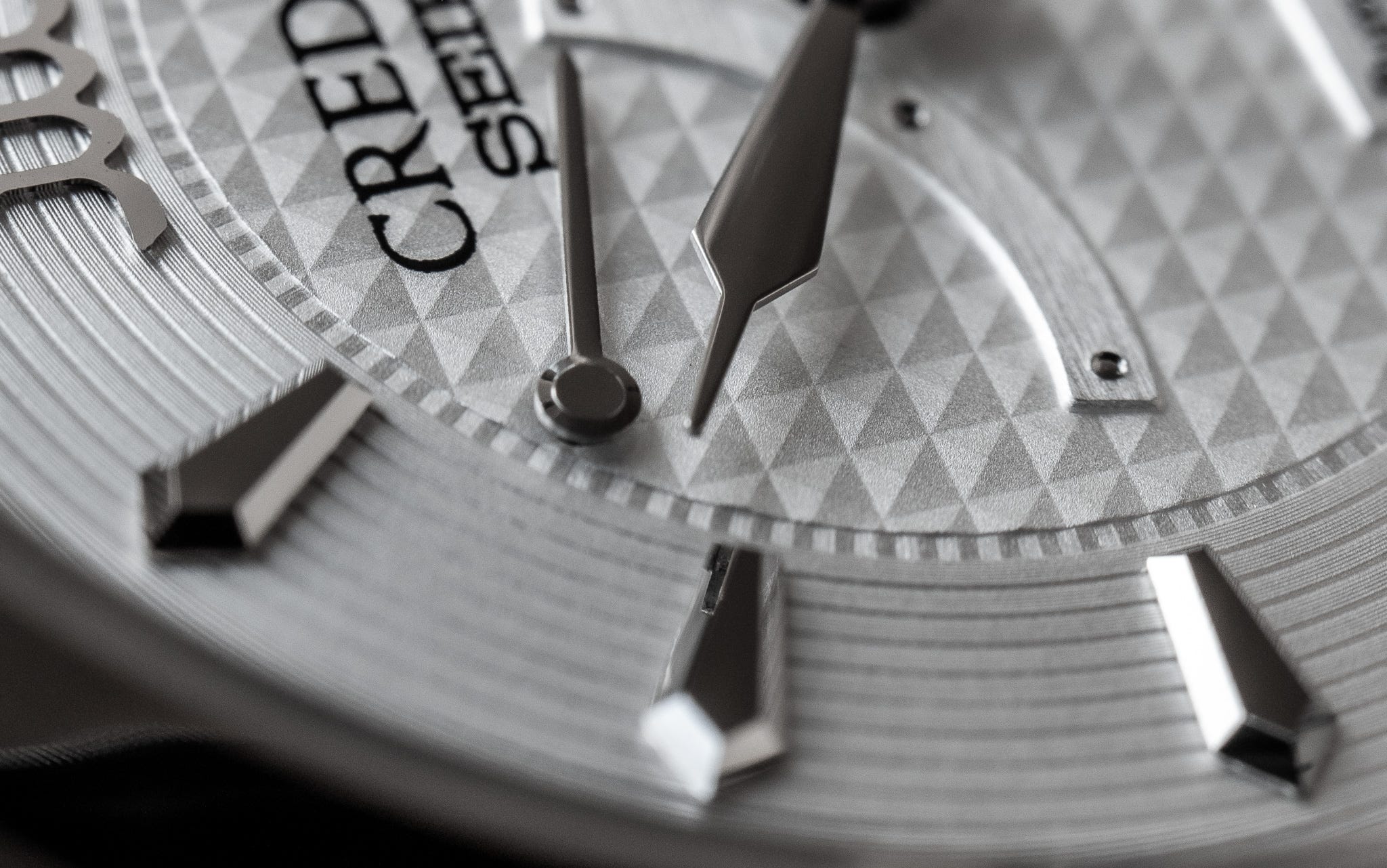
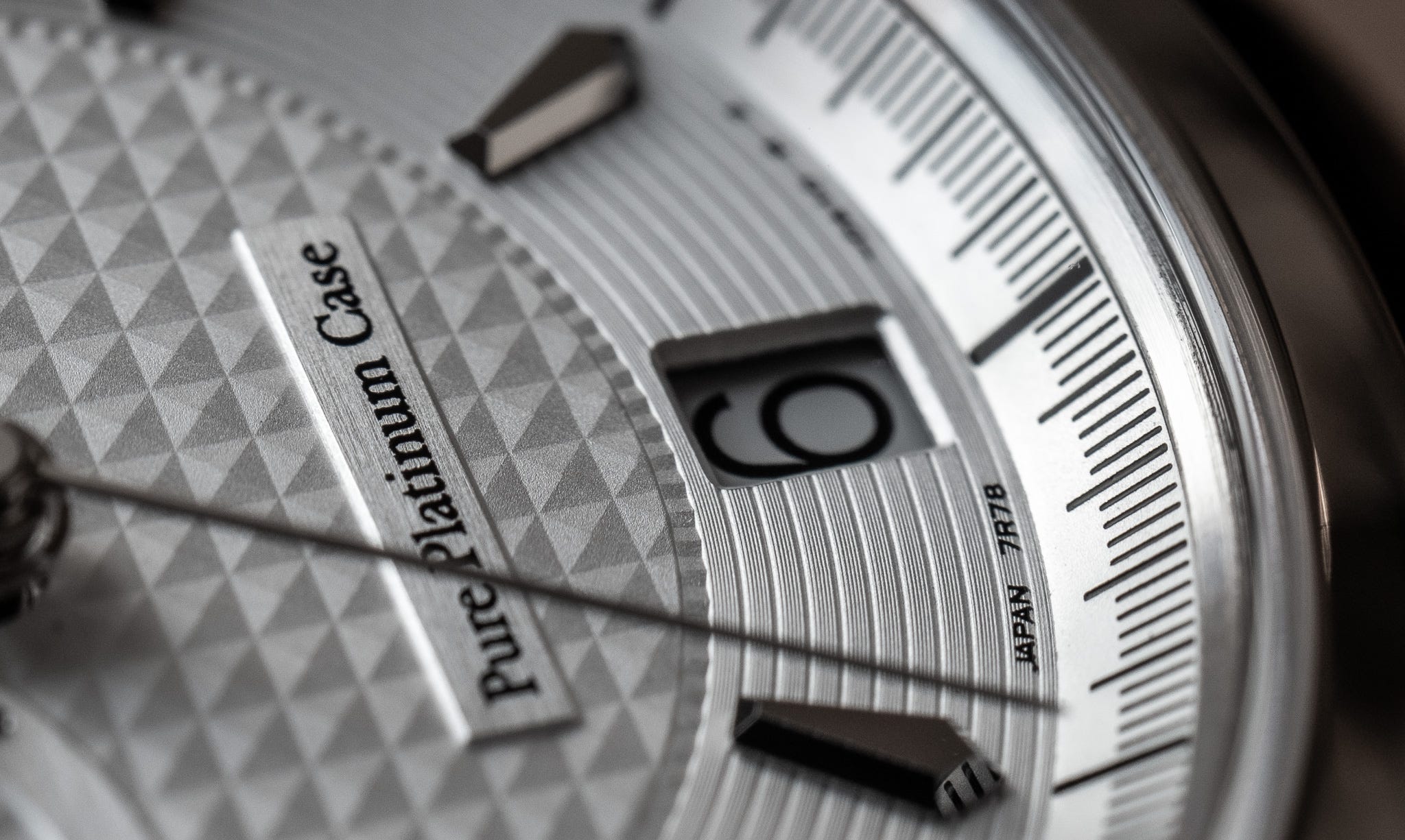
The hands are an unusual blend of syringe tips and sword hands - again, not something I’ve seen elsewhere in the Credor catalogue. Similarly, this is the only modern Credor reference I know of housed in 1000 platinum. Even the platinum Eichi II uses the industry-standard 950 alloy, or 95% platinum.
If you’re sensing a theme emerging here, you’re not alone.
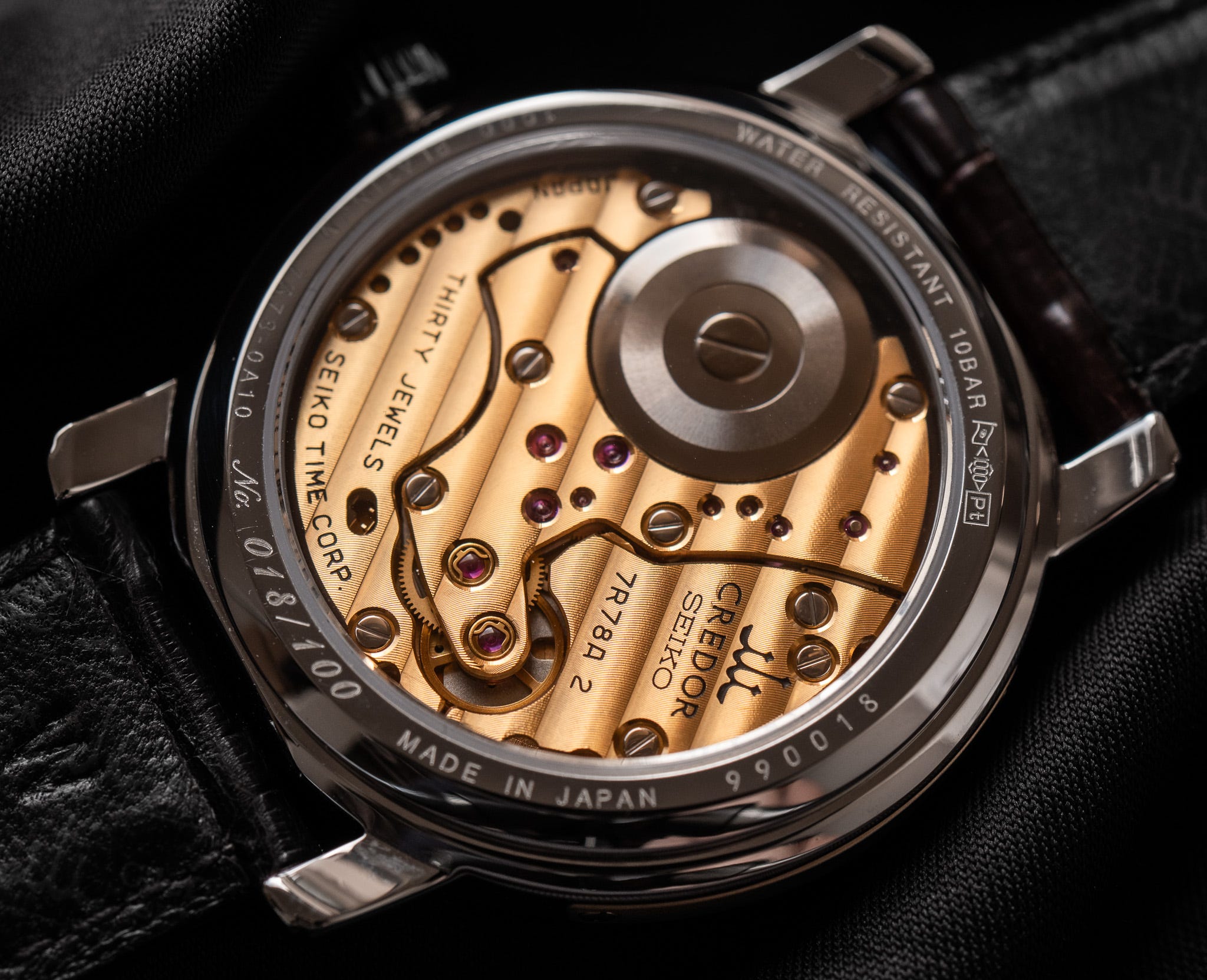
The 7R78 calibre itself only ever appeared in the GBLG999. Admittedly, it’s essentially a gold-plated version of the 7R68 found in the SBWA001 and SBWA002 - Seiko’s other joint first-generation Spring Drive releases - but unique is unique, and I’m not afraid to add it to the list.
And just in case you weren’t already sick to death of me pointing out all the unique* elements offered by this watch, I’ve got one more up my sleeve.
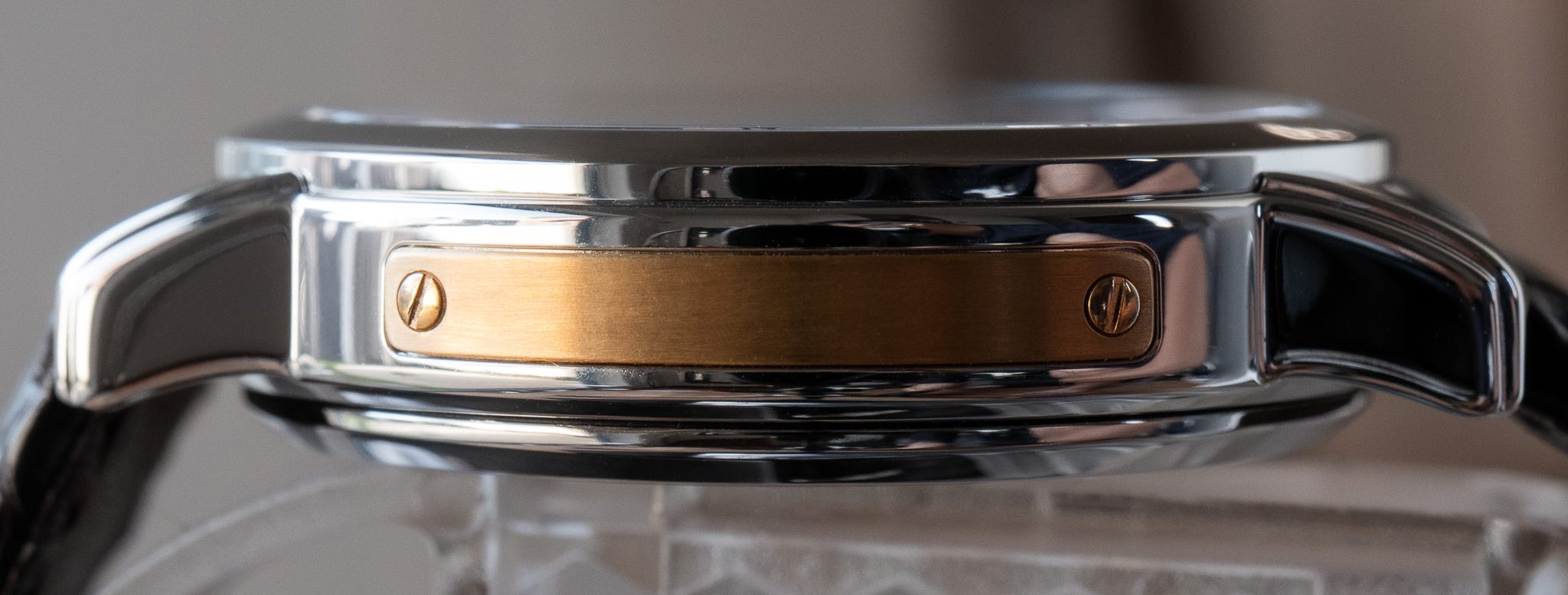
Inlaid into the side of the platinum case is a narrow strip of 18k gold. Credor added it specifically to encourage owners to personalise their watch using the company’s engraving service. This particular example remains a blank canvas.
But what does this all mean?
The GBLG999 is Seiko’s victory lap.
Twenty-two years of hard work celebrated through design choices that were not just distinctive at launch, but remain distinctive to this day. I have to assume Credor hasn’t revisited any of them out of respect for the original.
Given what this movement came to represent for Seiko, and the fact that only 100 of this platinum variant were ever produced, it’s not a watch you’ll have the pleasure of seeing very often.
The Credor GBLG999 is available to buy on our website
In great condition overall. No marks of any real significance. Original strap and buckle. No box or papers.
* there are a lot of unusual Credor references out there, so fight me in the comments if I’ve forgotten one that shares some of the GBLG999’s motifs.
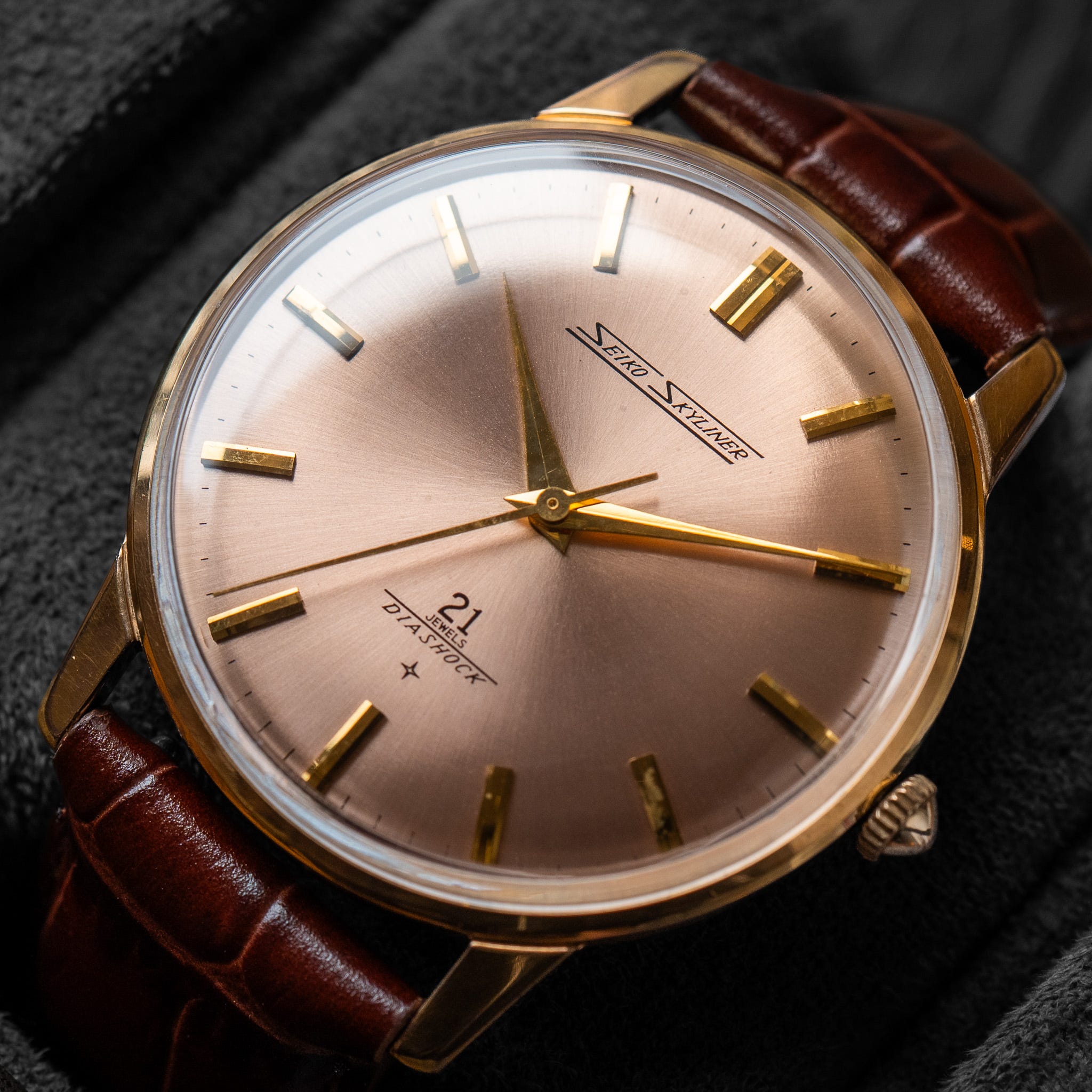
Pretty in pink. On paper, the Skyliner is a largely unremarkable part of Seiko’s vintage catalogue. Produced as a slimline and affordable option for working professionals, the collection didn’t break any new ground and faded away without much fanfare during the 1970s.
Fast forward 50 years, and many of these vintage Seikos carry considerably more design cachet than they did when new. Just look at that Skyliner font - it absolutely oozes 1960s charm. It’s right up there with the Seiko Motorist, another vintage series I’d love to see Seiko revisit.
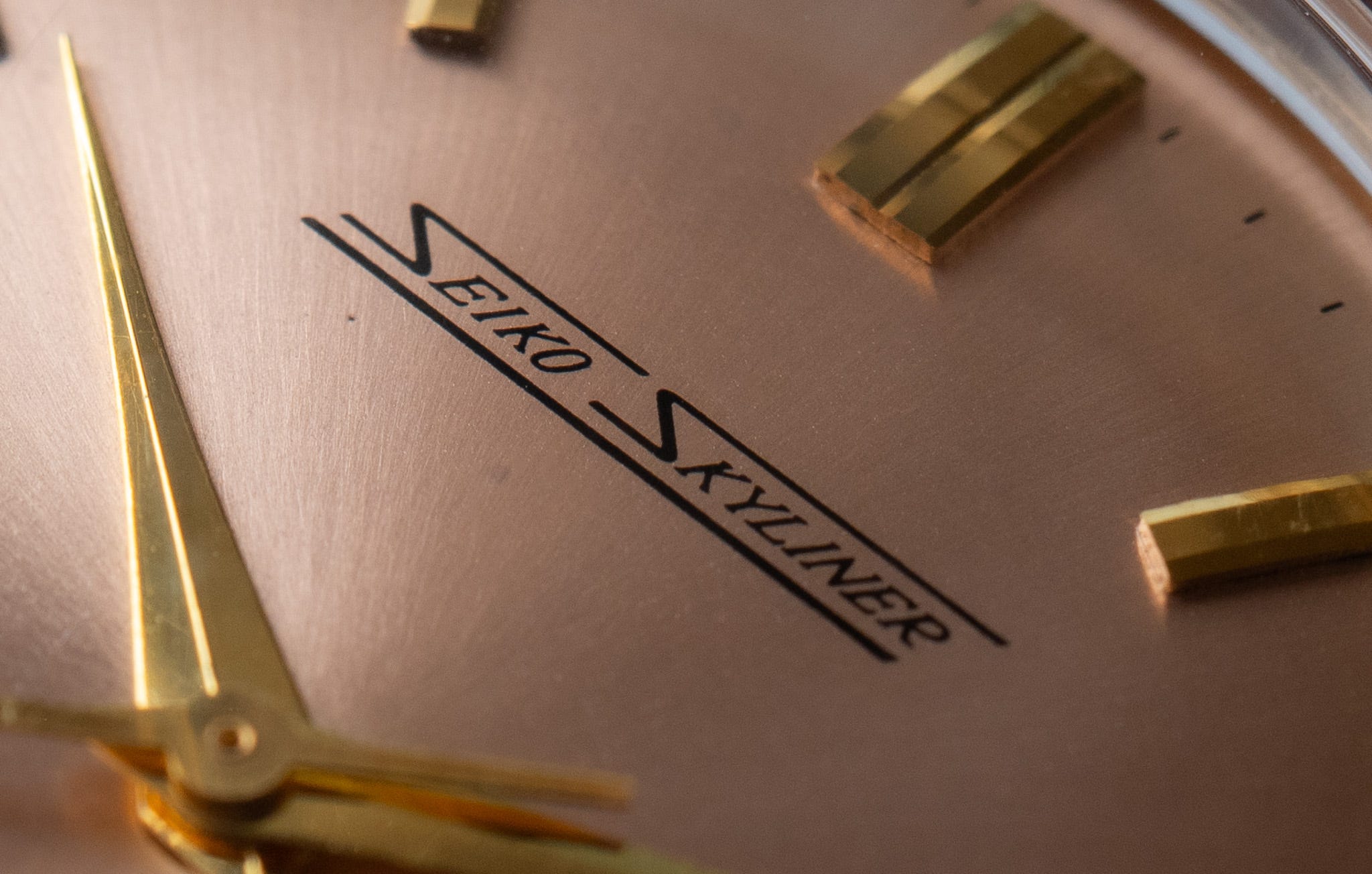
But today’s Skyliner isn’t being featured because of its dial text - it’s what’s beneath the text that deserves our attention. That beautiful peach patination.
Much like the Motorist I listed earlier this year, the J150065’s beige dial has transformed into a delicious shade of peachy-gold. Dare I be so bold as to say it looks better than the original? There was obviously something going on with the early 1960s manufacturing process, as I haven’t seen this shade of patina on dials outside of that era.
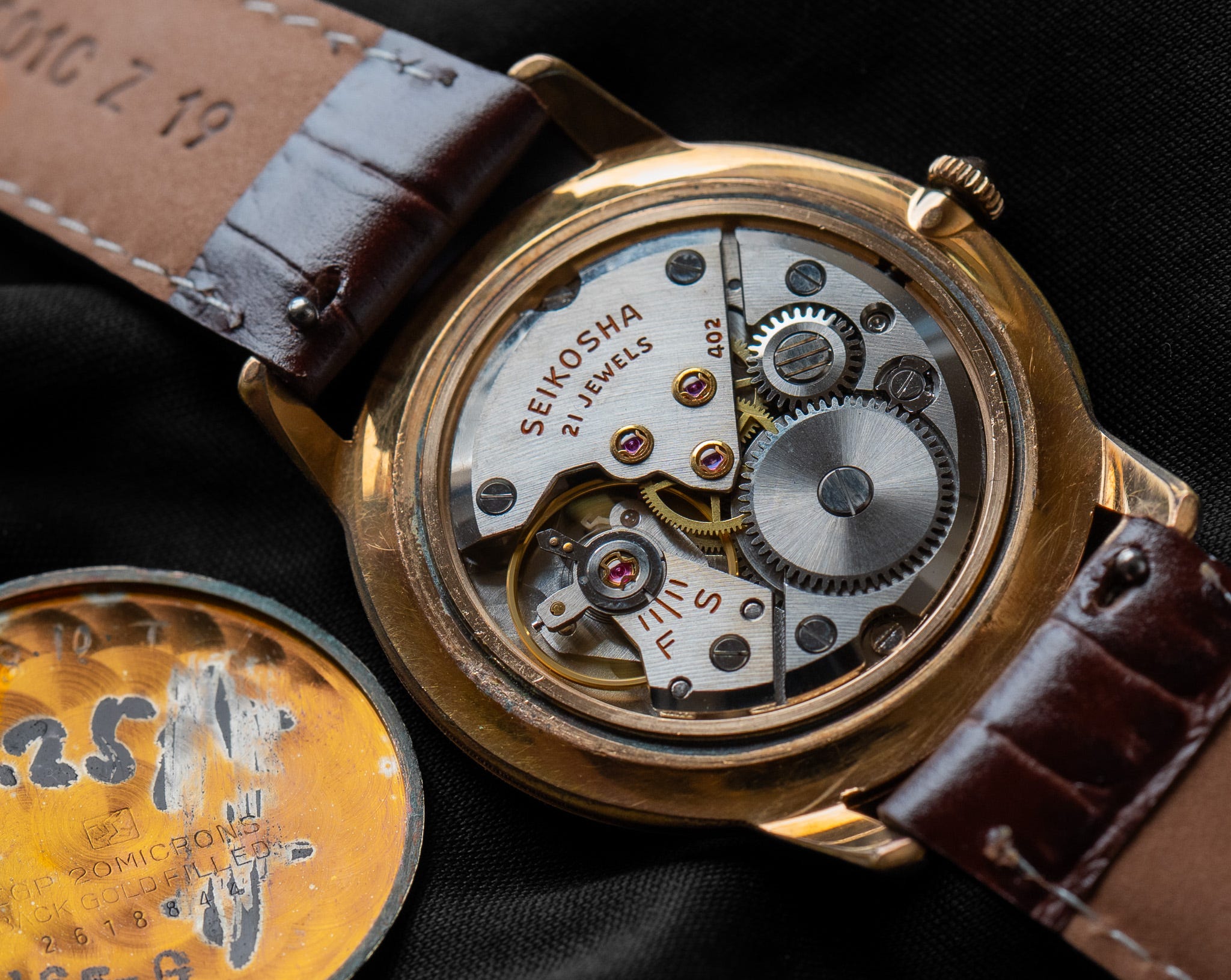
And to round things off, the 20-micron gold filling is significantly thicker than most modern gold plating - resulting in the case aging just as well as the dial.
The Seiko Skyliner J150065 is available to buy on our website
In very good condition overall. Just serviced. Heavy patina on the dial. Minor swirls and marks can be seen on the case, but nothing of significance for a watch this old. Seiko non-original strap. No box or papers.
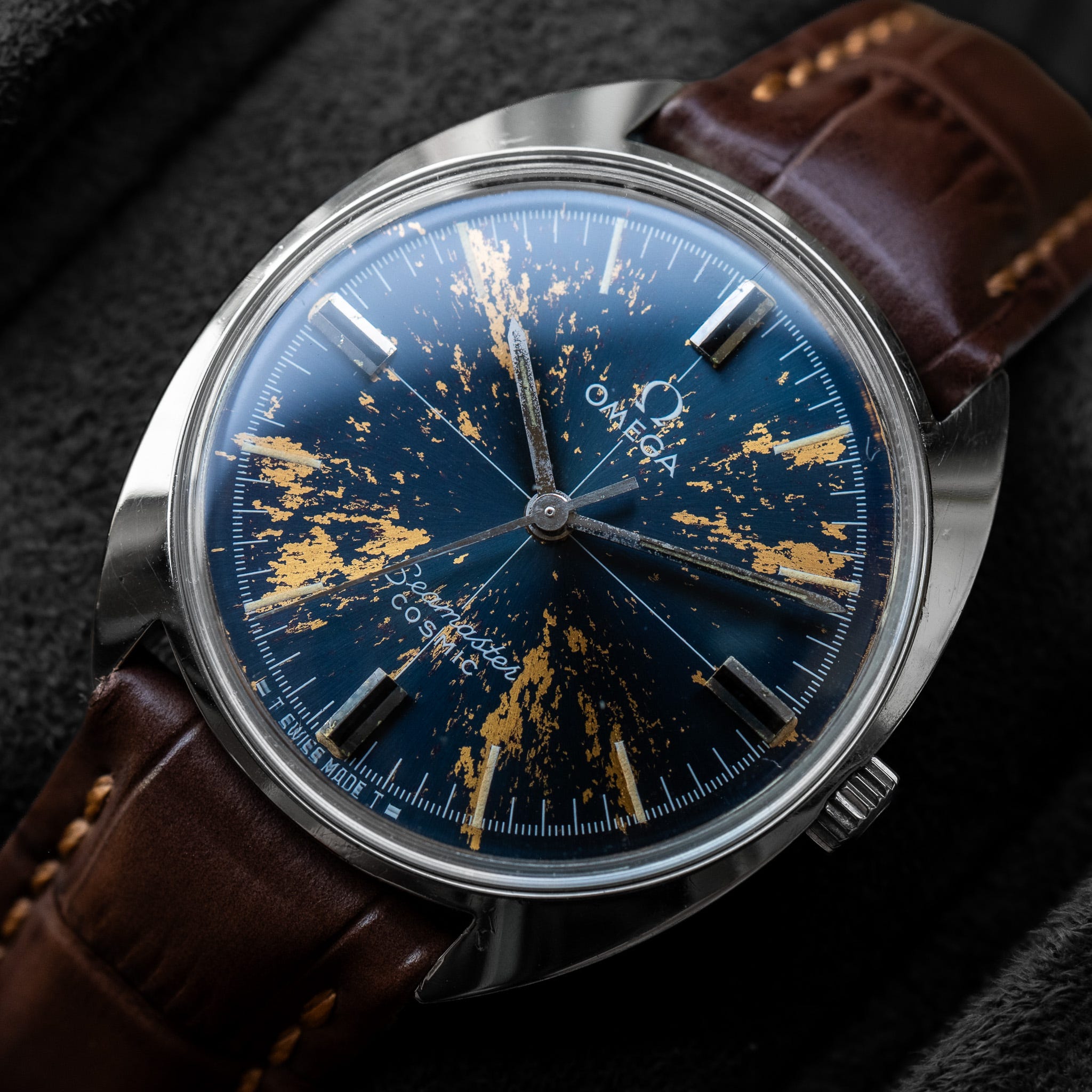
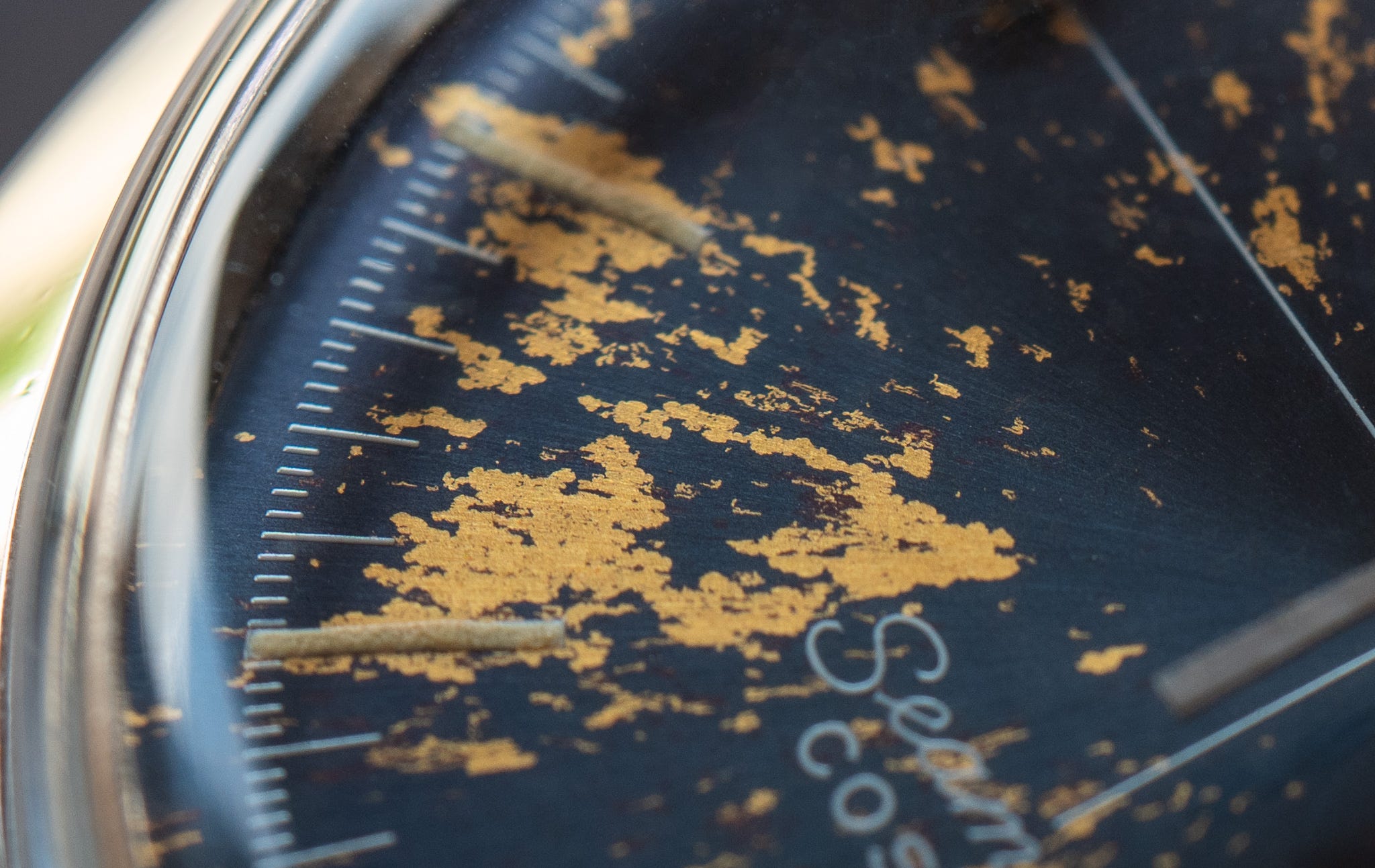
Same-same but different. Much like the Skyliner above, this Omega earned its spot in the newsletter thanks to its incredible patina. After all, how can you not enjoy the nominative determinism at play when a watch called Cosmic ends up with a dial that looks like your spaceship just engaged warp drive?
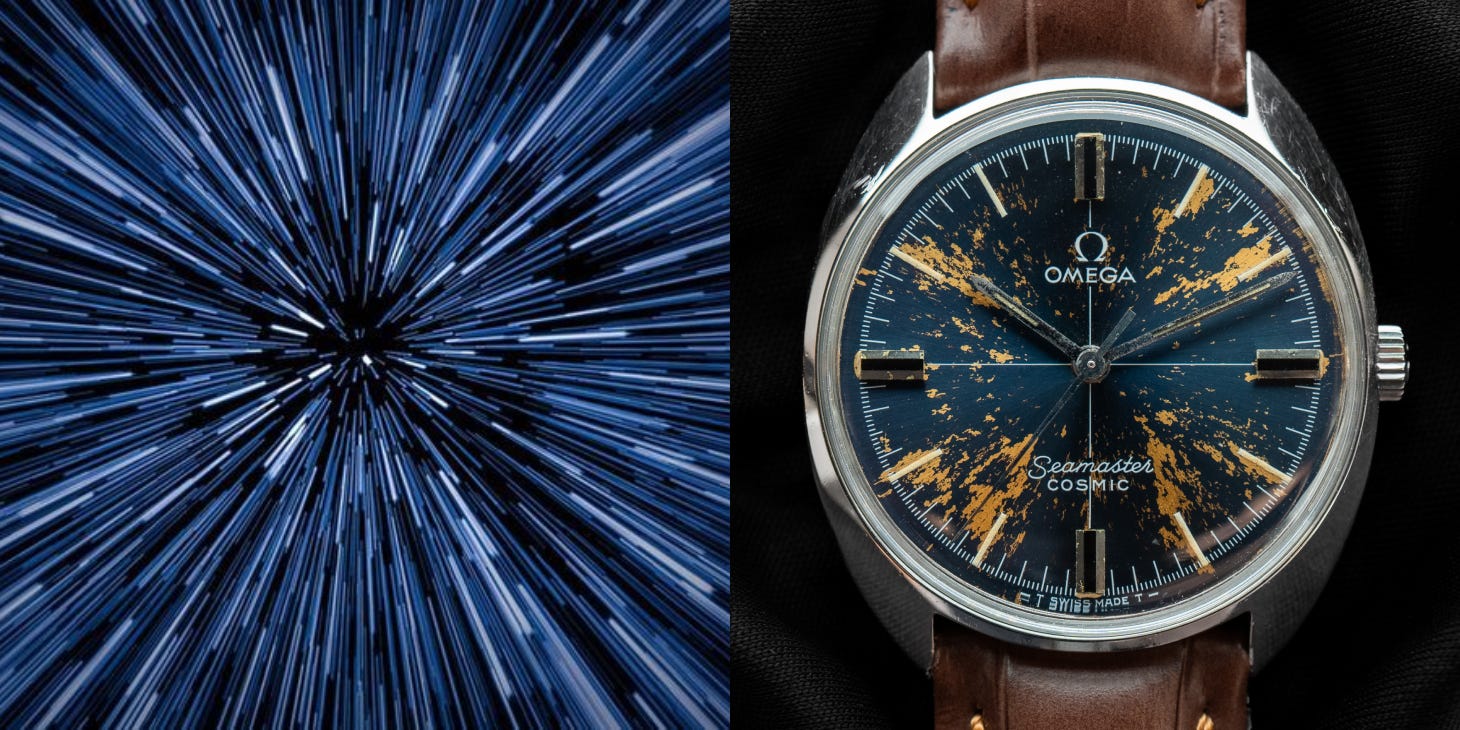
The name itself originally came from Omega’s post-Apollo fascination with space - an obsession that might be starting to mar its newest releases rather than enhance them - and the cushion case was designed to capture the retrofuturism that ran rampant throughout the 1960s.
This particular reference is the smaller 34mm, no-date variant, typically seen with a blue crosshair dial housed inside a polished case. Not to be confused with the more commonly encountered black-dialled version with its brushed finish.
Even without the patina, there’s a lot to like about this underappreciated vintage reference, but I think this is one of those rare occasions - much like the Patek I listed last year - where the dial damage somehow enhances the watch.
The Omega Seamaster 135.016 is available to buy on our website
In good condition overall. Just serviced. Various marks can be seen on the case, and the dial is obviously damaged (arguably with a great outcome). Aftermarket strap. No box or papers.
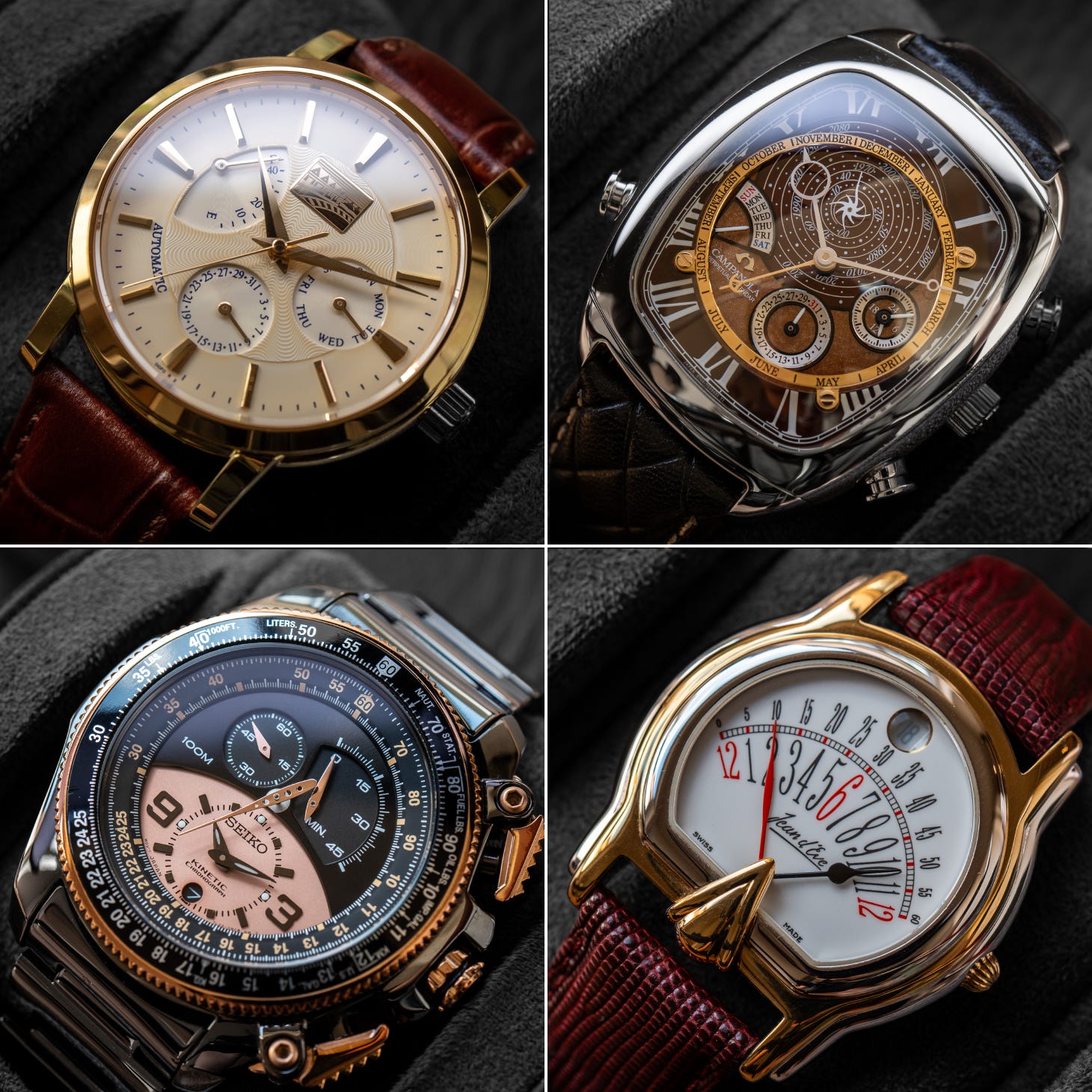
How many different ways can you display the time? Here are four.
Campanola “Burning Incense” AG6251-06W
Seiko “Kinetic” 7L22-0BA0 Chronograph
Jean D’eve Two-Tone Sectora Automatic
And all are available to buy on our website:
Don’t forget to follow my Instagram to see all of the watches above in full cinematic glory next week.
No posts
Comments
Nothing yet. Say the first thing.
Sign in to join the conversation.