
At Proud Mary, we spend a lot of our time looking at things that don’t fit neatly into existing categories.
A woven basket that feels like sculpture. A ceremonial textile that belongs on a wall as much as it once belonged in a ritual. A handmade broom whose patterning rivals anything produced by a design studio.
The art world has one set of labels for these objects. The design world has another. The market has its own. And we often find ourselves interested in the things that slip between them.
Which is why we’ve been thinking about the concept of taste.
Most people think taste is knowing what goes together. That’s a common, formulaic and teachable skill. In fact, there are entire industries built around teaching it - interior design formulas, trend forecasting, recommendation engines, algorithms that show you ten more versions of the thing you already liked.
But knowing what matches isn’t the same thing as having taste. We like to think that taste is what begins when the categories stop helping.
It’s the ability to hold things in tension that don’t naturally belong together. A 200-year-old weaving on a contemporary wall. A folk painting beside a modernist print. Objects from opposite ends of the world sharing the same room without either one apologizing for itself.
Not because they match. Because they balance.
The most memorable rooms, collections, and interiors are rarely built from objects that belong to the same category. They’re built from objects that challenge one another. Objects that create a productive friction.
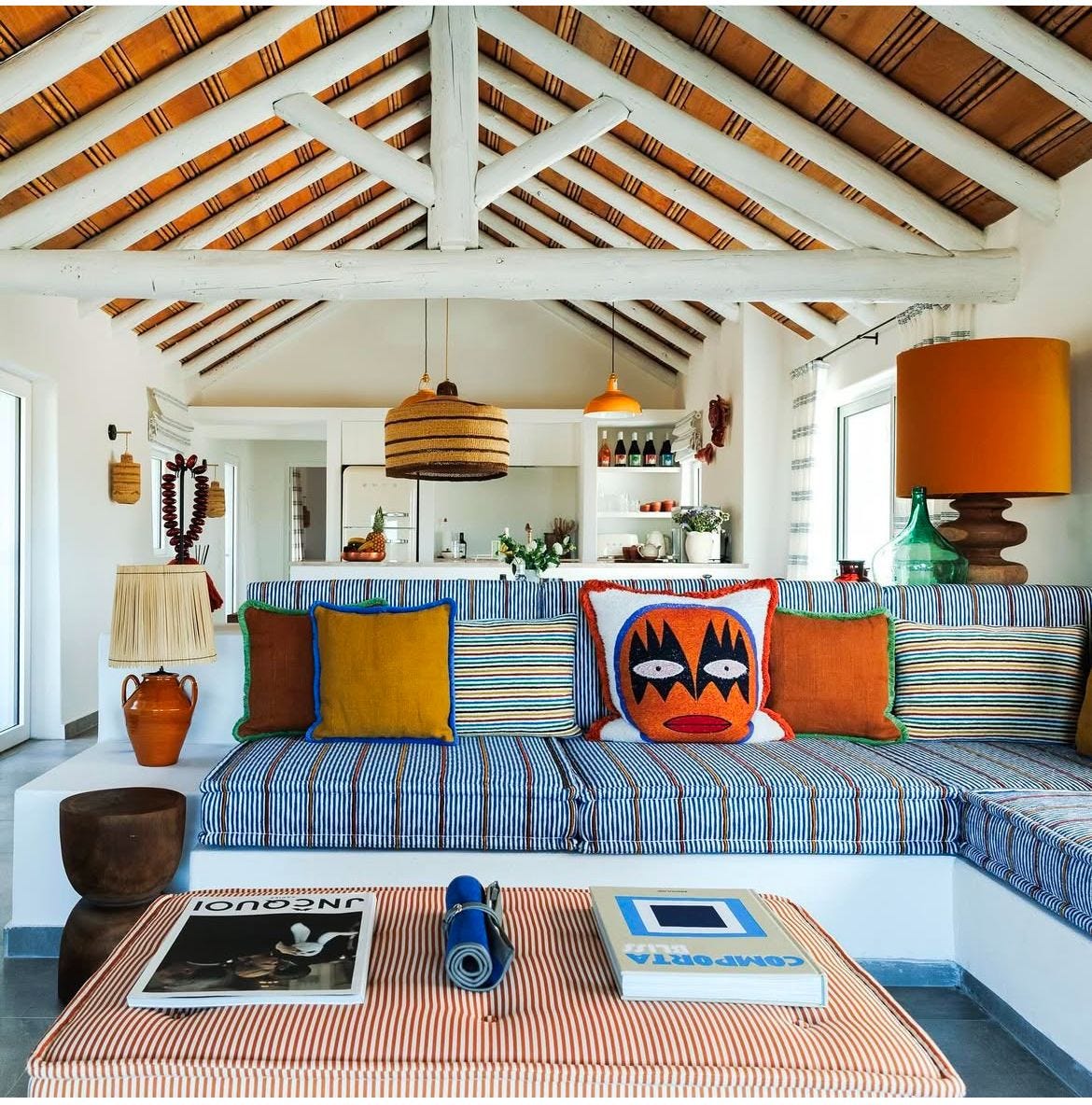
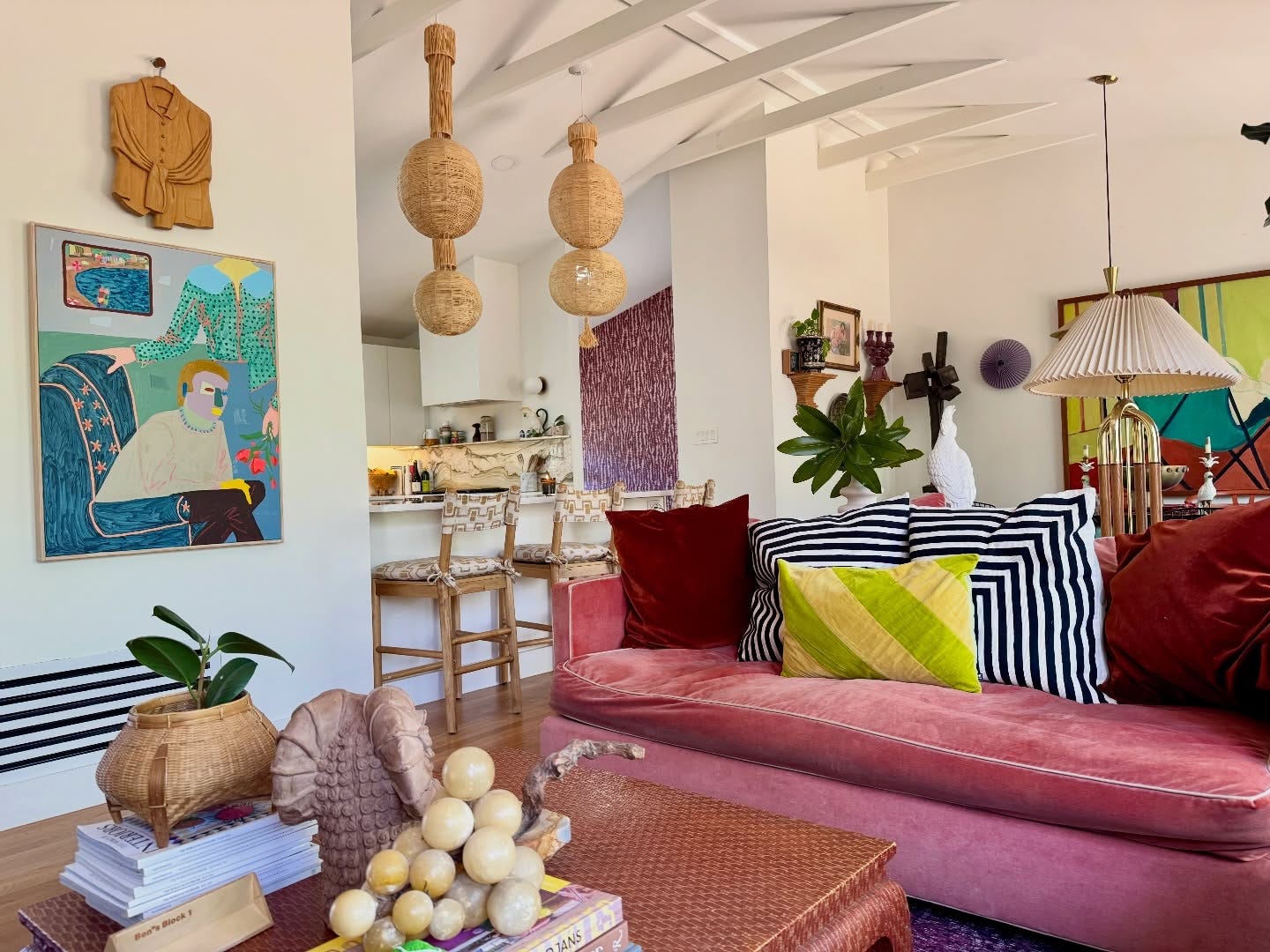
That’s what makes them interesting.
And that’s why we’ve become skeptical of categories in the first place.
Categories are useful for organizing information. They help us navigate the world. But they can also become constraints. They teach us what we’re supposed to value before we’ve had the chance to decide for ourselves.
The longer we do this work, the more we’re drawn to the objects that sit just outside those boundaries.
We’ve been thinking about this a lot lately because of AI. In many ways, AI is the most sophisticated categorization machine ever built. It can absorb enormous amounts of visual and cultural information and identify patterns at a scale none of us could approach on our own.
It knows what has been described as beautiful, important, collectible, or valuable. It can see connections across auction records, museum collections, editorial spreads, design archives, and market data. It can tell you what a category has looked like, how it has evolved, and what objects tend to be grouped within it.
That is not nothing. In fact, it can be incredibly useful. But the question is whether that is the same thing as taste.
If taste is the ability to recognize established patterns, then AI already has some version of it. Maybe even a very advanced one.
But if taste begins where categories end, then the question changes. Because taste is not only knowing where something belongs. It is knowing when the existing categories are too small for what you are seeing.
This is the part that feels central to our work at Proud Mary.
So many of the objects we’re drawn to have historically been placed in categories that made them easier to dismiss. Decorative. Functional. Ethnic. Vernacular. Craft. Those labels were never neutral. They shaped what institutions collected, what markets valued, what critics wrote about, and what people learned to see as significant.
A handwoven basket might be treated as utility. A ceremonial textile as ethnographic material. A carved stool as design. A handmade broom as household object.
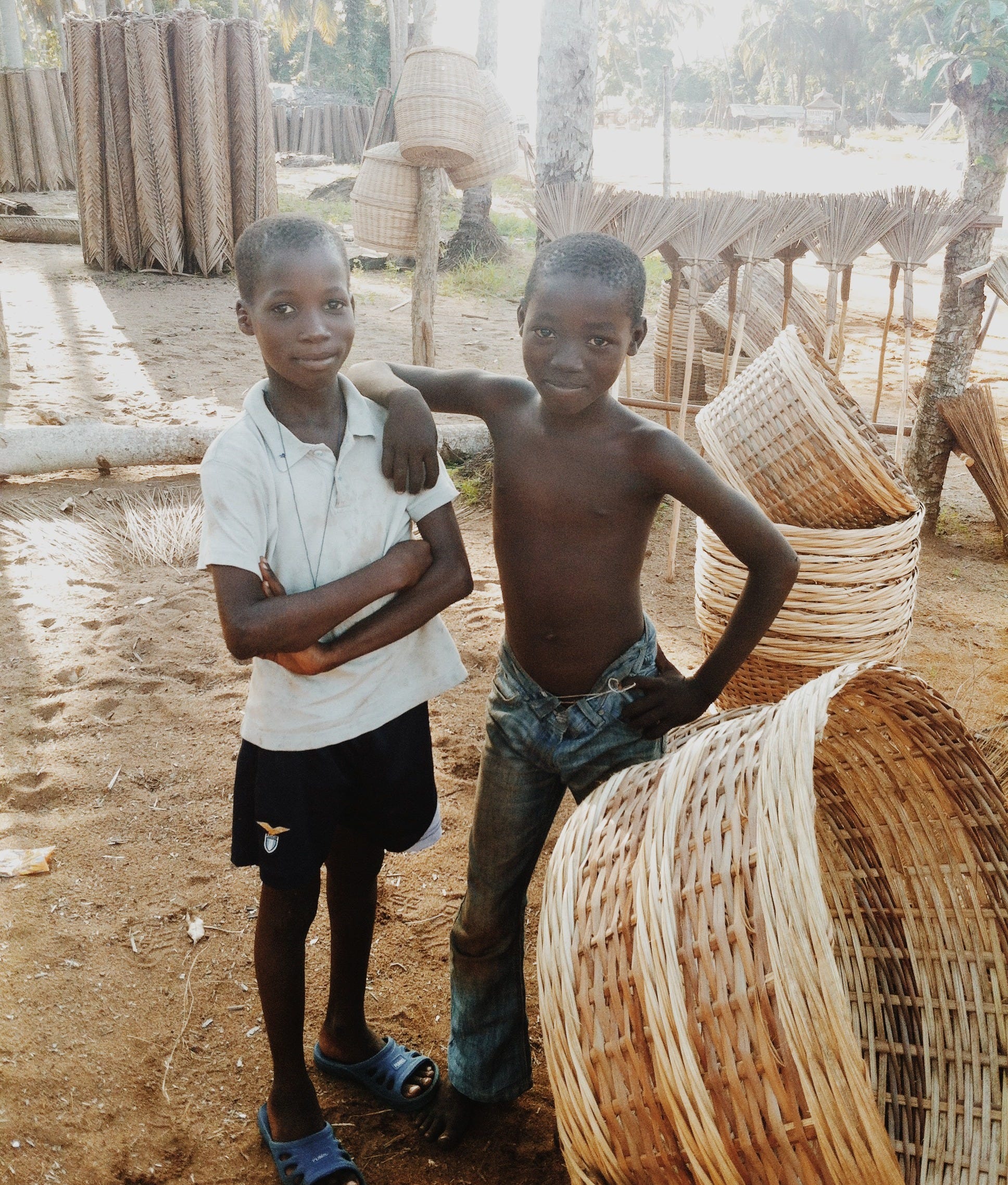
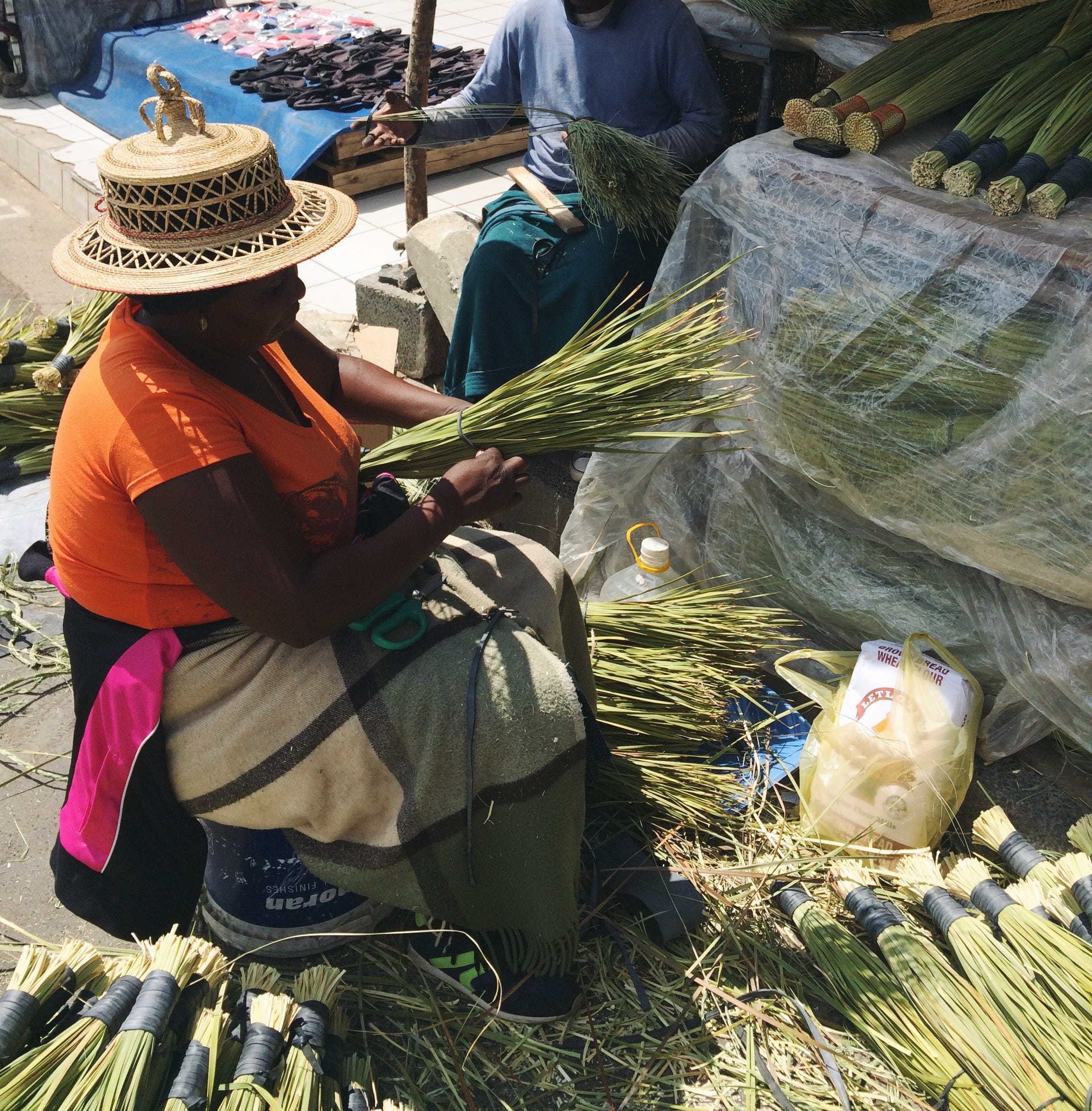


But what if those categories are obscuring the very thing that makes the object extraordinary?
What if the basket is also sculpture? What if the textile is also abstraction? What if the broom is also drawing, pattern, gesture, and form?
What if the craft is art?
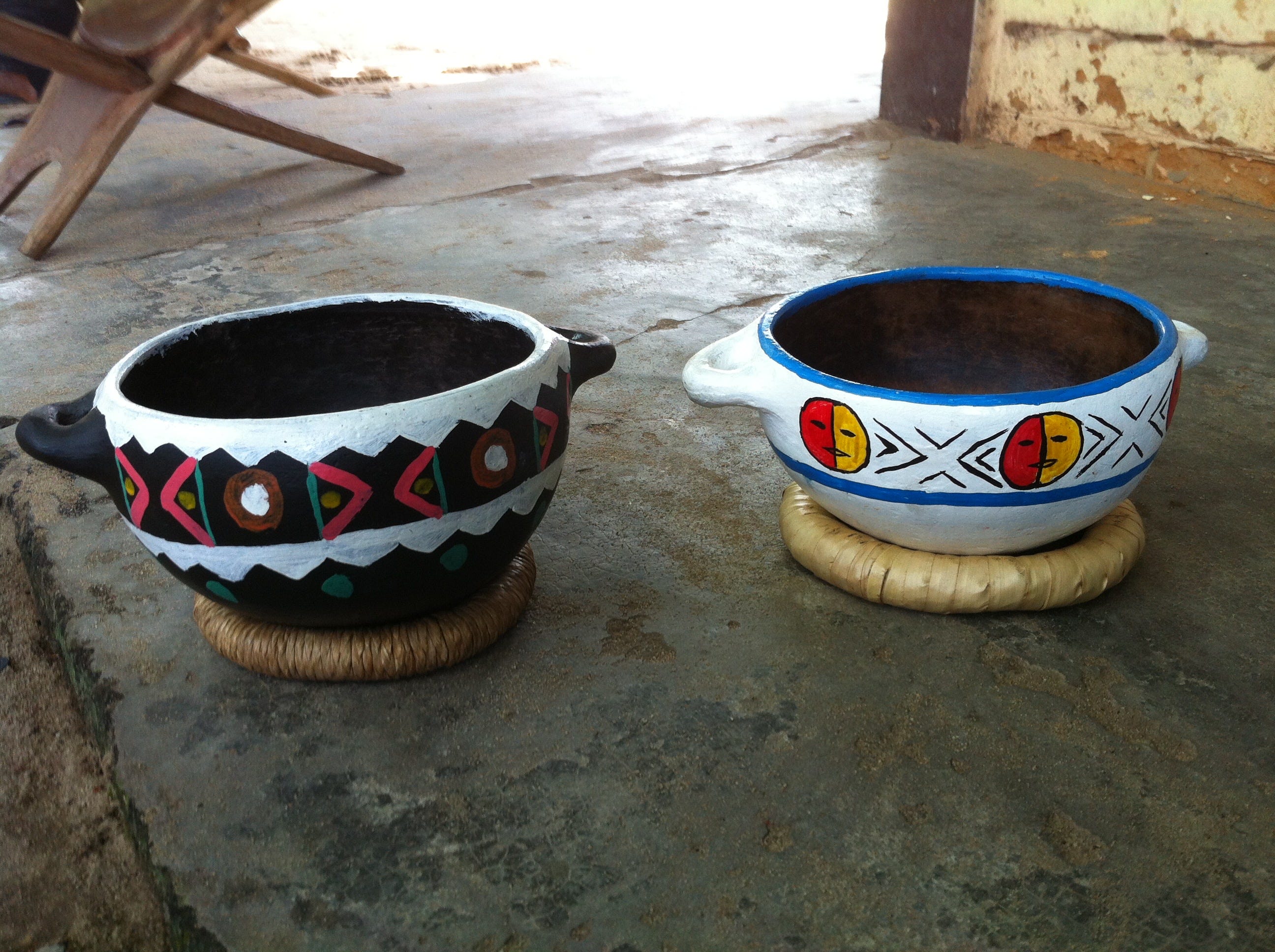
This is where taste becomes a willingness to question the frame.
The work of curation often begins before validation. Before the market has caught up. Before the category exists. It begins in the moment when something stops you, even though you don’t yet have the language for why.
When we build collections for Proud Mary, we’re not starting from what the art world has already validated. We’re starting from craft traditions that were or are categorized as decorative, functional, ethnic - anything but fine art. That hierarchy was constructed, not discovered. We’re not trying to smuggle artisan work into the fine art world on the fine art world’s terms. We’re questioning whether those terms were right to begin with.
The thing we keep coming back to is that the best objects we’ve found - the ones that stop us in our tracks- are almost never the ones that were supposed to matter. The baskets from the vendor on the side of the road, not the beautiful basket shop. The handmade brooms with black rubber patterning. The worn blanket draping the shoulders of a shepherd boy in the mountains of Lesotho. They’re the ones that hold an internal tension. Beautiful and weird. Rough and refined. Serious and playful. They don’t match anything around them and they don’t need to.
Finding that requires being willing to look at things the market hasn’t validated yet. To trust your own read before the consensus - the category - arrives. That’s not something you can train on existing data. It requires a tolerance for being misunderstood, for loving something before anyone else does.
AI is very good at telling you what taste has already decided. It can be useful. We use it often. But the thing it can’t do is walk into a room and find the beautiful thing most people walked past. That part is still very much ours.
What’s Inspiring Us
It’s so important to stay inspired these days. In closing, here’s a bit of where we’ve been finding hope, beauty and inspiration.
Intellectual Inspiration
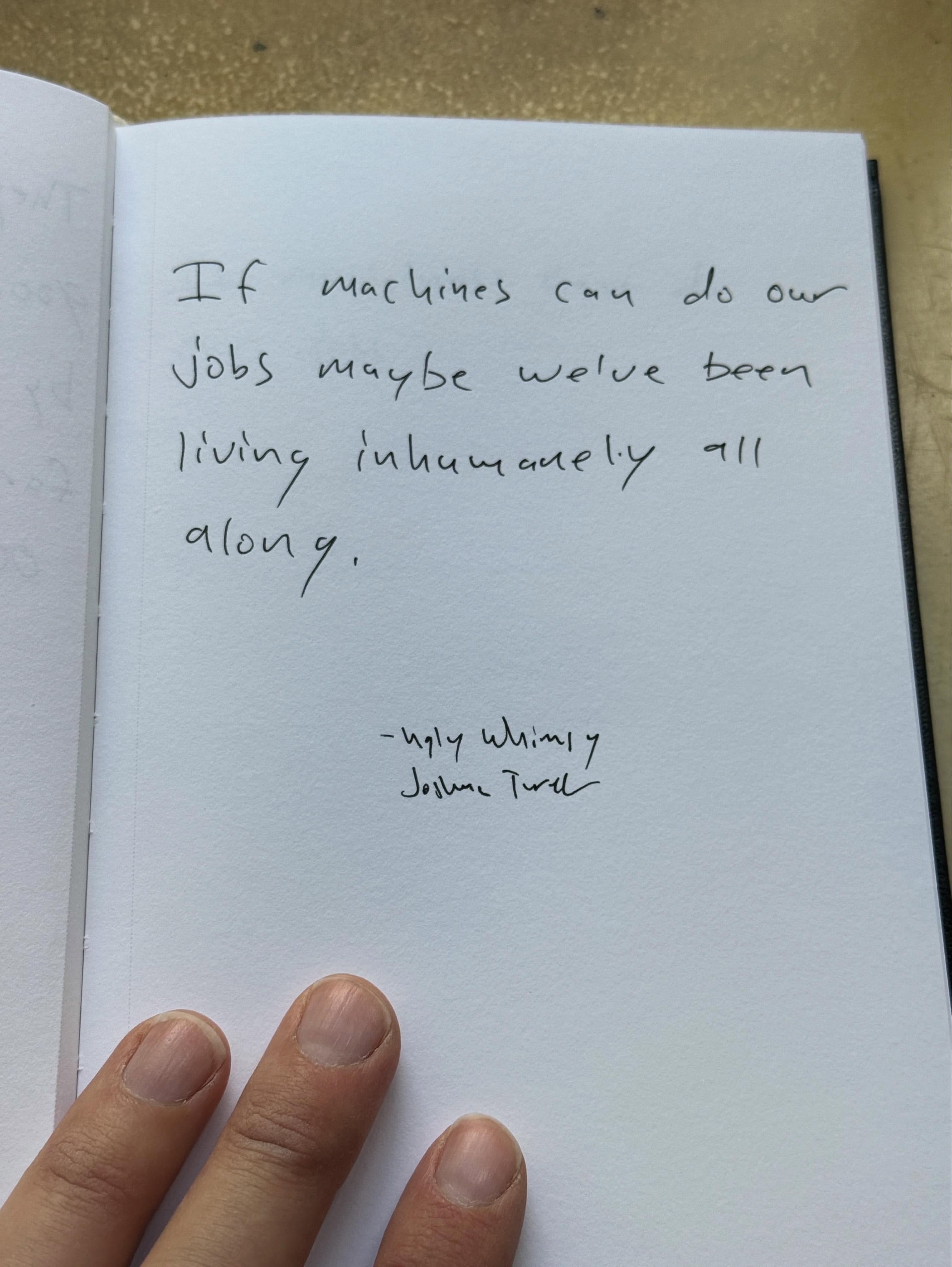
Harper: Maybe the fear of AI is partly clinging to a past that no longer exists and perhaps never really served us well to begin with. Maybe this leaves more space to dream, explore new ideas, and create soemthi from nothing. I’m not solidly in a pro or anti-AI camp. I’m still deeply exploring and thinking about what this new reality means for me, for my work, and my life and for now am choosing optimism over fear.
Aesthetic Inspiration
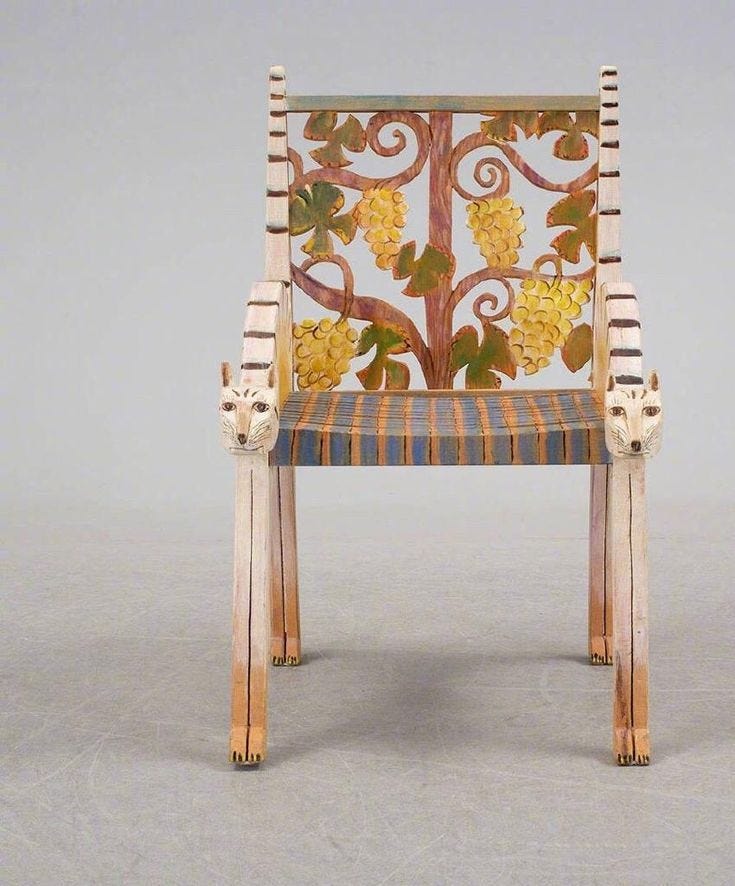
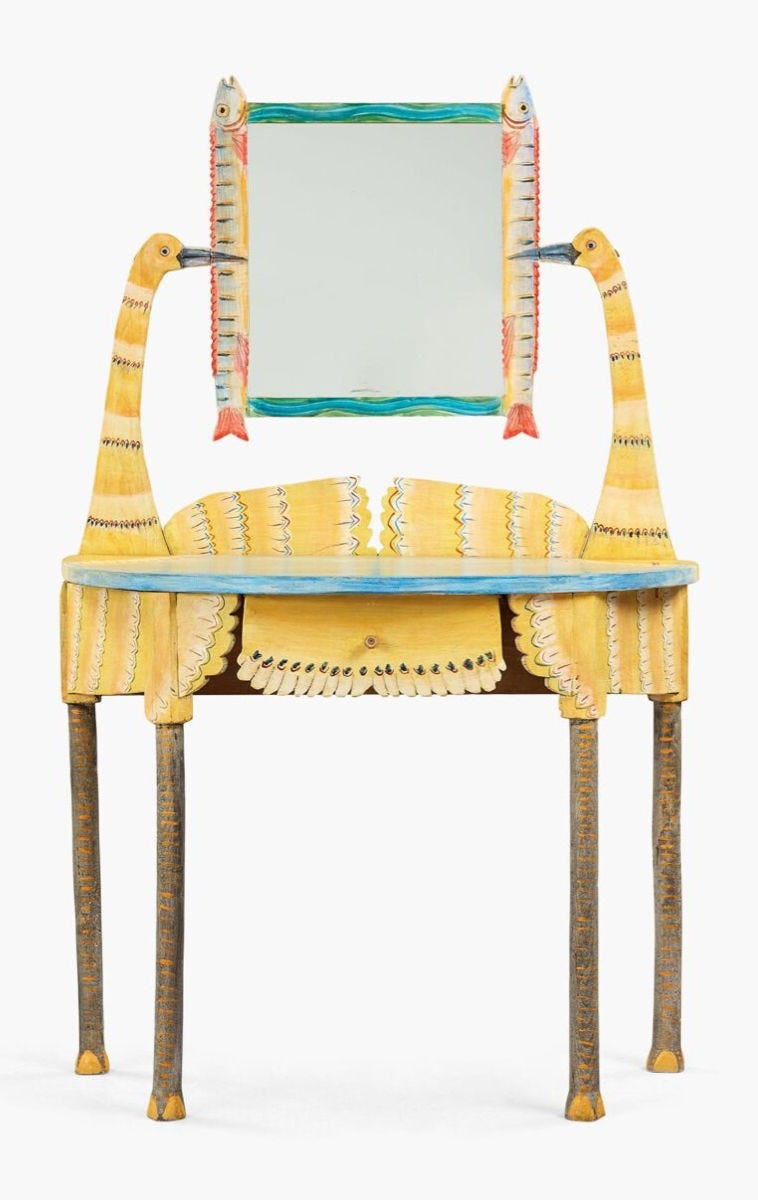
Harper: Bring on the whimsy. I’m absolutely in love with Gérard Rigot’s animal furniture.
Cultural Inspiration
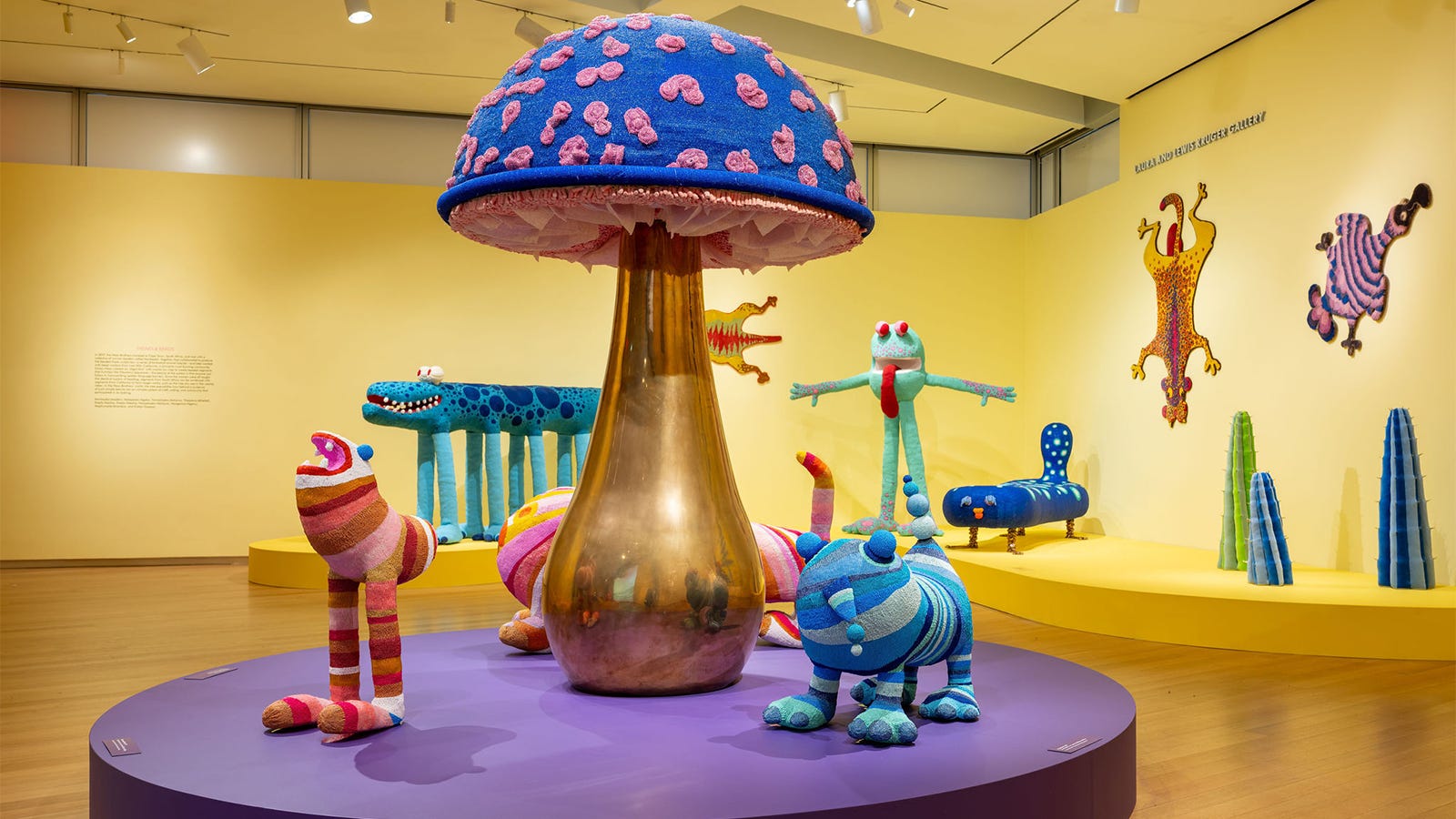
Benita: I recently stumbled across the Haas Brothers’ whimsical exhibit “Uncanny Valley” at the Museum of Art and Design in my neighborhood. It was like absurd maximalism. The review in Wallpaper here captures it pretty well.
—
If you made it this far, we’re grateful for you. And if you didn’t, hopefully that means you’re on ProudMary.co buying some fine folk art for your home and all your inspired spaces.
Till next time. Proud Mary
No posts
Comments
Nothing yet. Say the first thing.
Sign in to join the conversation.