
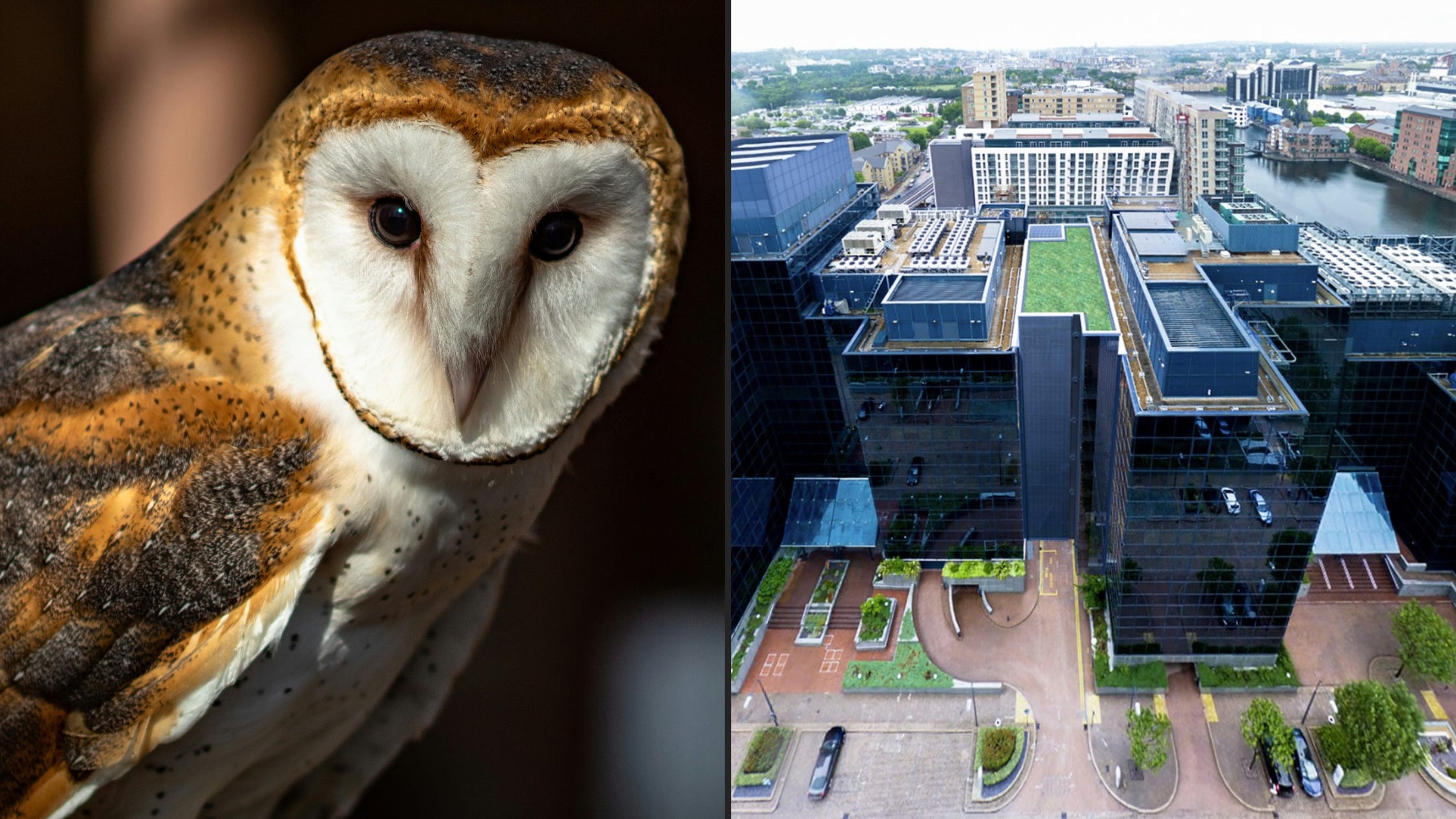
Most people will already be aware that the British government has been backing a huge expansion of AI datacentres. Labour has created ‘AI Growth Zones’ (AIGZ), where corporate developers are being promised laxer planning processes. AIGZ have been created in London, Oxfordshire, North Wales, South Wales, North East England, North West England and Lanarkshire in Scotland. This week, London mayor Sadiq Khan even threatened to allow datacentre construction on London’s greenbelt land.
Fewer people will know the devastating effects that these datacentres could have on British wildlife. Protect the Wild takes a look at what we know so far about the wildlife consequences of the AI explosion.
In Europe, the UK is second only to Germany in terms of the number of existing datacentres, and London is fast being seen by the industry as Europe’s datacentre hub. These projects are being classified as ‘Critical National Infrastructure’, allowing them to be fast-tracked through the planning system.
Fuelling the climate crisis
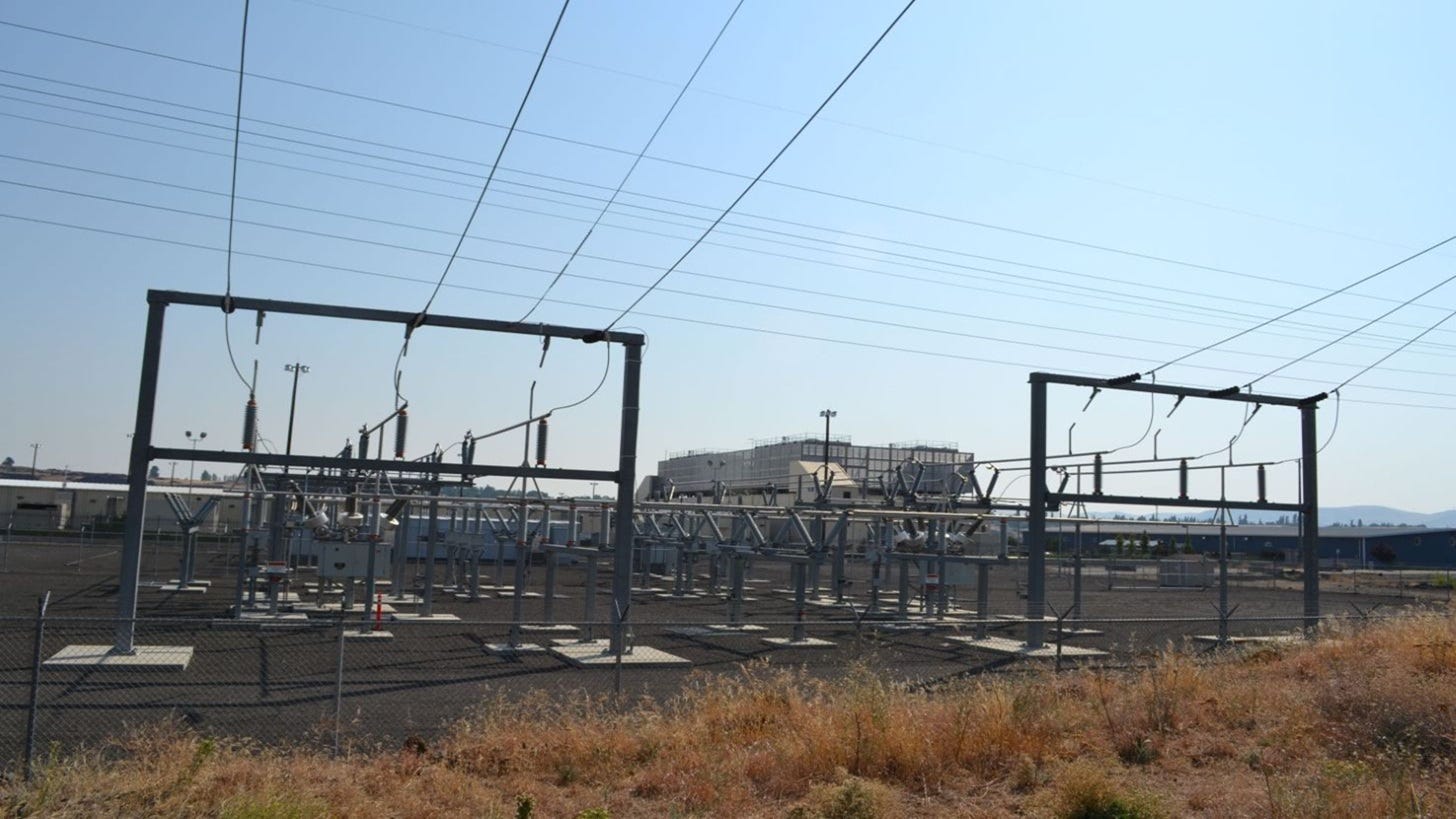
All this has dire consequences for the environment and our struggling global climate, affecting both human and non-human animals. An AI search currently needs ten times more energy than a comparable old-school Google search. Datacentres need a huge amount of energy, and the global AI boom is fuelling our dependency on fossil fuels. AI is being backed by global supporters of oil and gas as a way to stave off moves towards an economy based on renewable energy. They also require intensive mining for rare earth minerals and the construction of new roads and water infrastructure - all of which contribute to global CO2 emissions.
Destroying precious wildlife habitats
Datacentres are massive complexes taking up huge swathes of land. Servers, along with associated transport infrastructure, turbines, and cooling systems need a lot of space. In the UK, AI datacentre development projects are set to encroach on land that is home to birds, bats, foxes, badgers, hedgehogs, bees and more. They are being fast-tracked through the planning process. This rapid rubber-stamping process is being facilitated by the fact that Labour has been busy bulldozing many of the remaining checks and balances on corporate developments with its controversial Planning and Infrastructure Act (PIA), which gained Royal Assent at the end of last year. The government has specifically named datacentres as one of the key categories of infrastructure it wants to fast-track now that the Act has passed.
The PIA means that environmentally destructive projects are able to destroy habitats by paying a levy into a new Nature Restoration Fund, financing Natural England to undertake ‘pro-nature’ projects elsewhere. As Protect the Wild has pointed out before, that’s not the way ecosystems work. Once destroyed, a wild landscape is gone forever. No amount of tree planting at another location can compensate for that. This new ‘pay to trash’ framework also ignores the individual sentient animals whose lives and livelihoods are destroyed.
Secondary legislation is still going through parliament to iron out how the Nature Restoration Levy will work, and a group of high-profile conservationists, environmentalists and campaigners recently wrote an open letter to new Prime Minister Andy Burnham, calling on him to scrap the scheme.
Habitat fragmentation
As well as destroying habitats, the massive footprints of datacentre developments cause habitat fragmentation - preventing animals from moving from one part of an ecosystem to another and making it more difficult for them to find food or mates.
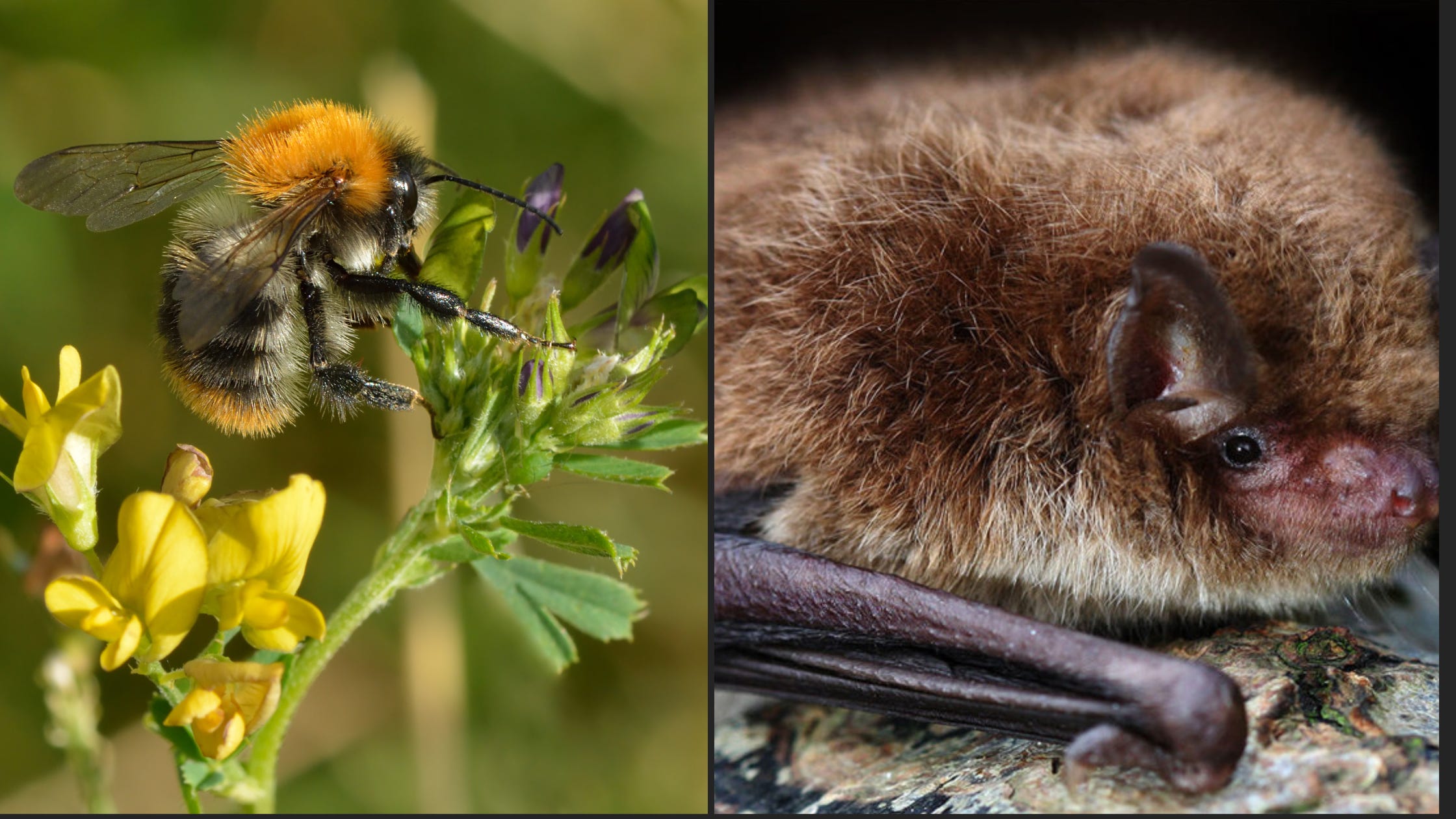
AI boom enthusiasts will argue that many of these datacentres are being built in post-industrial areas. But several of these projects - like Google’s proposed datacentre on the Arena Essex Raceway site - have been rewilded and are now homes to new, precious ecosystems. The Arena Essex site is a piece of rewilded land which is now home to a trove of insects including the rare carder bee. Plans to develop a datacentre for Google on the land are being opposed by local people together with Buglife and the Wildlife Trusts.
Disrupting migratory birds, bees and nocturnal animals

Research has shown that the intense humming, vibration and other noise from datacentres can reach a level where it prevents wildlife from living normal lives, even affecting hormone levels and breeding. Light pollution from huge datacentres can disorientate many species and disrupt migration for birds. Many local communities in the UK have raised concerns over the effects of datacentre construction on bats, barn owls and waterbirds.
Electromagnetic fields, caused by the high transmission power lines required by datacentres, adversely affect pollinators including honeybees. This could affect the biodiversity and health of entire wild areas.
A new threat to our already fragile water system
Datacentres already use 6.6 million litres of water in the UK daily. Labour is seeking to triple the number of datacentres by 2030, which would lead to an increase to 19.8 million litres a day.
The water needs of these facilities could reduce the amount of waterflow available for rivers, wetlands and wildlife that could affect fish, amphibians, birds and mammals that rely on healthy freshwater habitats. Warmed and inadequately cleaned wastewater released from datacenters is likely to affect water systems too, as well as the lives that rely on them.
Technofixes could cause new problems
Submerging servers in undersea pods - which has already been trialled in Scotland - is being posited as a technofix to some of the environmental concerns over AI. However, the potential warming of the sea water used in cooling these pods could be fatal for some undersea animals and plants, and disrupt marine life - on top of the potential undersea habitat loss.
Case studies - Concerns for new datacentres effect on wildlife:
The Bromley datacentre planned by consultancy firm Dare DC borders Norsted Valley Woods Site of Importance for Nature Conservation (SINC) and located around 500 metres from Downe Bank and High Elms Site of Special Scientific Interest (SSSI). Natural England has raised concerns over the plans. The woods are home to Daubenton’s bats, who are under particular threat from the noise and vibrations caused by datacentres.
Campaigners have raised the alarm over concerns that the proposed AI datacentre planned by energy infrastructure company Xlinks in Torrington, Devon will affect habitats for skylarks and other wildlife.
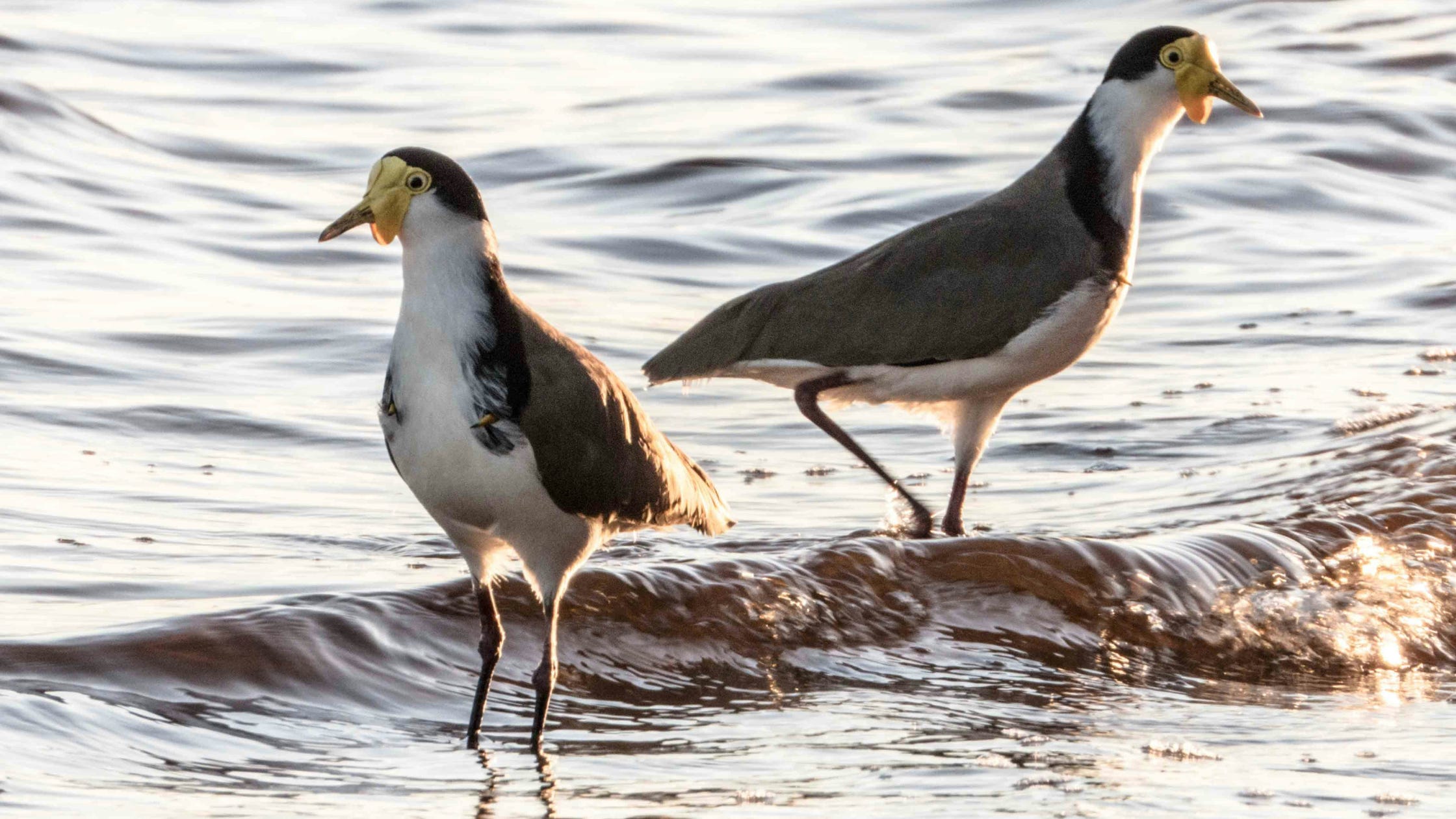
In Elsham in North Lincolnshire - the biggest planned UK datacentre site - council ecologists advised that the proposals were likely to affect badgers and nesting birds including barn owls, and could affect bat roosts. Other animals that stand to be affected include badgers and hedgehogs. Objections have focused on the nearby protected Humber estuary - home to lapwings, golden-footed plovers and geese. The project received 364 public objections. Elsham Tech Park is being spearheaded under the Aegis of a development company called Greystoke
Local people are raising concerns over the planned £10bn Cambois AI campus, near Blyth, Northumberland, being developed by QTS/Blackstone as part of the North East AI Growth Zone site. Community members are raising concerns over biodiversity loss from this reclaimed and rewilded industrial site.
Ministers seeking to overrule local objections
At least 200 new data centres are under consideration in the UK. Many of the planning processes are in the early stages. Labour ministers have intervened on several occasions to push the processes through. In Buckinghamshire, Steve Reed used a “development consent order” to rule that the planning process for a new datacentre would bypass the local council and instead be decided by government ministers. In the case of another application related to the Buckinghamshire data centre, former Deputy Prime Minister Angela Rayner’s decision to overrule the local council’s rejection of a planning application was reversed after campaigners forced the government to admit that it had not considered the climate impact. This shows that targeted pressure can still be effective - despite the state’s increased powers to steamroller the planning process.
Many councils have ‘screened out’ the need for Environmental Impact Assessments (EIAs). However, in the case of the Bromley datacentre, Bromley Council has stated that the effects on the environment will be significant and that a full EIA will be required.
The Scottish government is currently weighing up a moratorium on new AI datacentre projects over concerns about the nation’s climate targets. The debate has been spurred by a vote by the Scottish National Party (SNP) National Council in favour of a pause on new datacentres. However, all the signs show that the government in Westminster is unlikely to back down from its support for this destructive industry. Those of us who care about the land, climate and wildlife need to consider what we can do to oppose developments at a local level.
Local campaigners need your support
We need to slow down the expansion of AI datacentres in the UK. The government has shown that it is not willing to listen to people’s concerns, and wants to push these developments through at all costs. Its up to local communities to make that job as difficult as possible. Here are some of the local campaigns and petitions that you can support:
- Sign the petition to stop the Stop the Bridgwater Datacentre on the Somerset Levels.
- Find out about ACORN Community Union and Ditch the Datacentre’s campaign to stop the new Cardiff development.
- Check out the campaign to stop the Torrington datacentre in Devon.
- Sign Buglife’s petition to stop Google’s datacentre on the old Arena Essex Raceway site.
Photo Credits: Image of Google’s Dallas datacentre via Wikimedia/Visitor7; Image of owl in Neston, UK courtesy of Heather Wilde/Unsplash; Barnowl featured image taken by Joshua J Cotten; Carder bee image thanks to Ivar Leidus/Wikimedia; Photo of Daubenton bat taken by David Savory; Plover image by Michael75/Unsplash.
Comments
Nothing yet. Say the first thing.
Sign in to join the conversation.