Hosts are Stacie Mallinson (educator, death doula and yogini) and Jeff Mallinson (D.Phil., Oxford, historian of philosophy and religion). This is usually a conversation with the news in one hand and the Tao Te Ching in the other, but the history of ideas and the wisdom of various traditions are also regular topics.
This is a sort of book report Jeff brings after reading Sarah Allen, The Way of Water and Sprouts of Virtue (Chinese Philosophy Culture). We discuss how in ancient China, the root metaphor of water was the focus itself. It's not as if water is a metaphor for an abstract reality. Its flow is the flow. Meditating on water is to glimpse the Tao, not an object lesson for some ideology.
It is important to be flexible rather than brittle in life, in our families, at work, and when it comes to entire nations. After discussing several recent events in the world news and our lives, we discuss the principle in Tao Te Ching 76 that flexibility is related to youth and life but rigidity is associated with death. In other words, we should bend rather than break as we exist in the wins of…
It seems to many that we in the USA are on the precipice of something like a civil war. But then, when asked, the vast majority reject the idea of political violence. What conditions might exist where that changes, according to Tao Te Ching chapter 75?
Tao Te Ching 74 starts by suggesting that people don't naturally fear death. Then it suggests that nefarious leaders try to instill a fear of death in those they dominate in order to control them. We discuss how this applies to contemporary times. Then Jeff shares some of the emerging research he's doing into the extent to which early Taoism applied, evolved, rejected, or ignored archaic Chinese…
We start with a parable about being at peace with reality and not overreacting. Then there's chapter 73 of the Tao Te Ching that says that the Tao will ultimately bring everything along in its cosmic net. In other words, nature ensures that things are brought to balance in the end. The question is, will we be around to see the righting of injustice? As Bob Marley said, it is our duty to fight the…
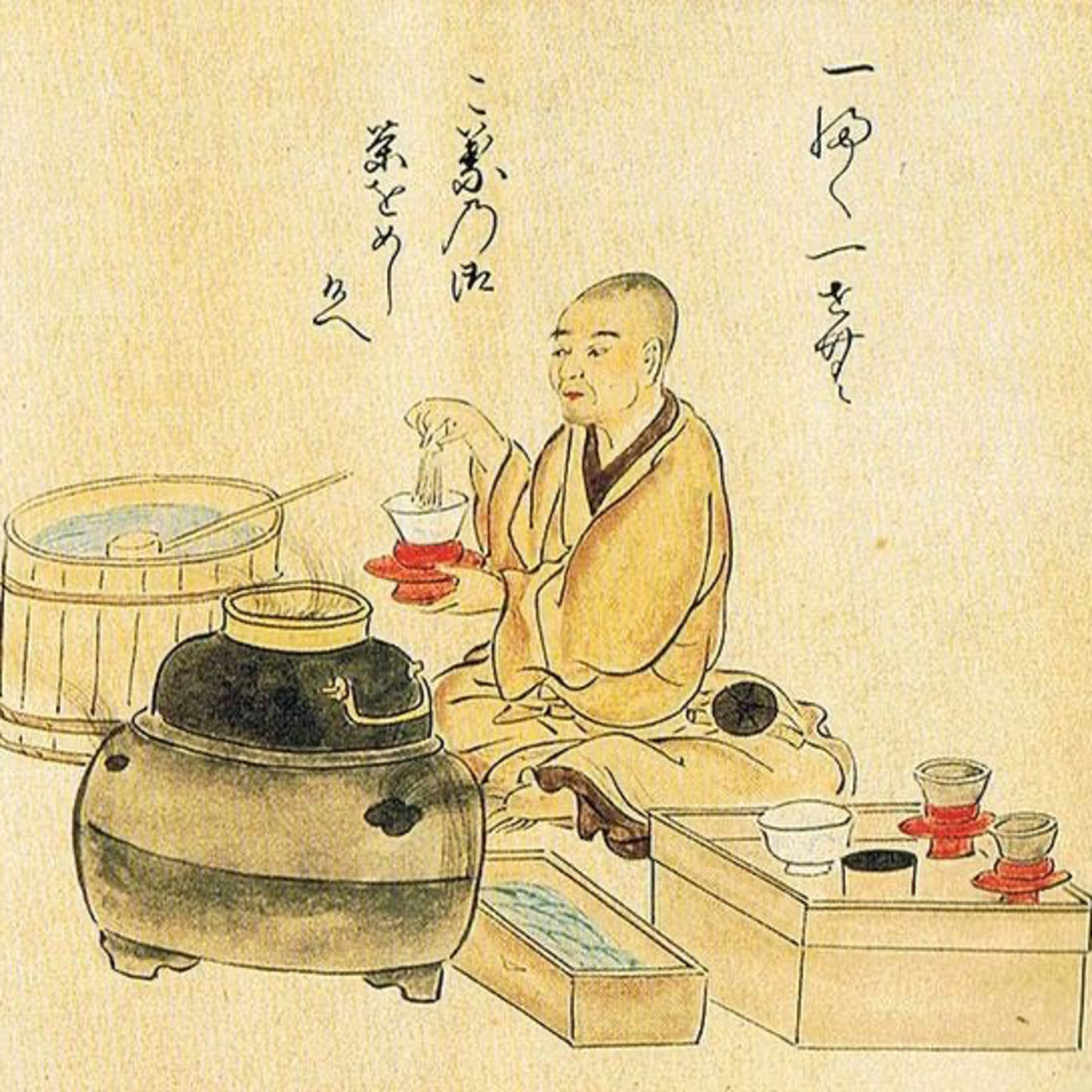
The similarities and differences between the perspectives of Aristotle and Lao Tzu on the nature of happiness and how this relates to the ways in which we might navigate our precarious times. Inspired by Tao Te Ching chapter 72. We also spend some time discussing how this is all related to the Zen parable about the Master of Tea Ceremonies and a Ronin.
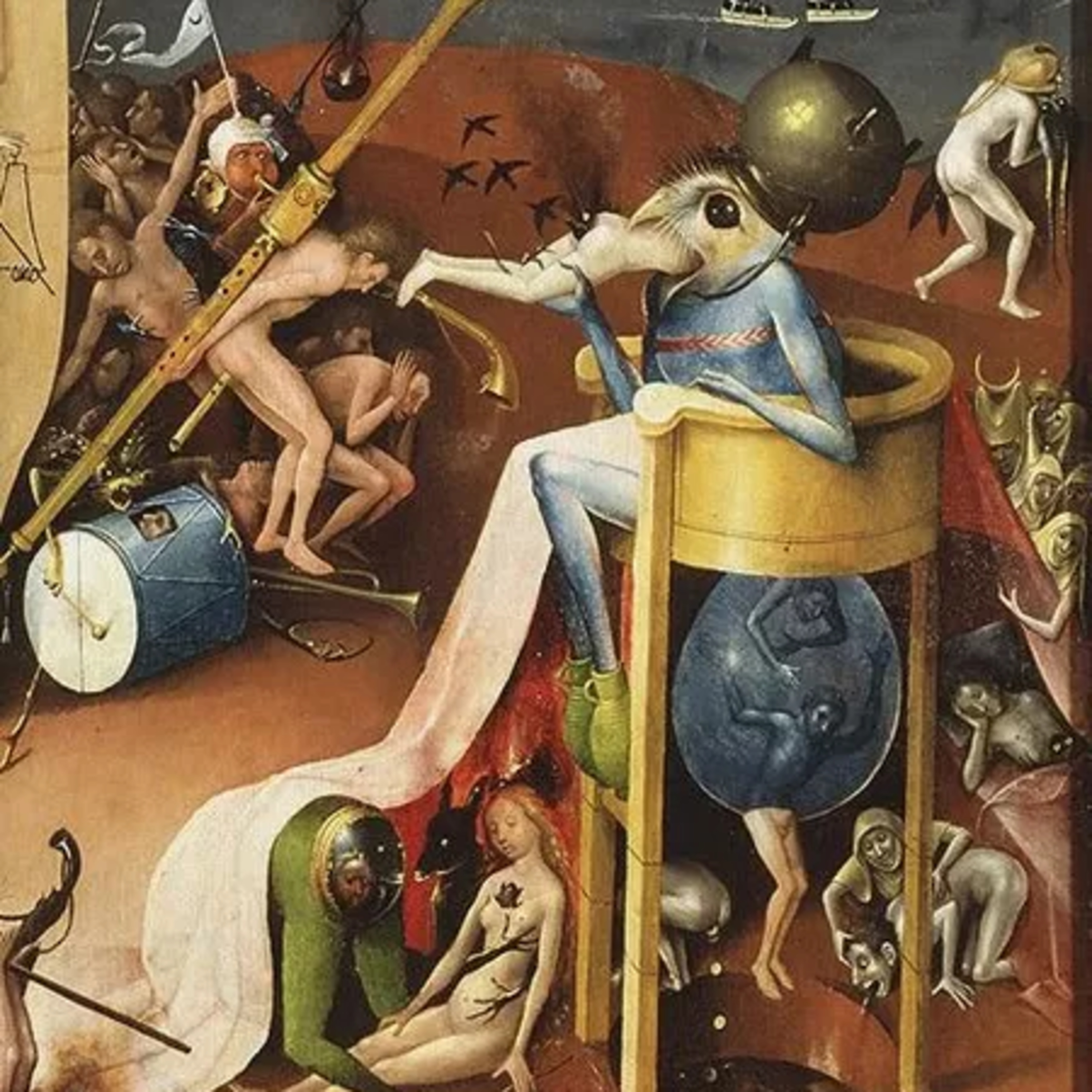
Drawing from Tao Te Ching 71, we discuss the ways in which dogmatism can lead to madness but recognizing truths, even the truth that we do not know things with certainty, can bring us to a place of sanity. We talk about a poet named Theodore Beza who traded in his love of classical poetry and creating new versions of it himself to concocting a contorted and arguably monstrous dogmatism known as…
We discuss why the Sage doesn't seem to be a winner in the minds of many "successful" people. But we also find that the Sage can have better quality items and quality of life by following the way of minimalism, compassion, and non-domination. After we discuss the meaning of Tao Te Ching chapter 70, we list about 15 of our favorite purchases over the last decade, since we discovered the wisdom of…
Drawing from Tao Te Ching chapter 69, we discuss the history and philosophy of restraint. Jeff provides three historical examples when not acting led to catastrophe and three where it just might have saved the world from nuclear annihilation. How does all this relate to the ways in which we deal with verbally abusive relatives at family gatherings?
Inspired by Tao Te Ching chapter 68, and drawing from our work with sport stadium security, elementary students, comedy show door work, and event lead roles with concerts, we discuss the idea that the best warrior is not warlike. Even if you don't usually vibe with this, consider listening to this show to learn a bit about the art of de-escalation. We also discuss an interesting candidate for "Tao…