
IN TODAY’S EDITION:
It is extremely rare to find a policy on which Donald Trump, Bernie Sanders and Sam Altman can all agree. But this summer, these odd bedfellows coalesced around a radical proposal: to tax artificial intelligence (AI) companies in the form of shares, and to use the stake the government would accumulate in this booming industry to establish a sovereign wealth fund for the United States. Norway built one from its petroleum sector, as did multiple Gulf states. Why shouldn’t the US use its leverage over Silicon Valley to get in on the action?
Prospect’s tech columnist Ethan Zuckerman suspects AI companies might stand to gain more from the proposal than it first seems. “If the US government held hundreds of billions in shares in AI companies, it would have a strong incentive to ensure those companies succeed, and a strong disincentive to aggressively regulate them,” he writes. “Maybe it is best understood as a way for AI companies to fend off regulation, maybe even as a bribe.”
Zuckerman also calculates that the revenue gained would represent only a small fraction of the cost of supporting and retraining workers that could lose their jobs to AI. But we don’t need to wonder how the technology will affect workers—we can simply look at offices and factory floors today. That’s exactly what Financial Times journalist Sarah O’Connor does in her new book, which she recently joined the Prospect Podcast to discuss.
Alan and Lionel are returning for the final episode of Media Confidential on Thursday, so we’re resurfacing O’Connor’s episode for you today. Plus, while Washington is considering how to regulate the AI industry, many tech bros are focused on their own quests to live forever. Katherine Stewart also recently joined the podcast to discuss their vain mission.
Back in January, Zuckerman wrote about his scepticism of another idea being touted in Silicon Valley: launching data centres into orbit. As Isabel Hilton writes in our forthcoming issue, we could soon be building solar panels in space instead. This innovation has greater utility than many competing moonshots, and is closer to fruition than you might think.
Space solar could also have significant military applications. But today, Andy Burnham has just touched down in Kyiv to meet with Volodymyr Zelensky about more near-term defence matters. As Ukraine braces for another wave of Russian missile attacks, Burnham will announce multiple policies to help Britain’s ally manufacture more of its own long-range missiles. To catch you up on the threats posed by Russian drones, re-read Katia Glod and Jen Stout’s recent dispatches.
Is an AI sovereign wealth fund a good idea? Email me at ben.clark@prospectmagazine.co.uk with your thoughts.
Benjamin Clark
Head of digital audience
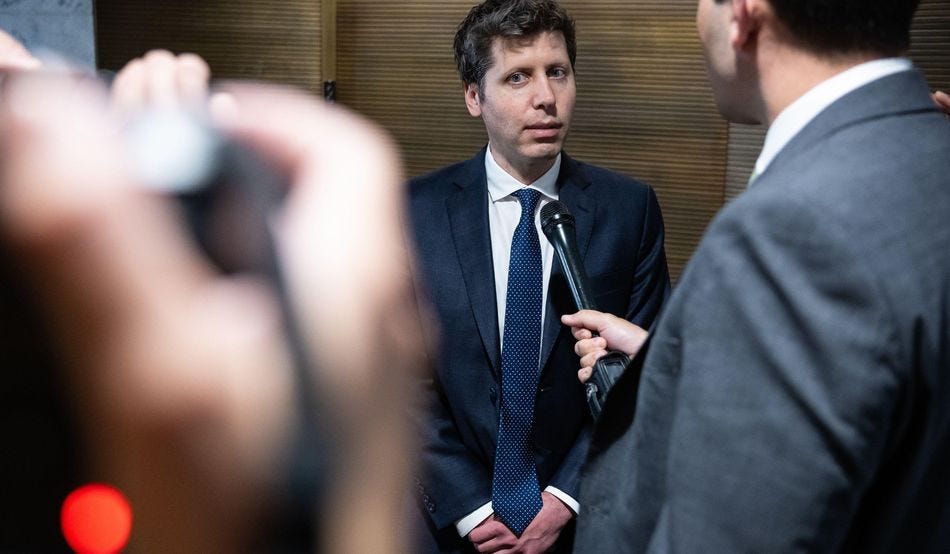

Plans to build solar panels in space are now tantalisingly close to fruition
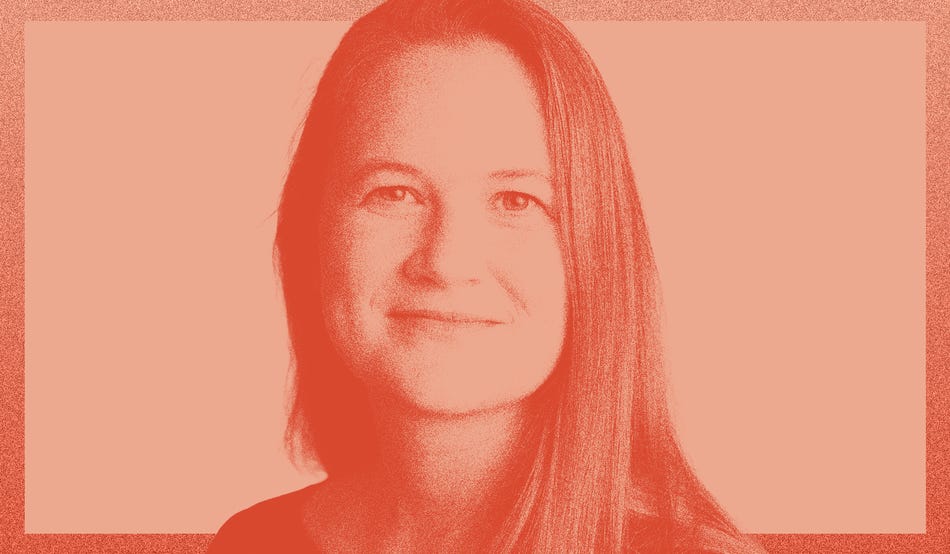
New technologies are transforming the workplace. But we are not powerless bystanders

From Jeffrey Epstein to Elon Musk, extending life has preoccupied the super-rich. But at what cost?



Comments
Nothing yet. Say the first thing.
Sign in to join the conversation.