
IN TODAY’S EDITION:
It’s a warm-but-pleasant 25° today in London, though the forecast suggests we’re at the start of another uncomfortable heatwave. By Wednesday, it will be approximately 32°. We’ve already bought a second fan for our non-air-conditioned apartment, and I’m contemplating a third.
If you’re already sick of the heat, Prospect’s climate columnist Tim Smedley is the bearer of bad news: next year’s summer is likely to be even hotter. 2025 was the third warmest year on record, but it may have been kept cooler than possible due to La Niña—the cooler of the two major weather cycles. But as occurs every two to seven years, we’re now entering El Niño—La Niña’s warmer brother.
This is happening after our oceans have absorbed 90 per cent of the heat generated by anthropogenic climate change. That’s equivalent to pouring 7.6bn mugs of tea into the ocean per second. No wonder House of Commons researchers are worrying about a “Godzilla El Niño”. Yet the parliamentarians up the hall don’t seem prepared. Smedley writes: “El Niño arrives finding not just hot oceans, but also a hot mess of geopolitics.”
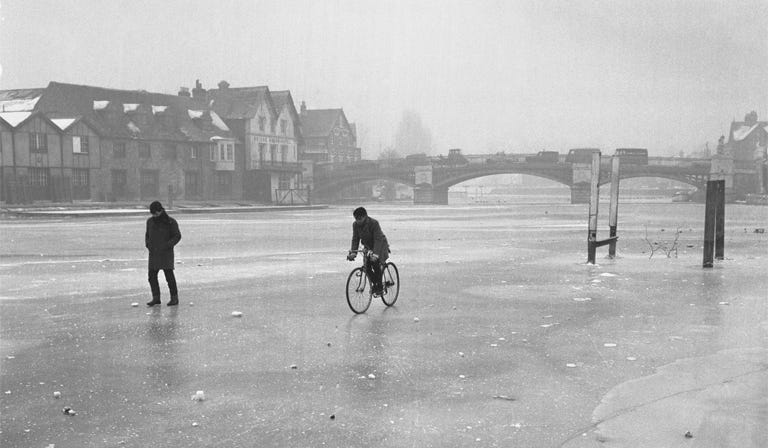
Conversely, when I speak to friends and relatives from my hometown of Melbourne, they complain about how freezing their current winter is. But the coexistence of such extremes might be increasing common. As Prospect’s Ellen Halliday wrote in March, “scientists are warning with increasing urgency that global heating could soon tip us into a very different future” where summers are hotter but many winters are also freezing. To understand why, you need to wrap your head around another key global weather system involving our oceans: the Atlantic Meridional Overturning Circulation (AMOC).
Elsewhere, Tilly Lawless reflects on how being a sex worker—and a single woman—has made her accustomed to rejection. This is healthy, she argues, and too many young people are so used to the frictionless experiences of online porn and artificial intelligence that they are lacking in romantic resilience.
Also in our Lives section, Anglican priest Alice Goodman details the ailing finances of many local parishes and their difficulty paying their “Parish Share” to the diocese each year. Whether you’re going to mass, hitting on someone at a nightclub or trying to cool off at your local lido, enjoy your weekend and send your thoughts on today’s stories to ben.clark@prospectmagazine.co.uk.
Benjamin Clark
Head of digital audience
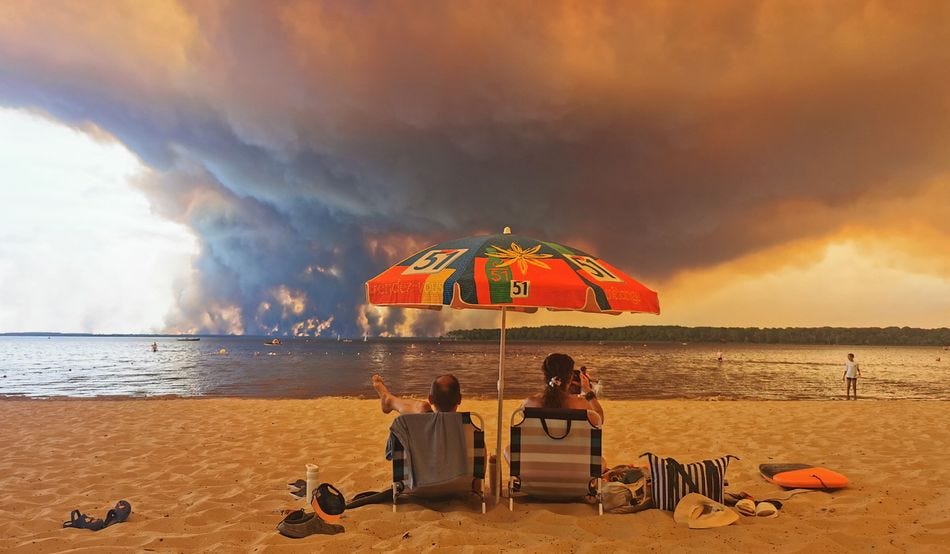
El Niño is yet to peak, bringing more heat to an already burning planet

My ability to withstand being turned down has allowed me to live boldly
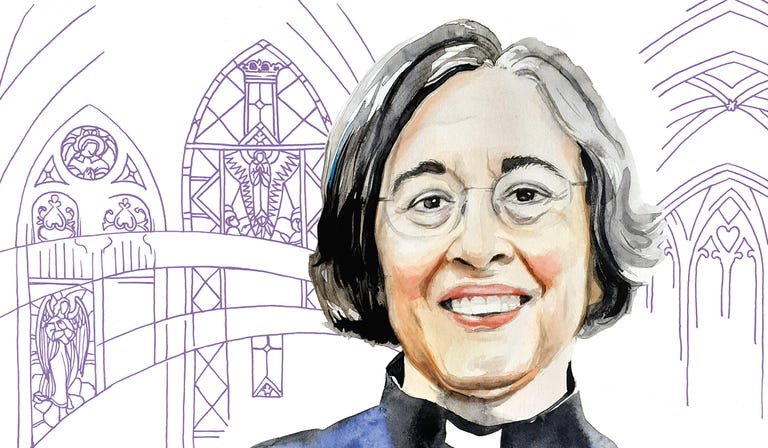
The financing of parishes and their churches still remains unfair
Want to see more of Prospect in your Google search results?
Comments
Nothing yet. Say the first thing.
Sign in to join the conversation.