
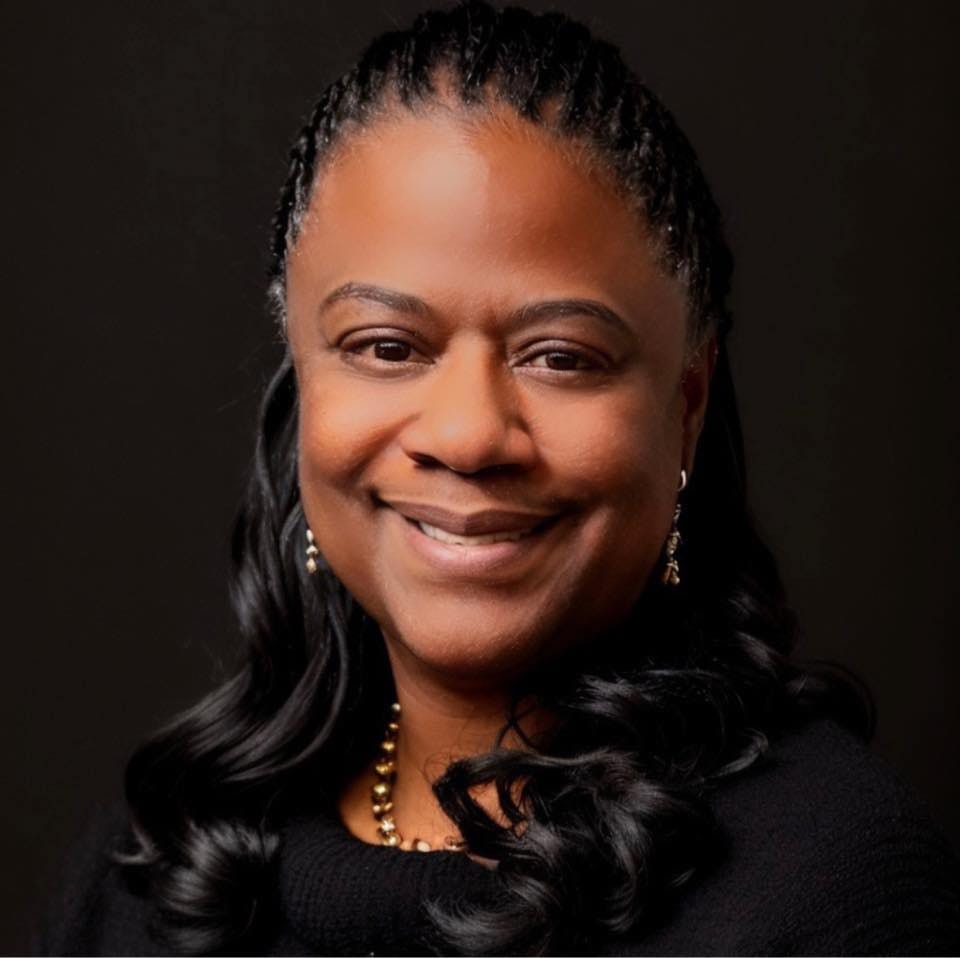
I was introduced to Rachel through a mutual friend and fellow University of Michigan Alum. I’m always seeking new authors to interview, so I asked her about her approach to writing and publishing. Here is what she had to say.
What inspired your book?
My book was inspired by the stories of my colleagues and sisters that belonged to an employee resource group with me and my own career journey. Just wild but real stories about what Black women go through in the workplace.
Did you start with an outline or did you make it up as you went along?
I started with an outline. Actually, it started out as a series of workshops I was going to do for the ERG I mentioned and involved into a book.
What researching methods did you use?
I relied heavily on my good friend Google 😊, but also just hundreds of conversations with folks.
Did you draw on personal experience?
I shared a personal story in almost every chapter. That was really central to this book and to my writing journey. Forcing myself to confront and address workplace trauma, and then communicating my stories in a way that I hope helps others.
What else did you get the things you wrote about from?
I got inspiration from other books, authors like Minda Hart, from LinkedIn Posts to see what was trending with people, but like I said, many of the things I address in the book are things I have presented on because a great portion of my career has been in the area of career services and professional development
How did your publish?
I self-published.
Why did you do it that way?
After speaking to friends who are authors and doing hours of research on self-publishing and getting representation I decided that was the best route for me based on what I wanted to achieve and how I wanted to reach people.
What advice would you have for writers looking to publish the way you published?
DO YOUR RESEARCH. Learn the cost, the process, the time commitment. Self-publishing is a lot of work if you really want a quality book and to sell that book. Don’t walk into it blind and really think about your why and your how.
Do you have representation? if so, how did you land it?
I do not have representation other than a gang of family members and friends that will nag you about buying my book 😊
Who did your cover and marketing?
A good friend, who is also a very talented artist, John Rodriguez, did my cover. As far as marketing, I am doing most of that myself currently.
How many revisions did it take to get a publishable book?
It felt like a million, but honestly it was 9. But it was a long, tedious 9. I’m a lawyer, and I felt the first draft was too lawyerly, so that was a revision. My beta readers gave some amazing advice that led to like 3 revisions, and then my editors’ feedback accounted for the additional revisions.
What is the ratio of time you spent researching to time you spent writing?
I would say 70/30 with more on the writing. Like I said, I’ve been doing the things the book is about for so long, so there was so much in my head and in the research, the issue for me was really about how do you want to focus this knowledge to engage an audience in the most effective way possible, and for me that was all about the writing.
How did you make time to write?
I am currently not working, so I treated it like a job. I got up everyday and committed hours to the work.
what was your go-to writing software/app for your writing process?
Word. I just sat there and typed. I did work in a book template though, for me I felt my thoughts came together better typing it as a book as opposed to a Word document – it’s low-grade psychosomatic 😊
How does your published book enhance your other ventures?
I am a career coach, and it has definitely led to additional coaching clients, but also additional opportunities to engage Black women through speaking engagements.
Who are the people that would benefit the most from reading your book, and how did you determine that?
I wrote my book specifically with Black women in mind, so it is for the benefit of us, but it’s for all women leaders, women of color, allies and people in management as it provides guidance on how to navigate some very complex workplace issues and gives examples on how to recognize and address problems within the workplace.
How did you decide what order to present your topics in?
At first, it was just my flow of consciousness, but then one of my beta readers said, “Hey you have to give these topics more connection”, so I revised it to tie the topics to a theme.
How did you ensure that your advice, memories, and recollections were accurate?
As far as my advice, it’s really the things I’ve seen work for me and my coaching clients. As far as the recollections I relied heavily on personal notes, journals and conversations. The harder part was translating the raw emotions in the journals into something professional and relatable that I felt comfortable publishing.
What would you like your readers to gain from reading your book?
For Black women, I want them to walk away with 3 major things:
Agency: reclaiming authorship over their life and career and the ability to stop asking for permission and start making choices about their narrative, career direction, and boundaries
STRATEGY: not hustle culture. Not survival mode. Smart, values-aligned movement and tools to navigate bias, office politics, and gatekeeping
Liberation: Freedom from performing, code-switching, and self-abandonment
With those 3 tools they find confidence and power
And I think all readers will get that, but for others I want them to recognize what Black women go through, find themselves in these issues, and then work to make things better.
How did you go about deciding which topics to include and which ones to leave out?
The topics were really based on things the members of the ERG group had requested workshops on for the annual career conference that it held. One of my editors did challenge me that the book had become too long as a career guide – it had crept up to 543 pages, so then I cut some topics and started conceptualizing what a second book might address.
What are you writing now?
Mostly presentations related to this book and a very early, rough outline for another book.
What is your advice to other writers?
The same advice I used to give my law students, everyone who’s ever done it and every website you search will have an opinion, and many people will swear their way is the only way - the only way to write, publish, and market. Take the advice that speaks to you, give the rest its proper weight, and ultimately you have to do you.
Get Rachel’s book Bold, Black & Brilliant: A Black Woman’s Guide to Career Confidence and Power here!
And if this interview is helpful, subscribe! I post author interviews monthly.
Comments
Nothing yet. Say the first thing.
Sign in to join the conversation.