

Benchmarking1 is one of those words that gets used to mean almost anything involving numbers and comparison. Before we use it, we should agree on what it actually means. Here is the definition Project FORESIGHT works from:
Benchmarking is comparing your operational processes and performance metrics to others in your industry in order to learn better practices.
That last phrase carries most of the weight. The goal is not to produce a ranking. The goal is to learn something that changes what you do. Everything else follows from that.
Take a single metric: cost per report. Your lab’s cost per report for a particular investigative area last year was $312. Is that good? Is it bad? You cannot answer that question with one number. You need a reference point. Compared to the previous year, is it higher or lower? Compared to similarly sized labs handling similar caseloads, where does it fall? Compared to the top quartile of performers, what is the difference?
Without those comparisons, $312 is a fact with no consequence. It goes into a report and stays there. With them, it becomes the start of a question: why is the difference this size, and what would it take to close it?
This is the core logic. The number is not the answer: the number leads you to the answer.
Measuring is counting. Benchmarking is comparing those counts, across organizations, on standardized definitions, over time.
The standardization part is not optional. If your lab counts cases one way and another lab counts them differently, the comparison is meaningless. This is why FORESIGHT spent its early years establishing common definitions before it produced a single comparison. In our first meeting with lab directors, we spent the better part of Day One arguing about what the word “case” meant; everyone knew what it meant but everyone had a different meaning of what it meant. You cannot benchmark your way to better practices if the words mean different things to different people.
A standard definition set is the infrastructure that makes benchmarking possible. It is unglamorous work and it has to be done before anything else.
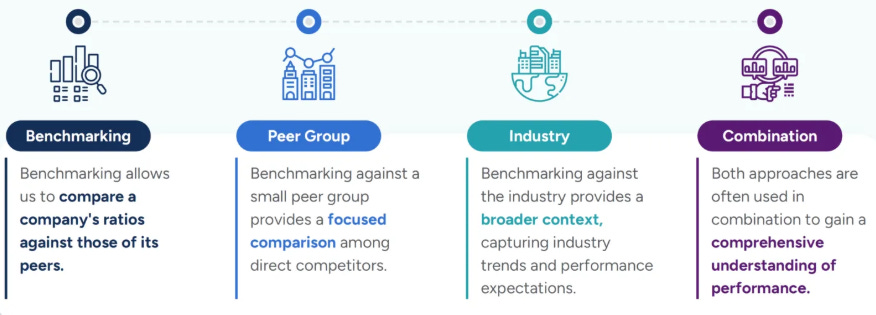
It is not a ranking exercise. Publishing a leaderboard of labs sorted by cost per report tells you very little, because size, jurisdiction, caseload mix, and service scope all affect the number. A small rural lab will not look like a large urban lab on most metrics, and that difference reflects structure more than performance. Context is not an excuse, it is a variable.
The number is not the answer. The number leads you to the answer.
It is also not a one-time event. A benchmark taken once is a photograph; useful, but static. Benchmarking as a management practice is a recurring process: collect, compare, identify the gap, investigate the gap, adjust, collect again. The value compounds over time because you can see whether the gap is closing and at what rate.
It is not an audit. The purpose is improvement, not punishment. A lab that sees its turnaround time sitting in the bottom quartile has found a problem worth investigating, not a verdict. What the number reveals is where to look, not what the answer is.
And it is not a substitute for judgment. Bad benchmarking uses data to justify mediocre performance, like finding a peer group that makes your numbers look acceptable and stopping there. Good benchmarking asks, compared to the best performers, what is the gap, and what are they doing that we are not?
Say your drug analysis cost per case is $62.50 and another lab’s is $45.21. That $17.29 difference is where the analysis starts. Is the other lab more efficient? Do they have instrumentation you don’t? Are they handling a different caseload mix that happens to be less labor-intensive? Or are they cutting corners somewhere that will cost them later?
You do not know yet. The gap is the flag. The flag tells you where to dig. What you find when you dig is the actual information.
This is why benchmarking requires conversation alongside data. The number can tell you a gap exists. It cannot tell you why. Getting to why requires talking to the labs on the other side of the comparison, understanding their processes, and determining whether what they do is transferable to your context. On the other hand, what you find out about their processes might surprise you.
If your lab measures performance (and it should) the question worth asking is whether those measurements are connected to any external reference. Internal trend analysis is valuable. Knowing your turnaround time went up 12% this year is important. But knowing it went up 12% while the median for comparable labs went down 8% is a different kind of information. It changes the interpretation from “we had a hard year” to “we fell further behind.”
That gap, seen clearly, is what benchmarking is for.
The term benchmark comes from 19th-century land surveying. Surveyors literally chiseled a horizontal mark into stone walls or buildings and inserted an angle iron into it. This created a ledge—or “bench”—to support a measuring rod at a known elevation, providing a fixed reference point to ensure accurate measurements.
Comments
Nothing yet. Say the first thing.
Sign in to join the conversation.