

When we first launched Productlogz, we had this idea: let’s make it easy for users to submit feedback, and they’ll naturally want to help us build a better product.
But there was a big issue—we didn’t have any customers yet!
So, who exactly were we trying to motivate?
That early version? Yeah, it didn’t take off.
We were missing a huge piece of the puzzle, and that failure made us realize we needed to do some serious digging.
So, I dove into research. I spoke to product managers, asked around in the industry, and read everything I could find on feedback management.
And here’s what I found: The biggest problem wasn’t getting feedback.
Most product teams were drowning in feedback from all directions—emails, chat, social media, you name it.
And this mess? It was someone’s full-time job to manage.
Product managers spent hours sorting through feedback, figuring out which suggestions even mattered. Nobody was happy with this process. It was a slog, burning out good talent and wasting precious resources.
That research gave us two big “aha!” moments:
Feedback is critical—without it, you’re flying blind.
But actually managing feedback? That’s a massive headache.
So, we went back to the drawing board. This time, the goal was different.
We didn’t just want feedback; we wanted organized feedback that product teams could actually use.
We re-built Productlogz to collect and categorize feedback in one place where everyone—both the product team and the users—could see it. Now, when users submit ideas or upvote suggestions from others, the whole team can instantly tell what’s important and what’s not.
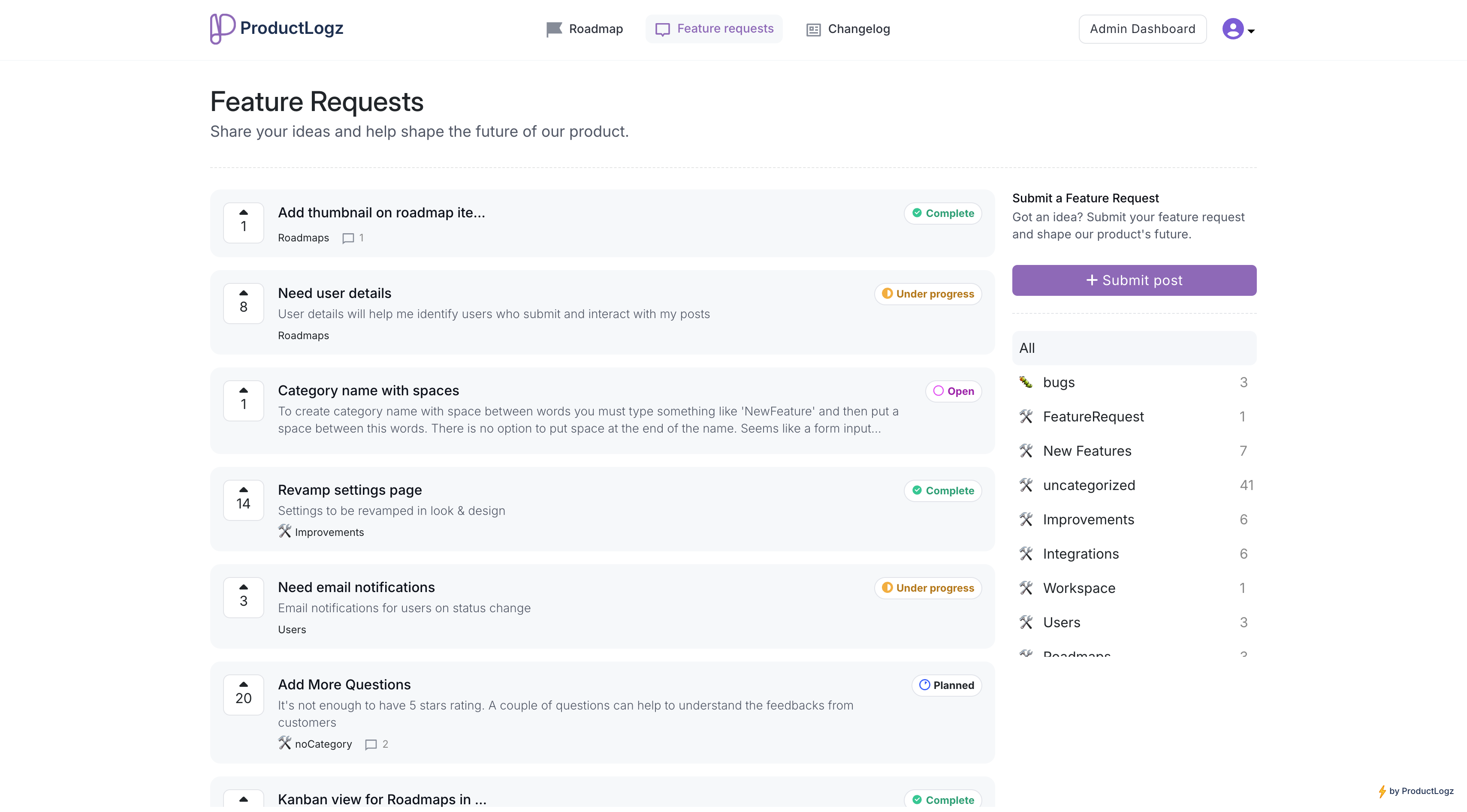
And when we launched this version, something amazing happened.
Users loved the transparency. They could see what others were suggesting and add their voices to the ideas they really cared about.
Suddenly, we weren’t just collecting feedback—we were building a community around product decisions.
This community-driven approach didn’t just change the way we build features; it saved us tons of time and resources. There was no more guessing or wasting effort on features nobody wanted.
It’s been a game-changer, especially for a small team like ours. But we’re not the only ones who’ve had success with this approach.
Let’s look at how two big SaaS companies—Notion and Figma—used community-driven development to build products their users love.
Notion wasn’t always the powerhouse it is today.
In 2018, they were a small team competing with giants like Evernote. To stand out, they needed more than just a good product; they needed a loyal community.
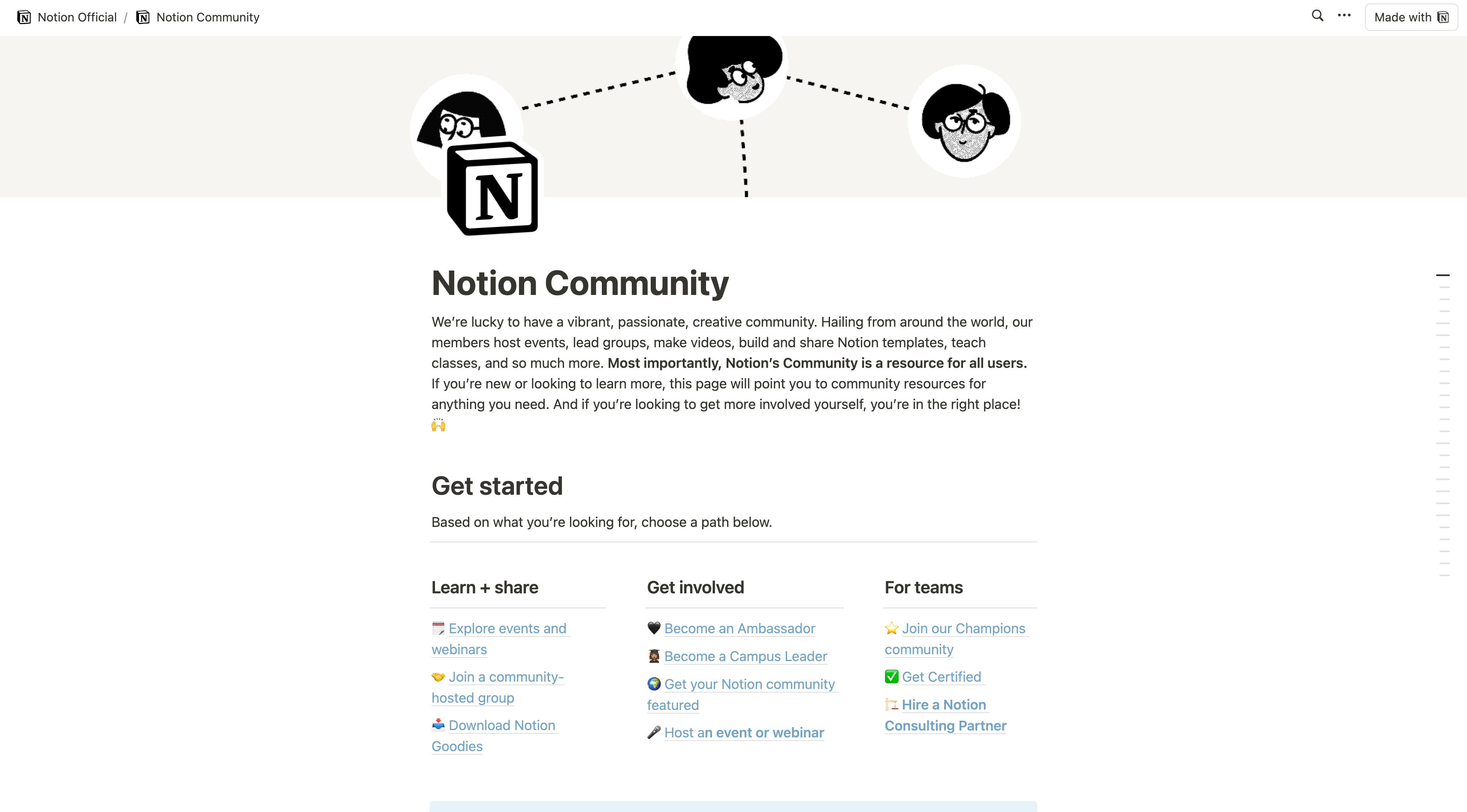
And they knew that building that loyalty meant getting real with users—listening to their ideas and letting them help shape the product.
Invited Feedback Openly: Notion made it super easy for users to give feedback. They’d ask for input on social media, run polls, and jump into discussions in product forums. And the feedback? They took it to heart. They’d actually build the features people asked for, like “database templates” and the “toggle list.” This directly responded to what users wanted. This not only improved user retention but kept the product development aligned with real, in-demand features.
Built an Ambassador Program: They started an ambassador program to bring their biggest fans closer to the team. Ambassadors created templates, shared workflows, and even helped new users get started. This kind of grassroots involvement made Notion explode—going from 1 million users in 2019 to over 20 million by 2021.

Regular Updates Based on Feedback: Notion didn’t just collect feedback; they acted on it. They’d release new features and tweaks all the time, directly influenced by what users said. And the result? In 2022, Notion was valued at $10 billion. That’s a huge success for a product that grew mainly through word-of-mouth and a deeply invested community.
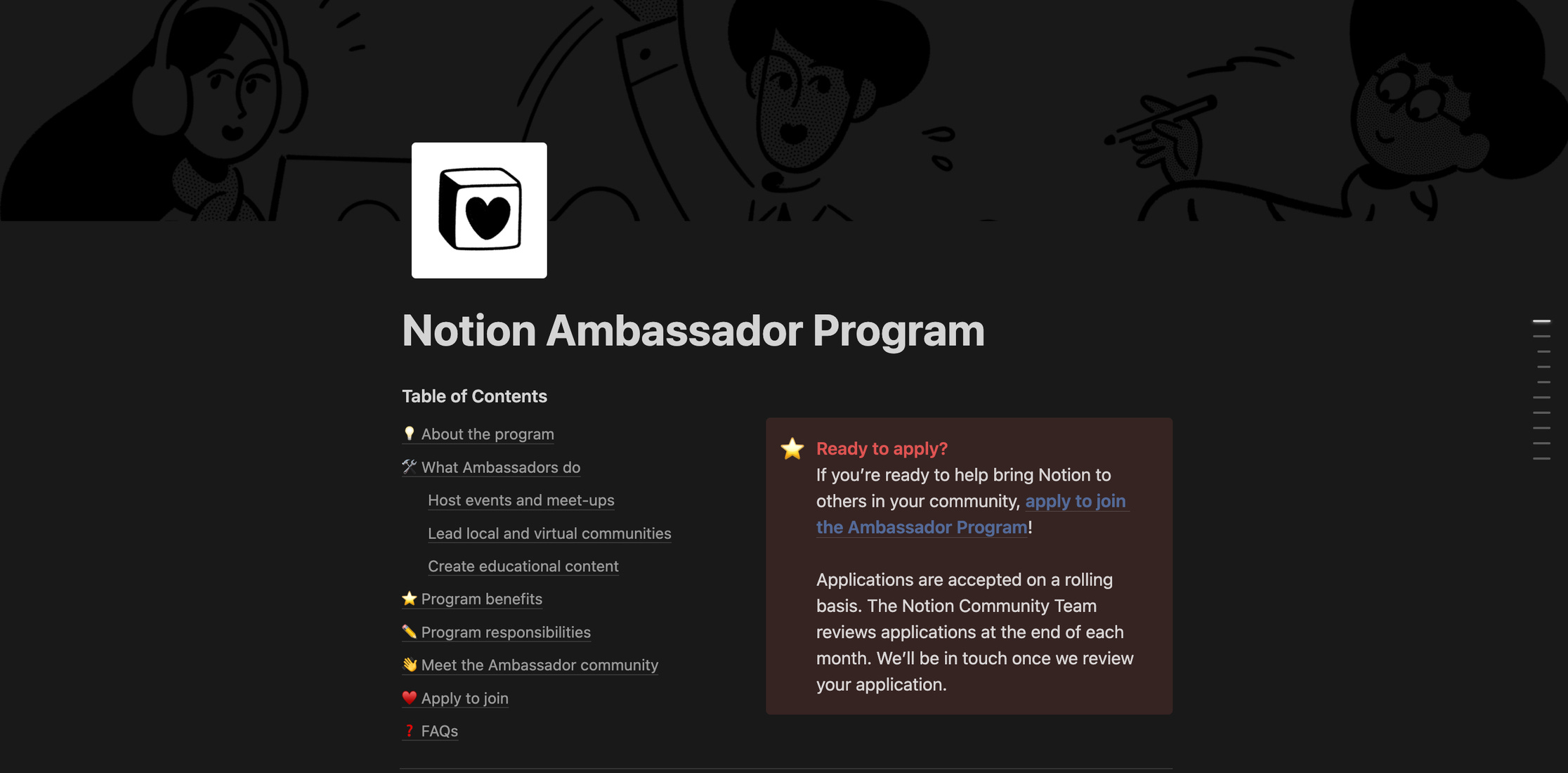
Notion’s community-first approach worked.
A survey they ran showed that 67% of users felt loyal to Notion because of how they were included in the product’s growth.
By listening to users from day one, Notion turned feedback into a force of its own.
Figma is another great story of community-driven development.

From the start, Figma wanted to make a design tool that felt like a team effort, so letting designers steer product decisions just made sense.
They didn’t just gather feedback—they put it right on their roadmap for everyone to see.
Open Roadmap for User Input: Figma made their roadmap public, inviting designers to weigh in on what they wanted next. This transparency let Figma see what features mattered most, like “prototyping” and “component variants.” These features were built directly in response to feedback, and users knew they were heard.
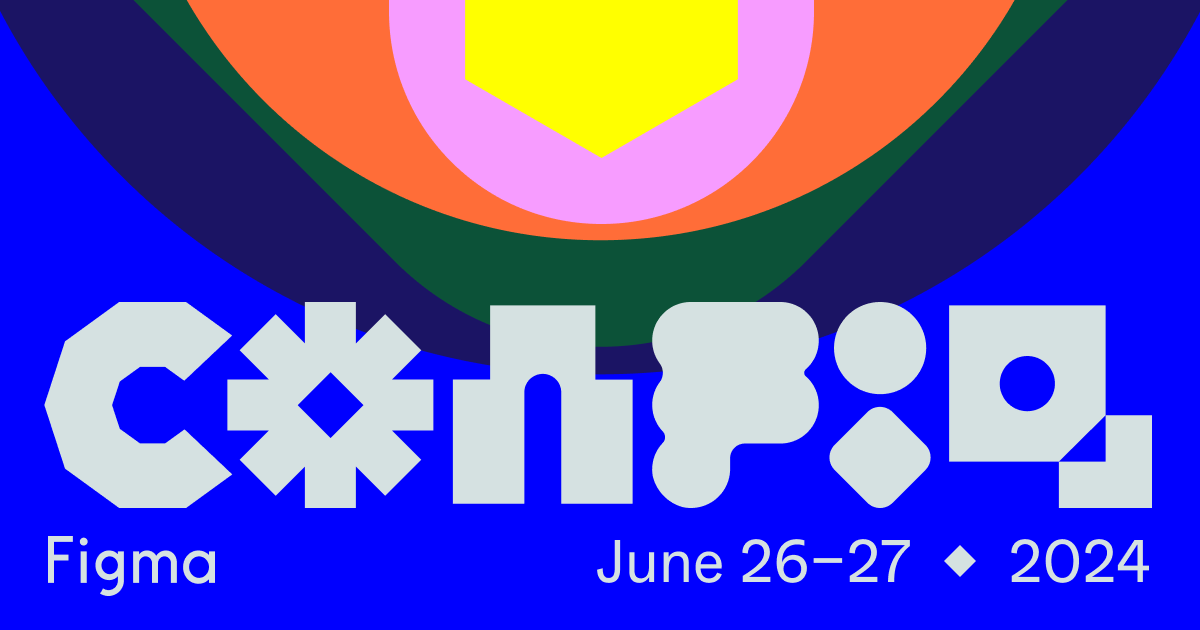
Community Events: They held a big annual event, “Config,” where users got a direct line to the team. This wasn’t just for show—it gave the Figma community a real say in the product’s future.
Quick Implementation of Feedback: Figma didn’t waste time. Feedback would come in, and they’d build and test new features fast, which kept users engaged and excited to participate.
By 2022, Figma’s dedication to listening had paid off big time. They were acquired by Adobe for $20 billion, a testament to the power of community-driven development. And with over 4 million users, Figma has become the design tool of choice for teams everywhere.
For us, community-driven development isn’t just a strategy—it’s the way we stay connected to what our users need.
Every piece of feedback, every upvote, and every comment shapes our roadmap. We use this approach to save time, avoid building features that don’t get used, and make sure that we’re building something that our users genuinely want.
The best part? Our users know they’re part of the process. They see us respond to feedback, watch as their ideas get upvoted by others, and know that what they say matters. It’s their product as much as it is ours.
As we grow, we’ll keep building Productlogz with our community. It’s the most effective way we’ve found to stay focused and deliver real value without burning through resources.
Whether you’re a small team or a large SaaS company, your community is your greatest asset. Notion and Figma showed us that listening to your users isn’t just a nice-to-have—it’s a proven path to building something amazing.
Tell me how are you building your product. Is community listening a big part of your product development process?
Comments
Nothing yet. Say the first thing.
Sign in to join the conversation.