
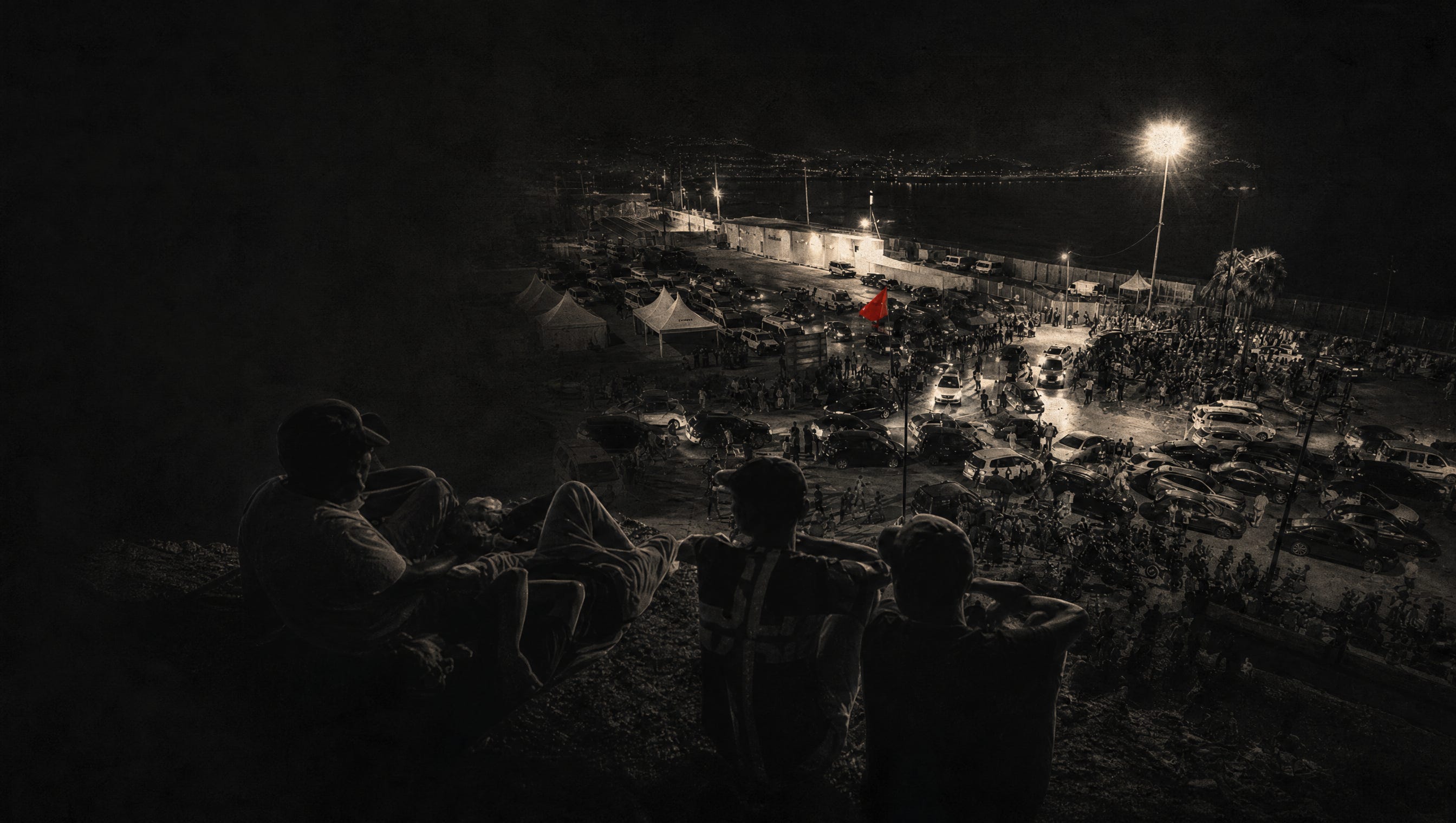
Between the night of 30 July and the following evening, somewhere between 40,000 and 60,000 people crossed from Morocco into the Spanish city of Ceuta. The lower figure is Spain’s Interior Ministry, the higher belongs to Ceuta’s own president. At least 57 died — the Spanish government’s confirmed count as of Friday evening, revised up from the 34 the enclave’s president gave that morning and the nine reported Thursday. Within about twenty-four hours, roughly 37,500 had walked back into Morocco voluntarily.
Some of those numbers will move again. The interpretation built on top of them assembled itself within hours and has not moved at all: Rabat opened the taps to punish Madrid for Pedro Sánchez’s 20 July visit to Algiers.
The suspicion is not paranoid. It is empirical. In May 2021, some 8,000 people entered Ceuta days after Spain quietly admitted Polisario leader Brahim Ghali for COVID treatment under a false identity. Ten months later Madrid reversed four decades of policy and endorsed Morocco’s autonomy plan for Western Sahara. Cost to Rabat: one weekend of not policing a beach. Return: the largest diplomatic prize in its modern history.
It is simply pointed at the wrong variable.
Comments
Nothing yet. Say the first thing.
Sign in to join the conversation.