
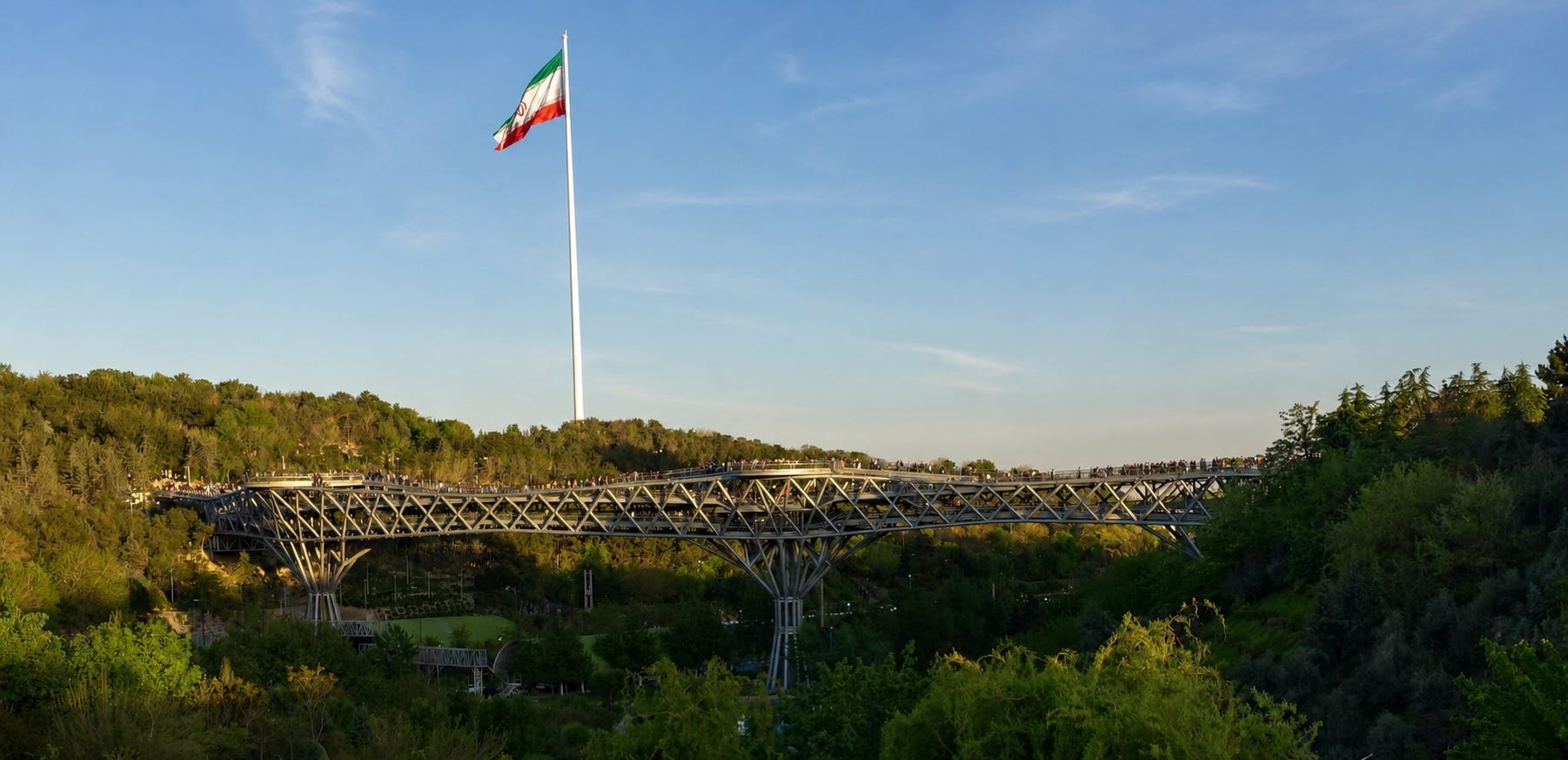
On April 17, 2016, I flew from Paris to Tehran on Air France’s first commercial Paris–Tehran flight in eight years.
The route had reopened after the United States, Iran, and five other world powers reached the nuclear agreement known as the Joint Comprehensive Plan of Action. Iran had met its initial obligations, nuclear-related sanctions had begun to lift, and Europeans were returning for business and diplomacy, and tourism seemed on the horizon.
I sat next to an attorney who, in 1979, fled Iran with her family to Paris when the Shah, Mohammad Reza Pahlavi, was overthrown during the Islamic Iranian revolution. Anticipating post-agreement opportunities, she had established an office in Tehran to complement her longstanding legal practice in France.
She told me a large plurality of urban Iranians, especially the younger ones, wanted greater freedom, equality for women, and positive and diverse engagements with the West. She spoke with cautious optimism. The following days I heard many express similar perceptions.
I had been invited to speak at the “Second International Seminar on Environment, Culture and Religion: Promoting Intercultural Dialogue for Sustainable Development.” The gathering, sponsored by UNEP, UNESCO, and Iran’s Department of Environment, brought together Iranian officials, religious leaders, environmentalists, and several international scholars known for their work at the intersection of religion and the environment.
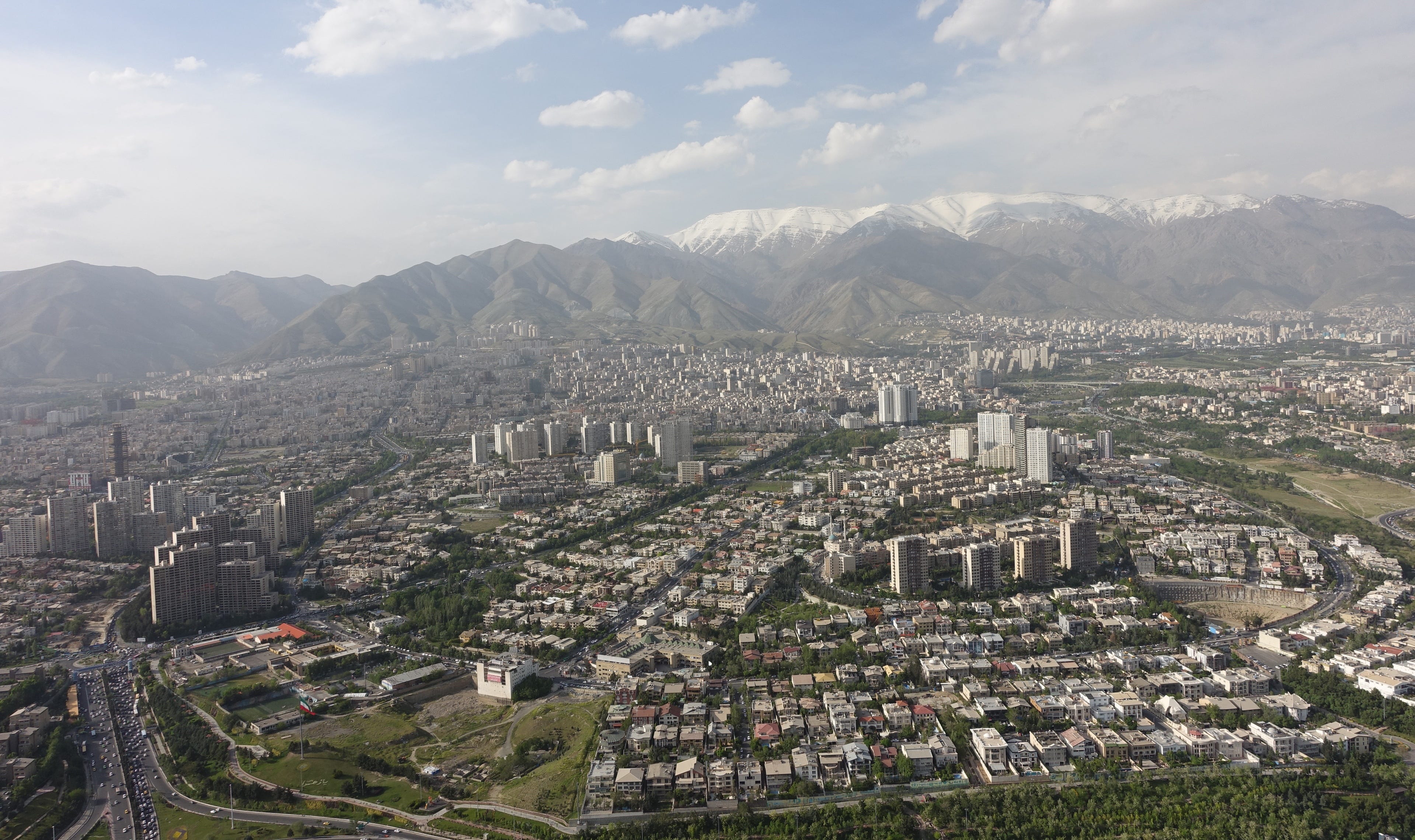
I will discuss that meeting in a subsequent dispatch. Here, I want to provide a visceral feel for what it was like to be in Tehran during that historic, potential turning point in relations between Iran and the Western world.
I had arranged to arrive several days early to ensure I would see more than official conference events. I was especially excited to reconnect with Iranian environmental activists whom I had met in 2002 at the World Summit on Sustainable Development in Johannesburg, South Africa.
A Surreal Entry
Immediately after the airplane pulled up to the gate, I had the first of several surreal experiences. An announcement asked everyone to remain seated but invited “Professor Taylor” to come to the front of the aircraft. I wondered whether I should be concerned.
When I reached the front of the plane, well-dressed men escorted me down a circular stairway positioned beside the aircraft door, ushered me into a waiting limousine, and drove me to a VIP reception facility.
Being treated as a dignitary was an unusual experience.
The special reception building was part of the Imam Khomeini International Airport complex, named in honor of Ayatollah Ruhollah Khomeini, the leader of Iran’s 1979 Islamic Revolution. His portrait gazed down from the wall. I would soon see his image displayed throughout Tehran on murals, billboards, and public buildings.
After a brief reception there, the driver delivered me to my hotel. I later realized that the special treatment was, at least in part, because the security forces wanted to keep track of me.
Everyday Tehran and Its Subtle Subversions
After checking in, one of my activist friends arrived in a car from Snapp, a ride-sharing service akin to Uber. He was amazed that a woman was his driver and cited this as a sign of positive change, a small harbinger of hope.
My pre-conference education had begun.
He curated an eclectic experience. Among other places, we visited the National Museum of Iran, which was as fascinating as the Persian civilization it represented. Afterward, he pointed out two officially recognized sites of religious difference: a Zoroastrian fire temple and a Christian church dedicated to Mary.
Then we went to the White Palace, the largest residence within the sprawling Saadabad Palace Complex in northern Tehran. The palace and its extensive landscaped grounds had served as the summer residence of the Shah and his wife, Empress Farah.
It was eerie walking through rooms that Iran’s last royal family inhabited. The rooms still held so many of the family’s belongings. My host told me that they expected to return. The grand reception halls, dining rooms, private quarters, and recreation rooms offered a vivid portrait of Iran’s pre-revolutionary monarchy.
Fine Persian carpets, European furnishings, crystal chandeliers, artwork, and personal possessions remained on display, transforming the palace into a kind of time capsule of the Pahlavi era. The most arresting object, to me, was not the opulence but a full tiger skin—head intact, taxidermied to appear snarling and fierce—spread at the center of an elegant room.
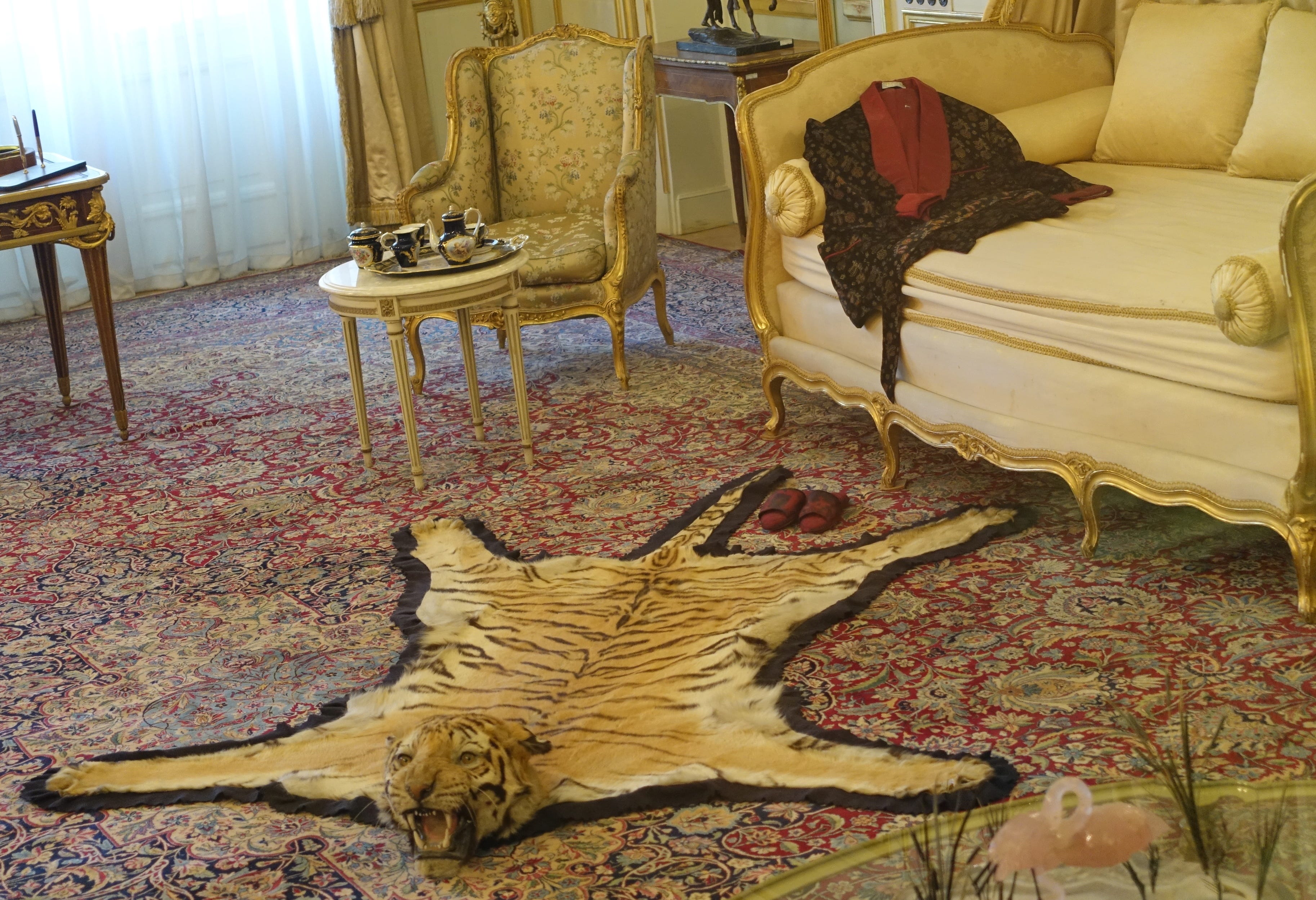
A Predatory Excursus
I cannot resist a brief excursus, because that sad display was all too familiar.
Across cultures and centuries, powerful rulers and religious authorities have draped themselves in symbols of Earth’s most formidable predators. Tigers, lions, leopards, bears, wolves, eagles, and other magnificent animals have been hunted, worn, painted, sculpted, and displayed to project strength, courage, sovereignty, and dangerous, unchallengeable power.
The tiger’s body reminded me that as agricultural civilizations expanded, predators were killed, displaced, and, increasingly, driven to extinction.
Most religions that co-evolved within agricultural civilizations rarely challenged this impulse. They typically celebrated domesticated animals while treating predators as threats, competitors, or evil omens.
That tiger therefore symbolized more than a vanished monarchy. It pointed toward an older human story: the domination of wild nature that began with agriculture and continues to erode Earth’s genetic and species variety—its biodiversity.
The Nature Bridge
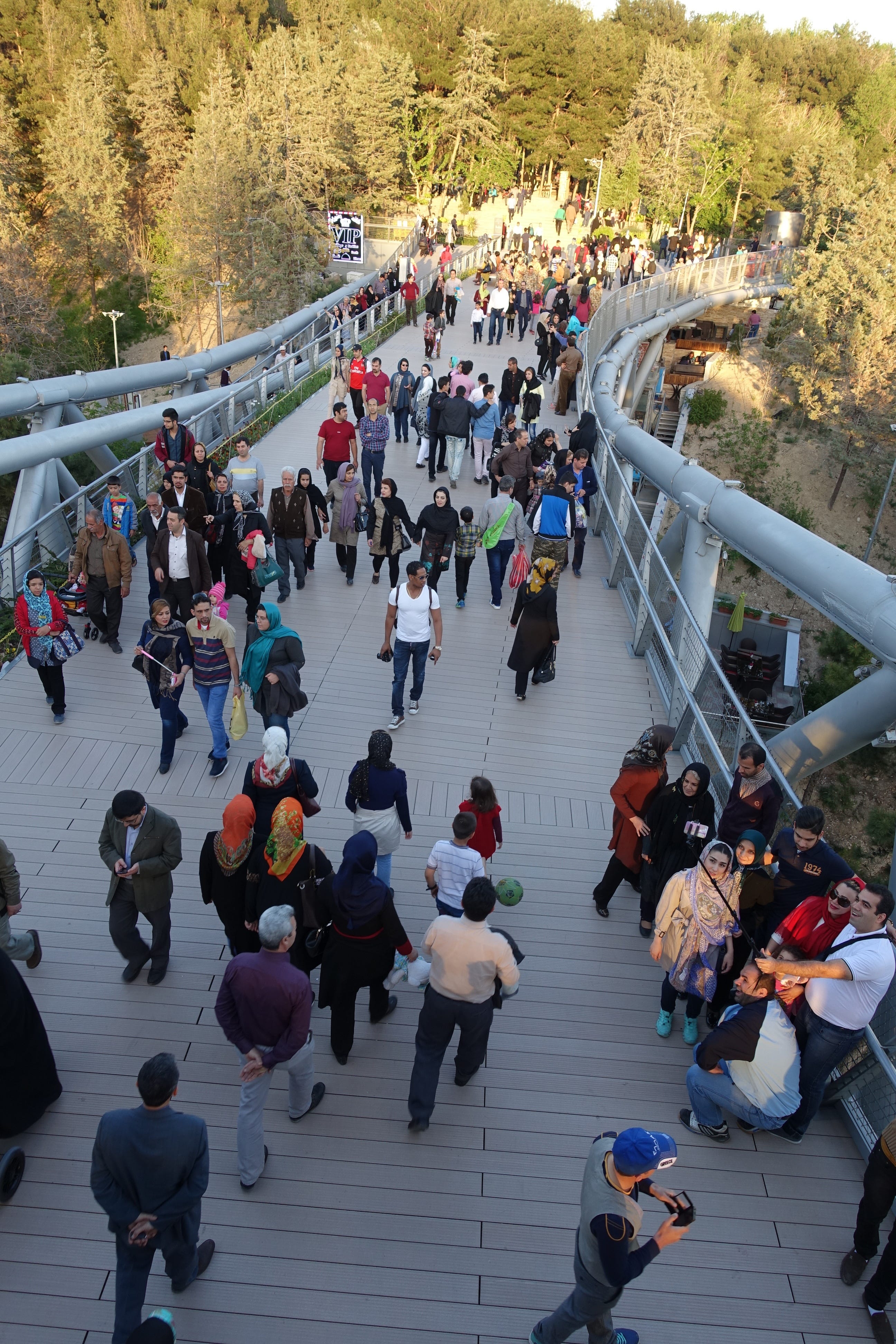
Most people in agricultural societies, of course, love nature, or at least some of it. This was apparent at a site that my host was especially keen to show me: Tabiat, or the Nature Bridge.
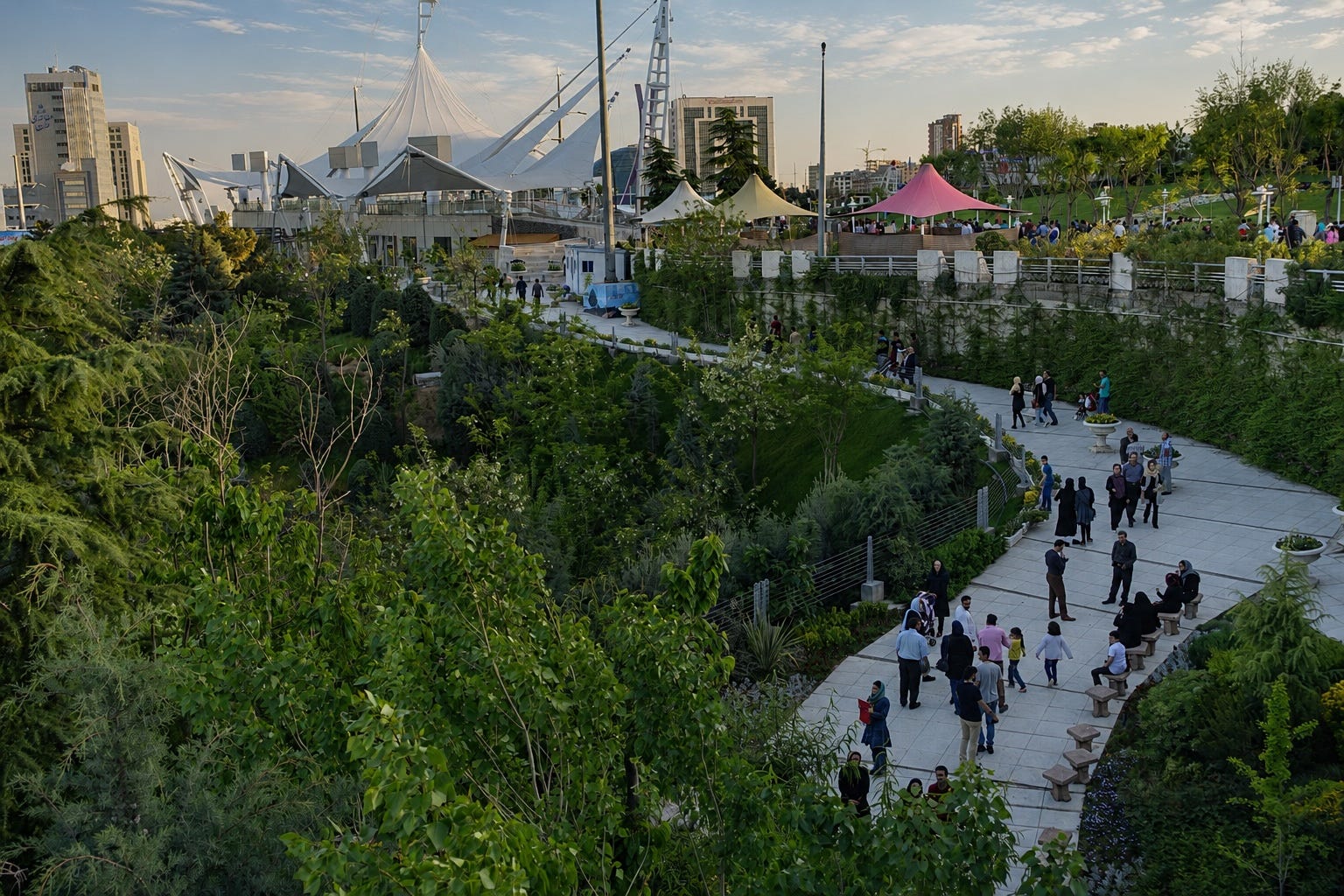
Tabiat was designed by Iranian architect Leila Araghian. It artfully crossed a major highway and connected two parks; the one across the bridge led to a forest. The city side had restaurants, viewing platforms, and broad walkways that invited people to linger.
Some women strolling there wore the required hijabs loosely and far back on their heads. Some younger women, in an even braver act of anti-clerical defiance, allowed their ponytails to escape beneath their scarves.
Six years later, after the death in police custody of Mahsa Amini, a young Kurdish Iranian woman accused of violating Iran’s dress code, such everyday acts of defiance helped ignite the “Woman, Life, Freedom” movement.
The movement became the most significant challenge to the Islamic Republic in decades before it was brutally suppressed through arrests, imprisonment, lethal force, and executions.
Human-rights organizations estimate that hundreds were killed and tens of thousands detained. Many women nevertheless continued to appear in public without hijabs or in other clothing the regime deemed illegal, even as the U.S.-Israeli war against Iran in 2026 gave the regime new pretexts for brutally punishing dissent.
But the day I wandered across the Nature Bridge, what I saw was what one would find in scores of cities around the world on a gloriously temperate day: urban people drawn to a green, if human-cultivated, space; families strolling; children playing; and, although with more constraints than in many places, young men and women socializing.
Tehran’s Counterculture and its Environmentalists
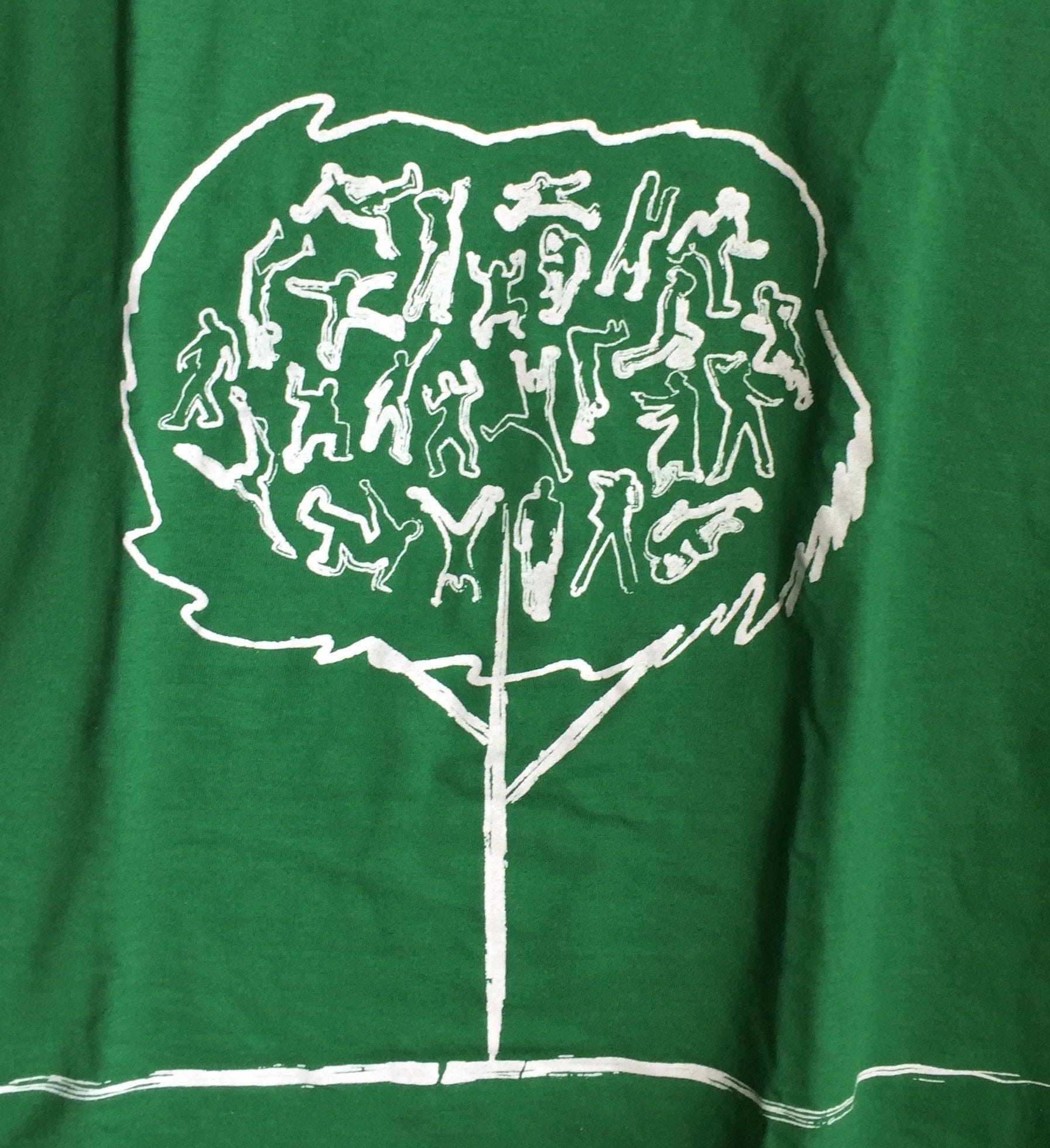
Another day, my host took me to a small environmental shop. Among its offerings were green T-shirts expressing what I have called dark green sentiments: feelings of belonging to nature, affection for nonhuman organisms, and proenvironmental values. One shirt depicted joyful human figures shaped into the form of a tree. Its back side declared, “Happy sensations are mine because I protect what’s fine”—a quirky but clear expression of proenvironmental feeling.

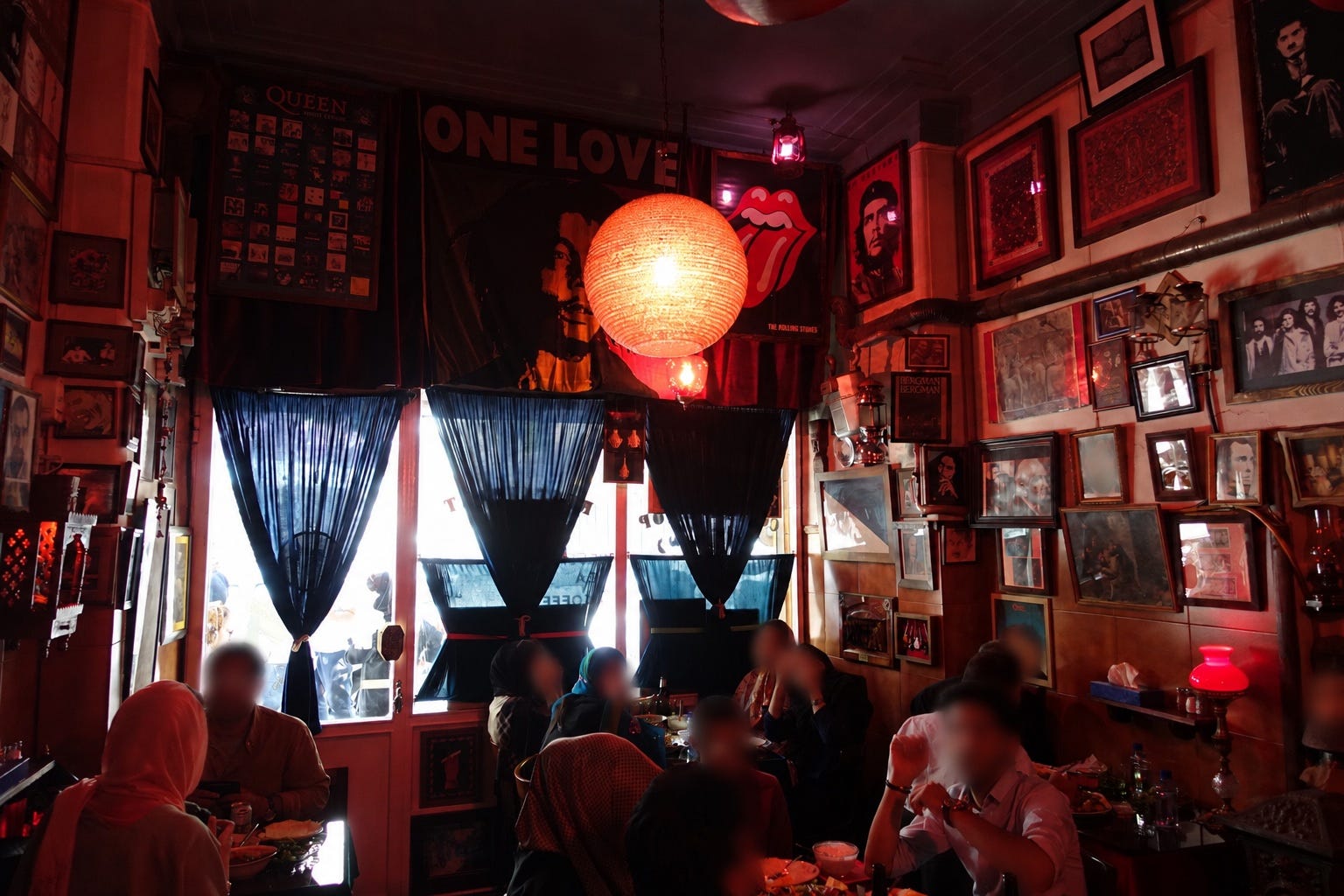
Elsewhere, we entered a small café that reminded me of an American speakeasy. We had to knock first and be looked over before entry was granted. This delay helped ensure that the morality police, if they arrived, would not hear the forbidden Western music that guests were enjoying inside.
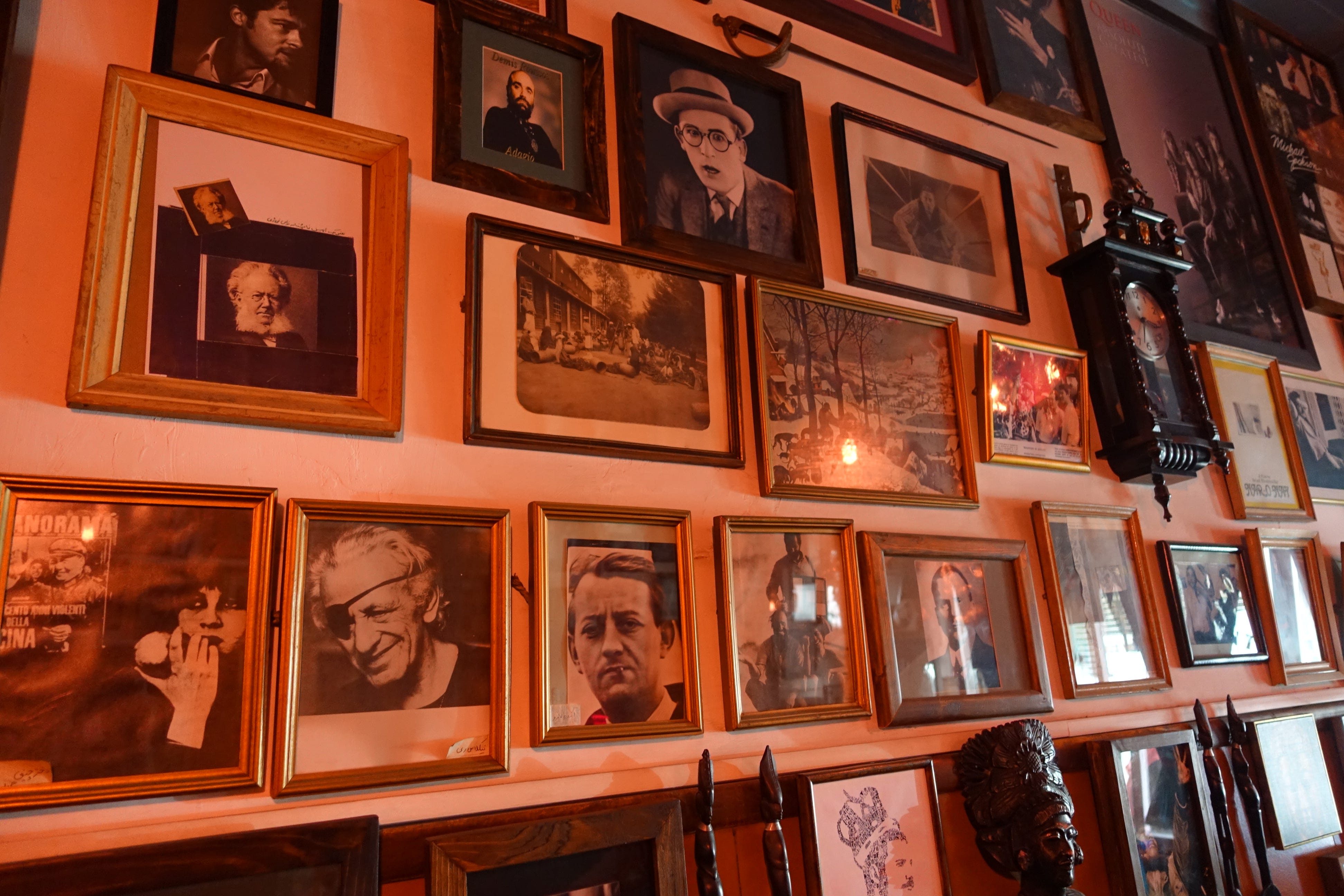
No alcohol was served—the proprietors were not that reckless. But the walls displayed a wildly diverse gallery of Western musicians, actors, and revolutionaries, including the Rolling Stones, Bob Marley, Jimi Hendrix, Marlon Brando, Marilyn Monroe, and Che Guevara.
The café’s sounds and images clearly expressed a desire to belong to a world larger than the one authorized by the Islamic Republic.
In conversations with those I met during those days, I learned that some Iranians make their own hooch—alcohol, in the American vernacular—and hold private parties where women and men mix, dance, and enjoy other officially forbidden pleasures.
Exercising such rebellious freedom was dangerous. Soon after I left the country, authorities arrested more than thirty students attending a mixed-gender graduation party near Qazvin. Within twenty-four hours, each had received ninety-nine lashes. The prosecutor praised the speed of the arrests, trial, sentencing, and punishment.
An Earth Day Documentary—and Ditching My Security Detail
On April 22, the evening before the conference began, my host took me to an Earth Day screening of the BBC-produced documentary *Earth*. A Persian-language poster announced that the event supported the Persian Wildlife Heritage Foundation, an organization devoted to protecting Iran’s threatened species.
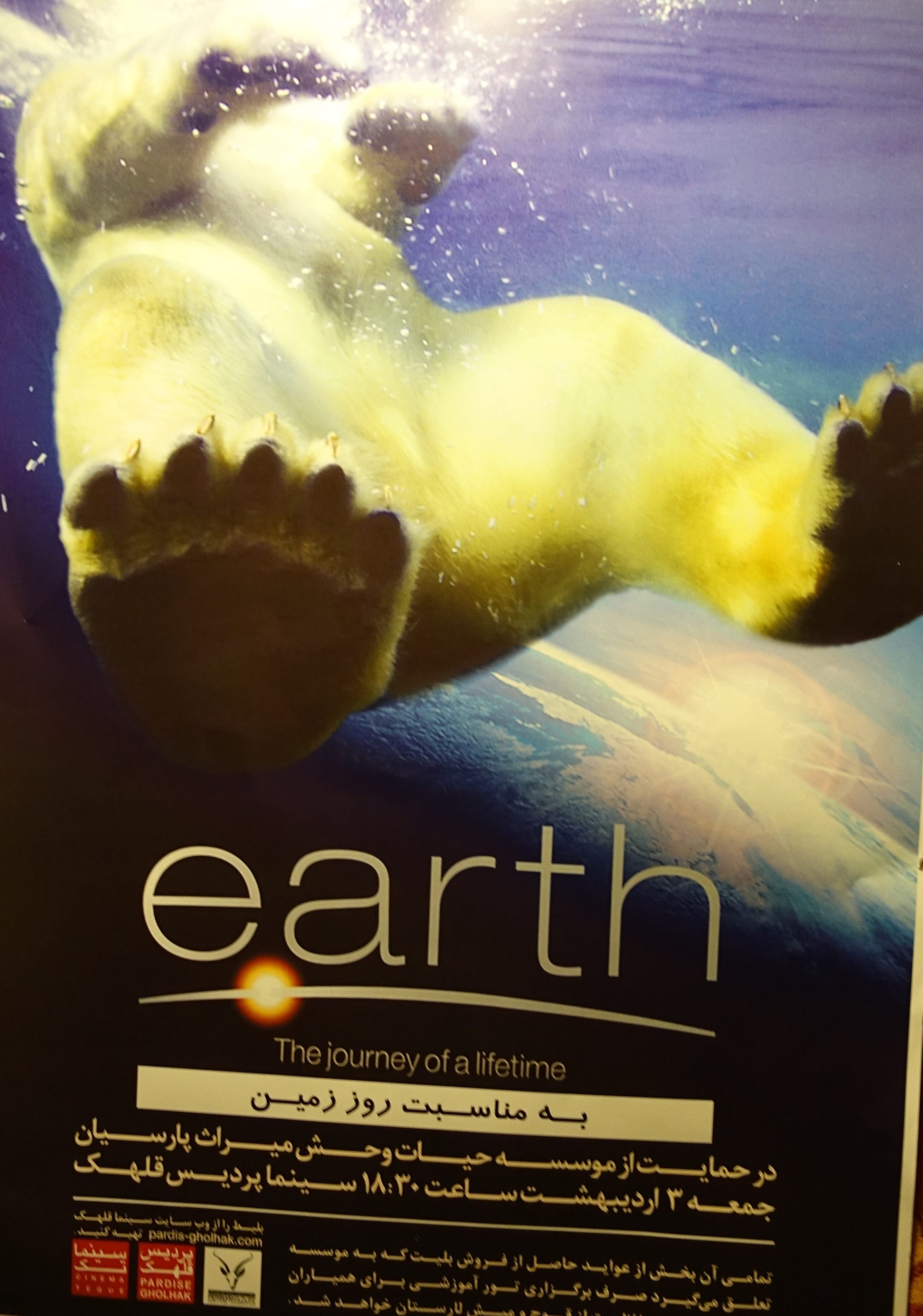
More than one hundred people attended, including environmental activists and families with children. The film, which was in English and provided without Persian subtitles, showed wondrous images of polar bears, elephants, forests, deserts, migrations, predation, birth, and death. To understand its message about the wonder of nature and the need to care for it did not require translation.
Afterward, about a dozen Iranian environmentalists gathered outside and discussed going to dinner. Several could not go because they had to work early the next morning, so I switched cars to join those able to dine together. Over dinner, I continued to learn more about wildness in Iran. I wondered whether there was a connection between the desire for wildness among these dissident humans and their empathy for the country’s imperiled wildlife.
I did not know, however, that Iranian security officers had been following me and that I had inadvertently ditched them when I switched cars.
After returning to my hotel late that evening, I received a message from my primary activist host, a biodiversity advocate who was slated to attend the conference the next day. He said he would not be able to come and sent his regrets. He did not explain why.
After I left Iran, I learned that security officials had visited him after that dinner. They complained that they had lost track of me when we switched cars and questioned him about what we had done that evening. They also forbade him from seeing me again or attending the conference.
I was mortified that I might have gotten him into trouble. He assured me that it was no big deal—just a routine form of harassment that environmental and other activists regularly face.
Routine Harassment, and Worse
Such harassment is not unique to Iran. Around the world, land and environmental defenders are routinely vilified, criminalized, threatened, and killed. Global Witness has documented 2,253 killings and disappearances of land and environmental defenders between 2012 and 2024, including 146 in 2024 alone.
That my activist friends loved and advocated for Iranian wildlife, including the critically endangered Asiatic cheetah—the last wild population survives in Iran—put them at risk as well. Yet they continued their efforts to educate Iran’s citizens, subvert repressive restrictions, and cultivate friendships across national boundaries.
During the brutally repressed protests that preceded the 2026 U.S.-Israeli war against Iran, and in the renewed crackdown that followed it, I have tried repeatedly and without success to contact my warm, fun-loving guide. I do not know whether he is safe, imprisoned, underground, exiled, or alive.
The nuclear agreement negotiated by the administration of President Barack Obama helped make my journey possible. It also seemed to enlarge the political and cultural space in which my activist friends—and the reformist Iranian officials who co-sponsored the environmental conference I attended—could breathe.
Two years after my visit, Donald Trump repudiated that agreement. In doing so he weakened the reformers who had risked making it and strengthened hard-liners eager to prove that the United States could not be trusted.
In my next dispatch, I will describe what took place at that conference. I will try to show what that opening felt like from inside the room—and what was lost when it closed.
~ ~ ~
No posts
Comments
Nothing yet. Say the first thing.
Sign in to join the conversation.