
Most people walk past medicine every day without realizing it. It’s in the weeds along the fence line, the herbs growing in a garden bed, the plants that come back year after year. What’s often labeled as “weeds” is actually a living аpothecary, one that’s been used for generations before store shelves and synthetic options became the norm.
The goal here isn’t to replace modern care or make extreme claims. It’s to reconnect you with simple, accessible ways to support your body using plants that are already around you, or easy to grow yourself. Once you start recognizing what’s useful, your backyard starts becoming a resource.
You don’t need a perfect garden to begin. In fact, some of the most useful plants are the ones people try hardest to remove.
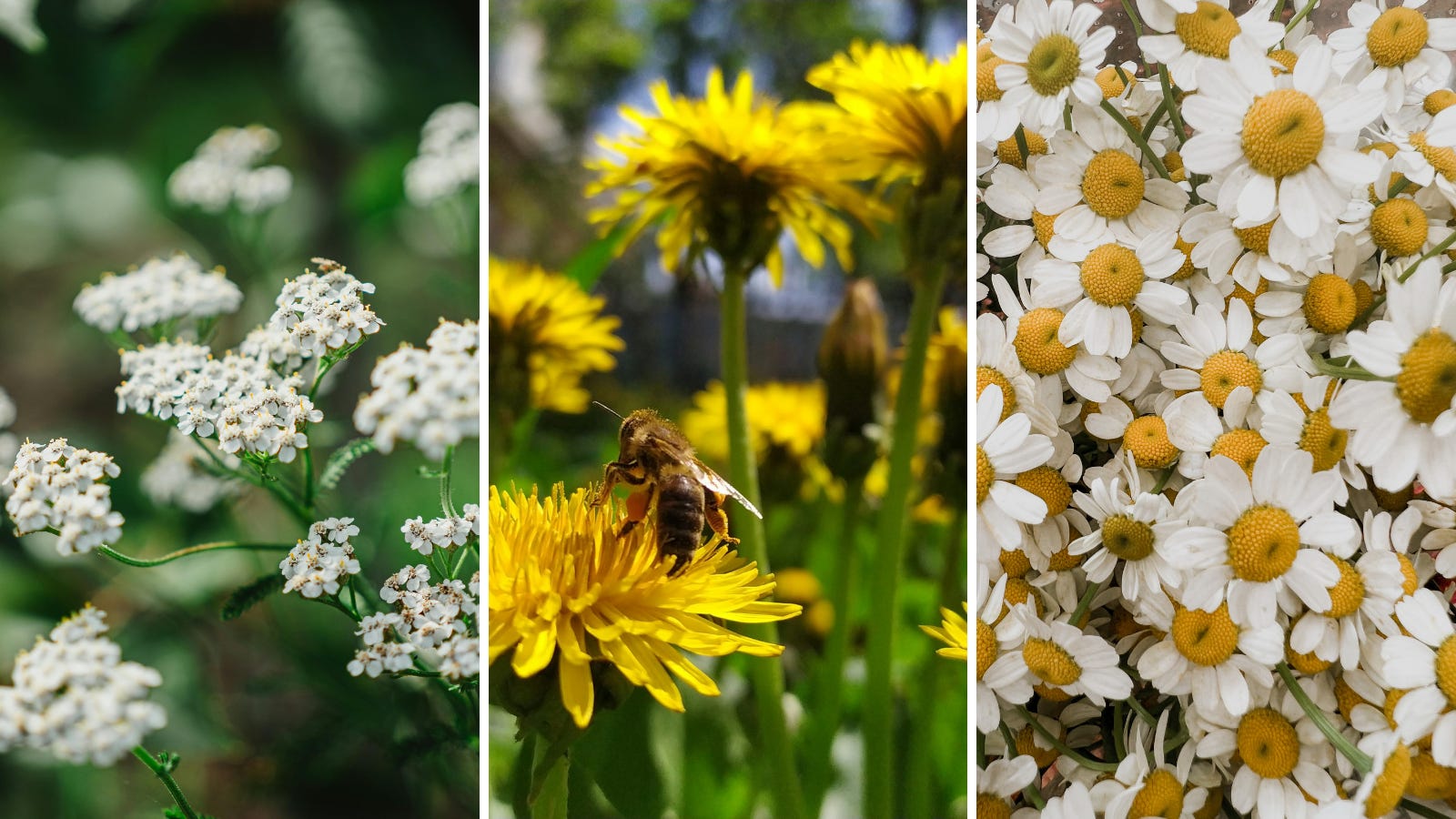
Common examples include plantain (broadleaf and narrowleaf), dandelion, chickweed, mint, yarrow, chamomile, and lemon balm.
These plants tend to be hardy, adaptable, and forgiving, making them ideal for beginners. Instead of starting with exotic or difficult-to-grow herbs, begin by identifying what’s already present in your yard or what grows well in your region.
Before using any plant, proper identification is essential.
This means confirming the plant through multiple reliable sources, avoiding anything you are unsure about, learning the differences between lookalike species, and harvesting from areas free of pesticides or contaminants.
When in doubt, don’t use it. This step isn’t optional. It’s the foundation of using plants responsibly.
Once identified, harvesting should be done thoughtfully. General guidelines are to take only what you need, avoid overharvesting from a single plant, choose healthy, vibrant parts of the plant, harvest during dry conditions when possible, and leave enough for the plant to continue growing.
Treating plants as a renewable resource ensures they continue to thrive and remain available over time.
Fresh plants are great, but dried herbs extend usability.
To dry herbs, tie small bundles and hang them upside down in a well-ventilated area or spread leaves on a screen or tray in a dry, shaded space. Avoid direct sunlight to preserve potency. Once fully dried, store in airtight containers, keep in a cool, dark place, and label with the plant name and date. Proper storage helps maintain quality and prevents spoilage.
You don’t need complex equipment to start making effective remedies. Most backyard plant uses come down to a few basic methods: teas, tinctures, salves, infused oils, and poultices. Each method extracts plant properties in a different way depending on how the plant is used.
Herbal teas are one of the easiest ways to use plants medicinally.
They’re ideal for general wellness, hydration, and mild support for issues like digestion or relaxation.
Ingredients:
1–2 teaspoons dried herbs (or 1–2 tablespoons fresh herbs)
1 cup hot water
Instructions:
Place herbs in a cup or jar
Pour hot (not boiling) water over them
Cover and steep for 10–15 minutes
Strain and drink
Examples:
Mint for digestion and refreshment
Lemon balm for calming effects
Chamomile for relaxation
This is one of the most practical daily uses of backyard herbs.
Tinctures are alcohol-based extracts that preserve plant properties for long periods. They’re useful when you want something more concentrated and shelf-stable.
Ingredients:
Fresh or dried herbs
High-proof alcohol (such as vodka)
Glass jar with lid
Instructions:
Fill a jar about halfway with fresh herbs (or one-third with dried herbs)
Cover completely with alcohol
Seal the jar tightly
Store in a dark place for 4–6 weeks, shaking occasionally
Strain and store in a labeled dropper bottle
Tinctures are typically taken in small, measured amounts diluted in water.
Salves are made by infusing herbs into oil and combining them with a solidifying agent like beeswax.
They are commonly used for dry skin, minor irritations, cuts and scrapes, and skin care.
Ingredients:
1 cup infused herbal oil (see below)
1–2 tablespoons beeswax
Optional: essential oils (small amounts)
Instructions:
Melt beeswax in a double boiler
Add infused oil and stir until combined
Pour into containers
Let cool and solidify
Store in a cool place and use as needed on the skin.
Before making a salve, you’ll often start with an infused oil.
Ingredients:
Dried herbs
Carrier oil (olive oil is commonly used)
Instructions:
Fill a jar with dried herbs
Cover completely with oil
Seal and store in a warm, dark place for 2–4 weeks
Shake occasionally
Strain and store in a clean container
This oil can be used on its own or as the base for salves.
A poultice is a simple, direct way to apply fresh plant material to the skin. It’s useful for minor skin issues for immediate, short-term application.
Instructions:
Crush or mash fresh plant material
Apply directly to the area
Cover with a clean cloth or bandage
Leave in place for a period of time
Common plants used this way include plantain and comfrey (used traditionally, with appropriate awareness).
You don’t need an overwhelming collection to get started.
A simple setup might include a few dried herbs, glass jars for storage, a small supply of beeswax, a neutral carrier oil, a few dropper bottles, and labels and a notebook for tracking. The goal is usability, not volume. Start small, learn how each plant works, and expand over time.
The real value of backyard medicine comes from consistency. Instead of trying to use everything at once, integrate herbs into your routine gradually. Drink herbal tea a few times a week, keep a basic salve on hand for skin care, prepare one tincture at a time, and experiment with one plant until you understand it well. Over time, these small practices become second nature.
This kind of knowledge should always be used with care and awareness. Herbal preparations are not a substitute for professional medical advice, diagnosis, or treatment. If you have health conditions, are taking medications, or are unsure about using a plant, consult a qualified professional. Plants can be powerful, but they should be approached with respect, not assumptions.
Your backyard doesn’t need to be large, perfect, or highly cultivated to become useful. Even a small space, or a few pots on a porch, can produce plants that support your daily life. When you start to see plants not just as decoration or weeds, but as resources, you start paying attention, start learning, and over time, you begin to rely less on external systems for simple, everyday needs.
That’s how a backyard turns into something more than a yard and becomes part of how you care for yourself and your home.
Growing medicinal plants is about more than adding herbs to your garden. It is about learning the rhythms of the seasons, understanding the plants you grow, and preserving traditional knowledge that has been passed down for generations. A small herb garden can become the beginning of a deeper connection with your home, your food, and the natural world around you.
If you want to continue learning about growing and using herbs, these resources will help you keep building your skills:
→ 12 Months of Herbal Projects: What to Make Every Month of the Year
→ Medicinal Herbal Teas You Can Grow at Home
→ How to Make Calendula Salve at Home
→ Saving Seeds: The Skill That Makes a Garden Truly Self-Reliant
Growing herbs is the first step. Learning how to organize, preserve, and use what you grow is where the real knowledge begins.
Inside the Members Library, you’ll find practical resources designed to help you create a more intentional home through gardening, herbal projects, and traditional skills.
Members receive access to:
Seasonal homestead notebooks to help plan gardens, projects, and household routines
Herbal project guides and printable resources for learning traditional skills
Garden planning tools for organizing herbs, vegetables, and seasonal tasks
Food preservation and homemaking guides to help you make the most of what you grow
Step-by-step resources designed to help beginners build confidence without feeling overwhelmed
A self-sufficient home is built through small actions repeated over time. Planting a few herbs, learning how to preserve them, and creating useful things from your own garden are all steps toward a more capable and connected way of living.
If you’re ready to keep learning and build practical skills that support your home through every season, the Members Library is here to help you along the way.
Until next time,
Melissa
Comments
Nothing yet. Say the first thing.
Sign in to join the conversation.