Because it is so fragmented, the federal system can be particularly hard to understand, which only makes it harder to change effectively through policy. We explain the agencies involved, the loophole that undermines ‘sanctuary’ policies, and overlooked problems with federal pretrial detention.
An updated table of state-by-state data shows that medical parole (also known as compassionate release) is used so sparingly that very few people are actually released this way.
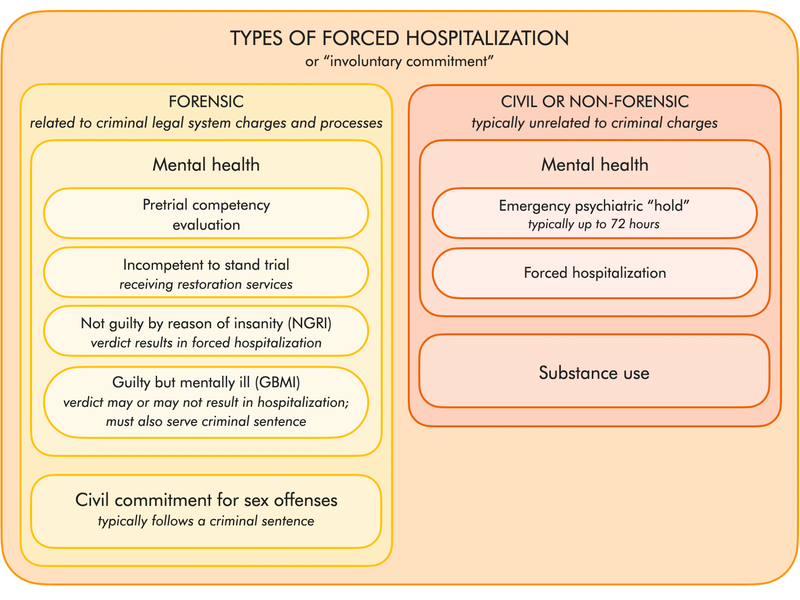
Civil and criminal courts both mandate the detention of people for extended — and often indefinite — periods of time in state hospitals, essentially extending the already-long arm of the criminal legal system.
While 17 states and D.C. have taken discretionary parole off the table for most or all incarcerated people, they still have other forms of parole and conditional release that could safely release many more people from prison. Here, we examine these slimmed-down parole systems and other release mechanisms, and show they are not wildly different from states still using discretionary parole.
HB 338 would end access to higher education for people in maximum security prisons in Ohio, making prisons less safe and worsening outcomes after release.
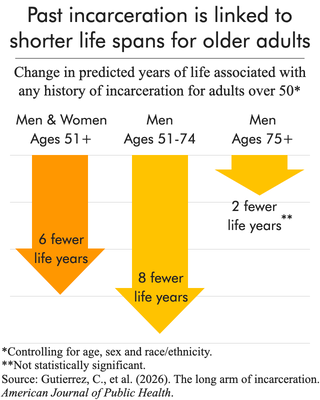
Two recent studies authored by Professor Carmen Gutierrez and her colleagues show that prior incarceration is associated with various geriatric health conditions and reduced life expectancy later in life.
Protecting family connections and bonds with loved ones during incarceration is one of the most important and, increasingly, one of the most difficult things advocates can do. Contact visitation, handwritten cards and letters, and regular phone calls improve mental health outcomes for both people in prisons and the families who love and support them. They […]