
Welcome to the Press Gazette Future of Media US newsletter on Friday, 31 July.
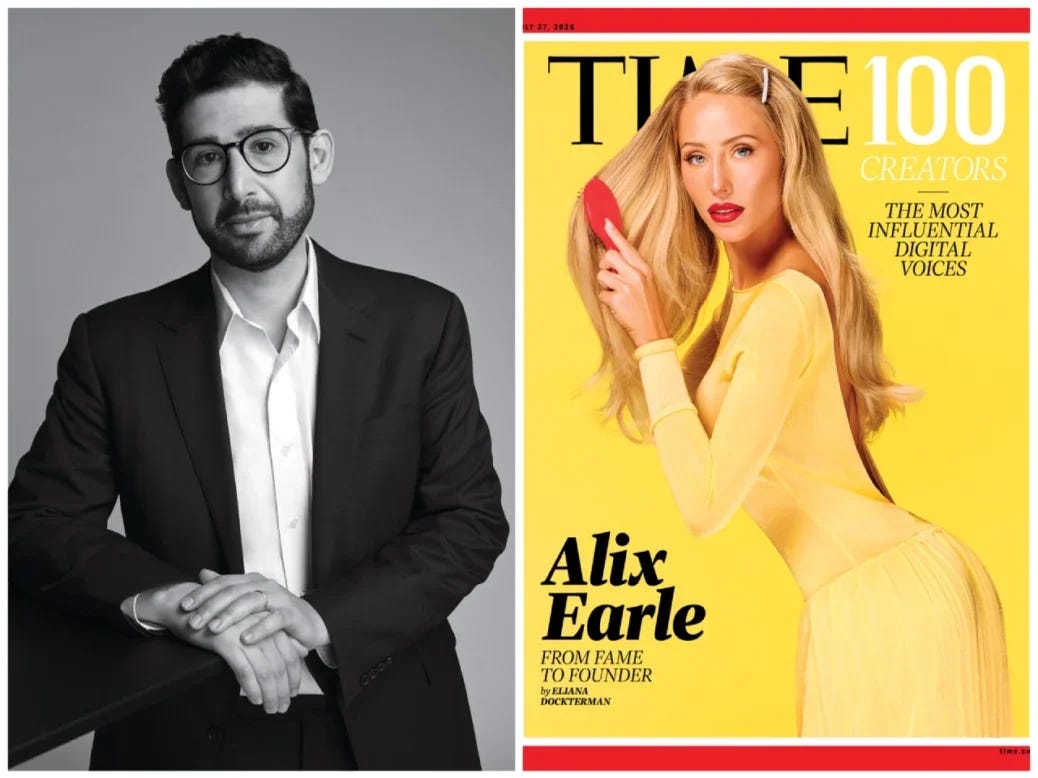
🤳 Sam Jacobs took on the top job at century-old Time magazine three years ago as the youngest editor-in-chief since its co-founder.
His relative youth is now showing through as Time is successfully partnering with popular social media creators and, at the same time, using lessons from them to boost what its own journalists are doing.
I watched with fascination a Time journalist’s six-hour walk from New York’s Penn Station to the MetLife Stadium in New Jersey to make a point about the journey for World Cup fans if they didn’t fancy paying $98 for a train.
Many publishers are playing with this idea right now. But I think the way Time is getting the likes of @handluggageonly involved in content around one of its major franchises - the World’s Greatest Places - is one of the most effective approaches I’ve seen.
Time also made headlines this week with the news it has started serving ads to AI agents. Press Gazette had the scoop on this in June with a report from our News Yacht in Cannes.
Time chief operating officer Mark Howard explained the brand is commercialising an invisible bot-readable version of its website used to promote sponsored content.
To me, the two stories taken together indicate Time is a brand with a lot of heritage that is on the frontline of finding new ways to engage with human readers as well as making the robot ones pay their way.
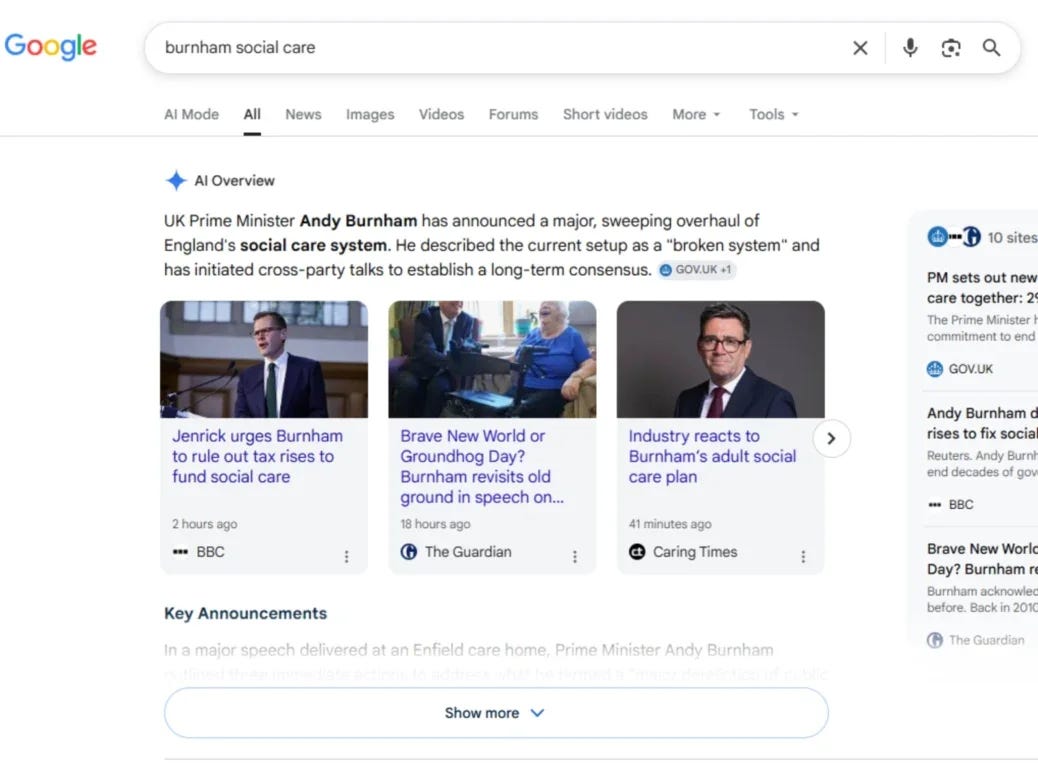
👀 You may have noticed Top Stories boxes have started appearing within Google’s AI Overviews - meaning news publishers can get prominent links right at the top of search results even if those pesky summaries are getting in the way.
But it means publishers considering using Google’s new Search Console controls to opt out of AI features might need to check if they’ll be missing out.
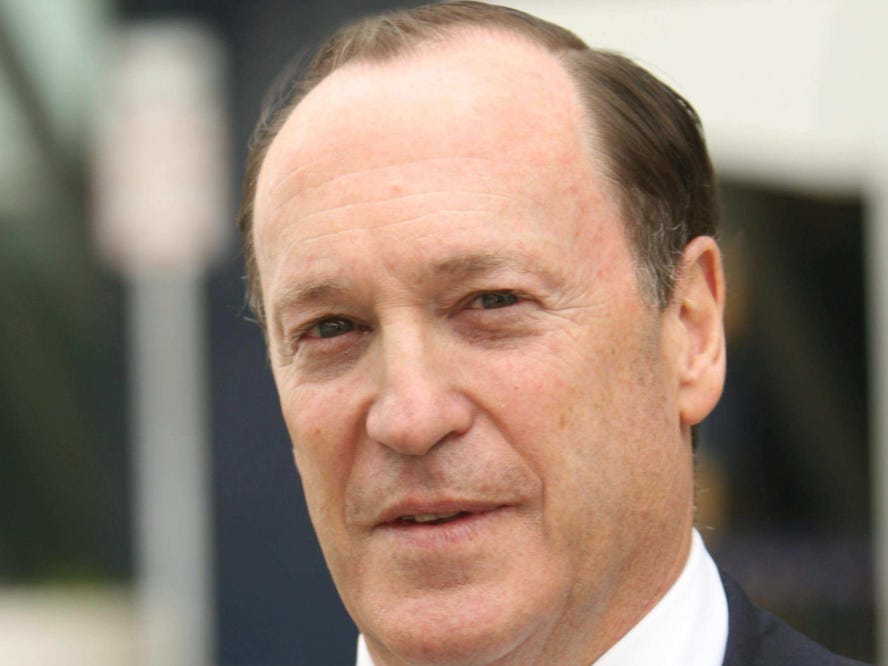
🤔 Newsguard co-founder Steven Brill is the first US respondent to our new Q&A series What I’ve Learned. (If you’re interested in a view from UK regional journalism, check out Nottingham Post editor Natalie Fahy’s brilliant answers here.)
Brill discussed what’s keeping him up at night, concerns about Russian propaganda “infecting” the internet, his biggest career mistake and the launch of Newsguard AI.
On leadership, he admits he pushes people “very hard” and even “too hard” but said he is learning to make sure he does it in a constructive way.
Can the New York Times Save Journalism From Our AI Overlords? - Wired
BuzzFeed Laying Off 35% of Its Employees After Byron Allen Takes Over Company - Variety
Facebook Is Testing if People Want to Swap Their Feed for “Immersive Video” - The Hollywood Reporter
People Incorporated explores sale of The Daily Beast again - Axios
Creators Take Over ‘The Odyssey’ Press Tour / Is It Worth It To Go Indie? - The Publish Press
The Atlantic Files Motion to Dismiss Kash Patel’s $250 Million Defamation Lawsuit - The Wrap
Claim was launched with ‘blaze of publicity’ and ‘monstrous all-out attack’ on Mail.
Express video show follows repeatable formats with regular co-hosts and fewer “ding dongs”.
Display ad revenue was biggest growth area among publishers surveyed by AOP.
Three more widely-published experts touted by PR industry appear not to exist
Survey reveals crucial part publishers play in providing plausible AI responses.

Dominic Ponsford asks magazine industry titan Mike Soutar how to tackle modern publishing industry challenges looking at the lessons of history.
The Shortlist Media founder and former IPC Media director is something of a history buff. And he has just launched a new eight-part podcast series with Immediate Media’s History Extra called History’s Greatest Leaders.
How would Genghis Khan or Elizabeth I go about tackling an unequal struggle with tech titans, or deal with the decline of a magazine publishing empire?
No posts
Comments
Nothing yet. Say the first thing.
Sign in to join the conversation.