
In my sixth decade, Cold War spy novels captured me, and I believe I know why. As a child, I was all about all things related to war and the military. I say all things, but really my interests were limited to the American Civil War, World War II, and current (1970s) military tech and hardware. The Cold War was not all that “interesting” (at the time) compared to history’s hot wars, but Cold War spy novels and histories by John le Carré and others fascinate now because they show the lengths to which secret warriors went to keep nuclear holocaust at bay. The result was that elementary-school me could do badly at handwriting assignments, wreck my bike, and go to church.
I turned five in 1970, and by the age of seven, as an advanced reader, I was checking out stacks of adult military history books from the library only blocks from my house. The town was a Missouri Bootheel version of Mayberry. The librarian asked if I could actually read those books. I assured her that I could and did.
World War II was a good and heroic war; the War Between the States was a local one. Being from Arkansas, I was a Southerner; living in Missouri (just a few miles from Arkansas), I felt the border-state tension. What Faulkner wrote was true: “The past is never dead. It’s not even past”—at least in the South, at least until recent years.
As a young boy, I regretted that providence denied me the chance to fight Nazis. My favorite color was green, because that’s what soldiers wore. I knew the top speeds of all the WWII fighter planes, and I could differentiate all the Allied bombers and understood something of the hell that B-17 crews experienced during their daylight raids.1 I admired the Germans’ incredible 88mm artillery piece and knew that the Russians’ T-34 tank was probably the best of the conflict, a fact which hurt my feelings.
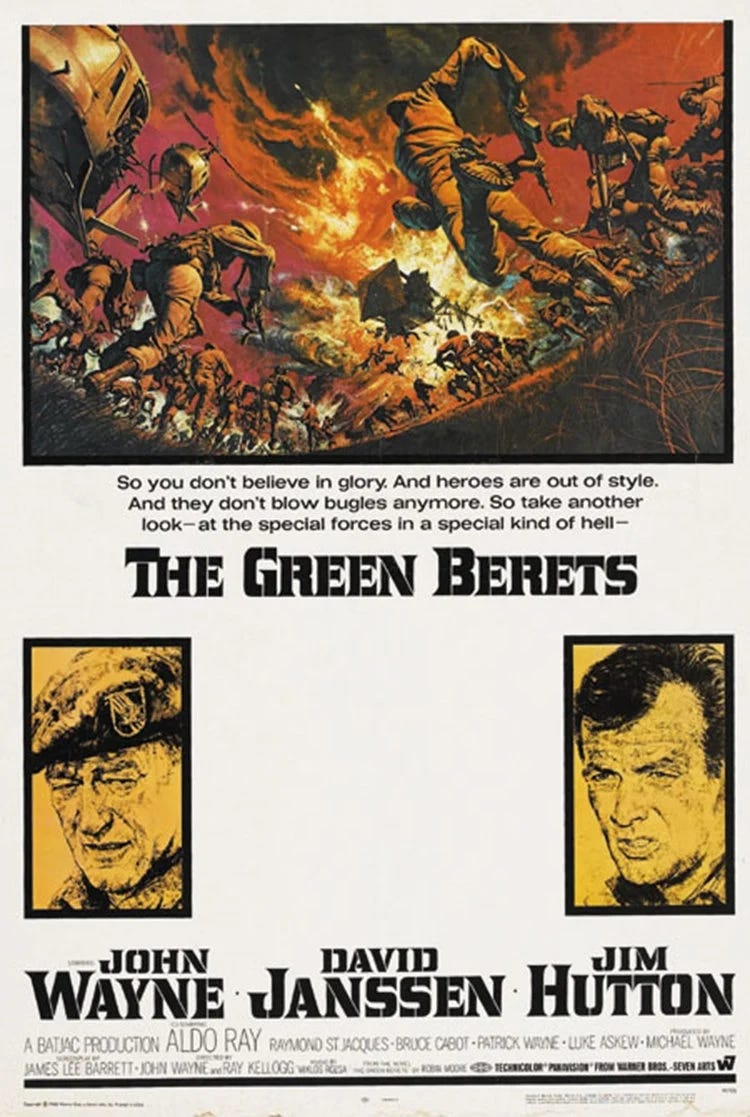
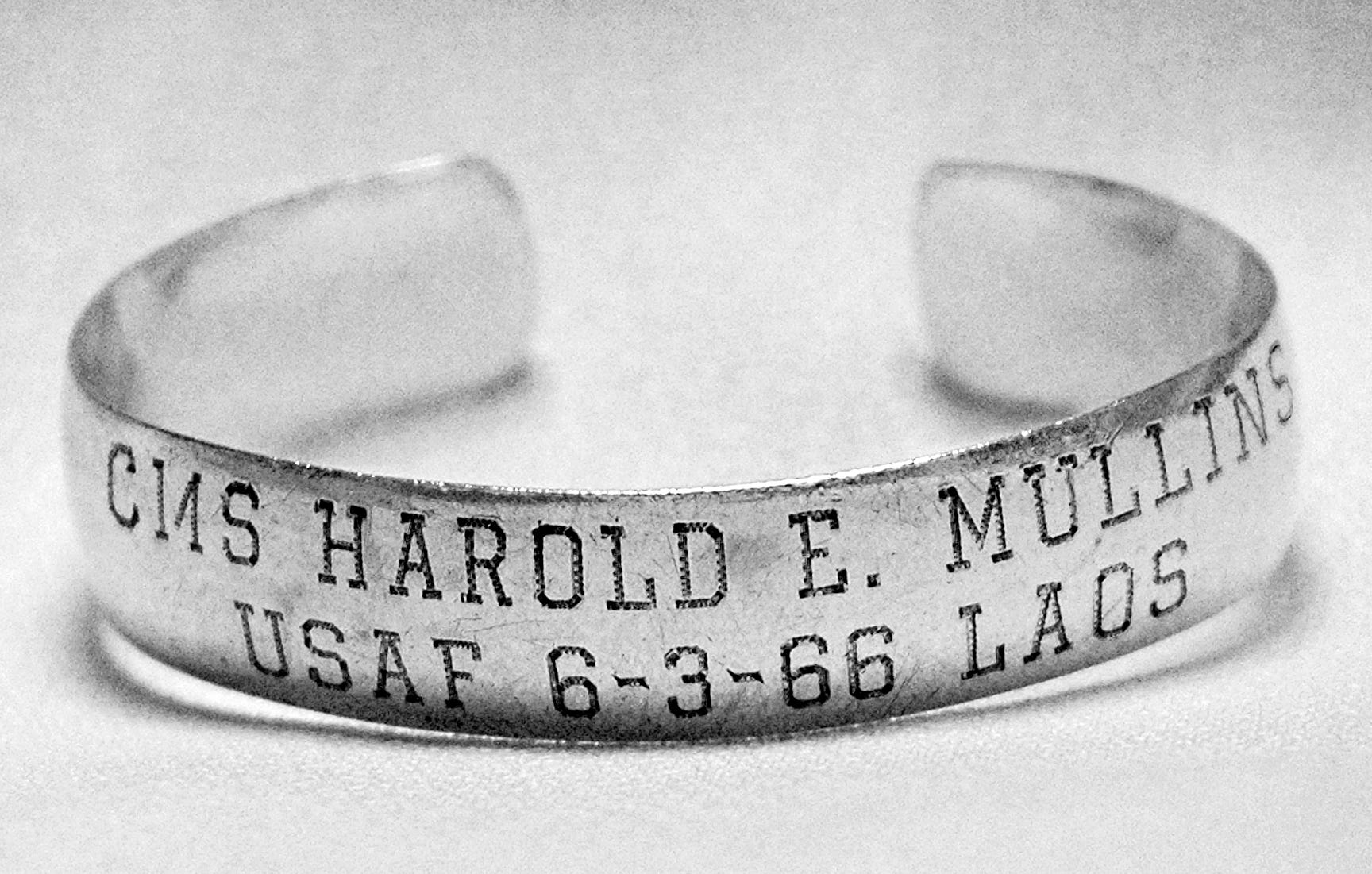
Vietnam, which started before I was born and ended ingloriously when I was in the fourth grade, was never as romantic as WWII seemed to be or as John Wayne’s 1968 movie The Green Berets made it out to be. Territory was rarely captured; there were no big victories. This I could understand, even at age seven. I remember the body count tallies on nightly network news, which I would sometimes relate to my dad when he got home in the evening. POW/MIA bracelets (below), with soldiers’ names on them, were everywhere. One of my earliest memories (at age three or four) was of my mother and other church ladies putting together care packages they’d send all the way to Vietnam, the other side of the world.
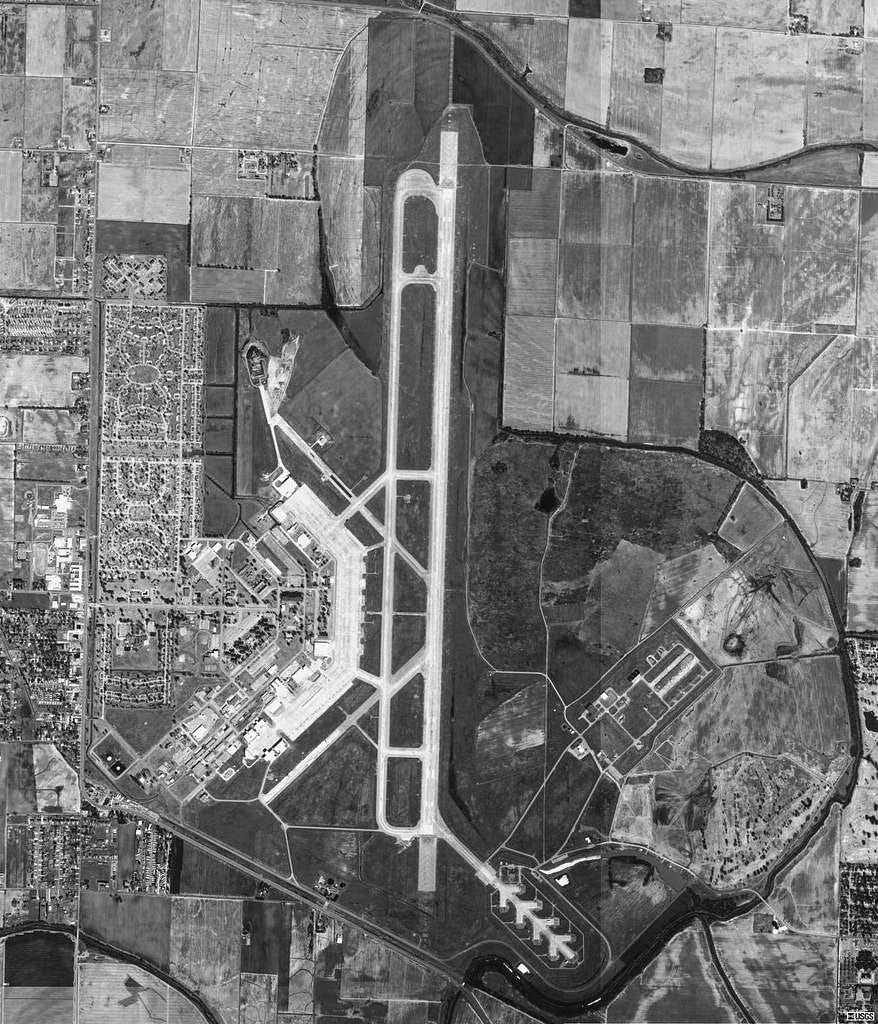
As I said before, in the South, the unpleasantness of the mid-19th century was ever present, but the Vietnam conflict and, indeed, the larger Cold War was made local by something I could see almost any time I looked into the skies of Southeast Missouri: the majestic and terrifying B-52 bomber. Only 15 miles away in Arkansas, as the jet flies, was a Strategic Air Command base, its planes armed with nuclear ordinance. We were northwest of the base, so the planes were not too high by the time they flew over our town. The refueling tankers were always around, too. During times of heightened Cold War tension, some of the planes would be kept in the air constantly in a “readiness” rotation—a key part of the deterrent strategy. The tree-shaped tarmac visible in the lower right-center of the photo below was the rapid deployment flight line—all planes could launch with their nuclear payloads within 15 minutes of an alert, with almost no taxiing required. The planes on this line could easily be seen from the highway that ran past the base.
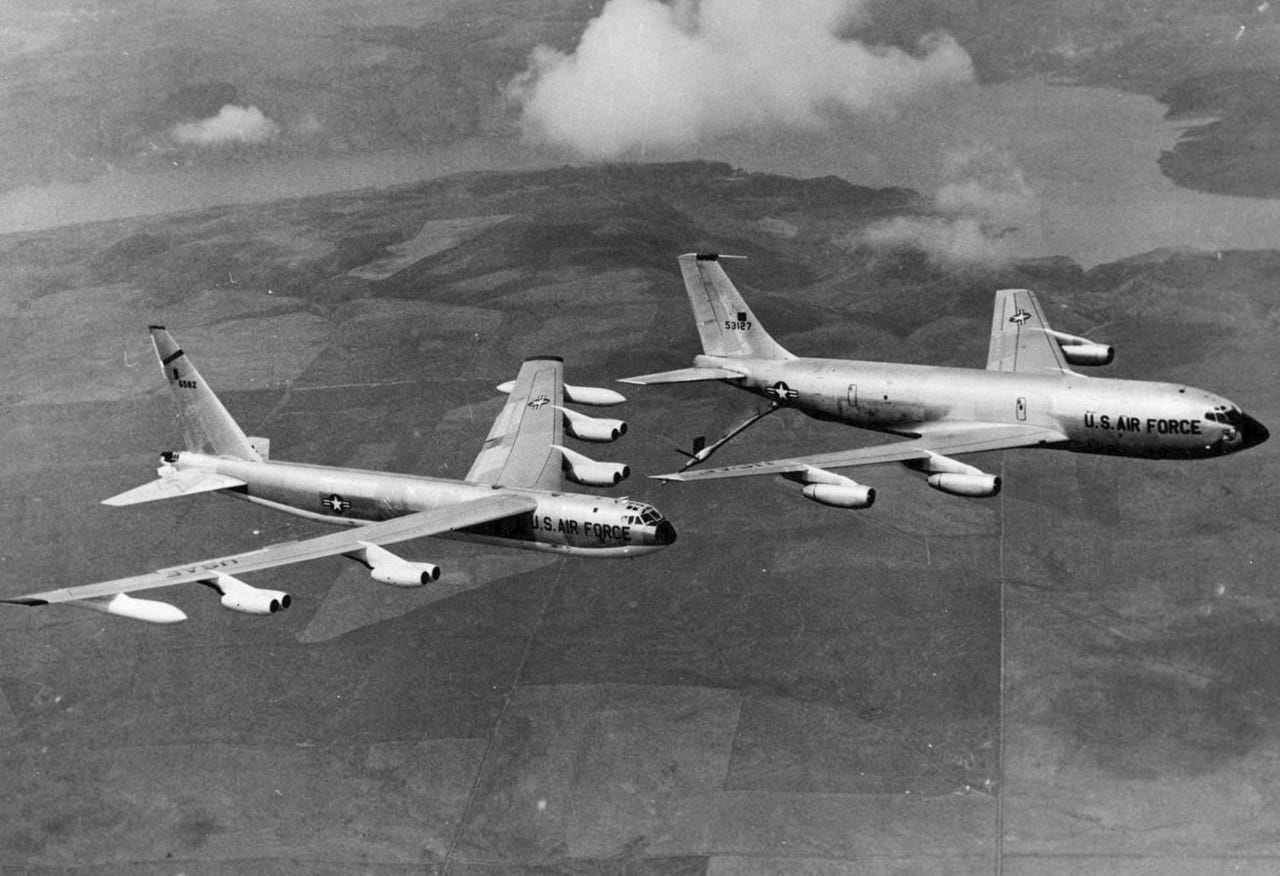
In September of 1971, six-year-old me was hauled to an airshow at the base, my parents knowing my intense interest. We could get close to one plane, and I was able to look up into the empty bomb bay of the display B-52; the rest sat ready to launch nearby with armed guards standing all around them. Even at six, I understood something about what the planes carried and why they were there. The tension was palpable.
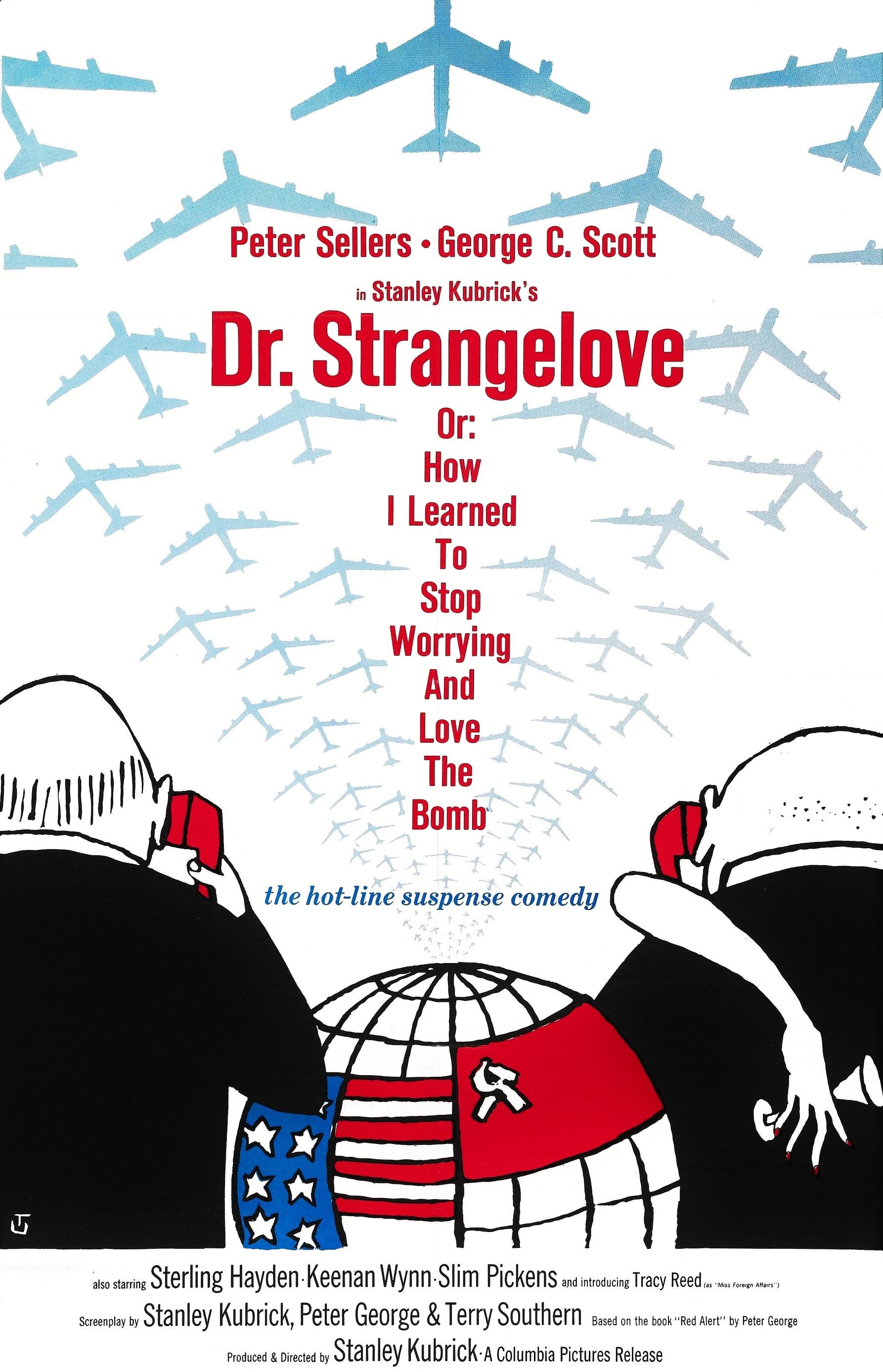
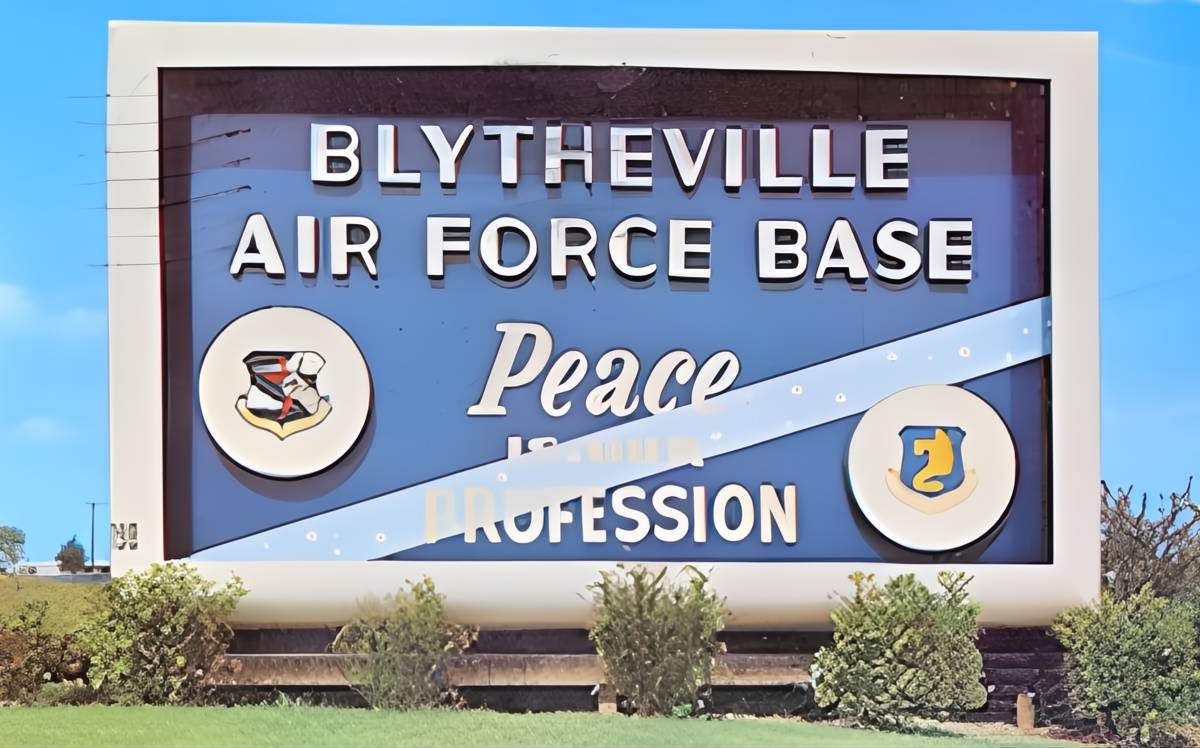
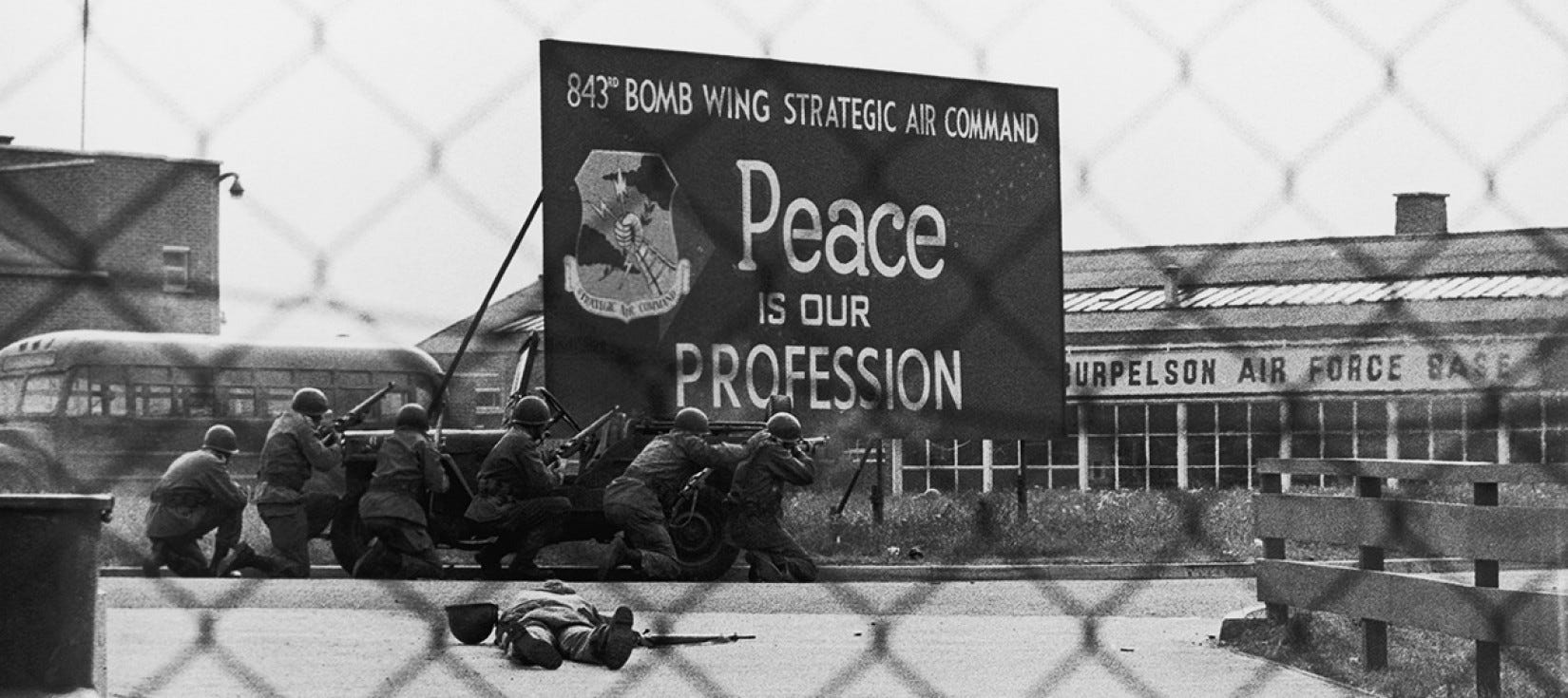
The sign that appeared outside the local base was nearly identical to the one seen at the base in Stanley Kubrick’s black farce, Dr. Strangelove (1964), which I consider the best Cold War movie and one of the best movies ever made. I did not see this movie until the early 1980s, but B-52s with nuclear payloads were still there, amidst cotton and soybean fields, when I was a teenager.
What I did not remember was that my backyard B-52s were involved in Vietnam, where they dropped conventional ordnance. In fact, one of the planes from the local wing was the second B-52 to be shot down, the first with crew members killed. The Vietnam War was closer than I knew in late 1972.
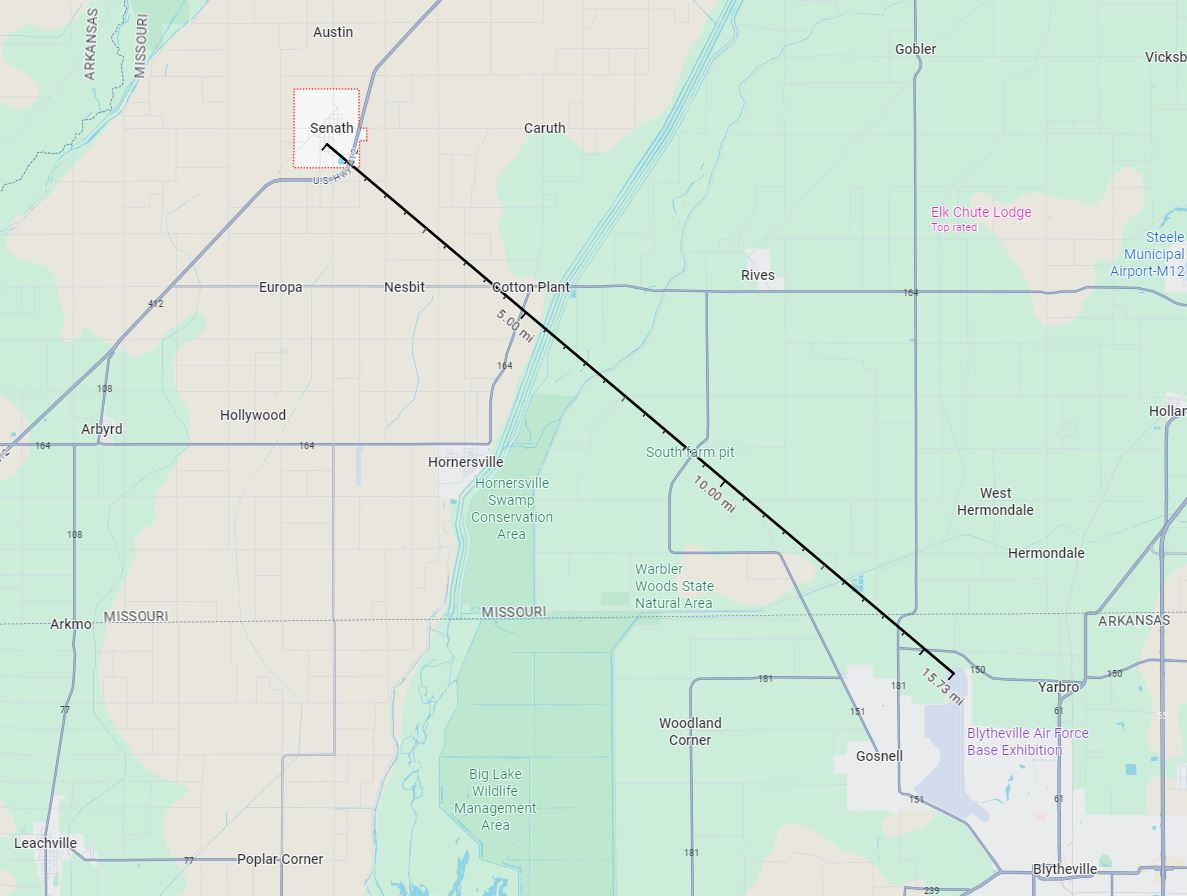
Vietnam was a big deal, yet the fear was, as Slim Pickens’ pilot character said in Dr. Strangelove, “Nuclear combat! Toe to toe with the Russkies!” In God’s mercy, this never happened, which is good, because I recently read that the base at Blytheville was a top-five Russian ICBM target during the Cold War. Fifteen miles was uncomfortably close.
All this is brought to mind, of course, by the military operations in Iran, where, amazingly, B-52 bombers are still being used. This is more amazing when you consider that every B-52 was built between 1952 and 1962. Every one of them is older than me. The aircraft’s durability and adaptability are unequaled in the history of heavy weaponry.
Enemies and weapons can be new, but violence and hate have persisted since the Fall; war is not yet “no more.” In troubled and dangerous times, it is good to know that God’s mercy and sovereignty are eternally durable, and that He never changes.
In the chaotic, violent, and disrupted 1970s (about which I have written before), concern for spiritual things seemed heightened for a time. “Peace” may have been the Strategic Air Command’s profession, but the church’s job is to proclaim the One who made true peace “through the blood of His cross” to all sorts of people with all sorts of views of war, government, and society, and to do so without bringing, as Machen wrote, “the warfare of the world…into the house of God.” May the Lord grant that many are prompted to seek Him even now, under the sun, where nothing is really new…yet.
Appreciating the plight of German civilians who suffered in both the American daylight raids and the British nighttime incendiary bomb raids would come later.
No posts
Comments
Nothing yet. Say the first thing.
Sign in to join the conversation.