Are we any closer to cloning endangered species from stored tissues, gene editing to improve species’ resilience and using gene drives to suppress pest populations? A new Royal Society Te Apārangi resource outlines how gene technologies could transform conservation over the next ten years, but there are still many scientific and ethical hurdles to go. … Continue reading Gene technologies could…
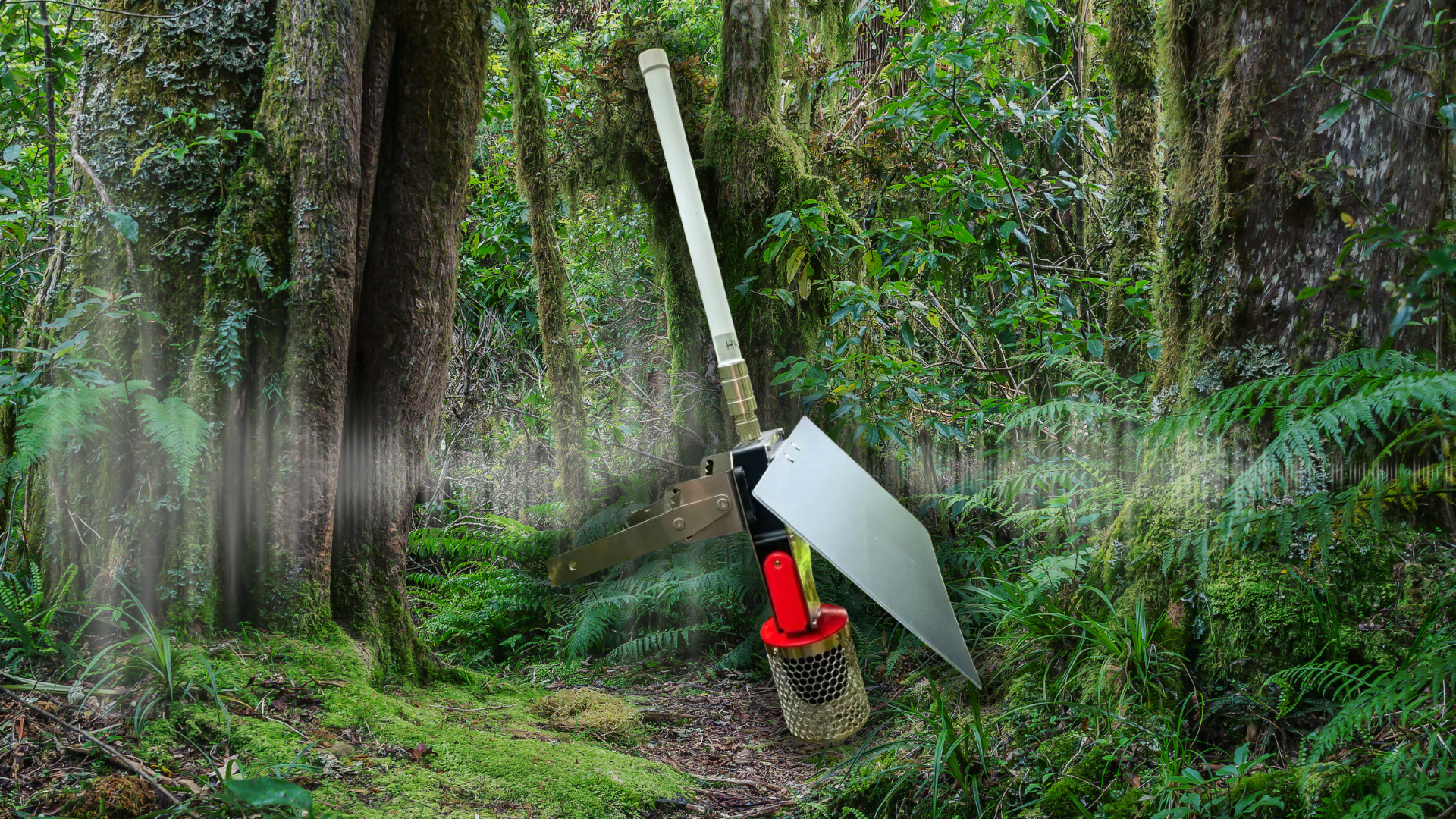
Monitoring birds can be hard, expensive and time-consuming. So a new acoustic device that “listens” to the forest 24/7 and provides detections, trends, and metrics gives time-strapped conservationists the real-time info they need. Staying still for five minutes, recording all the birds seen or heard: the 5-minute bird count (5MBC) has been used to track … Continue reading 24/7 monitoring device…
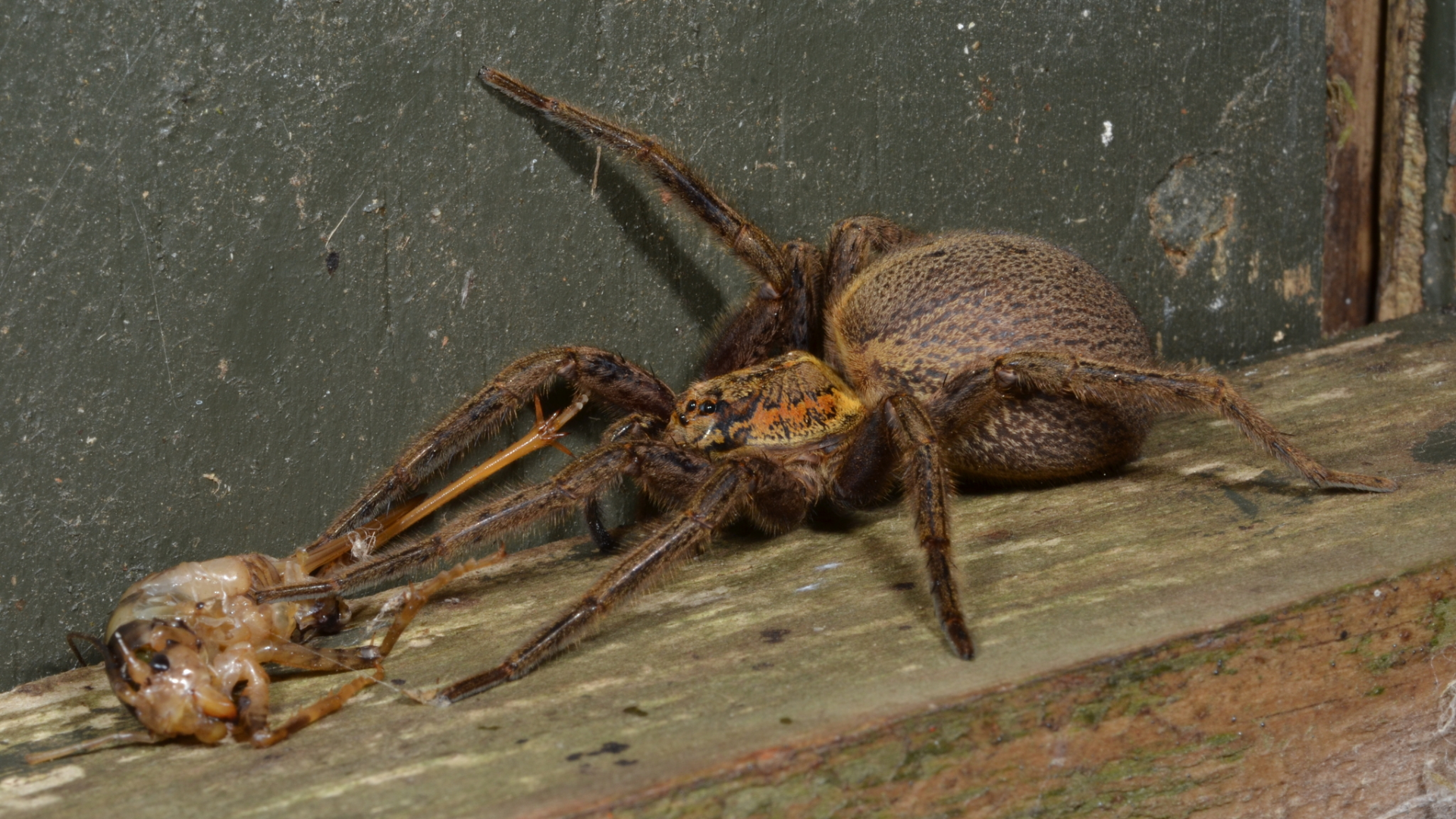
The largest of its type in Aotearoa, the Rangatira spider is a good mother and skilled insect hunter, but was driven off the Chatham Islands and now only lives on two small offshore nature reserves. Guest writer and scientist Zita Roithmair (who loves the species so much she’s studying them) will give you a new … Continue reading These huge, heavy, hunting spiders were forced from their home by…
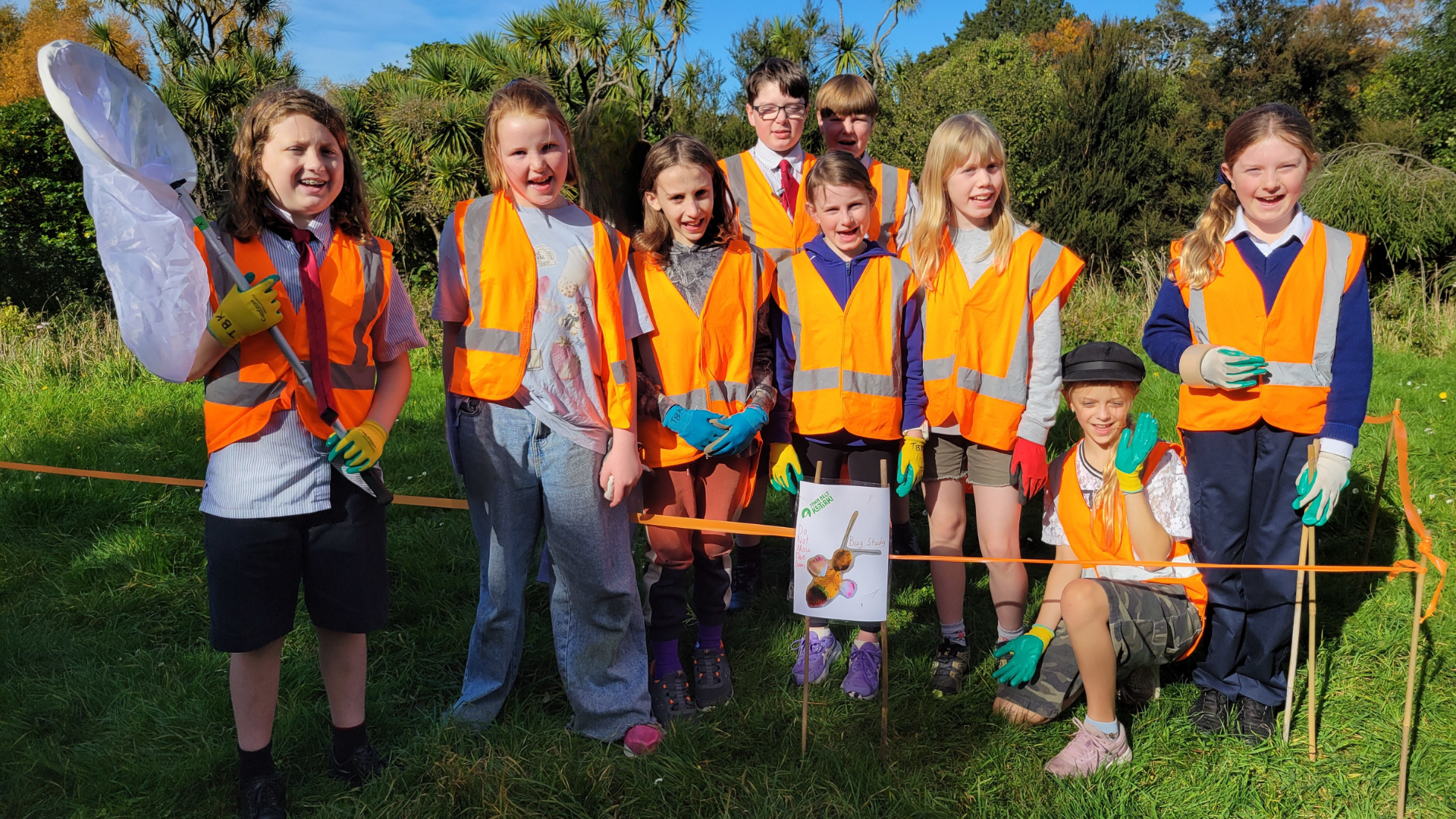
Year 12 student Mathew Campbell is teaching younger students how to check traps in the Ōtepoti (Dunedin) town belt. A few years ago, he was the kid asking the questions. Now he’s the one answering them. “It’s quite cool, especially seeing the younger kids that come through, because they just have a lot of energy … Continue reading It’s cool to care: Dunedin’s youth get trapping The post It’s cool…
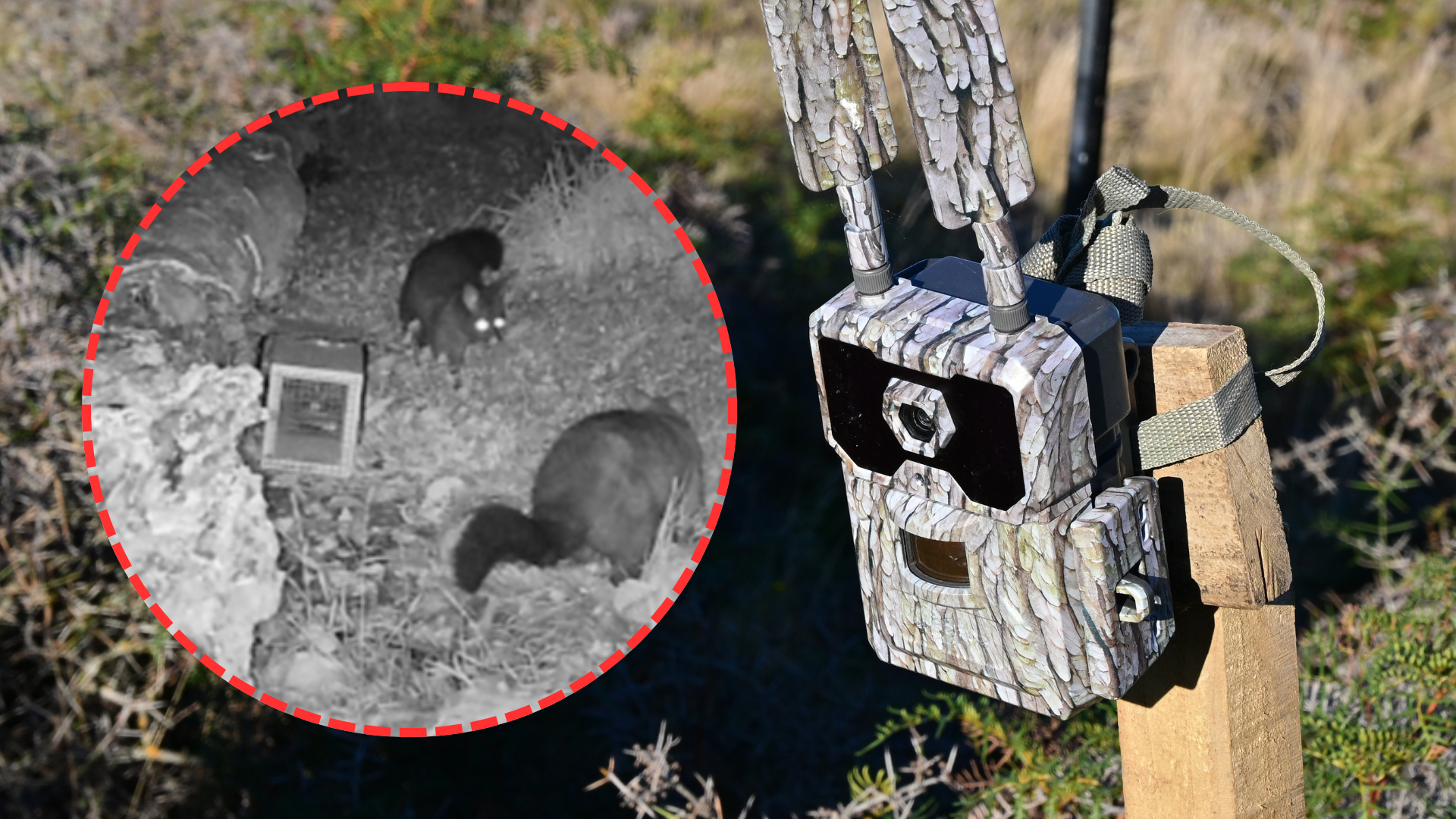
We don’t know what we don’t see. Trail cameras give an eye to what’s happening around traps when you’re not there. Last year, with funding from the TD Mankelow Family Charitable Fund, the Predator Free New Zealand Trust sent trail cameras out to 30 community trapping groups. Here are some of the things they learned. … Continue reading What trail cameras can teach you about catching more predators…
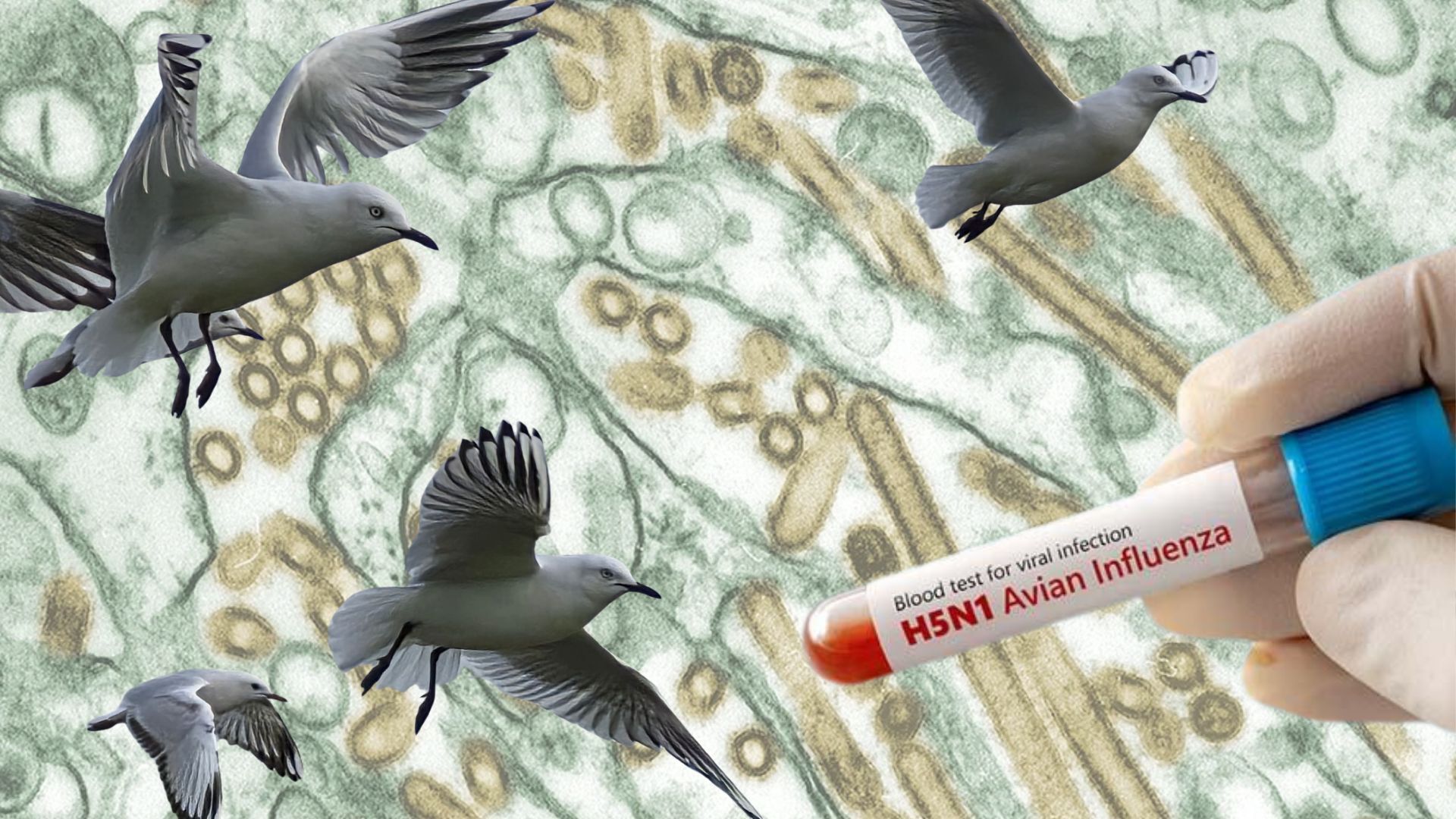
Avian influenza has arrived in Aotearoa New Zealand, with the first case being found on Petone Beach in Wellington. The risk to human health is low, but here’s what you can do on the trapline or in your backyard to minimise the risk of spreading the disease. Look out for sick birds The Ministry for … Continue reading Five things to do now that bird flu is here: updated advice The post Five things…
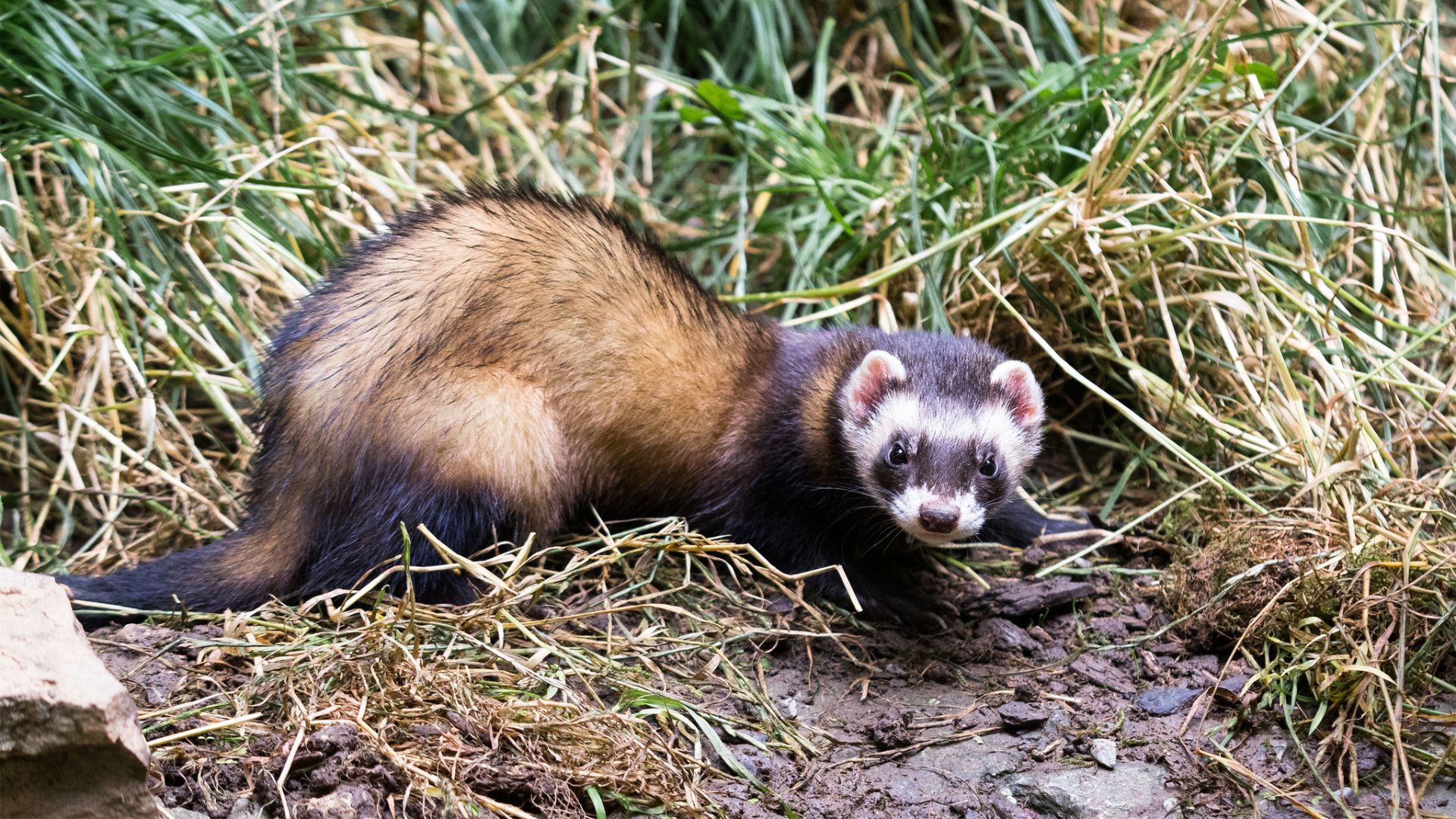
Ferrets are the least researched introduced predator in New Zealand, so what do we actually know about them? 1. Pets gone rogue Ferrets are not wild animals by nature — they are a domesticated species descended from wild European polecats and have been kept as pets for over 2,500 years. In the 1880s, the New … Continue reading Short-sighted surplus hunters: five fast facts about ferrets The post…
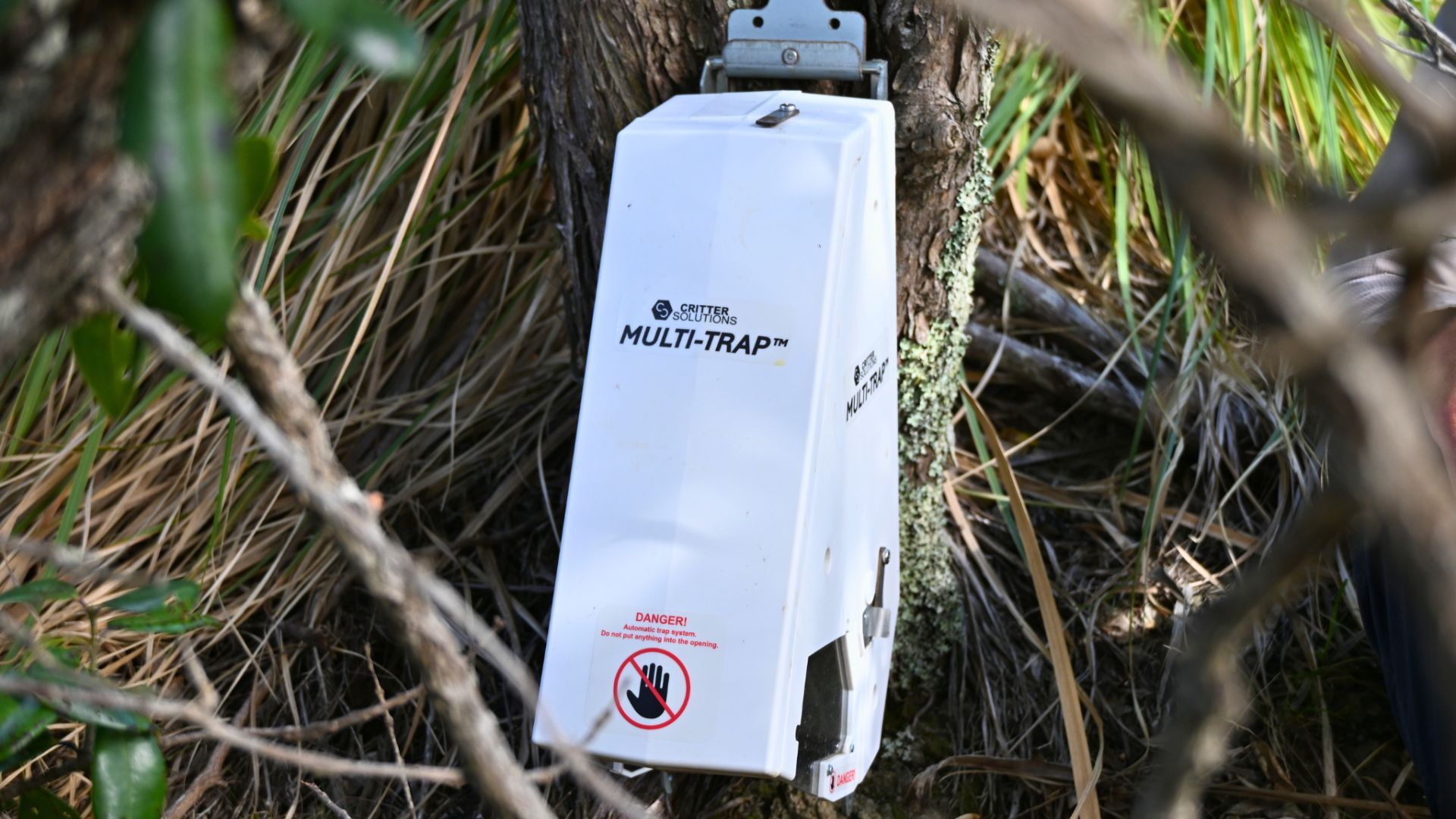
Smart traps that can identify predators in real time and decide for themselves whether to trigger are being tested by conservation projects around New Zealand. For conservation projects working towards eradication, catching the first predator is rarely the hardest part. It’s the last ones that cause headaches. After years of control efforts, the target species … Continue reading Can AI help catch…
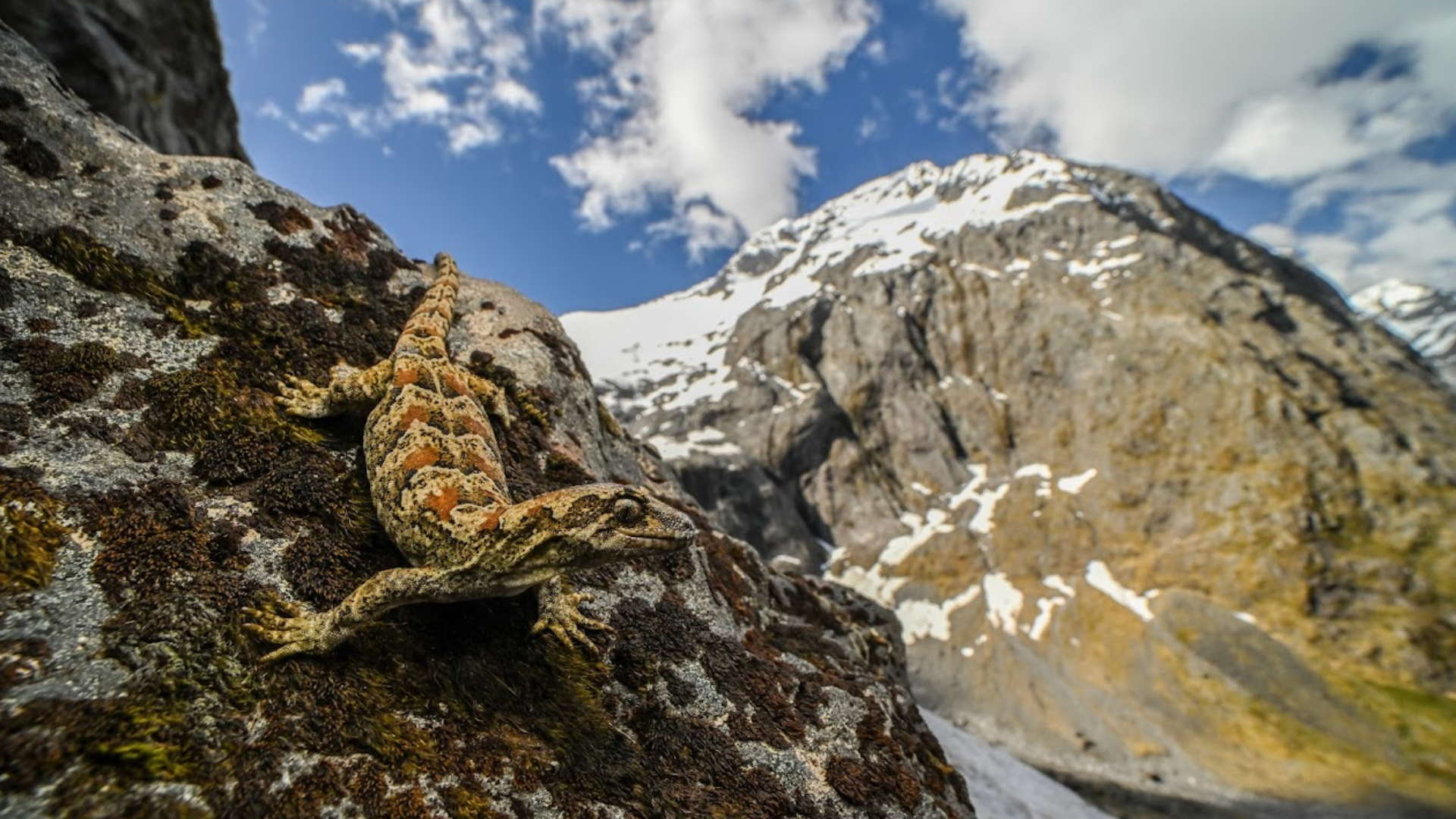
Fieldwork in Fiordland usually starts with cold hands, damp boots, and an eye carefully fixed to the uneven ground. But herpetologist Dave Laux also has his eyes (and his lens) looking out for tiny cold-blooded creatures. Dave and his team were salvaging critically endangered awakōpaka skinks from their only known habitat, a small area in … Continue reading A lens into lizards: capturing New…
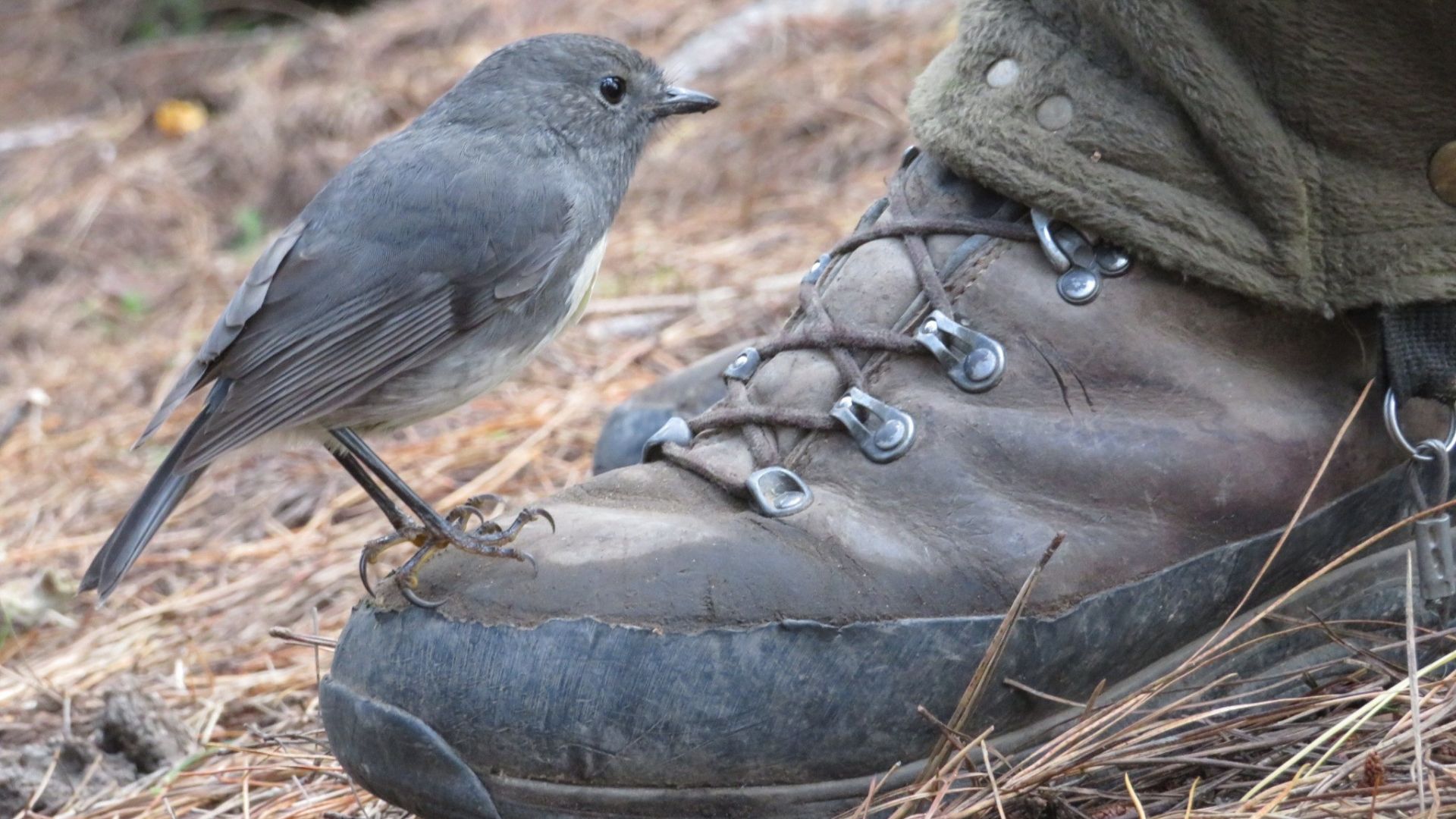
Robins are among our most charming forest birds, known for fearlessly approaching trampers and even hopping onto shoes, backpacks, and hats. But research suggests introduced predators may be turning them into more cautious, fearful birds. Kakaruwai (South Island robin), the rotund grey birds with legs the size of toothpicks, are a delight to encounter in … Continue reading Are New Zealand’s…