
I’m not new to the event. I first attended in 2019, when I served as a Jury member for what was then known as the Social & Influencer Lions, which were evolved and renamed as the Social & Creator Lions in 2025.
There wasn't a single creator in sight that year. A very different reality from 2026, when an estimated 500 creators got passes, and another 1,500+ (not official numbers, but it sure felt like it) seemed to be everywhere on the Croisette.
Watching that transformation happen over seven years was the most interesting part of the week.
Creators were participating in - OR HOSTING - the busiest brunches, lunches, sessions, parties and dinners, taking meetings with CMOs and CEOs, creating content from countless different angles (one of the best side effects of having creators at the festival was the diversity of POVs they brought to it), or just enjoying being the center of attention. 😝
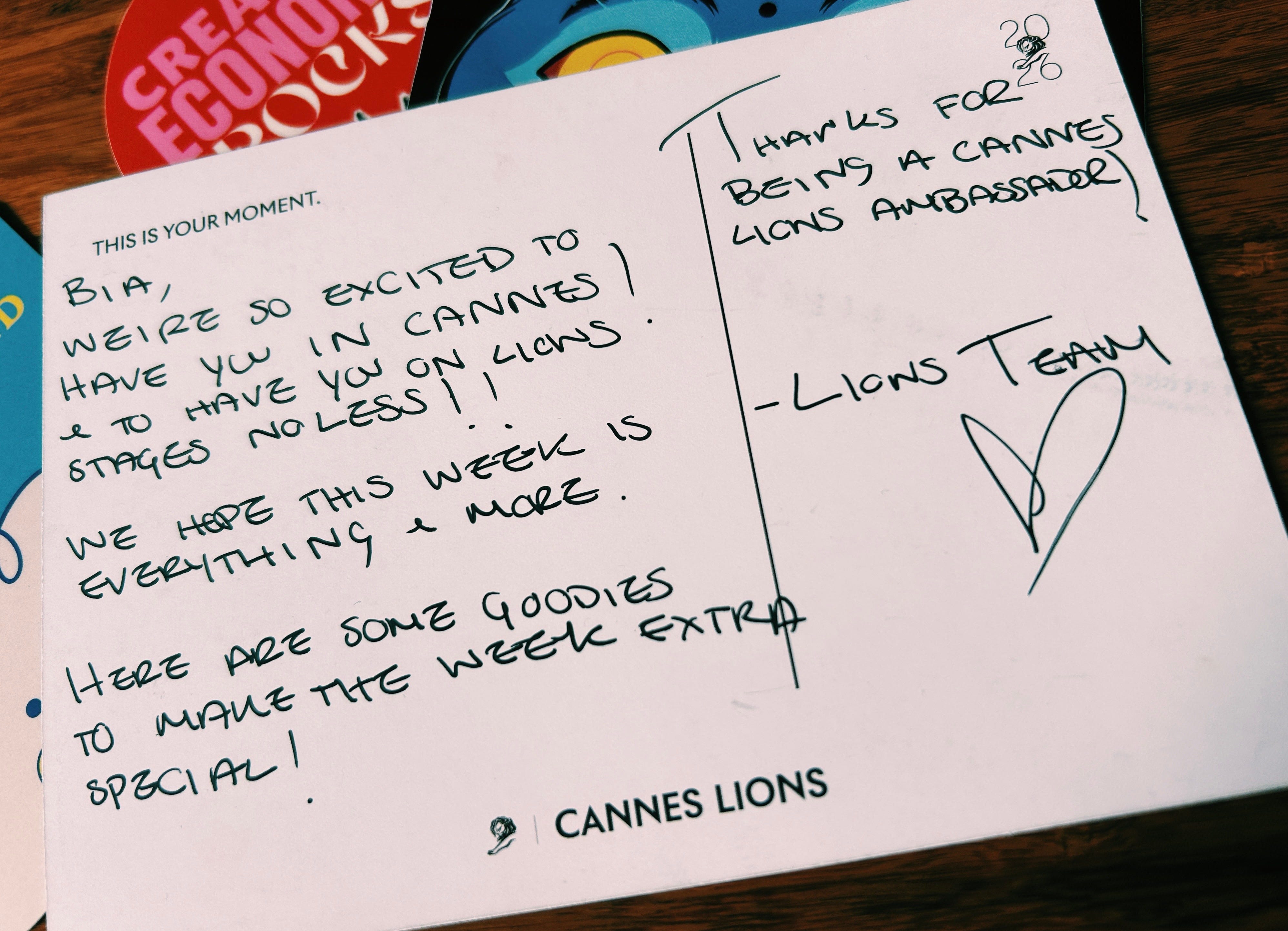
As an ambassador to the event, I got to participate in some defining moments of the festival, like the CMO Accelerator programme, an eye-opening Marketer/Creator mixer and the very first Global Creator Lens, a closed-door group “focused on shaping the future of creator marketing at a global level".
In the many conversations I joined, participated in, or overheard, a few things became clear to me and there is one that fundamentally changes what Creator Marketing means and how creators are playing a different game, one that marketers, platforms and media companies are beginning to catch up with.
Being a creator is pretty much a soft skill.
Everybody creates: Oprah, the CEO of the company you work for, the singer, my aunt that shares recipes on TikTok, my personal trainer, the politician, that famous athlete and, ofc, that traditional digital native content creator that named the whole industry.
Creators are now embedded across entertainment, commerce, culture, community and marketing, making it hard to draw a border around the category.
If everybody is a creator, what is a creator?
With so many different versions of what a creator can be, the “old school” creators (if you can say that) are all wanting to be something else.
Throughout the week, I heard many different self-definitions from creators themselves: “I'm a creative”, ‘I'm a marketer”, “I pretty much work as an agency or production company”, “I'm a founder”, “I'm a media company” and so on.
Creators are not defining themselves by what they make anymore. They’re defining themselves by the businesses they’re building.
(Important: none of them referred to themselves as influencers!)
Across the week, I realized these conversations weren’t about the same thing. Brands were discussing Creator Marketing, while creators were updating what a creator even is.
Cannes Lions is one of the few places where these two conversations happen side by side. That’s what made the contrast impossible to ignore and what created two different experiences this year:
The Cannes Lions where creators are the center of activations and where CMOs are trying to understand them.
There seemed to be a consensus about the value of the creator moving from distribution to an ecosystem of services.
A creator is no longer just a distribution channel.
The most mature brands understand that creators participate across the entire lifecycle of a campaign: bringing cultural insight, helping develop the creative concept, producing the work, distributing it and generating the audience signals that improve future decisions.
Brands can now work with creators at different moments of the process, depending on the problem they’re trying to solve.
This changes the commercial relationship between brands and creators and the kind of work we’ll probably see winning Social & Creator Lions over the next few years.
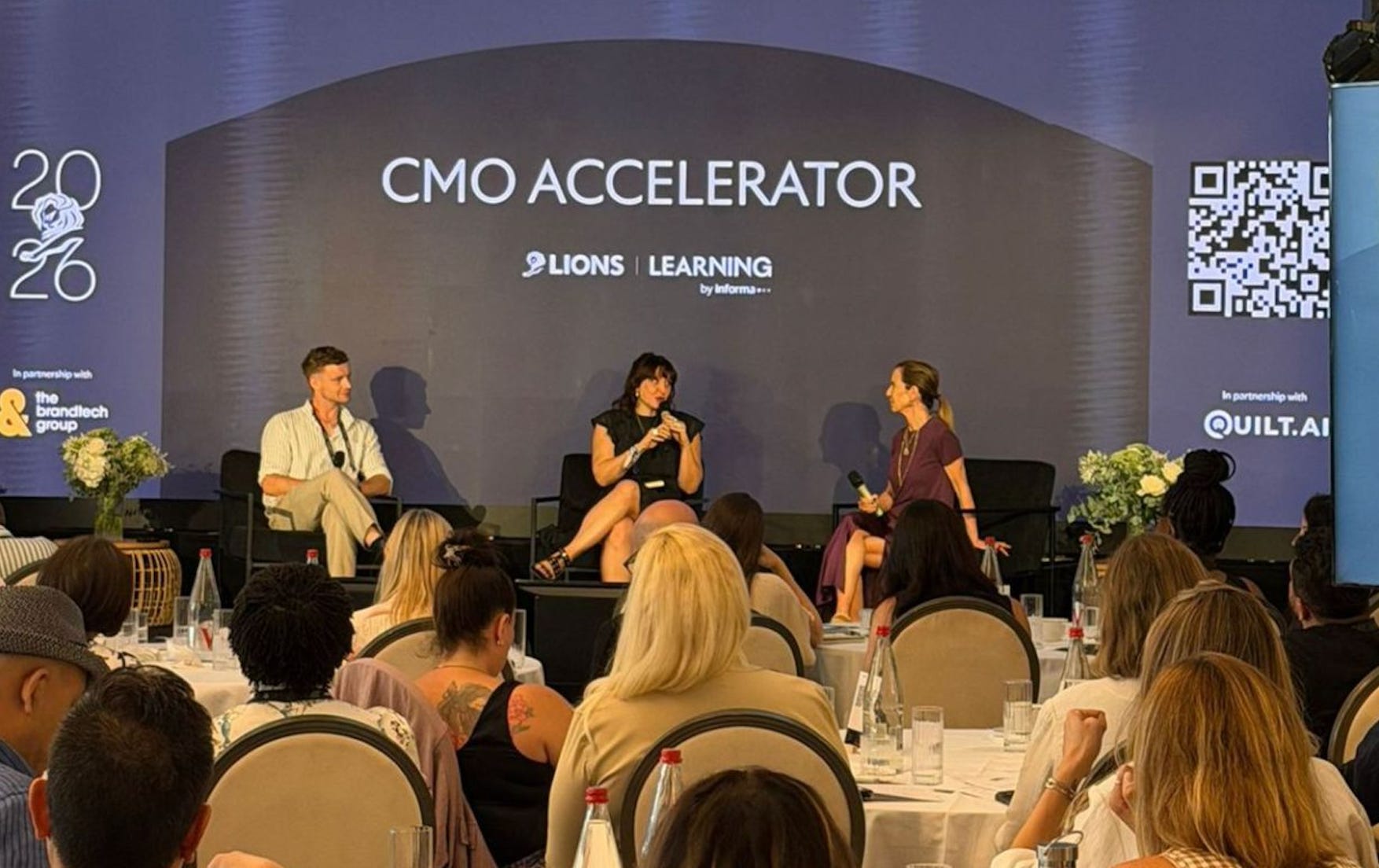
Another conversation happening at Cannes had already moved beyond campaigns altogether. It revolved around how the biggest creators now operate much more like media companies.
Many creators spent the week speaking on stages, attending parties and creating content around the festival. The most mature ones also spent their time negotiating media partnerships, selling inventory and discussing new IP.
I heard a creator saying specifically that he was in Cannes Lions to “build his business”. Dhar Mann and his sales team weren't there to sell a sponsored post, they were looking for deep brand integrations and new IP partnerships.
Creators calling themselves media companies isn’t new.
What changed was seeing that idea begin to spread across the people doing business with them. Not consistently. Not at every meeting. But often enough that it felt like two different versions of Cannes Lions were happening at the same time.
Last year, Brazilian creator Jovem Nerd won a Gold Lion in Entertainment for a project developed with Hasbro.
I’m not even sure I would call it a campaign. “Dungeons & Dragons: The Lost Episode” was a new episode of the iconic 1980s Dungeons & Dragons animated series, which had ended without a proper finale.
The episode was built from popular fan theories, with contributions from 129 fans. To me, that is one of the clearest signs of the kind of creator-led entertainment I wrote about in my HollyTube piece: stories born from community, shaped by fandom and strong enough to be recognized as world-class creative work.
I think we’re going to see much more of this in the coming years.
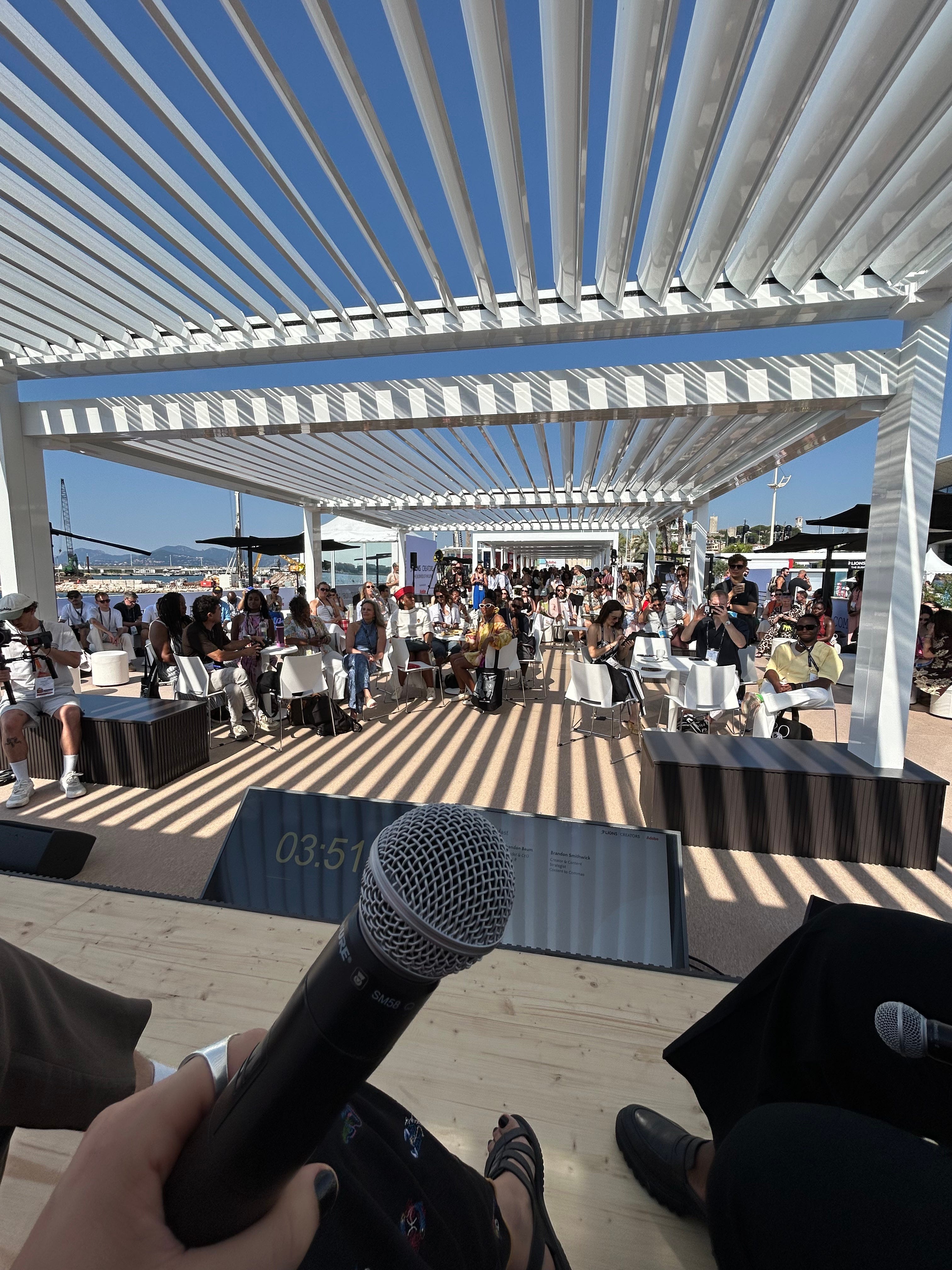
I don’t know the answers yet. That’s exactly why I left the festival so energized. The conversations weren’t finished. They were just beginning.
Will more brands start asking themselves how to finance creator-led entertainment?
What happens when the biggest creators stop competing for marketing budgets and start competing for entertainment budgets?
And if creators keep building agencies, studios and media companies, how long until they're winning Lions in categories traditionally dominated by those businesses?
And if everybody is becoming a creator... what will being a creator actually mean 3 years from now?
What do you think?
Comments
Nothing yet. Say the first thing.
Sign in to join the conversation.