
My happy place is in the water, surrounded by hills, trees, or rocky coastlines. If I’m feeling stressed or sad or just out of sorts, the only thing guaranteed to soothe is a long, peaceful swim. I live in Yorkshire, in northern England, in a country that is currently subject to privatised water companies polluting our coastlines and rivers, and so most of my local swims are in lakes and reservoirs. During this summer’s prolonged heatwave, I’ve noticed almost constant rants from newspapers and social media accounts warning about the dangers of wild swimming, especially in reservoirs, citing a spike in drowning deaths. But is open water swimming really to blame, or have we, as a nation, simply forgotten how to be among nature?

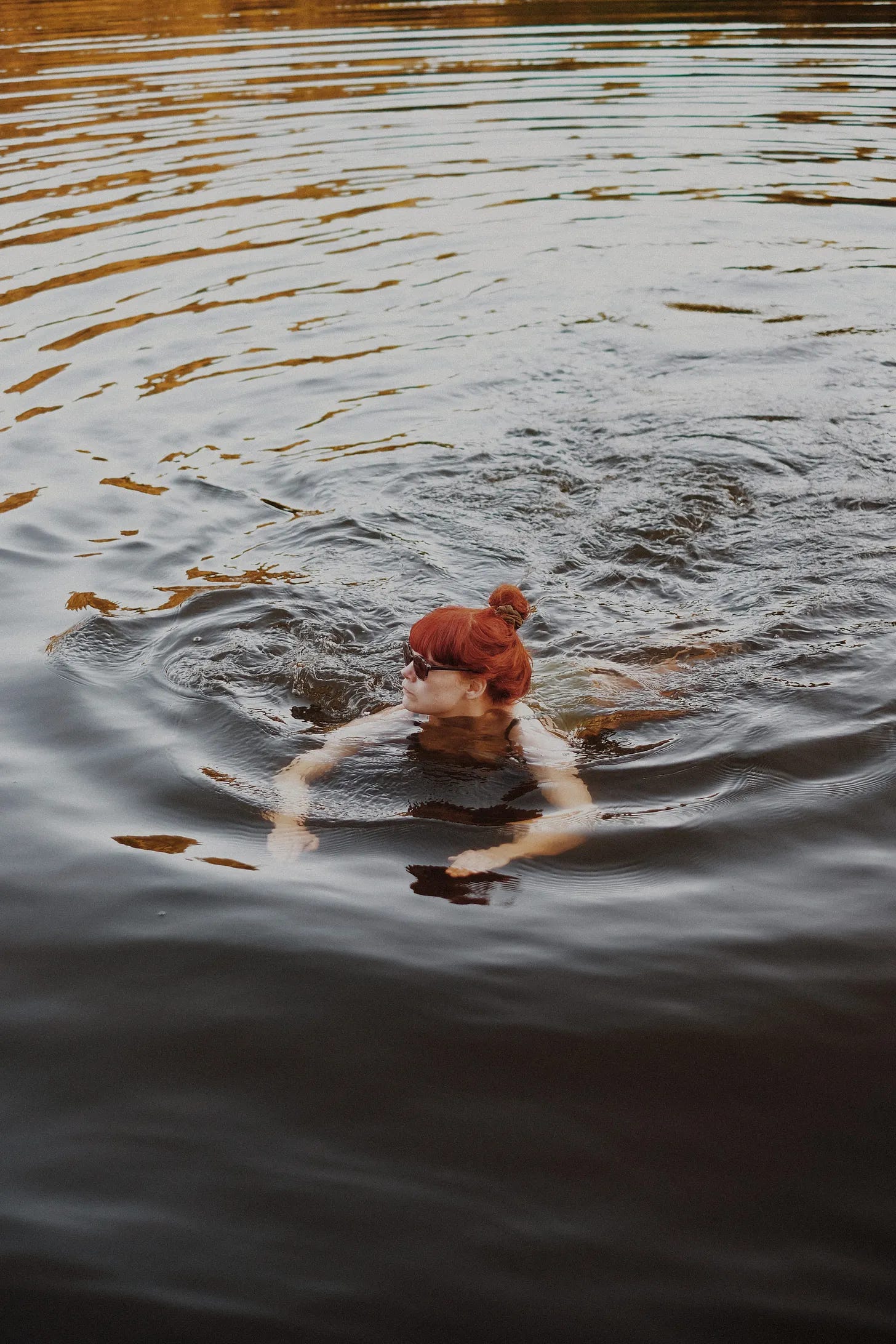
There are so little places in the UK where we are ‘allowed’ to swim in open water. So many river banks, lakes and ponds are privately owned, and it is technically trespassing to swim in reservoirs in England and Wales. London, of course, has the Hampstead ponds and a multitude of lidos — and there are a scattering of incredible similar set-ups such across the rest of England — but must we pay for our ‘wild’ swims, and how ‘wild’ can they truly be if they are owned and managed?
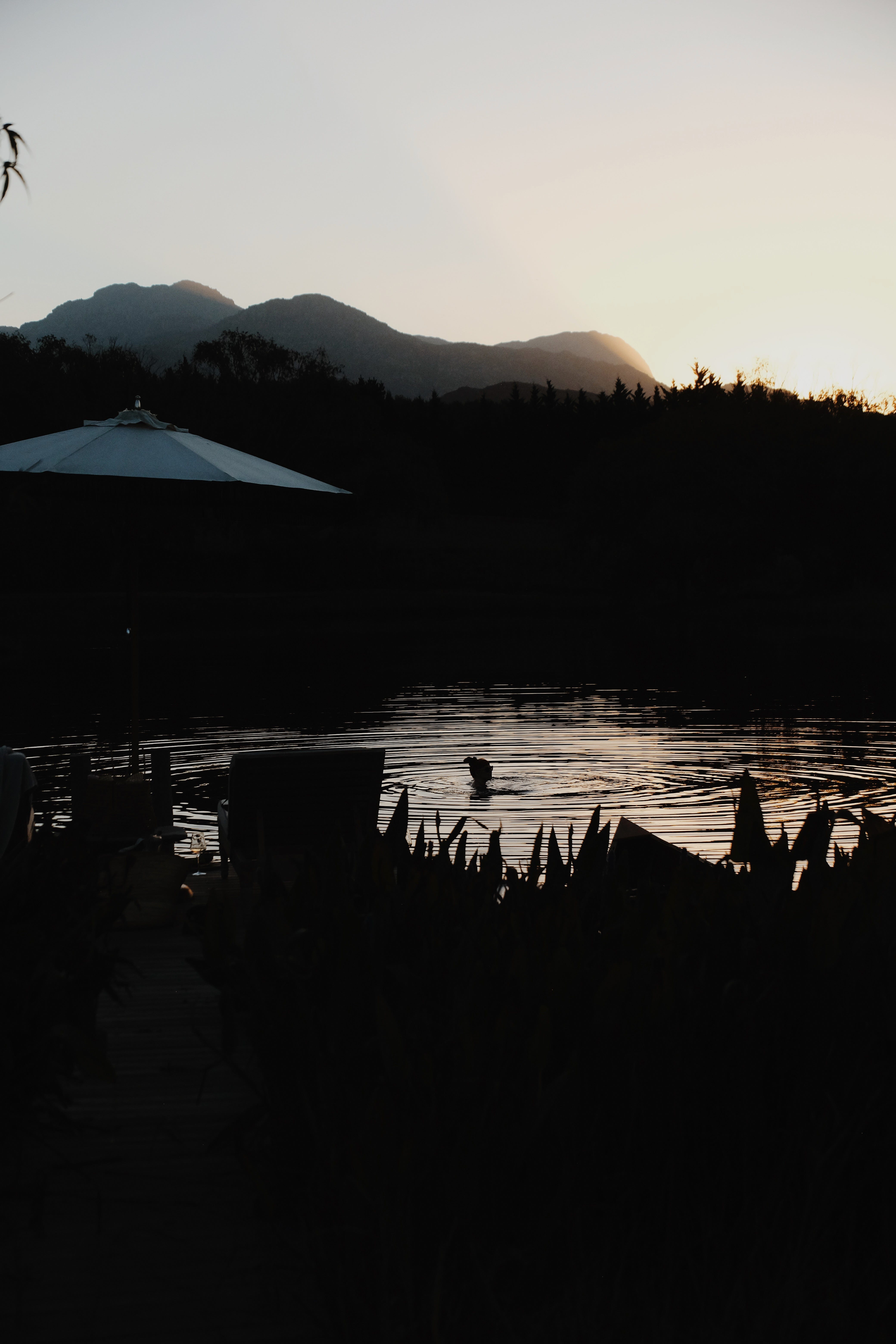
Where I live (a small town named Todmorden, tucked away in the Pennines between Manchester and Leeds) we are very lucky to have an old dam that is no longer in use as a reservoir, where swimming is completely free and completely welcomed. Gaddings Dam is located atop a steep hill, about a 45 minute walk from my house (including a challenging 15 minute climb from the nearest parking spot to your final destination). Locals hate you parking up there (although there is a very tiny parking area and a small amount of roadside parking) but the Friends of Gaddings Dam who look after the decommissioned dam are all regular year-round dippers themselves. It’s absolute bliss up there, especially on a summer’s evening when you can bathe in the last of the light before watching the sun dip behind the hills — it’s actually the place that made me fall back in love with open-water swimming. I grew up bathing in lakes, rivers and the sea (my parents say that I always wanted to be in the water as a child) but went through a period in my late teens and twenties where I hardly ever swam. Moving here back in 2018 changed that; I’d already spent a few years dipping my toe back into wild swimming, but visiting Gaddings Dam on a regular basis had me hooked.
Gaddings is a rare gem. There aren’t many places in England where swimming is allowed, let alone encouraged. Everywhere else I swim locally is frowned upon at best, trespassing at worst. But why? Those north of the border in Scotland must be perplexed by our fear and bans of swimming in reservoirs. Under the Land Reform Act of 2003 and the Scottish Outdoor Access Code, everyone can swim in lochs, reservoirs, rivers and the sea, without land owner’s permission, providing it is done responsibly. All the Nordic countries have a similar right to swim in open water. Why is it that we have in England ‘danger of death’ signs, blatant lies about water temperatures, and a strange attitude that seems to want to keep us away from nature?

I, of course, understand that there are safety concerns with wild swimming, but most of this could be alleviated with better education. I’ve been swimming outdoors on a regular basis (at the moment, pretty much daily) for almost a decade now. I know my limits with cold water, and likewise know never to jump into cold water to minimise the risk of shock. I do my research before swimming somewhere new, utilising Facebook (literally the only thing it’s now good for) to join local wild swimming groups and chat about access and dangers with regular dippers. I mostly swim with friends, only swimming solo in places I’m very well aquainted with. School children in the UK do have a national curriculum requirement to take swimming lessons, but the legal requirement is simply that, at age 11, they must be able to swim 25 metres on their own, learn how to self rescue, and have experience of a variety of strokes. There is no formal education in children’s swimming lessons focused on open water swimming.
Children in Scotland and the Nordic countries also learn to swim indoors, but the difference is that the attitude towards wild swimming there is much more relaxed. Families tend to spend a great deal of leisure time by the water, and are more likely to swim with their children in places such as lochs, lakes, fjords and the sea. The prevalence of saunas in countries such as Sweden and Finland means that people also grow up being used to extreme fluctuations in temperatures, dipping in icy water between steamy sauna sessions. It’s little surprise that teenagers tend to get into trouble leaping into cold reservoirs during heatwaves, when they’ve likely only previously swam in balmy leisure centre pools.

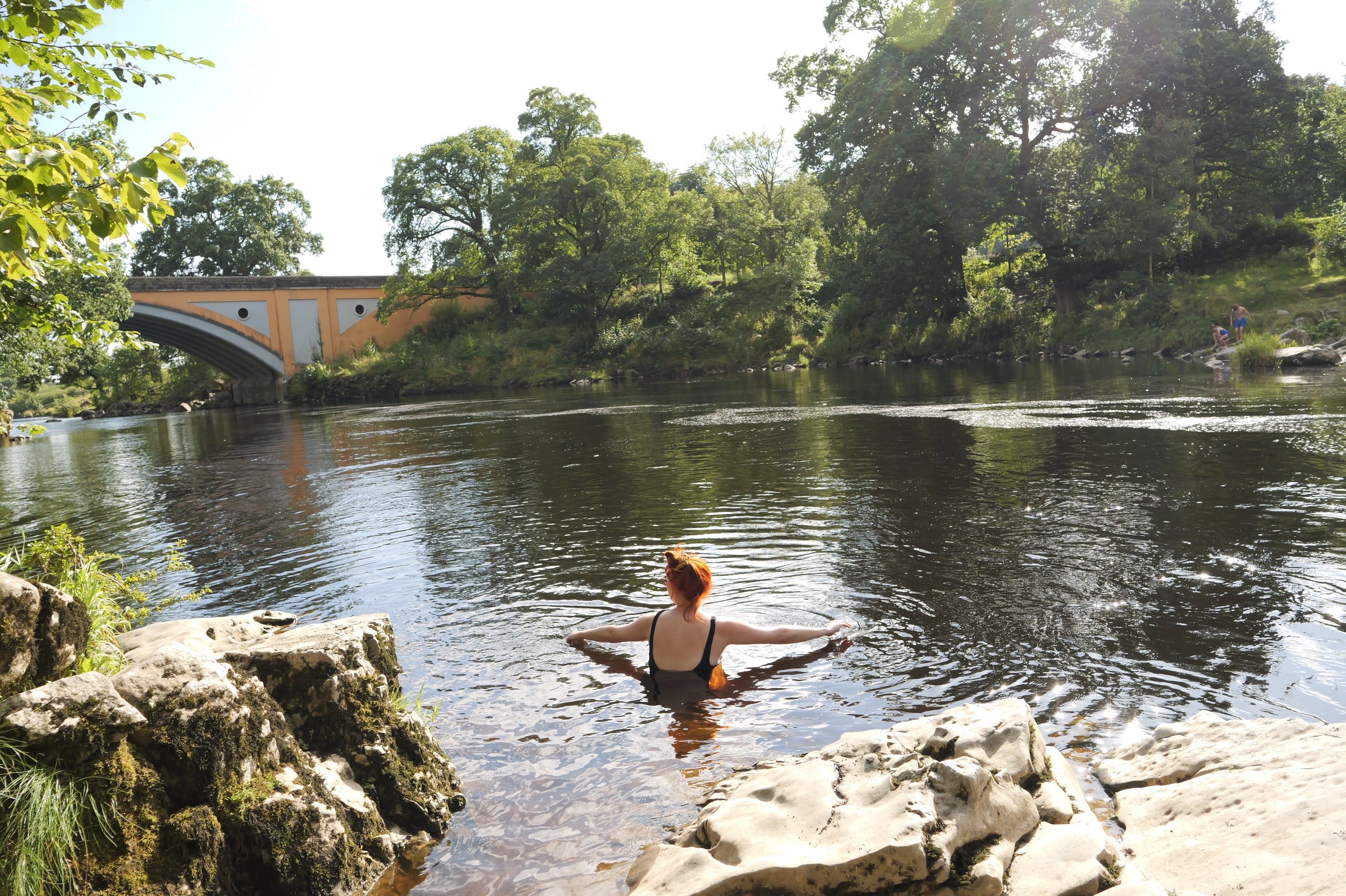
Personally, I love a reservoir swim. My favourite local swim spot is a reservoir that has become increasingly popular with swimmers over the past few years. It’s located in a little dip, surrounded by rolling hills. There are plenty of easy access points to get in and out of the water, and the water temperatures can get pretty balmy during heatwaves. On a still day, it is absolute bliss to float on my back in the middle of it. Yes, it’s deep. Yes, the water can be icy cold. Yes, there is likely lots of machinery hidden deep beneath the surface. But I know dozens of people who safely swim here on a regular basis. If you know what you’re doing and are familiar with the site, there is no greater danger in swimming in (most; obviously don’t dip in dams with ‘plugholes’ such as Ladybower in the Peak District) reservoirs than in lakes. A final note on swimming in reservoirs: if the privately owned water companies continue to pollute our rivers and coastlines, I see even more of a reason to swim in their reservoirs.
One of my other favourite local spots was a picturesque privately owned pond, where the owner took a laissez-faire attitude towards respectful local dippers. I discovered that spot during the first pandemic, where it became my regular exercise to walk to it and enjoy a long swim. The local pub served takeaway chips to enjoy on the walk home. Sadly, the pond was purchased a couple of years ago and turned into a fishing pond. I still greatly miss my swims there. If only more wild swimming spots were opening up to us, rather than being taken away.
I adore places such as Pool Bridge Farm near York (and would love to visit Whitmore Lakes near Stoke-on-Trent, but this brings me back to the commercialisation of enjoying outdoor spaces. I’m very happy to pay to swim at Pool Bridge and make a day of it, but for daily dippers, must we pay a fee to enjoy something which should be free to do wherever there is safe, clean water?
There are exceptions of course, one of which being the many bodies of water in the Lake District National Park. Visitors are allowed to swim in most lakes, tarns, pools and rivers in the Lakes, although reservoirs including Ennerdale Water and Haweswater Reservoir forbid swimmers. Personally, I wouldn’t touch Windermere with a bargepole (it’s incredibly polluted) and would rather avoid the other busy lakes, but there are so many quieter spots that I adore. Why can’t the rest of the country have the Lake District’s open attitude towards wild swimming?

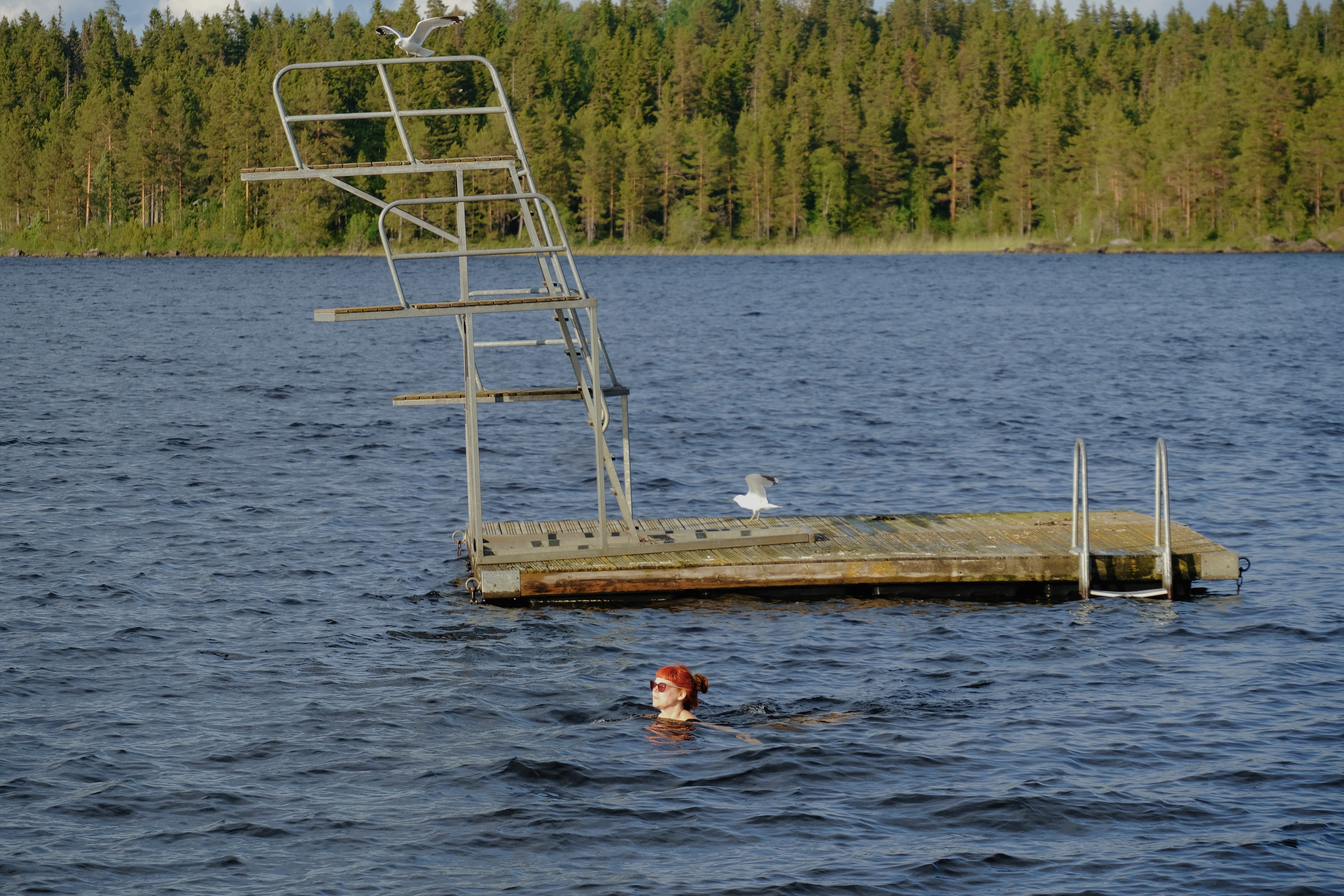
My absolute favourite country in the world is Sweden. I’ve visited three times now (I’m currently attempting to convince my boyfriend that we should spend the whole of August there next year) and have completely fallen in love with their attitude towards open water swimming. I’ve explored Västra Götaland, Skåne, Värmland and Dalarna, and spent a great deal of my time bathing in serene lakes and on picturesque coastlines. Pretty much everytime we stumbled across a lake, we discovered a paradise of easy-access jetties and ladders, green spaces for lakeside lounging, saunas (where you text a number for access), changing rooms, little pontoons to swim out to, bbq areas, and adequate safety advice and life rings. They create entire communities around the water; I’ve seen everyone from parents with toddlers to groups of teenagers to octogenarians enjoying swimming responsibly. I dream of living in a little A-frame cottage on a Swedish lake, enjoying daily swims all year round.

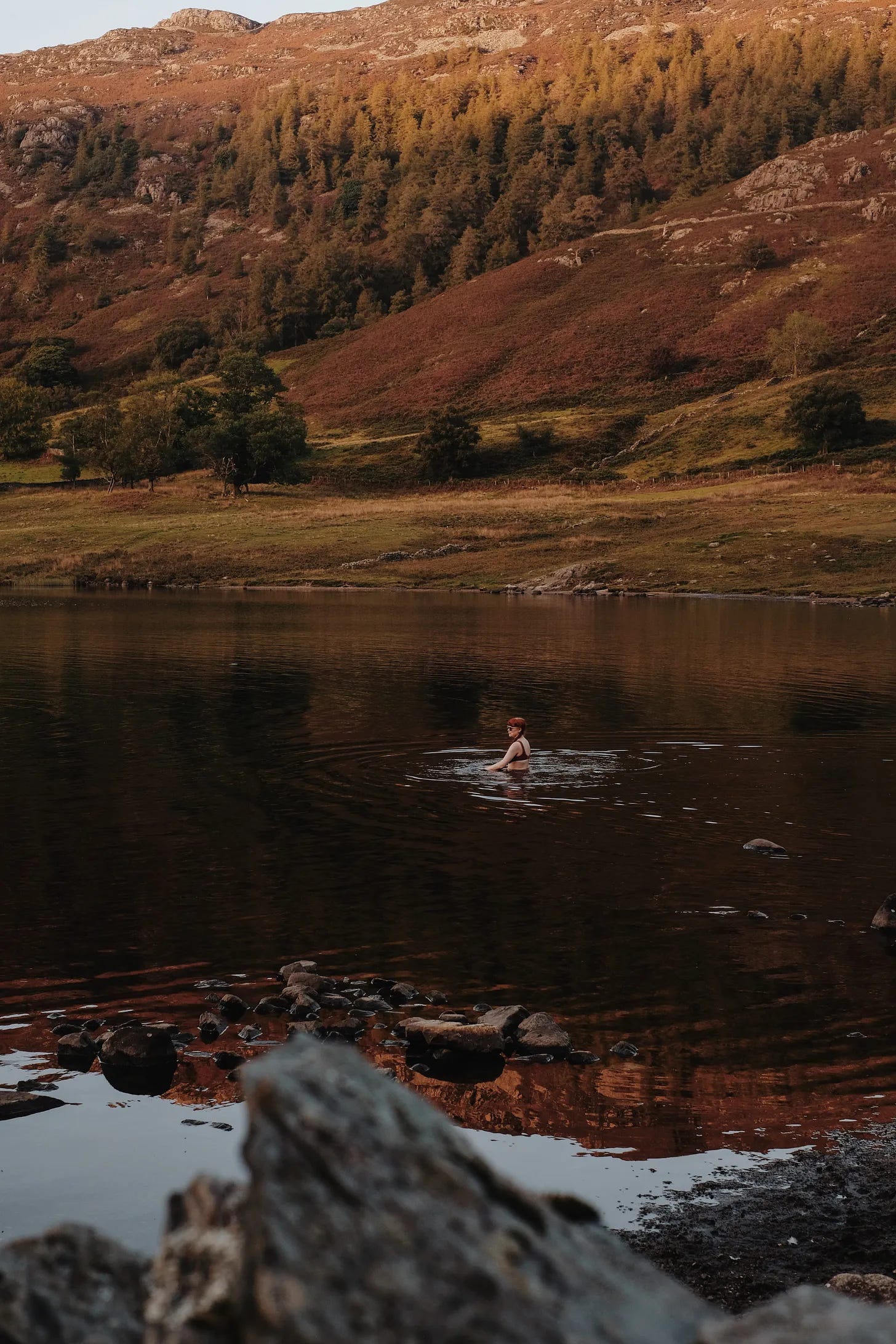
Speaking of year-round swims — I have to admit I’m somewhat of a fairweather dipper. I’ve swam in England in every single month of the year, but my regular swims occur between March and October. During the winter months, I tend to only swim if I’m visiting somewhere that tempts me (beside the sea on a calm day, or accommodation with its own swimming pond, or if there’s a sauna involved) and it’s more of a edge-my-way-in-yelping-and-stay-in-the-water-for-less-than-a-minute than an actual swim. But I am a strong believer in swimming whatever the weather!
Some of my most memorable swims have been during torrential downpours on summer days, first thing in the morning pre-sunrise, at midnight under a cloak of darkness, or after a long walk on a cloudy day. I adore swimming on a hot, sunny day, but a wild dip can be both rejuvenating and peaceful whatever the weather. I have friends who swim year-round, breaking the ice with a hammer to carve a path into the below-freezing waters. That isn’t for me, but they swear by it for both their mental and physical health.
Bringing me full circle to how I began this newsletter; swimming is the one thing I can count on to sort out my head. When I was made redundant, when I was so stressed I developed shingles, when I had tears pouring down my face as I climbed the hill, when I’ve needed a minute to myself; swimming in one of my favourite wild spaces has always sorted me out. I currently have a very sore leg after falling through insulation in my kitchen (we’re mid-reno) and the only thing that seems to relieve the pain is a long swim. And I’m not in peri-menopause just yet, but I’m aware it’s just around the corner and I’m likely to develop a new appreciation of cold waters. You can’t get any of these positive health benefits from swimming in a warm pool enclosed by white walls; it’s the open air, fluctuations in temperature, and bucolic surroundings that wild swimming provides.

Are you a wild swimmer? Are you tempted to try open water swimming? Do you live in a place where swimming in nature is more welcomed than England? Leave me a comment below and let’s chat.
Emma xx
No posts
Comments
Nothing yet. Say the first thing.
Sign in to join the conversation.