
Dear Readers - Please hit the heart at the top or bottom and comment below. Your engagement keeps this newsletter ranked frequently as one of the top 100 rising Substacks in Climate and Environment, getting more eyes on our story. Thank you!
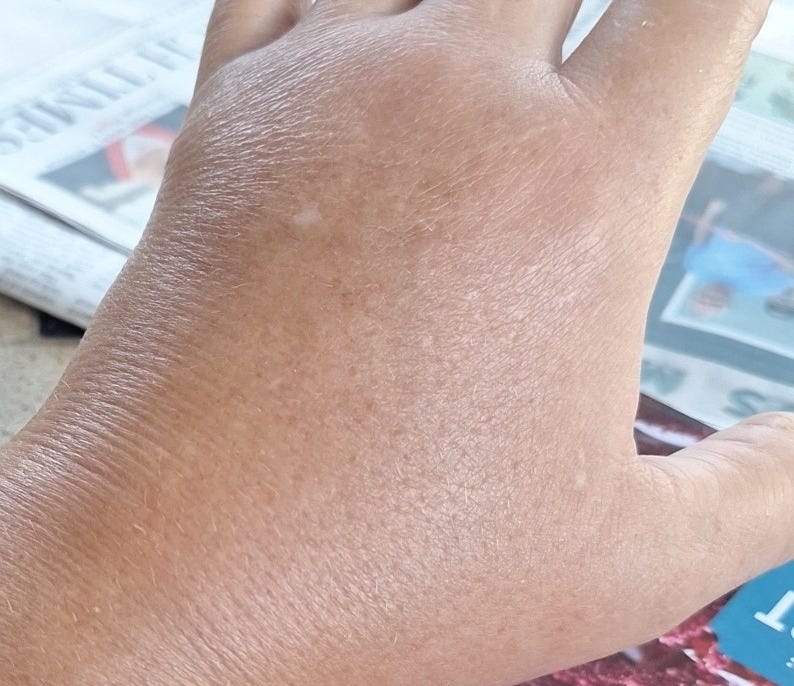
I was deep in the weeds, knees in the tall grass that thrives next to tree cages where mowers don’t dare to tread, leather gloves on to protect against thistle and shirt tucked in against ticks.
It was a good day to dig into the brome grass invading wood chip mulch we had piled on in the Spring. I wrestled foot-long white grass roots wrapping themselves around tree roots, slowing their growth. I warily pulled on long red poison ivy roots trying not to hit my bare forearms with them.
At times, I slowed down to appreciate the fungus that had grown in the wood chips. The white mounds looked like unbaked biscuits in a round pan. The last time I saw such a thing they were snake eggs, but these snake eggs had stems.
“Fungal duff,” orchardist Michael Phillips called it. The prize of every orchardist. The result of years of leaves, wood chips and other good stuff layered on to feed the tree. My orchard had arrived!
I stepped to the next tree and knelt down. A large, black insect swooped by on my right. I was digging and pulling. Maybe it’s one of those black spider wasps, I thought. A beneficial insect, I thought.
Clearly, I was distracted. Clearly, I was not thinking.
BAM! That wasp came down on my wrist, just below my thumb, just beyond my glove.
“YEE-OUCH!” I yelled. I can’t remember being stung by anything more than twice in my 63 years. That’s how hard I try to avoid things that both fly and sting. I sucked the stinger out by instinct. The swelling has already begun.
I looked up from my celebrated fungal duff and tyrannical roots to the tree shelter inches from my face. Through the torn perforation, black wings and buzzing indicated this wasp was not alone. A few of his cousins slipped out and bounced around on the white plastic of the shelter to confirm it.
I got to my feet, kicked the shelter in anger and walked quickly to the next tree. I was nearly done with the row and those wasps weren’t going to stop me.
That night, I put ice packs on my ballooning hand. The next day I couldn’t see my knuckles. The worst part was the itch. Ice helped only temporarily. Antihistamines didn’t touch it.
Then I remembered the scalding water cure. Run it on the affected skin for 30 seconds and the itch will stop. Skin creates its own histamines in response to the heat. Even a report published by NIH confirmed it works. I knew this cure applies to rashes. This wasn’t officially a rash, but I had little to lose.
That first few seconds of the hottest possible tap water on distended, itching skin can elicit squirms and groans. You might suddenly have to pee, so don’t do this standing at the kitchen sink. Focus on watching your skin for early blistering. It should get red, but anything more and you’ve overdone it. After 15 seconds, a pleasant tingling takes over. The heat suddenly doesn’t feel so hot. Finally, at 30 seconds you enjoy full relief when you pull yourself away from the heat. The itch is gone.
Scalding water is good for blanching sweet corn before freezing, loosening weeds before pulling and clearing drains before plunging.
It can also send you to the emergency room and back home in bandages and salve.
Scalding water changes the chemistry of everything it lands on. It demands a reaction.
Maybe the scalding water of Project 2025, Trump’s midnight texting, his unprovoked war and his abuse of our allies is meant to burn and blister. Maybe it’s meant to terrify us, hospitalize us, even kill us. At the very least, it’s meant to distract us with pain.
But what if we overcome our worst fears of those first moments when everything is raw and excruciating? What if we wait for the chemical reaction that calms and finally cures us?
Let us endure this moment knowing the pain is the cure. Focus instead on staying well enough to survive it, then when the time is right, pull ourselves away, healed and ready for the fight.

Take 15 minutes to watch this and never buy another Driscoll berry again.
Here’s another approach to loosening the grip of corporate ag…
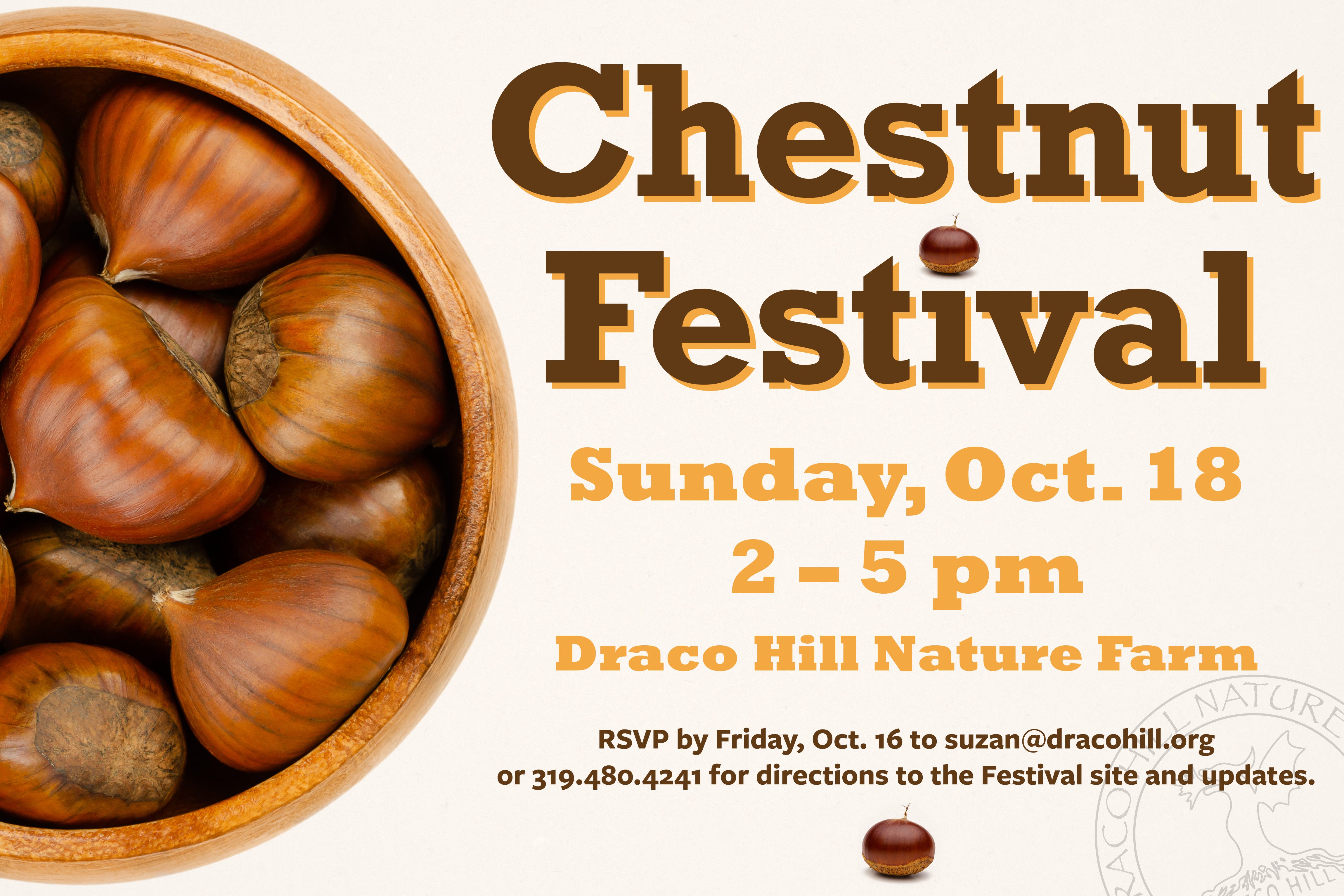
Hazelnuts are falling, but the bushes are at different stages which requires almost daily checking. We have new (and old) nutcrackers for you to try at the festival!
We tasted our first Asian pears this week, but had to cut around what the wasps got first. (Guess I’m not the tastiest thing in the place!) We’ll let you know if enough of them escape the bugs to sell you. I don’t spray once the fruit is on the trees.
Save the Date and share widely!
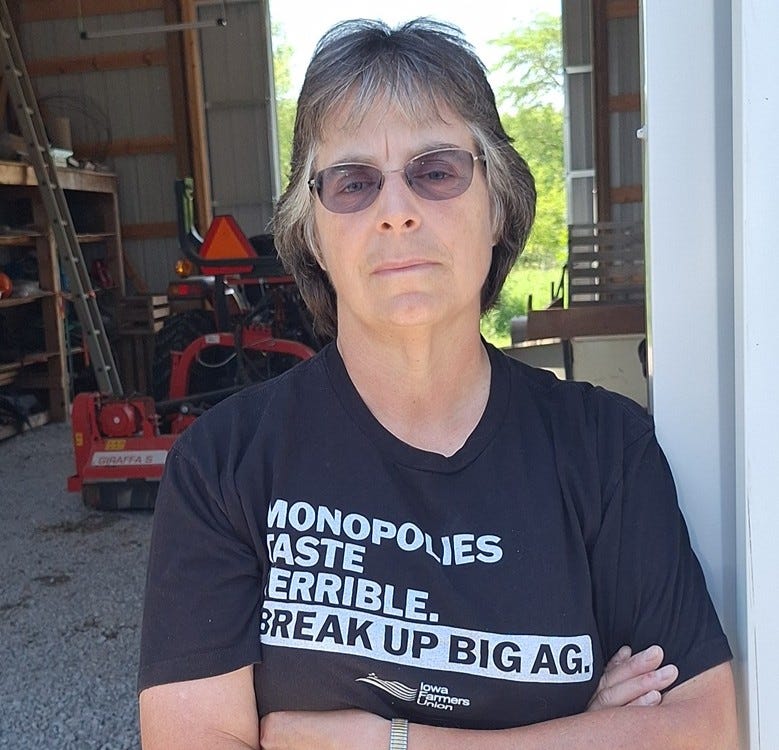
Suzan Erem is an award-winning author, editor, publisher, community and union organizer. She now grows Asian pears, elderberries, Haskap, serviceberries and chestnuts in rural Cedar County IA where she and her husband are WWOOF and Hipcamp hosts. See the farm at dracohill.org. She is currently serving as Elections Editor for Barn Raiser Magazine.
Comments
Nothing yet. Say the first thing.
Sign in to join the conversation.