For more than two decades, police departments across the globe have trained and prepared for active shooter incidents. While these training programs are sometimes described using generic terms such as “mass casualty incident,” the courses usually focus on the tasks officers must perform when they respond to an incident involving a person actively murdering people. Most individual police officers…
Every patrol officer knows the moment. You pull to the shoulder, step out of your vehicle, and walk toward an unknown driver — with traffic moving at highway speed just feet behind you. Distracted driving is at epidemic levels, and driver behavior toward law enforcement has grown increasingly unpredictable. What looks routine from the outside is, statistically, one of the most hazardous things a…
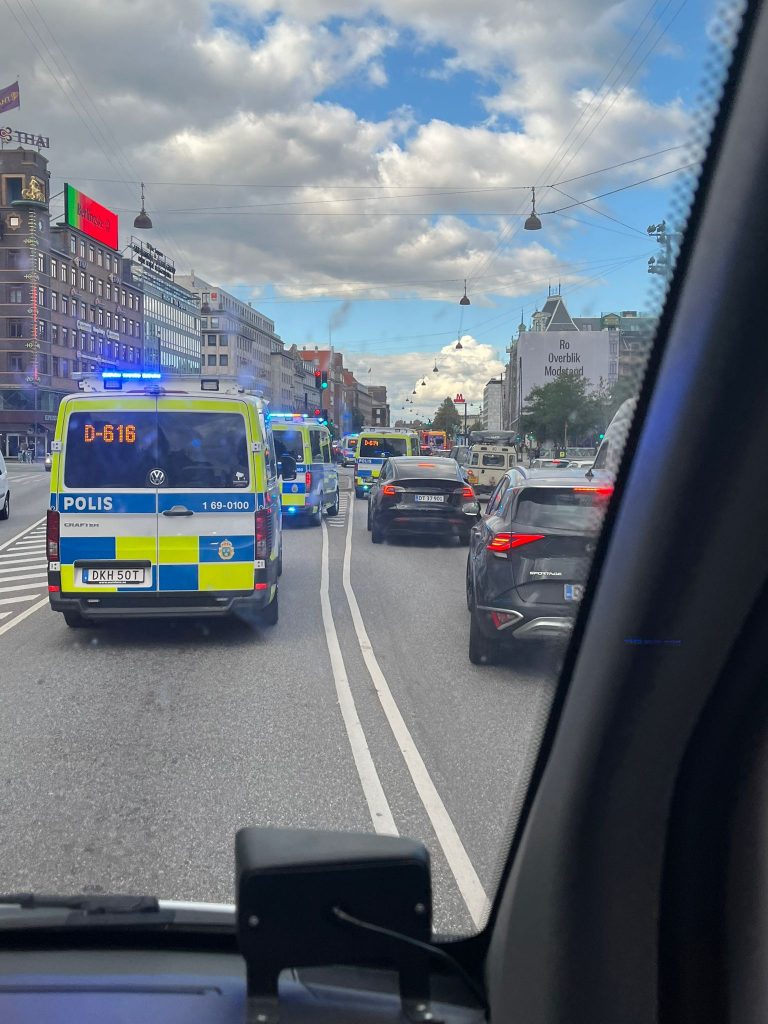
For modern police executives, crowd management has evolved from a matter of logistics into a critical test of institutional legitimacy. In an era defined by global polarization and the viral spread of information, the street has become the primary arena where the social contract between the state and its citizens is either reinforced or fractured. The Swedish experience offers a powerful case…
August 7, 2026 The IACP Legislative Update keeps you informed on major legislative and policy developments in the U.S. Congress that could impact the policing profession. This update covers information on IACP’s Opposition to any Changes to the Revised Federal Definition of Hemp, the Clarity Act, the August Recess, and nominee updates. The post IACP Urges Congress to Oppose Any Effort to Delay,…
Police and military personnel are prepared for high-risk, quick-reaction operations through tactical training, a meticulously planned practice of teaching. To increase the chances of operational success and physical safety in challenging circumstances, team members must be able to act quickly and decisively. The post Readying Officers for Reality appeared first on Police Chief Magazine .
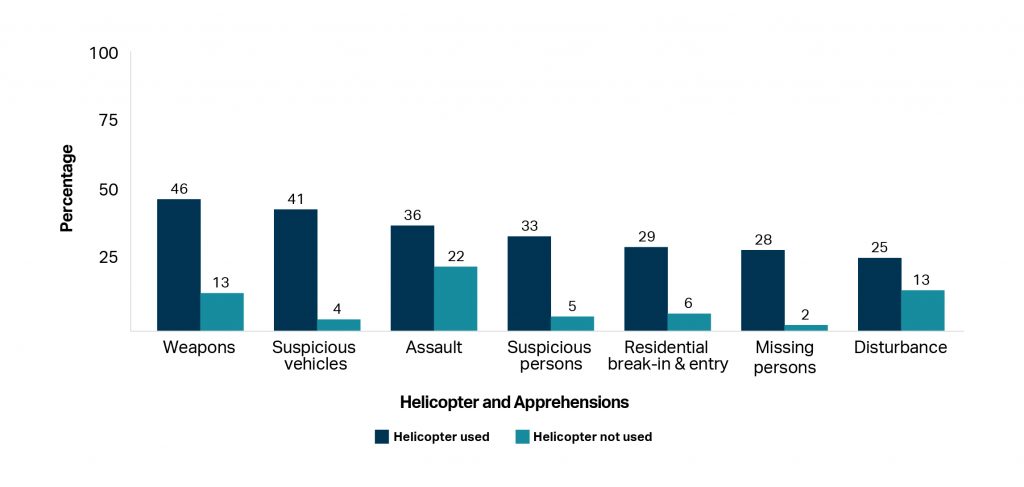
Public safety agencies, especially police forces, face increasingly complex operational demands. Officers are expected to respond rapidly across larger geographic areas, manage incidents that evolve quickly, coordinate with multiple agencies , and maintain public confidence , all while operating within tight budgetary and resource constraints. The post The Airborne Advantage appeared first on…
MVIs require coordination across an entire agency, and the QRG is structured to reinforce that shared effort. When a mass violence incident (MVI) occurs, police leaders must act decisively in an environment defined by urgency, uncertainty, and intense public scrutiny. The post IACP@Work: Prepare, Respond, Recover appeared first on Police Chief Magazine .
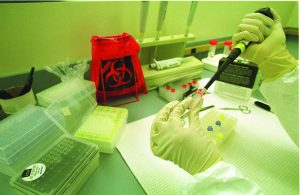
Police executives are navigating a security environment where the earliest indicators of hostile activity may not look like crime at all. They may look like a cluster of unexplained illnesses, a lab-grade freezer in a rental property, a medical device anomaly, or an “IT issue” inside a hospital. In cyberbiosecurity—the intersection of life sciences and digital systems—harm can be delivered through…
The International Association of Chiefs of Police (IACP) Conference and Exposition is the largest and most important policing event of the year. From October 24 to 27, IACP 2026 will bring together policing leaders from around the globe to Orlando, Florida, for four full days of education and networking. The event offers an interactive exposition hall and more than 200 educational sessions. IACP…
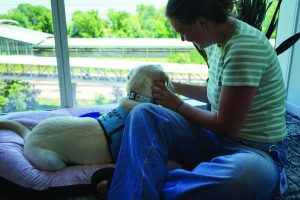
The International Association of Chiefs of Police (IACP) considers wellness and resilience to be foundational to effective policing and organizational health. The IACP demonstrated its commitment to these values by welcoming the newest member of the team, Kiwi. The post The Brief: A Four-Legged Force for Wellness appeared first on Police Chief Magazine .