
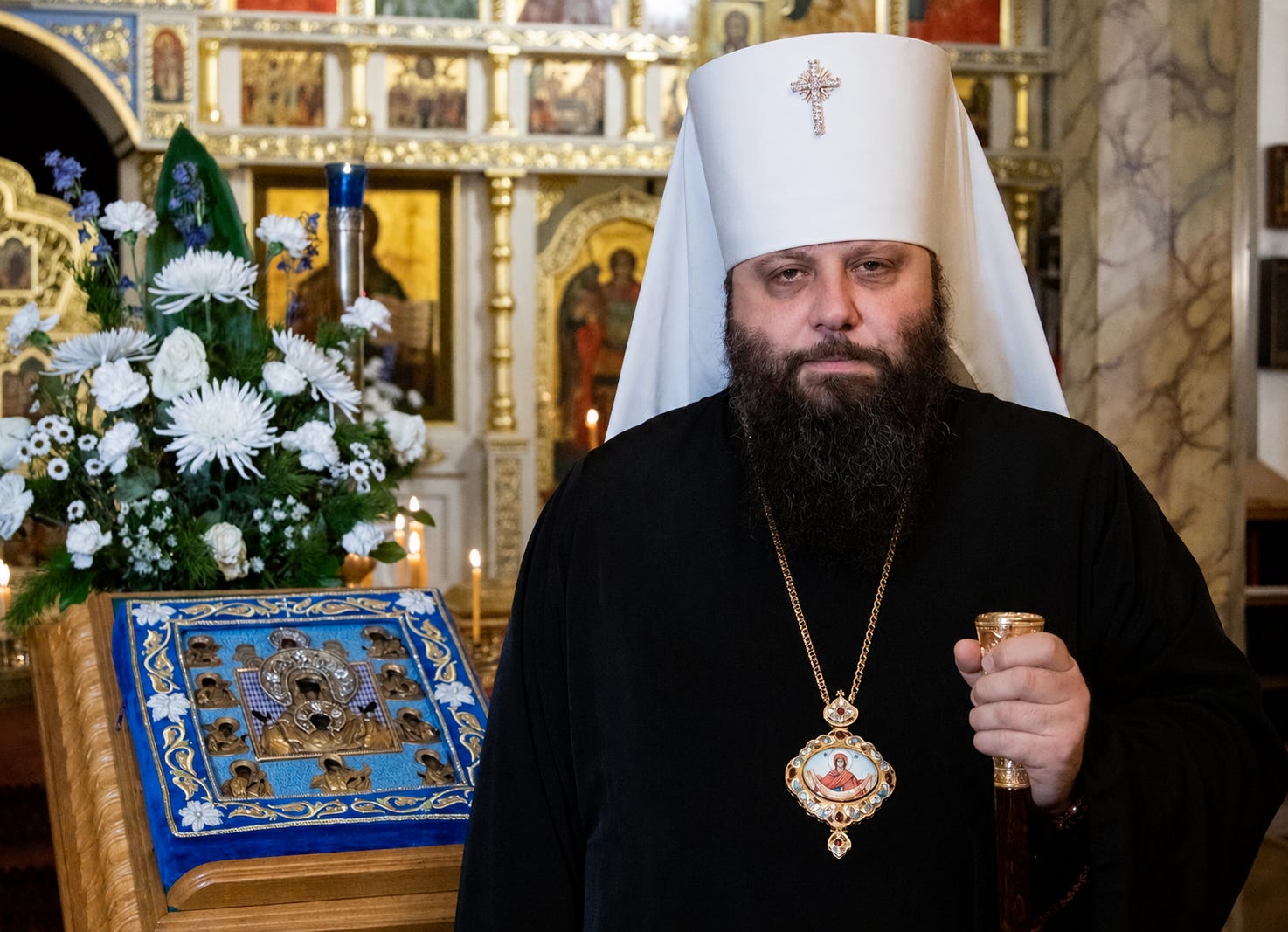
The primate of the Russian Orthodox Church Outside Russia, Metropolitan Nicholas (Olhovsky), recently issued on 7th July 2026, an epistle to the faithful clerics of the Church. The epistle highlighted the legacies of the late, great Archbishops Averky (Taushev), Savva (Raevsky) and Nikon (Rklitsky), while also firing off a list of warnings for priests, associated with - the dangers of the Internet! While it has been met with praise from some quarters, it has also raised questions about the Metropolitan’s priorities and the apparent contradiction between the moral teachings epsoused, and the personal behaviour of the Metropolitan.
By invoking the legacy of Archbishops Averky and Nikon, Metropolitan Nicholas’ recent pastoral epistle to the clergy of the Russian Orthodox Church Outside of Russia (ROCOR) seeks to present a vision of humble, compassionate, sacrificial pastoral leadership. It is, in many respects, a thoughtful reflection on the dangers of pride, online vanity, and the importance of authentic pastoral care. As a statement of ideals, it is difficult to disagree with.
The problem is not the principles.
The problem is the messenger.
At a time when ROCOR continues to face difficult questions about its handling of abuse allegations and child safeguarding systems in its parishes, Metropolitan Nicholas’ appeal to the moral authority of great hierarchs inevitably invites scrutiny of his own leadership. His epistle repeatedly exhorts priests to embody pastoral compassion, humility, sincerity and accessibility. Yet his own documented conduct in dealing with abuse survivors raises serious questions about whether he has lived according to the very standards he now asks others to follow.
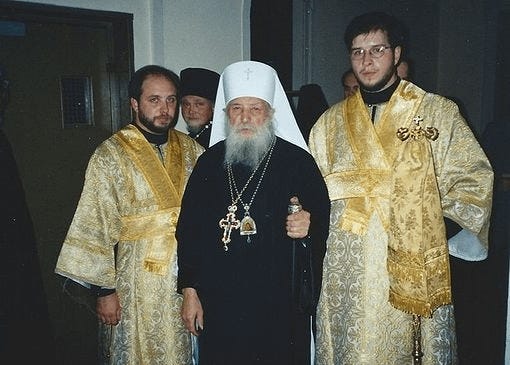
One of the strongest themes in the epistle is Archbishop Averky’s description of authentic pastoral ministry:
“Not ‘administration,’ but ‘care of souls’ – a selfless, zealous concern for the salvation of the souls of the flock – this is the essential element of pastoral ministry.”
Later, Metropolitan Nicholas praises the great bishops of the past because:
“They engaged in a genuine apostolic outreach to the people.”
Those are noble ideals.
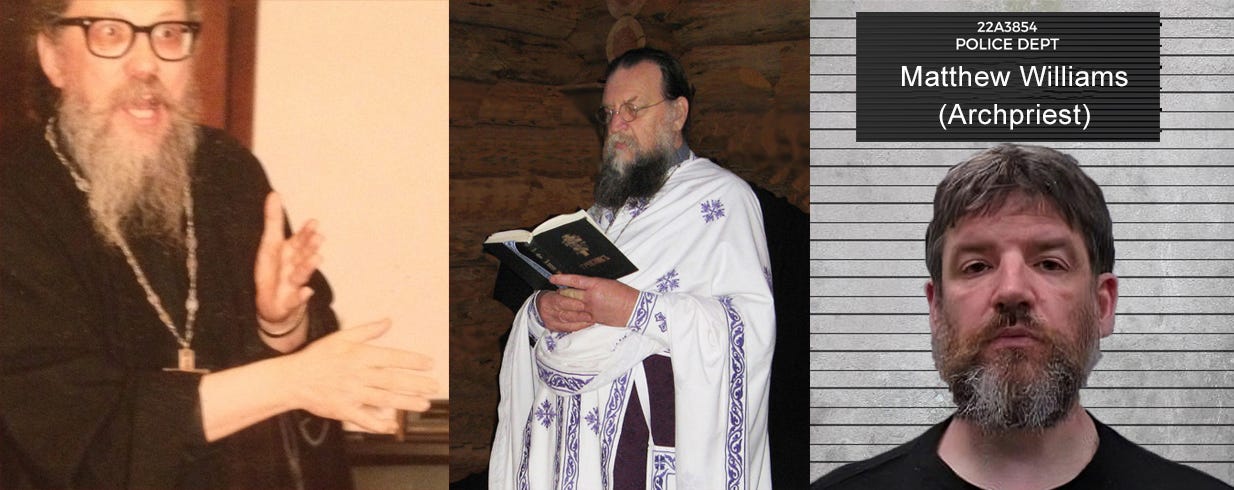
Yet they stand in uncomfortable contrast to the Metropolitan’s documented correspondence with Elizabeth Williams, whose former husband, Fr. Matthew Williams, was later suspended from priestly ministry for sustained child abuse over many years. Matthew Williams’ case is now before the courts in the the jurisdictions of Virginia and Tennessee. (For the full story of the Williams case see the link at the bottom of this article.)
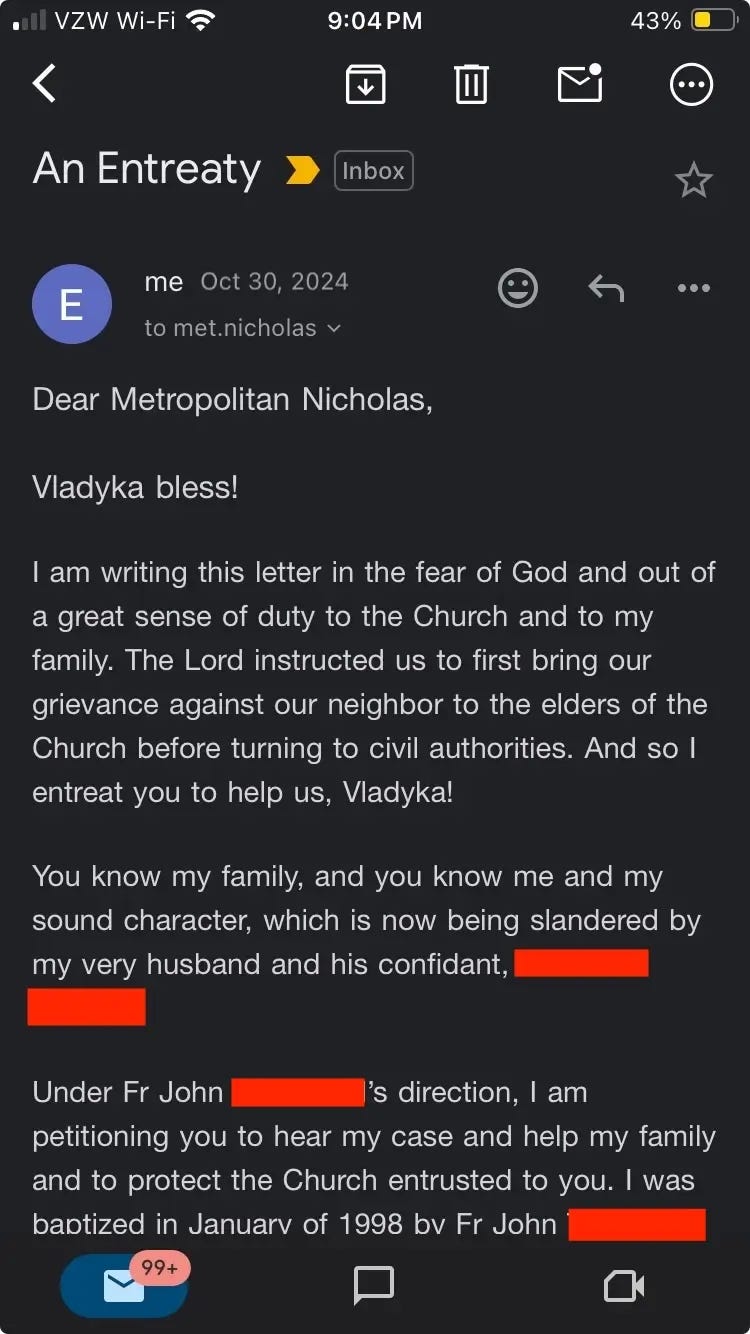
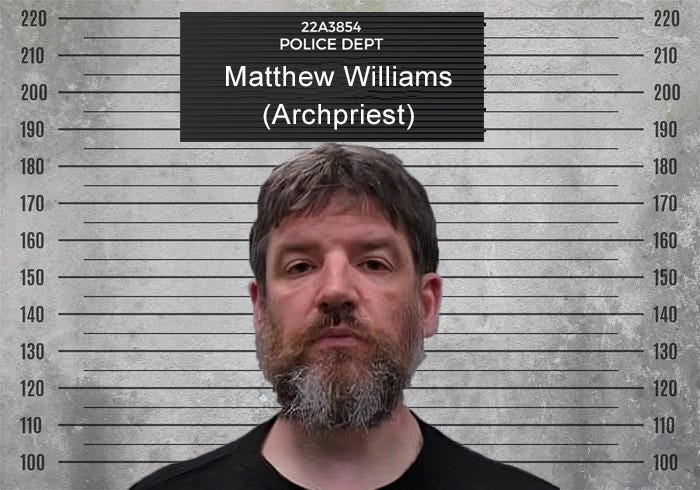
In an email provided by Elizabeth Williams, Metropolitan Nicholas acknowledged that there were “no excuses” for Fr. Matthew’s conduct. Yet he also encouraged hope that Elizabeth and Fr. Matthew might “look forward and mutually build a strong family that shares love to Christ and His Church.” For many readers, especially those familiar with domestic abuse dynamics, this response is likely to appear as callous and insensitive to the needs of someone seeking protection and pastoral support.
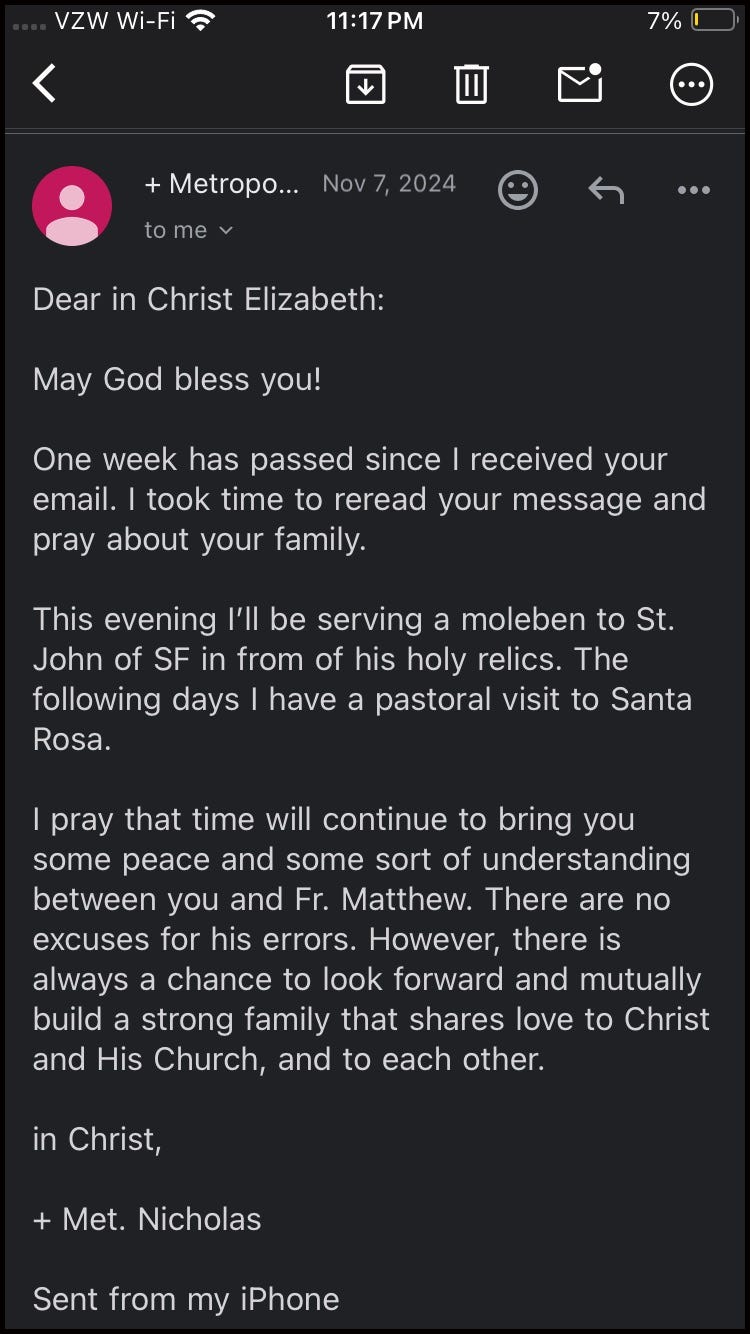
People may differ on whether the Metropolitan intended reconciliation only after repentance and accountability, or whether his words were pastorally appropriate. But the effect of those words on an abuse survivor deserves careful reflection. Sexual abuse and domestic violence are extremely traumatizing and leave life-long scars on those affected. Metropolitan Nicholas apparent lack of any insight into how to respond to abuse and abuse survivors highlights a shocking lack of compassion or insight into the seriousness of what he is dealing with.
Perhaps even more troubling is the January 15, 2025 directive signed personally by Metropolitan Nicholas instructing Elizabeth Williams, her children and spouses not to attend their own parish, St. Tikhon Church in Blountville, Tennessee, or St. Peter the Aleut Mission, while allowing them to attend any other canonical Orthodox church.
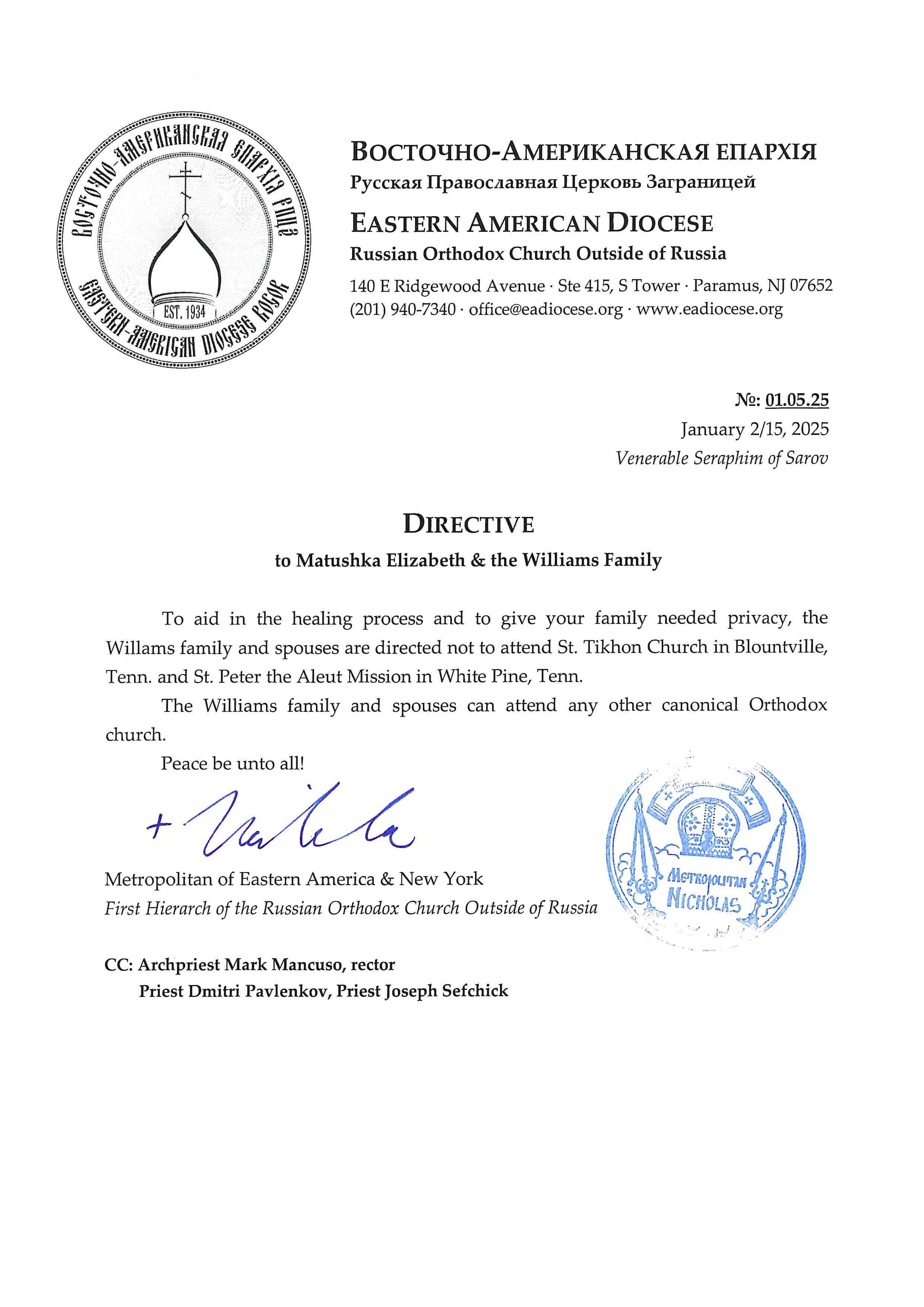
Whatever pastoral reasoning lay behind that decision, the practical effect was to remove the alleged victims—not the suspended priest—from their own parish community.
For abuse survivors, exclusion from their spiritual home can itself become another source of trauma. Critics have argued that such measures resemble forms of institutional shunning that have historically compounded victims’ suffering rather than promoted healing.
That makes Metropolitan Nicholas’ own words particularly difficult to reconcile with his actions.
His epistle praises bishops who personally reached out to their flock with compassion and living pastoral care. Yet many observers will ask whether excluding a family from its own parish represents that same “genuine apostolic outreach.” It must be remembered that Metropolitan Nicholas is the ruling bishop of not only all of ROCOR, but the Eastern American Diocese to which Elizabeth and her family belong.
Perhaps the most striking section of the epistle is Point Four.
Quoting Archbishop Averky, Metropolitan Nicholas writes:
“A pastor is not the Church, but merely a servant of the Church.”
He continues:
“A pastor must call for obedience to the Church, not obedience to himself.”
Those words carry considerable force.
Yet they also invite comparison with Metropolitan Nicholas’ own email responding to Elizabeth Williams after she urged greater transparency with parishioners. He wrote:
“She shouldn’t be telling the Church what to do and how to inform the flock in my opinion.”
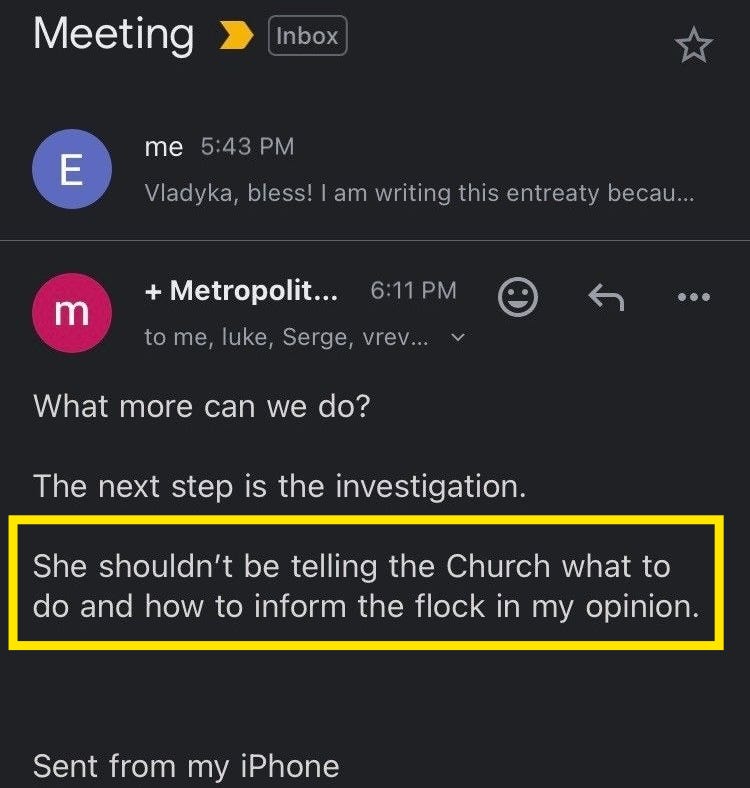
The wording is open to interpretation. Metropolitan Nicholas may have been referring to the institutional Church rather than to himself personally however in this context, any reasonable person would have to agree, that in everyday language, what Metropolitan Nicholas is really saying is that:
“She should not be telling me what to do”.
Nevertheless, critics argue that, in the context of a private exchange in which Elizabeth was appealing directly to the diocesan hierarchy, the statement effectively identifies his own decisions with those of “the Church.” Whether or not one accepts that interpretation, it sits uneasily beside his later admonition that pastors must not equate themselves with the Church.
That tension is difficult to ignore.
The epistle repeatedly emphasizes that priests should:
“Be accessible, merciful, and sacrificial ministers to the people, giving absolute priority to real pastoral conversation and comforting the individual…”
Those words express a deeply Orthodox understanding of pastoral ministry.
The question naturally follows: where was that pastoral compassion in this case?
The documents provided by the Williams family show repeated appeals for clarification, reassurance to parishioners, and pastoral intervention. Whether every request could or should have been granted is another matter. But the correspondence reveals a family pleading for help while also expressing concern about rumors, parish confusion, and the Church’s public response.

Critics argue that the public response from the Eastern American diocese was minimal, with only a brief announcement concerning Fr. Matthew Williams’ suspension. They contend that there has been no public acknowledgment of the broader pastoral failures surrounding the case and no public apology to those affected.
Supporters of the Metropolitan may respond that confidentiality, legal considerations, or canonical process limited what could be said publicly. Even so, confidentiality does not preclude compassion. Nor does it prevent a shepherd from expressing sorrow for those who have suffered. It seems that for Metropolitan Nicholas, fear of litigation is a more important motivator than the pastoral care he preaches to his own clerics.
Going even further, it is known that two senior EA Diocese priests, Fathers Mark Mancuso and Alexandre Antchoutine were sent by the Metropolitan to have a “talk” with Elizabeth. The conversation ended up being anything but supportive and at one stage one of the priests even seems to suggest that Elizabeth is looking to take legal action against the ROCOR and that this may not be a good idea. A recording of that conversation and the story surrounding it, it can be found in a previous Pokrov Truth article here:
The questions raised by the Williams case do not exist in isolation.
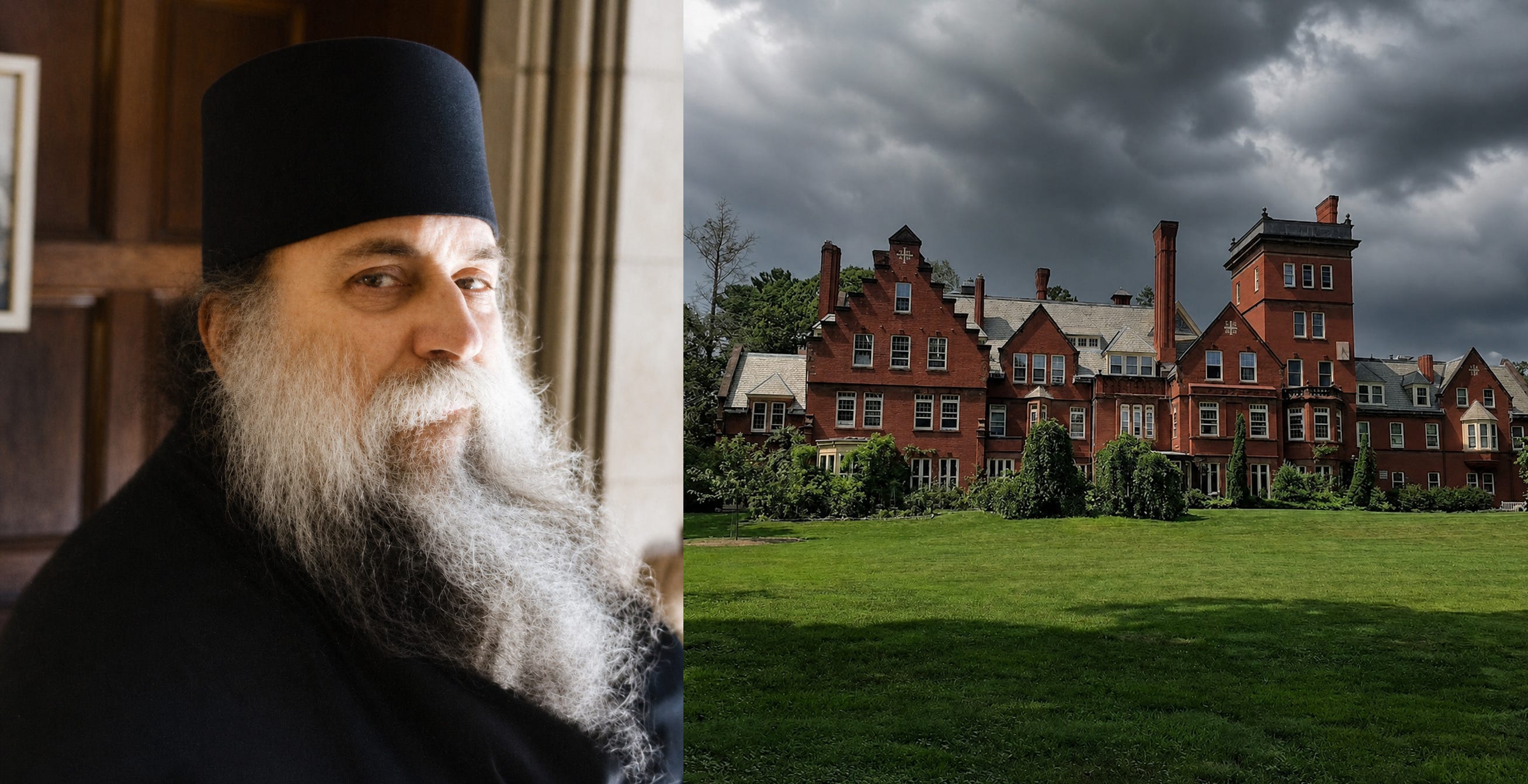
Critics have also pointed to other abuse cases associated with ROCOR, including those involving Gleb “Fr Herman” Podmoshensky, Holy Transfiguration Monastery in Boston under Fr. Panteleimon Metropoulos, and more recently Fr. Alexis Rosentool in Australia, who was convicted in an Australian court in 2025.
Each case has its own facts and history, and responsibility for earlier events spans multiple administrations. Nevertheless, these cases have contributed to a broader debate about whether ROCOR has consistently demonstrated transparency, accountability, and pastoral care toward victims.
Many faithful believe that public expressions of sorrow toward victims—even where legal responsibility is complex—would demonstrate precisely the kind of pastoral love that Metropolitan Nicholas praises in his epistle.

Another weakness of the epistle is its overall tone.
Much of the document reads less like an encouragement among fellow clergy than a lecture delivered by a parent to misbehaving teenagers.
Metropolitan Nicholas writes:
“I present to you several themes… concerning modern temptations associated with the Internet… we already possess Archbishop Averky’s insights regarding these contemporary challenges.”
Few would dispute that social media presents genuine pastoral challenges.
Yet many of ROCOR’s clergy are highly educated men with decades of pastoral experience. To devote an extended pastoral epistle primarily to warnings about smartphones, internet arguments, and online behavior risks appearing disconnected from the far more pressing challenges confronting the Church.
The irony is difficult to miss. While clergy are admonished about spending excessive time online, abuse survivors continue to raise concerns about institutional responses to safeguarding, transparency, and accountability. Those issues arguably deserve at least as much pastoral attention as the dangers of social media.
One of the strongest lines in the epistle quotes Archbishop Averky:
“There is nothing worse than when the flock notices in their pastor a discrepancy between his words and deeds…”
That observation goes to the heart of the matter.
No church leader is perfect. Every bishop makes difficult decisions under considerable pressure. The issue is not whether Metropolitan Nicholas has made mistakes. It is whether his own conduct reflects the pastoral ideals he now commends to others.
When bishops preach compassion while abuse survivors feel abandoned, preach humility while appearing dismissive of criticism, or preach accessibility while those seeking help perceive themselves as excluded, the credibility of the message inevitably suffers.
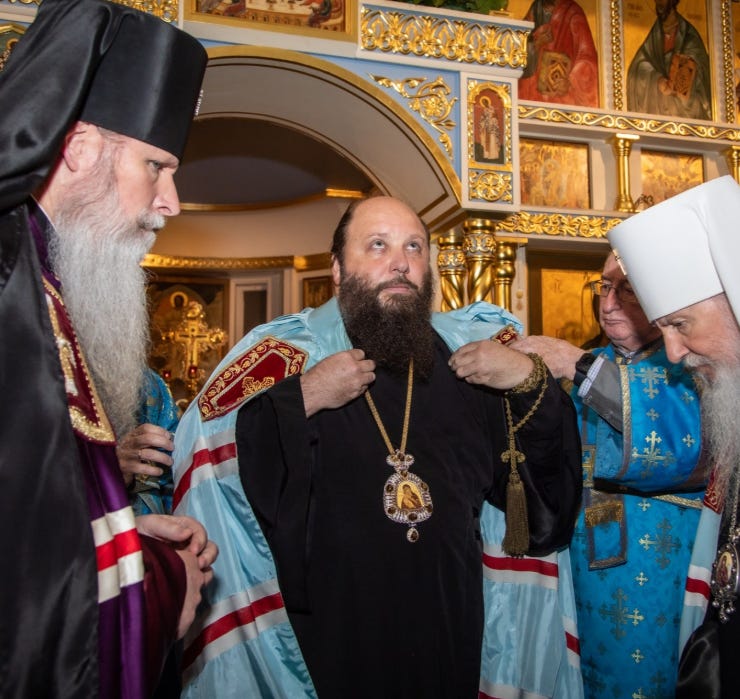
The greatest tribute Metropolitan Nicholas could pay to Archbishop Averky and Archbishop Nikon would not be another epistle extolling their virtues. It would be demonstrating those virtues in practice.
That means confronting the Church’s safeguarding failures openly. It means examining ROCOR’s response to historic abuse cases with honesty. It means reviewing and modernizing child-protection policies that critics argue have not kept pace with contemporary safeguarding expectations. Most importantly, it means placing pastoral care for victims at the centre of the Church’s response.
The faithful deserve more than eloquent quotations about pastoral love. They deserve leadership that embodies those words.
Until Metropolitan Nicholas applies to himself the same standards he asks of his clergy, his otherwise thoughtful epistle risks being remembered less as a call to pastoral renewal than as an unfortunate example of the very inconsistency it warns against. For a Church founded on repentance, truth, and healing, that would be a tragic missed opportunity.
For the full insight of Metropolitan Nicholas’ abuse response failures see here:
Gleb "Fr. Herman" Podmoshensky: A Biography of ROCOR's Worst Pedophile
·
August 31, 2025
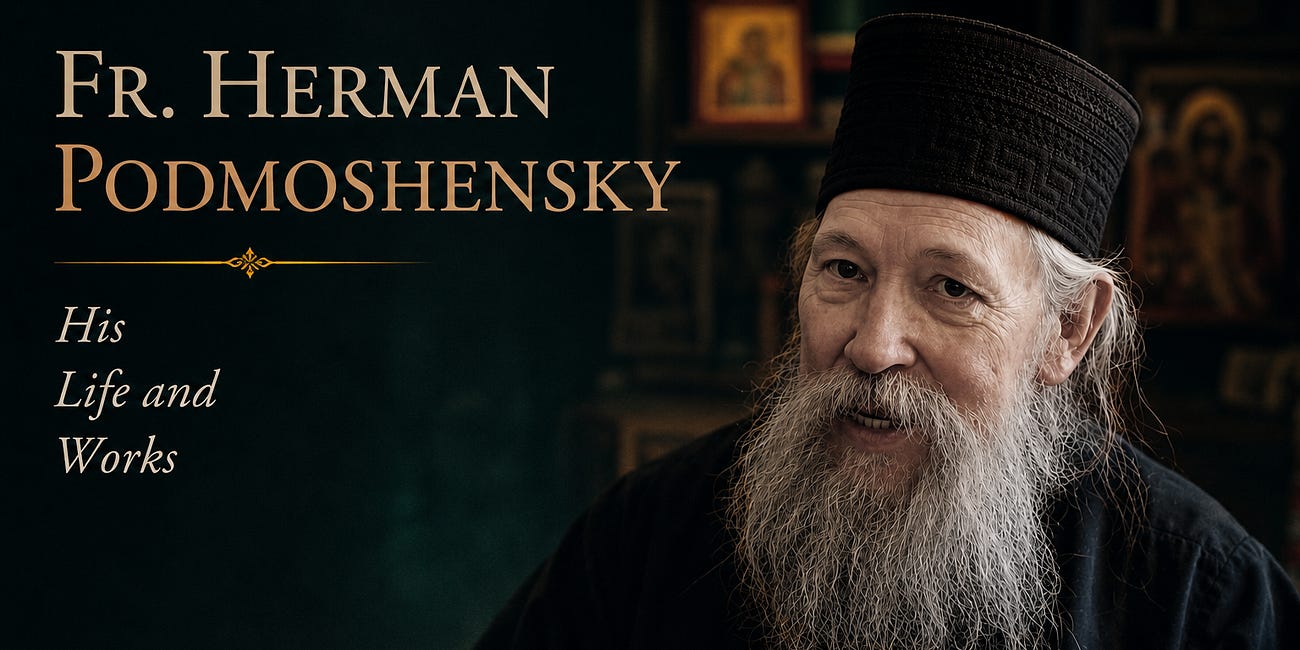
One of the great tragedies of the Russian Orthodox Church Outside of Russia (ROCOR), is its dark history of clerical sexual abuse of children. For all its achievements of preserving Russian Orthodoxy in the diaspora during the 20th century, the Church has been plagued with numerous cases of child sexual abuse over several decades. Unfortunately for the …
No posts
Comments
Nothing yet. Say the first thing.
Sign in to join the conversation.