
A few weeks ago, poet Emma Bolden made a simple but compelling observation about contemporary poetry. On X, she wrote:
It “sometimes amazes me how much of what is considered ‘good’ in poetry is actually writing from a place of wealth and privilege. Would love to see more poems that are about, like, getting the bills paid, am instead seeing endless poems about spending one’s twenties traveling the world.”
Why don’t more poets write about money? After all, who supports the writing of any poem? Even when poets don’t talk about money, it’s there, somewhere, to make the writing possible, isn’t it?
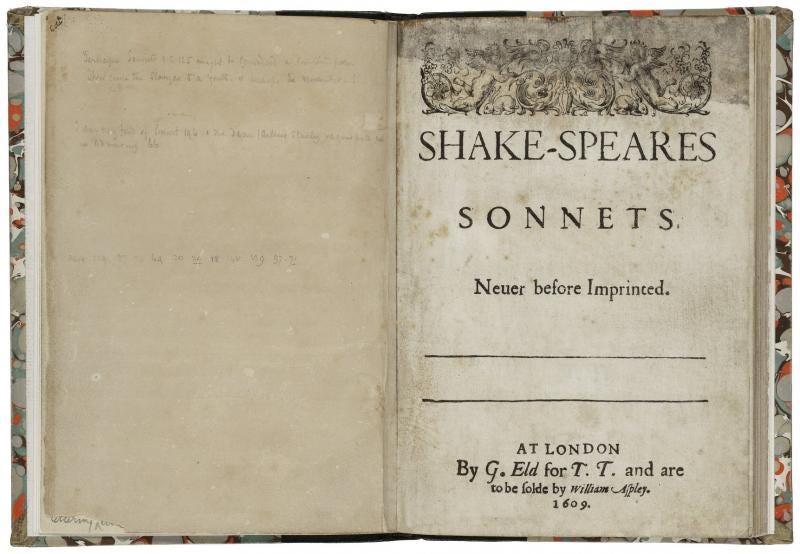
In the old days, money came primarily from patrons. Consider, for example, the 1609 publication of Shakespeare’s Sonnets, which was supported with money from Henry Wriothsley, the Earl of Southampton. These days, perhaps surprisingly, the greatest patron of the arts in America is the government—not through grants from the National Endowment of the Arts (though that certainly helps), but through the salaries of poetry faculty at public universities.
Still, not all poets are professors. And anyone who wants to write will need the resources with which to do so. Time. Space. Food. A roof in the rain. Working lights in the dark. A poem never comes without money somewhere in the background—even if just a little.
So why not more poems about money? And why not especially more poems about those who don’t have it?
Diane Seuss and Philip Levine are two poets who have centered these questions in their work. Having started work at the age of 14 in an automotive plant, Philip Levine dedicated his writing life to making poetry "for people for whom there is no poetry...the people I grew up with who brothered, sistered, fathered, and mothered me, and lived and worked beside me. Their presence seemed utterly lacking in the poetry I inherited at age 20, so I've spent the last 40-some years trying to add to our poetry what wasn't there."
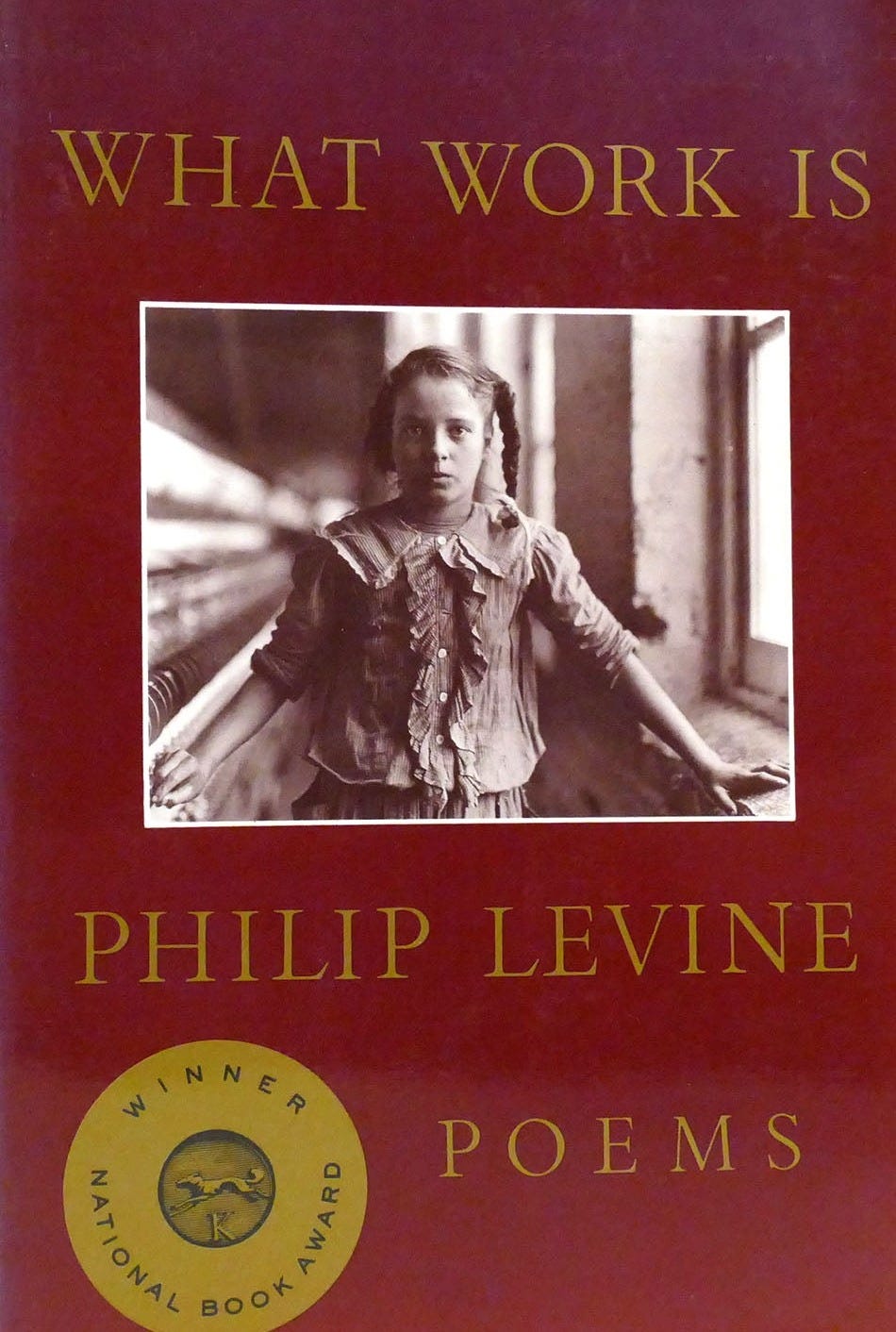
In a recent interview, Diane Seuss insisted on making poverty and class part of the conversation about diversity: “I’m frustrated,” she said, “when I hear conversations around diversity with no mention of the powerful impact of class, poverty, work, on every aspect of the poem. On voice, on access, and on nuances of understanding.”
What makes these poets stand out is that both find a hard-bitten gratitude, a deep spirit, even a joy and a beauty in their experience of poverty and in the community of laborers. Yet neither romanticizes such experiences, which are still full of suffering and deeply unjust. Those condemned to such circumstances are always more than the circumstances themselves.
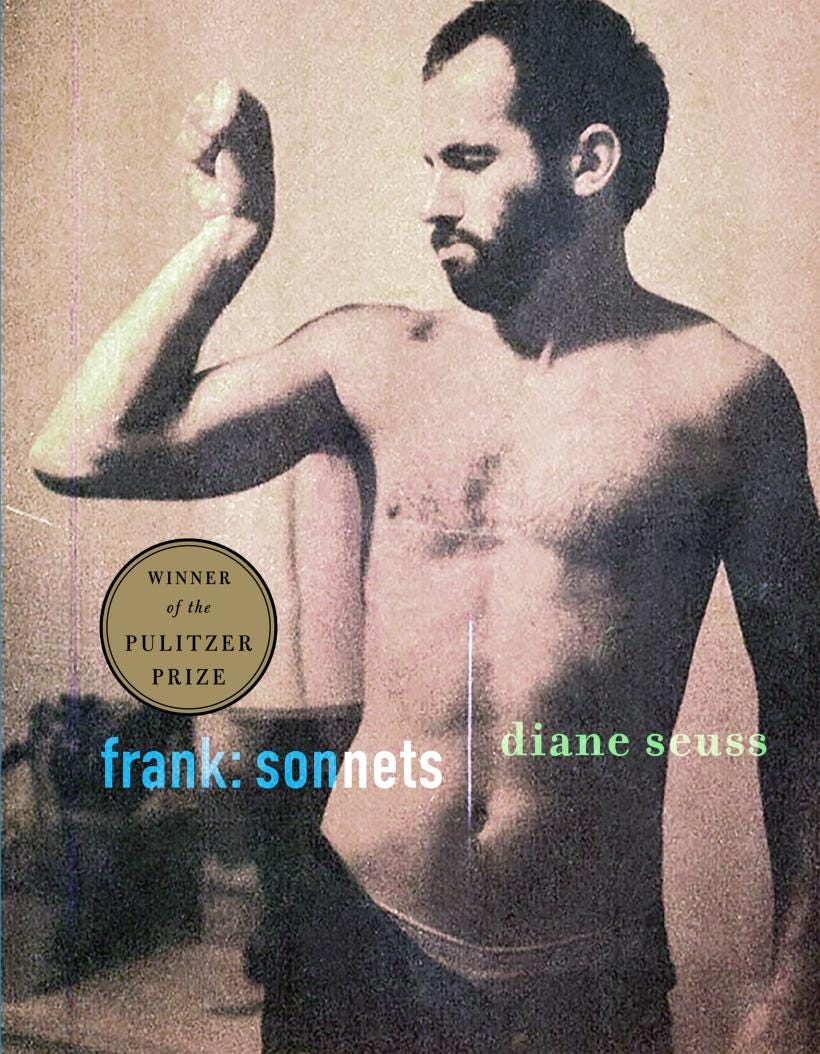
In two recent episodes of Poetry For All, we look at poverty (Seuss) and the working poor (Levine). We talk about money. And we highlight how two poets, who both knew what it meant to do without–who worked their way into poetry from a world of lack and labor–brought voice and attention to what so often goes unheard and unnoticed. Through Seuss and Levine, we hear and we care. We come to know, as Levine once said, that “the angelic is all around us, in ordinary people,” without ever accepting the conditions as romantic or angelic.
We hope you enjoy these episodes.
https://poetryforallpod.com/podcast/episode-74-diane-seuss-the-sonnet-like-poverty/
https://poetryforallpod.com/podcast/episode-76-philip-levine-what-work-is/
Thanks for reading Poetry For All! This post is public so feel free to share it.
No posts
Comments
Nothing yet. Say the first thing.
Sign in to join the conversation.