A premier university in Asia, the Singapore Management University (SMU) is internationally recognised for its world class research and distinguished teaching. With an emphasis on generating rigorous, high impact cross-disciplinary research that addresses Asian issues of global relevance, SMU’s faculty from its six schools – School of Accountancy, Lee Kong Chian School of Business, School of Economics, School of Information Systems, School of Law and School of Social Sciences – collaborate…
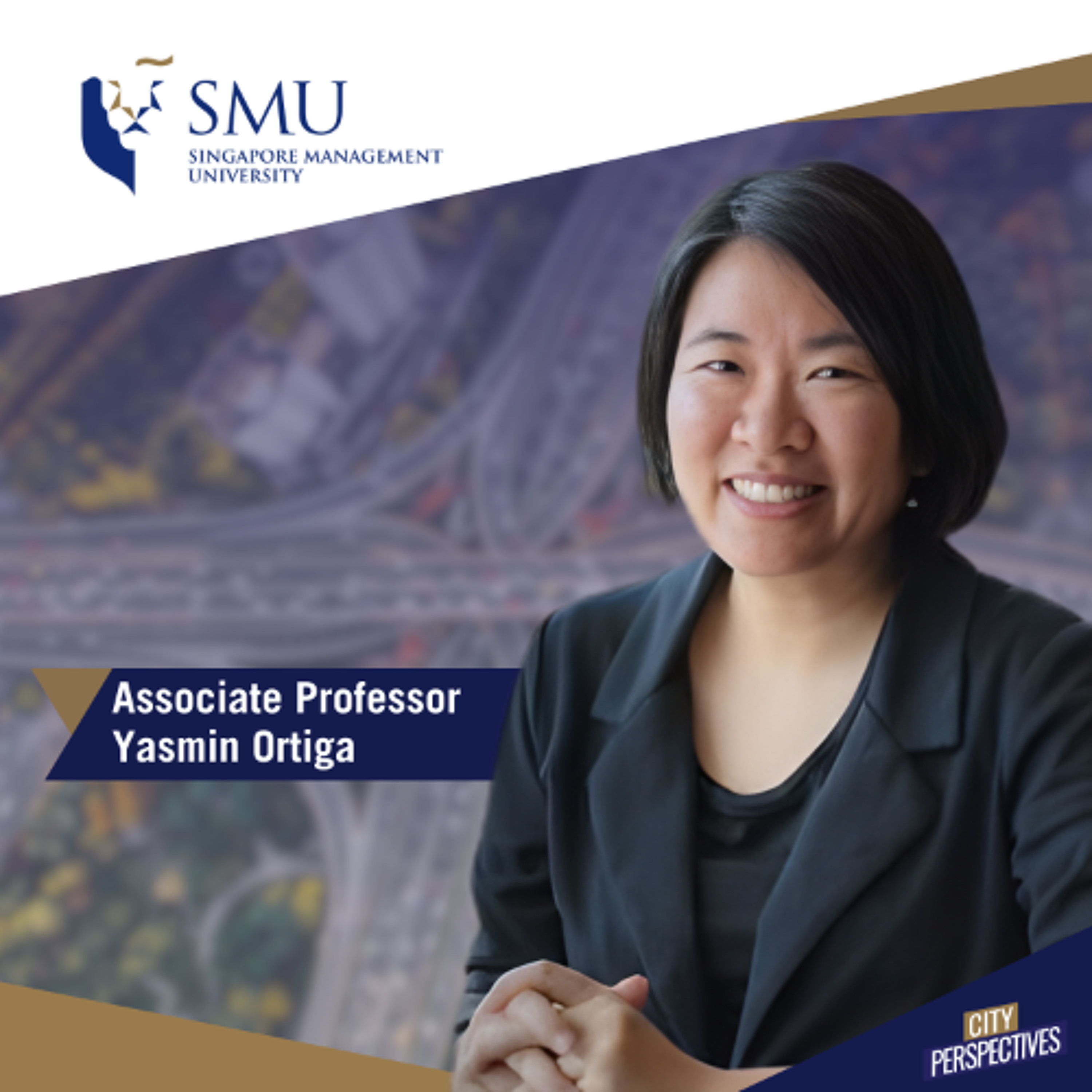
The Philippines has long embraced its identity as a ‘nation of emigration’ — a country that not only sends workers abroad but has built entire institutions to sustain this global flow. In this episode, SMU Associate Professor of Sociology Yasmin Ortiga unpacks how migration has been woven into the fabric of Philippine society shaping education, employability, and even family aspirations. As…
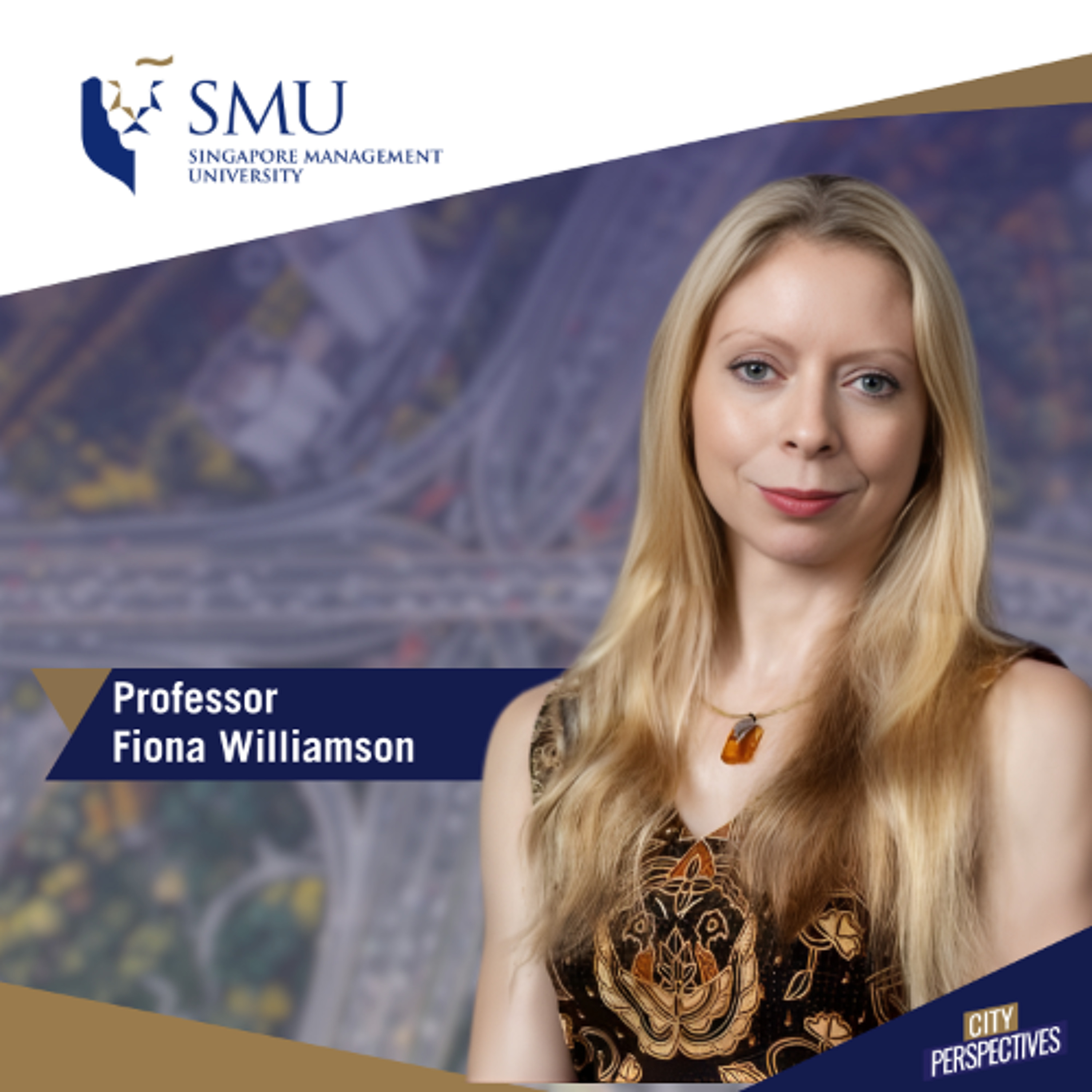
Singapore’s modern skyline masks a long-standing culture of urban cultivation. In this episode, SMU Professor of Environmental History, Fiona Williamson, uncovers how gardening once served not just as a leisure pursuit, but as a crucial strategy for food resilience and ecological stewardship. From wartime vegetable plots to today’s hydroponic rooftops, she traces how policy, memory, and land use…
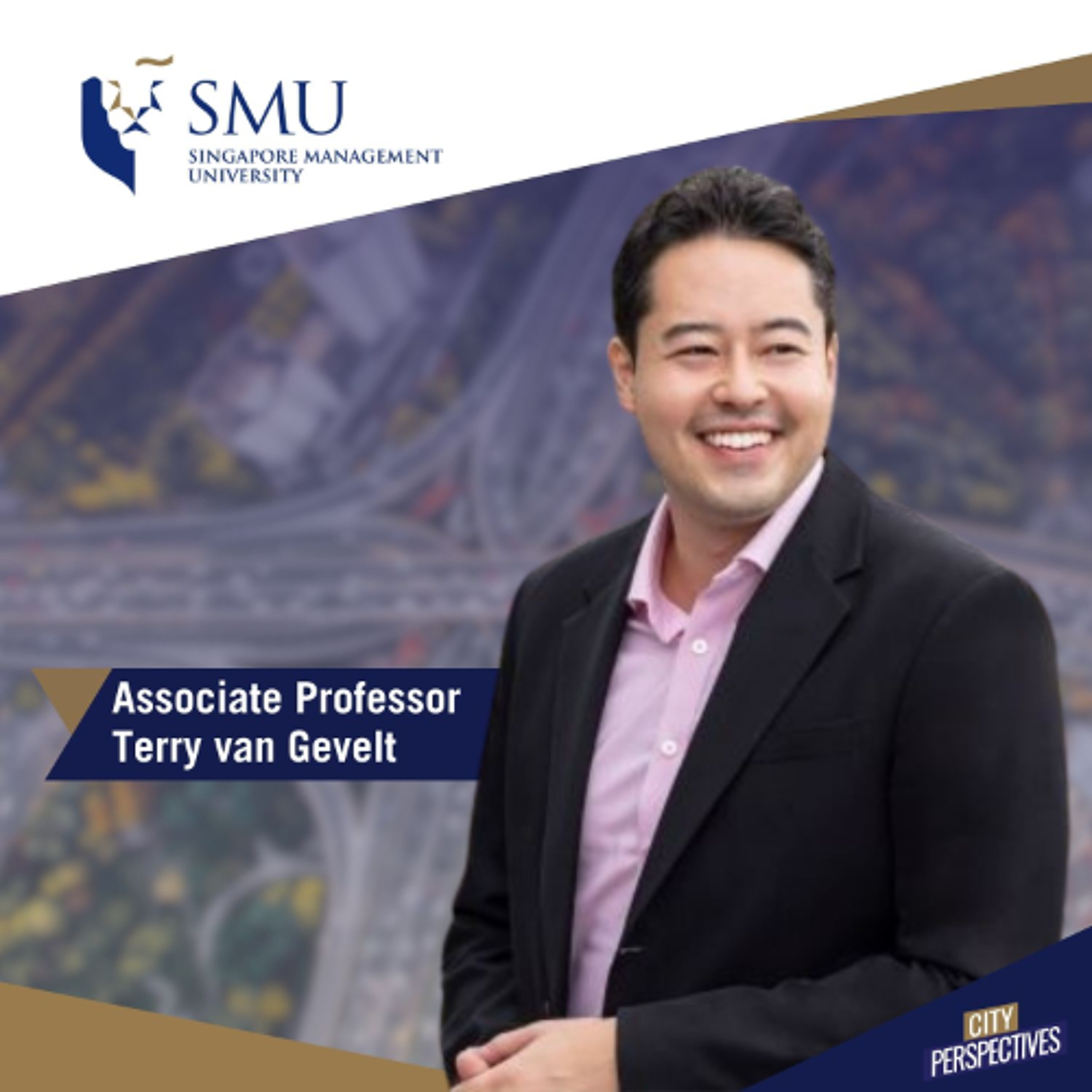
Because of climate change, cities have been grappling with stronger and more frequent storms as well, most recently being Typhoon Yagi in Vietnam and Hurricanes Helene and Milton in America. But many people remain apathetic to climate change. SMU Associate Professor Terry Van Gevelt explains the intricacies of climate change communication and what needs to be done to get urbanites facing climate…
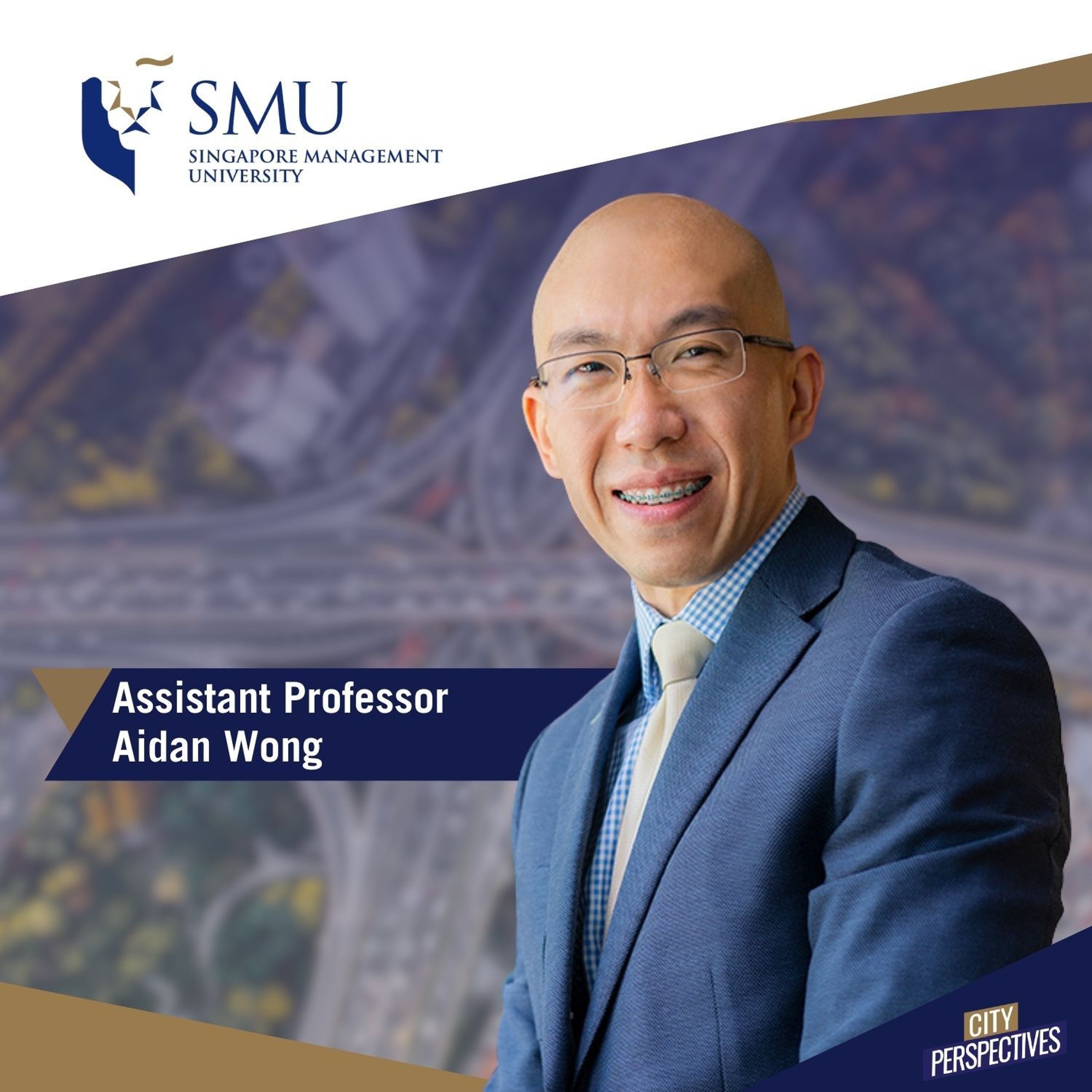
As the effects of climate change continue to grow, the world is more aware than ever about the concept of being sustainable. Most people's entry point to sustainability consists of the ‘Three R’s’, Reduce, Reuse and Recycle. The question is, what makes waste reusable and recyclable? And what role does informal labour have to play in this journey to sustainable living? In this podcast, Assistant…
As the climate crisis looms, how can we build a more sustainable future? While the establishment of the United Nation Sustainable Development Goals (UN SDGs) provides a helpful compass to achieve sustainability, they tend to be viewed and applied in isolation from each other. This glosses over what sustainability really means for those most vulnerable to its impacts. In this podcast, SMU Associate…
With the advent of new technologies, rapidly changing customer needs and emerging competitors, companies across industries are facing disruptions like never before. To succeed, they will need to innovate by harnessing the power of a wide range of partners who can bring different skills, experience, capacity, and their own networks to the task. In this podcast, SMU University Professor Arnoud De…
Data has emerged as the most important driver for modern economic development. New industries have arisen from the use of data with personal information as the core asset, while many traditional models of business are ‘disrupted’ or drastically transformed. Artificial Intelligence (A.I.) has also become an integral tool for the management and processing of data, including personal data, as it…
Rapid urbanisation, coupled with the lack of coordination in the use of resources, such as taxis and security personnel, has negatively affected a wide array of quality-of-life metrics. These include waiting time in queues, response time for emergencies, and the number of traffic violations in cities. Using AI and Machine Learning methods, aggregation systems have been developed and adopted to…
Singapore is a small and open economy, with its economic growth highly dependent on international trade. With the momentum of global trade growth being buffeted by increased economic uncertainties and rising trade tensions, does Singapore’s position in the global value chains, or GVCs, stand it in good stead to navigate choppy waters ahead? In this podcast, Associate Professor of Economics and Lee…
Global warming and climate change have created an unprecedented global interest in reducing greenhouse gas emissions, especially in energy production. Biomass, or organic matter, which is a renewable energy source that can replace fossil fuels in energy production is gaining popularity. Consequently, commercialising agricultural residues as biomass is gaining momentum in many countries. In a…