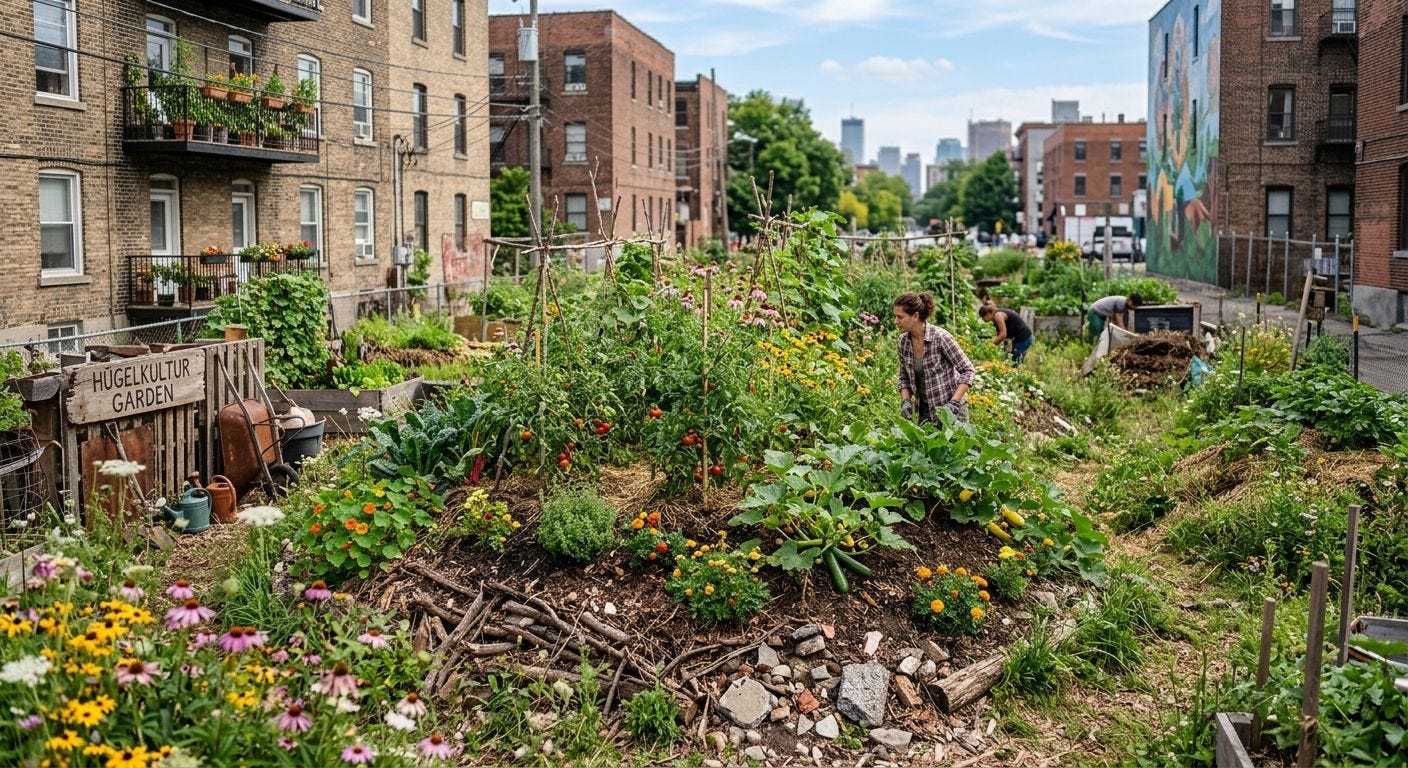
How to Rewild a Small Garden by Creating Mounds and Microhabitats
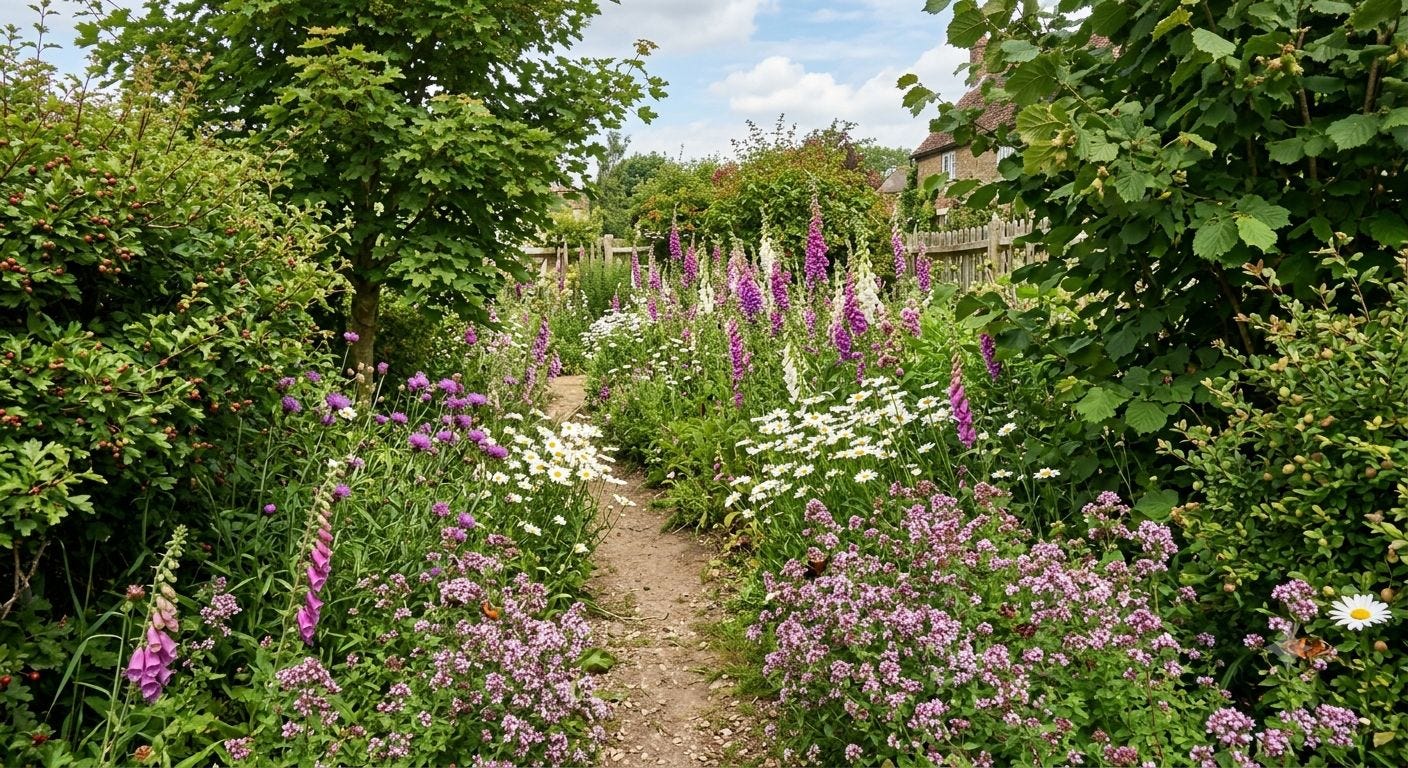
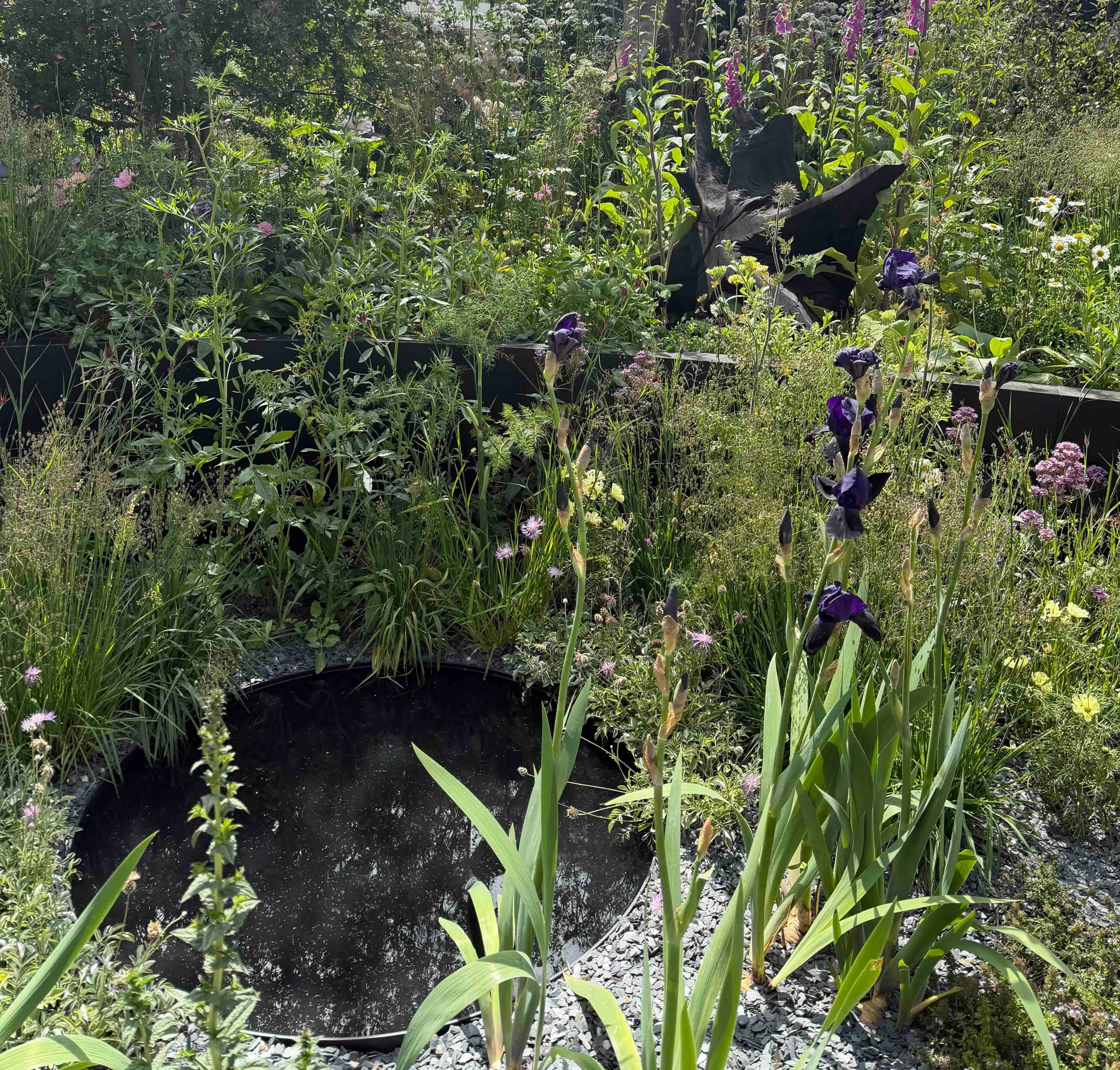
Rewilding a garden doesn’t require acres of land, major landscaping or even a particularly large garden.

Letts Safari is a leader in mass market rewilding. This channel is dedicated to rewilding tips, tricks and stories. Spreading the love... and saving the planet.
Live Last read · last published · next check
Rewilding a garden doesn’t require acres of land, major landscaping or even a particularly large garden.
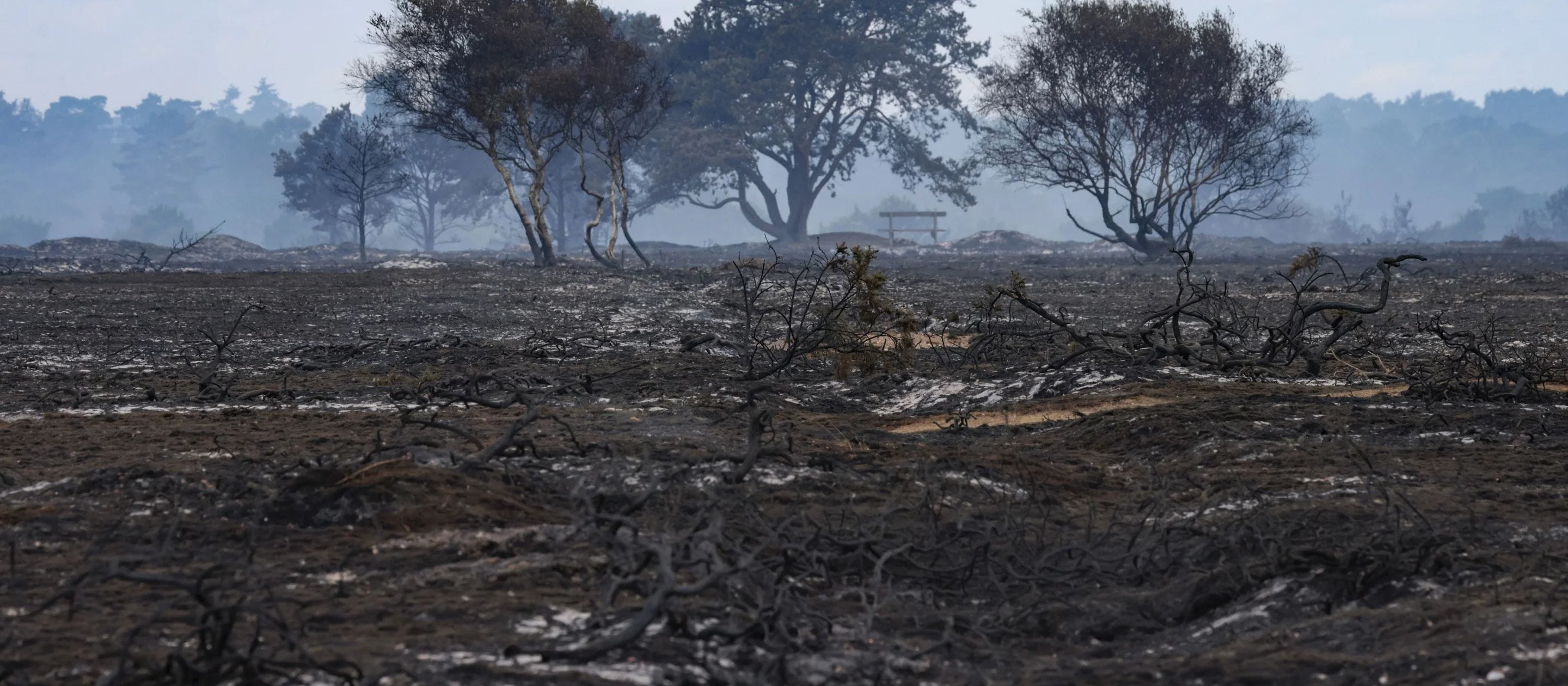
The devastating fire at Dunwich Heath in Suffolk has highlighted an increasingly important question: can rewilding help create landscapes that cope better with hotter, drier conditions?
Recent gardening experts have been championing a simple but powerful idea known as keystone planting. Instead of trying to grow as many different plants as possible, the approach focuses on choosing a relatively small number of native species that support the greatest variety of wildlife.
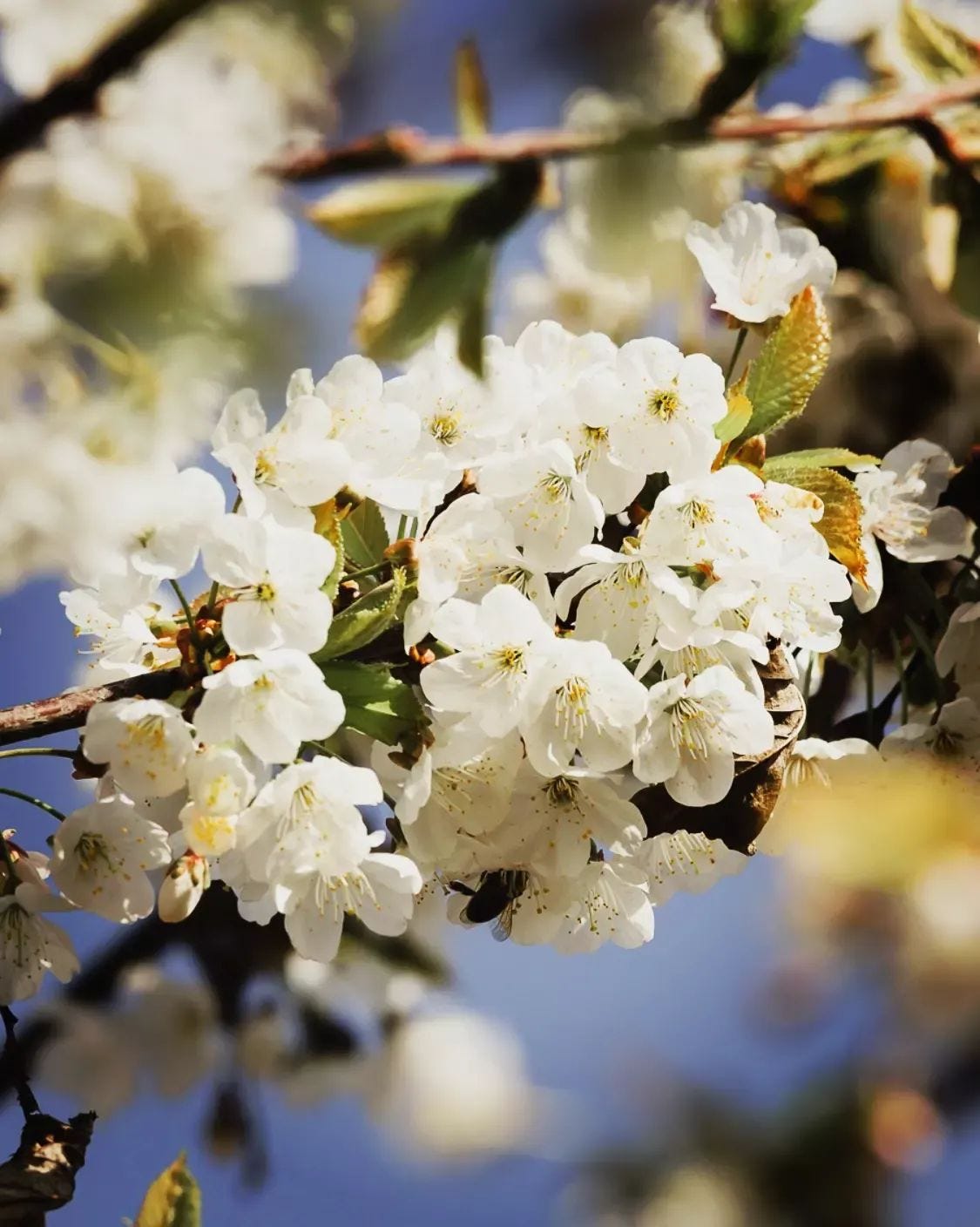
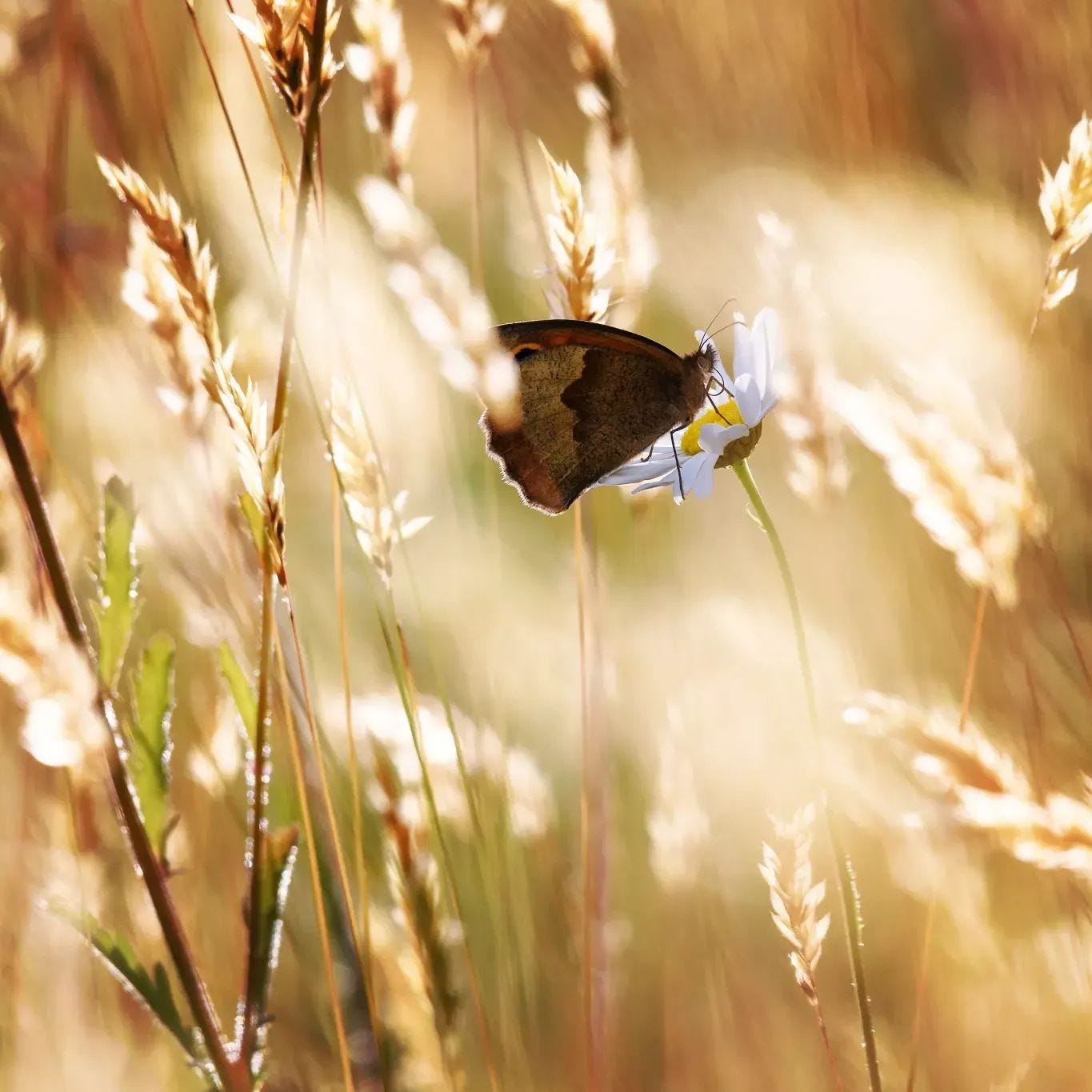
Whether you have a large garden, a small patio or just a sunny balcony, you can help reverse the decline of bees, butterflies and other pollinators.
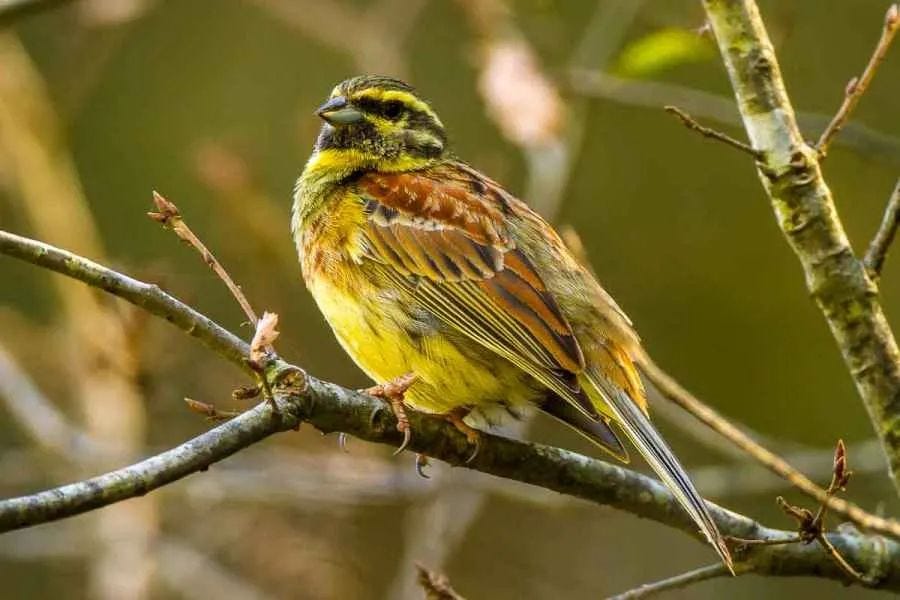
Recent coverage in the Financial Times highlights a growing movement across the UK: gardeners are transforming even modest outdoor spaces into thriving habitats for birds and other wildlife.
The UK Government this week announced the largest-ever investment in species recovery, with £60 million supporting 130 conservation projects across England. The programme will help protect 364 threatened species, from butterflies and bats to rare plants and freshwater wildlife, while restoring habitats across farmland, rivers, woodlands and coastlines.
This summer, hundreds of gardens across the UK are opening their gates through the National Garden Scheme, giving visitors the chance to explore beautiful outdoor spaces while raising money for good causes.
We’ve all no doubt struggled with the recent hot weather.
Lessons from London's Tree Ring Project
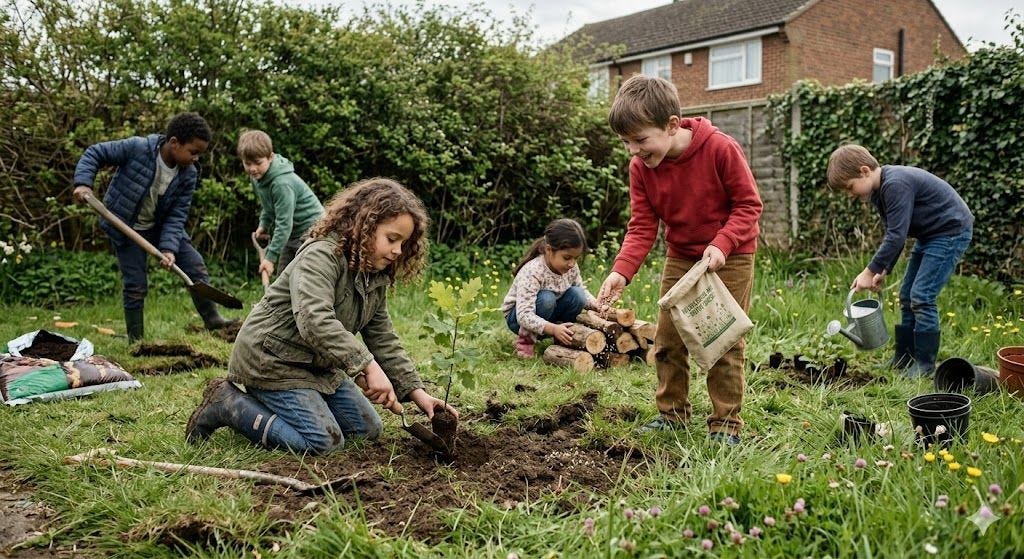
The UK government has recently announced a new Natural History GCSE that will teach students practical biodiversity skills, including creating wildflower-friendly gardens, understanding local habitats and carrying out fieldwork in schools, parks and community spaces.