
Welcome to our series featuring creators across industries who share the small and big ways to just get started. First up, Ben Lehnert, former design executive of SAP and Microsoft, and current Princeton fellow.
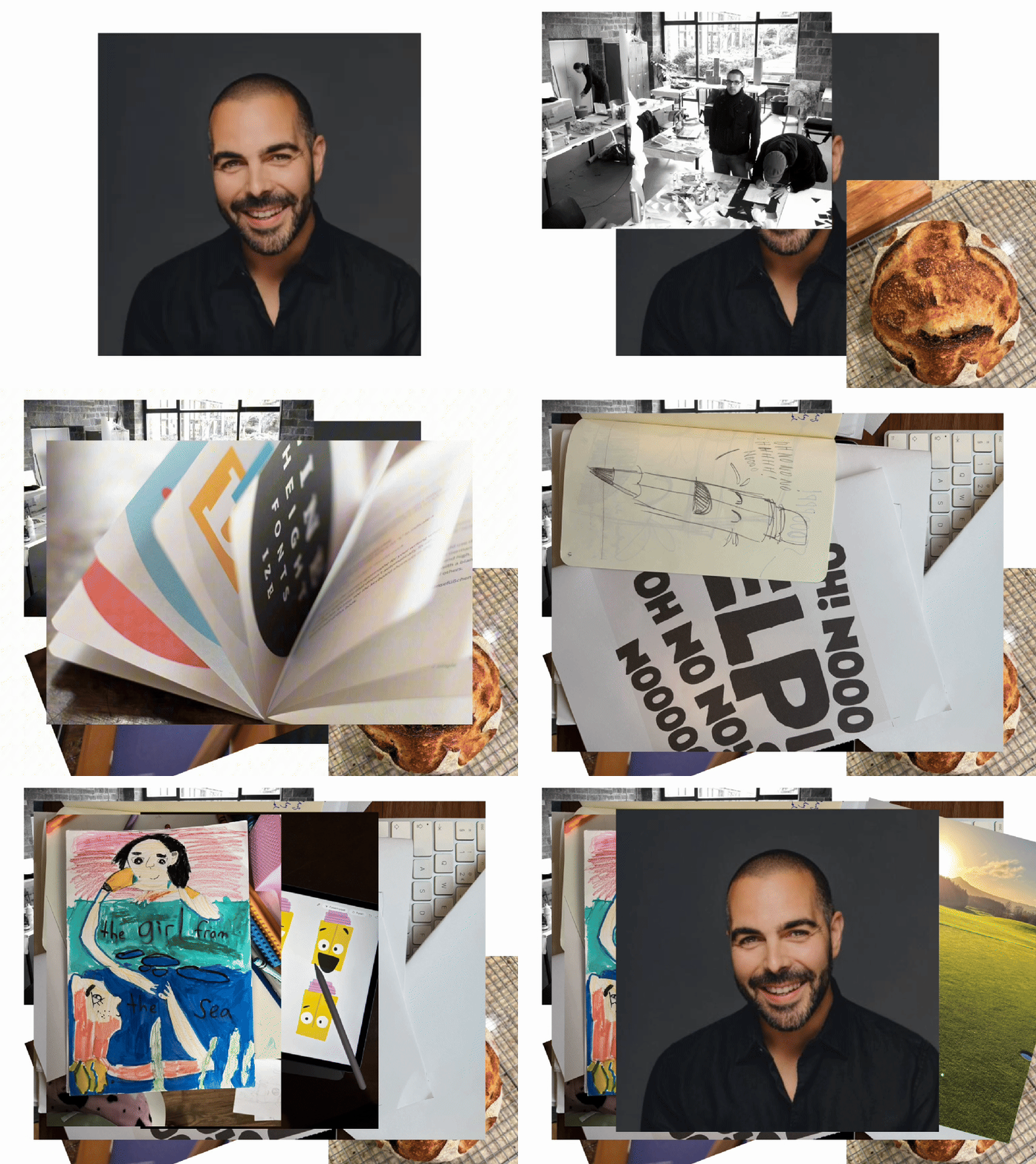
Ben has shaped products at Microsoft, SAP, and Wunderlist that millions of people use daily. Now he teaches design at Princeton, advises startups, hosts the Poets and Thinkers podcast, and is finishing two children's books (plus working on his golf swing; badly, by his own admission).
A few lessons we jotted down:
What's one memory that shaped your work ethic today?
Ben Lehnert: I grew up working in my grandparents' bakery, learning to shape bread and rolls with my grandpa. Even as a kid, he made sure I understood: you don't rush the work. You get it right the first time because there's no reason to do it poorly. That sense of care—really caring about how you do things—has stayed with me through everything I've built since.
You’ve talked about 'make to think.' What does that mean exactly?
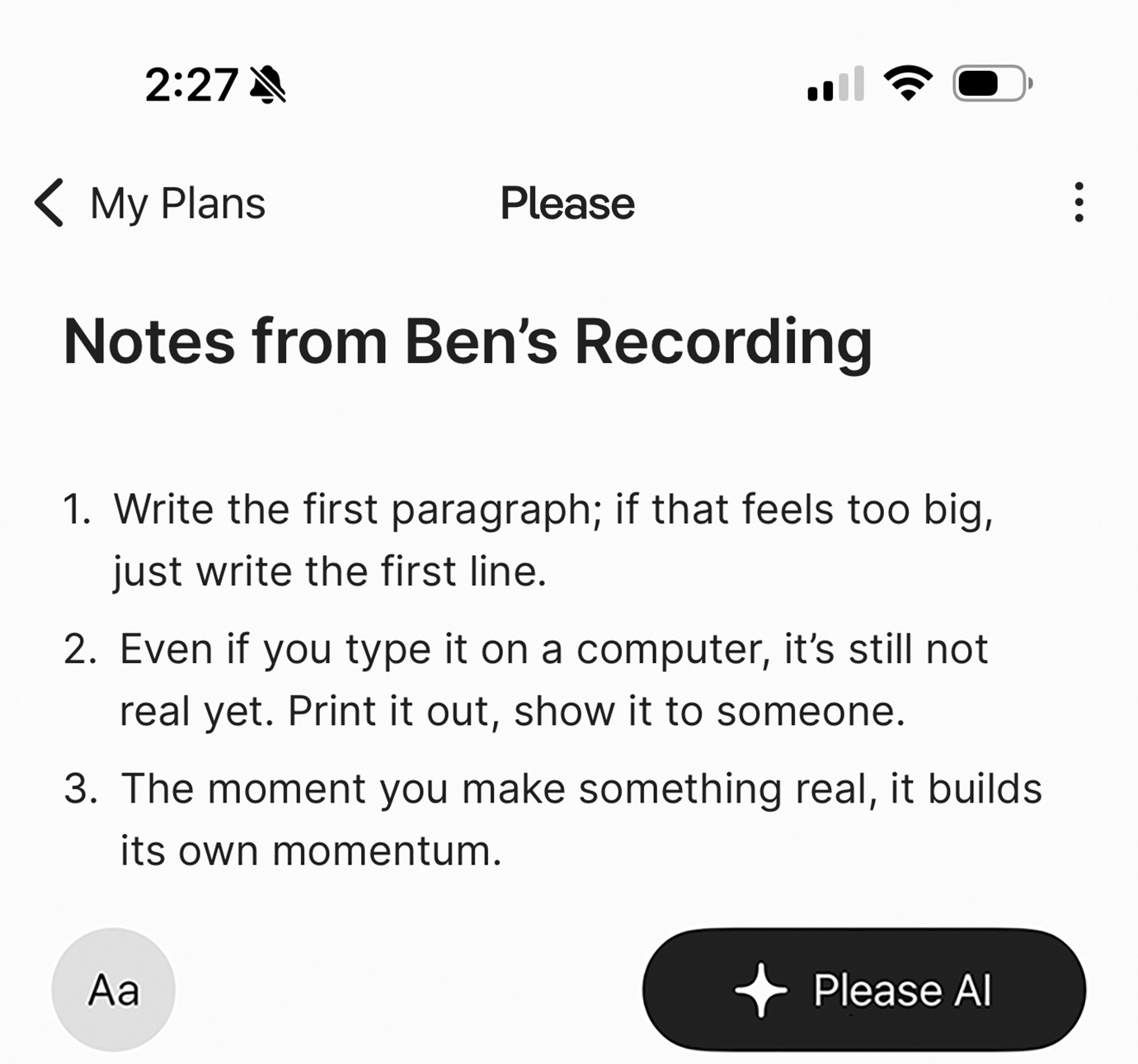
BL: The moment you make something real, it builds its own momentum. If you're sitting on a book idea, write the first paragraph. If that feels too big, just write the first line. Same with any design - sketch that first idea, whether it's a logo or a product concept.
Here's the key: even if you type it on a computer, it's still not real real yet. Print it out. Put it in front of you where you can touch it. That physical presence unlocks something powerful. Suddenly you have energy to keep going, plus something tangible to show other people. We're physical beings living in a digital world, and we forget how much power there is in holding something—even just a piece of paper.
Tell us about the children's book that almost didn't happen.
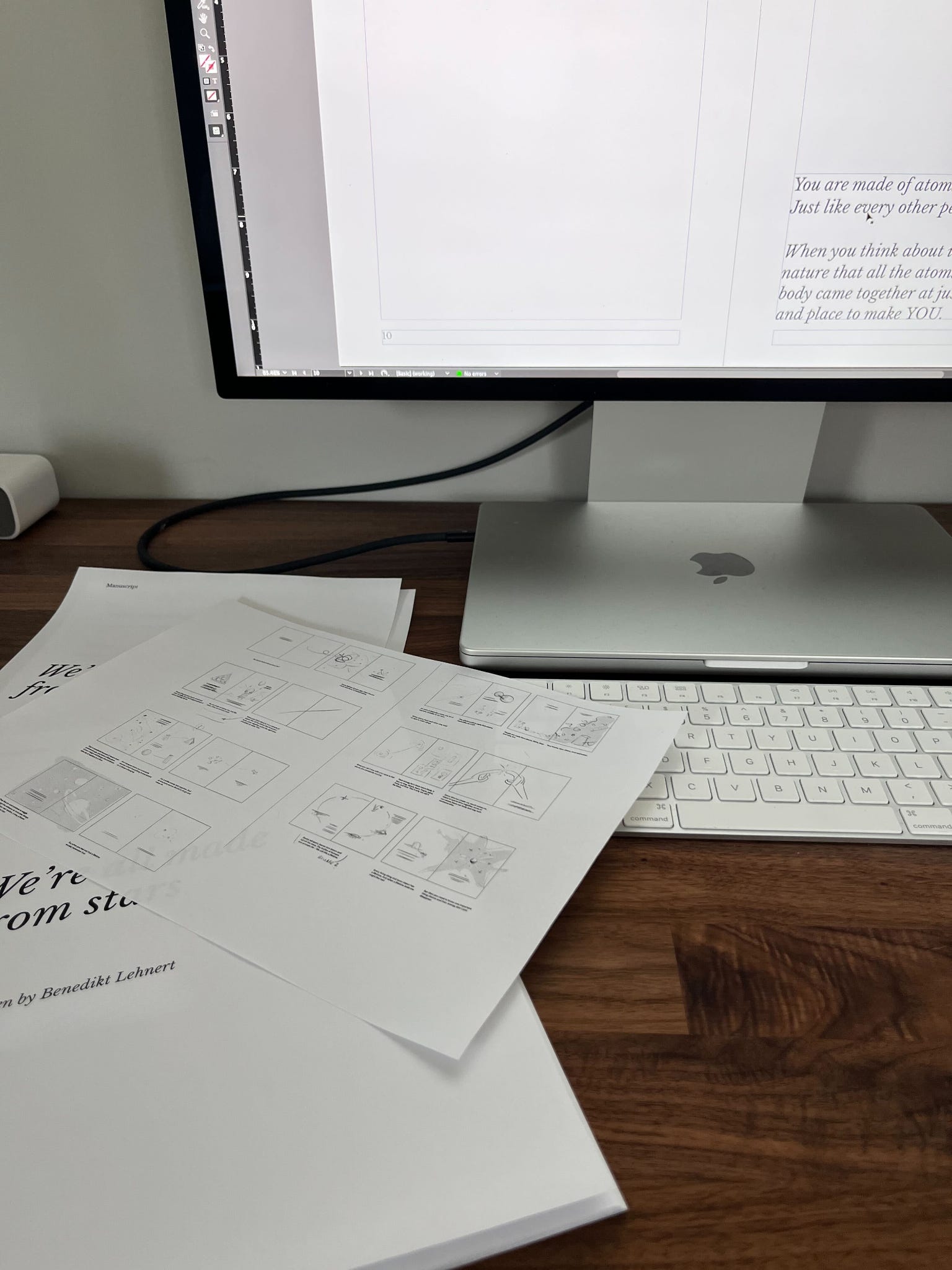
BL: The manuscript sat on my hard drive for three years. I'd even printed out a dummy version and bound it myself, but I kept finding excuses not to pursue publishing. Too many unknowns, too many what-ifs.
Then a friend asked why I hadn't published it yet. When I started listing my reasons, he just sent the manuscript to a children's book publisher he knew. Months later, I got an email—they were interested. Sometimes you need that outside momentum, someone who believes in your work when you can't quite believe in it yourself. The book comes out early next year.
What quote hangs in your studio?
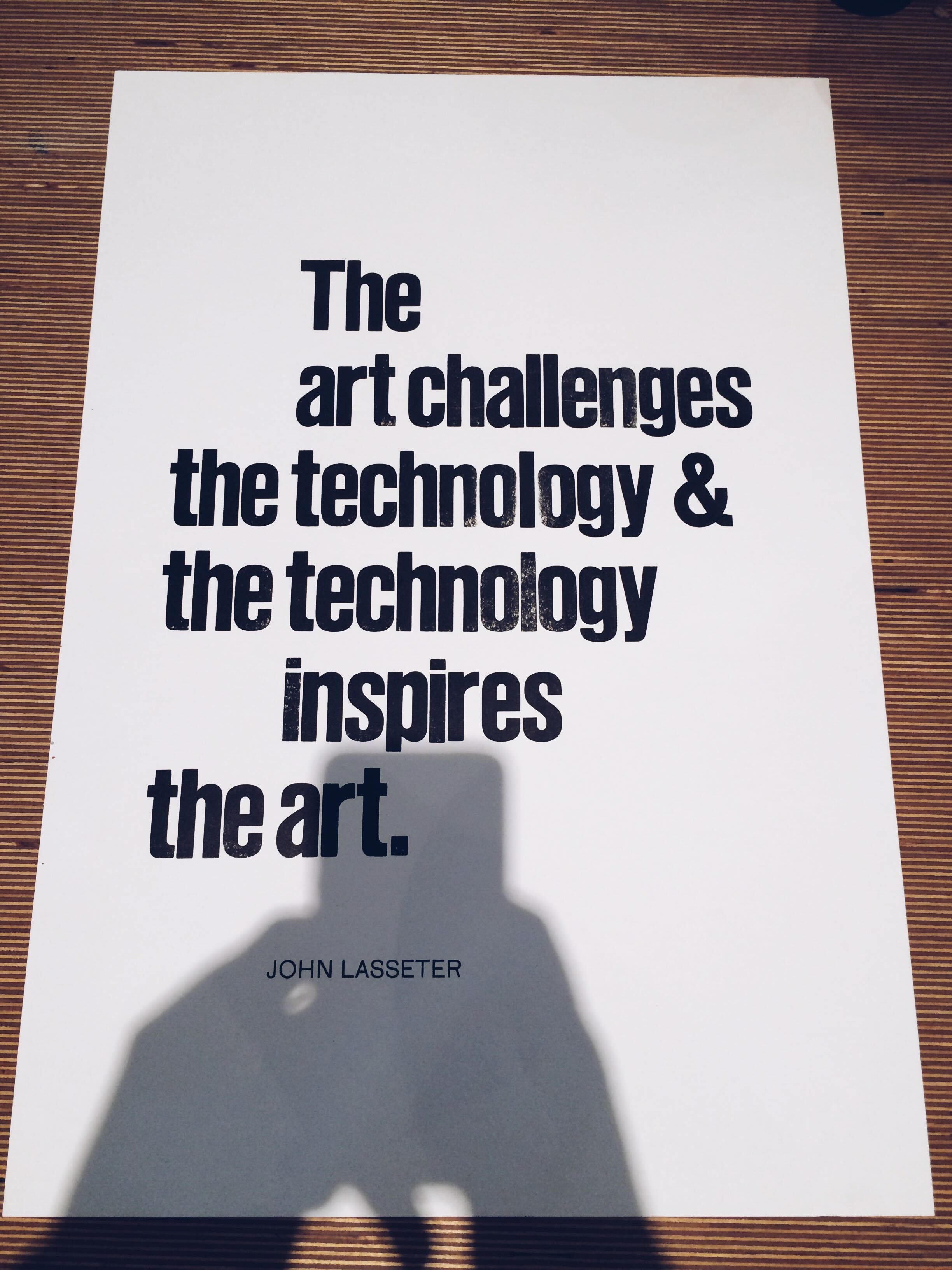
BL: It's actually a letterpress print I made with my team at Wunderlist years ago. A quote from Pixar's John Lasseter: 'The art challenges the technology and the technology inspires the art.'
Technology should inspire us, absolutely. But without meaning, without human emotion and connection, it's useless. We make things to connect with our own humanity first, then with each other. That balance is everything.
What do your products say about you?
BL: Hopefully that I build things that are genuinely useful and don't harm people. In tech, that's harder than it sounds. Wunderlist still comes up in conversations today, years after we sold it. People tell me it actually helped them get organized and feel less overwhelmed. That means something lasted beyond the business metrics.
What's the most overlooked trait of a good designer?
BL: A deep sense of responsibility for what we put into the world and for the unintended consequences. Too many designers think their job ends when the product ships. But we're shaping how people interact with technology, how they spend their time, what they pay attention to. That responsibility doesn't end.
How do you stay inspired?
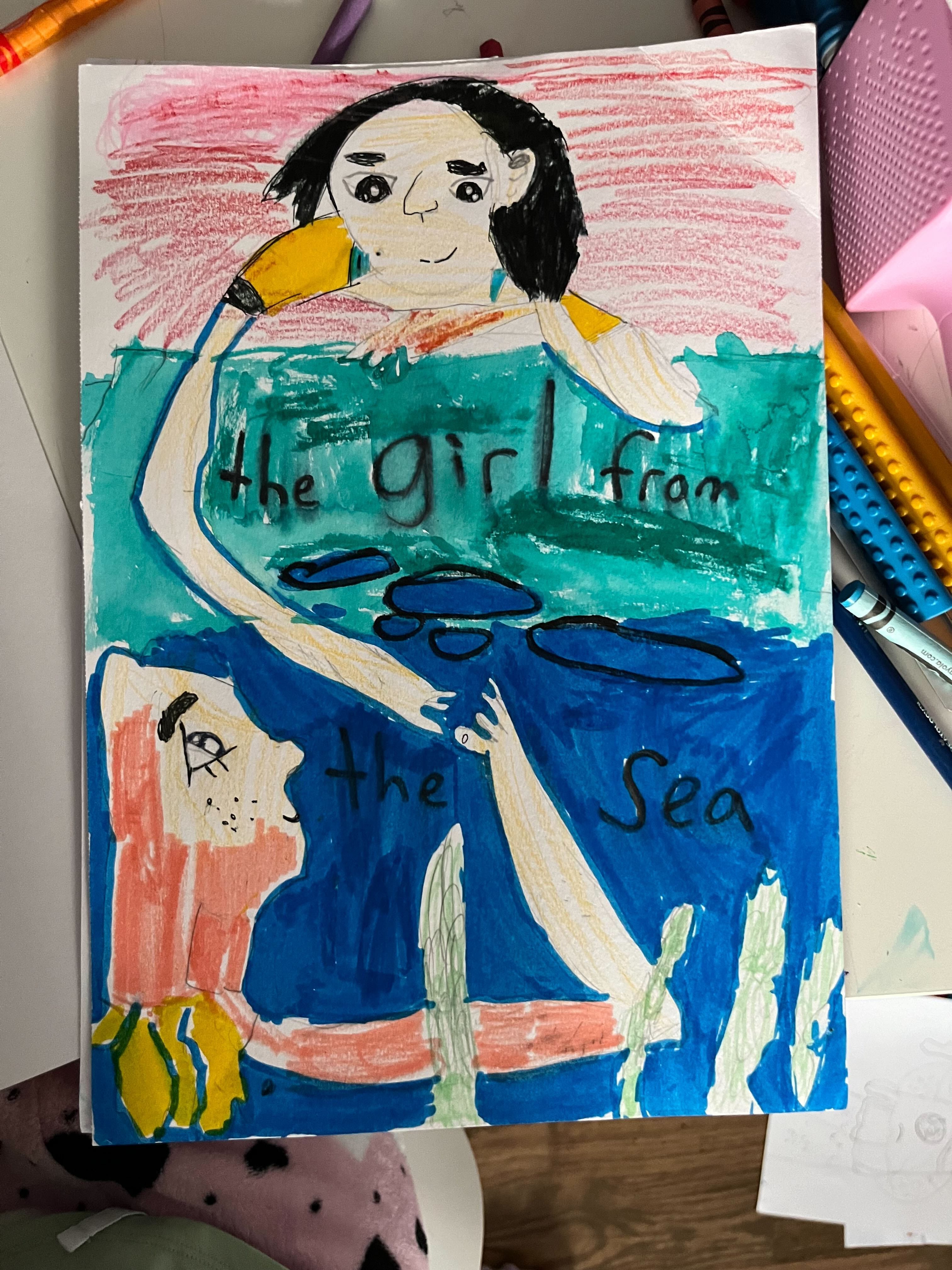
BL: Books, art, and watching my daughter notice things I've stopped seeing. I also started golfing; I'm terrible at it, which is exactly the point. It's good for her to see me struggle with something new, to see that learning means being bad at something first.
Retro or futuristic?
BL: Retro, without question. Look at vinyl sales! They're higher than they've ever been in history. My students at Princeton shoot with Polaroids and film cameras despite having incredible technology in their pockets. We're craving physical things again because they worked for a reason. Not everything needs to be reinvented.
Take 10 minutes:
Write the first line of that idea you've been carrying around
Sketch it if it's visual
Print it out and show it to someone
Put it somewhere you'll see it every day
Answers in bold 😁
New York or Berlin or Both • Analog or Paper plans • Most exciting plan? Children’s book • Favorite artist? Oliver Jeffers • Product Tinkerer or Product Launcher • Muse or method • Start early or wait • Hidden obsession? Pizza • Key design trait? Form follows emotion • Design pet peeve? Wrong apostrophes & boring UI • Creativity or tech? They fuel each other.
Follow his journey here.
Who’s next? Reply and tell us who you'd like to hear from.
No posts
Comments
Nothing yet. Say the first thing.
Sign in to join the conversation.