
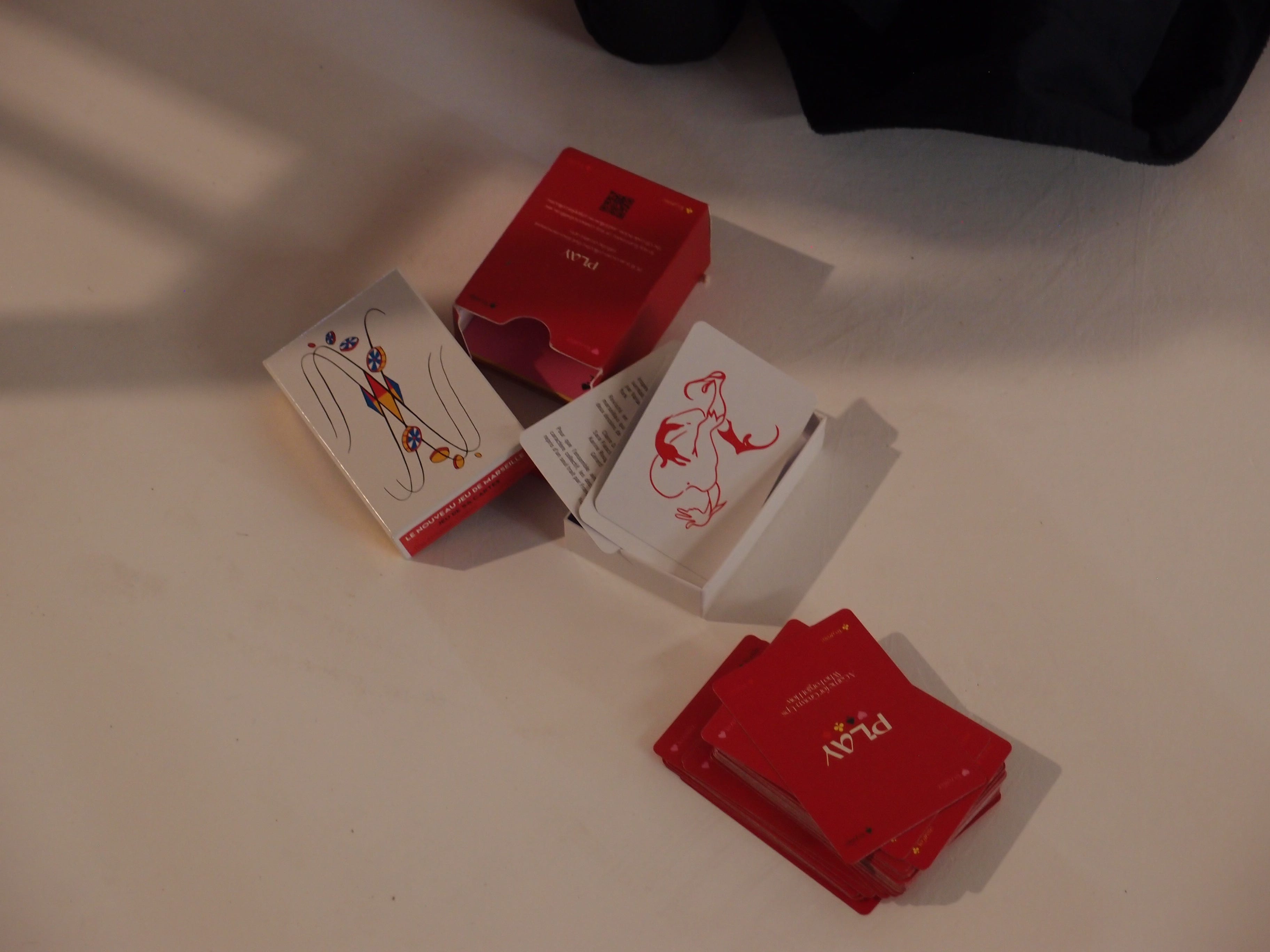
How do you play? I wish we asked each other this question more. In this world of screens, optimisation, work and productivity, I often find myself measuring my output even when I’m resting. When creative outlets become side hustles, we find ourselves spending more time thinking about what the audience wants to see. When movement becomes a part of our regular “self-care” routine, we find ourselves counting our steps, waiting for the count to hit ten thousand before flopping down on the couch for the rest of the day, ready to go again tomorrow.
But there’s beauty in the process. We overlook that in favour of productivity and output, missing out on the play that exists within these forms of expression in the first place. It’s a known fact that children play to explore, and exploration leads to discovery - of the self, of the world around them. It’s always been that simple. We learn best when we are able to feel. And in our current world, what feels more radical than play? A way of saying, what happens if I did something - just for the fun of it?
Dr Stuart Brown coined the “8 play personalities” for this reason. He refers to the style of “play” we resort to by nature. Brown states that most people have one dominant play personality type, and 1 or 2 minor types. Knowing this can help guide you toward activities that feel genuinely fulfilling - and especially in adulthood, we all know we need more of that!
Secret stamp collection? Flea market fiend? If you’re the type of person who loves collecting things, experiences, or information, you probably find joy in the methodical process of collection rather than the collections themselves. The Collector is triggered into their most authentic state of play through this process.
Competitors achieve euphoria by participating, and winning. The Competitor is usually the life of the party in social groups, and love games where they can keep score. The Competitor finds their state of “play” when they are able to win games that come with a specific set of rules.
The creator finds joy in making things, regardless of whether they share their creations with the world. The urge to find out more, to test their own boundaries, to be curious about the way things work—this is what drives the creator. It doesn’t just refer to art, but could also be someone who enjoys taking things apart and putting them back together.
Directors find their sense of “play” through planning. These play personalities may not be conscious of it, but they love the process of an idea coming to life from planning to execution. Directors find fulfilment in being able to ‘make things happen’—they are born organisers, and the core of their social circles. If you’re the one always putting holiday plans together in the group chat, this might just be you.
Filled with an innate sense of wonder, curiosity, and the inability to stay in one place for long—the explorer finds their ultimate ‘play state’ in imagination. The Explorer may find their ‘play’ through travel, discovering new music, or new ways of living and seeing the world.
The Joker loves to make people laugh, and find their ‘play’ through bringing joy to those around them. These class clown types are earnest, and probably the most earnest of the bunch. Think about when we were children, and found laughter in the smallest of things. That’s the feeling that the joker still holds central to their state of play.
The Kinesthete finds a state of ‘play’ and clarity through movement—whether that’s dance, swimming, yoga, walking. These play personalities find a sense of accomplishment by pushing their bodies and feeling the result. Different from the competitor, these personalities find fulfilment in the process and what it brings, rather than that sense of competition. To them, movement is a gateway to something else—a sense of joy.
The storyteller centres imagination at the heart of their play. They chase excitement, development, and the rises and falls of a narrative arc—turning each mundane activity into something exciting.
These play personalities find joy in engaging with the emotions, thoughts, and inner workings of the characters in any given story. Where the explorer is in pursuit of new knowledge, the storyteller is there for the exciting ride along the way.
No posts
Comments
Nothing yet. Say the first thing.
Sign in to join the conversation.