
Written by Catalina Aguilar-Rosenthal. Edited by Aja Frost and Aliza Sir.
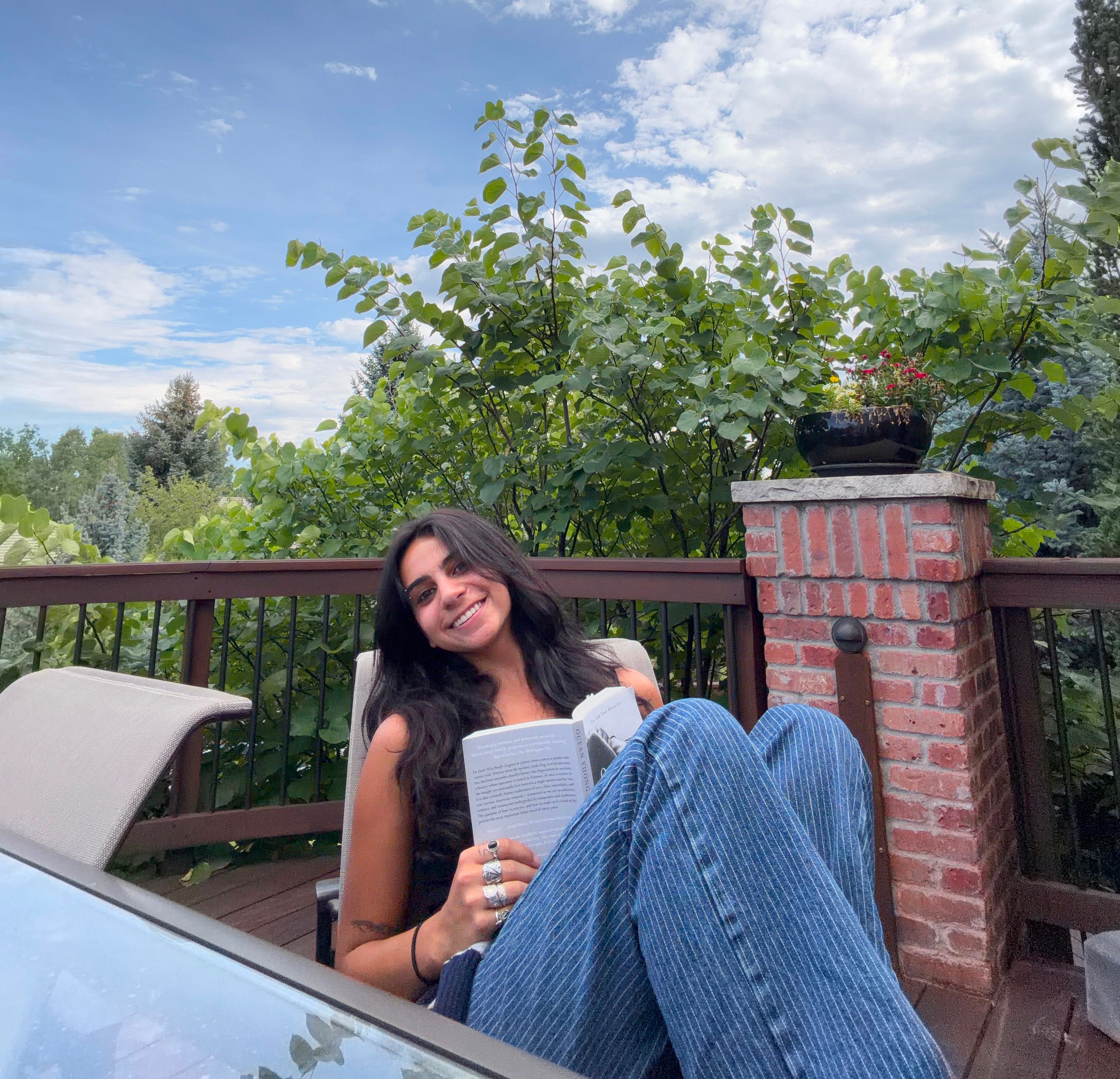
When I told Aja and Aliza that my favorite book is Crime and Punishment, they gasped. As an English major at Northeastern (and Platonic Love’s newest intern!), I guess I fit the stereotype: I love the classics.
Classics have an intimidating reputation. And I get it. I used to think of them like homework — from annotating every page to trying to figure out what every color or bird “meant.”
But the more time I’ve spent with the classics, the more I’ve realized they’re not riddles to be solved. They’re stories about people. These books are surprisingly funny, emotional, or relatable — sometimes all of the above. If you’ve been wanting to read more classics, but don’t know where to start, here are ten of my favorites.
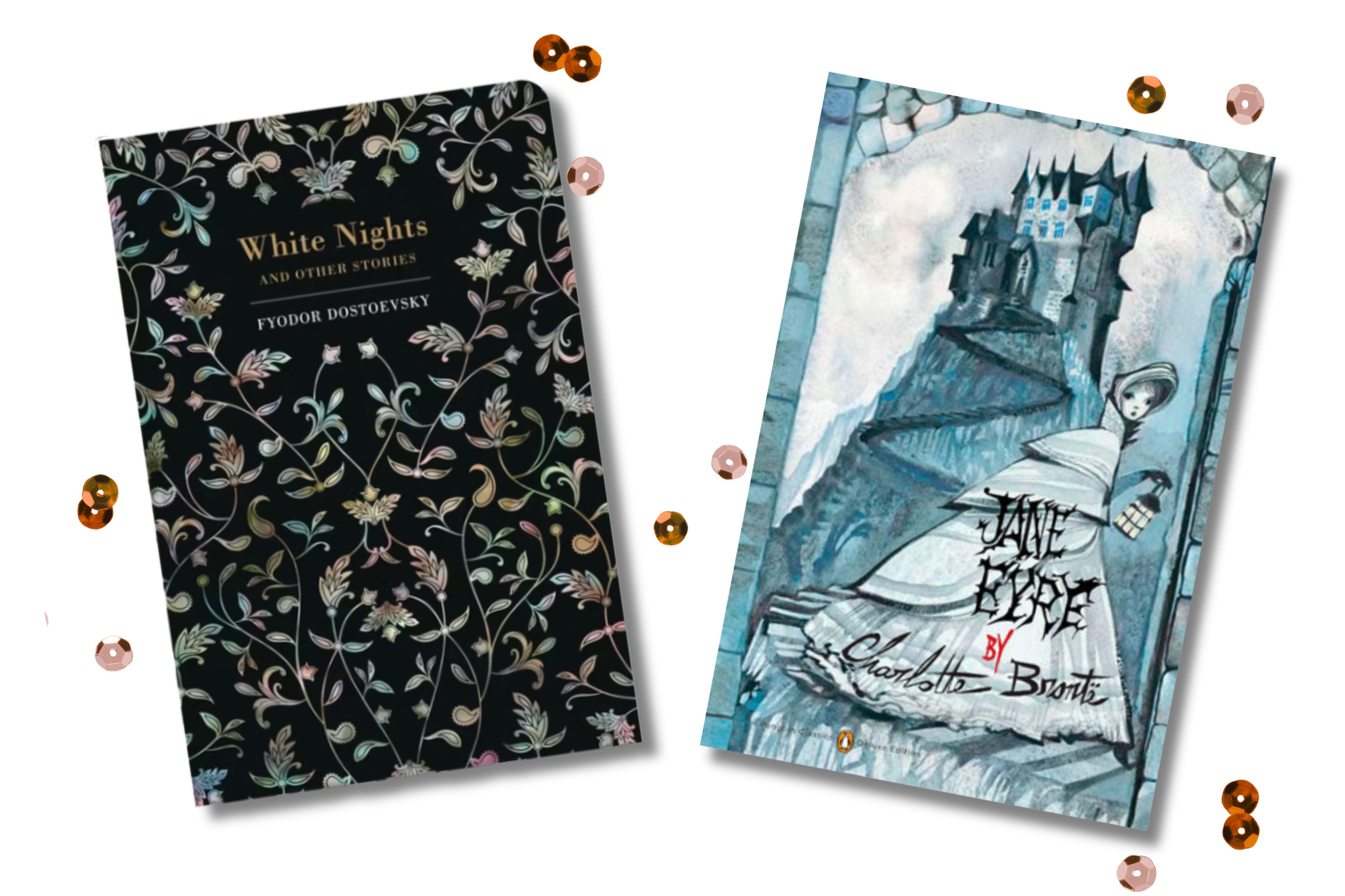
White Nights by Fyodor Dostoevsky
This novella — just 80 pages — is a great pick for anyone who’s into unrequited love. It’s lonely, romantic, and devastating all at once. And it reminded me that sometimes we fall in love with the version of a person who exists only in our heads.
Dostoevsky writes the same way I talk to myself: he rambles, overanalyzes, spirals, and sometimes contradicts what he’s said before. (Aja: Relatable.) This is a great entry point to his meatier books like Crime and Punishment or The Brothers Karamazov.
Jane Eyre by Charlotte Brontë
If Wuthering Heights sounds intriguing (especially after Emerald Fennell’s take), I’d actually start with Jane Eyre (by, yes, Emily Brontë’s sister!) It’s got all the fun gothic elements, from creepy mansions and eerie mysteries to romance, but unlike WH, its protagonist is impossible not to root for. Despite being written in the 1800s, Jane is far from a passive heroine: She stands up for herself and talks back to men in positions of power. Her character feels shockingly modern.
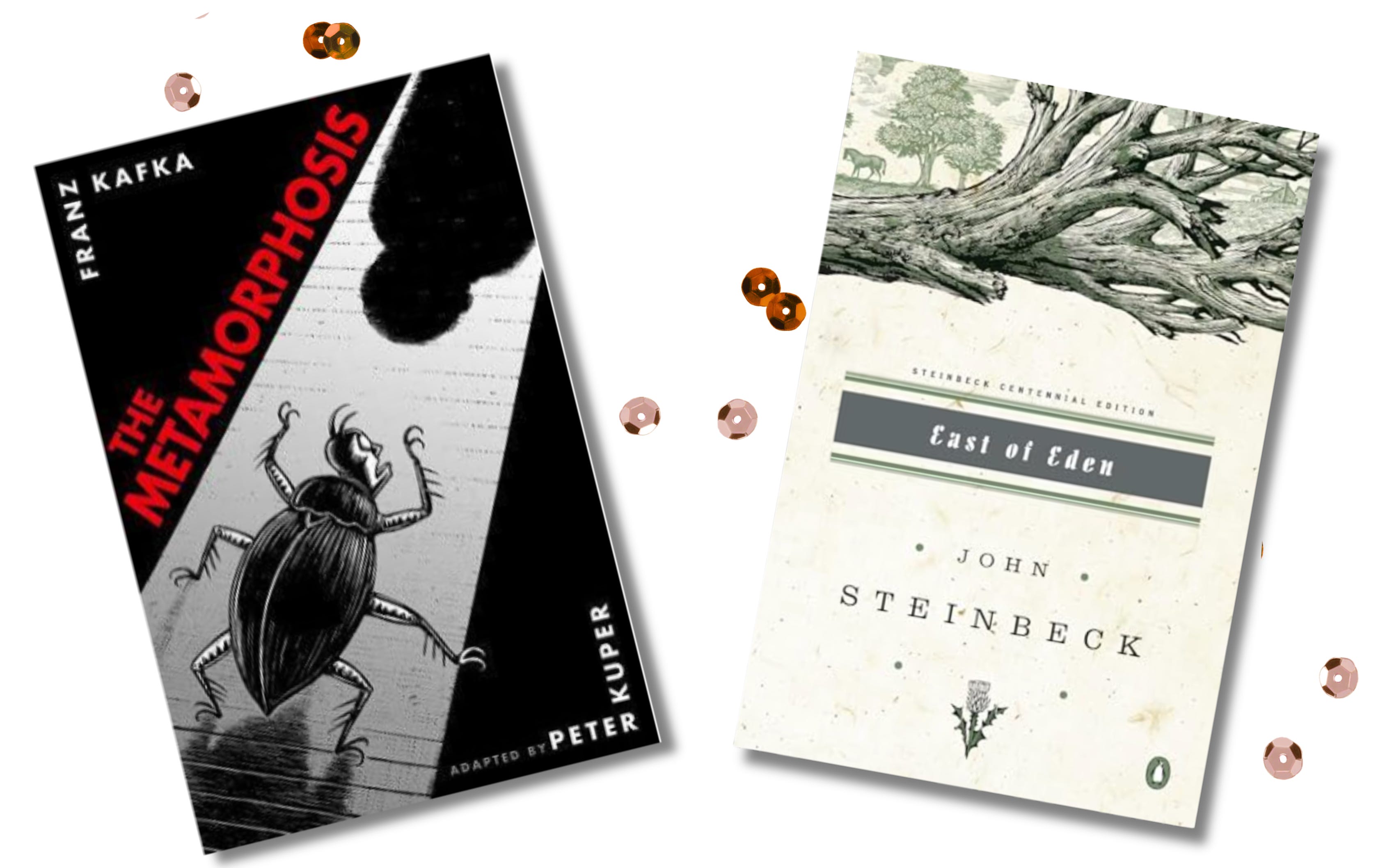
The Metamorphosis by Franz Kafka
On the surface, this novella is about a traveling salesperson who wakes up to find he has turned into a giant insect. But for me, it’s really about identity and what happens when you’re no longer “useful” (hard for a bug to hold down a job).
The first time I read this, I was skipping class, ignoring my friends, lashing out at my parents, and barely eating. I felt so confused and alienated in my body and scared of burdening my friends and family. I’m in a better place now, but I still think about The Metamorphosis often — it helped me feel less alone at a time I needed that.
East of Eden by John Steinbeck
At 500 pages, East of Eden feels intimidating — but I just finished it after having it on my list for years, and it’s fast-paced and so well-written. The saga follows the Trask and Hamilton families across generations as they live and farm in California’s Salinas Valley, unknowingly recreating the fall of Adam and Eve and the story of Cain and Abel. As a twin with a somewhat complicated relationship with family, I couldn’t help but underline quotes on almost every page. (Aliza: Same! The underlining part, not the twin part.) It’s wild how a good book can seep into your real life.
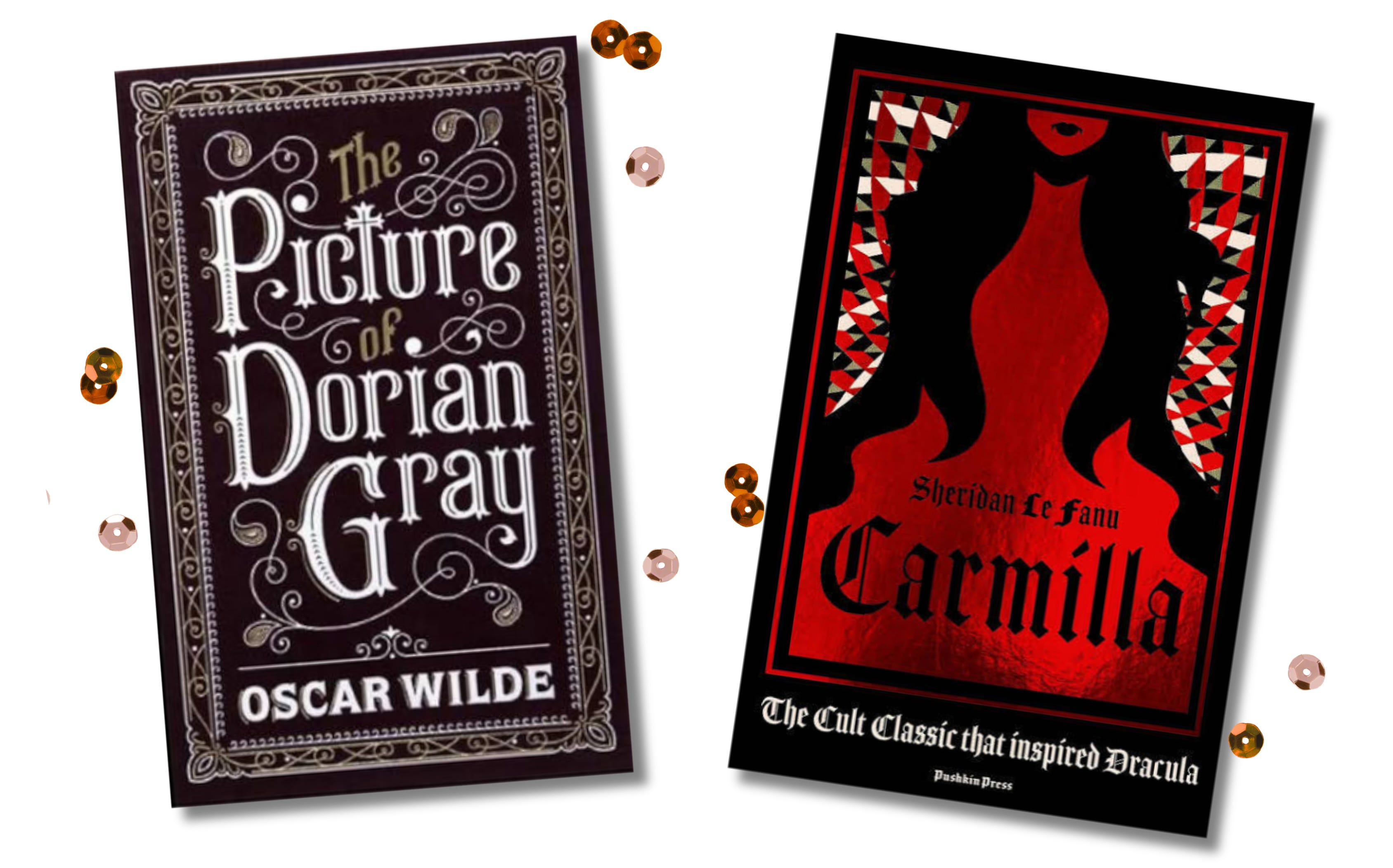
The Picture of Dorian Gray by Oscar Wilde
This is the book that got me hooked on the classics. It’s a story about vanity and beauty, and given how obsessed our culture is with appearances, it still feels very relevant.
Wilde is also incredibly witty. Even though the novel is dark and unsettling, I laughed throughout. If you’re intrigued by questions about art, aesthetics, and the soul, or just want to read a love triangle between three guys, pick this one up.
Carmilla by Joseph Sheridan Le Fanu
In the mood for something a little spooky with romantic tension? (Aja: Always.) This novella is a fun one. Laura is a lonely 19-year-old girl whose life is changed when the mysterious Carmilla arrives at her family’s estate. The two form an intense bond before things start getting weird.
Carmilla was originally intended as a cautionary tale, but it’s been embraced as a queer gothic romance. (Also cool: It’s about 25 years older than Dracula, making it a foundational work of vampire fiction!)
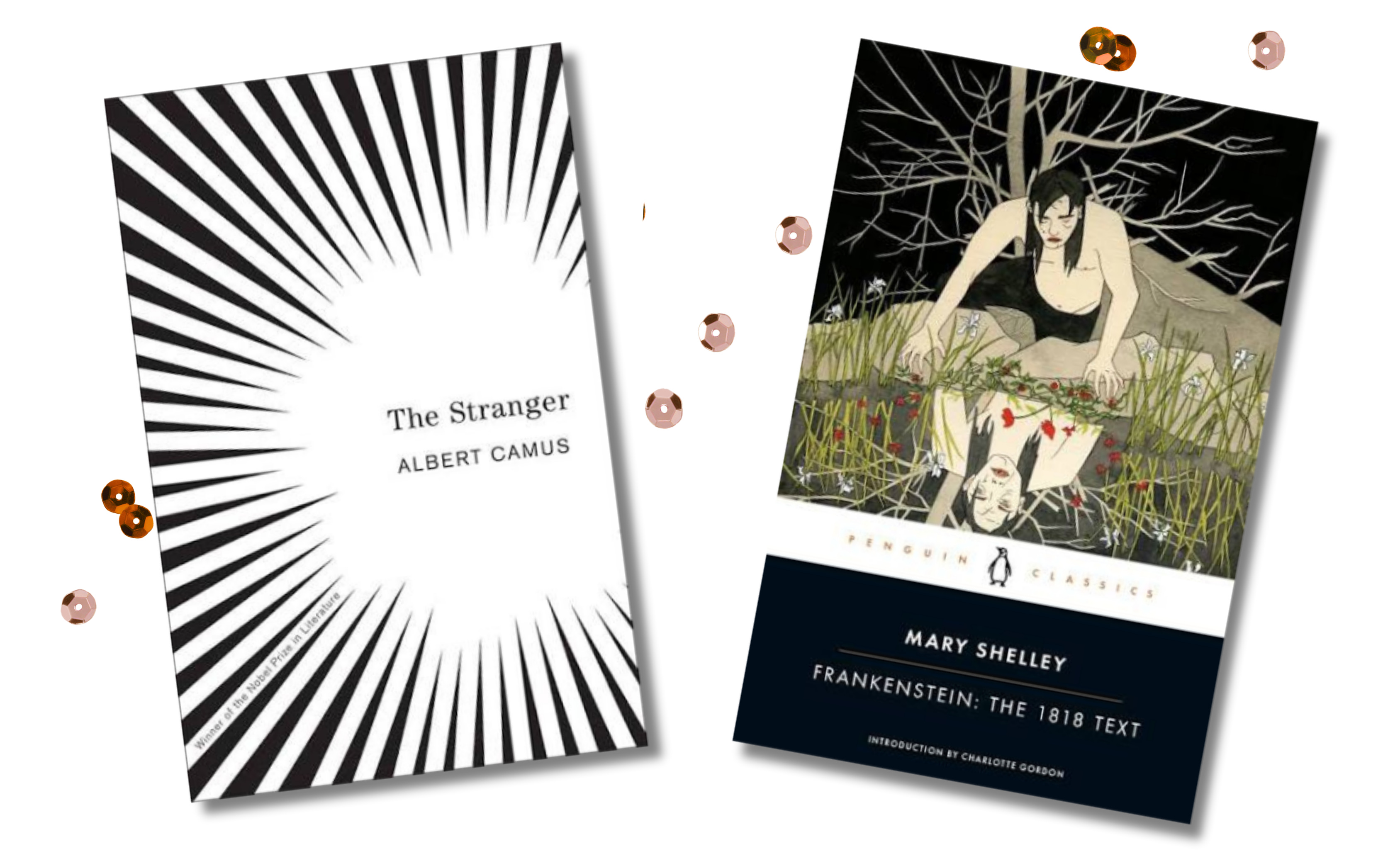
The Stranger by Albert Camus
Camus is one of my favorite authors because he asks these profound questions in an approachable way, so you don’t feel like you’re sitting in a philosophy lecture. The Stranger follows Meursault, a detached man (today we’d call him “nonchalant”) whose mother has recently died. He doesn’t cry at her funeral. From there, you’re left wondering: Is Meursault horrifying? Honest? Or somewhere in between? Read this with someone else; it sparks intense conversations.
Frankenstein by Mary Shelley
You may already know the story, but Victor Frankenstein is a young scientist who builds “The Creature” out of body parts — and then The Creature turns against him. (Don’t worry if you’re not into horror; this novel is more haunting than scary.)
I like that it doesn’t have a clear villain. While Victor is incredibly flawed, I still understood him. The Creature is terrifying at times, but it’s hard not to feel for him, too. He becomes “monstrous” after years of neglect and loneliness — I kept wondering how different the story would have been if someone had just been kind to him. To me, Frankenstein is about what happens when we’re denied love and purpose — which I found way more unsettling than any monster.
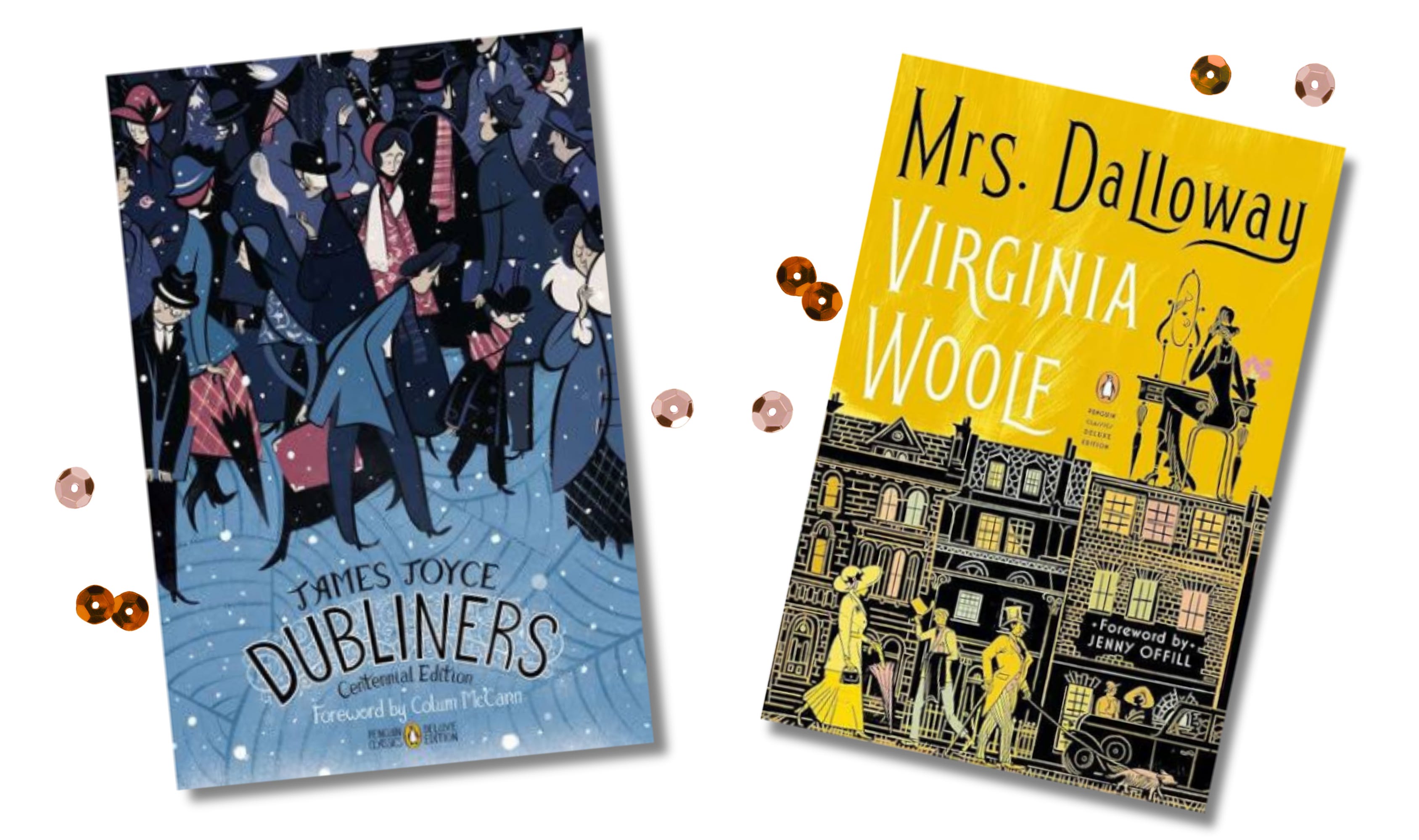
Dubliners by James Joyce
I picked up Dubliners because I wanted a lower-commitment intro to James Joyce than Ulysses or Finnegans Wake — and was so happy I did! Dubliners is composed of 15 loosely connected short stories about ordinary people… and I found myself engrossed in all of them. If you want to dig for the symbolism, you can, but you don’t have to. I simply enjoyed getting these vignettes of people trying to make sense of their lives.
Mrs. Dalloway by Virginia Woolf
This book follows a wealthy London woman through one day in her life in 1923. Like White Nights, it’s written in a stream-of-consciousness style that’s a little disorienting at first. But once I settled in, reading this became smooth and rhythmic.
I’ve always been a little frustrated that no one else could see the world exactly the way I do. In Mrs. Dalloway, Woolf captures both the loneliness and beauty of that truth. Everyone we pass is living vivid, full, and meaningful lives — just like the one we’re living inside our own heads.

What are some of your favorite classics? Or if you’ve always wanted to read one but didn’t know where to start, I’d love to hear that too.
Comments
Nothing yet. Say the first thing.
Sign in to join the conversation.