
✒️ Today’s newsletter features an essay by a member of The Grove. The Grove is a small writing collective I created to work with Anya, Rishab and Jess, three extremely intelligent, thoughtful and learned people in their mid-twenties. These pieces are the result of our reading and writing together over four months.
In a Mapuche community at sunrise, an old man takes his freshly poured maté, the first of the day, out of the house to the usual spot. He pads softly past my bed while the rest of the family is still sleeping. I find him outside gathering wood. Old, gnarled pieces of wild thyme, grey and etched with drought, snag on my jumper as I bend over to pick some up from the sandy earth. In silence, he lights the fire and puts water on to heat over the handmade stove. He pours fresh yerba into the maté gourd and the hot water over the top, and invites me outside to join him.
I stand next to Joel while he speaks in Mapudungun, his native tongue and the language of this land. In the directions of the West, South, North, and East, he offers first a prayer, and then a straw-ful of maté to the earth. The sun is already blazing over the land that we know today as Argentina. Joel’s family has been traveling and living in this part of the earth, Wallmapu, since long before European settlers laid claim to the land and turned his people into state-less refugees – since long before Chile and Argentina existed. Wallmapu stretches across the land between the Pacific to the Atlantic, ending slightly before the continent of South America tapers off and turns to loch and sea. Joel and his family are mapu-che: ‘people of the land.’ Yet, today Argentinians of Italian and Spanish descent tell his people to go ‘back to where they came from.’ They point at lines they drew in the sand, lines that many people have died for, lines that the wind will blow over in a couple of years or centuries. Regardless of ‘who’ the land ‘belongs’ to, the dry, clear air has begun to heat the vibrant blue sky which reaches down to us, though it cannot be much later than 7am.
Inside by the stove, we perch on worn, comfortable chairs and he begins to speak more freely. First, we express gratitude, he tells me. For the sun, for the water that flows down from the mountains and up from the earth. For the health of our families and friends, for the health of our animals. After that, we pray. For good weather, for the health of our families and our animals.
Joel is speaking to God, to spirits, to the earth. Not every Mapuche person does this; he learned the practice from his grandfather. He and a couple of his brothers would always follow his grandfather out in the mornings for the ritual, and listen while he spoke, Joel told me with a smile. I heard about this method of speaking to the more-than-human from many of the families that I stayed with towards the end of the three months I spent living in the community. First, you give thanks. Then you pray. You ask for what you want; typically, for some kind of care.
On my first day in the community that was to be my home for the next three months, Camila, who would become one of my closest friends, offered for me to join her to turn off the water supply. There are natural aquifers under the community, she told me, 30m deep. This water is what allows us to be here. The government came and helped us install pipes so that we could access it and share it amongst ourselves. I followed her out from the community salon, where a visiting engineer was delivering a workshop to the community on how solar panels work and how to install them. The wind cut through my clothes in the clear air, the final chills of winter clinging to the shrubby sand-scape of the community. I was disappointed to realise we’d be driving – more so when we only drove for 30 seconds to the first well, making this a seemingly unnecessary use of fossil fuels. Driving will enable us to not miss too much of the meeting I thought, trying to justify this seemingly careless action to myself. We continued further up the hill to the next lever, which would divert the water flow. A bit more of a walk, I suppose, but isn’t that a part of living in the countryside?
My first day in an indigenous community and already I was judging them — “unnecessary”, “careless”. Without even realising it, I was silently and harshly contributing to the narrative of the Mapuche that settlers all over the country have. This was a horrible realisation to grapple with. I am here to learn from and about these people, to write for and with them at a pivotal moment in their history as they develop the first community-owned solar farm in South America. Instead, I found myself watching the amount of ultra-processed foods they eat with increasing concern, sitting at the table in silence looking at air while people played games on their phones or watched TikTok. Gradually, the judgement began to fade and understanding set in.
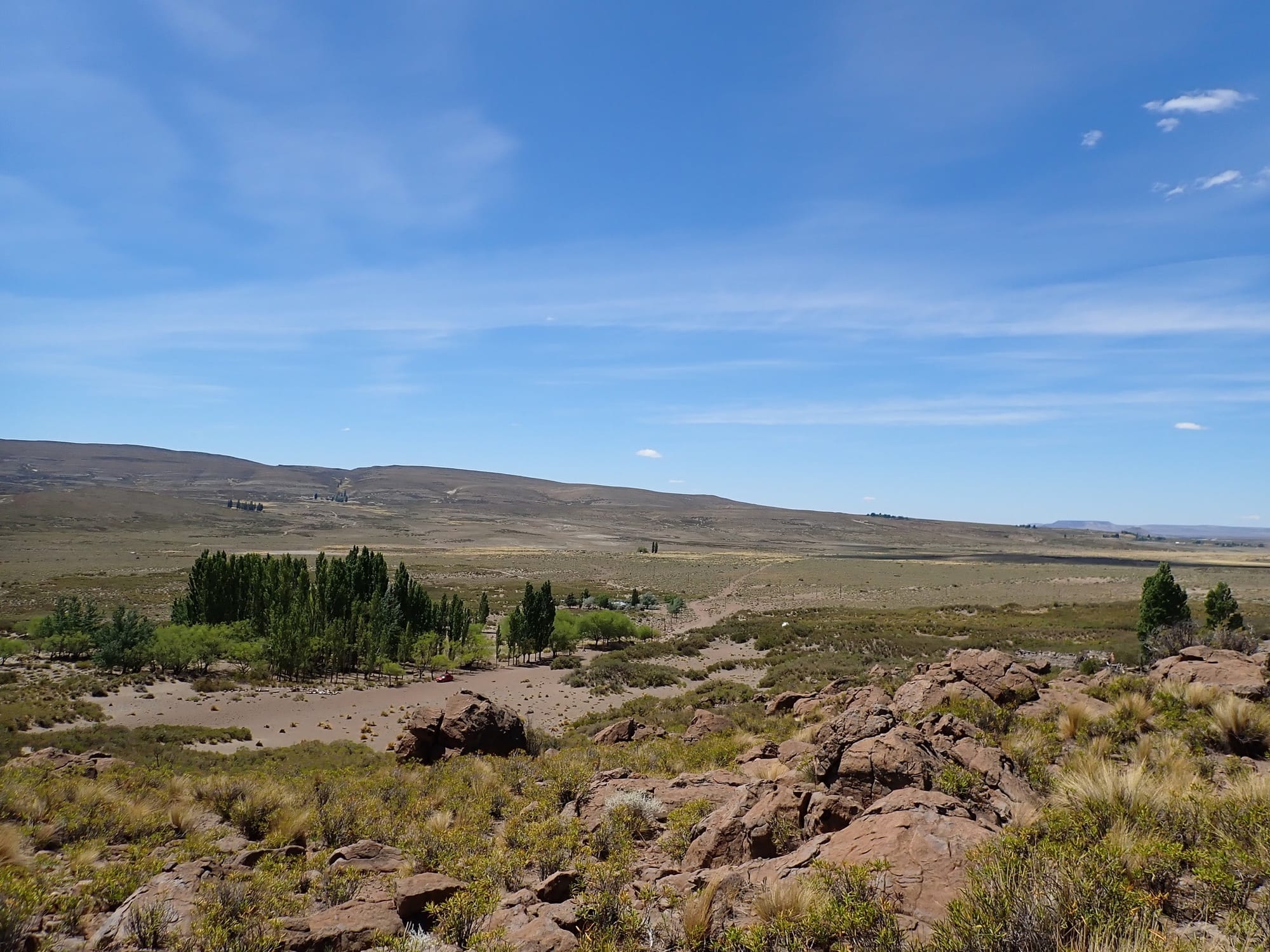
In the community, people would leave their cars running for 30 minutes while they went in to have a chat with a friend; they would leave gas running on the stove, flames flickering to heat nothing but the air above them; they would keep the TV on for hours, seemingly aware of it only when a ‘standby: automatic power down’ sign would come up, at which point they would pick up the remote to keep it on. More than once I saw a couple of people throw trash on the ground or out the window while they walked or drove.
At this point in my stay I still had not witnessed a prayer ritual, an active practice of gratitude toward the land and life that I experienced with people like Joel. I did not yet know how to look for relationships between the Mapuche and their land. All I could do was compare it to myself: many of the Mapuche people I lived with did not care for the earth in the way that I have learned to care for it. The litter, the constant leakages of those government-installed water pipes, the seeming insistence on leaving things running – all of these things felt wrong to me, like a maltreatment of the earth and her gifts to us. Yet, over time I began to notice a cultural division between how they engaged with the practices and materials brought on by modernisation, and with those from their traditional culture.
The Mapuche never waste, Clemente, a grandfather, told me over dinner one night. The Patagonian plateau is harsh and unforgiving, and it is hard to scrape together enough for family members to ensure and ease each other’s lives. When the Mapuche kill one of their livestock, the word that they use is sacrificar: to sacrifice. An elder will come out with a couple of their children or grandchildren (rarely daughters, though it happens occasionally), until they are old and experienced enough to do it themselves, and choose a goat. Dogs, children and parents will keep the herd together while someone grabs the animal. They sharpen the blade, kill the animal quickly; sharpen the blade, cut down its front and separate the hide from the skin while being careful not to get blood on the wool; sharpen the blade, hang it up and open it, saving the blood and organs to eat; sharpen the blade, separate the part of the carcass that they will eat that day and leave the rest to begin drying; sharpen the blade, so it is clean and dry for next time.
This entire process is embedded with acts of care, from the cross-generational mentoring to the selection of the animal, from the family members who are inside prepping the spice mixes to the maintenance of the tool. And every part of the animal has a use: to feed the parents, kids and dogs who work together to shepherd the animals and could not live without the other; to provide leather for shoes, roofs, or horsemanship tools; to provide skins for blankets and horse saddles. Mapuche people suffered from hunger and cold, certainly. But ‘the Mapuche never waste’ not to be sustainable nor only from necessity, but because of the respect that they have for whatever it is they consume or use, an understanding of their dependence on it, a gratitude for its use. They take only what they need; they throw nothing away.
While the Mapuche waste energy - leaving TVs, stoves and cars running - they are exceptionally careful with the natural resources that they use to survive. They take great care with the animals that they tend to, with each other, and with the non-breathing environment which surrounds them. I found this care and respect as much amongst community elders as I did with children. While staying in one particular family, I would go with the ten-year-old in the mornings to feed an orphan calf milk from a two litre glass coke bottle with a little plastic teat on it. He would giggle as the calf suckled the teat voraciously, and prepare himself for a speedy exit as the bottle began to empty, since the calf would try to suckle his black jacket if he stayed any longer. With the four-year-old, we would climb the fence to check on the orphan lambs, her crying out that they would be ok because she loved them. I once watched the two boys play a fighting game and stop abruptly when they realised they’d accidentally shifted from sand to grass and didn’t want to risk destroying the vegetation. Everyone in the community, I came to understand, grows up with an understanding that they are surrounded by the things that they need to survive, and there is a deep care and respect that emanates from that.
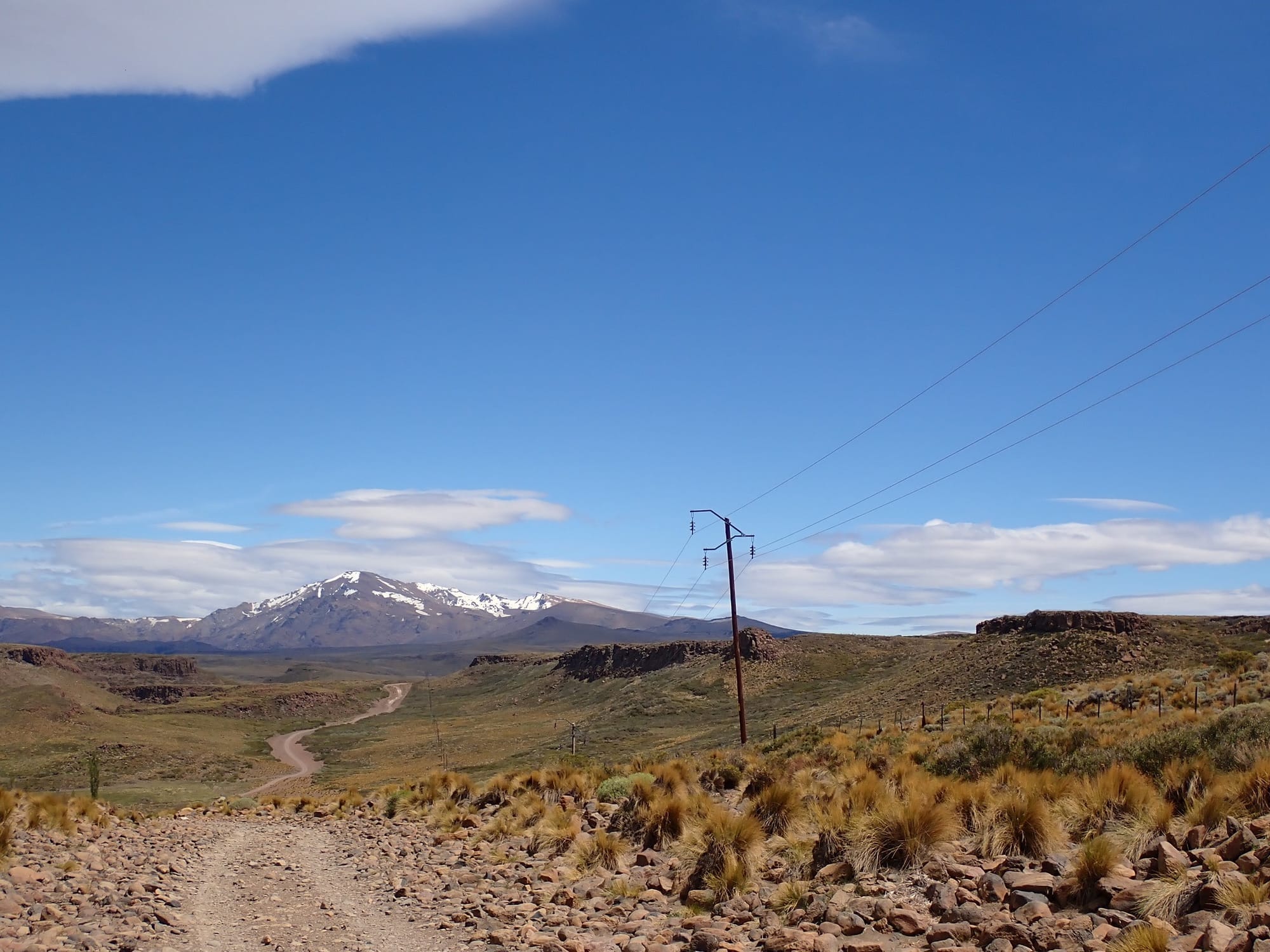
When I first arrived in the community, I struggled to make sense of how this ancient culture with their ancient practices of care and wastelessness could be so—”unsustainable”. That was the word that kept coming to mind. And yet its very presence in my mind highlighted a contradiction at the heart of the sustainability question I had not yet interrogated: Sustainable for who?
Comments
Nothing yet. Say the first thing.
Sign in to join the conversation.