Many teens are turning to AI chatbots for companionship, emotional support and mental health advice. Because teens are still forming their sense of self and often craving social validation, they may be prone to experiencing these simulated relationships as real. Here are tips to help parents set boundaries for safe use.
Here are some research-backed approaches that adults can adopt to work toward creating a family culture of safety – thereby guiding children to make safer choices as they grow.
Current fathers are more actively involved in raising their children than prior generations. This includes talking with their teens about sex and relationships, and research shows that both fathers and teens see benefits to this.
Determining when it’s time for professional help can be hard, because counseling can require a significant commitment of time and money. Therapists offer three criteria to help assess challenging behavior: frequency, duration, and intensity.
Dad jokes can help parents bond with their children, a preprint study finds. The best ones contain puns, a focus on small details and a literal interpretation. Jokes involving family members or pets prove particularly humorous, too.
About 1 in 4 children are beginning to understand deception by the time they turn 10 months old, new research shows. By age 3, they often are adept liars.
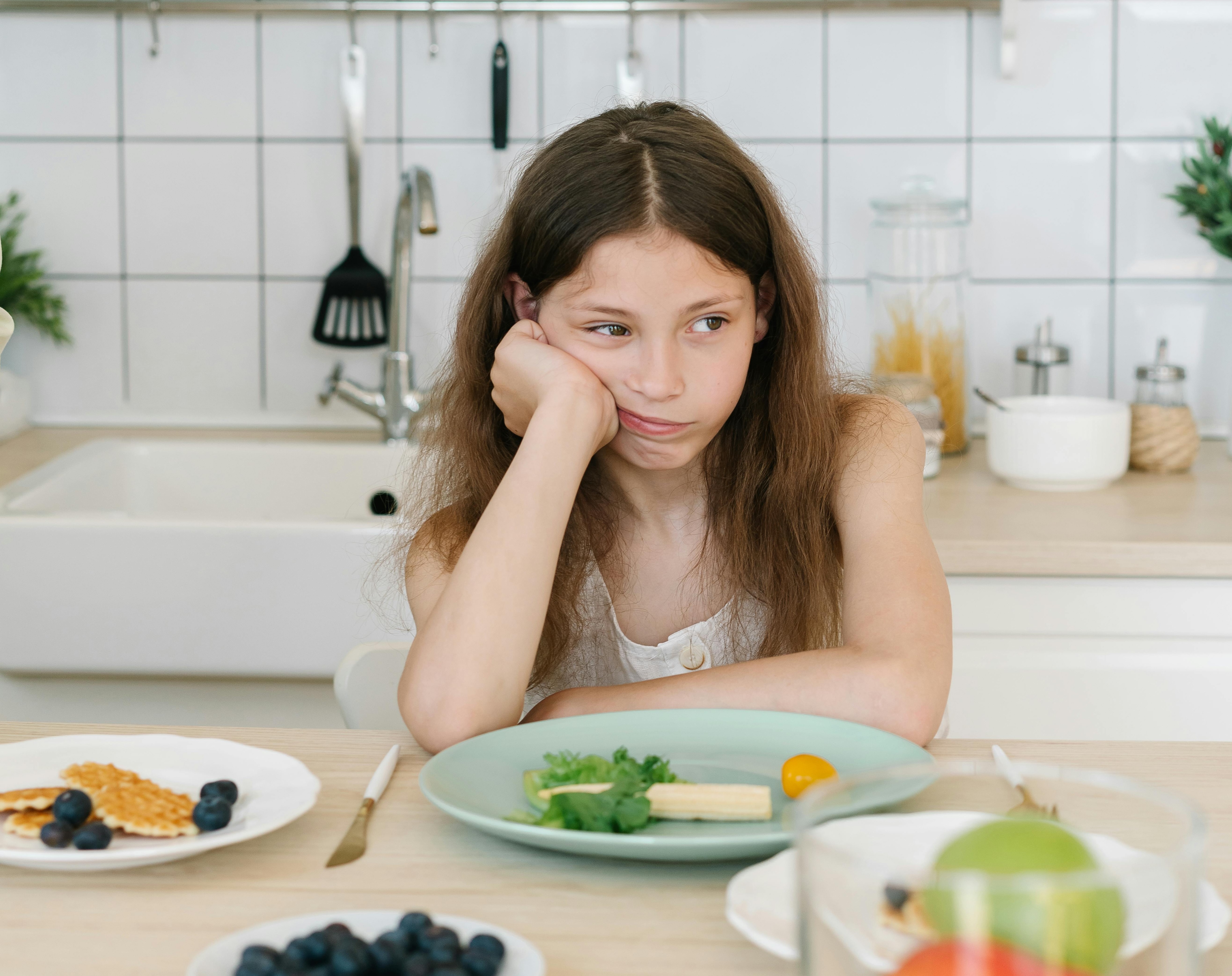
For parents who want to help picky eaters expand their palates, the most important thing they can do is give children repeated opportunities to taste foods without pressuring or coercing them.
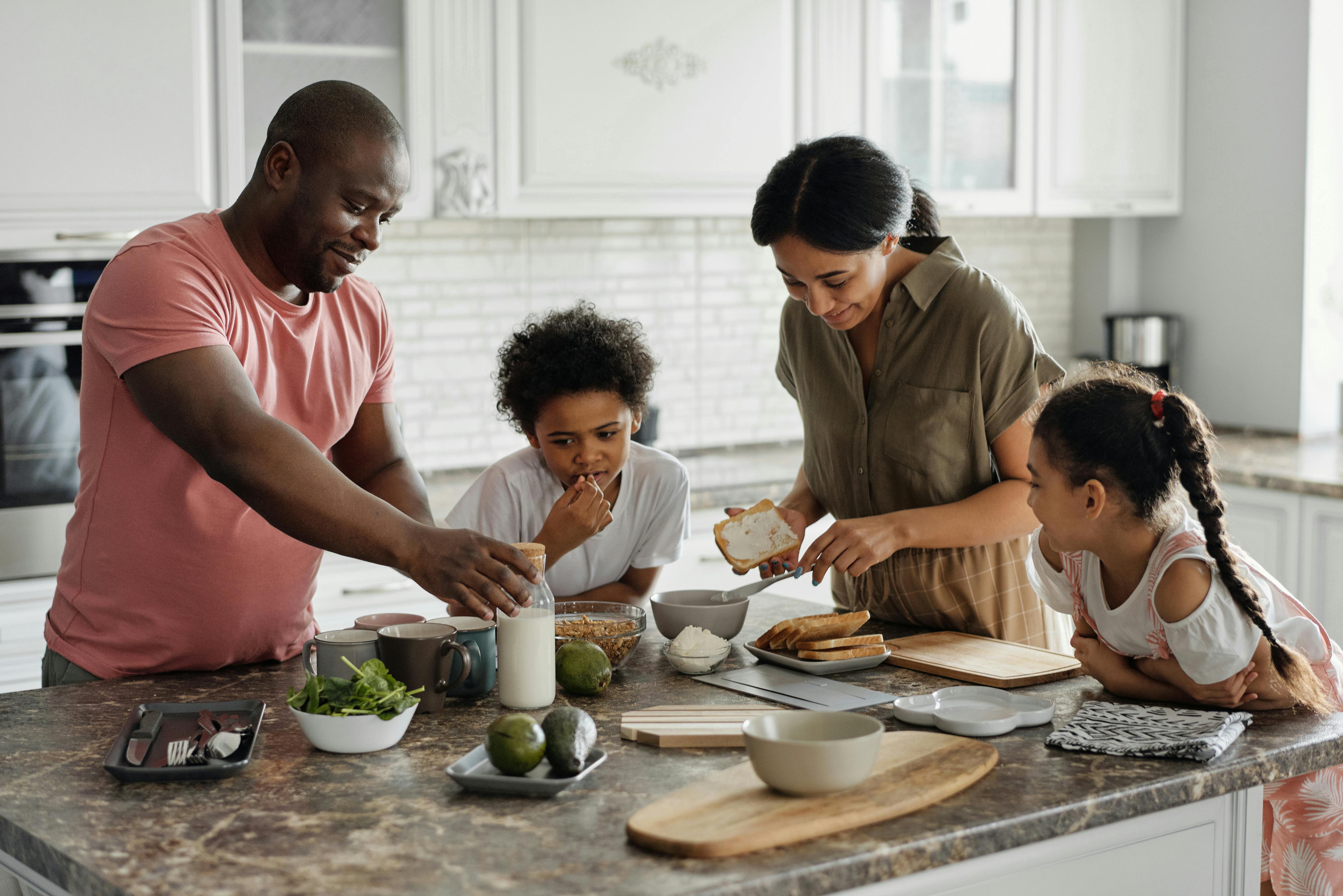
Quality time at family meals helps reduce the risk of adolescents using alcohol or drugs, a new study finds. But there is an exception: the findings did not hold true for children who had experienced significant amounts of adversity.
People test out parenthood by getting dogs and then moving on to having babies, new research from Taiwan suggests. Getting a dog increases the probability of later having a child by 33%, the researchers found. Getting a cat does not increase the likelihood.