
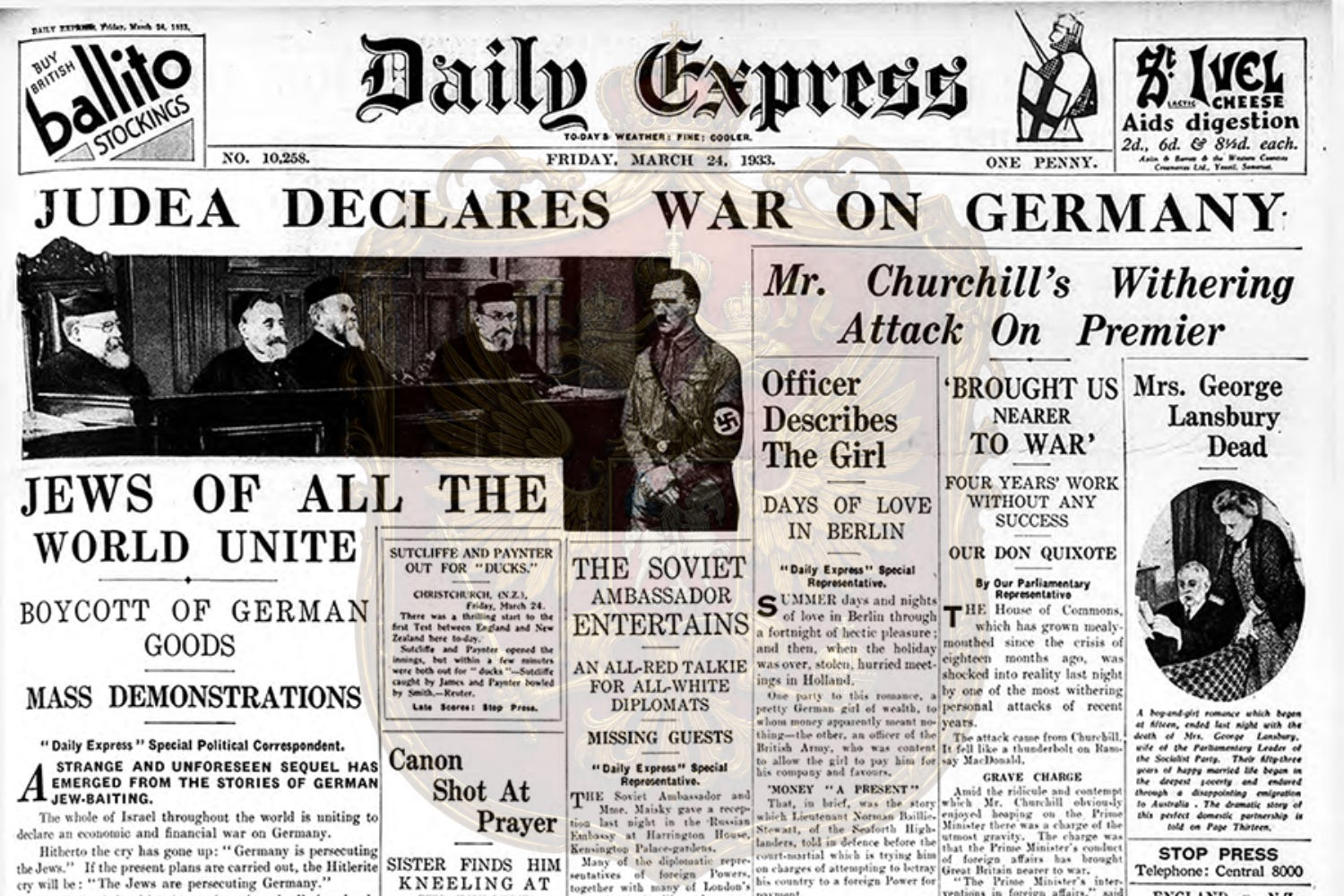
“No king or government goes to war without the support of the Rothschild family.” — Dame Hannah Rothschild, daughter of Jacob Rothschild (4th Baron Rothschild) and head of the Rothschild family dynasty
Every empire leaves behind its monuments.
Every war leaves behind its graves.
But behind both lies another history — the history of those who financed governments, sustained wars, negotiated political settlements, and helped shape the world that emerged afterward.
This is that history.
From the Napoleonic Wars...
...to the Balfour Declaration.
...to World War I.
...to the rise of Nazi Germany.
...to the Zionist-Nazi Haavara Agreement.
...to the creation of the modern State of Israel.
...and finally to present-day Washington.
Along the way stand figures such as Heinrich Brüning, who warned Winston Churchill that “one of the two largest regular contributors to the Nazi Party was the leader of Zionism in Germany,” and T. E. Lawrence, who admitted Britain had broken its promises to the Arabs after using them during World War I.
More than a century later, Congressman Thomas Massie challenged foreign wars, surveillance, and the political influence surrounding Israel and found himself at the center of one of the most expensive congressional primaries in American history.
One financial network.
More than two centuries of wars, diplomacy, and political power.
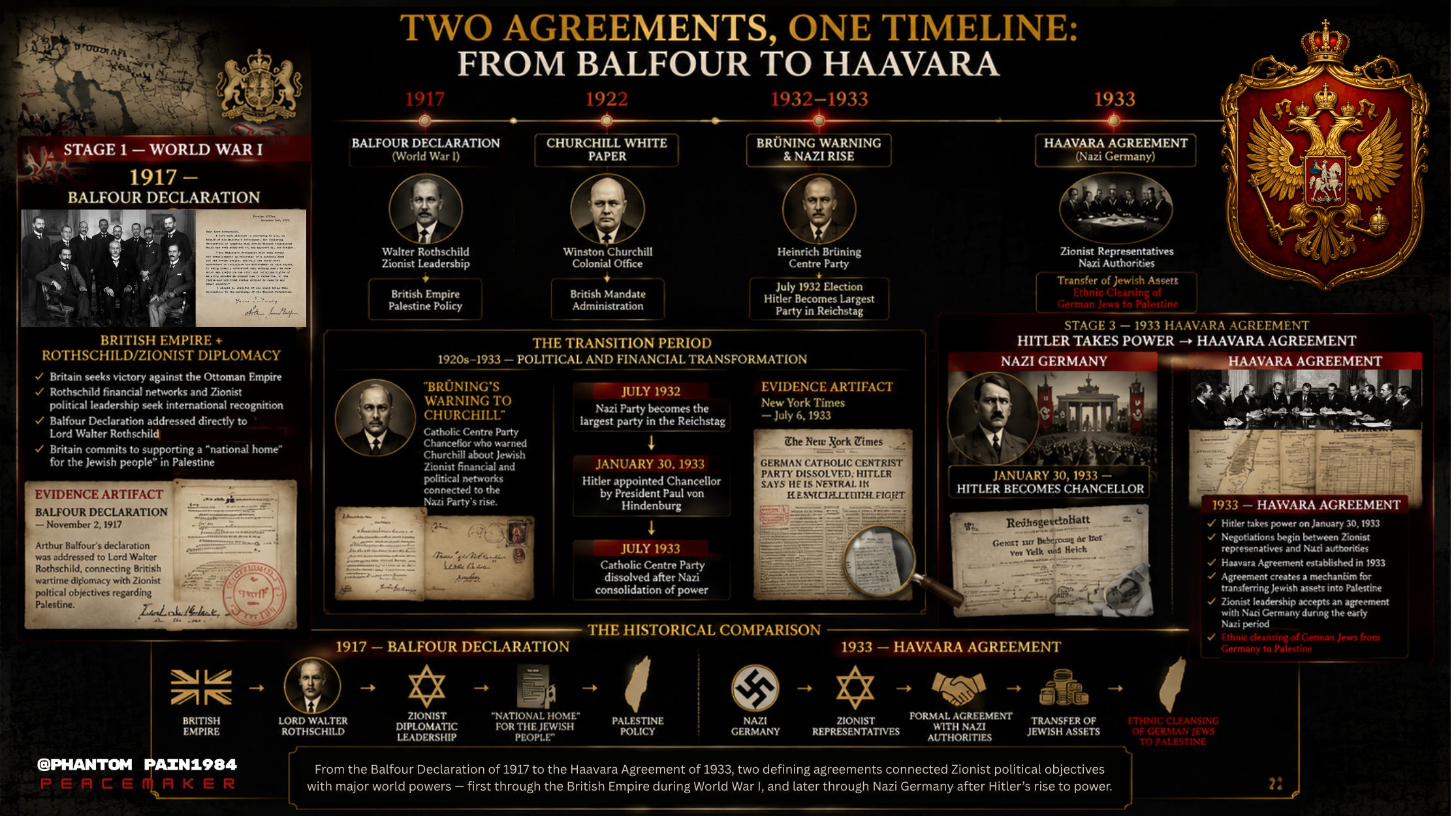
The timeline below traces the historical path from the Balfour Declaration to the Haavara Agreement, connecting the Rothschild and Zionist financial support for the Nazi Party, the collapse of Germany's Catholic Centre Party, and Hitler's rise to power.
They have governments.
They have billion-dollar lobbying machines.
They have media networks, censorship campaigns, and legal pressure.
We have the historical record.
Every paid subscription, gift, or Buy Me a Coffee helps fund the next investigation and preserve these records for future readers.
History survives because someone refuses to let it disappear.
Leave a one-time tip: Buy Me a Coffee
Before we examine the historical evidence surrounding the Rothschild family’s relationship to war, political power, and the creation of the modern State of Israel, we must begin in the present.
Every historical system reveals itself by how it treats those who resist it.
If history teaches us anything, it is this:
What happens to those who try to stop the next war?
Thomas Massie became one of the clearest modern examples.
His defeat was not an ordinary primary loss.
It was a warning operation.
A congressman known for defending constitutional restraint, opposing foreign wars, challenging warrantless surveillance, demanding transparency on the Epstein files, and resisting automatic loyalty to Israel was targeted, flooded with money, subjected to AI-generated smear campaigns, and defeated.
The message was not subtle:
Challenge the war machine, expose the Epstein files, or confront the Israel lobby’s influence in Washington, and the full weight of the political machine will move against you.
Massie represented something increasingly rare in Congress: constitutional independence.
He opposed new foreign wars, challenged warrantless surveillance, demanded transparency on the Epstein files, and confronted Netanyahu, the Israel Lobby, and the pro-Israel campaign to draw the United States into war with Iran.
The response was unprecedented.
More than $32 million poured into the race, making it the most expensive House primary in American history. More than $15 million came from the Republican Jewish Coalition, AIPAC’s United Democracy Project, and other pro-Israel donor organizations.
Massie’s defeat was not just a political loss.
It exposed the machinery protecting America’s permanent war system.
To understand why resisting war carries such a high political cost, we must first understand who has benefited from war throughout modern history.
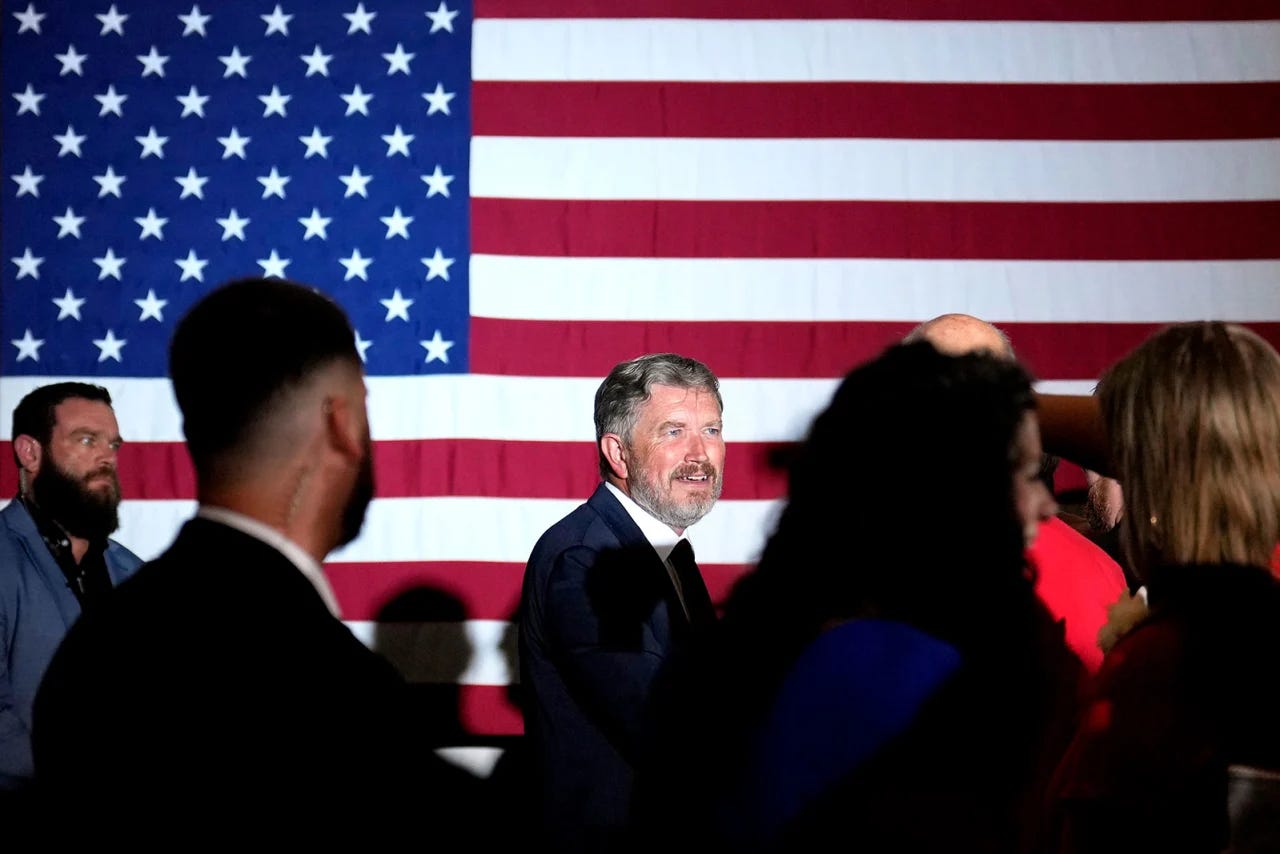
The reason Thomas Massie had to be destroyed is the same reason his defeat matters. He kept forcing into public view the issues both parties wanted buried: endless aid to Israel, support for Israel’s endless wars, the Israeli lobby’s push for surveillance, the neocon Iran war machine, and the Epstein files. Massie represented something almost extinct in Washington: a constitutional Republican who acted as a restraint on executive power, foreign-policy capture, and donor rule. That is why the attack on him was not just a Kentucky primary. It was a message to every member of Congress: question Israel, force Epstein transparency, resist the Israeli war machine, and the Epstein donor class will turn your own district into a political execution chamber.
This is where the Epstein Class enters the frame. In my report “Epstein’s ‘Lolita Express’ Was Never a Mystery,” I documented how Epstein functioned as an Israeli Access Agent inside a world of elite access, Israeli-linked networks in America, Rothschild representation, Israeli intelligence adjacency, and systemic protection.
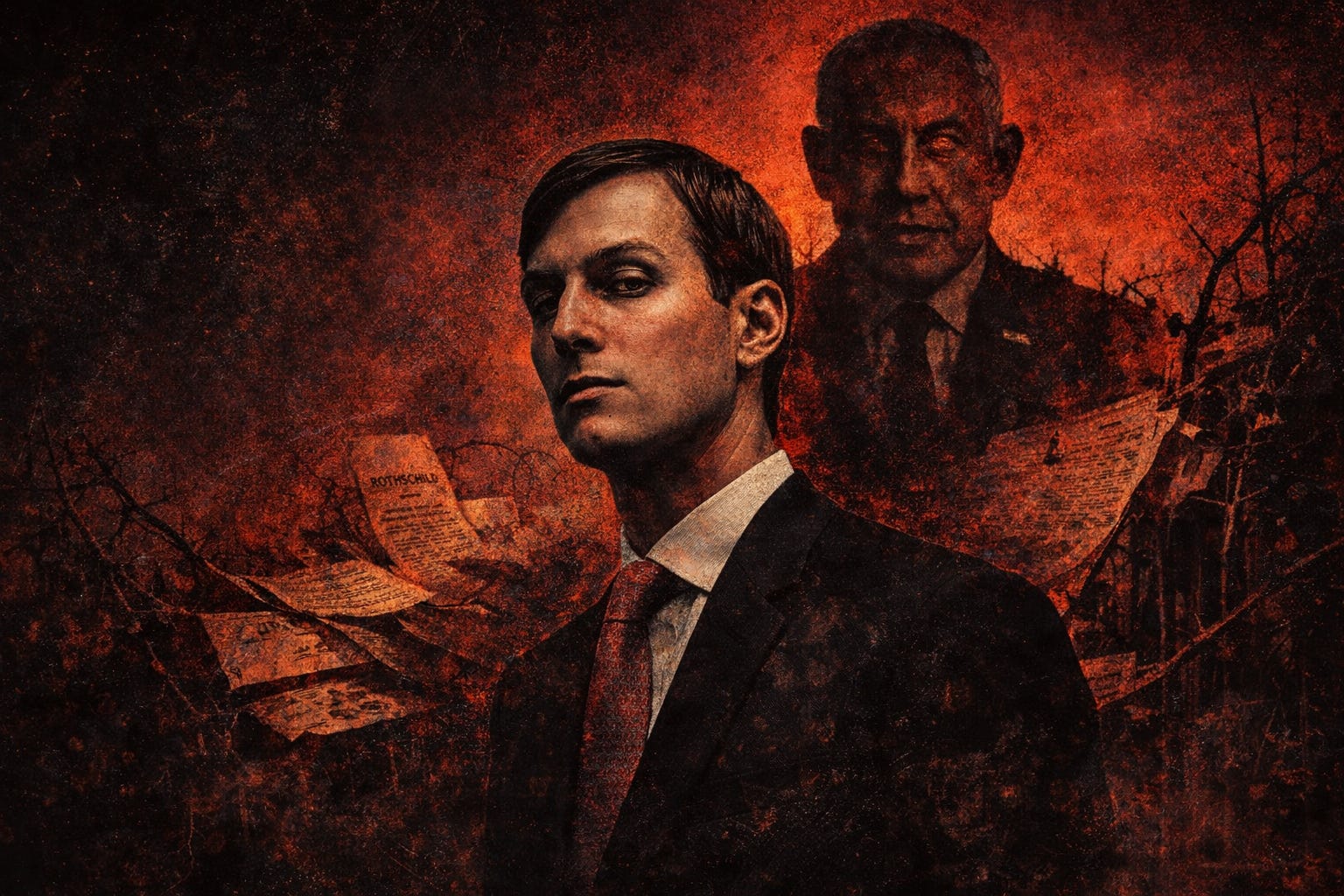
In “Kushner Porn,” I exposed the Israeli foreign-capture pipeline around Jared Kushner: Netanyahu inside the Kushner home, sleeping in Jared’s bedroom; Chabad-linked networks surrounding Kushner and later appearing in the Epstein files through money-laundering structures hidden behind religious charity; and Alan Dershowitz, Kushner’s Harvard mentor, operating as both Epstein’s lawyer and Rothschild counsel. This is how Israeli access moved from family intimacy to executive power — with Kushner later described by the FBI as a “de-facto president.”
Thomas Massie threatened that entire architecture because he helped force the Epstein files into the open — files that damaged the same Zionist pro-Israel donor and influence class now lining up against him.
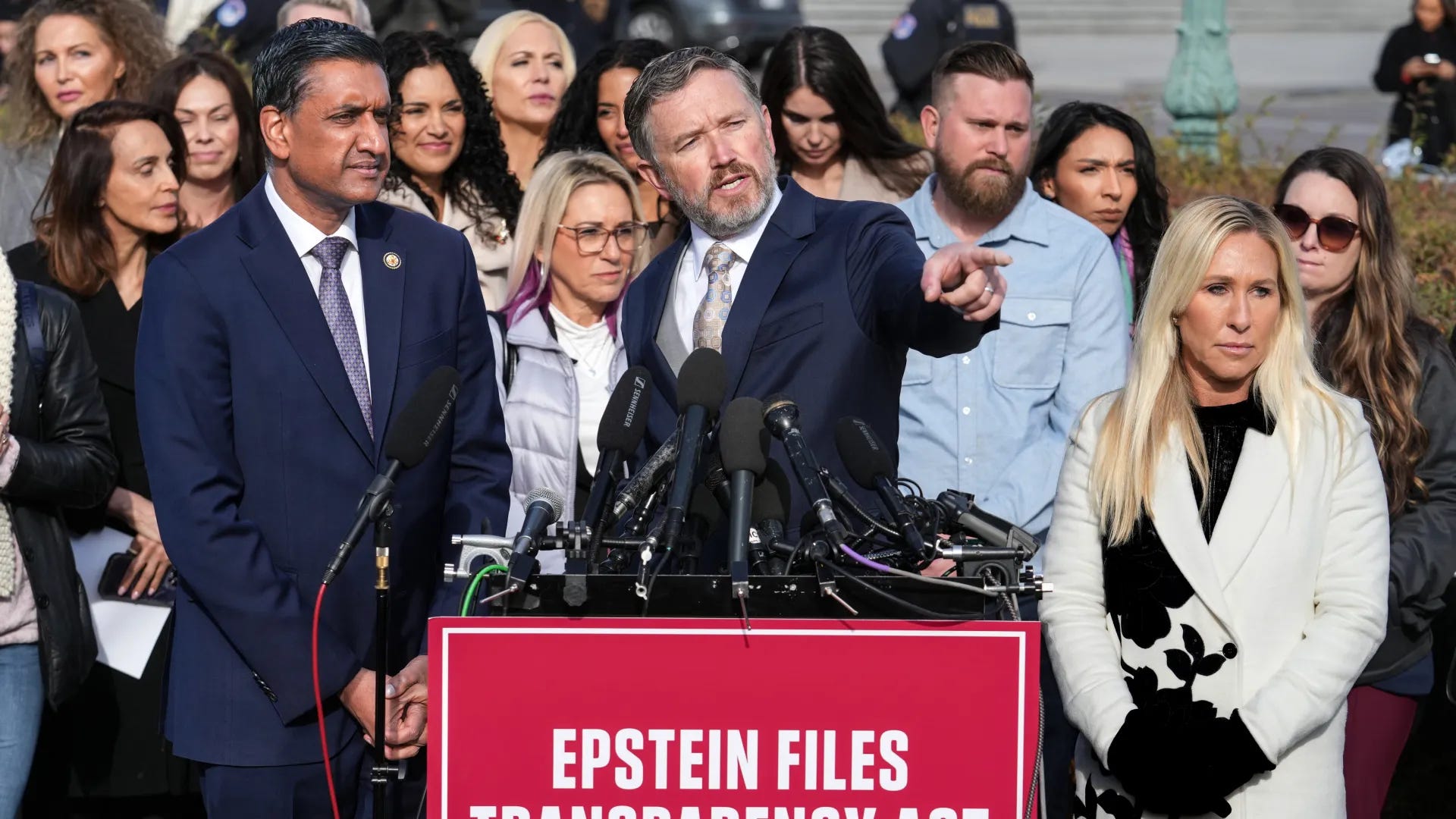
Thomas Massie’s real crime was not disloyalty to America. It was disobedience to the Zionist billionaires and the donor Class: he questioned Israel, forced Epstein back into public view, resisted the Israeli war machine, and reminded Washington that the Constitution still exists.
Only 2% of the Epstein Files reached the public. The remaining 98% is the protected archive. Massie’s push for full disclosure threatened the records Pam Bondi, DOJ, the White House, and the Epstein Class needed buried — and that is why his primary became a containment operation.
Every containment operation needs force. In Kentucky, the force was money.
The Israeli Lobby and Epstein Class donors did not whisper their intentions. They flooded the race. More than $32 million turned Massie’s primary into the most expensive House primary in American history. More than $15 million came from the Republican Jewish Coalition, AIPAC’s United Democracy Project, and Trump-aligned pro-Israel donor structures. The money trail did not hide the motive. It advertised it.
The donor names were the signature: Miriam Adelson, Paul Singer, John Paulson. They were part of the Israeli Lobby / Epstein Class donor layer that moves when Israel’s impunity, Epstein exposure, and constitutional dissent collide. Their money did not simply support a candidate. It turned Massie’s district into a national warning chamber.
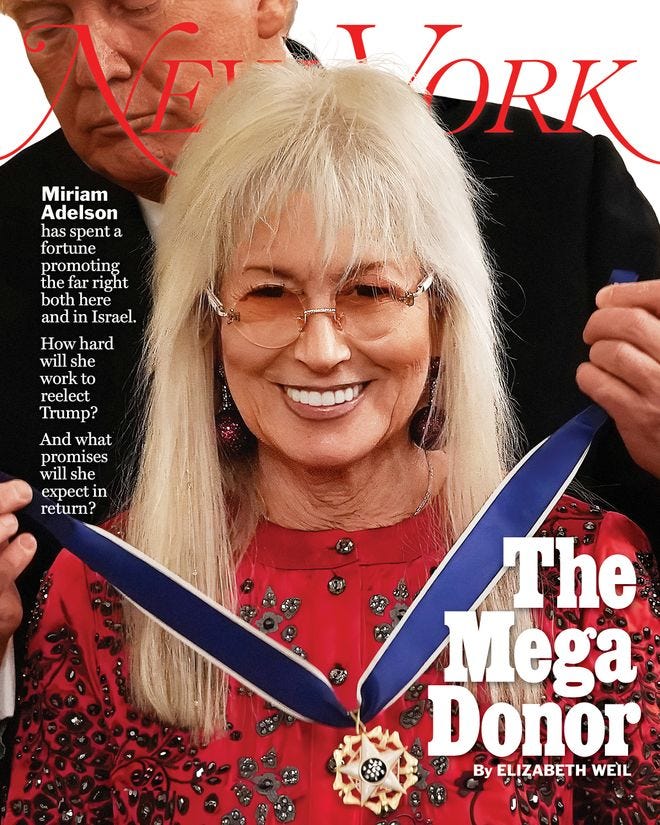
Miriam Adelson represents the Israeli Lobby / Epstein Class donor layer in its purest form: she was born in Tel Aviv in 1945, before Israel existed, inside British Mandate Palestine, and later became one of the most powerful Israeli political buyers inside America. Asked how she buys influence over U.S. politicians, she would not answer: “I want to be truthful and there are so many things I don’t want to talk about.”
Israeli Miriam Adelson money flowed to AIPAC, ZOA, RJC, Trump super PACs, Trump’s inauguration, Birthright, West Bank institutions, and the Republican machinery that made loyalty to Israel a condition of political survival.
Miriam Adelson’s late husband, Sheldon — may he perish in hell — said the quiet part openly: “All we care about is being good Zionists, being good citizens of Israel.”
Then place that beside the NYT report that an Israeli spy sold the Epstein sex tapes to Sheldon Adelson’s aligned operatives. Miriam Adelson’s money helped target Massie. The unanswered question is whether the money came with leverage.
This is how donor power disciplines a republic. It does not debate dissent. It prices dissent. It turns one district into a warning chamber so every other lawmaker understands the cost of disobedience. The point is not only to defeat Massie. It is to make the next Massie afraid to exist.
Miriam Adelson sits at the center of that warning system: an Israeli billionaire whose wealth flowed from a China-linked casino empire, now deployed to shape U.S. elections, punish anti-war Republicans, and buy political obedience in Kentucky. Massie threatened Miriam Adelson’s world because he was forcing open the Epstein Files — the one archive that connects elite access, Israeli espionage, blackmail architecture, donor power, and political protection. Only about 2% has reached the public, yet even that sliver already exposed enough to show why the Epstein Class panicked. The hidden 98% is the reason the donor machine moved.

Paul Singer is the extraction wing of the Israeli Lobby / Epstein Class donor network. His Elliott Management empire does not merely invest; it feeds on sovereign distress.
Venezuela showed the doctrine in sequence: sanction the country, weaken the state, deploy America’s most elite unit to extract the president, then let U.S. courts finish the resource seizure. CITGO was not simply “sold.” It was processed through a court operation overseen by Robert Pincus — a self-declared “proud Zionist” serving on the boards of AIPAC and the Jewish National Fund — who moved the crown jewel toward Paul Singer’s Elliott affiliate, Amber Energy, even after a higher Gold Reserve bid had been favored. That is not neutral law. That is legal choreography around private Zionist capital.
Then that same donor orbit moved against Thomas Massie, who challenged Israel, Epstein secrecy, surveillance, and war powers. The pattern is not hidden: break the country abroad, seize the asset, fund the politicians, and punish the dissenter at home.
The donor machine did not just buy ads. It bought a warning and mailed it to Congress.
The pro-Israel campaign against Thomas Massie extended beyond policy disagreements. One of its most widely circulated advertisements used artificial intelligence to depict Massie in a fabricated “throuple” scene with Alexandria Ocasio-Cortez and Ilhan Omar. Rather than addressing Massie’s positions against Israel endless wars, surveillance, or the release of the Epstein files, the advertisement relied on fabricated imagery, sexual humiliation, and character assassination.
The campaign also drew heavy outside spending from the Israeli lobby and billionaire donors, including Israeli Miriam Adelson and Paul Singer.
The Israeli Lobby’s campaign did not center on persuading Kentucky voters to support Israel. Instead, it relied on a fabricated AI-generated “throuple” advertisement portraying Thomas Massie with Alexandria Ocasio-Cortez and Ilhan Omar. In a Republican primary, portraying Massie alongside two prominent Democratic figures through fabricated AI imagery was a deceptive tactic designed to provoke an emotional reaction rather than a debate over policy.
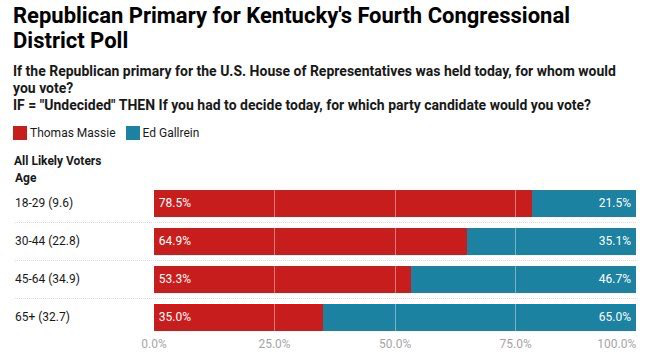
The polling reveals a striking age divide. Massie won every age group under 65 but lost among voters aged 65 and older—the only demographic in which he was defeated. The AI “throuple” advertisement was directed at the same voting bloc that ultimately decided the election.
Following Massie’s defeat, Jewish Zionist John Podhoretz publicly defended the campaign and discussed using Jewish influence and Jewish money against candidates he viewed as antisemitic, but the truth is that they speak against Israel's wars or demand the release of the Epstein Files.
Among Jewish Zionist John Podhoretz’s remarks were:
“Jews are going to use the power that we have openly to go for you.”
“We are double time going to do what we can... to find out what we can find out about them that will harm them.”
“We have to use what means there are at our disposal... that is Jewish money.”
“If that money isn’t used, why do people give money? Because they want to influence elections...”
“...they are going to have to go through a buzzsaw.”
The interview is significant because it provides Jewish Zionist John Podhoretz's own explanation for why he supported the pro-Israel’s campaign against Thomas Massie, including his praise for the AI-generated "throuple" advertisement.
Massie had repeatedly challenged continued U.S. support for Israel's wars and publicly linked Epstein to Mossad and pushed hard for the release of the Epstein files. Podhoretz's remarks explain why he believed political influence, campaign spending, and aggressive tactics should be used against candidates he viewed as “antisemite” for exposing Israel's influence.
Thomas Massie became the target of a deceptive AI sexual attack backed by major pro-Israel donors including Israeli Miriam Adelson. After the campaign, Jewish Zionist John Podhoretz defended the tactic, saying: “Jews are going to use the power that we have openly—to go for you,” and “we have to use what means there are at our disposal... that is Jewish money.”
After losing the primary, Thomas Massie argued that his ability to respond to the attacks against him was severely limited by what he described as an 18-month Fox News blackout. He stated:
“After 18 months of being blacked out and not allowed on Fox News, they finally let me on Fox today — with only 4 hours left before the election. Fox repeatedly invited my opponent and many other pro-Israel speakers to attack me.”
Massie also directly accused ADL CEO Jonathan Greenblatt of repeatedly labeling him an “antisemite” because he opposed Israel’s wars and publicly connected Jeffrey Epstein to Mossad.
In a Republican primary where conservative media played a major role, the timing of that exposure became critical. The polling showed Massie won every age group under 65 but lost decisively among voters aged 65 and older — the only demographic where he was defeated. That same voting bloc was the decisive factor in the final result.
The next weapon was not an advertisement.
It was a label.
The ADL, a private Israel-aligned enforcement node, built an expanding system around monitoring, categorization, law-enforcement training, government relationships, and political influence.
Thomas Massie became a target after challenging Israel’s wars, opposing U.S. involvement in foreign conflicts, and demanding the release of the Epstein Files.
As discussed earlier, Massie said ADL CEO Jonathan Greenblatt repeatedly attacked him as an “antisemite” on Fox News while he was blacked out and unable to defend himself throughout the primary.
But the mechanism did not stop with Massie.
The same Israeli-aligned ADL labeling system has been used against Americans who expose Israeli influence in Washington, criticize Israel’s military actions, or exposed Israel’s war crimes and genocide against Palestinians.
The ADL label became the enforcement tool: challenge policy, receive the accusation; challenge power, become the target.
Jonathan Greenblatt has openly described ADL’s infrastructure:
“ADL has 40 analysts working full-time, 24 hours a day, seven days a week, monitoring ‘extremists.’”
“ADL still shares intelligence with the FBI.”
“ADL is the largest trainer of law enforcement in America, training 20,000 officers every year.”
The ADL, a private Israel-aligned enforcement node, is no longer only an advocacy organization. It has become part of a larger system involving federal funding requests, law-enforcement training, monitoring programs, intelligence-sharing, and political influence.
ADL’s FY25 documents identify approximately $1.187 billion in explicit federal requests before additional directives and mandates.
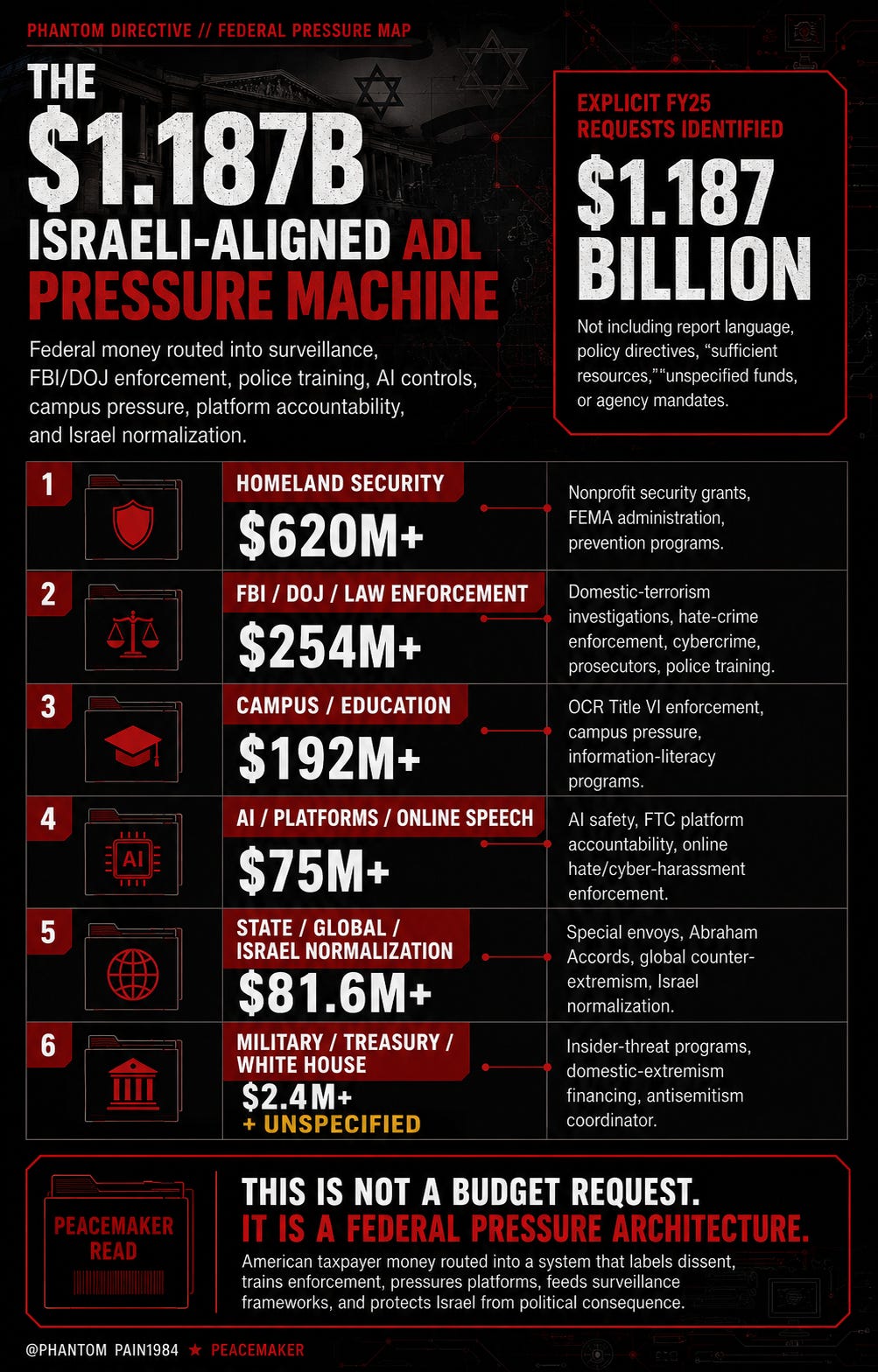
The money creates the structure.
The labels create the power.
The categories of:
“hate”
“extremism”
“antisemitism”
“threat assessment”
determine who becomes the subject of scrutiny.
The ADL is acting as an Israeli-aligned spying network, and it represents a national security threat. Taxpayer-funded programs, monitoring systems, and expanded definitions of antisemitism have created a framework where Americans who criticize Israeli government policy, oppose Israeli military actions, or challenge Israel’s influence in America can be publicly labeled, reported, smeared, and have their livelihoods destroyed.
Jonathan Greenblatt has described ADL’s monitoring, reporting, law-enforcement training, and information-sharing activities — creating a system where accusations and classifications can have real-world consequences for ordinary Americans.
The issue is no longer only about a label.
It is about a larger system of funding, influence, monitoring, and classification — and the power to determine who becomes a target.
Billions in taxpayer-backed funding and institutional partnerships created the infrastructure. The labels created the weapon. The Israeli-aligned ADL now operates within a system where monitoring, reporting, and public accusations can destroy the livelihoods of Americans before they ever have a chance to defend themselves.
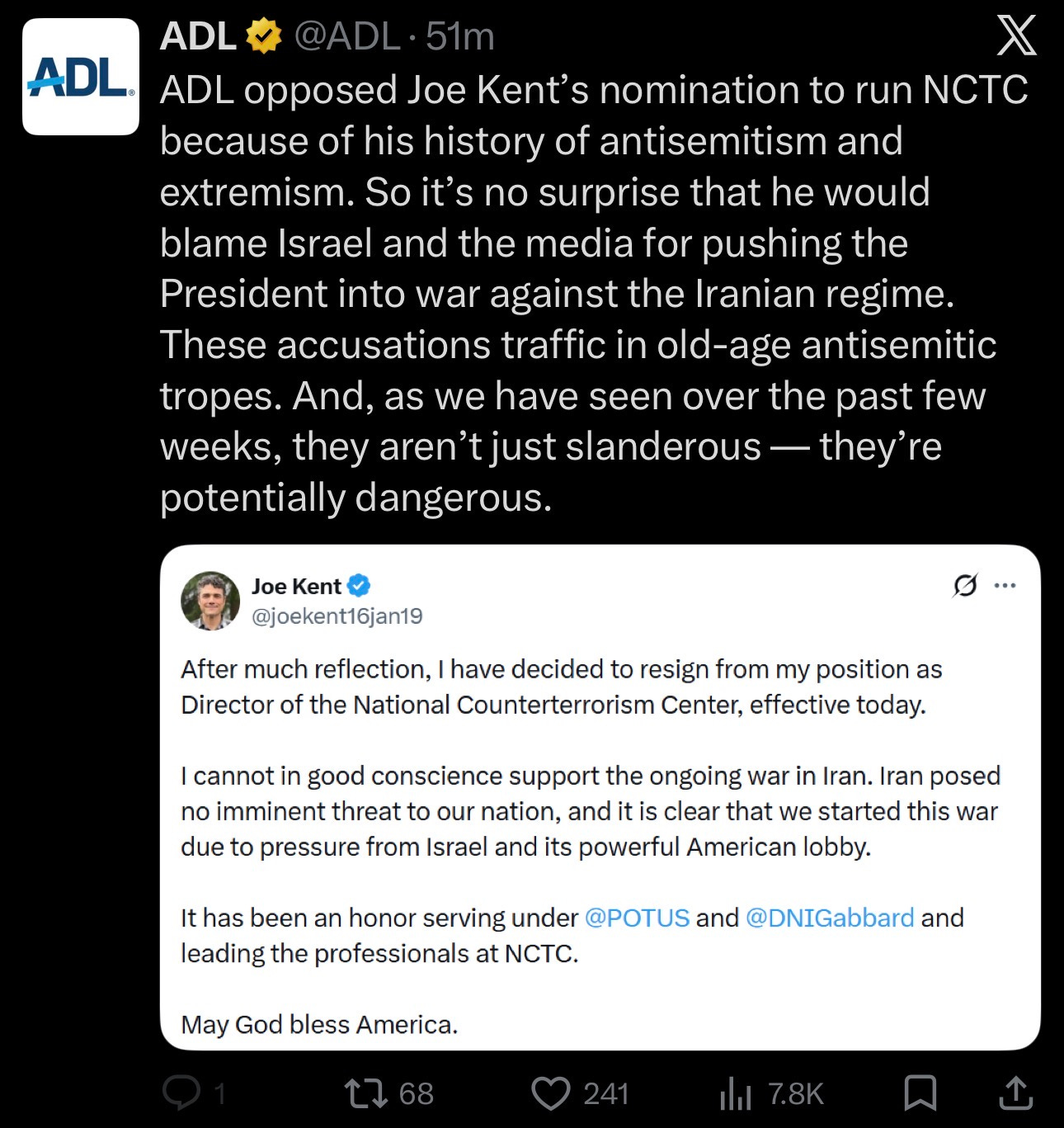
The Israeli-aligned ADL label system operates through one transformation:
Criticism of Israel becomes antisemitism.
Antisemitism becomes extremism.
Extremism becomes a security threat.
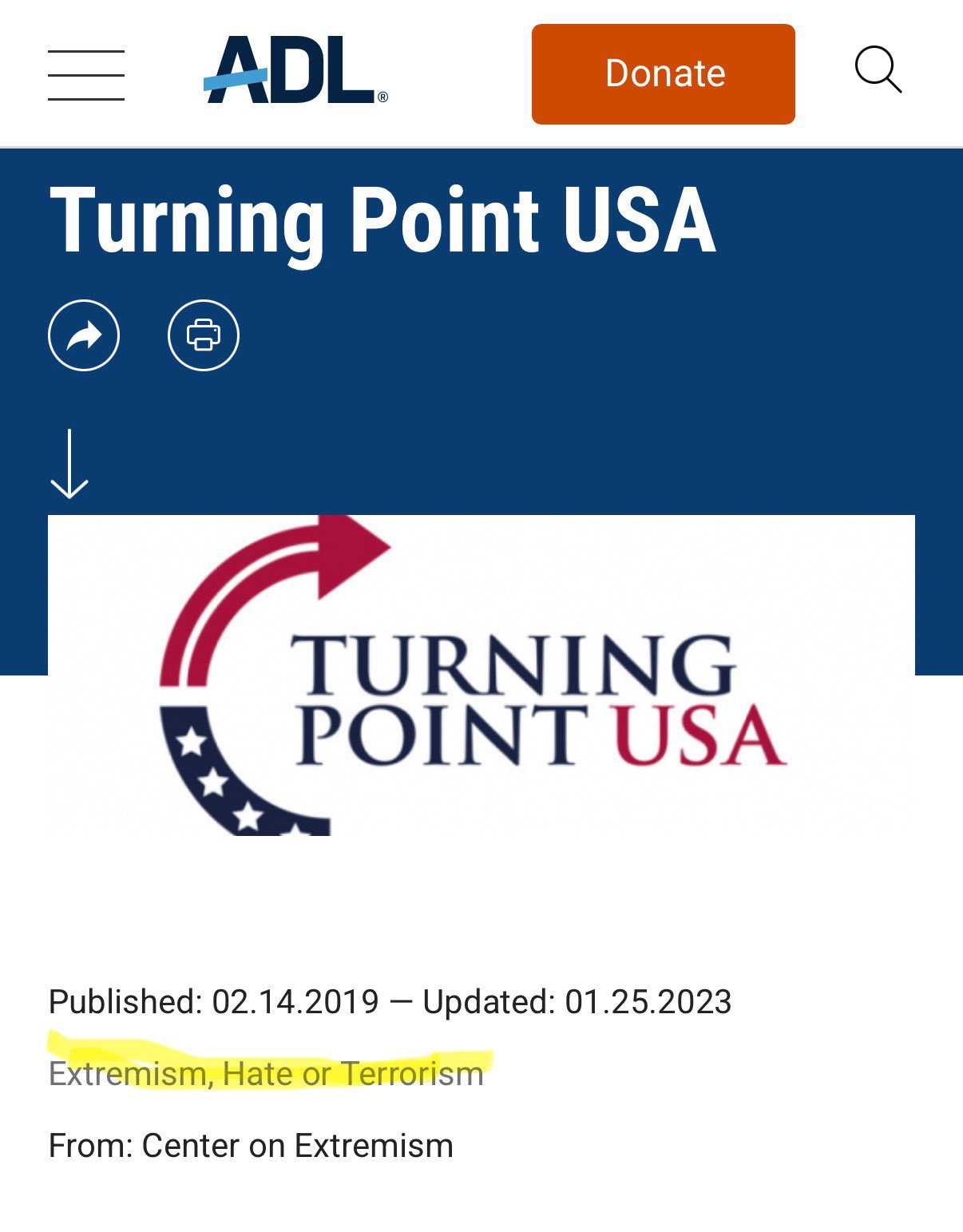
Charlie Kirk was placed inside an Israeli-aligned ADL threat-labeling framework, where his Christian Identity, America First movement, and TPUSA organization were categorized as “Extremism,” “Hate,” or “Terrorism” just one month before his assassination.
Joe Kent faced similar treatment after challenging Israel’s influence over U.S. foreign policy and criticizing the forces he believed pushed America toward war.
This was not simply about one candidate.
It was about an Israeli-aligned private organization influencing an American national security appointment and helping determine which viewpoints are treated as “acceptable” for Americans.
Very important to note for the next major section exposing the Rothschilds’ involvement in wars:
Charlie Kirk, Thomas Massie, and Joe Kent all challenged foreign-war decisions and Israeli influence in Washington. They became targets after using their positions to question those policies.
What followed was not only political opposition — it was the expansion of a system designed to define dissent as danger. The same question now emerges: how far will Israel-aligned organizations go to protect influence over American foreign policy?
Jonathan Greenblatt later made the broader framework clear when he praised the “genius” behind Israel’s pager attack and said that approach should inspire efforts against antisemitism in America!
For everyone to understand the significance of Jonathan Greenblatt’s statement:
The Israeli-aligned ADL label creates the target.
The target creates the justification for further action.
Those actions can escalate from public accusations and smear campaigns to broader efforts to silence, pressure, or marginalize individuals.
The final stage is the warning raised by Greenblatt himself: applying the “genius” behind an Israeli pager attack as a model for silencing (permanently?) “antisemites” in America.
Thomas Massie’s primary was not the beginning.
It was the latest chapter.
The AI sexual smear campaign, millions in outside spending, and attacks against his opposition to foreign wars revealed a larger political battle — one that extends far beyond Kentucky.
The same struggle over Israel, intelligence, war policy, and political influence reaches from Congress to the presidency.
Mossad’s Most Dangerous Assassin Juval Aviv, confirmed:
“Netanyahu had Epstein in his pocket.”
“Epstein and Netanyahu worked together.”
“Epstein was a Mossad spy.”
“Bibi has enough blackmail material on Trump.”
Why Bibi pushed Trump, the Only U.S. President to agree to fight Iran:
“It was Netanyahu’s dream to attack Iran.”
And when asked if Iran threatened America:
“Zero to the United States, but to Israel yes.”
The question is no longer only about one election.
It is about the historical networks that shaped modern power.
The story begins decades before Jeffrey Epstein.
Decades before AIPAC.
Decades before Donald Trump.
It begins with the rise of modern political Zionism, the Rothschild financial network, and the struggle over who would shape the postwar world.
“The name Rothschild walks into the room before you do. No king or government goes to war without the support of the Rothschild family. My great-great-grandfather sent his five sons to the capitals of Europe. They set up the first international banking system in 1790.”
— Dame Hannah Rothschild, daughter of Jacob Rothschild (4th Baron Rothschild) and head of the Rothschild family dynasty
Before modern central banks dominated global finance, before governments could instantly move billions through digital systems, power depended on one fundamental question:
Who could move money when nations needed it most?
Based on Niall Ferguson’s The House of Rothschild: Money’s Prophets, 1798–1848, the answer during one of Europe’s most turbulent eras was a family banking network that transformed finance, diplomacy, and state power.
The Rothschild story did not begin with armies.
It began with information.
It began with speed.
It began with a banking system built across borders at a time when governments were slow, fragmented, and dependent on private financial networks.
The five Rothschild brothers — Nathan in London, Amschel in Frankfurt, Salomon in Vienna, Carl in Naples, and James in Paris — created something unprecedented: a family-controlled financial network operating across Europe’s major political centers.
Their advantage was not simply wealth.
Their advantage was connectivity.
While governments relied on slower diplomatic channels, the Rothschild branches could communicate between capitals through their own courier networks, allowing financial information, market intelligence, and instructions to move across Europe rapidly.
In an age when information itself was power, speed became a strategic asset.
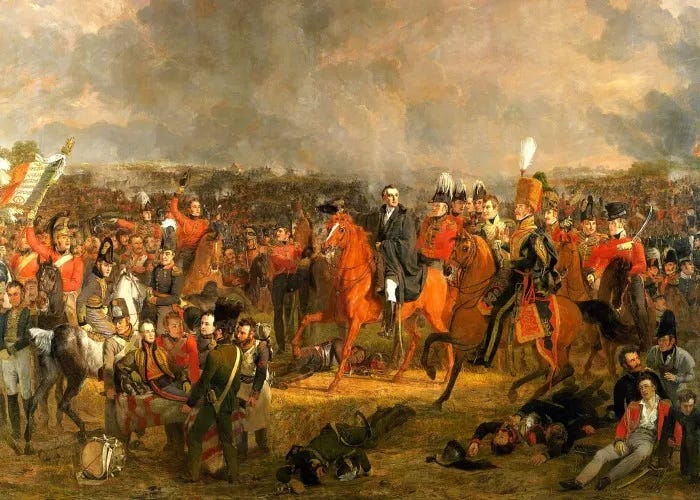
The rise of the Rothschild banking network cannot be separated from one of the greatest financial crises Europe had faced in generations: the Napoleonic Wars (1803–1815).
When Napoleon Bonaparte rose to power in France, he was not simply fighting neighboring countries. He was attempting to reorder Europe itself.
Through military expansion, political restructuring, and the creation of the French Empire, Napoleon sought to defeat the old monarchies that surrounded France and replace the existing European balance of power with one centered around French dominance.
The response was a series of coalitions formed by European powers — including Britain, Austria, Prussia, and Russia — determined to stop Napoleon’s expansion.
But there was a problem:
Wars are not won only by generals.
They are won by whoever can sustain armies.
By the early 1800s, European governments faced a challenge that had become larger than traditional taxation could handle.
Millions of soldiers needed:
weapons
supplies
food
transportation
constant payment
Armies could be recruited quickly.
Financing them was the real battlefield.
A king could order an army into existence.
But someone had to pay for it.
This was the financial environment in which the Rothschild network rose.
The five Rothschild brothers — operating from Frankfurt, London, Paris, Vienna, and Naples — created a cross-border banking system capable of moving money, information, and credit across Europe faster than many governments could coordinate themselves.
Their advantage was not simply wealth.
It was infrastructure.
The Rothschild advantage during the Napoleonic era was not simply wealth. It was infrastructure. Through branches operating across Frankfurt, London, Paris, Vienna, and Naples, the family built a financial network capable of moving credit, bullion, and information across a continent at war — placing private banking at the center of government survival.
Through government bonds, bullion transfers, and international credit arrangements, the Rothschild network helped solve one of the central problems of Napoleonic-era warfare:
How do you move financial power across borders while nations are at war?
Nathan Rothschild’s London branch became especially significant because Britain was Napoleon’s most powerful opponent but also one of the most financially dependent.
Britain had:
the Royal Navy
a global empire
expanding industrial capacity
But sustaining a decades-long struggle required something else:
credit.
Britain did not defeat Napoleon through military force alone.
It defeated him through financial endurance — the ability to borrow, mobilize capital, and sustain war long after battlefield victories and defeats had changed.
The British government raised money through the bond market, borrowing against future revenue.
Private banking networks helped transform government promises into immediate financial capability — converting paper credit into:
armies
supplies
diplomatic influence
international payments
The Rothschild system became one of the most efficient channels connecting:
governments → markets → war finance
The Napoleonic Wars revealed a principle that would define modern power:
An empire needs armies to expand. But armies need credit to survive.
And whoever controls the movement of credit during moments of crisis becomes part of the architecture of power.
The Rothschild network did not replace governments. It operated at the point where governments became dependent on finance. The Napoleonic era demonstrated a new reality: control over the movement of capital could become a source of strategic influence equal to control over territory itself.
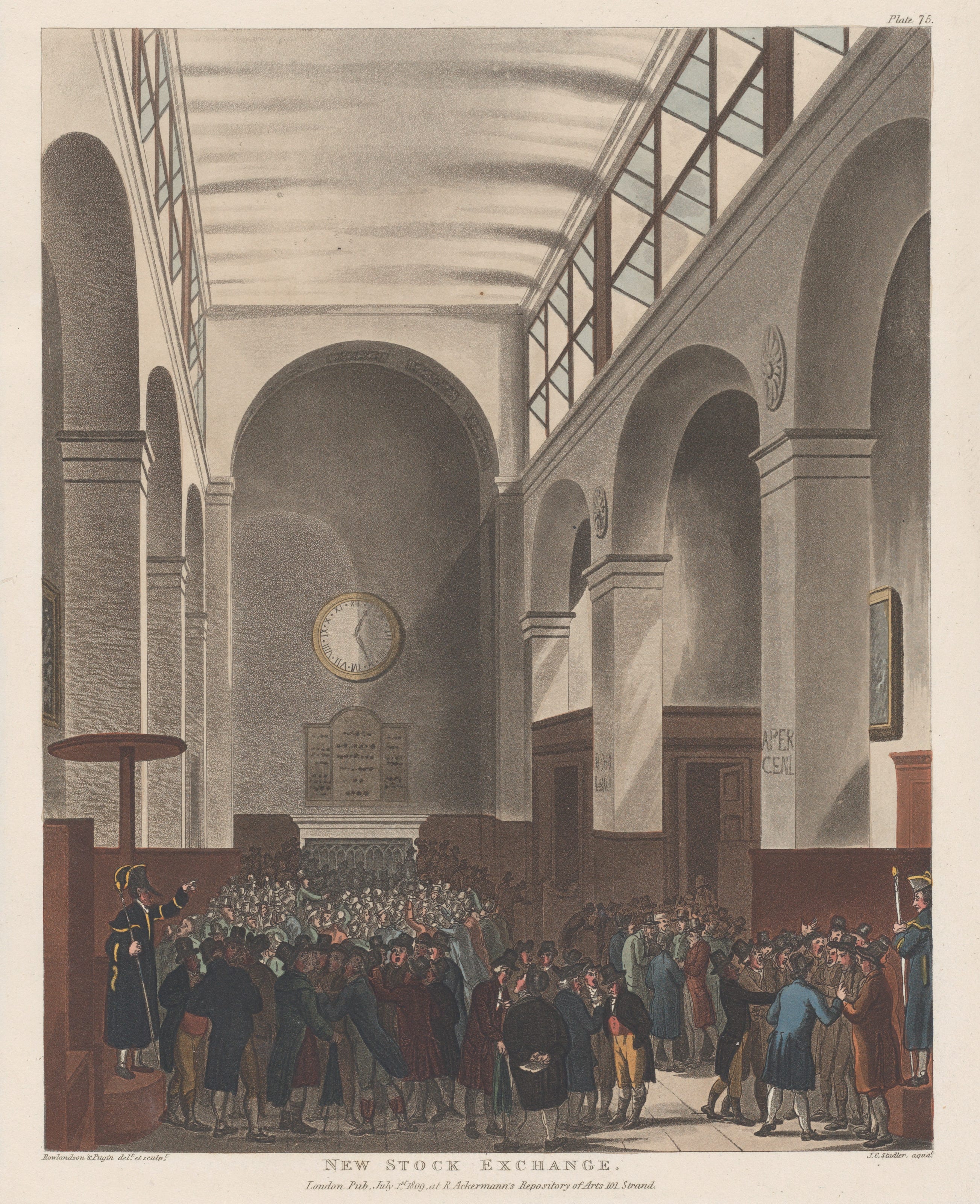
The real innovation was not simply lending money to governments.
It was creating a system where governments became permanently connected to financial markets.
The government bond transformed future revenue into present power.
Instead of waiting for taxation to fund wars, states could borrow against the confidence that investors had in their future ability to repay.
The bond market created a new relationship:
Governments needed capital.
Investors needed confidence.
Financial networks connected the two.
This changed the nature of state power.
A government’s strength was no longer measured only by territory, resources, or military force.
It was also measured by its ability to access credit.
The bond market turned government promises into financial power. States could project military strength because investors trusted their ability to repay — making credit itself a strategic instrument of national power.
For the Rothschild network, the importance was not simply owning capital.
It was controlling the channels through which capital moved.
Through sovereign bonds, currency exchange, and international transfers, the family operated inside the infrastructure connecting governments and markets.
The advantage was speed, information, and trust across borders.
In an era when communication was slow and nations were frequently at war, the ability to move money internationally became a strategic asset.
The bond market revealed a principle that would define modern finance:
The power of a state depends not only on what it owns — but on who is willing to finance it.
The Rothschild network became influential because it operated inside the space where governments depended on finance. The bond market demonstrated that control over financial infrastructure could become a source of strategic influence without directly controlling governments themselves.
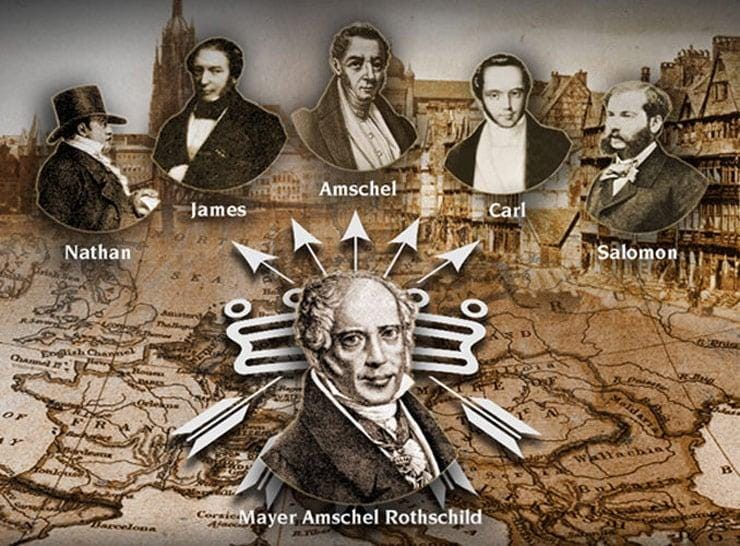
The extraordinary feature of the Rothschild system was not one individual banker.
It was the network.
London connected with Frankfurt.
Frankfurt connected with Vienna.
Vienna connected with Naples.
Naples connected with Paris.
Each branch operated inside its own political environment while remaining connected through a larger family structure built around trust, communication, and financial coordination.
This created something rare in nineteenth-century Europe:
a private financial communication system that crossed national borders.
The Rothschild advantage was not only capital.
It was speed.
They could transfer funds, exchange information, and coordinate transactions across Europe at a pace that many governments struggled to match.
In an era before modern telecommunications, information itself became a form of power.
The most famous example was the Battle of Waterloo in 1815.
When Napoleon returned from exile during the Hundred Days, European powers mobilized once again to defeat him. On June 18, 1815, Napoleon’s forces were defeated at Waterloo by the allied army under the Duke of Wellington and Prussian forces under Gebhard von Blücher.
But the military victory was only part of the story.
The financial battlefield continued after the fighting stopped.
Nathan Rothschild’s London branch received news of Napoleon’s defeat before official information reached the broader British financial markets and government circles.
The story became one of the most repeated examples of how the Rothschild communication network could turn information speed into financial advantage.
Nathan Rothschild acted on this early knowledge in the bond market — selling British securities first, creating the appearance that Britain had lost despite knowing the British victory over Napoleon, then buying heavily once prices fell before news of Waterloo reached the wider market.
The result was a dramatic demonstration of how early access to information could become financial power.
The Battle of Waterloo proved the defining advantage of the Rothschild network: not simply the ability to move money across borders, but the ability to move information faster than governments and markets. In an age where knowledge arrived slowly, early intelligence about victory became a form of financial power.
The Rothschild network operated across a Europe divided by war. Through its branches in London, Frankfurt, Vienna, Paris, and Naples, the family became involved in the financial systems of competing European powers during the Napoleonic era.
Nathan Rothschild’s London branch financed Britain’s war effort and helped move funds, bullion, and subsidies to Wellington’s armies and Britain’s allies. At the same time, the broader Rothschild network operated across Europe’s competing powers, maintaining banking relationships and financial connections in countries including Austria and other states involved in the Napoleonic Wars.
This placed the Rothschild family at the center of the financial machinery created by the Napoleonic Wars, financing competing powers while connecting governments, armies, and credit markets into an inseparable system.
The Waterloo episode exposed the strategic advantage at the heart of the Rothschild system:
The family did not only move money. It moved information.
And in the nineteenth century, information moved faster than armies, faster than governments, and sometimes faster than markets themselves.
The Rothschild system demonstrated the power of private finance during wartime: while nations fought across Europe during the Napoleonic Wars, the family’s network operated across borders, moving capital, credit, and information between competing powers. Their advantage was not commanding armies — it was positioning the Rothschild family at the center of the financial machinery that sustained wars and allowed the family to profit from the blood money of both sides of the conflict.
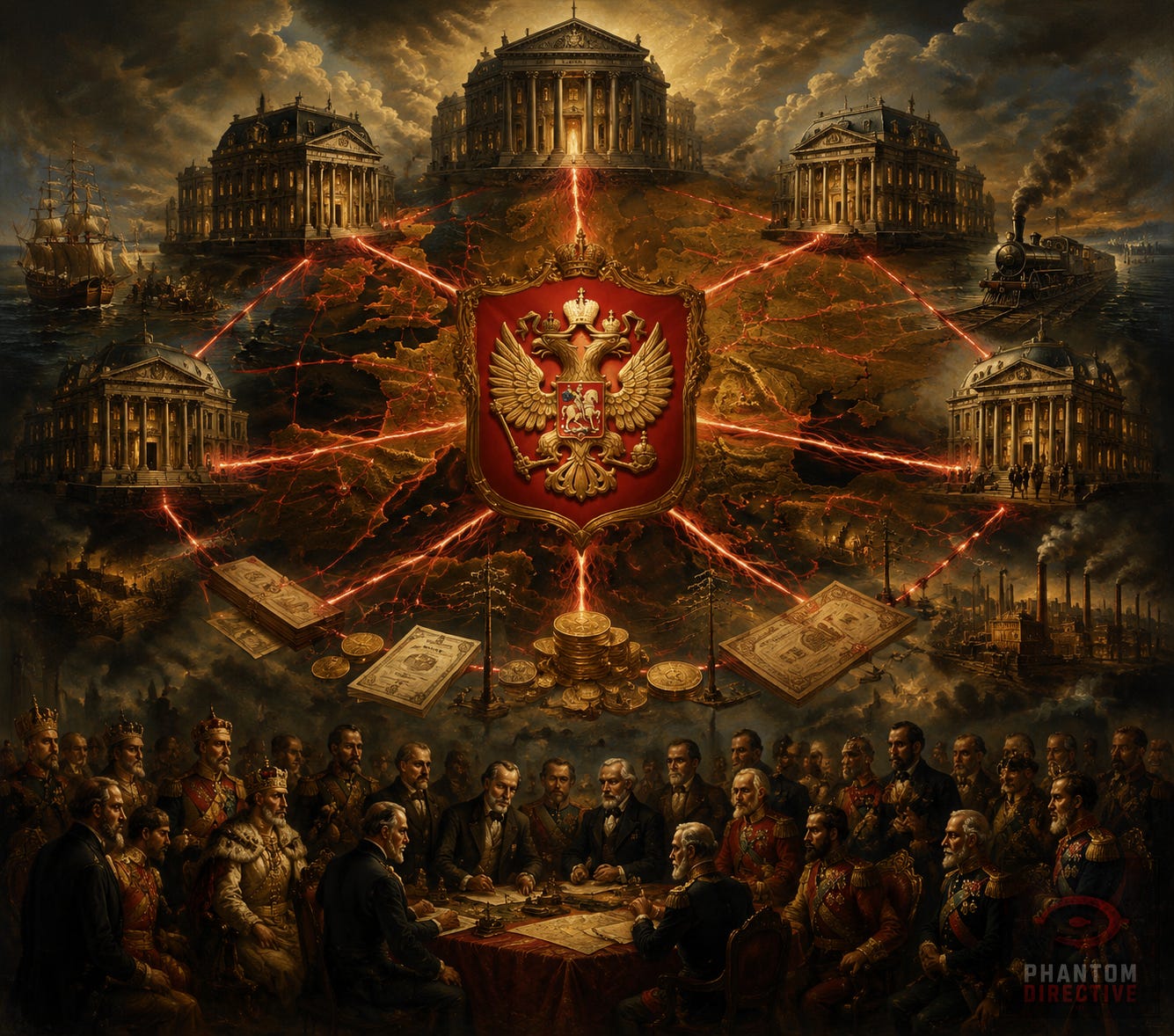
The Napoleonic era revealed a new reality of modern power:
wars were no longer won only through armies — they were sustained through finance.
The previous era established the foundation of international banking:
the movement of capital across borders, wartime financing, and financial networks capable of operating beyond national boundaries.
But after 1849, the Rothschild network entered a new phase.
The family’s importance expanded beyond financing individual military campaigns and became connected to the wider financial infrastructure through which governments:
borrowed capital
funded imperial projects
managed international payments
sustained state power
conducted diplomacy through finance
The transformation was significant.
A banking network that once helped governments solve wartime financial problems became increasingly connected to the systems through which states expanded, built infrastructure, projected influence, and managed global economic relationships.
The nineteenth century became the Age of Empire.
European powers expanded across continents, built railways and infrastructure, developed industrial economies, and competed for global influence.
But imperial expansion required more than armies.
It required:
credit, capital, and financial networks capable of supporting projects beyond the immediate resources of governments.
The Rothschild network evolved within this new imperial environment, where governments increasingly depended on private financial institutions to raise capital, develop infrastructure, and maintain international economic relationships.
The Rothschild family’s influence came from its position between states, markets, and global finance — operating in the space where private banking supported the expansion and stability of modern powers.
The central question of this era is:
When governments become dependent on private credit networks, where does finance end and political influence begin?
The power of nineteenth- and twentieth-century financial networks was not only the ability to provide money.
It was the ability to connect:
governments → markets → diplomacy → war → geopolitical decisions
After 1849, the Rothschild network moved beyond financing individual wars. Its influence came from becoming embedded in the financial systems through which governments raised capital, expanded empires, and transformed economic power into geopolitical influence.
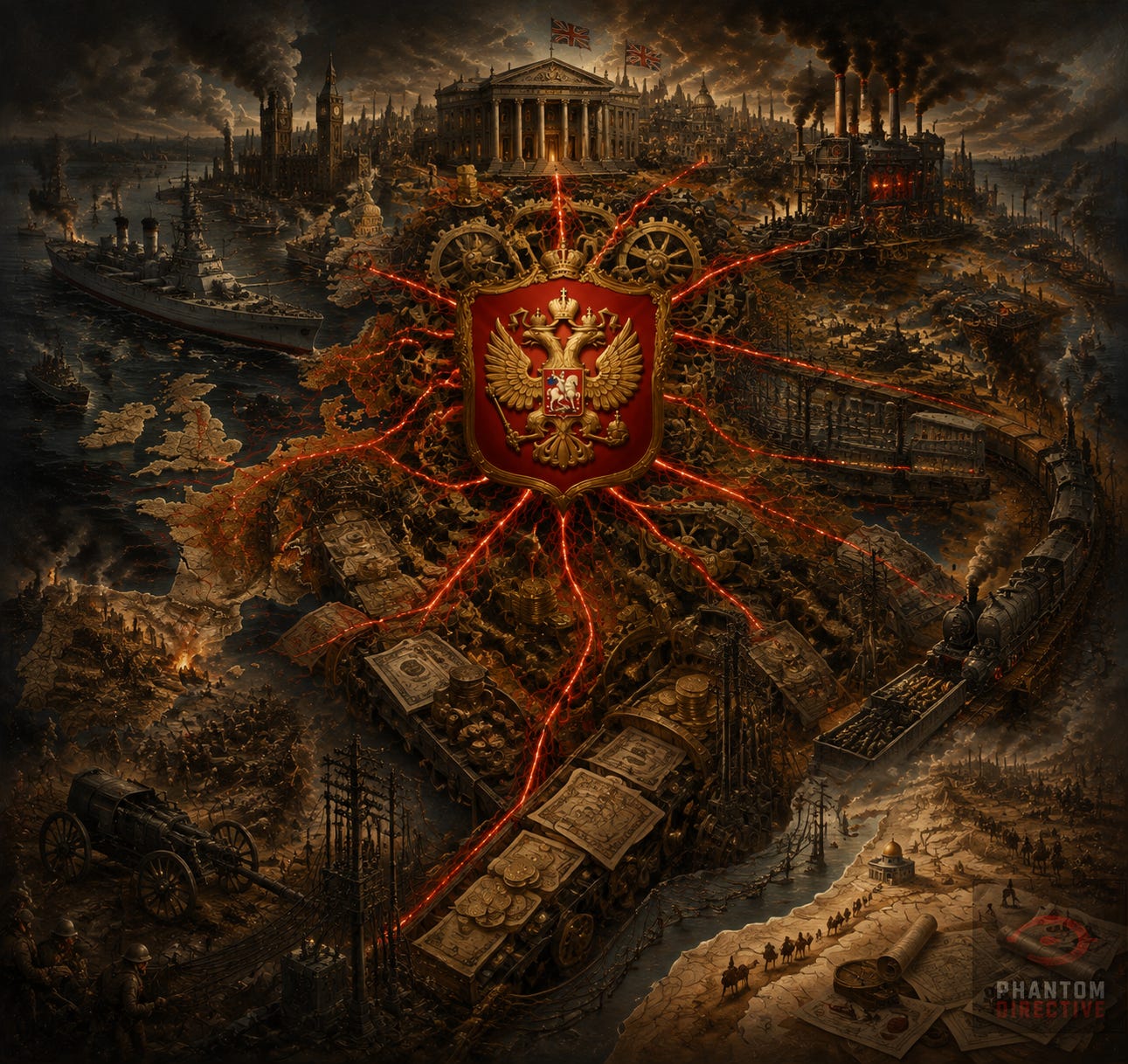
The nineteenth century transformed finance into a foundation of political power.
But World War I transformed finance into a weapon of war.
The conflict that began in 1914 was not only a battle between armies.
It became a struggle over:
industrial production
government debt
international credit
financial networks
intelligence
diplomacy
political influence
Britain entered World War I as:
the world’s largest empire
the dominant naval power
one of the most important financial centers in the world
But maintaining that position required enormous financial resources.
Modern warfare demanded more than soldiers and weapons.
It required:
credit markets
bond financing
international payments
investor confidence
private financial networks
The same Rothschild financial systems that had supported nineteenth-century imperial expansion became essential for sustaining a war that consumed entire economies.
The central question became:
How could Britain finance a war larger than traditional taxation could support?
Britain needed the Rothschild financial network and other private credit systems to sustain total war.
But the exchange was not only financial.
The Rothschild and the Zionist movement sought a political return: British recognition of Palestine as the future homeland of the Zionist project, formalized through the Balfour Declaration.
The Rothschild network became one of the dominant financial systems in Europe, while in America a similar influence was represented by the Warburg family.
A full discussion of the Warburg family would require an entire article of its own, but for the purpose of this investigation:
The Warburg connection to World War I finance was both European and American. The German branch, M.M. Warburg & Co. in Hamburg, was connected to German finance and the German state, while Paul Warburg and Felix Warburg in the United States became influential figures within American finance.
Paul Warburg was one of the leading advocates for creating a U.S. central banking system and became one of the original members of the Federal Reserve Board in 1914.
The Warburg family, like the Rothschild family, was also connected to Zionist leadership circles during this period. Their financial and political networks existed within the wider struggle over World War I, where Britain’s victory and American involvement were prerequisites for gaining the future homeland of the Zionist project.
The Zionist movement is known for creating modern state terrorism, from the King David Hotel bombing to the Lavon Affair, with the Lusitania sinking serving as a historical precedent for the USS Liberty intentional Israeli False Flag attack.
World War I demonstrated that modern warfare was not fought only on the battlefield.
It was fought through:
intelligence
information
propaganda
public opinion
political messaging
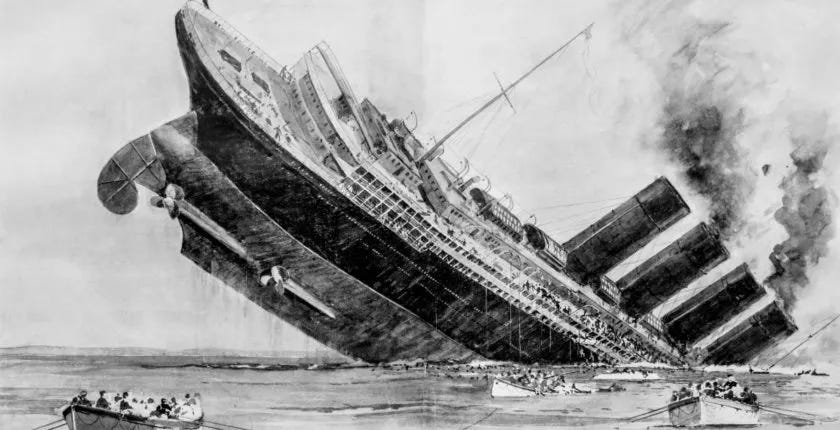
One of the most significant events used to shape American opinion during the war was the sinking of the RMS Lusitania.
Before the Lusitania departed New York on May 1, 1915, the Imperial German Embassy published a public warning in American newspapers, placed directly alongside Lusitania travel advertisements.
The notice warned passengers that a state of war existed between Germany and Britain, that waters around the British Isles were considered a war zone, and that vessels flying the British or Allied flag entered those waters at their own risk.
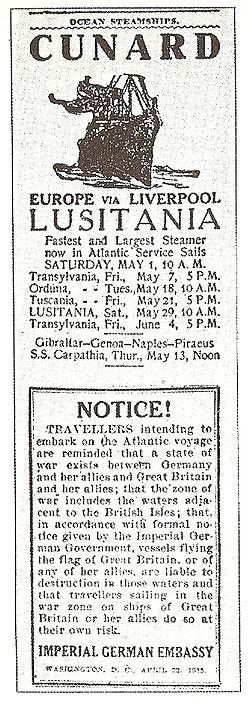
Despite the warning, the Lusitania continued its voyage.
Six days later, on May 7, 1915, German submarine U-20 torpedoed the ship off the coast of Ireland. The vessel sank in approximately eighteen minutes, killing nearly 1,200 people, including 128 Americans.
Britain and the Rothschild financial network needed America to enter the war to shift the balance of power in their favor. The Lusitania was deliberately allowed to enter a dangerous war zone in order to create a political crisis and push the United States closer to entering World War I against Germany.
At the center of the Lusitania 1915 Zionist false flag attack was Winston Churchill, a protégé of Nathaniel “Natty” Rothschild, served as First Lord of the Admiralty during the attack.
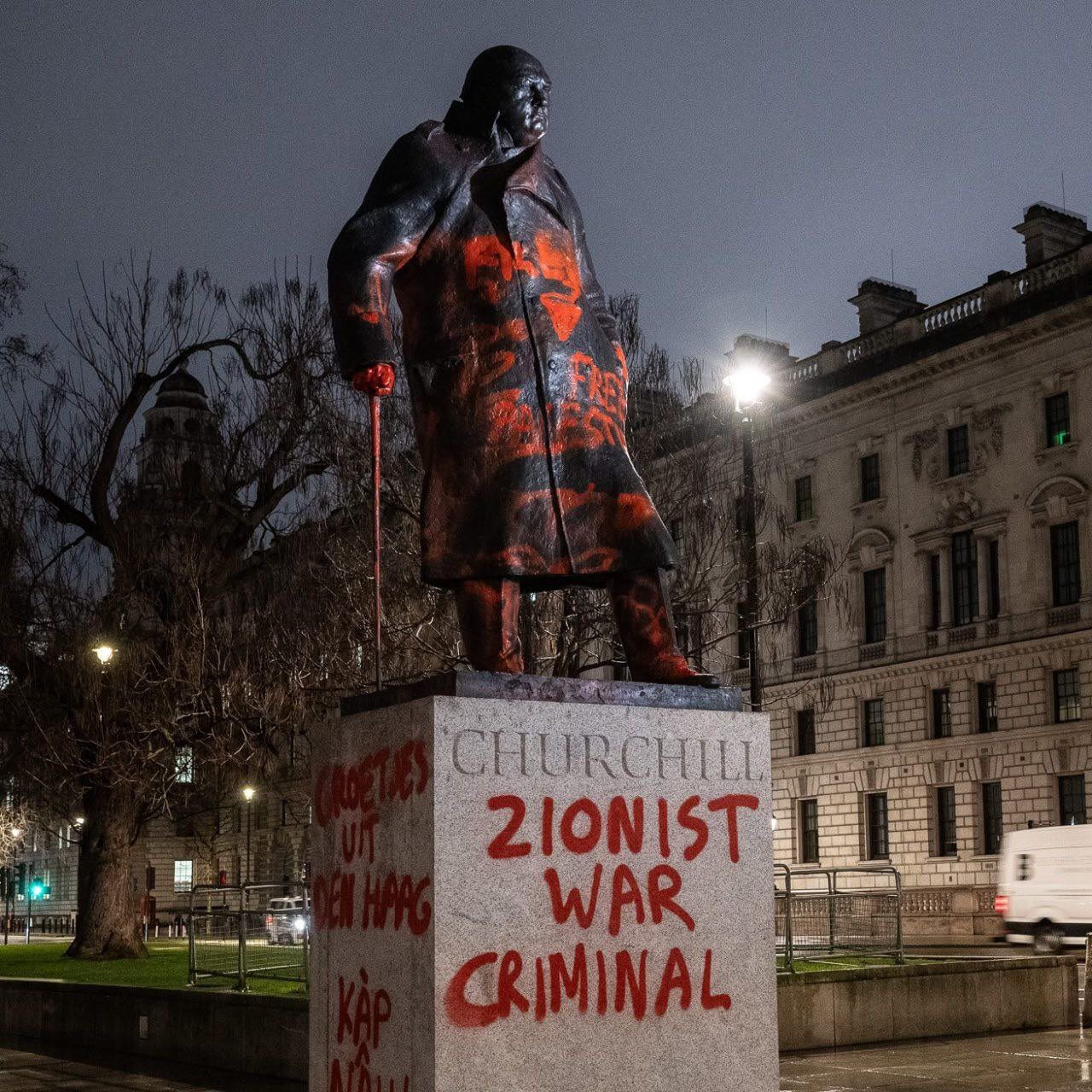
Before WWI, Churchill was already connected to Rothschild, visiting Nathaniel “Natty” Rothschild’s estate and receiving social and political support that helped advance his early career toward future positions of power.
Churchill stated:
“It is most important to attract neutral shipping to our shores, in the hope especially of embroiling the United States with Germany.”
This statement reflected Britain’s strategic interest in increasing American pressure against Germany.

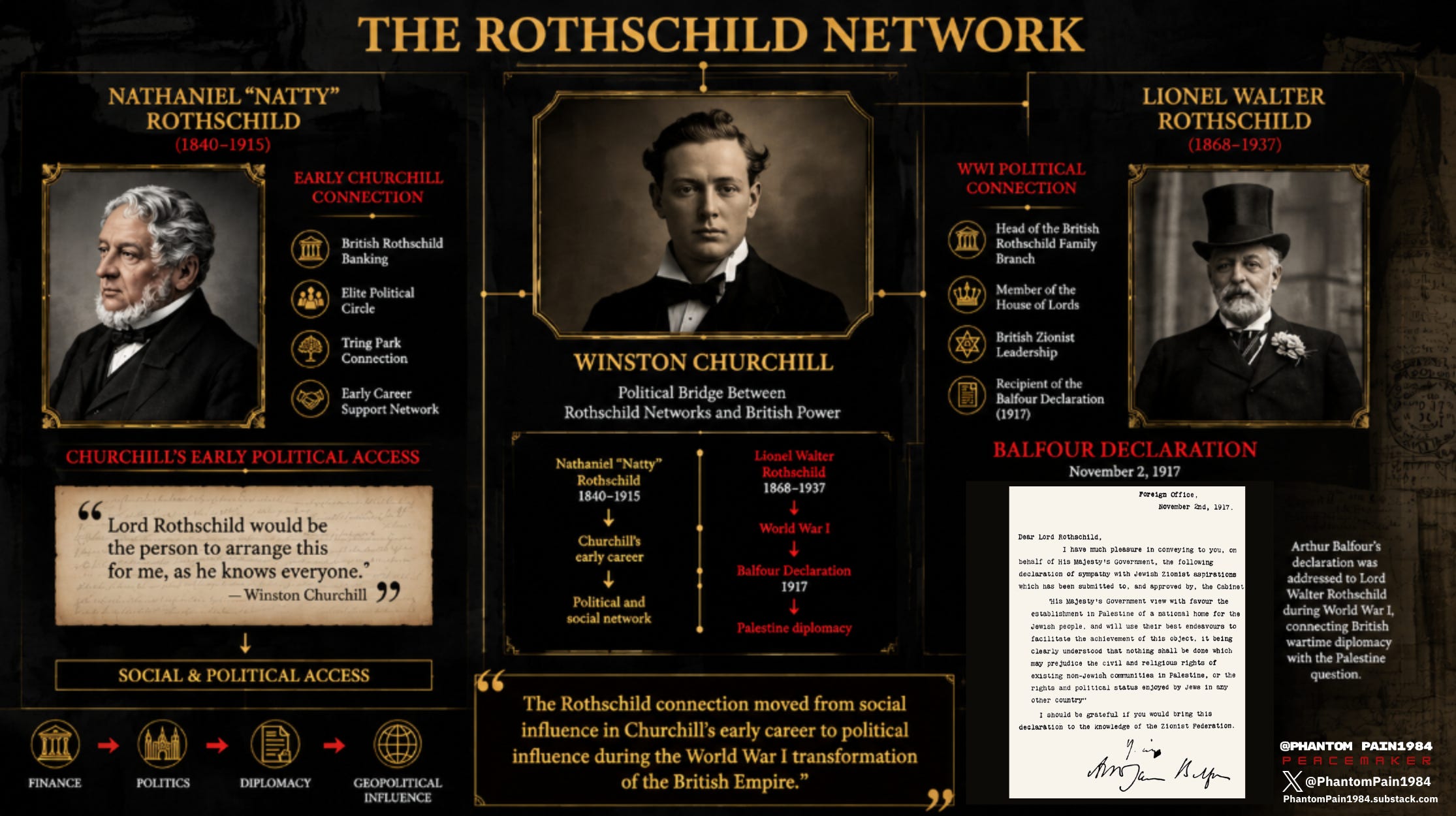
“Lord Rothschild would be the person to arrange this for me, as he knows everyone.”
— Winston Churchill, referring to Nathaniel “Natty” Rothschild , 1st Baron Rothschild (1840–1915)
Before becoming one of Britain’s most powerful political figures, Winston Churchill was already connected to the financial and political networks surrounding the British Rothschild family.
The connection began through Nathaniel “Natty” Rothschild, 1st Baron Rothschild (1840–1915), head of the British Rothschild banking family and senior partner of N M Rothschild & Sons.
Churchill’s father, Lord Randolph Churchill, was socially connected with Natty Rothschild, and young Winston Churchill entered this elite circle through family relationships. Churchill visited Rothschild’s estate at Tring Park, and later viewed Lord Rothschild as someone with the influence and connections to open doors in British political and social life.
Churchill’s own words reveal the importance he placed on that connection:
“Lord Rothschild would be the person to arrange this for me, as he knows everyone.” — Winston Churchill
This relationship was not only social. It reflected the broader world of late nineteenth-century Britain, where political advancement, financial networks, aristocratic circles, and imperial institutions were deeply interconnected.
The Rothschild connection continued into the World War I era, but through a different figure.
After Natty Rothschild’s death in 1915, leadership of the British Rothschild family passed to his son:
Lionel Walter Rothschild (1868–1937).
Walter Rothschild was:
head of the British Rothschild family branch
a member of the House of Lords
a prominent figure within British Zionist circles
the recipient of the 1917 Balfour Declaration
The relationship between Churchill and the Rothschild family therefore developed across two different phases:
The same financial system that supported:
imperial expansion
government borrowing
infrastructure development
international banking
also shaped the environment in which Britain’s political leaders operated.
Before World War I, Churchill was already connected to elite financial circles through Nathaniel “Natty” Rothschild, whose family network occupied a central position within British banking and political society. Churchill’s early career benefited from these relationships, including access to influential figures who could open political and social doors.
Beyond the Rothschild family, Churchill was also connected to other major figures within Britain’s financial elite, including Sir Ernest Cassel and Sir Henry Strakosch.
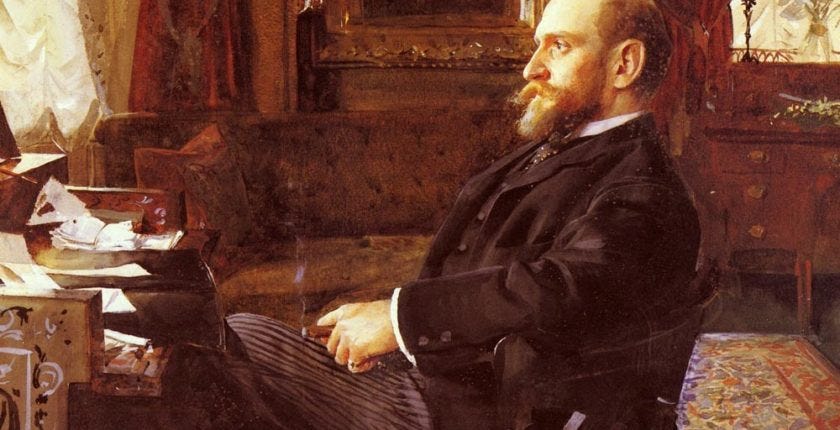
Sir Ernest Cassel, one of the most influential Ashkenazi Jewish financiers of Edwardian Britain and a close associate of King Edward VII, became an important supporter of Churchill during his early career. Cassel assisted Churchill financially, helped manage his investments, and provided access to the wider circles of British political and financial power.
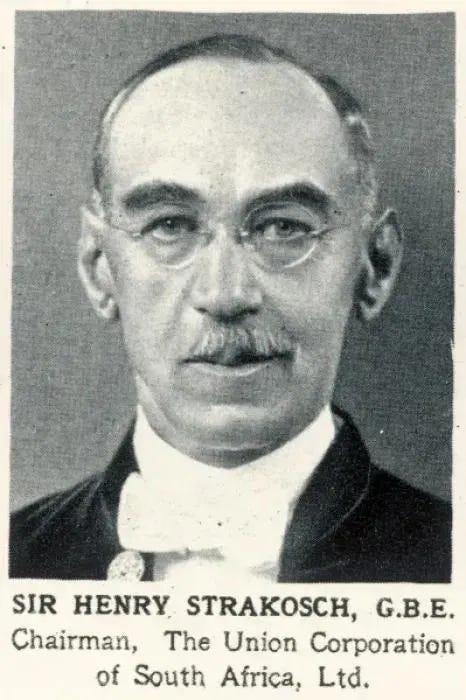
Sir Henry Strakosch, another major Ashkenazi Jewish financier, later became connected to Churchill’s financial affairs and political network. His support placed Churchill within a broader system where wealthy investors, bankers, and political leaders operated through overlapping relationships of capital and influence.
Together, these connections reveal that Churchill’s political rise developed within a wider financial architecture — one that linked Rothschild banking circles, elite financiers, government officials, and imperial decision-makers.
Churchill’s rise was not separate from Britain’s financial elite. From Rothschild circles to Cassel and Strakosch, his career developed within the same financial architecture that sustained the British Empire where capital, politics, and imperial power intersected.
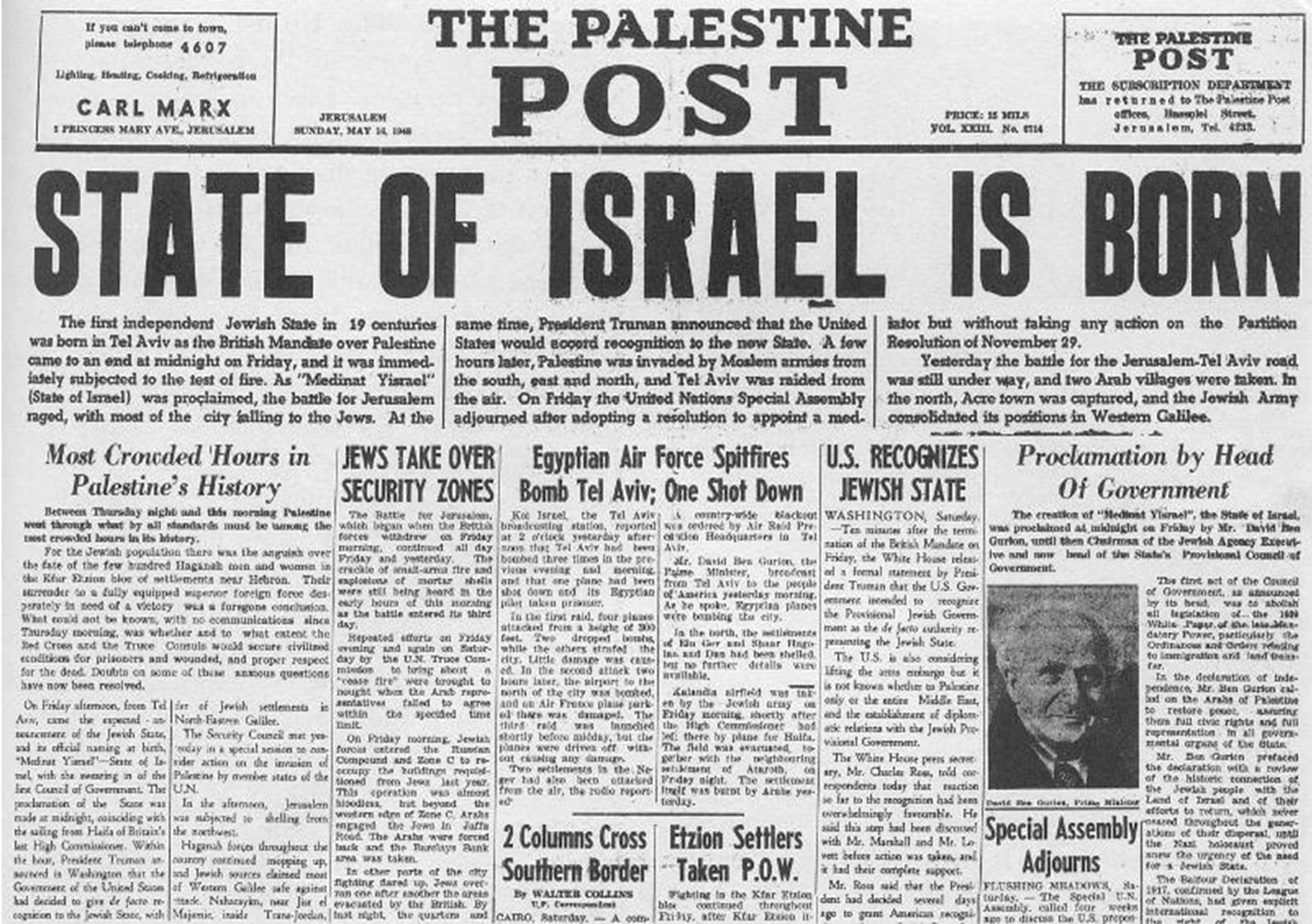
The final stage of World War I was not fought on the battlefield. It was negotiated through the future of Palestine.
The war was not only deciding which armies would win.
It was determining the political map that would follow.
During WWI, British strategic interests, financial networks, and Zionist diplomacy increasingly converged around the future of Palestine.
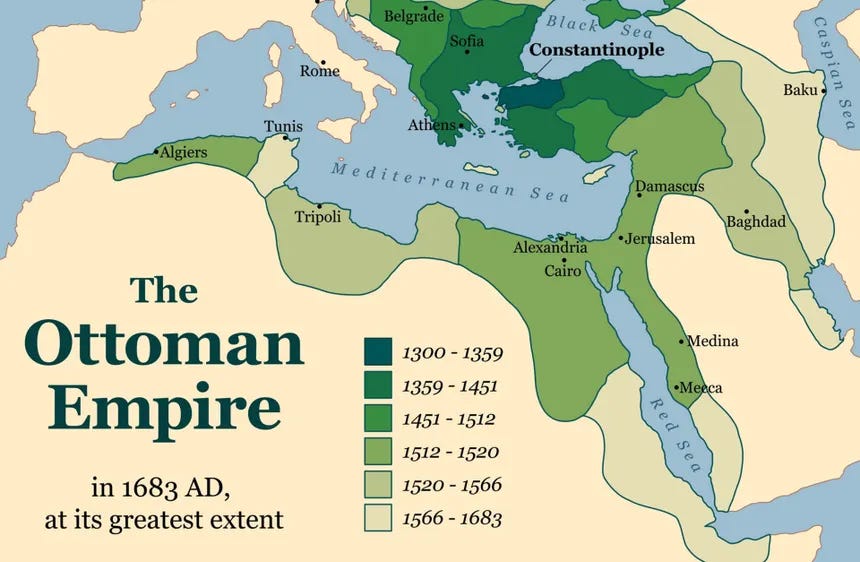
The collapse of the Ottoman Empire created a new geopolitical question: who would control the territories being reshaped after the war, and which political movements would gain British support in the new order?
Britain required the Rothschild financial strength to continue the war. The Zionist leaders and influential financial figures sought political recognition for a future Jewish national home in Palestine. The Balfour Declaration became the key diplomatic commitment issued during this wartime environment.
A central figure in this process was:
Lord Walter Rothschild.
The 1917 Balfour Declaration was addressed by Foreign Secretary Arthur Balfour to Lord Walter Rothschild, stating that the British government viewed favorably the establishment in Palestine of a “national home for the Jewish people.”
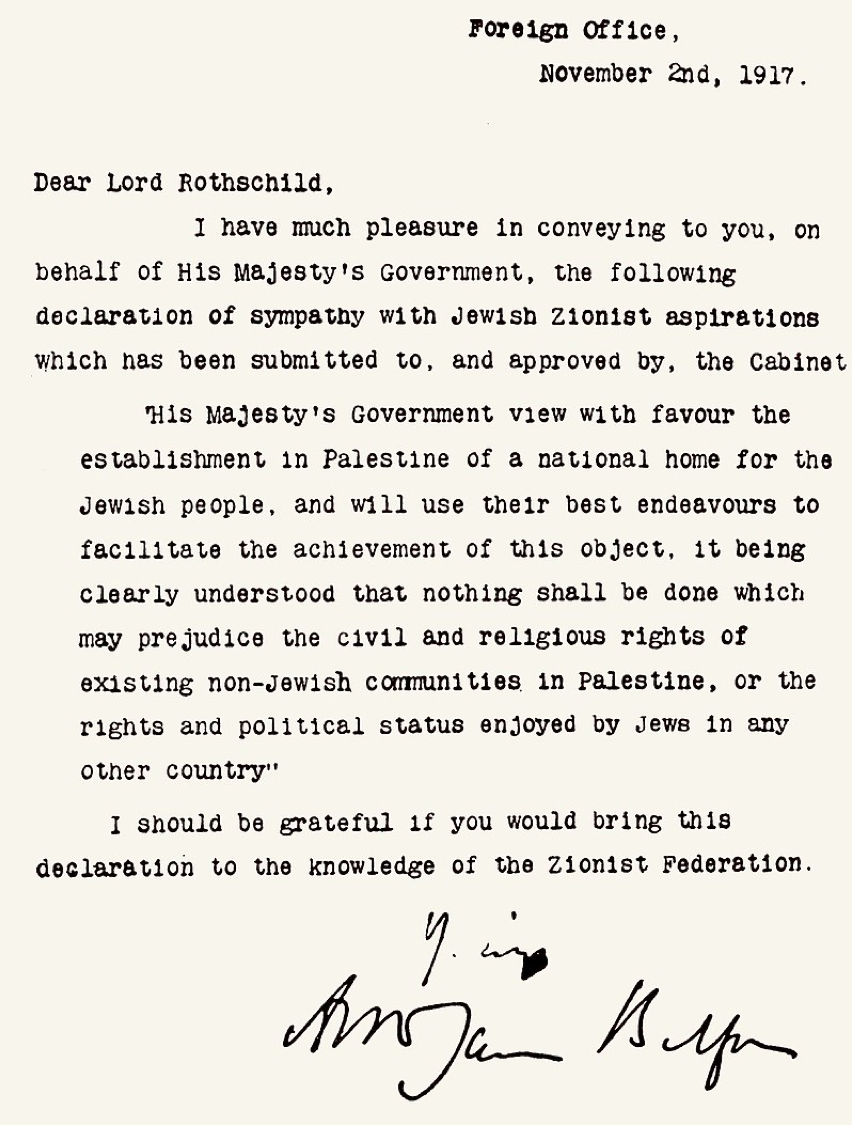
Lord Walter Rothschild was a prominent British Zionist leader and the recipient of the Balfour Declaration. It was presented as a quid pro quo: for Britain to receive the necessary financing to push through the final stages of World War I and emerge victorious, it had to provide the Zionist Movement with their selected “Homeland” in Palestine.
The Balfour Declaration represented the point where:
finance, war strategy, diplomacy, and geopolitical ambition converged.
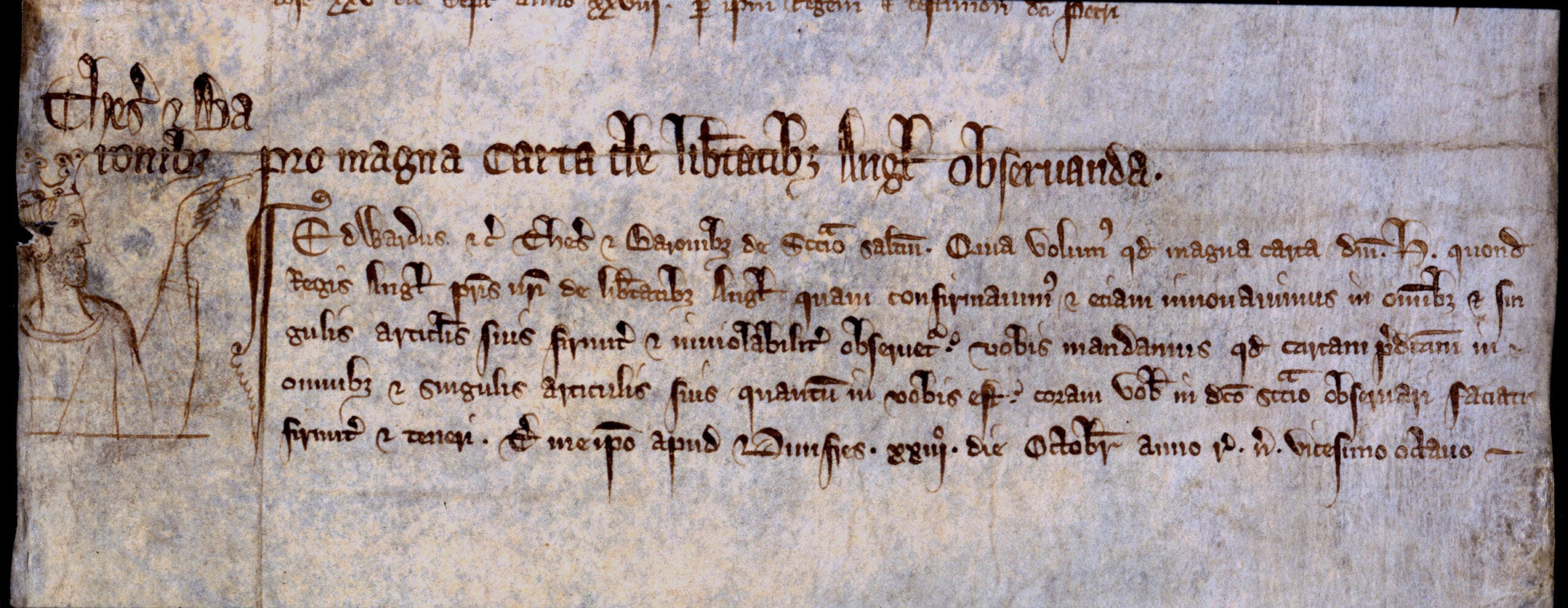
The Balfour Declaration did not end the Palestine question — it created a new one.
By World War I, Britain’s relationship with Jewish political movements had transformed dramatically.
After centuries in which England had persecuted Jews for ritual murder in 1144 and expelled their communities in 1290, the twentieth century saw the emergence of Ashkenazi dynasties, organized Jewish political movements, financial networks, and Zionist leadership operating within European political systems.
The Rothschild family became one of the most prominent Jewish banking families in Britain, while Lord Walter Rothschild became a leading figure within British Zionist circles and the recipient of the 1917 Balfour Declaration.
However, Britain’s wartime strategy created another relationship that would define the future of the Middle East: its alliance with Arab leaders fighting against the Ottoman Empire.
During World War I, Britain encouraged Arab support against Ottoman rule through the Arab Revolt, with figures such as T.E. Lawrence (“Lawrence of Arabia”) working alongside Arab forces. Led by figures including Faisal bin Hussein, Arab forces fought alongside Britain against the Ottomans after Britain promised that victory would lead to Arab independence and the creation of an Arab political order after the war.
What made the situation even more severe was that Britain did not make only one commitment during the war — it made multiple promises that could not all be fulfilled simultaneously.
The Sykes–Picot Agreement of 1916 was secretly negotiated between Britain and France to divide Ottoman Arab territories into spheres of influence, undermining the promises of Arab independence that had encouraged Arab forces to fight alongside Britain against the Ottomans. After the agreement was exposed in 1917, Britain continued to reassure Arab leaders that their wartime commitments remained intact.
The Balfour Declaration of 1917 created a second betrayal by declaring British support for a “national home for the Jewish people” in Palestine, despite Palestine being included within the promises of postwar independence made during the Arab Revolt. While Arab forces fought alongside Britain to defeat the Ottoman Empire, the Zionist movement — represented by Lord Walter Rothschild — secured British recognition for a future national home in Palestine without having fought alongside Britain in the Arab Revolt.
Together, Sykes–Picot and the Balfour Declaration became the foundation of what many Arab leaders and historians described as Britain’s betrayal: Arab forces had fought alongside Britain to dismantle Ottoman rule, only to see the postwar settlement shaped by British and French imperial interests and the Rothschild and Zionist movement's competing commitments.
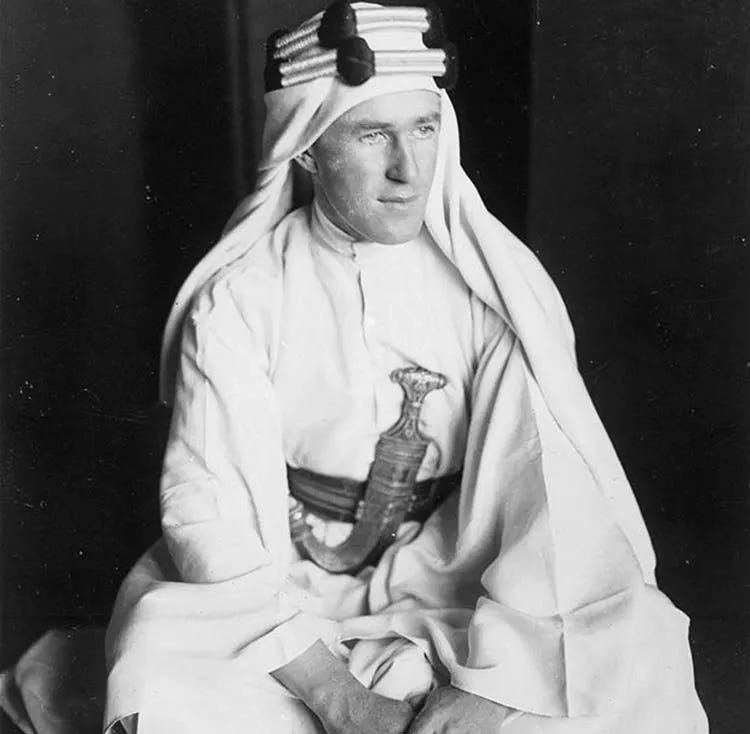
T.E. Lawrence was not an outside observer of Britain’s Middle East policy. He was a British intelligence officer who worked directly with Arab forces during the Arab Revolt.
After helping encourage Arab fighters to support Britain’s war effort, Lawrence later expressed regret over the gap between British promises and the postwar settlement.
In Seven Pillars of Wisdom, Lawrence wrote:
“The Cabinet raised the Arabs to fight for us by definite promises of self-government afterwards…”
“I was bitterly ashamed.” — T.E. Lawrence (“Lawrence of Arabia”)
Lawrence’s importance is that he participated in the campaign that helped defeat the Ottoman Empire and later believed Britain had failed to honor the promises given to its Arab allies, choosing instead to honor commitments made to the Zionist movement and the Rothschilds as part of the wartime financial and political arrangements surrounding World War I.
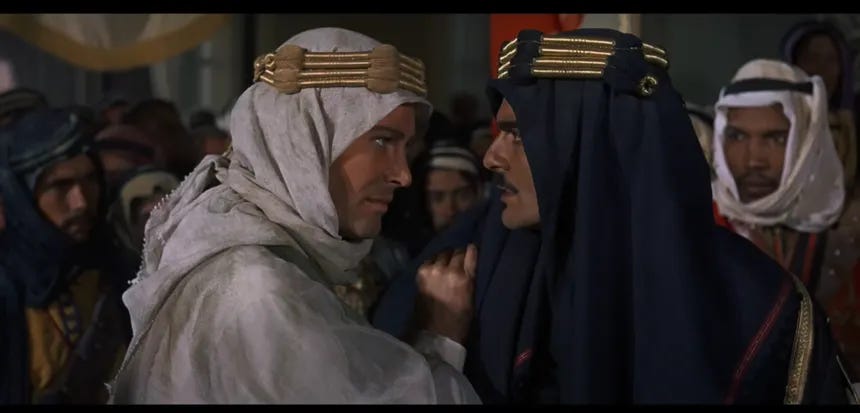
Faisal I, son of Sharif Hussein of Mecca, was one of the central leaders of the Arab Revolt against Ottoman rule during World War I.
Working alongside British officer T.E. Lawrence (“Lawrence of Arabia”), Faisal led Arab forces that fought with Britain against the Ottoman Empire based on British promises of postwar Arab independence and self-government. Lawrence later described the contradiction directly, writing that Britain had raised the Arabs “to fight for us by definite promises of self-government afterwards” and admitted: “I was bitterly ashamed.”
After the Ottoman defeat, however, the postwar settlement did not create the unified Arab independence that Faisal and many Arab leaders believed they had fought for. Instead, former Ottoman territories were placed under British and French mandates, creating the sense among Arab leaders that the promises made during the war had been betrayed.
Faisal’s experience represents the central contradiction of Britain’s Middle East policy:
Arab forces helped Britain dismantle Ottoman rule, but the political settlement that followed was shaped by competing imperial agreements, including Sykes–Picot and the Rothschild’s Balfour Declaration.

Arnold J. Toynbee worked at the British Foreign Office during World War I before becoming one of the twentieth century’s most influential historians. His importance comes from the fact that he observed British imperial policy from inside the system before later analyzing its consequences as a historian.
Toynbee became a major critic of the consequences of the British Mandate in Palestine, arguing that British power had shaped the political conditions that produced long-term conflict between Arab and Jewish national movements.
Unlike T.E. Lawrence and Faisal I, Toynbee was not a battlefield participant. Instead, his role was that of a British official-turned-historian who examined how wartime diplomacy, imperial decisions, and competing national promises created the unresolved Palestine question.
Toynbee’s historical significance comes from his argument that the Mandate system was not simply an administrative transition after World War I, but the continuation of imperial control that transformed the political future of the region.
 was drafted at the request of Winston Churchill, then Secretary of State for the Colonies.1922 — Winston Churchill’s White Paper on Palestine clarified Britain’s implementation of the Balfour Declaration, reaffirming the Jewish national home policy while attempting to define its limits amid growing Arab–Jewish political tensions.")
After World War I, the question became no longer whether Britain would issue promises — but how those promises would be transformed into policy.
Building on these earlier connections, Churchill emerged as a key political figure positioned between Britain’s financial networks, Zionist diplomacy, and imperial decision-making. His own words reflected the influence of Lord Rothschild’s political reach:
“Lord Rothschild would be the person to arrange this for me, as he knows everyone.” — Winston Churchill
This connection became historically significant after World War I, when Churchill entered the position responsible for transforming the Balfour Declaration from a wartime commitment into British government policy.
In 1922, as Secretary of State for the Colonies, Churchill was responsible for defining how Britain would implement that commitment through the Churchill White Paper.
The document reaffirmed Britain’s support for the Balfour Declaration while attempting to limit its interpretation by stating that the policy did not mean Palestine was intended to become entirely Jewish and that immigration should be limited according to the economic capacity of the country.
However, the central contradiction remained:
A British promise to establish a Jewish national home was being implemented in a territory where the overwhelming majority of the population was Arab Muslim and Christian, creating a direct conflict over political sovereignty and self-determination.
This was the same unresolved conflict created during World War I.
The Churchill White Paper formalized the unresolved conflict created during World War I: Britain was now implementing the Balfour framework while facing the consequences of its earlier commitments to Arab allies.
Arnold J. Toynbee, who had worked at the British Foreign Office during World War I and later became a major historian, warned that the Mandate system transformed these unresolved wartime decisions into a lasting political conflict in Palestine.
The Churchill White Paper therefore marked the transition from wartime declaration to official British policy — turning the Balfour commitment into the foundation of Mandate administration.
Churchill helped transform the Rothschild-backed Balfour commitment from a wartime declaration into British policy, turning a promise made during World War I into the foundation of the Palestine Mandate. For Arab leaders who fought alongside Britain against the Ottoman Empire, this represented the betrayal of the independence they believed they had been promised.
Additional context for the Balfour Declaration and Palestine debate.
Before becoming president, John F. Kennedy visited Palestine in 1939 and wrote a private letter to his father criticizing British policy, Zionist political ambitions, and the competing claims over Palestine before Israel existed.
JFK wrote:
“After all, Palestine was hardly Britain’s to give away.”
He also recorded early false flag pattern he witnessed during his visit:
“There were 13 bombs set off my last evening there, all in the Jewish quarter and all set off by Jews.”
And:
“The Jewish terrorists bomb their own telephone lines and electric connections and the next day frantically phone the British to come and fix them up.” — John F. Kennedy, 1939 Palestine letter to his father
Read the full article:
Most readers already have a general understanding of World War II and how it unfolded, as the major events have been extensively documented.
The established timeline of the war is well documented.
Instead, the focus here is the financial and political background surrounding the conflict.
Coming out of World War I, European powers were deeply indebted, and international financial networks influenced the economic environment stretching from Britain to Germany.
When discussing Germany’s financial situation, this also includes the political networks surrounding German institutions and political parties, including the rise of the Nazi Party.
The central question of this section is:
How did financial networks, political influence, and international power struggles shape the events leading into World War II?
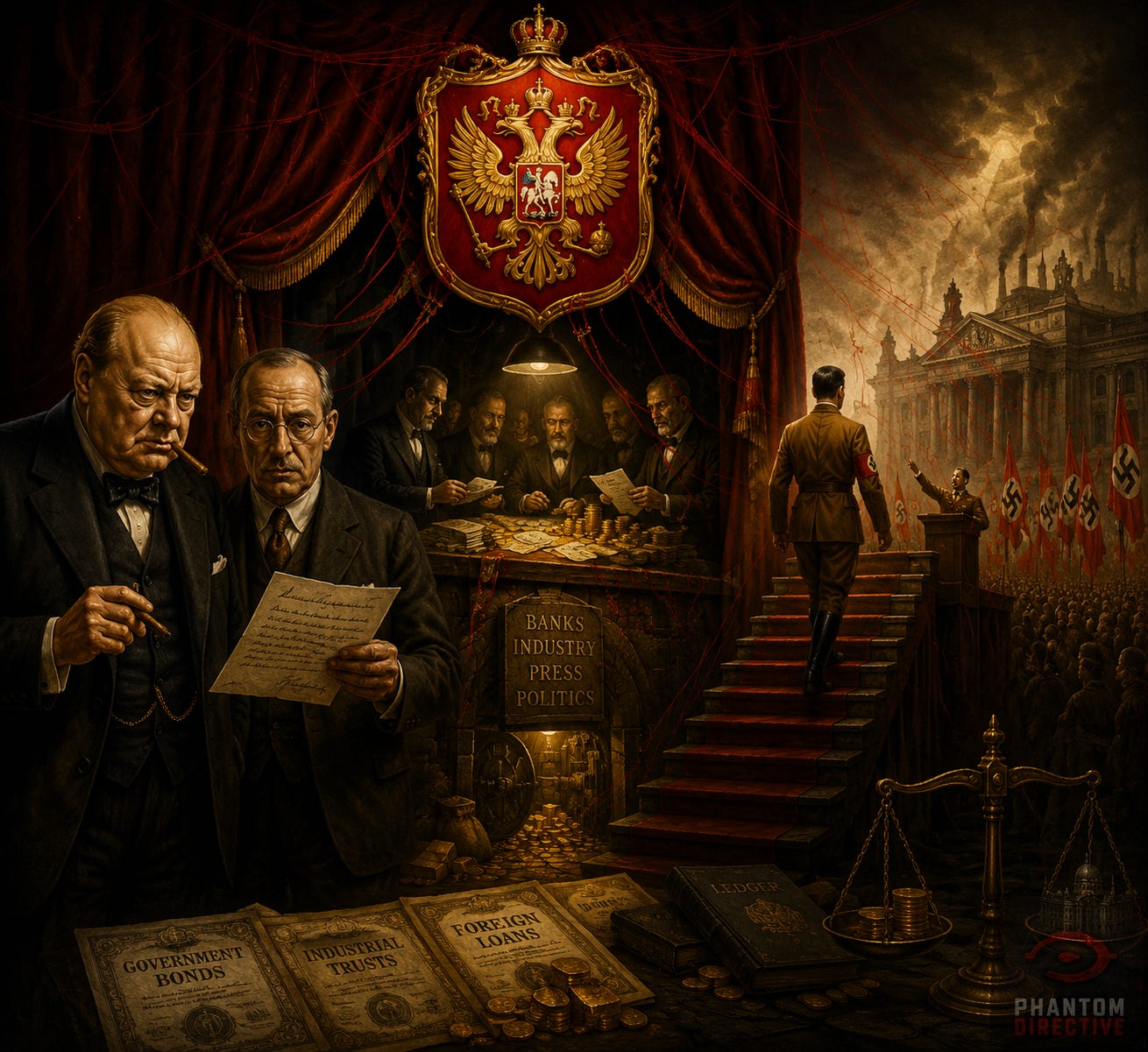
When the Nazi Party was attempting to gain political power in Germany, former German Chancellor Heinrich Brüning wrote to Winston Churchill:
“From October 1928, the two largest regular contributors to the Nazi Party were the general managers of two of the largest Berlin banks, both of Jewish faith and one of them the leader of Zionism in Germany.”
This letter was significant because Brüning was appealing to Churchill in an attempt to raise awareness of the Zionist Jewish financial and political networks supporting the Nazi Party’s rise. He chose Churchill because of his long-established connections within Britain’s political and financial circles, including his relationship with Lord Rothschild and other influential Jewish financiers.
However, Churchill was unable to prevent the financial networks connected to Rothschild and Zionist circles from supporting the Nazi Party’s rise to power.
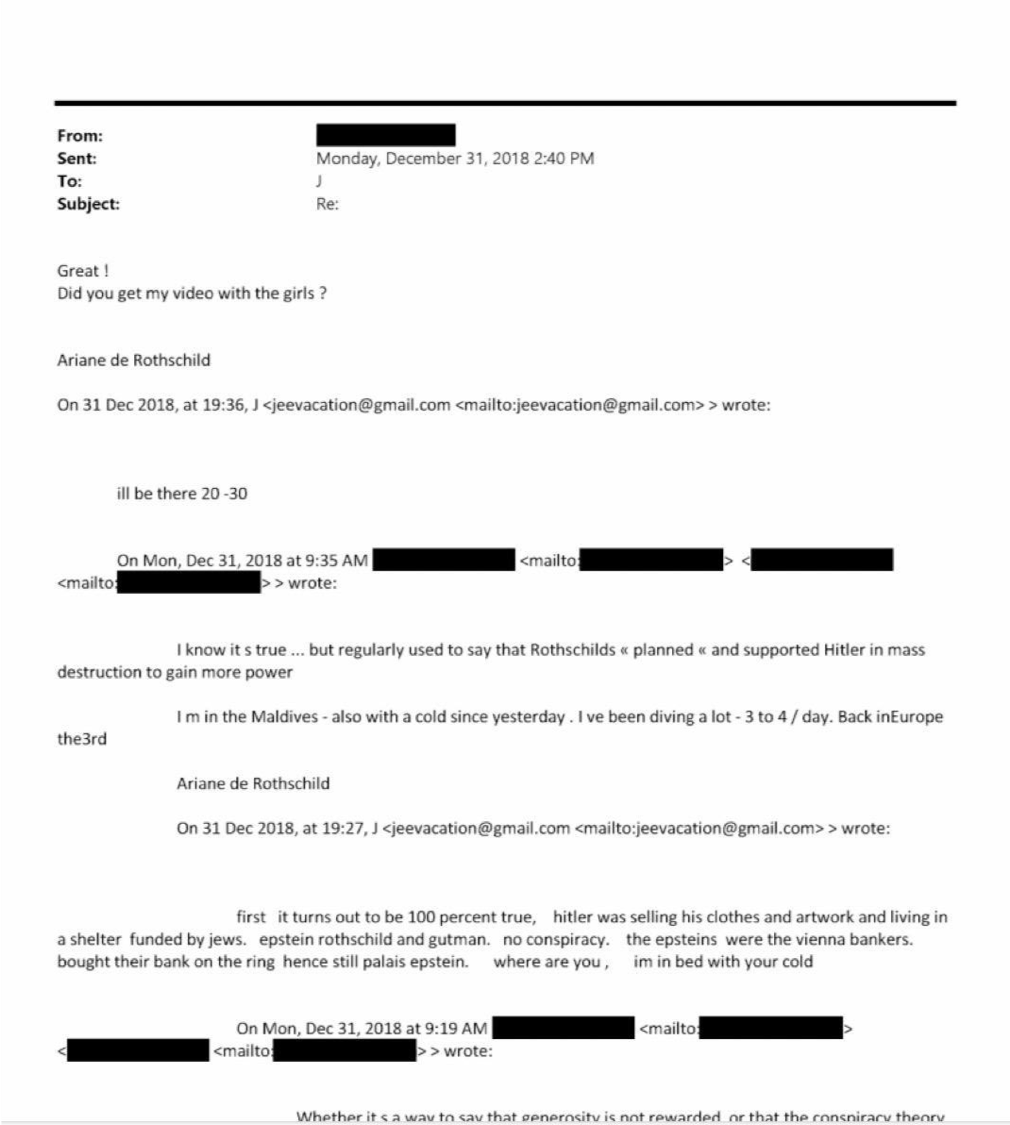
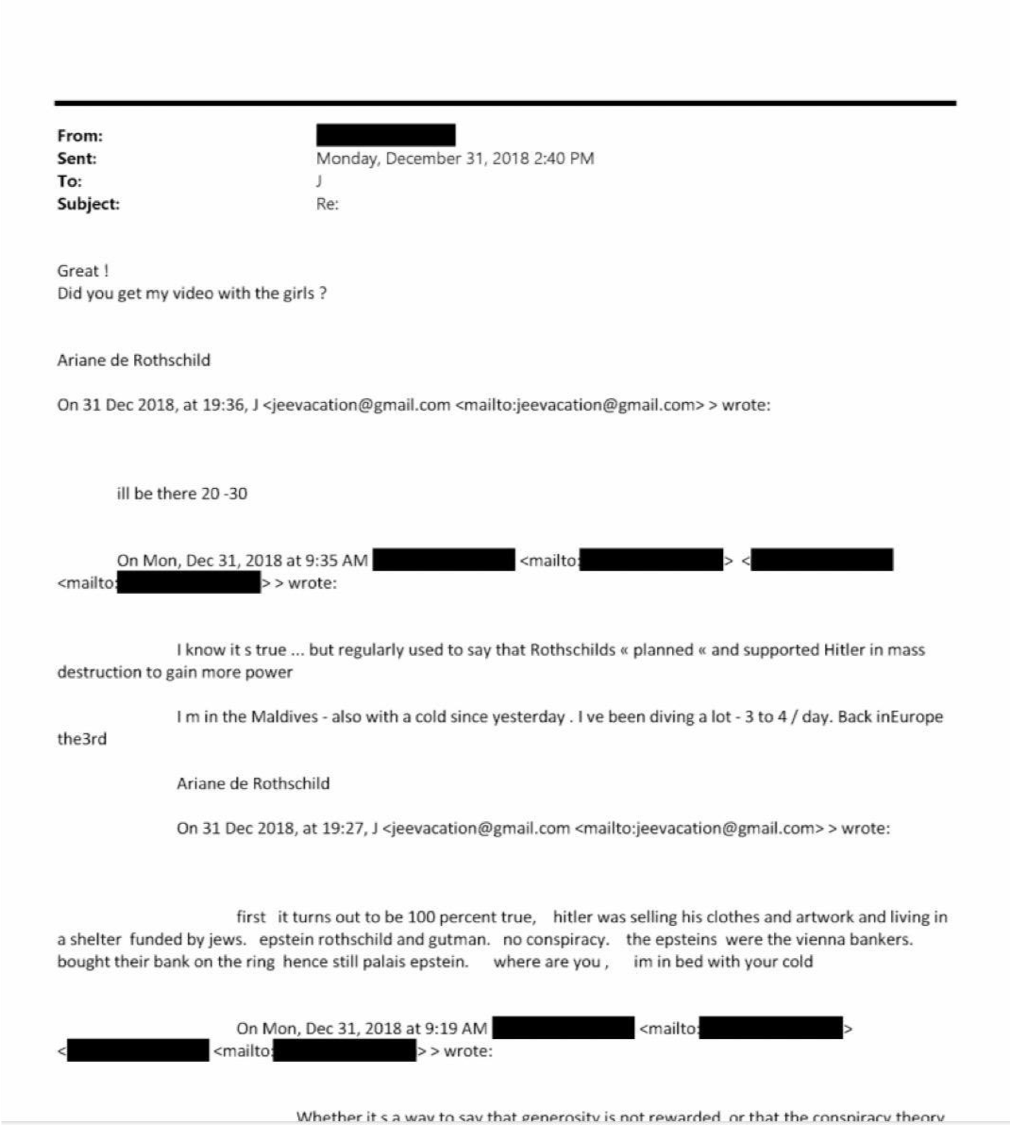
Ariane de Rothschild confirmed the Rothschild financial network’s support for Hitler and the Nazi Party and wrote to Epstein: “Rothschilds ‘planned’ and supported Hitler in mass destruction to gain more power.” Epstein File: EFTA02608107.
As discussed earlier, a similar pattern can be seen in modern politics, where powerful lobbying and financial networks can influence electoral outcomes — such as the pro-Israel lobbying campaign that successfully ostracized Thomas Massie, with millions spent to remove him from office after he was targeted for opposing Israel’s endless wars.
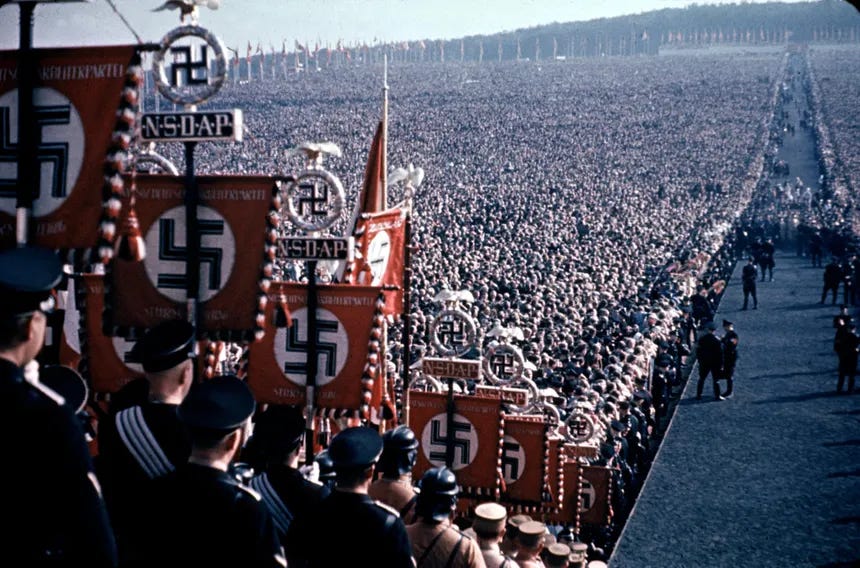
Adolf Hitler and the Nazi Party achieved their first electoral plurality in the July 1932 German federal election, winning 37.3% of the vote and becoming the largest party in the Reichstag.
Hitler was appointed Chancellor by President Paul von Hindenburg on January 30, 1933.
After taking power, the Nazi government attempted to restructure Germany’s economy and reduce dependence on the international financial system that had developed after World War I.
Germany sought to create a separate economic and trade structure that would give the state greater control over finance, production, and international commerce.
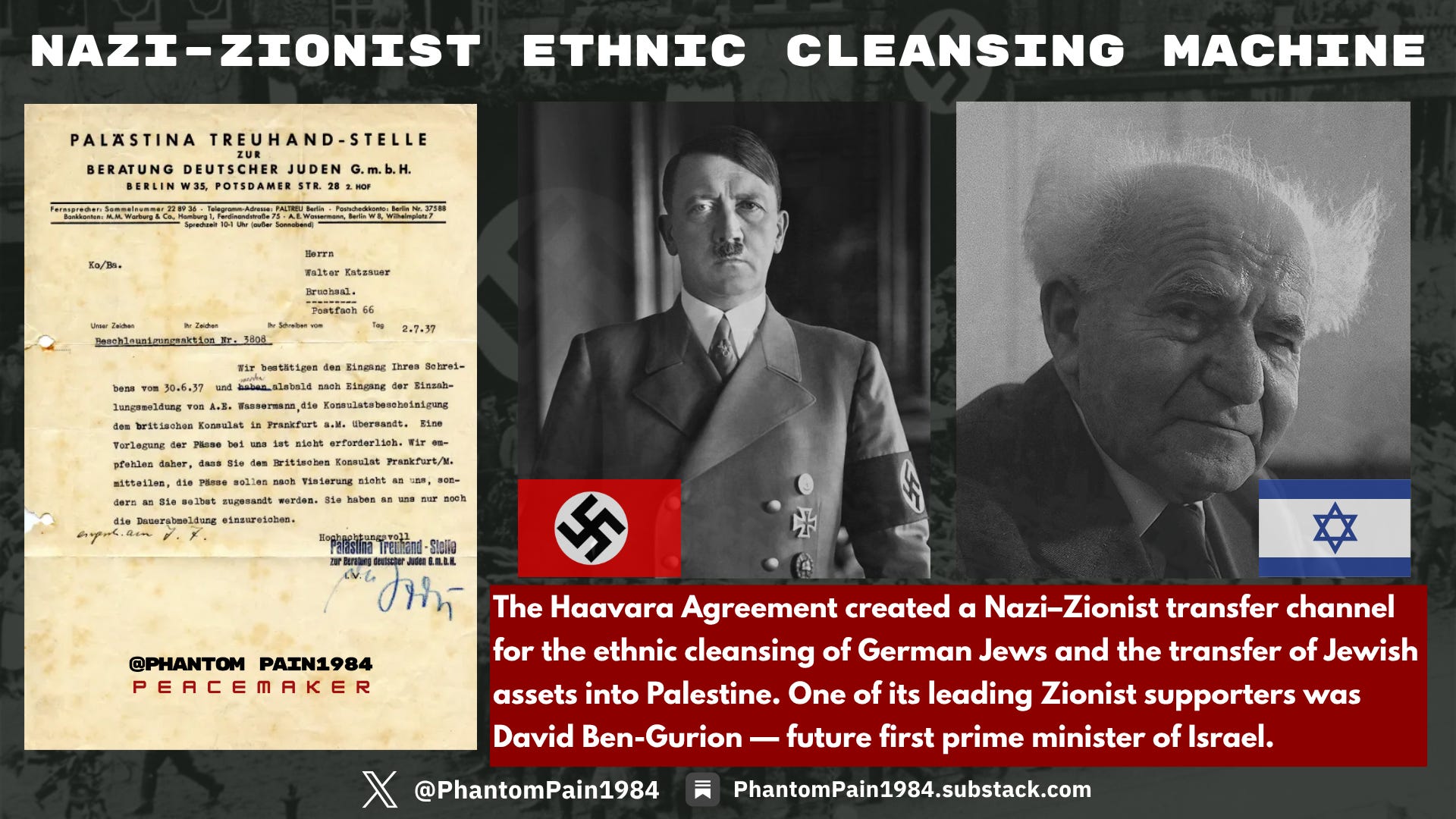
In 1933, shortly after Adolf Hitler became Chancellor of Germany, representatives of the Zionist movement entered negotiations with Nazi authorities that resulted in the Haavara Agreement.
Through the Haavara Agreement, official Zionist leadership entered into an agreement with Nazi Germany that created a mechanism for the ethnic cleansing of Jews from Germany, the transfer of Jewish assets into Palestine, and the strengthening of the demographic foundation of the future state. Chaim Weizmann would later become Israel’s first president, and David Ben-Gurion would later become Israel’s first prime minister. These were not fringe figures — they were among the central leaders of the Zionist movement that would shape the foundation of the State of Israel.
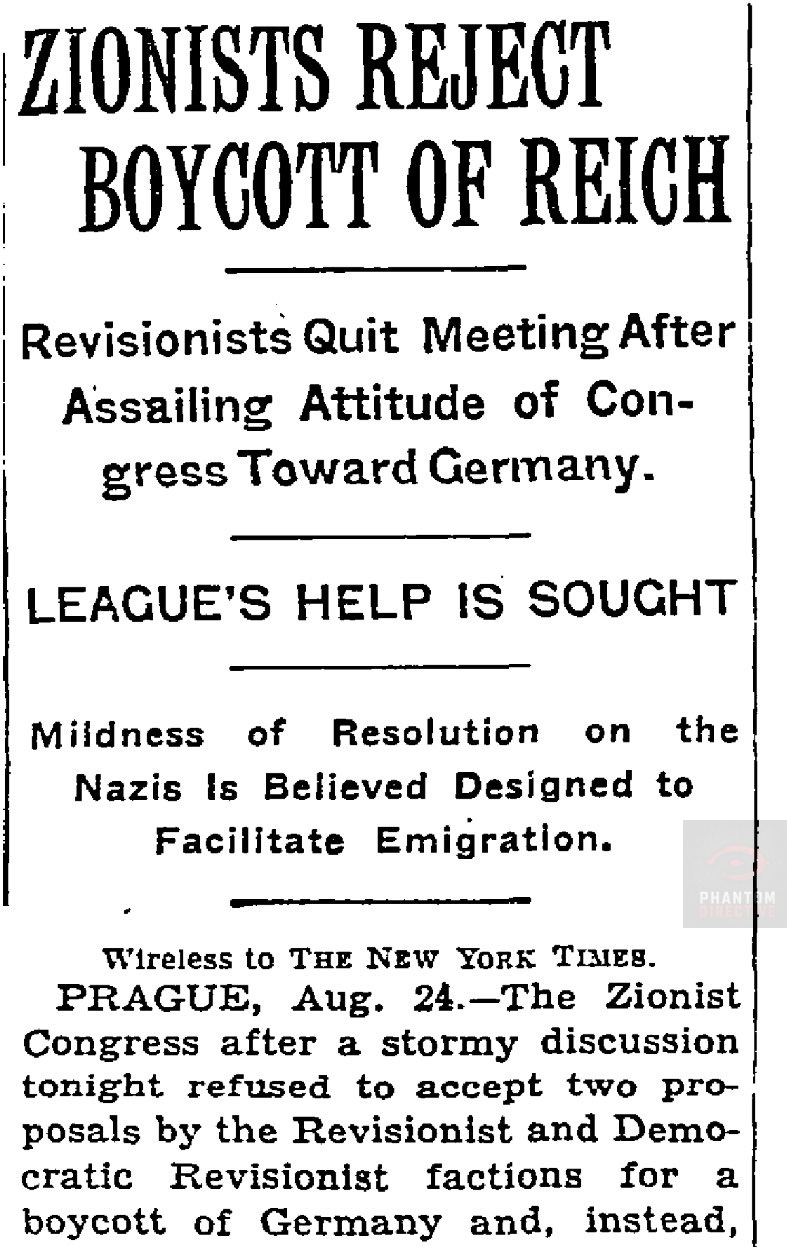
At the same time, many Jewish organizations internationally were calling for a boycott of Nazi Germany.
The Zionist Congress rejected proposals for a boycott, as documented in the New York Times report below.
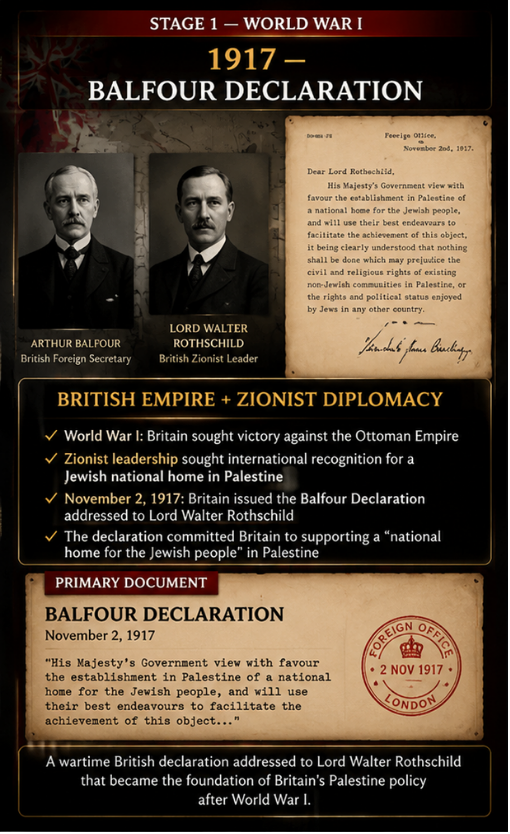
Britain was seeking victory against the Ottoman Empire and needed the support of the Rothschild family and Jewish financial networks, while Zionist political leadership was seeking international recognition for a Jewish national home in Palestine. The result was a quid pro quo: the 1917 Balfour Declaration, addressed to Lord Walter Rothschild, which committed Britain to supporting a “national home for the Jewish people” in Palestine.
Germany entered the Weimar period facing severe economic pressure, political instability, and resentment over the postwar settlement. During this period, Heinrich Brüning, a member of the Catholic Centre Party and later Chancellor of Germany, became a witness to the political struggle surrounding the rise of extremist movements.
German Chancellor Brüning wrote to Winston Churchill warning him about the Jewish Zionist financial and political networks connected to the Nazi Party’s rise. The Jewish Zionist financial networks contributed to the Nazi Party’s political advancement, which helped it defeat the Catholic Centre Party in the July 1932 election. Hitler was then appointed Chancellor by President Paul von Hindenburg on January 30, 1933.
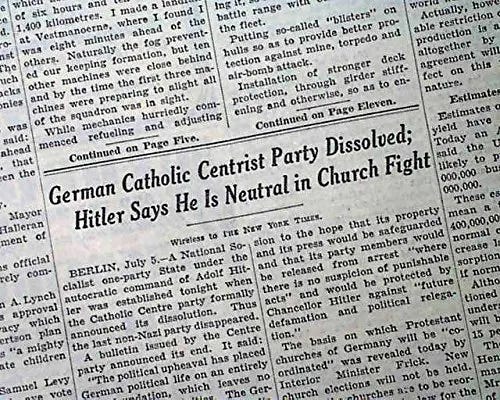
After securing the Jewish Zionist financial backing and political momentum that brought Hitler to power, the Nazi regime moved quickly against its opponents. On July 5, 1933, Hitler’s government dissolved the Catholic Centre Party — once the largest political rival to Nazi rule — completing the destruction of Germany’s democratic opposition.
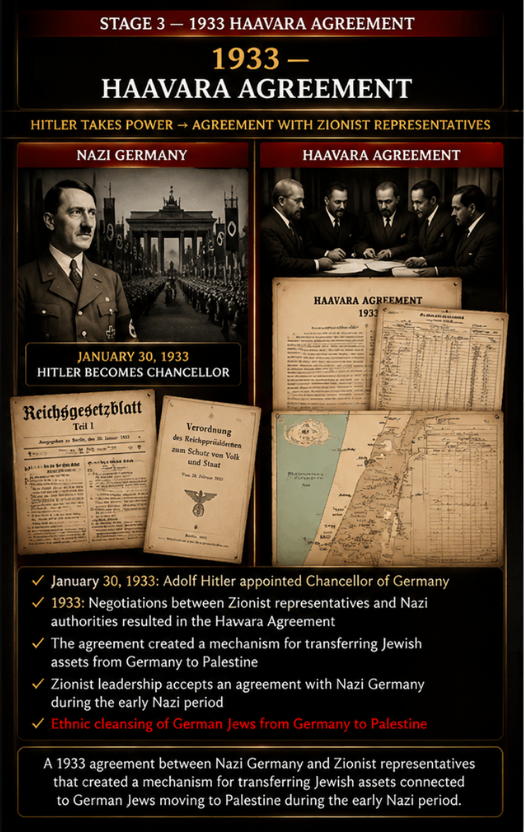
Within the same year, negotiations between Zionist representatives and Nazi authorities resulted in the Haavara Agreement, creating a mechanism for transferring Jewish assets and ethnically cleansing German Jews to Palestine during the early period of Nazi rule.
A very important historical note: The Rothschild and Zionist movement leadership was never able to secure the Haavara Agreement to ethnically cleanse German Jews into Palestine and help build the future Jewish State during the Catholic Centre Party’s rule. However, as soon as Hitler took power in 1933, negotiations began that resulted in the Haavara Agreement in the same year.
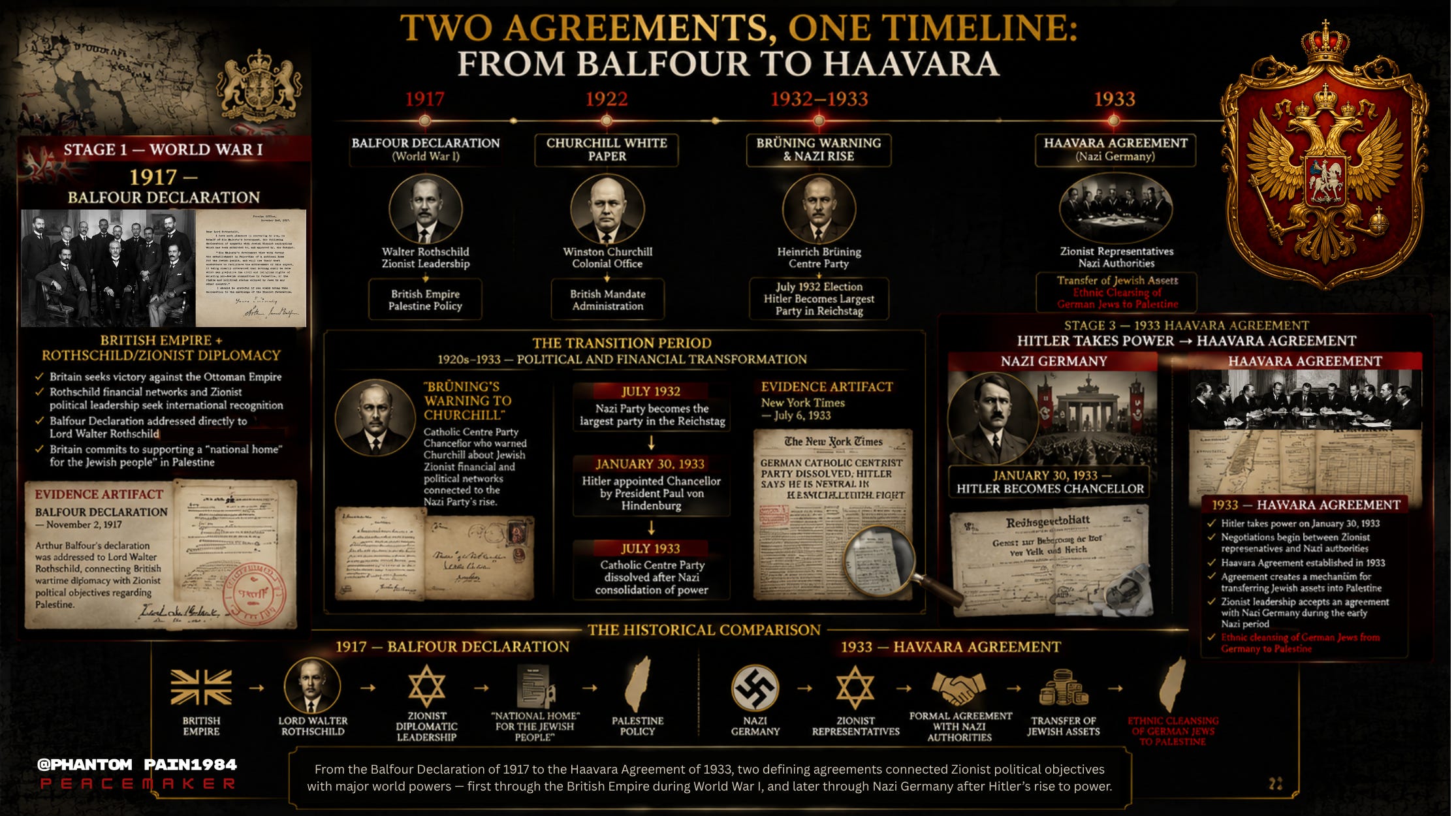
Historical Timeline: From World War I diplomacy and the Balfour Declaration to Nazi Germany and the Haavara Agreement in 1933.
This creates the historical comparison:
During World War I, the Balfour Declaration converted the Rothschild wartime financial backing and Zionist diplomatic efforts into an official British commitment toward a Jewish national home in Palestine. The declaration was addressed to Lord Walter Rothschild, a leading figure in British Zionist leadership, making the Rothschild–Zionist connection central to this diplomatic turning point.
In 1933, after Hitler came to power, the Haavara Agreement created a formal arrangement between Zionist representatives and Nazi Germany, establishing a system for transferring Jewish assets and facilitating the ethnic cleansing of German Jews to Palestine.
Together, these agreements mark two defining moments where Zionist political objectives intersected with major world powers: the Balfour Declaration linking Zionist financial backing and diplomacy with the British Empire during World War I, and the Haavara Agreement linking Zionist organizations with Nazi Germany during Hitler’s rise.
I previously examined this subject extensively while following JFK’s journey from Germany to Palestine, his observations before entering politics, and his later service during World War II against Nazi Germany.
That investigation examined:
JFK’s observations of Germany before the war
his Palestine letters
the Haavara Agreement
the Zionist movement during the 1930s
later attempts by the Stern Gang to establish contact with Nazi Germany during the Holocaust period
Read the full investigation here:
Many readers may ask the same question I asked while researching this subject:
“Why did Rothschild and Zionist financial networks support Hitler’s rise, reject boycott efforts against Nazi Germany, and create a formal Haavara Agreement with the Nazi regime for the ethnic cleansing of Jews from Germany and the transfer of Jewish assets into Palestine?”
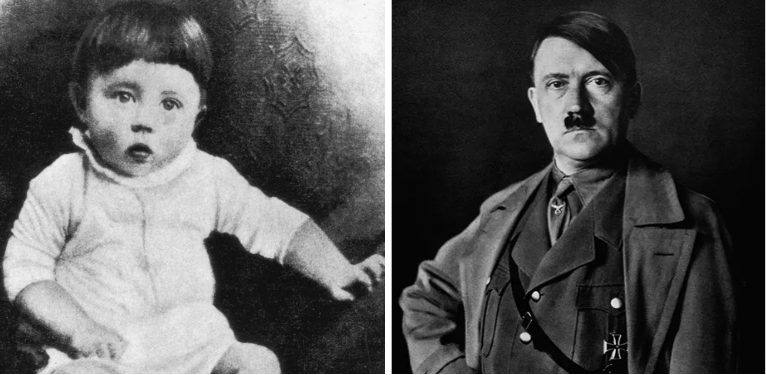
This question leads into one of the most controversial historical debates surrounding Nazi Germany: the investigations into Hitler’s own family ancestry.
The claim that Adolf Hitler’s paternal grandfather may have been Jewish has existed for decades and has been investigated by historians from different perspectives.
The claim became widely known after Hans Frank, Hitler’s former lawyer and later Nazi official, wrote in his 1946 memoir that Hitler had asked him to investigate rumors about his ancestry. Frank wrote that Hitler’s grandmother, Maria Anna Schicklgruber, may have had a relationship with a Jewish family in Graz, Austria, where she worked as a servant.
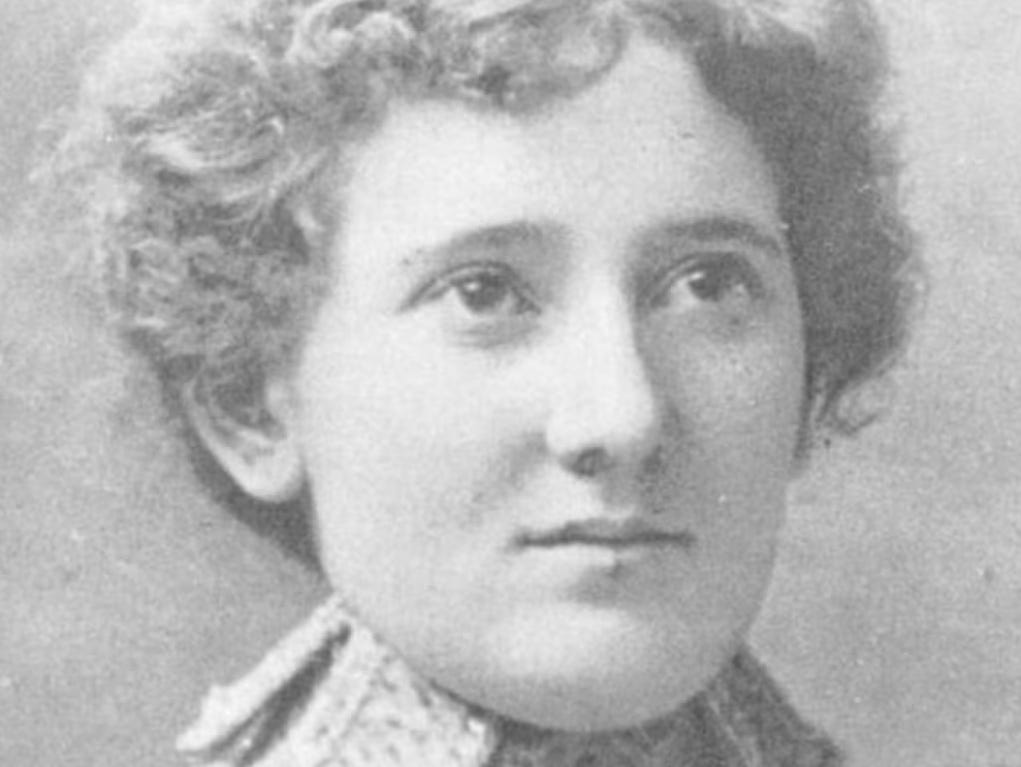
Hitler’s Jewish ancestry comes primarily from the unknown biological father of Alois Hitler, Hitler’s father. Alois Hitler was born illegitimate in 1837 to Maria Anna Schicklgruber who worked as a household servant for a Jewish Family in Graz.
In 2019, historian and researcher Leonard Sax revisited the historical fact in the Journal of European Studies, arguing that previous objections — particularly the claim that no Jewish community existed in Graz at that time — were false. Sax confirmed that Jewish residents did exist in Graz before the 1860s.
After examining the historical facts surrounding Hitler’s ancestry, another historical claim came out regarding Hitler’s early years in Vienna and the networks surrounding his time there.
From the Epstein Files:
Jeffrey Epstein wrote: “First, it turns out to be 100 percent true: Hitler was selling his clothes and artwork and living in a shelter funded by Jews — Epstein, Rothschild, and Gutman. No conspiracy. The Epsteins were the Vienna bankers.”
Ariane de Rothschild responded: “I knew it was true … but regularly used to say that Rothschilds ‘planned’ and supported Hitler in mass destruction to gain more power.” Epstein Files — EFTA02608107
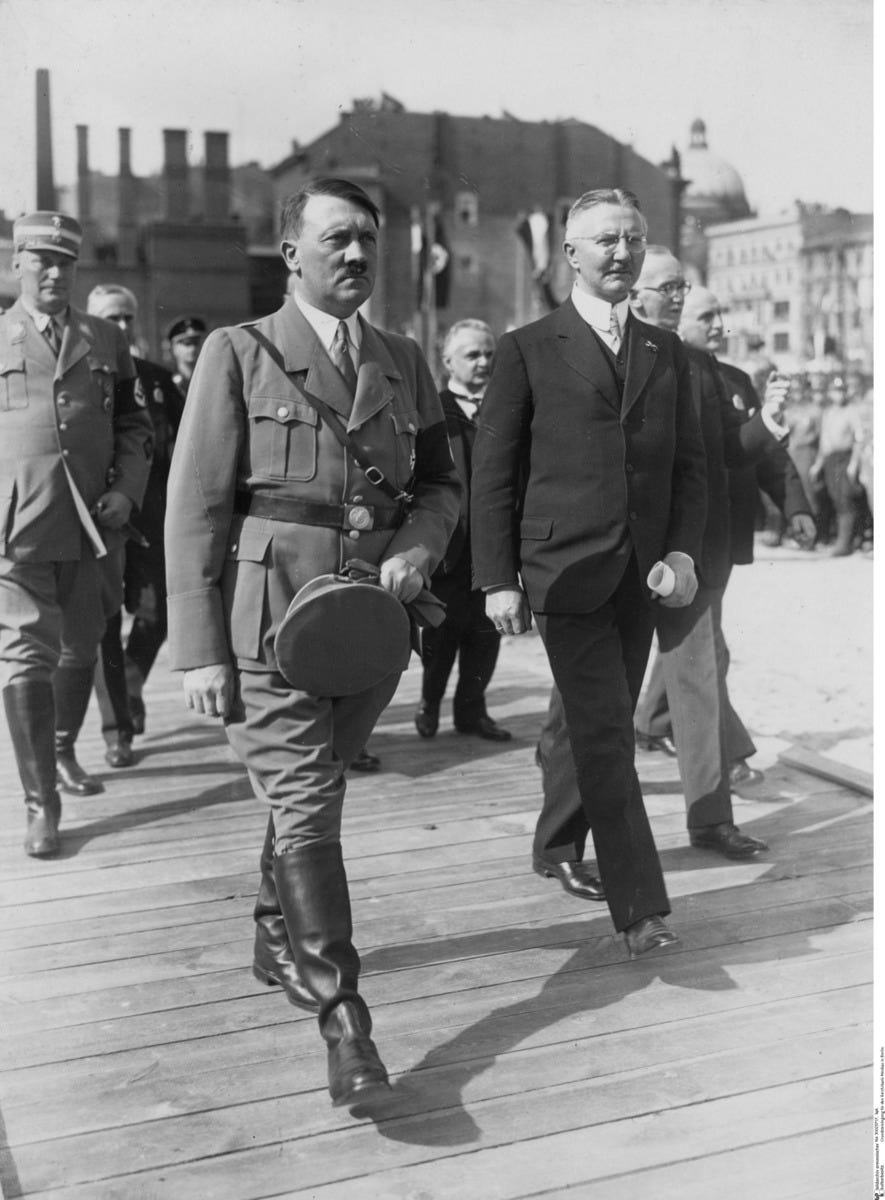
“Germany’s unforgivable crime before the second world war was her attempt to extricate her economic power from the world’s trading system and to create her own exchange mechanism which would deny world finance its opportunity to profit.” — Winston Churchill, quoted by Sidney Rogerson, Propaganda in the Next War (1938).
After World War I, the global financial order entered a period of instability.
Britain emerged victorious, but victory came with enormous economic consequences.
The British Empire carried:
massive war debt
economic pressure
declining imperial strength
growing political instability
At the same time, international politics remained deeply connected to the Rothschild financial networks, trade systems, and competing visions for the future economic order.
But Germany followed a different path.
After Hitler became Chancellor in 1933, the Nazi regime launched a radical transformation of the German economy.
The goal was not simply economic recovery.
It was the creation of a state-controlled economic system designed to reduce dependence on the Rothschild-dominated international financial and trading structures that Germany had operated within after World War I.
The Nazi economic program focused on:
reducing dependence on foreign currency
controlling trade
increasing domestic production
rebuilding military capacity
preparing Germany for expansion
As discussed in the previous section, Hitler and the Nazi Party relied on the Rothschild financial network and Jewish Zionist financiers to support their rise to power in 1933. However, after taking power, the Nazi regime moved toward creating a separate economic structure controlled directly by the German state rather than remaining dependent on external financial systems.
Economic historian Adam Tooze wrote that Hitler’s regime did not simply attempt to recover Germany’s economy after World War I — it reorganized the entire economic system around state control, military expansion, and preparation for a future war.
“Hitler’s vision… transformed every aspect of the German economy.”
— Adam Tooze, The Wages of Destruction: The Making and Breaking of the Nazi Economy.
Tooze’s analysis shows that Nazi economic policy was built around a massive mobilization of resources, the expansion of armaments production, and efforts to overcome Germany’s dependence on foreign resources and trade limitations. The regime’s economic transformation became inseparable from its military ambitions.
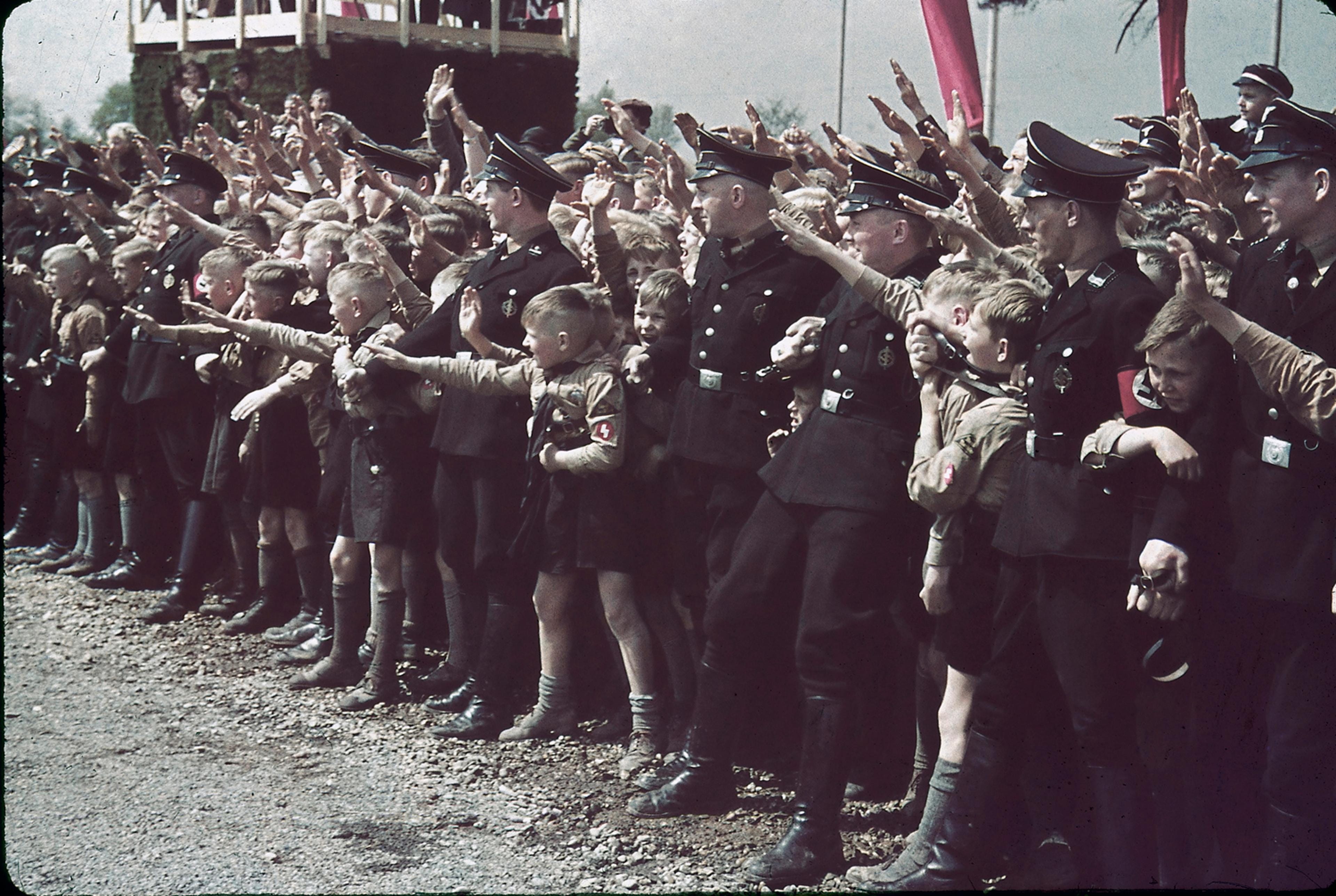
The Nazi regime’s economic strategy was not simply about rebuilding Germany — it was about creating the economic foundation for a new political order.
Under Hjalmar Schacht, the president of the Reichsbank and later Nazi Minister of Economics, Germany introduced financial mechanisms such as Mefo bills to fund rearmament and increasingly placed foreign trade under state direction. Schacht became one of the key architects of Nazi Germany’s early economic strategy, using state-controlled financial policies to reduce dependence on foreign currency and strengthen Germany’s ability to sustain military expansion.
The result was a transformation of Germany’s economy from a postwar system shaped by international pressures — where Hitler sought the Haavara Agreement as a quid pro quo with the Rothschild and Zionist movement to overcome imposed boycotts — into a centralized war economy designed for national mobilization.
Hitler and the Nazi regime’s economic transformation after 1933 was not only a recovery program — it was an attempt to break from the postwar economic order and the international financial networks, including the Rothschild-dominated financial system, by creating a centralized German war economy designed for national mobilization.
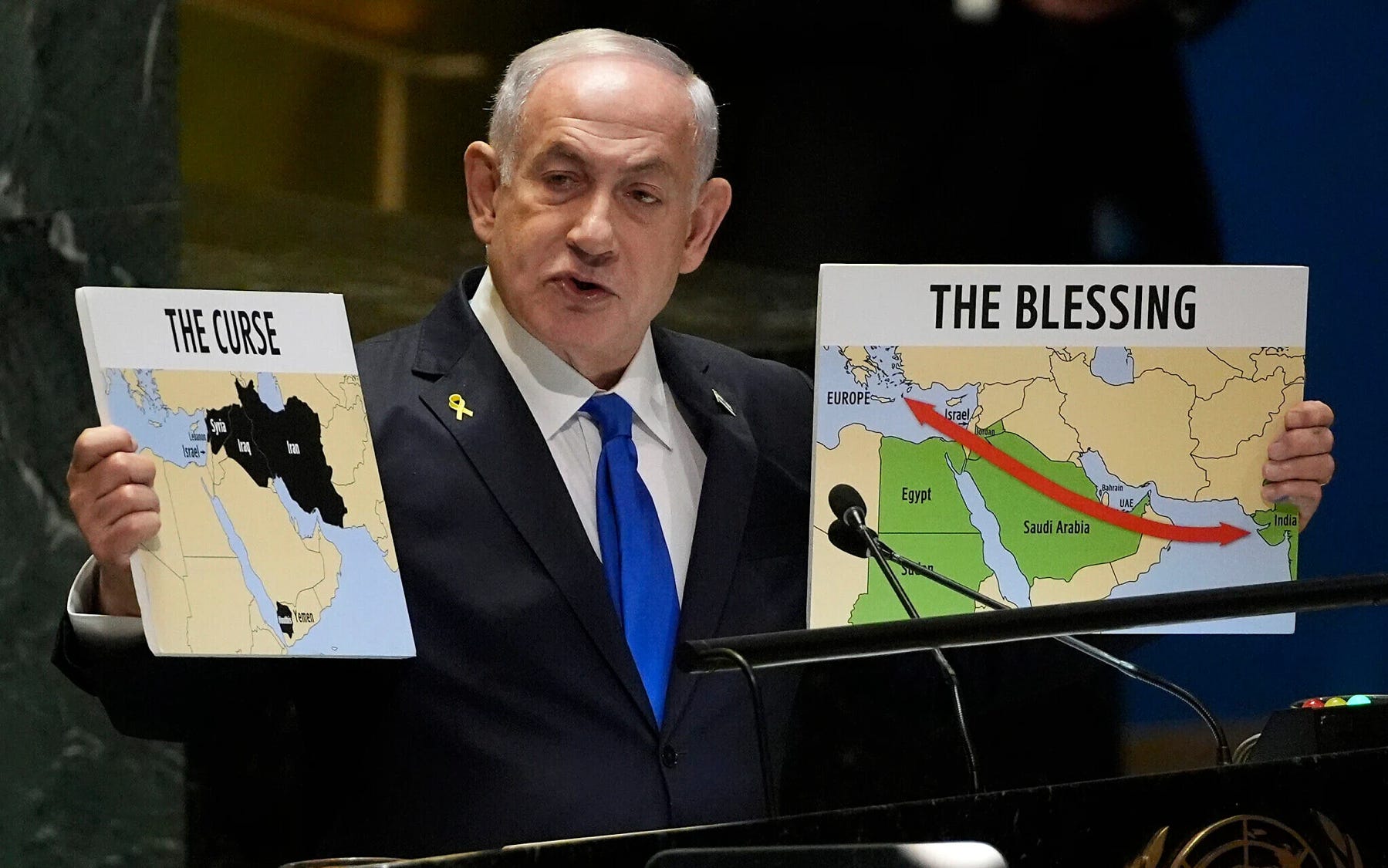
In 1996, Benjamin Netanyahu commissioned A Clean Break: A New Strategy for Securing the Realm, a policy paper prepared by a group of Jewish American and Israeli neoconservatives. The document identified Iraq, Syria, Lebanon, and Iran as principal regional challenges and argued for a fundamental shift in Israeli strategy, including the removal of Saddam Hussein and the weakening of Syria.
Several of the paper’s authors—including Richard Perle, Douglas Feith, and David Wurmser—later served in senior national security positions in the George W. Bush administration, where they became influential voices during the period leading up to the Iraq War.
Six years later, on September 12, 2002, Netanyahu testified before the U.S. Congress and urged U.S. military action against Iraq. When asked whether the United States should pursue additional preemptive action beyond Iraq, he replied “categorically yes,” discussing Iraq, Iran, and Libya as regimes requiring action.
: Ari Shavit wrote that the Iraq War was conceived by "25 neoconservative intellectuals, most of them Jewish."")
The deeper layer that many people fail to connect is this: the countries Netanyahu targeted in U.S. congress were not simply framed through security narratives — they were also outside the Rothschild dominant global financial and political order. Many faced years of sanctions, military pressure, and wars that resulted in massive human suffering.
On the surface, Netanyahu promoted the Clean Break blueprint and appeared before Congress to advocate U.S. preemptive attacks against Iraq, Iran, Libya and others, presenting them as “terrorist states” or nuclear threats. But beneath that narrative lies another strategic question: these countries also contained vast natural resources, strategic geographic positions, and economic systems operating outside the Rothschild/Western-led financial architecture.
Netanyahu’s wars did not emerge in isolation.
Behind the headlines is a deeper pattern of strategy, intelligence, narrative control, and chaos.
The following report examines Netanyahu, Israel’s strategic doctrine, intelligence operations, media narratives, and the pattern of regional fragmentation that has shaped conflicts across decades.
Read the full investigative report:
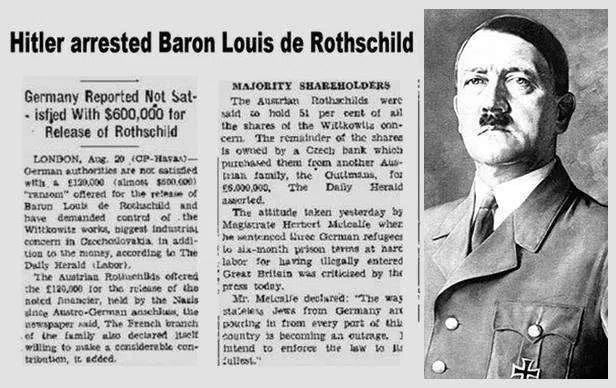
Hitler’s ambition to create a centralized German war economy hit the blockade of an old ally that had helped him rise to power: the Rothschild financial network.
This is what Winston Churchill described as Germany’s “unforgivable crime” before the Second World War: “Her attempt to extricate her economic power from the world’s trading system.” This led to one of the most dramatic reversals in the history of European banking families.
For generations, the Austrian Rothschild branch had been among the most prominent financial institutions in Central Europe.
But after Nazi Germany’s annexation of Austria in 1938, the family became a direct target of Nazi seizure policies. The annexation transformed Austria’s political system overnight.
The Rothschild banking network that had once represented European financial power became an example of how authoritarian governments could dismantle private wealth through state force.
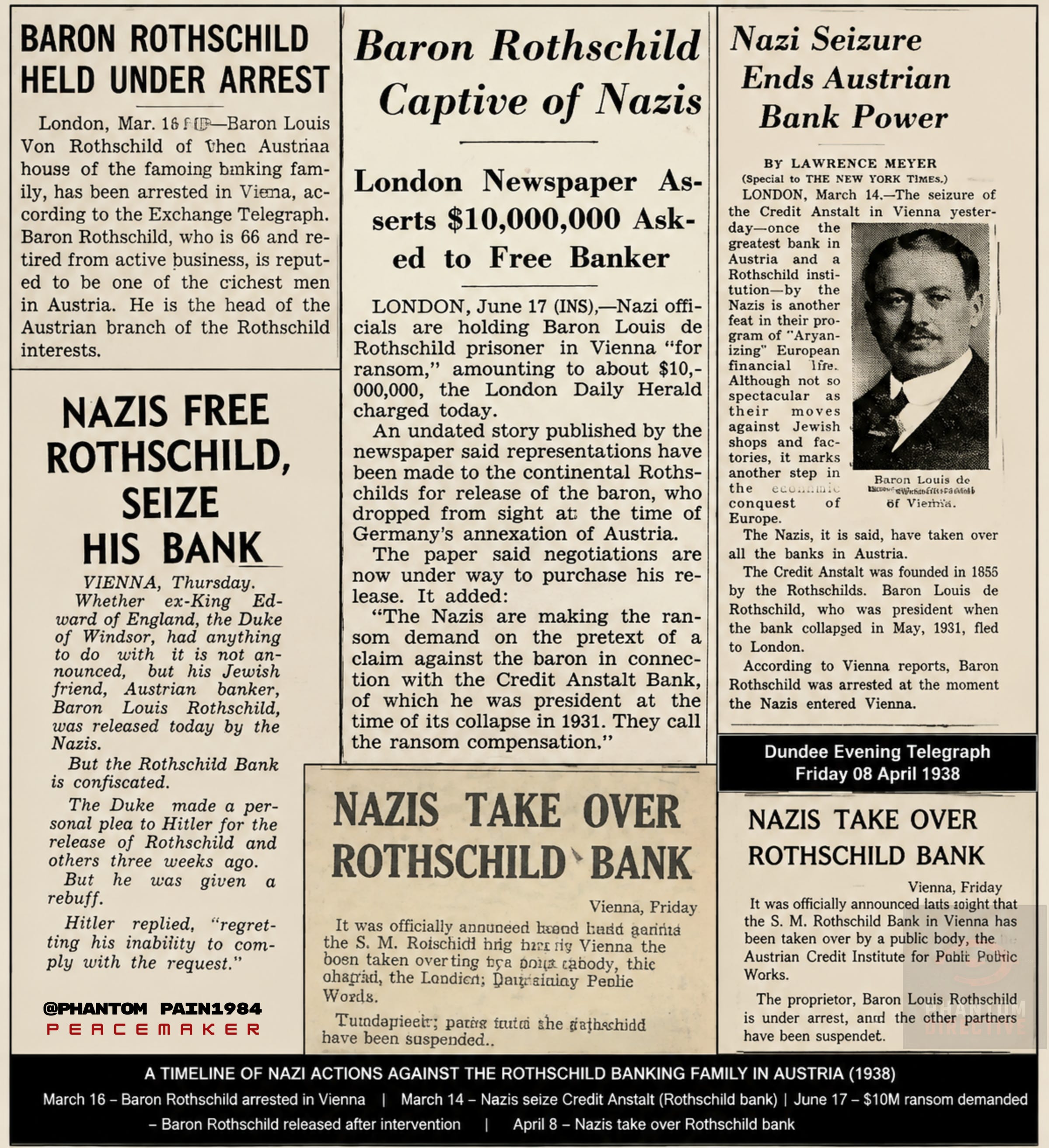
Following Germany’s annexation of Austria, Baron Louis von Rothschild was arrested by Nazi authorities. His detention became one of the most visible examples of the Nazi campaign against Austrian Jewish elites.
The goal was not only political control.
It was economic seizure.
The Nazi regime moved quickly to take control of Austrian financial institutions and assets. Banks, companies, properties, and private collections belonging to Jewish families were targeted through forced transfers and confiscation.
Hitler's seizure of the Rothschild banking interests in Austria, one of Central Europe's most prominent financial institutions, formed part of a broader effort to integrate Austria's financial system into the Third Reich. The transfer of Austrian banking assets, gold reserves, and foreign exchange to Berlin helped ease Germany's resource constraints and strengthened its drive toward a centralized wartime economy.
The Rothschild case became one of the clearest examples of how political power could be used to destroy financial independence.
The same financial networks that once connected European governments became vulnerable when political movements gained the power to redefine ownership, citizenship, and economic control.
We established earlier that the Rothschild and Zionist financial networks backed Hitler’s rise, rejected international boycott efforts against Nazi Germany, and helped establish the Haavara Agreement.
The Nazi-Zionist Haavara agreement facilitated the ethnic cleansing of German Jews to Palestine to support the creation of the future “Jewish State”.
History often teaches that Nazi Germany ended in May 1945.
Governments fell.
Borders changed.
Hitler died.
The Third Reich collapsed.
But intelligence networks rarely disappear as quickly as governments.
Some dissolved.
Others adapted.
One man illustrates that continuity better than almost anyone:
Otto Skorzeny.
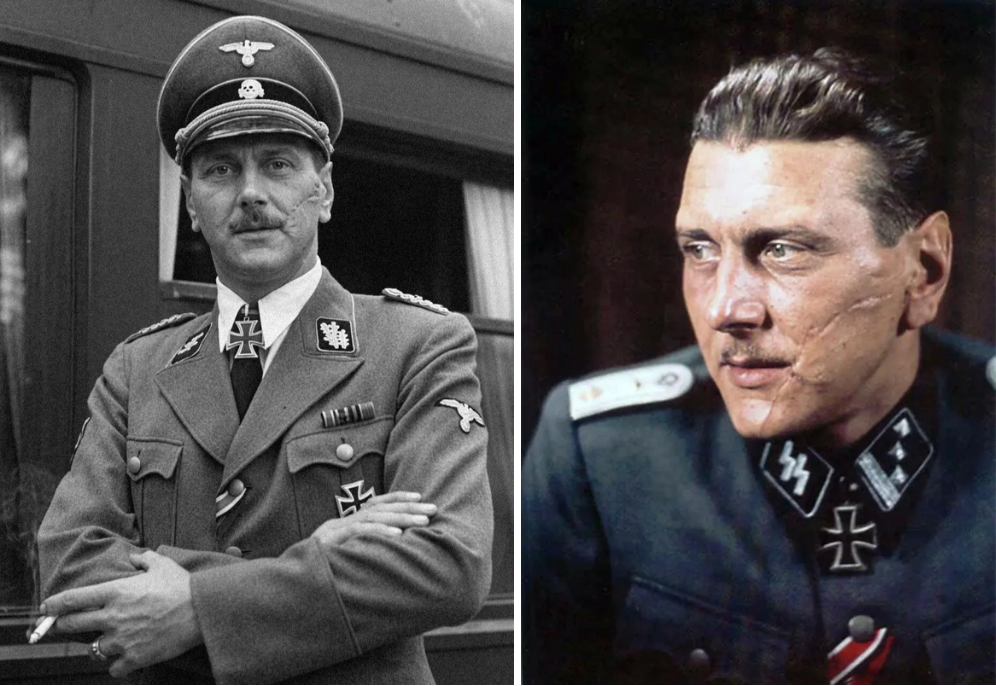
Rothschild support for Israel continued beyond 1945, alongside intelligence networks that included figures connected to Hitler's Nazi regime. Otto Skorzeny became one of the most striking examples of that postwar continuity.
Otto Skorzeny was one of Nazi Germany’s most famous SS commandos and among Hitler’s most trusted special operations officers. During the war he led some of the Third Reich’s most daring missions, including Operation Eiche, the dramatic rescue of Benito Mussolini in 1943, Operation Panzerfaust in Hungary, and Operation Greif during the Battle of the Bulge, where German commandos infiltrated Allied lines wearing captured American uniforms.
When Germany collapsed, Skorzeny was captured by Allied forces and later stood trial at Dachau. He was acquitted, escaped internment in 1948, and eventually settled in Spain.
Most people assume his story ended there.
It didn’t.
In the early 1960s, multiple Israeli journalists, former Mossad officials, and later historical accounts reported that Hitler’s most trusted special operations officer Otto Skorzeny secretly worked with Mossad, assisting Israeli intelligence during operations targeting German scientists working on Egypt’s missile program.
According to multiple Israeli historians and former Mossad officials, Otto Skorzeny helped shape Israel's intelligence and Mossad operations, bringing the expertise he had developed as one of Nazi Germany's most famous SS commandos with a remarkable record of special operations.
The battlefield had changed.
The intelligence world had not.
Rothschild and Zionist networks shaped the first half of the twentieth century through political diplomacy, wartime alliances, and agreements with Britain and Nazi Germany, and connected major powers to the creation of the future ‘Jewish State.’ After 1945, those networks entered a new intelligence era — where figures such as Otto Skorzeny, Hitler’s most trusted special operations officer, became part of the postwar intelligence world, becoming one of the figures associated with the development of Israeli intelligence and Mossad operations that continue to shock the world.
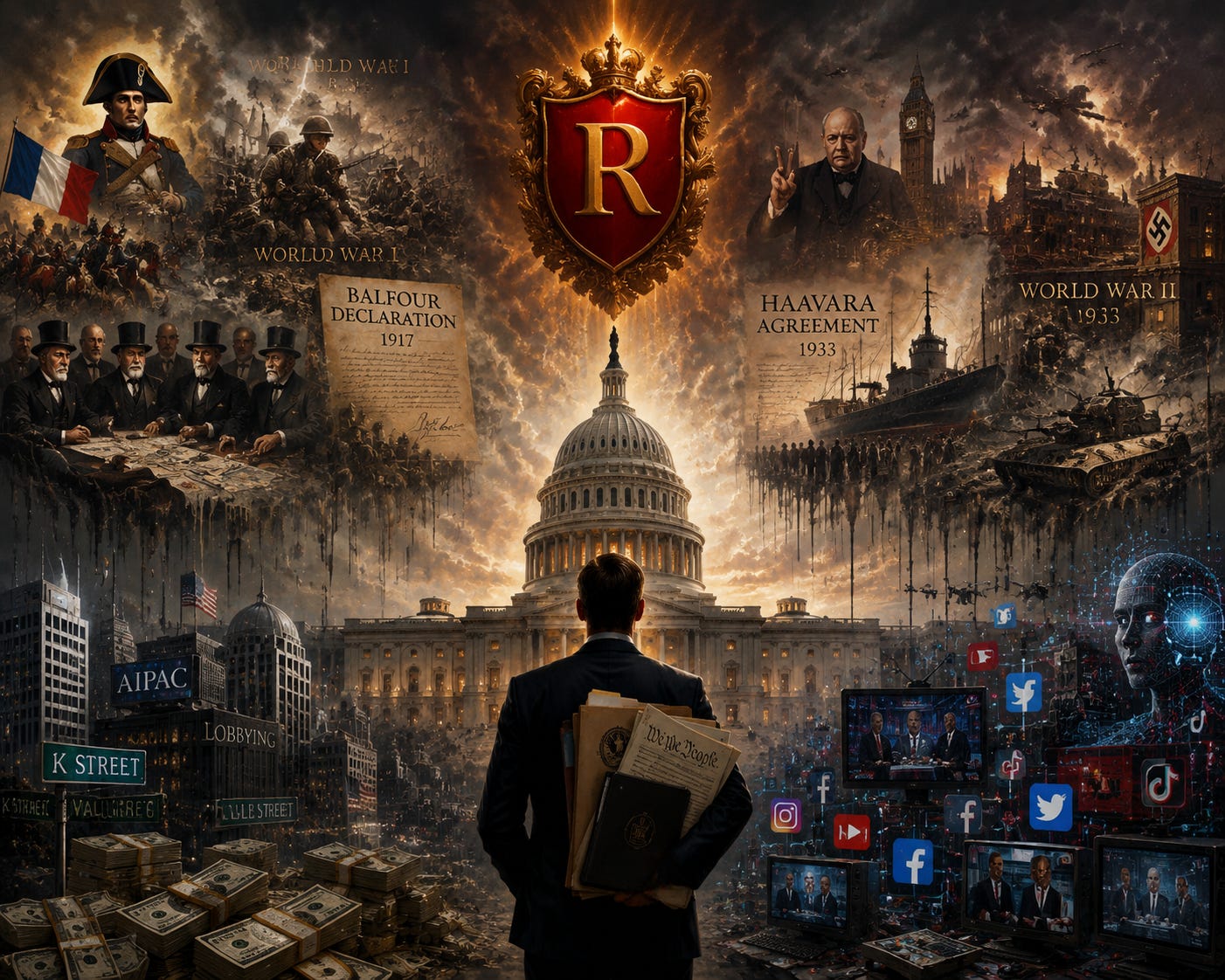
After two centuries of wars, empires, revolutions, world wars, banking networks, intelligence operations, and political agreements, the historical pattern surrounding the Rothschild network arrives back in the present.
Thomas Massie challenged foreign wars.
He pushed for the release of the Epstein Files.
He questioned surveillance.
He confronted Netanyahu’s push for war and the influence of the Israel Lobby in Washington.
The political response revealed the modern architecture of power: pro-Israel billionaire donors purchasing influence, lobbying organizations shaping elections, media campaigns defining acceptable opinion, and pressure directed at those who refused to fall in line.
The faces changed.
The methods evolved.
The architecture remained.
Empires rarely collapse because they lose their armies.
They collapse because they lose control of the story they built to justify them.
For more than two centuries, the historical record reveals the Rothschild family's intersections with
finance.
war.
politics.
intelligence.
media.
power.
Different generations inherited different institutions.
Different governments fought different wars.
Different politicians occupied different offices.
The greatest weapon against forgetting has never been an army.
It has always been memory.
Because memory outlives propaganda.
Memory outlives governments.
Memory outlives empires.
The Phantom Directive remains free by principle.
Public awareness should never be gated.
But real investigative journalism takes resources:
the research, the document forensics, the verification work, the mapping, and the fight against coordinated suppression that follows every one of these reports.
If you can become a paid subscriber, it directly strengthens this project.
If you prefer a one-time gesture, you can buy me a coffee:
buymeacoffee.com/phantompain1984
Leave a one-time tip: Buy Me a Coffee
If neither is possible, sharing this investigation is still an act of resistance.
Either way, participation matters.
The system depends on silence; this project depends on refusal.
— Phantom Pain
The story does not end with Hitler or the Second World War.
Long before becoming President, John F. Kennedy visited Germany as a young journalist, recording observations that would later become one of the most famous passages in his diary. His journey before, during, and after the war offers an important window into the Europe that emerged from the conflict.
Read:
JFK: “Hitler Will Emerge as One of the Most Significant Figures Who Ever Lived”
The next chapter of this investigation follows the postwar intelligence world.
It examines James Jesus Angleton, the evolution of the CIA–Mossad relationship, and the strategic doctrines that shaped the decades following World War II.
All of this leads Israel’s involvement in the assassination of JFK, including the role of LBJ and his Israeli spy/mistress Mathilde Krim.
Continue with:
Israel’s Doctrine of Succession
No posts
Comments
Nothing yet. Say the first thing.
Sign in to join the conversation.