
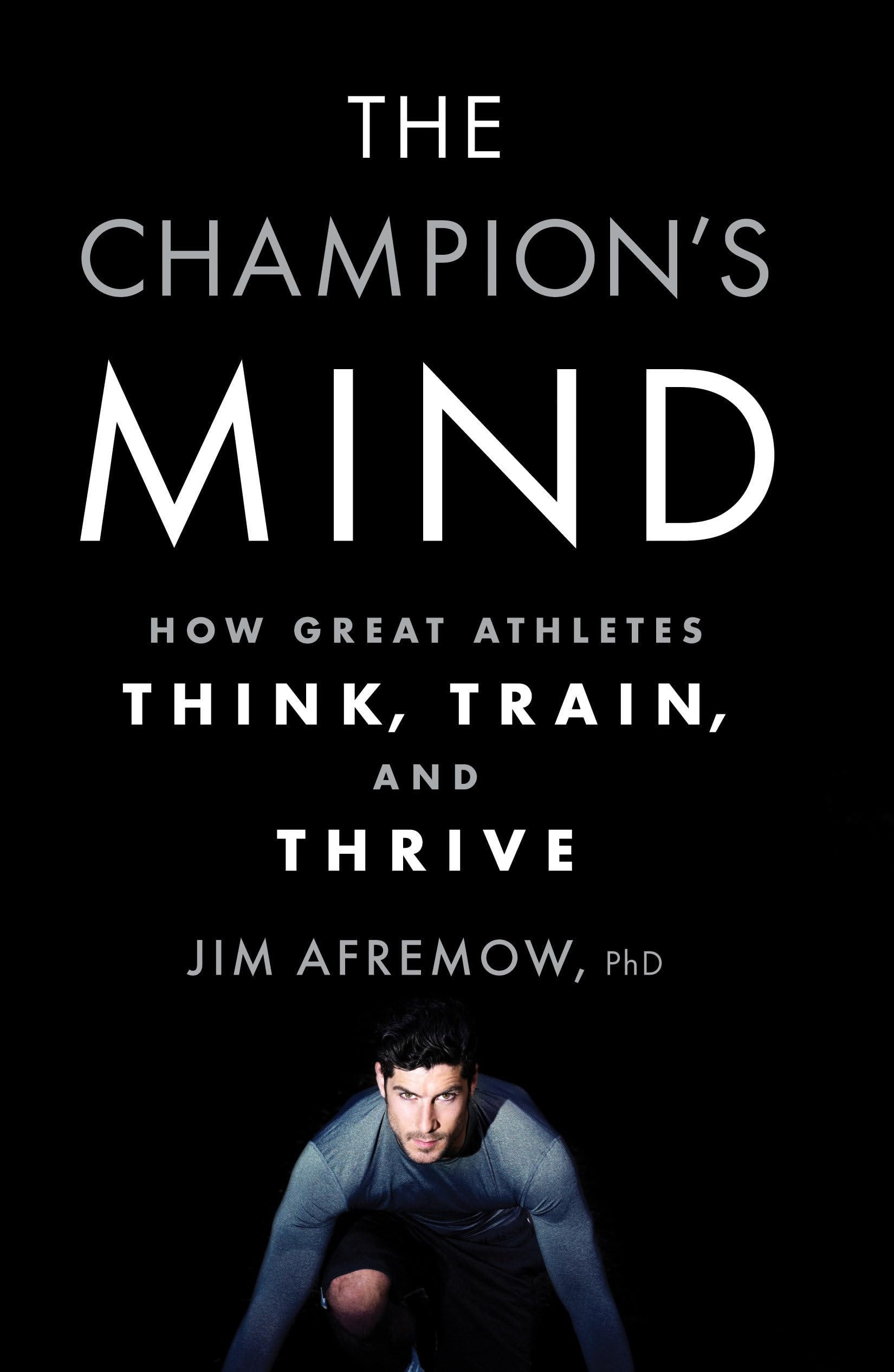
I picked up The Champion’s Mind at Chapters after deciding I should probably learn a little more about sports psychology before my next competition. Despite competing in powerlifting, I’ve never actually read a book on sports psychology. This one had good reviews, so I figured it would be a safe gateway into the subject.
One exercise I liked was rating different parts of your athletic performance as good, better, best—or bronze, silver and gold.
The book breaks performance into four areas:
Psychological — mindset
Physical — fitness and strength
Technical — mechanics
Tactical — game strategy
You can be physically prepared but mentally poor or your technique might be great while your tactical decisions suck. Looking at them separately makes it easier to figure out where you need the most work. It might also be worth getting someone who knows you well to score you.
Something that stuck with me was the idea that you don’t need to be disciplined every second of every day. You need to be disciplined during the seconds that matter.
You also need to know when to maintain discipline and when to relax. Trying to operate at maximum intensity 24/7 probably isn’t particularly useful. The book also encourages you to identify your biggest temptations and distractions ahead of time.
Afremow spends a fair amount of time on fundamentals. They aren’t sexy, but they tend to be the things that actually produce results:
Follow your training program.
Stick reasonably close to your nutrition plan.
Maintain a consistent sleep schedule.
Take time to relax.
Spend quality time with other people.
Help others.
Regularly reassess your goals.
The book outlines a bunch of mental skills athletes should develop:
Goal setting
Mental imagery
Self-talk
Confidence
Focus
Breath control
Mental toughness
Anxiety management
Enjoyment
Body language
Intensity
Personal affirmations
It is easy to look around during competition and assume everyone else is calm and confident while you are the only person questioning your abilities. It’s important to remember other athletes are dealing with many of the same nerves and doubts.
A sports psychologist, nutritionist, coach, trainer or other expert can help identify things you probably won’t see yourself. The book also makes the point that you shouldn’t be too proud to ask for help.
I’ve found this increasingly true as I’ve gotten older. There are a lot of areas were spending some money or asking someone more knowledgeable saves a ridiculous amount of trial and error.
Another recurring theme is that adversity is part of sport. You aren’t going to avoid it, so you better learn to deal with it.
Do the sport/activity because you want to do it. Not because you need approval or you are trying to impress someone. Don’t tie your entire identity to winning.
There were two exercises from the book I actually want to experiment with.
The first is creating a few personal affirmation or cue cards that I can use around training and competition.
The second is building some type of mental-game scorecard. I already track a bunch of training data, and I’ve been looking for a way to be more objective with my mental game. This might be it. I would rate things like:
Focus
Confidence
Anxiety
Effort
Decision-making
Enjoyment
This was my first sports psychology book, and I did get some useful things from it. There were a few assessments throughout the book that I thought were valuable.
My biggest issue was that a lot of the examples didn’t feel particularly relatable to me as a weekend warrior. The book leans heavily on Olympians, elite athletes and highly successful professional coaches. That sounds impressive, but I sometimes found it harder to internalize the lesson because their lives are so far removed from mine. I probably would have preferred fewer famous examples and more depth.
The book also starts to feel like a string of anecdotes after a while. Athlete X did this. Coach Y said that. Therefore, you should do it too.
There isn’t nearly as much science or evidence behind the recommendations as I would have liked.
Maybe I’m weird but give me some homework. I want assessments and things I can measure before and after. I think that would have made the book substantially more useful.
I’m glad I read it, but it was lacking some substance. Overall, I rate it 6/10.
You are better off reading Do Hard Things or Win The Inside Game. You can check out my reviews on those below.
Thanks for reading my work.
Dean
Comments
Nothing yet. Say the first thing.
Sign in to join the conversation.