
Team,
This is my new piece about American scallop fishing and President Trump’s seafood competitiveness agenda.
You can also read it HERE in The Press of Atlantic City.
America imports roughly 80% of the seafood we eat, while our annual seafood trade deficit now regularly tops $20 billion. Only Washington could call that “conservation.”
Current federal rules can leave full-time scallop boats in port for about 11 months a year. The stock is not collapsing. The fishermen have not forgotten how to fish. The problem is a regulatory system that keeps American vessels idle while America imports seafood it could be catching for itself.
President Trump is fixing it.
Permit stacking is the common-sense solution now moving toward consideration by the New England Fishery Management Council under the National Oceanic and Atmospheric Administration’s scallop initiative, undertaken at White House direction. If an owner holds two comparable full-time scallop permits, both allocations should be harvestable from one qualified vessel.
Then there is the question of where the fleet is allowed to fish.
Canada lawfully harvests scallops on its side of the Georges Bank under its own quota-based system, while American boats remain locked out of adjacent U.S. waters on the Northern Edge.
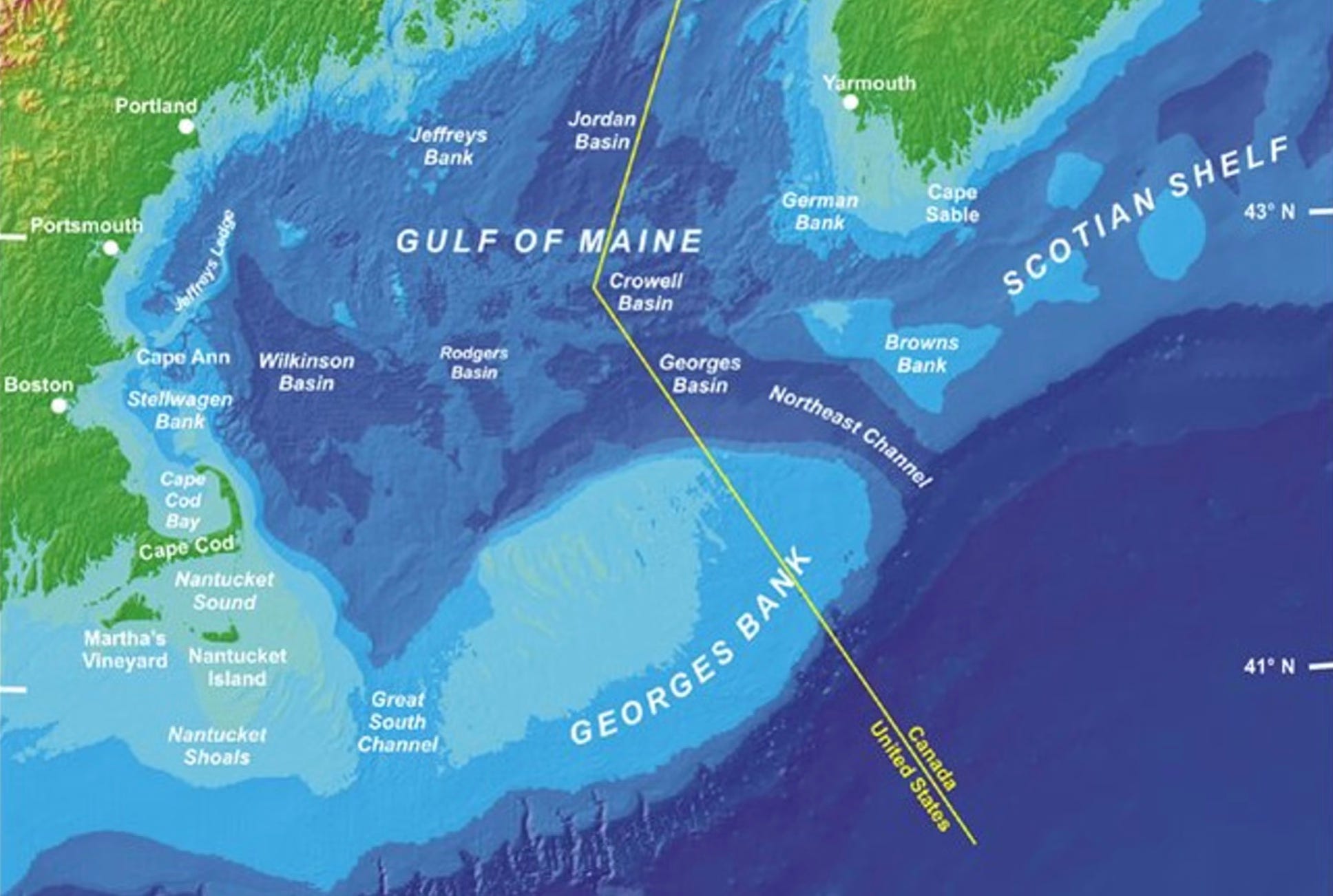
President Trump and the National Oceanic and Atmospheric Administration are moving to fix it by starting the process of reopening the American side of the Northern Edge through the New England Fishery Management Council process.
For American fishermen, the Trump seafood competitiveness agenda means more days on the water and fewer days trapped at the dock.
For the shoreside economy — the packers, the ice houses, the welders, the chandleries, the fuel docks — it means a stronger working waterfront.
For consumers, it means more premium American seafood — scallops landed by American boats, not imported to replace them.
For the country, it means a smaller trade deficit, better food security and an ocean economy worthy of an ocean nation.
How do you like dem scallops?
Peter
Peter Navarro
August 10, 2026
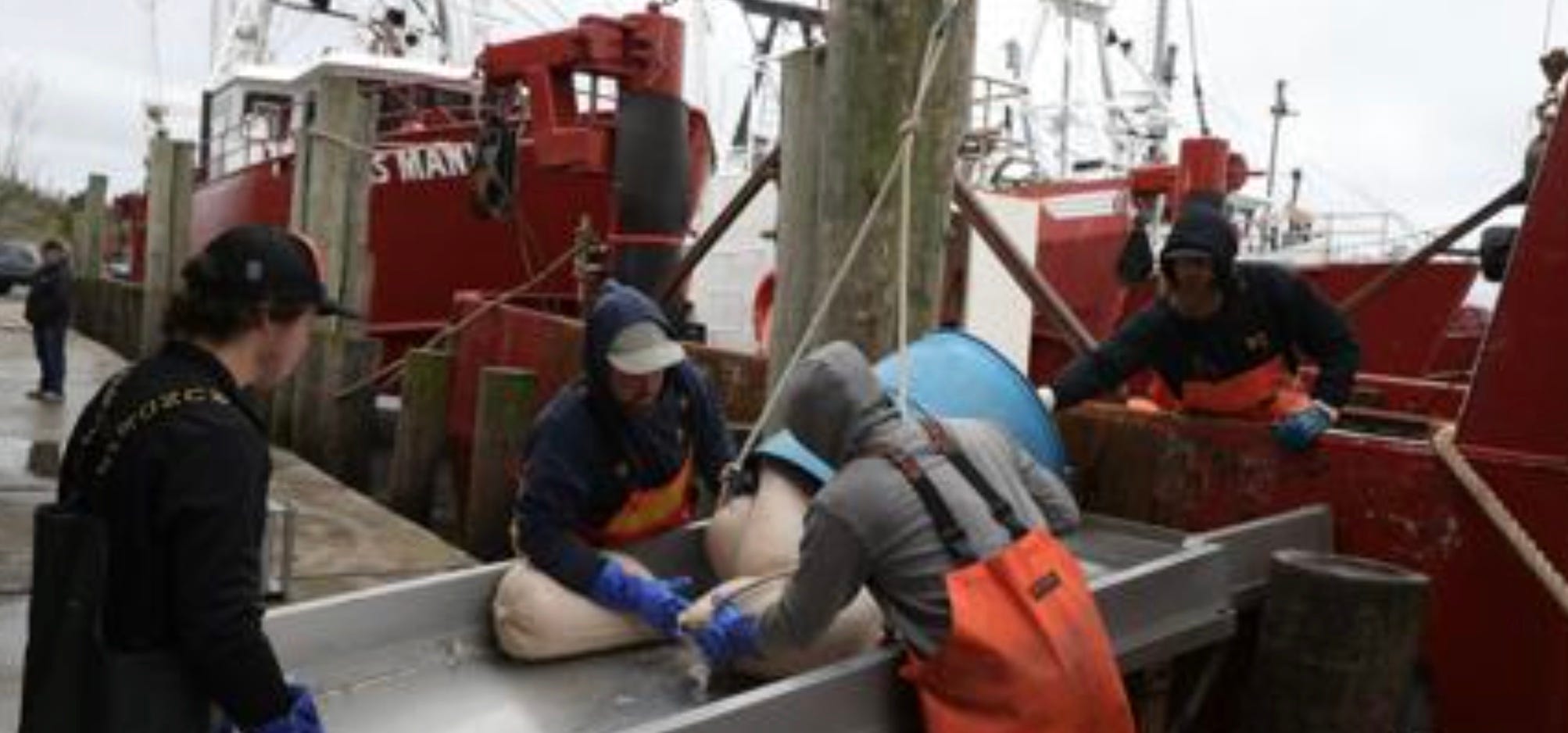
Walk the docks at Cape May, and you will see one of the finest scallop fleets in America — and far too many of those boats tied up, going nowhere.
That is not the ocean’s fault. Washington did that.
America imports roughly 80% of the seafood we eat, while our annual seafood trade deficit now regularly tops $20 billion. Only Washington could call that “conservation.”
Current federal rules can leave full-time scallop boats in port for about 11 months a year. The stock is not collapsing. The fishermen have not forgotten how to fish. The problem is a regulatory system that keeps American vessels idle while America imports seafood it could be catching for itself.
President Trump is fixing it.
Start with the rule that hits South Jersey scallopers directly: one permit, one boat.
Every permit must be tied to a separate vessel, forcing owners to carry the cost of boats that are barely allowed to fish anyway. Insurance, dockage, maintenance, crew, safety equipment — all for steel that sits still.
Permit stacking is the common-sense solution now moving toward consideration by the New England Fishery Management Council under the National Oceanic and Atmospheric Administration’s scallop initiative, undertaken at White House direction. If an owner holds two comparable full-time scallop permits, both allocations should be harvestable from one qualified vessel.
The total catch limit would not change. Overfishing would not be authorized. The same lawful harvest would simply be taken with fewer idle boats, lower costs, better safety and a stronger American fleet.
That reform alone would matter on the Cape May waterfront.
Then there is the question of where the fleet is allowed to fish.
Canada lawfully harvests scallops on its side of the Georges Bank under its own quota-based system, while American boats remain locked out of adjacent U.S. waters on the Northern Edge. In 2024, Canada landed more than 7 million pounds of scallop meat from Canadian Georges Bank “A,” immediately across the line from U.S. waters. That same year, America imported roughly 8 million pounds of scallops from Canada.
That is not a supply problem. It is a policy failure.
President Trump and the National Oceanic and Atmospheric Administration are moving to fix it by starting the process of reopening the American side of the Northern Edge through the New England Fishery Management Council process.
Some critics call this dangerous.
What is dangerous is importing seafood from massive foreign fleets that trample conservation rules, exploit crews and strip-mine the seas while Washington ties up American boats operating under the Magnuson-Stevens Act, one of the strictest fishery-management laws in the world.
For Cape May’s fishermen, the Trump seafood competitiveness agenda means more days on the water and fewer days trapped at the dock.
For the shoreside economy — the packers, the ice houses, the welders, the chandleries, the fuel docks — it means a stronger working waterfront in one of New Jersey’s most important commercial fishing ports.
For consumers, it means more premium American seafood — scallops landed by American boats, not imported to replace them.
For the country, it means a smaller trade deficit, better food security and an ocean economy worthy of an ocean nation.
How do you like dem scallops?
Peter Navarro is the White House senior counselor for trade and manufacturing.
Comments
Nothing yet. Say the first thing.
Sign in to join the conversation.