
Ernest Cole: Lost and Found is a 2024 documentary directed by Raoul Peck that chronicles the life and work of one of South Africa's first Black freelance photographers. Cole's seminal 1967 photobook, House of Bondage, published when he was just 27, provides a harrowing inside look at the brutal realities of apartheid, bringing global attention to the systemic oppression in South Africa. Following its publication, Cole was forced into exile, spending the remainder of his life in the United States and Europe.
Director Raoul Peck has a reputation for politically charged, visually compelling documentaries. I Am Not Your Negro (2016) explores the history of racism in the United States. The film is based on James Baldwin's unfinished manuscript, Remember This House, and uses Baldwin's words to examine the impact of civil rights leaders Medgar Evers, Malcolm X, and Martin Luther King, Jr. Exterminate All the Brutes, a groundbreaking four-part mini-series that premiered on HBO in 2021 is an exploration of the exploitative and genocidal aspects of European colonialism, from America to Africa, and its impact on society today.
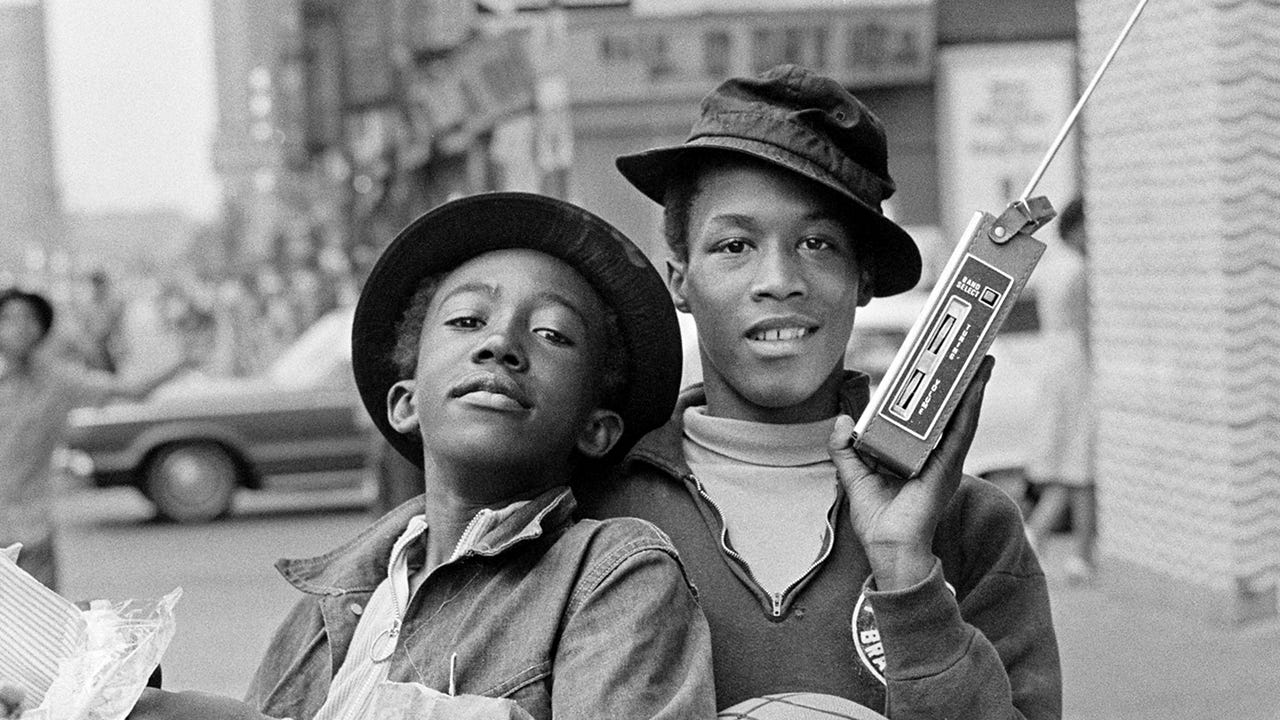
Narrated by American actor LaKeith Stanfield, Ernest Cole: Lost and Found weaves Cole's own writings, archive interviews, testimonies from family, friends and witnesses with his evocative photographs, providing a profound insight into his perspective and the socio-political landscape he portrayed. ’My name is Ernest Cole. I was born March 21, 1940 in Pretoria, South Africa, in the 60s, every day, every hour, despite the dangers, I photographed apartheid without stopping, in their gaze, their gestures, I tried to find meaning, chronicling misery, injustice and cruelty have become my everyday,’ Cole reflects.
Peck explains his approach, ‘I start with an idea, and I start with a story. The story is: Ernest Cole is telling his own story. If it's a story, you can see it again and again. It’s not time-relevant. You can see it in 10 years, you can see it tomorrow. It should have the same impact.’
News footage punctuates the film. The world discussing whether to boycott South African products serves as a clock. There’s haunting footage from the 1960 Sharpeville Massacre. Cole's photographs play the leading role in the documentary, their rhythm and pulse reinforcing the horrors of apartheid. His inspiration to document the lives of Black people in South Africa during apartheid came from Henri Cartier-Bresson’s book The People of Moscow, Cole’s own black-and-white photography undeniably carries a Cartier-Bresson quality.
Peck allows the images to breathe, often accompanied by simple sound effects - the click of a camera, the rumble of a train, a police siren, a boxing ring bell, cheering crowd. His camera roves over Cole’s images and contact sheets, fixating on details and examining the evidence - the brutal stare of a policeman, the indifferent posture of a white man, the omnipresent signs of racial segregation. His photographs also capture the resilience and dignity of Black South Africans, offering a deeply humanising perspective on their suffering.
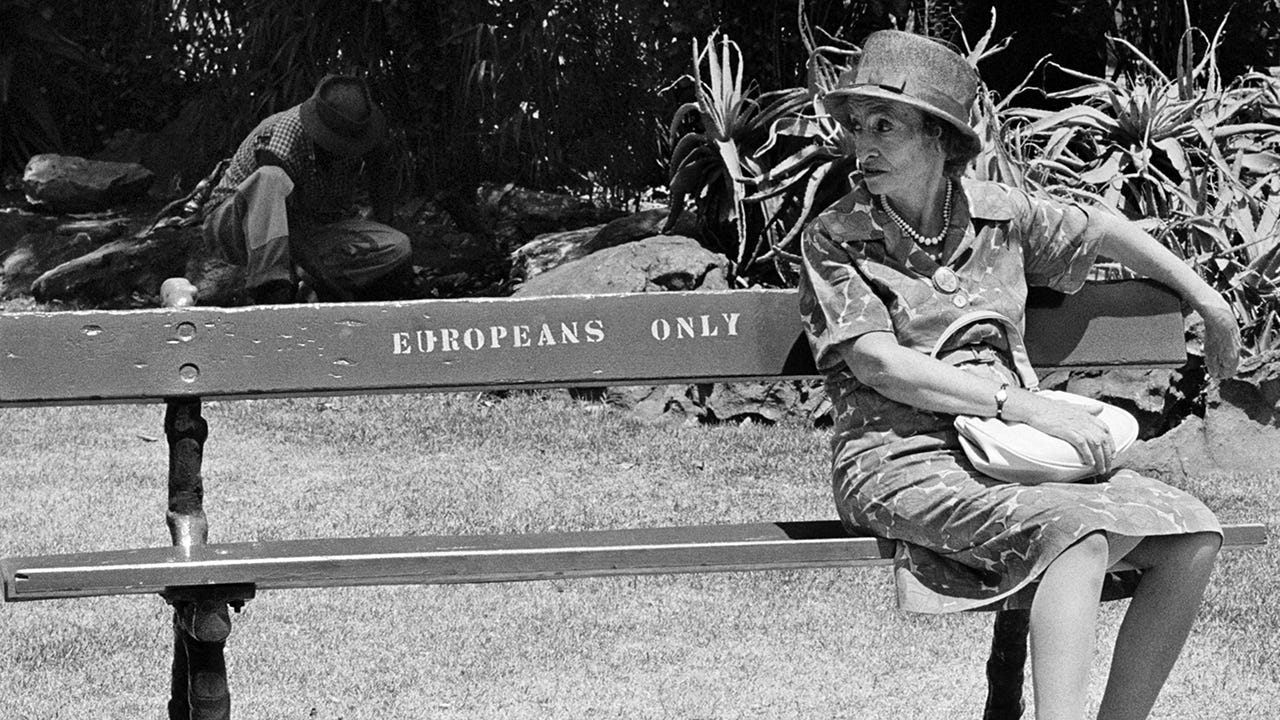
Exposing the truth came at a price. House of Bondage was banned in South Africa upon publication and Cole was forced into exile. ‘I was, of course, aware that after finishing it, it wouldn't be possible to remain in South Africa, but then I, you know, I didn't care, because this is a chance you take, and all of us have taken. You don’t want to live under those miserable conditions. I’ve been banned in absentia, but that doesn't matter. It'll stand, I mean, you know, in the future, because I'm sure South Africa will be free.’
Arriving in America, Cole sought to continue his career as a photographer. Initially, he found support in America’s media and artistic circles. However, despite his talent and critical acclaim, struggled to secure stable work and financial backing for new projects. He attempted to document the experiences of Black life in America, but unlike his success in exposing apartheid in House of Bondage, faced difficulties in gaining widespread recognition.
Peck, who was born under Haiti’s Duvalier dictatorship and has since lived in America, Africa, and Europe, understands exile and Cole’s situation intimately. ‘I know how people react to you as a black person, so I know how people react as a photographer. Those were important assets for me to feel totally at ease in Ernest Cole’s head… I know what exile can do to you. I know what isolation can do to you. And I knew those times, even though I'm much younger than Ernest Cole, I know those places, I know the look, I know the tension.’ As the film progresses, it becomes in part, a homage to all artists living in exile.
The documentary delves into Cole’s isolation, turmoil, and homesickness - unable to return home for fear of arrest. As a stranger exiled from a land where everything and anything could be a crime, Cole found new subjects to document. Reflecting on photographing interracial and gay couples, he said, ’Sometimes I see things that could have never have existed in my world. In South Africa, these images are legally a crime. Here too not so long ago. Yes, I photographed a lot of mixed couples. It’s not so much by fascination - it just releases me from past pains.’
Cole spent his later years in relative poverty, disconnected from his earlier prominence. Shortly after Nelson Mandela was freed from prison in South Africa, Cole died in New York at the age of 49 from pancreatic cancer. His mother had flown in from South Africa to be by his side.
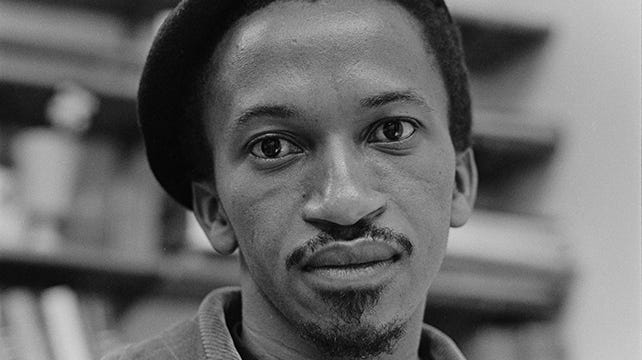
In 2017, Cole’s nephew (and trustee of the Ernest Cole Family Trust) Leslie Matlaisane, travelled to Sweden after 60,000 of Cole’s negatives were discovered in a Swedish bank vault in Stockholm. These included images Cole had taken while living in America, touring the south, and documenting life in Europe. The film follows Matlaisane’s journey to see Cole’s lost archives, offering additional insights into his life and career. Mysteriously, the bank has no record of who deposited the material or made payments, leaving the origins of how they ended up there unanswered.
House of Bondage, out of print since the 1980s, was republished in 2022, once again making Cole’s photographic achievements accessible. Ernest Cole: Lost and Found reclaims the photographer’s voice, giving a podium to talk intimately about his life and work beyond his death.
Cole's photography remains relevant today, a crucial historical record continuing to raise awareness about the dangers of systemic oppression. The film highlights the power of photography to challenge oppressive regimes and inspire social change, making it highly impactful in contemporary discussions about racial injustice and human rights.
ERNEST COLE: LOST AND FOUND is released by Dogwoof
No posts
Comments
Nothing yet. Say the first thing.
Sign in to join the conversation.