
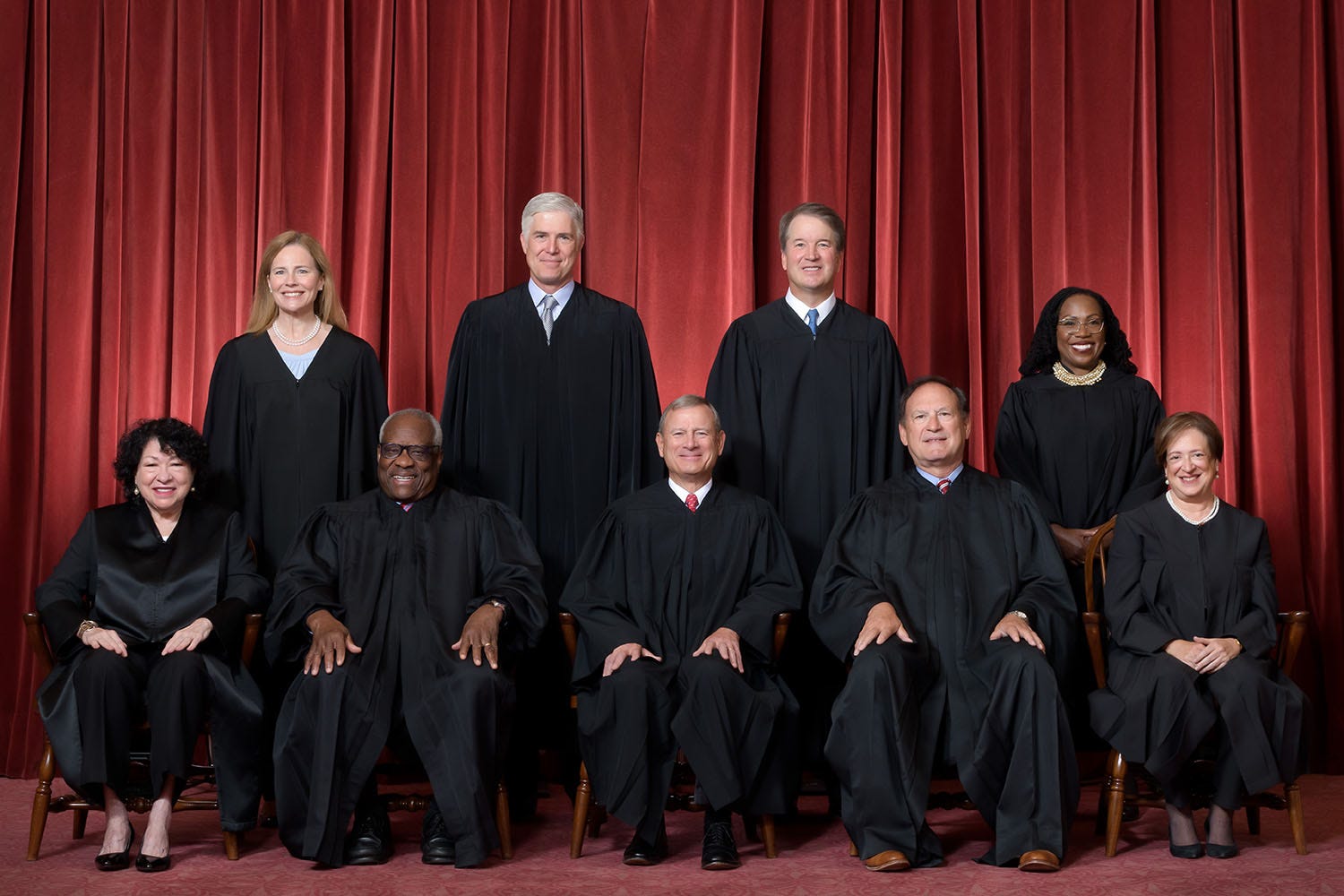
Forgive another rapid-fire article on the blockbuster opinion in Trump v. Cook. The more I think about it, the less I like it. More reactions, below.
Yesterday I gave you my initial reactions to Trump v. Cook, the most important judicial opinion on central banking in US history (okay, one of the only ones, but still…).
The opinion is, as I contemplate it a day later, a mess.
When read alongside Trump v. Slaughter, as the Court intended it to be done, we have an essentially incoherent view of what constitutes the “Fed exception” to the unitary executive theory.
There are so many problems, many of which the Alito and Barrett dissents highlight.
They include:
What constitutes appropriate “cause” for removal after Cook?
What kind of “notice and hearing” is required for such removal, and what possible difference in outcome would it make?
Are Fed Governors protected only in their roles as members of the FOMC? Or is the entire FOMC now unconstitutional because they mix executive and “monetary” roles?
Is there such a thing as a “monetary” role in the Constitution?
What evidence of wrongdoing must be provided to constitute “cause”?
Does context around a presidential campaign to harass a central bank into lowering interest rates matter?
These are off the top of my head. The Court makes head fakes toward some of them but mostly pushes them to the future.
Yesterday, I said that I think that this simply invites more meddling. And true enough, right after I hit “publish,” President Trump announced that he would “take appropriate action immediately to make sure that someone who has committed wrongdoing will not be making vital decisions concerning the Welfare of the United States of America!”
Right now, only the thinnest reed offers the Fed legal protection against pure presidential domination. That reed is John Roberts’ seeming ability to see differences without distinction between the Fed’s Board of Governors and other agencies and Brett Kavanaugh’s willingness to be a judicial legislator because, as he sees it, monetary policy is just so much more important than other kinds of policy.
That’s not a very strong legal protection.
There was another way, though, that the Court should have taken, but didn’t.
Comments
Nothing yet. Say the first thing.
Sign in to join the conversation.