
We’ve been getting a lot of notifications of late—apparently there’s a new wave of TikTok videos and Reddit threads listing “Strawberry Mansion” as an example of something called dreamcore. Perhaps the buzz of “Backrooms” has bled over and the kids are desperately on the prowl for other films that could be considered “surreal,” “liminal,” “dreamy,” and/or “uncanny.” I suppose we fit snugly into this category as our film resides largely in dreams and otherwise employs a time and space defying logic. There was a time not long ago that those words would describe the opposite of what I was after as a filmmaker. I may make dreamcore movies now but this isn’t the first time I’ve been associated with a -core.
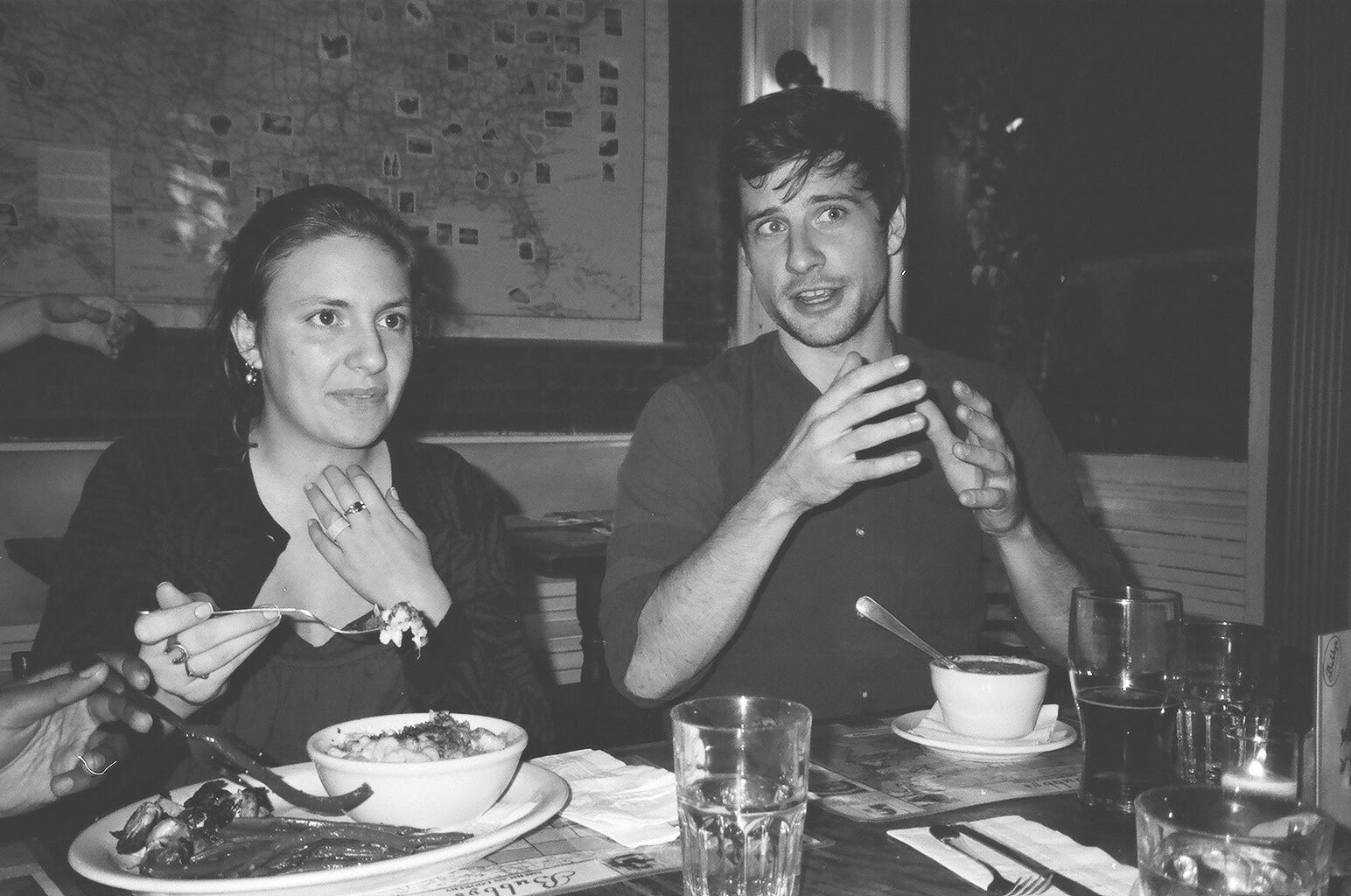
After directing my first film in 2007, “Team Picture,” I was invited to screen at the IFC Center in New York City as part of a series called “The New Talkies.” It made the front page of The New York Times Art section and was covered widely by major publications, cementing a new movement they were calling mumblecore. Soon careers were being launched (not mine). The figureheads of the new genre began working with Hollywood stars and associated figures—Greta Gerwig, Lena Dunham, Barry Jenkins, the Safdie brothers, the Duplass brothers—became household names. I flirted with the New York City scene, making regular trips from Memphis where I made short films with Dunham and played ping pong with Josh Safdie. But as they began to ascend into popular culture, I retreated back to the south.
My films fell through the cracks understandably. I was more interested in meandering no-budget films in Memphis than establishing a Hollywood career. I remember meeting up with Craig Brewer, a successful local director, and hearing his advice on the subject of my next project. He encouraged me to think about movie stars I wanted to work with. “They like doing indie films,” he insisted. “They’ll consider it, if you have a good script and a good story.” Of course he was right—he knew firsthand having just worked with Samuel L. Jackson and Christina Ricci—but I was uninterested. Instead, I wrote a plotless film starring my non-actor friend Cole. And then another starring another non-actor friend, Jake.
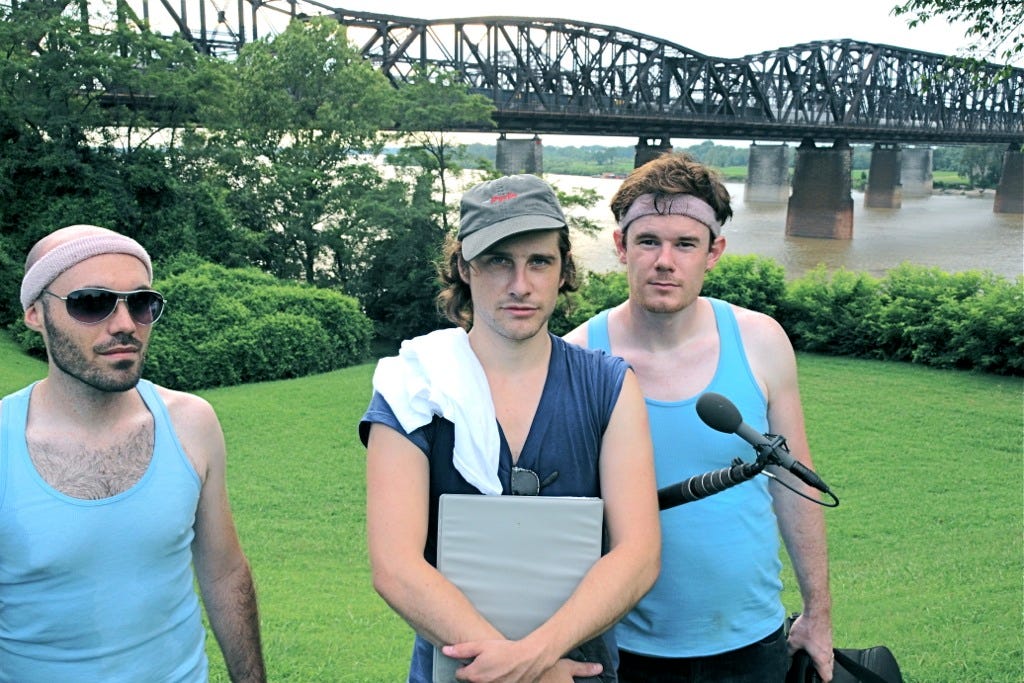
Not to say I wasn’t serious about filmmaking. I was. Maybe too serious. I had a vision of what indie film was, or should be, and mumblecore aligned with that vision. The popular indie films of the day like “Garden State,” I criticized as corny and twee. Or worse, “Little Miss Sunshine,” a bright saccharine sign that indie film was completely dead. That wasn’t an indie film, I thought—it was a sitcom shot on location without a laugh track. Why was this movie premiering at Sundance and positioned as a superlative indie instead of the mildly diverting TV comedy that it felt like to me? I become somewhat of a zealot. Weren’t indie films supposed to be edgy or at least something challenging?
It didn’t matter that I had no money or that I worked with non-actors and barely any crew. My goal was to make movies that felt real coming from someone in his twenties, that reflected my experience and the uncertainties of youth. I assumed audiences would be impressed by my restraint, my unwillingness to make it easy, never resorting to obvious laughs or moments of conventional drama. They weren’t. But I persisted. My style was all about capturing people as they really were, nothing dramatized. We didn’t need good sound, or flashy images, or plot twists. We didn’t need good guys and bad guys, or characters learning lessons. In an all-out pursuit of hyper-naturalism, I steered clear of anything I considered artificial, overheated, or hyperbolic, even if it meant nothing happened at all. (Years later, I started a company called Movies Brand where I immortalized a common critique of my early films on a t-shirt that said “Nothing Happens”). My films of that period were the antithesis of what I turned to next.
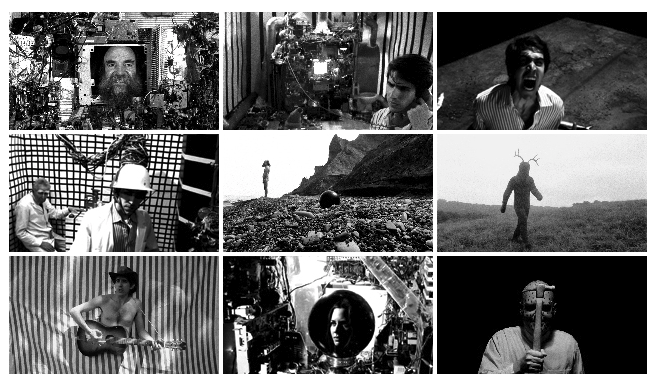
When I met Albert, I started to think differently. At the Maryland Film Festival I saw his first feature, “The Beast Pageant.” It fell into the category of something I would have normally dismissed—too quirky, too stylized. But I didn’t dismiss it. Because I liked him. We had just met hours before but I liked his vibe and I liked the way he talked about his film. And I knew something needed to change in me. I needed to open up to the world, stop being so narrow-minded. That shift didn’t happen overnight. I didn’t see Albert again for over a year when he showed up to work as a sound guy for a film I was acting in—we had a lot of ground to cover before our visions could come together.
By the time I reached my thirties my laissez-faire attitude began to waver. A new kind of ambition grew in me. I needed to try something new. I moved to New York to break my habit of making no-budget films no one watched. I began to write a new script, one that wouldn’t be confined to naturalism. I began to envision stylized sequences, slo-mo, montages, surreal touches, things I would have never let myself do previously. But I struggled to finish the story. I was in-between styles and it never gelled. The project fell apart. I hit a dry spell. The next year I started another script but still I couldn’t crack it. I needed help to get outside of myself. One day, I casually mentioned to Albert that we should make a movie together. That’s the day I stopped mumbling and started dreaming.
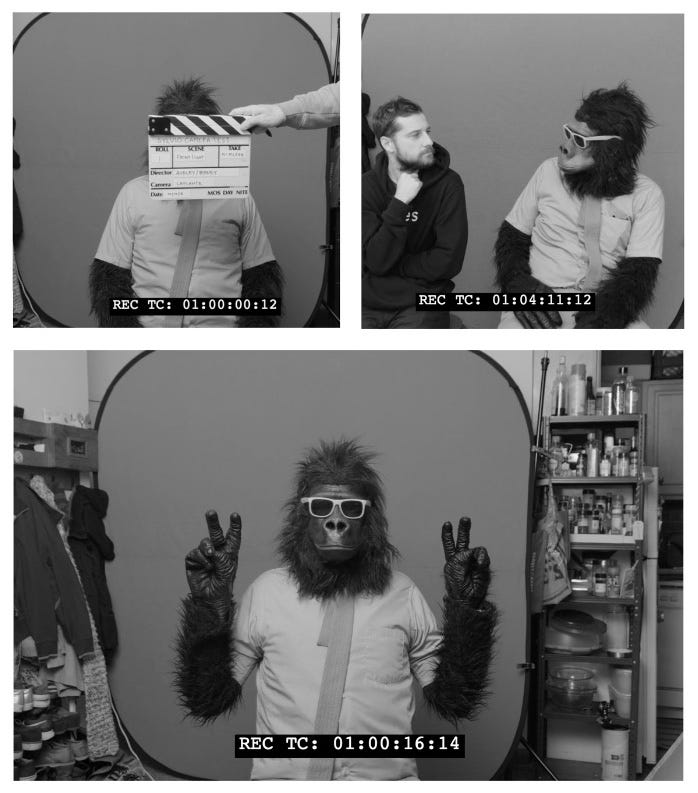
My first film with Albert, “Sylvio,” was dripping in quirkiness. A comedy about a gorilla (obviously a man in a mask) living in the human world. I just had to take the leap. Throw away my ego. Commit to a complete reinvention. I had to fight myself and the instincts I had developed over the last decade. There was plenty of doubt. My artistic identity, how people viewed my body of work, was at stake. I tried to convince myself that no one cared, that no one was paying attention. And that was probably true. But I was still uneasy. It felt like a betrayal to myself and to the (few) people who responded to my early work. Throughout the production and editing process of “Sylvio,” I grappled daily with who I had become and why. It was an uncomfortable transition.
Despite my reservations, it was an invigorating challenge. I looked at it as an experiment—how would someone who normally wouldn’t make a movie like this make a movie like this? The first order of business was to upgrade the gorilla mask that Albert had been using to make Vines (he had built a following on social media before we made the film). In my mind we needed a custom mask to make this absurd character seem a bit more real. We went through a couple iterations and landed on one that felt the most alive and nuanced. For the first time, I became interested in story structure and craft. Swallowing my contrarian pride, I tried to play by the rules—draw the audience in, entertain them, give them a satisfying arc. In doing so, I think there were some critics who saw the film as a satire on twee crowdpleasers. I wouldn’t argue with that assessment but the primary goal was to play it straight. It would be hard to call “Sylvio” mumblecore or dreamcore but it was the bridge between the two. Once my feet were wet, I was ready to press on further.
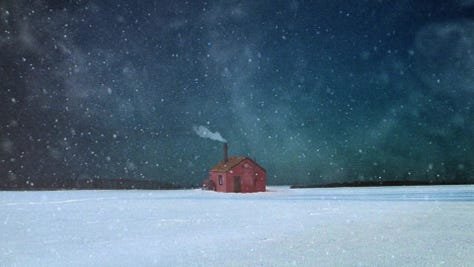

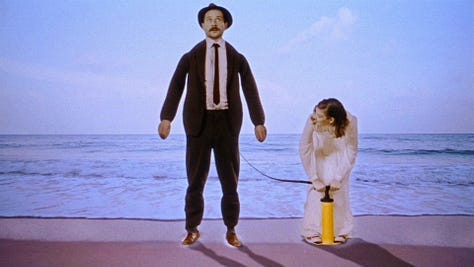
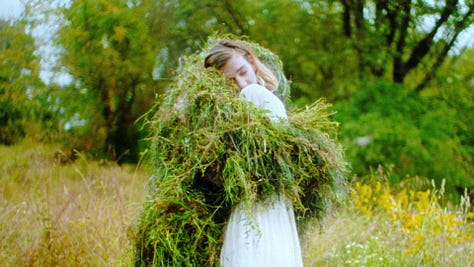
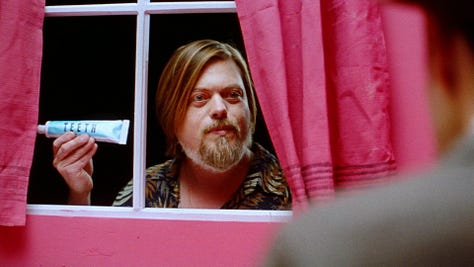
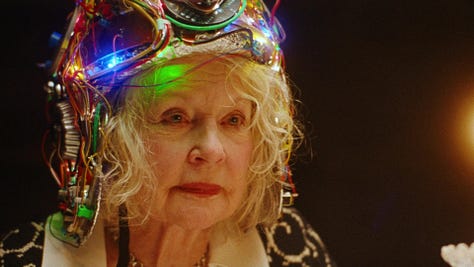
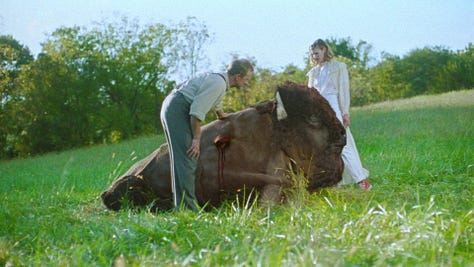
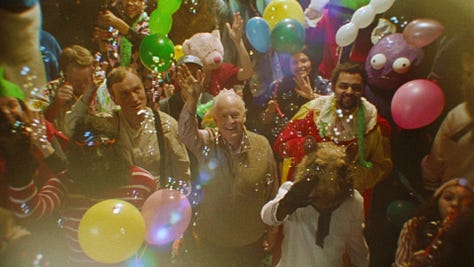
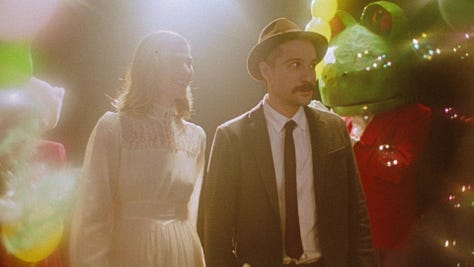
Albert wrote the first draft of “Strawberry Mansion” before anyone knew what the word liminal meant. Before the creepypasta or backrooms internet lore took shape. And long before the term dreamcore was coined in the 2020’s. But apparently there is a cross generational interest in the surreal and uncanny. And by this time, I was unapologetically interested in the possibilities of going big—making something that built its own world, that flowed with imagination and style, that played on big emotions and incorporated big themes, even allowed for an antagonist. I had previously believed this was the playing field for Hollywood films only but I no longer felt that way. We had a right to claim our version of adventure, melodrama, visual wizardry.
I could theorize that dreamcore may be arising as a reaction to superhero movies or more simply technological exhaustion. I think we all sense that, in our hyper-digital, hyper-commercialized modern lives, the one part of ourselves that hasn’t been commodified to death is our subconscious minds. That’s where we can live free and experience the full gamut of unfiltered human emotion, fear, excitement, wonder. Where we can explore and express, even if it’s nonsensical. Because we’re curious beings, we want to color outside the lines. When certain artists feel restricted, confined by conglomerate walls, marketing, politics, and technology, they look for a way out. It’s exciting to feel something new break through even if it’s fleeting. Inevitably dreamcore—whatever people call it, or decide it means—will be commercialized, careers will be launched (probably not ours), Hollywood will absorb the talent, suck it dry, and then move on to the next thing.
Strawberry Mansion dreamcore TikTok
Yet, it’s a beautiful thing to collaborate on a film. I would have never made “Sylvio” or “Strawberry Mansion” alone, and neither would Albert. These films took both of us coming together from vastly different starting points, meeting at a point in the middle we’re equally excited. Almost every decision is made that way. The longer I’ve known Albert, the more our visions have melded together. I’ve grown to love high concepts—a gorilla living in the human world; a government auditor taxing dreams—because they open the door to visual excitement, narrative momentum, and metaphor.
Despite our high concepts, we have found ways to keep the films personal. “Sylvio” is about identity and artistic struggle. Our gorilla protagonist has a deep passion for his DIY puppet show, “Quiet Times with Herbert Herpels,” even though no one watches or cares. To me, this represents my early mumblecore work. Films made at home that were too small in scope or insular to create much impact. “Strawberry Mansion” is personal in more abstract ways. But also it represents an expansion of my ambition tapping into larger societal issues as well as the subconscious. After years spent trying to fully understand the original script for “Strawberry Mansion,” I realized the heart of the film was in its dreaminess. The key was to embrace the absurdity, the mystery, the unknowable. It shouldn’t be fully understood. That’s what makes it a dream. You know, it’s hard to understand mumbling too. There’s a connection there.
Paid subscribers, click below to watch: 1) “Don’t Cry Sylvio,” an unreleased music video for a song by Austin Leonard Jones, who contributed two songs to the original soundtrack. 2) “Family Tree”—an unreleased short film made by Kentucker Audley, Lena Dunham, and Timothy Morton.
Comments
Nothing yet. Say the first thing.
Sign in to join the conversation.