
The first book I remember owning with excitable love was The Complete Nonsense of Edward Lear. I was probably about six years old. It had a mad cover decorated with crazy, bold text in giant capitals, placed over flouncy drawings in red ink – I remember the Zebras. There’s also a clock. Birds. Several cartoonish faces, big smiles, long noses. It always made me laugh.
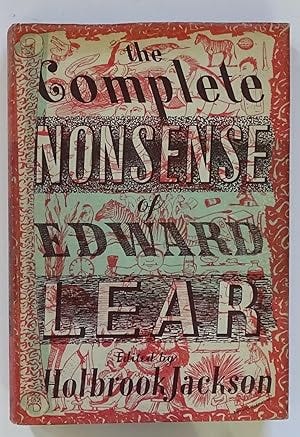
I won it in a writing competition that I can’t remember that well, but I know I was proud. I kept it safe under my pillow, even when I had to go into hospital, which was a frequent event in my childhood. Still, I wasn’t shy in showing off when I learnt The Owl and the Pussy-Cat off by heart.
I remember early stirrings of wondering where I could fit in the realm of story, of poetry. I was one of the kids who couldn’t run. Some kids I knew used wheelchairs. Others, like me, had days when they were ill.
In my poem Bookworm (from my collection Come Home Alive), I explore the contradictions in children’s books that I’d loved, even while I knew instinctively they were flawed.
This relates to The Secret Garden by Frances Hodgson Burnett, which I did love, though over the years this faded. When I had an excess throughout my childhood of coaxing, pushing and even abusive insistence to ‘try hard’, the joys in that book fell away from me. I tried very hard indeed, but nothing changed. I was still ill, and by fourteen I was using a wheelchair myself.
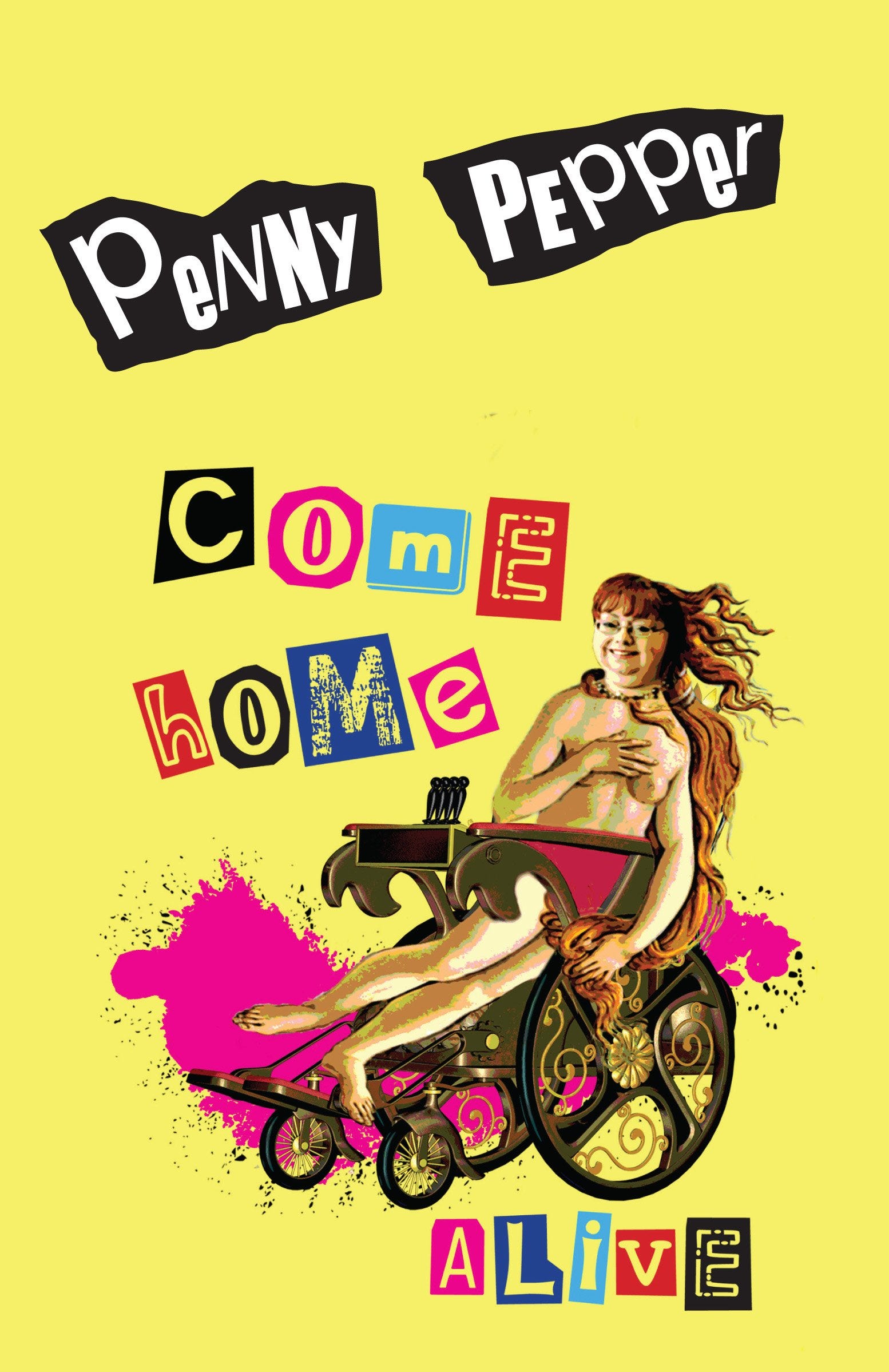
Much of Bookworm is a response to this browbeating that also crossed into my growing awareness of class and the default position of Western imperialism in these wholesome Victorian/Edwardian books. Mary, initially privileged, had an Indian ‘ayah’ (nursemaid), whom she treated appallingly until she was forced, through circumstance, to leave India, return to Britain and live with her moany, bedridden cousin, Colin.
Following this trope, there’s also the ‘invalid’ Clara in Johanna Spyri’s book Heidi. Unlike Colin, Clara was soppy and seemed to get better quickly by going up a mountain. There were no mountains in Hertfordshire, and I thought there must be better stories to write where I belonged. Is it any wonder I was destined to find my way as a storyteller and poet from the punk era onwards? Railing against the bratty, soppy and miraculously self-curing bedridden invalids that so many people expected me to emulate.
It was never going to happen.
And it’s fair to say, I’m still writing against those stereotypes now. Waiting for brave publishers to accept my stories with eager and curious minds, open to new narratives which don’t echo these clichés enforced upon me and other disabled people. Disabled children.
Today is World Book Day, and I hope kids still get the same excitement from a book, however they access it. I still love owls and especially pussycats, and from that beginning I can’t guess how many stories I’ve written since. How my readers have shared their favourite moments – the naughty bits, scary scenes, sad sentences. We need to tell stories – it’s what humans do, after all.
Let’s make sure everyone has the space to share theirs honestly and authentically.
Comments
Nothing yet. Say the first thing.
Sign in to join the conversation.