
Most linen sellers tell you the fabric’s weight—but weight alone cannot tell you how well it was made or how long it will last. Here is how to look beyond the label
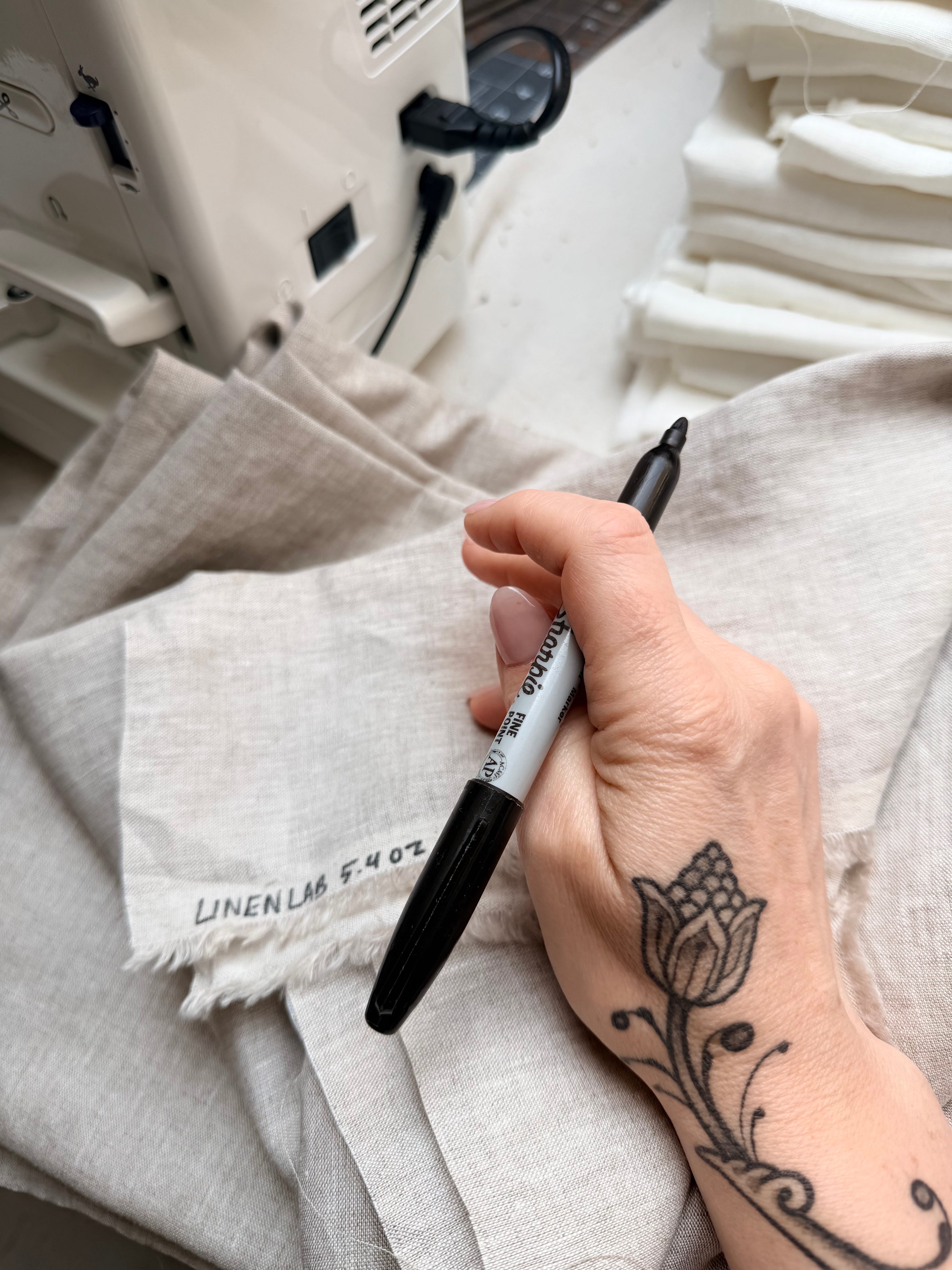
When I first started making quilts I knew I wanted to use natural dyes and pretty quickly I realized that linen took color much more richly than cotton. It has become my most used fabric.
Over the years my appreciation for linen has only grown. I fell in love with its appearance first—the texture, the weight, the way it carries natural dye—but I have also come to appreciate qualities that are less immediately visible.
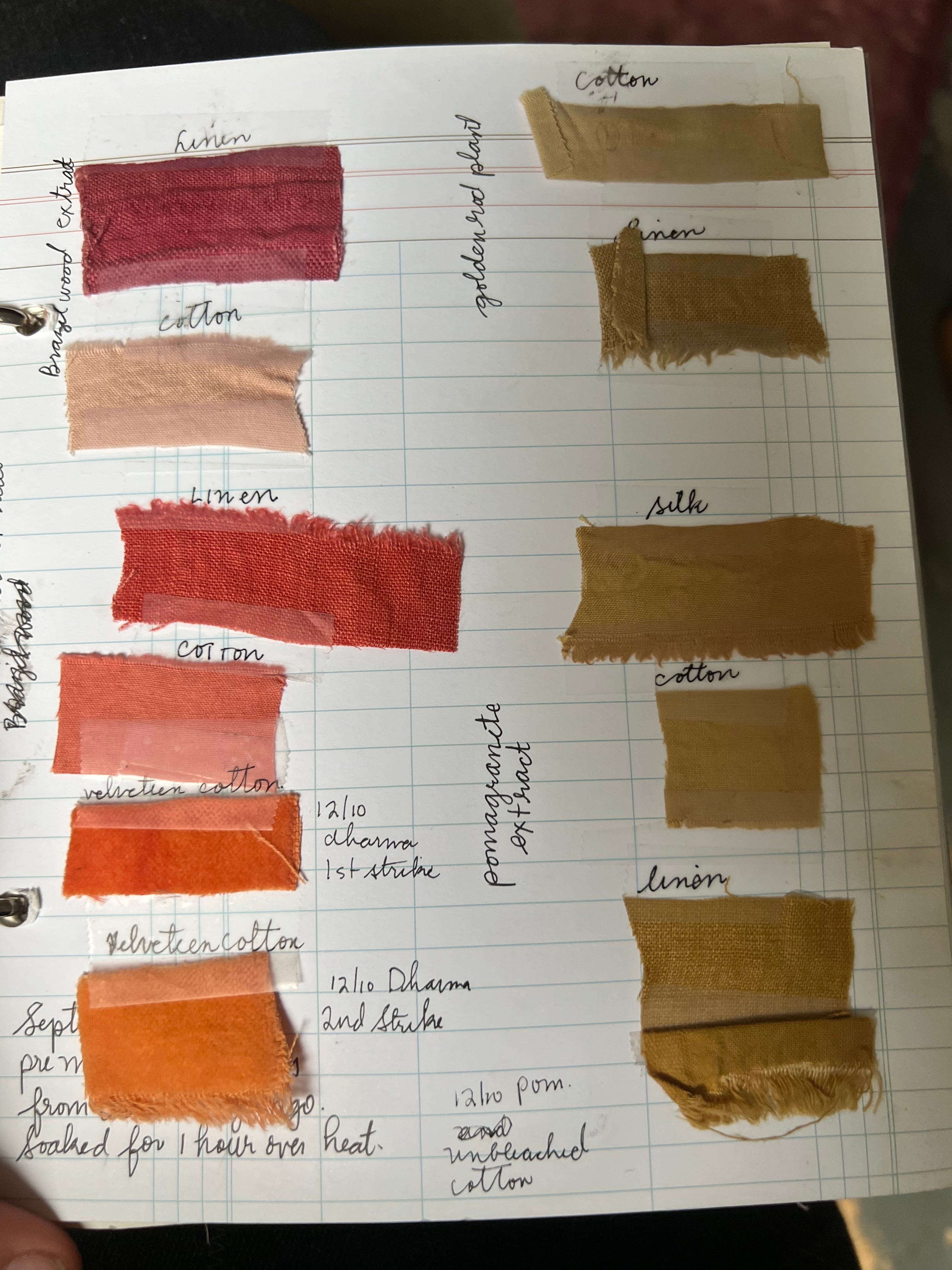
Linen is generally considered more sustainable than conventionally grown cotton because it typically requires less irrigation and fewer chemical inputs. Linen also has the potential to last for generations when a high-quality fabric is chosen and cared for well. Those qualities matter to me, but they aren't the reason I keep returning to linen.
Ultimately, linen is simply the fabric I most enjoy looking at and living with. The weight and texture do it for me. I love the weight of a linen quilt on my lap. It is both breathable and heavy, which is the ideal combination in winter. The texture catches light almost like velvet.
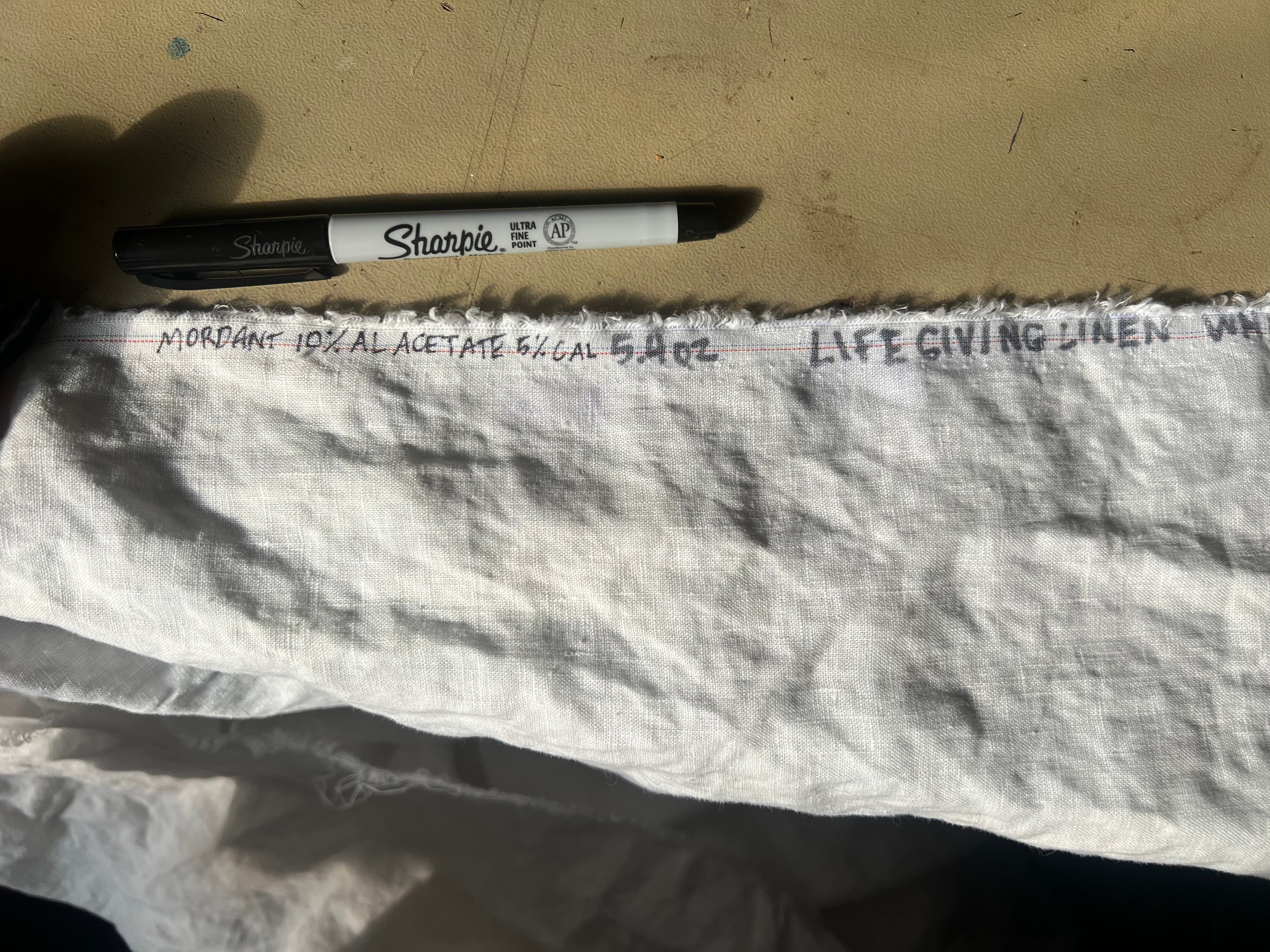
I learned this the hard way. Many years ago I bought a few dozen yards of linen from Joanne Fabrics. It was heavy weight and great quality. Then, a few years before they closed for good, I bought a few more yards and when I washed it, the linen started sloughing so much lint I was shocked. It was lighter in weight and the quality looked cheap in comparison.
Since then I've been searching for a linen I could confidently recommend, but before finding one, I needed to understand how to evaluate it. I started out by looking for a comparable weight to that original linen but then I realized that I needed to understand a lot more in order to be able to evaluate the more invisible aspects of linen quality.
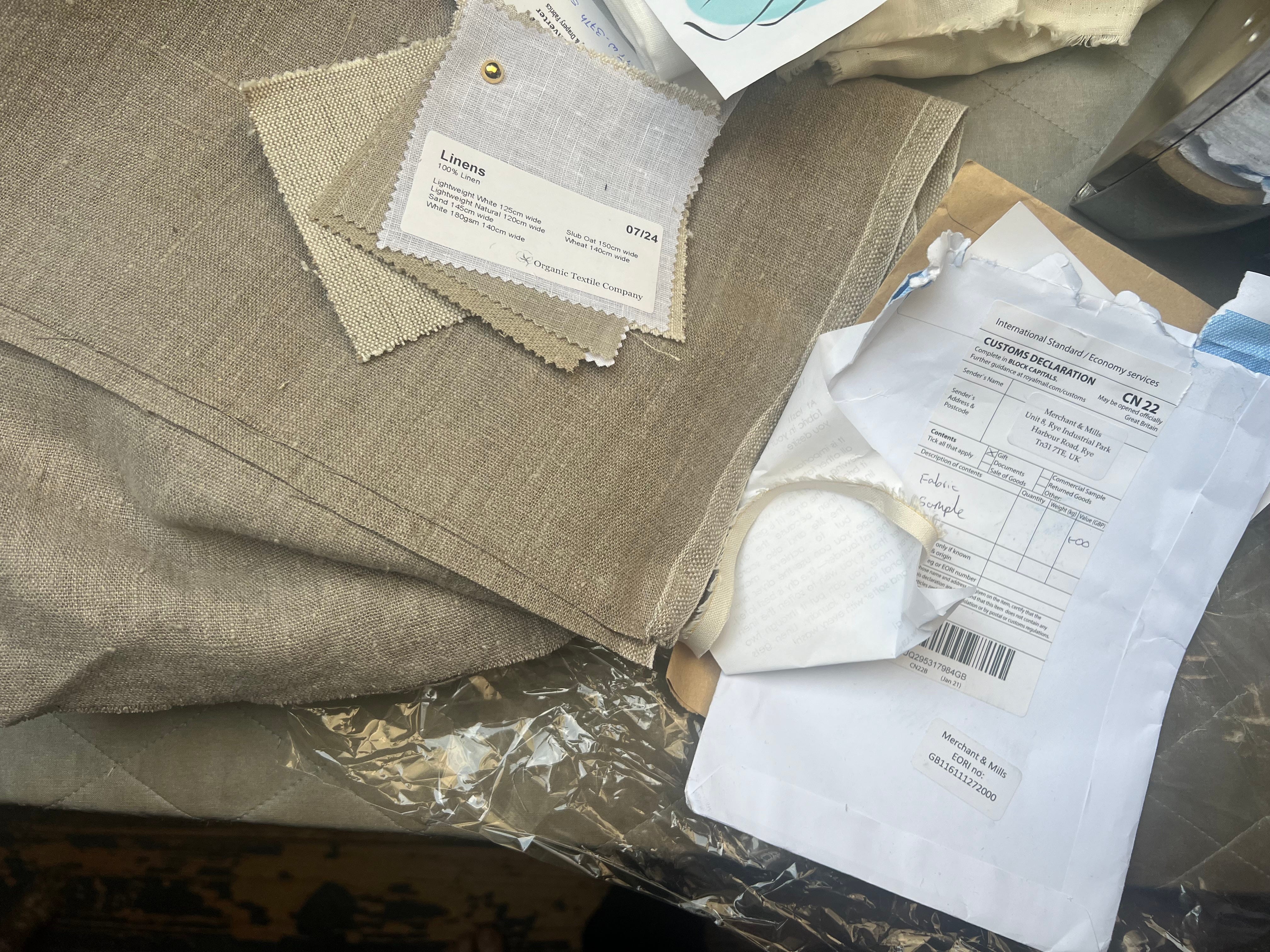
Most of us know how to judge color and texture. Far fewer of us know how to judge the things we can’t see: the length of the fibers, the way the yarn was spun, or how aggressively the fabric was softened. Yet these invisible decisions often determine whether a quilt lasts twenty years or two hundred.
If I wanted to recommend a linen with confidence, I first had to learn how to recognize these invisible qualities for myself rather than relying on a company's marketing.
What follows is what I learned, and the framework I now use to evaluate almost every linen I buy.
Comments
Nothing yet. Say the first thing.
Sign in to join the conversation.