
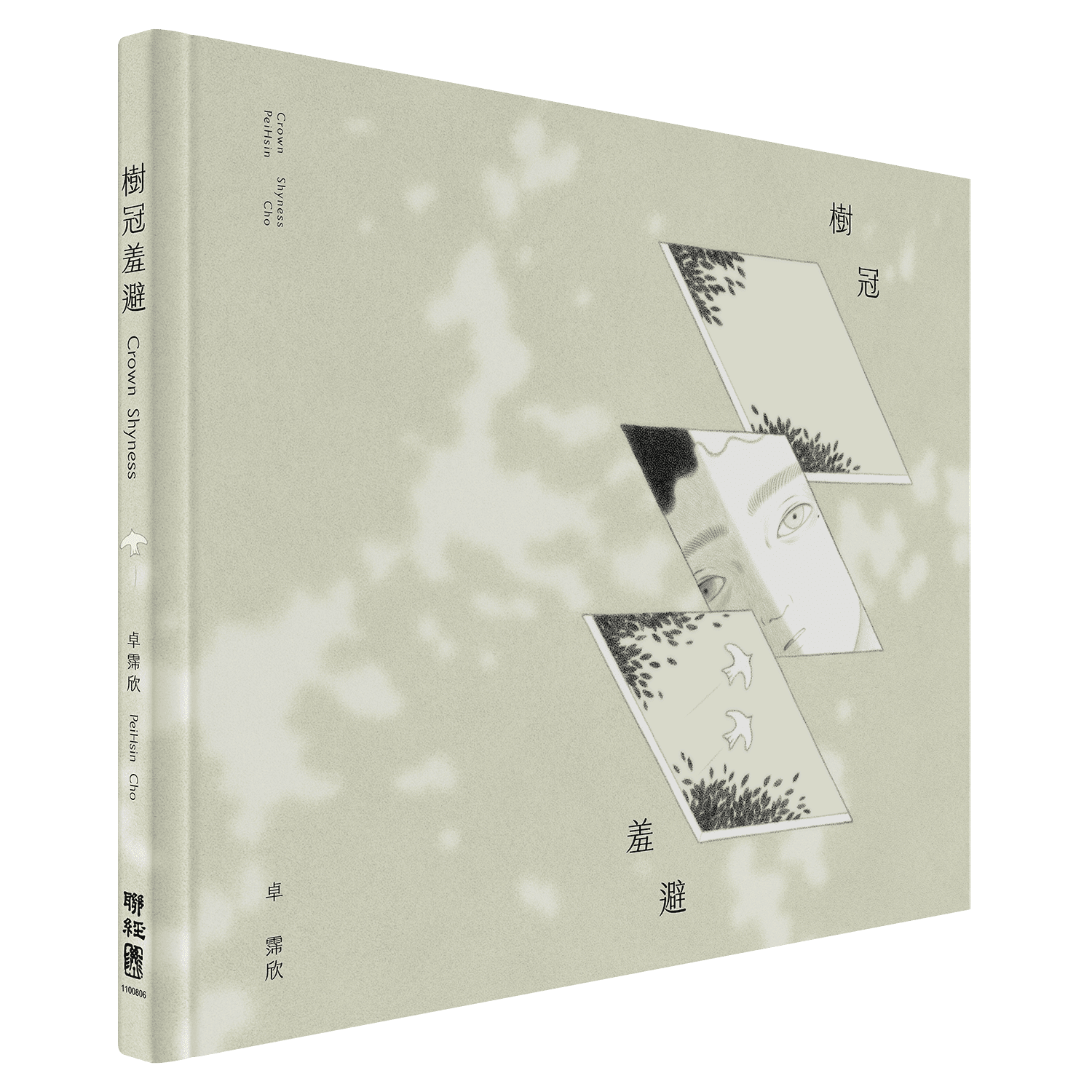
This is the first post in a series about the making of my second picture book,
Crown Shyness(樹冠羞避, Linking Publishing, 2025).
Each post will follow one stage or one thread of the process.
You can purchase here with worldwide shipping.
Before Crown Shyness was a book, it was a short comic that travelled much further than I expected. And even before that, it was a five-page visual diary, drawn in front of a window in Berlin during the lockdown. This first post is about where those five pages came from, which means starting a little earlier, in late 2019.
Back then, I was one of those freshly graduated art students. I was anxious, lost, dreaming of becoming a freelance artist, while dragging along a heavy student loan. Because of my international status, I stayed in the UK until the very last day of my student visa, then had to leave. I moved to Berlin with most of my belongings stored away in a UK storage unit because I did not yet know where I would land next.
If anyone reading this is going through something similar, I’d be happy to write another post about visas, moving countries, and the administrative fog of trying to build a creative life abroad. But for now, let’s stay with Crown Shyness.
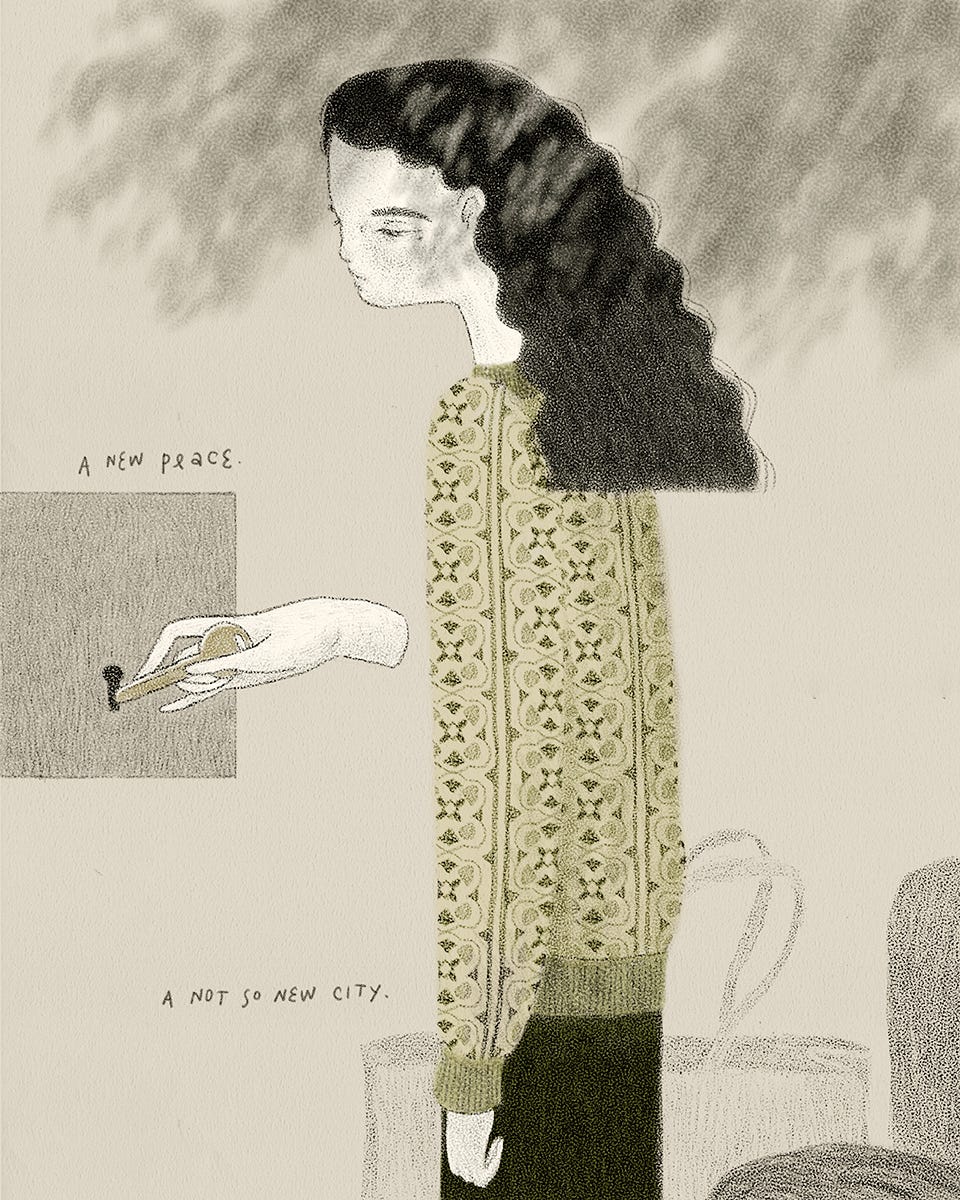
Berlin was a new city, with a new language I did not understand, and a new life and identity I needed to piece together fairly quickly. Luckily, my visa situation was temporarily resolved at the beginning of 2020, and I found a long-term place to move into.
And then Covid-19 hit.
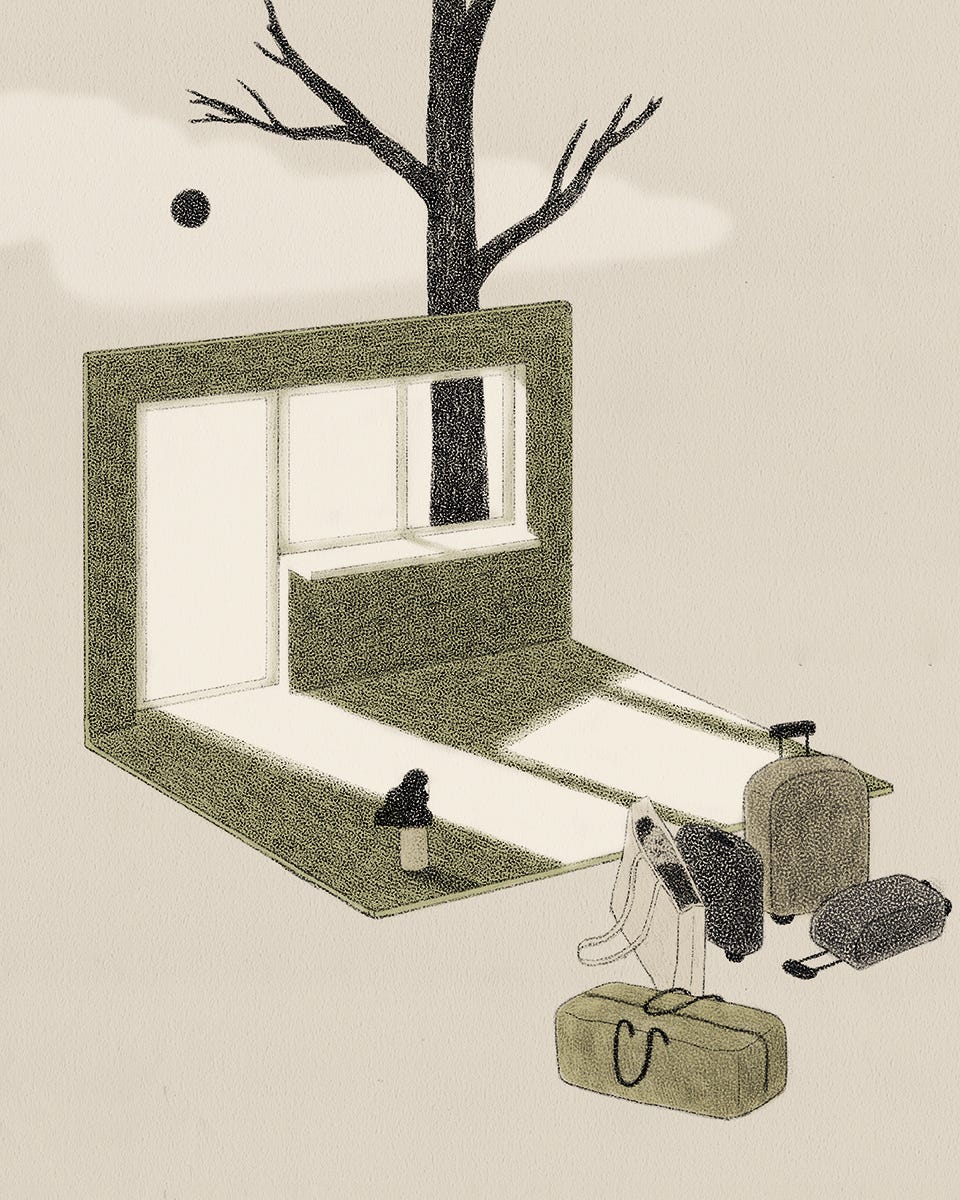
It was a strange time for everyone, and it certainly did my situation no favours. Just when I felt I needed to be active, visible, shouting quietly but loudly to the world that I exist and that I can draw — the world hit pause and went still.
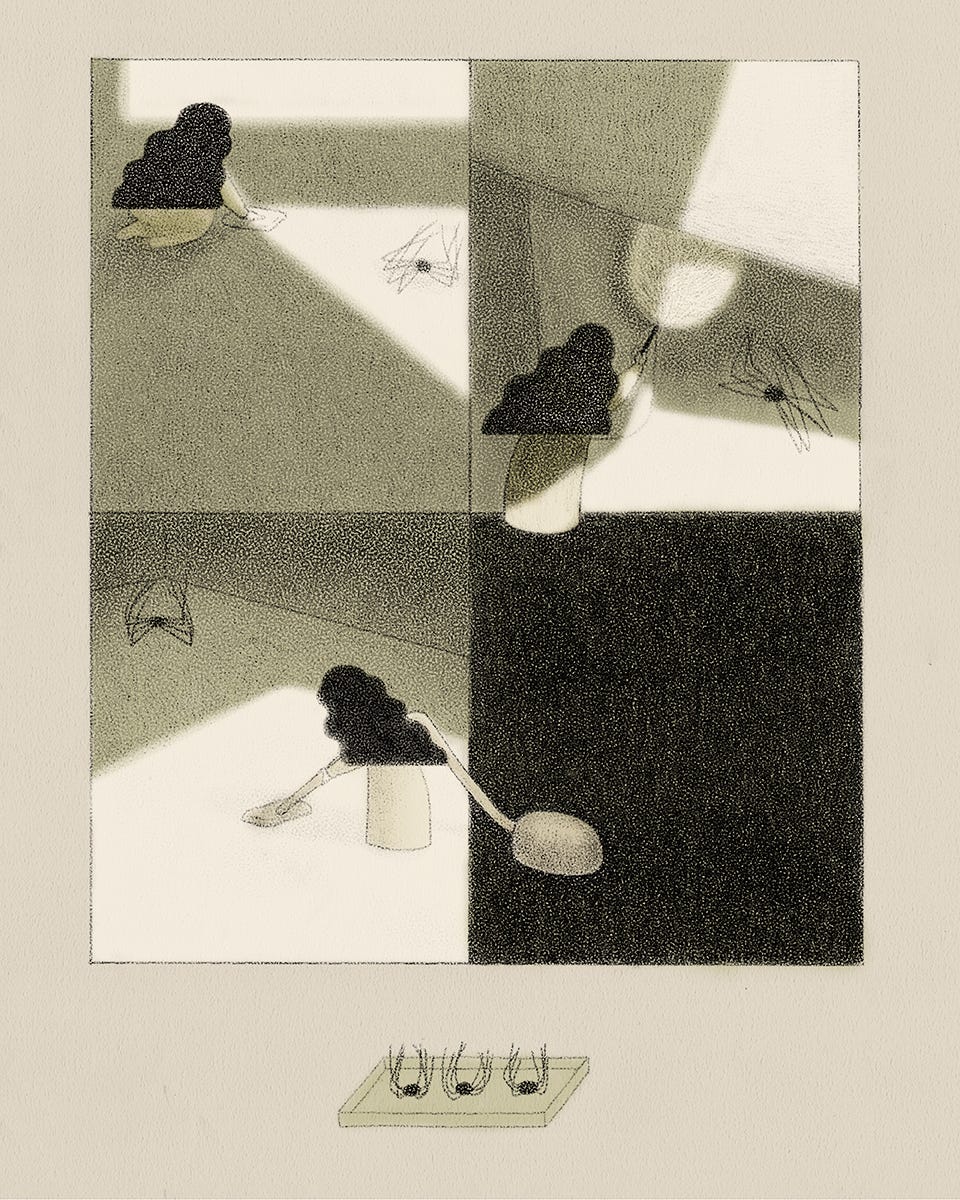
But I kept drawing and updating my website piece by piece. The visual diary habit from the RCA lasted for a while after graduating. With so many things to juggle, I tried to make each piece do more than one job. Some of those diary pieces were more polished than others, so I could also use them in my portfolio to show that I could draw and tell stories in sequence.
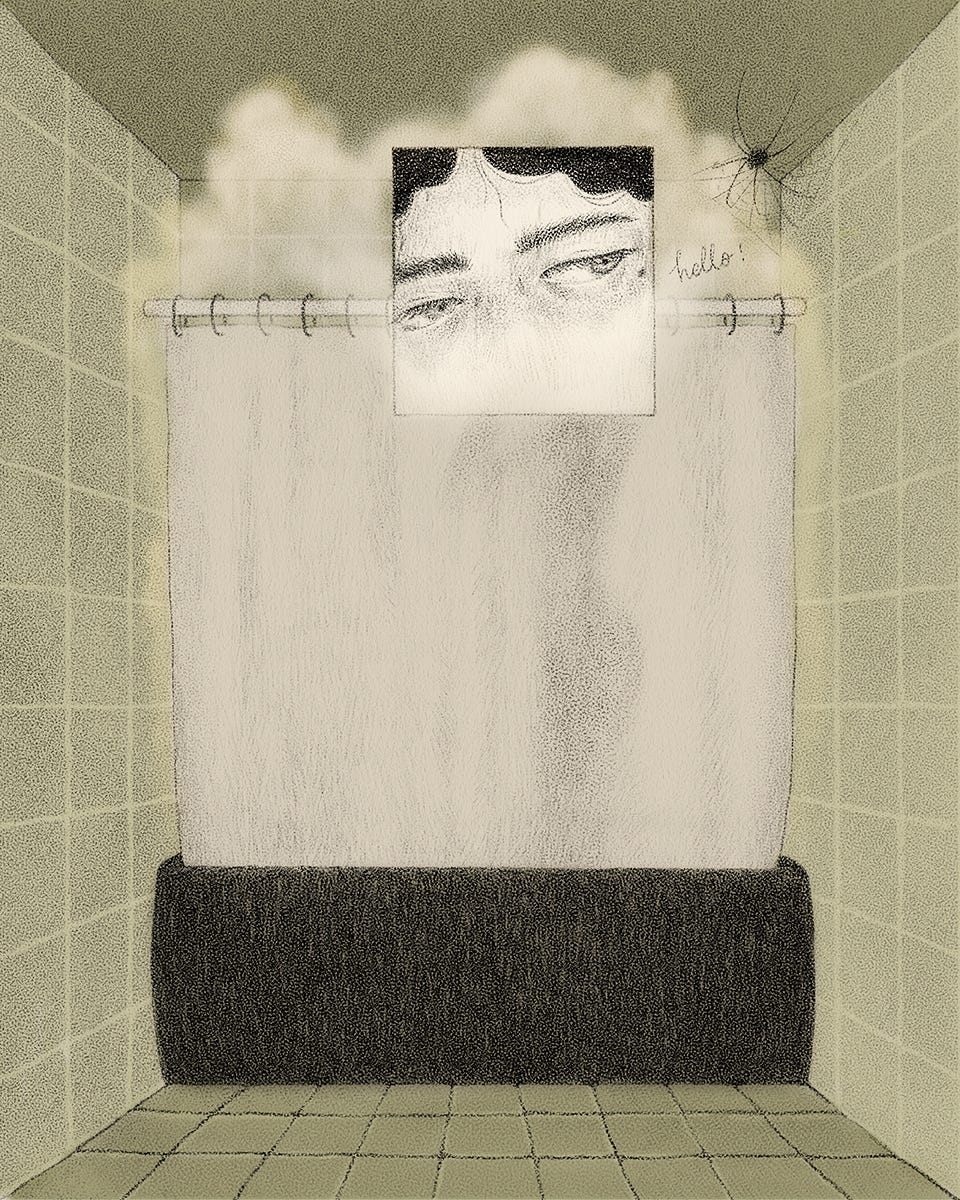
To be fair, lockdown didn’t affect me much, as I’m very much the kind of person who enjoys staying at home. As long as I have a window, I can spend a lot of time by myself without feeling trapped.
A few months ago, I wrote a short piece for 500 Times, a Taiwanese lifestyle publication, on the theme of the best lamp. What I ended up writing was about window-light, where all my work was born. I did not write it with Crown Shyness in mind. But while writing this post, I feel it belongs here, so:
Before I moved to the UK for postgraduate study, I worried about every possible form of culture shock. Yet I did not expect it to be indoor lighting.
The thick amber warmth in many of the rooms I lived in felt slow and downward, gathering in the corners. Under that kind of light, I felt confused, unsettled even, and found it hard to concentrate.
I grew up in a traditional streethouse in Taiwan — a type of building that combines business on the ground floor with residential living above — long and narrow, with windows at the front and back, and a small courtyard cut into the middle. These were designs meant to help this type of house breathe. But in reality, breath cannot always keep up with the way a city piles itself around you. Signboards, corrugated roofing, fabric banners — wrapping, overlapping, sealing out the sky.
Fluorescent light became important — it’s even called sunlight (日光燈) in Taiwan. Bright, white, unambiguous, spreading evenly across every surface in the room. That cool artificial brightness became, for me, the colour of living.
In my first few years living in Europe, I bought a desk lamp with a high-lumen 6000K bulb, as a way to resist the dim yellow ceiling lights I did not yet know how to live with. My body needed that particular brightness and colour temperature to keep going.
Looking back now at all the places I’ve rented over the past decade, I realise I have always chosen them for their windows. Some faced the street, some faced a courtyard, some had trees outside, and some looked onto another building’s windows. And some, I can no longer picture. But I can still remember the specific quality of how the light arrived in certain rooms, on certain days. A small piece of amber shimmering across the wall in the late afternoon in that Berlin flat. Or the pale primrose yellow of a winter morning in Whitechapel, resting briefly on the edge of my desk before thinning away like steam.
All these places I once called home are scattered around. Different rooms, different flats, different views, different states of life. But the same light moved through all of them, finding each room differently. It did not belong to any one place. Still, it appeared in each of them in ways that felt familiar, but never quite the same. Gradually, my body began to lean towards this window-light.
Usually rectangular, sometimes cut into pieces by the window frame. It had its own angle, its own mood. Longer in summer, shorter in winter. Sometimes softened by curtains, covered by clouds. Sometimes flickering with the shadows of leaves, sometimes marked by rain sliding down the glass. The room changed colour as time passed through it. I slowly found a rhythm for living and working in a foreign place.
I draw beside the window-light. Layer marks, add colour, finish work. Sketches and ideas don’t always come in the brightest part of the day — more often than not, they arrive after the light has already begun to leave. What comes after isn’t only absence. When the room is softer and less defined, it gives loose thoughts the space to hold their shape and settle.
I used to think I needed bright light to keep life clear and in motion. Now I think the motion was already there. I have just been learning its rhythm through window-light, the way it passes through the room, and through me, again and again and again. It brings the seasons inside. It lays the shape of time on the wall, the floor, the drawing table, and my body. And as naturally as anything, it lets life enter the work. I don’t remember which move it was, only that at some point I left that 6000K desk lamp behind.
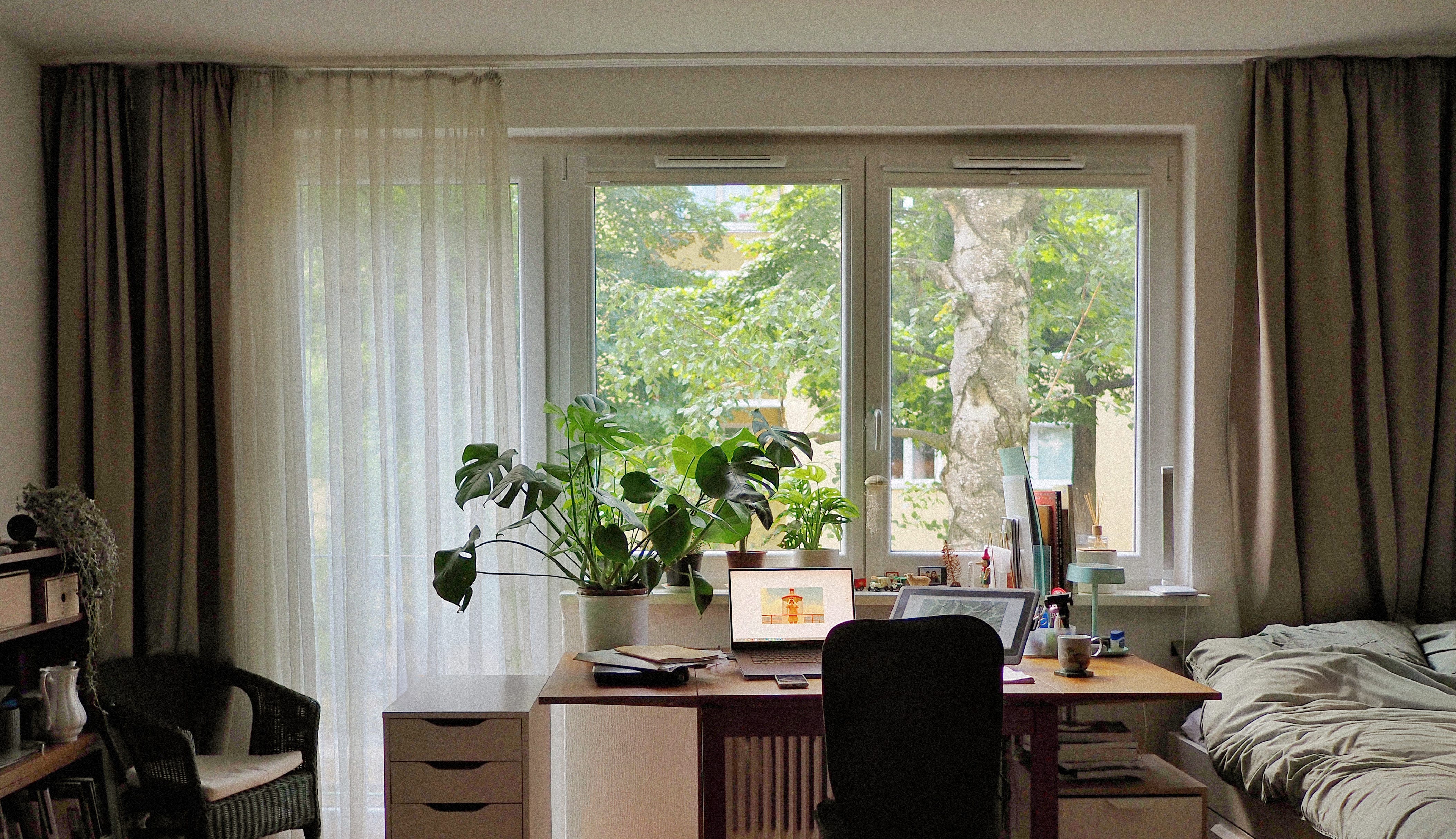
So when lockdown happened, staying indoors itself was not the hardest part.
As the world became more dependent than ever on online connection, I felt it made an existing problem more visible. Everyone was speaking, so loudly, yet hardly listening. Emotional sentences were thrown at the screen, then moved straight on to another window as long as what one wanted to say had been said.
I found some notes scattered in my sketchbook from that time :
overlapping. selfish. distance.
hedgehog dilemma?
we are too close, too attached, too far away.
consuming. living. no one can breathe.
distance. network. connection.
I kept wondering: wasn’t everyone, in some way, trying to keep their life going? If so then, how could some people leave words so recklessly for others to carry?
I felt a conflicting distance between people. As each of us sat isolated, the invisible network connected us to an absurd closeness that only revealed how far apart we were. Ruminating on those thoughts and feelings for months during the lockdown measures saddened me, and the Berlin winter surely didn’t help.
Time outside the window continues regardless of the chaos in the human world. Winter moved into spring, and then summer came. I walked the same route to the supermarket again and again. Trees, bushes, and climbing vines on buildings began to grow new shoots. Leaves sprouted, then unfurled. Greenery thickened.
Suddenly, Berlin was green.
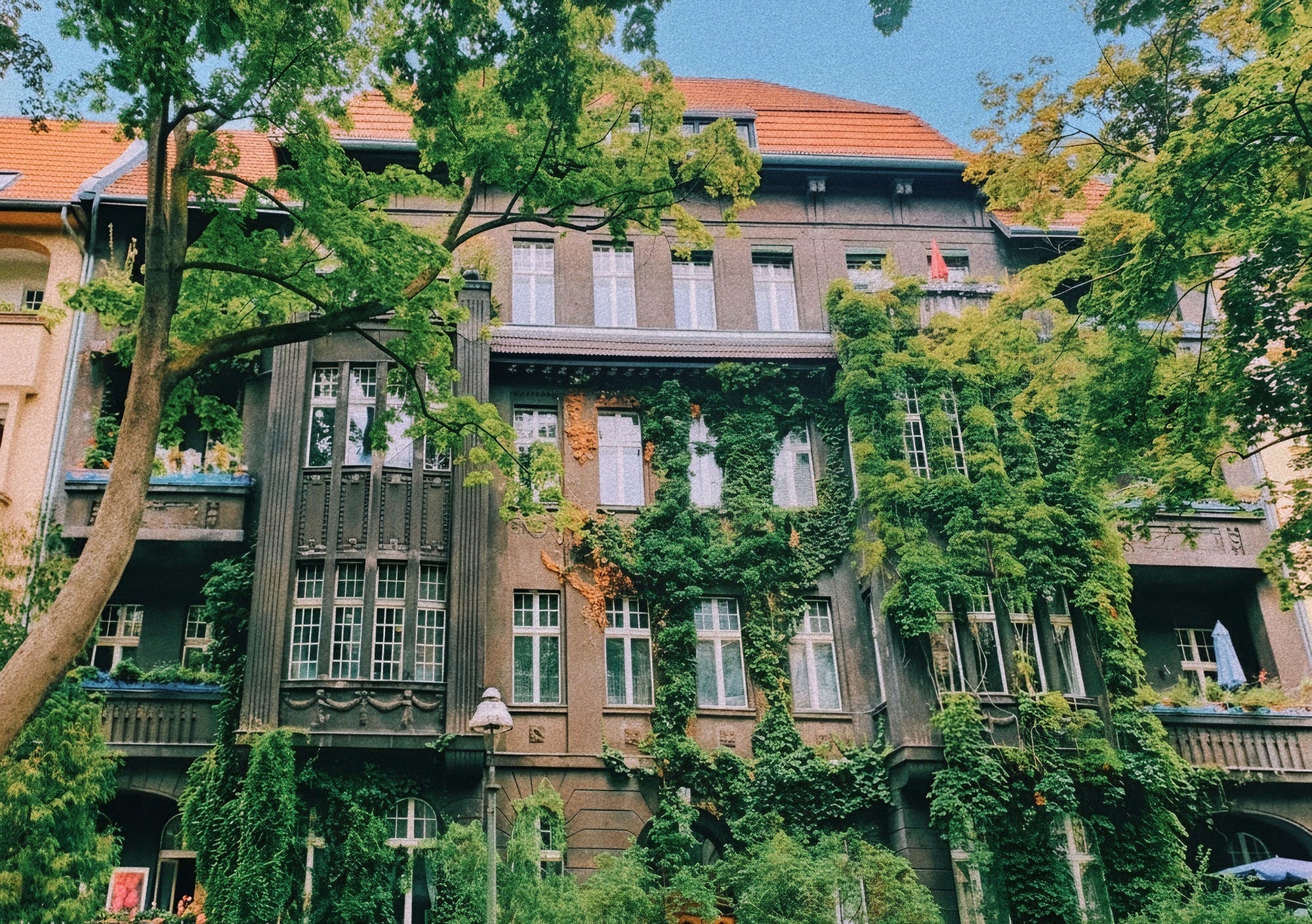
Perhaps the contrast between the grey Berlin winter and the summer growth was just too much for my very underused eyes, but I remember feeling that all the plants looked particularly happy that year.
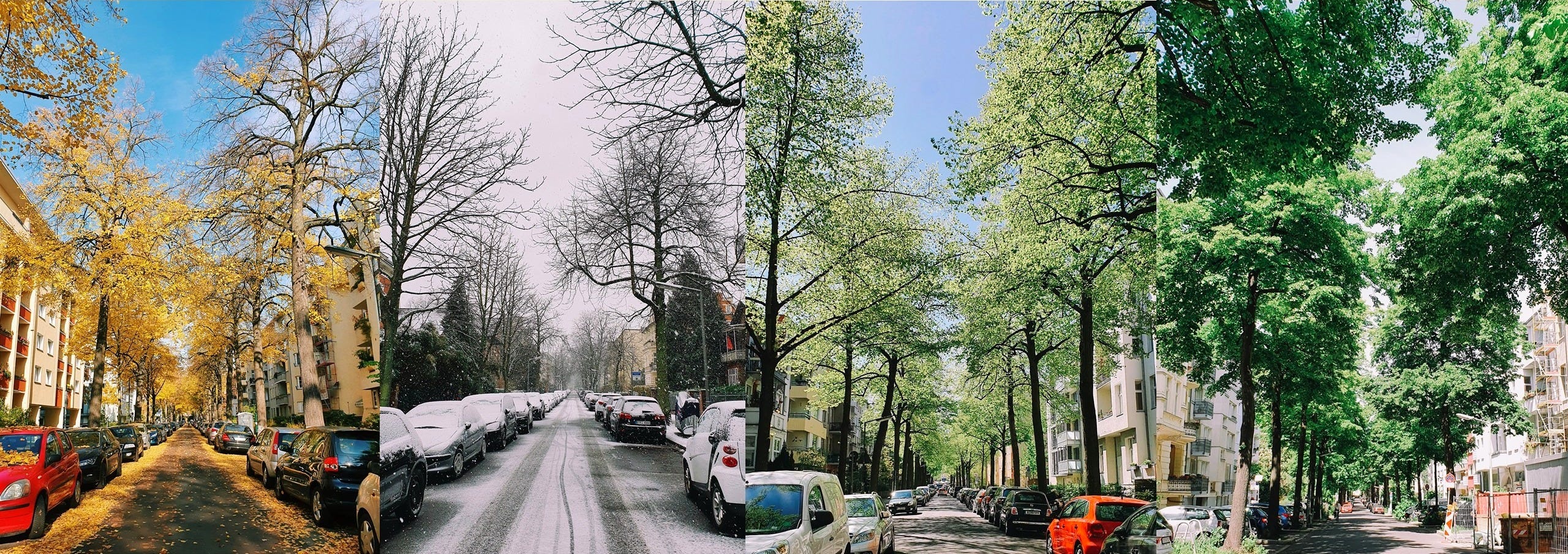
It was around then that the crown shyness phenomenon came back to me. I first learnt the term while researching my graduation work about introversion and shyness, although crown shyness has very little to do with shyness itself. It describes a phenomenon where the upper branches of certain trees grow close to one another while leaving gaps between their crowns. Some studies say these gaps may help trees avoid physical damage or the spread of pests and disease. Others describe how the spaces allow light, wind, and rain to pass through, giving each tree room to grow while also allowing light to reach the forest floor.
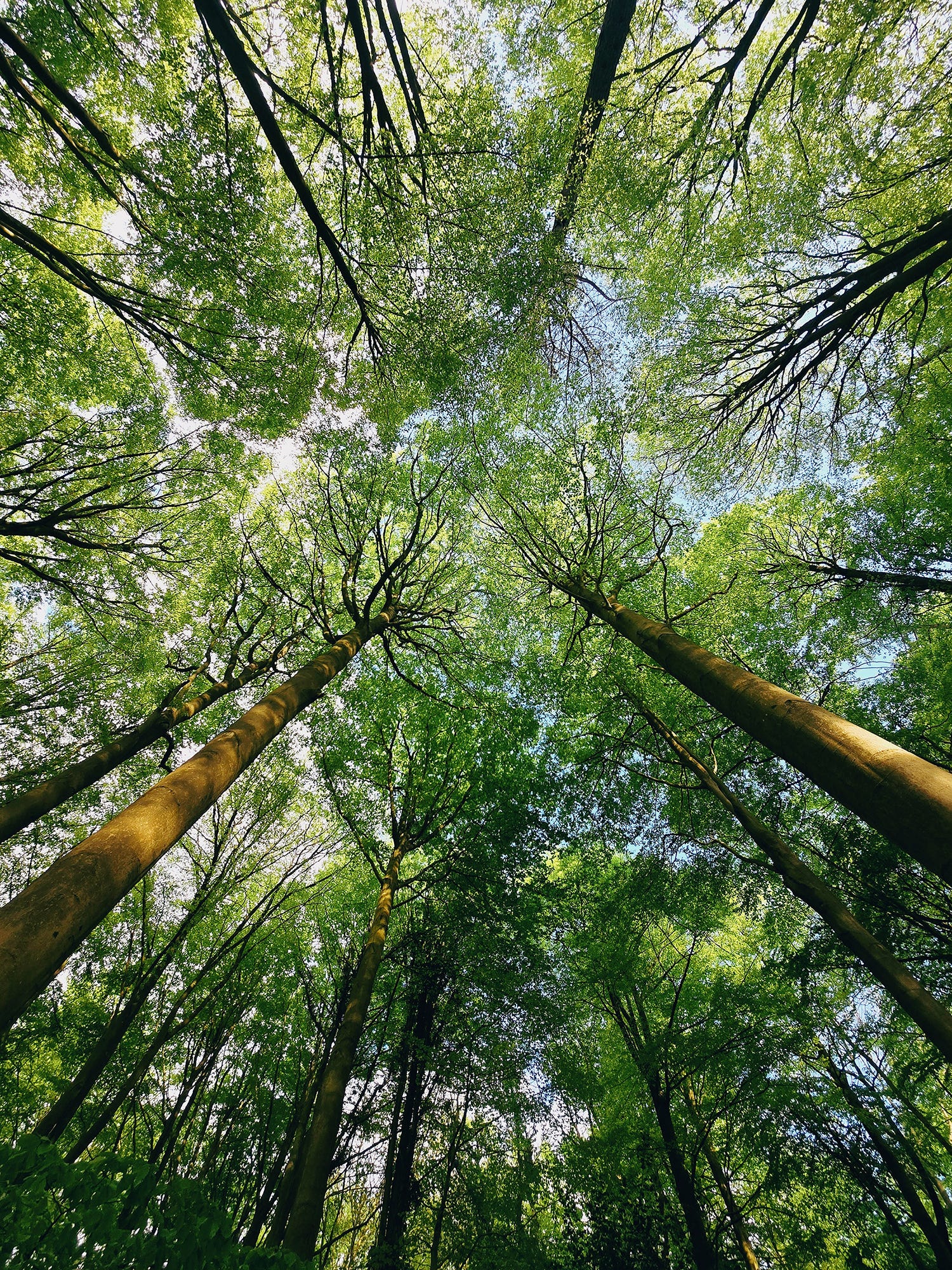
This was most likely not happening in the street trees I was seeing in Berlin. I later read that trees communicate through their roots and fungal networks, and the way street trees are planted can interrupt those underground relationships. It made me think of street trees as a little lonely. Only a few steps apart, but unable to reach one another.
When crown shyness emerged in my thoughts, it just stayed. The phenomenon could easily apply to our social distancing at that time. But what lingered was the distance that gave each tree enough room to grow in its own direction while the whole forest thrived together. Something in it spoke to my feelings of all those months and made me want to draw.
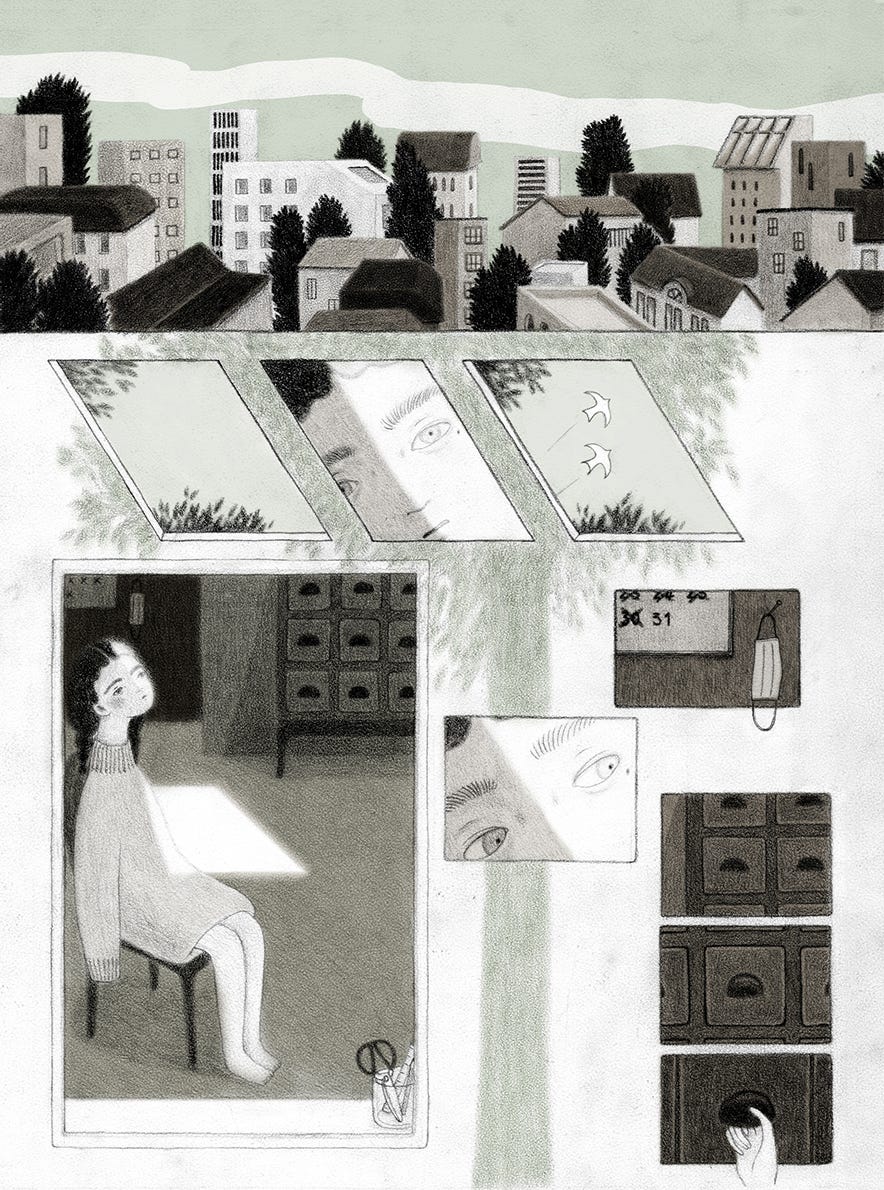
In front of the window I had been looking out of all those months, I thought: a comic would be a great approach to carry that slowness of the pandemic while leaving space for different ways of seeing it.
And within that slowness, I wanted to leave a small breadcrumb before the protagonist finally notices the crown shyness around her. I don’t remember what the other ideas were — as I mentioned in a previous wip post, I visualise ideas in my mind most of the time, and unless I felt it was really strong I wouldn’t pen it down — I only remember that it took me about one week before I came up with growing beans.
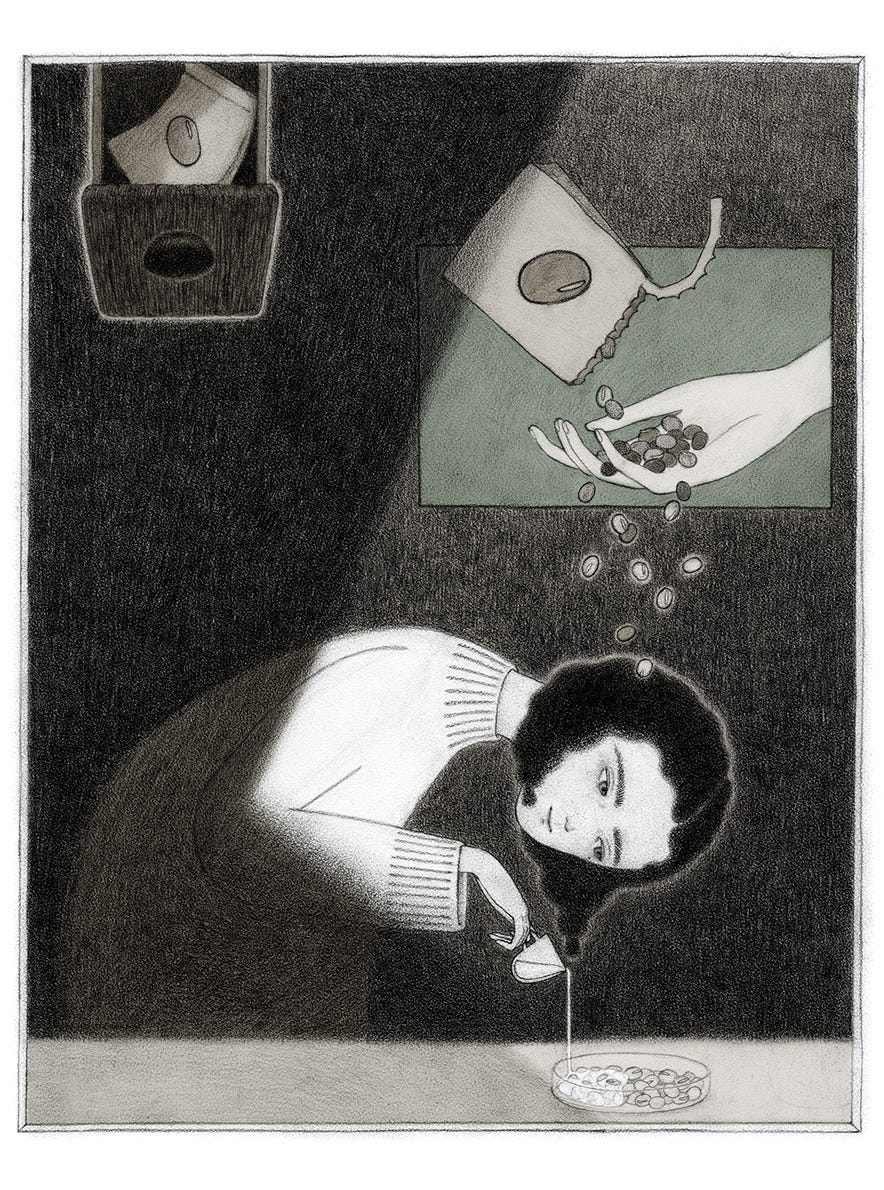
I wonder if this is also common in your country, but I think almost every Taiwanese person has grown beans — usually mung beans — at least once as a primary school assignment. They are easy to set up, good for training observation and note-taking, useful for understanding plant growth in science class, and perhaps also meant to give small children a sense of farmers’ labour so we wouldn’t be too picky about food haha.
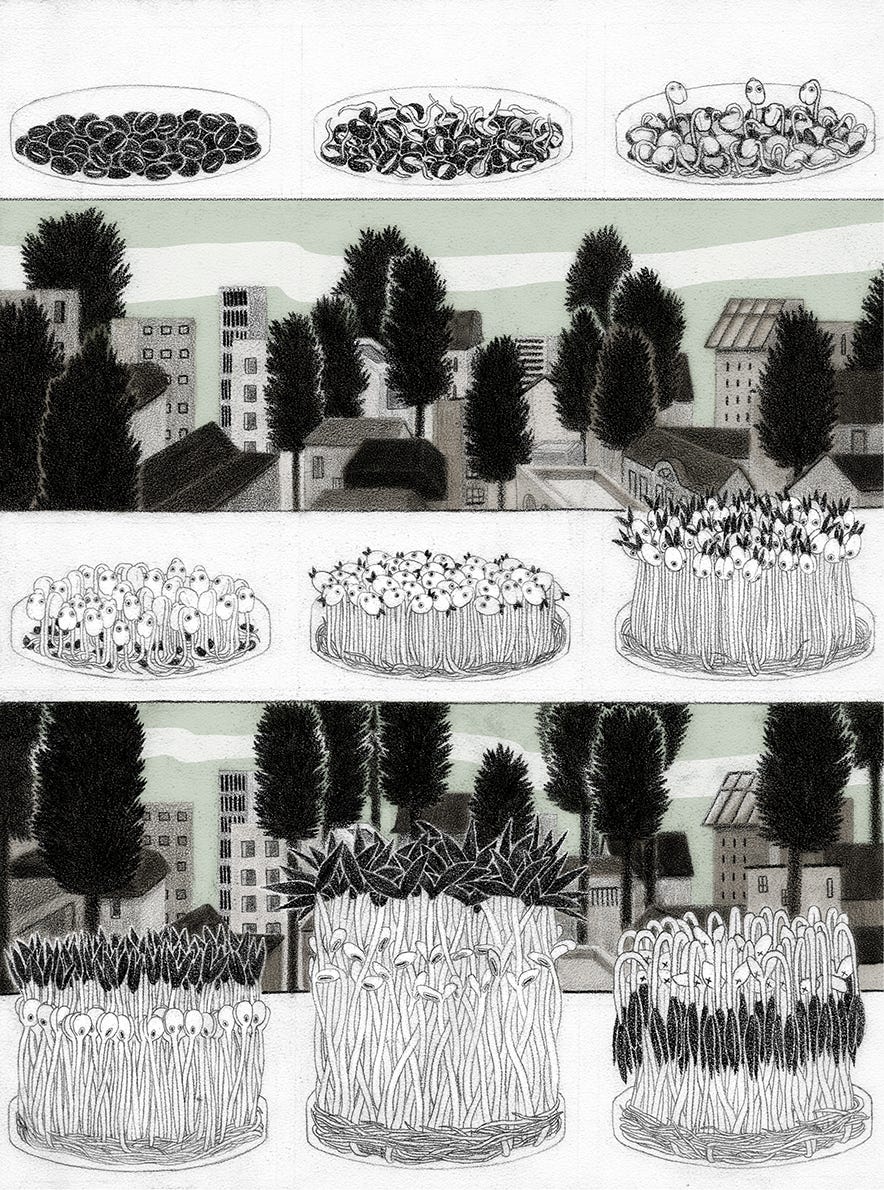
Mung beans sprout quickly and energetically. Innocently upward, trying very hard to become taller and taller. If not pay attention, they crowd together. They fight. They tangle. They become damp and unhappy and eventually begin to rot. I guess they fitted the version of us I was watching at the time. Perhaps they still do.
So the beans and the trees are two parallel growing lines planted in the comic — inside and outside, small and big, fast and slow, overlapping and distant — building up to the girl’s final realisation: a spread of crown shyness.
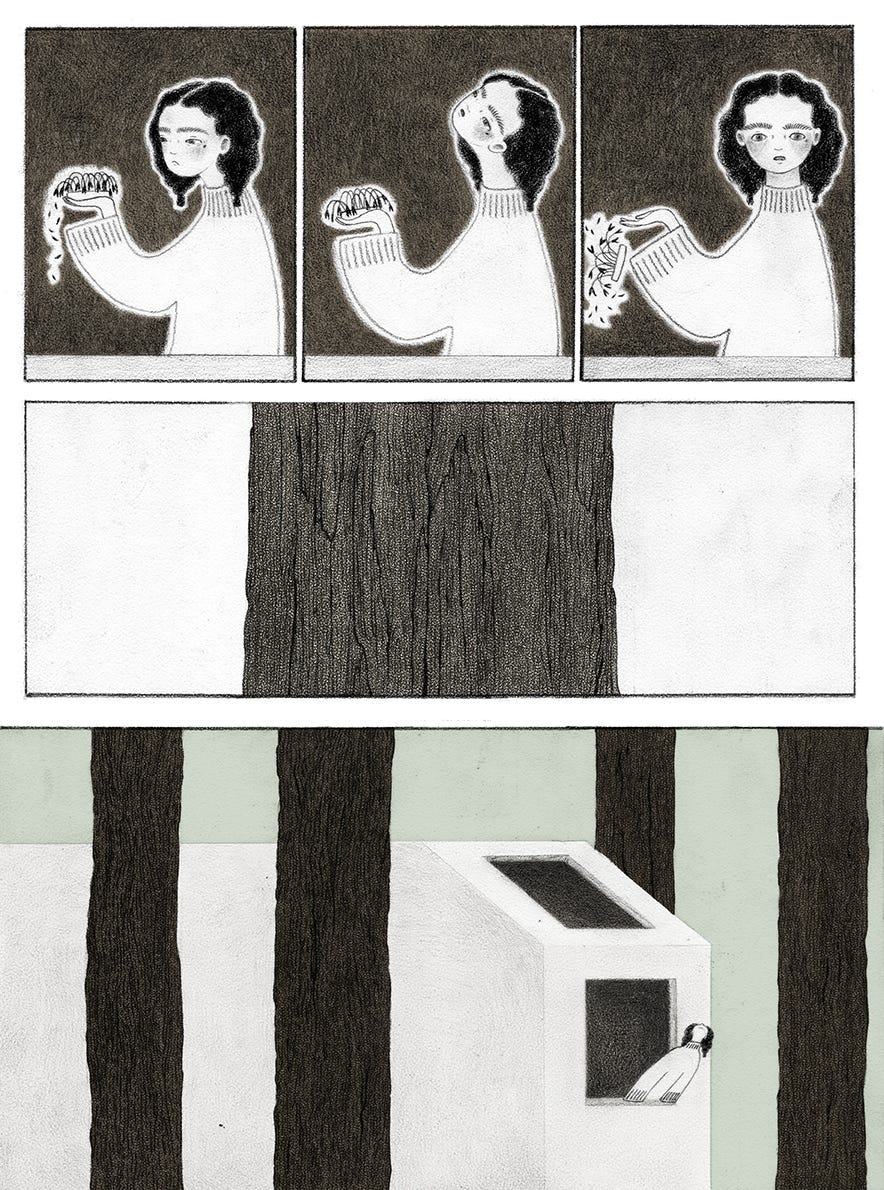
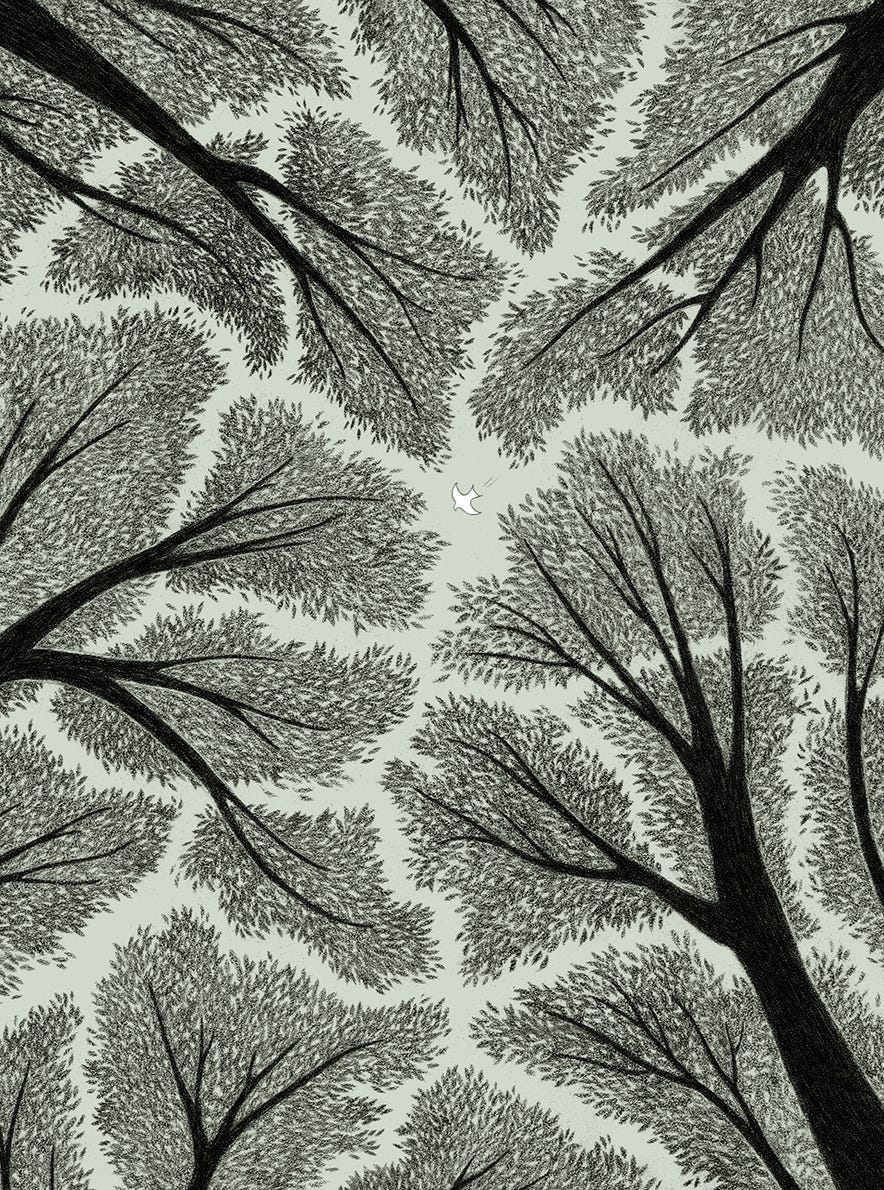
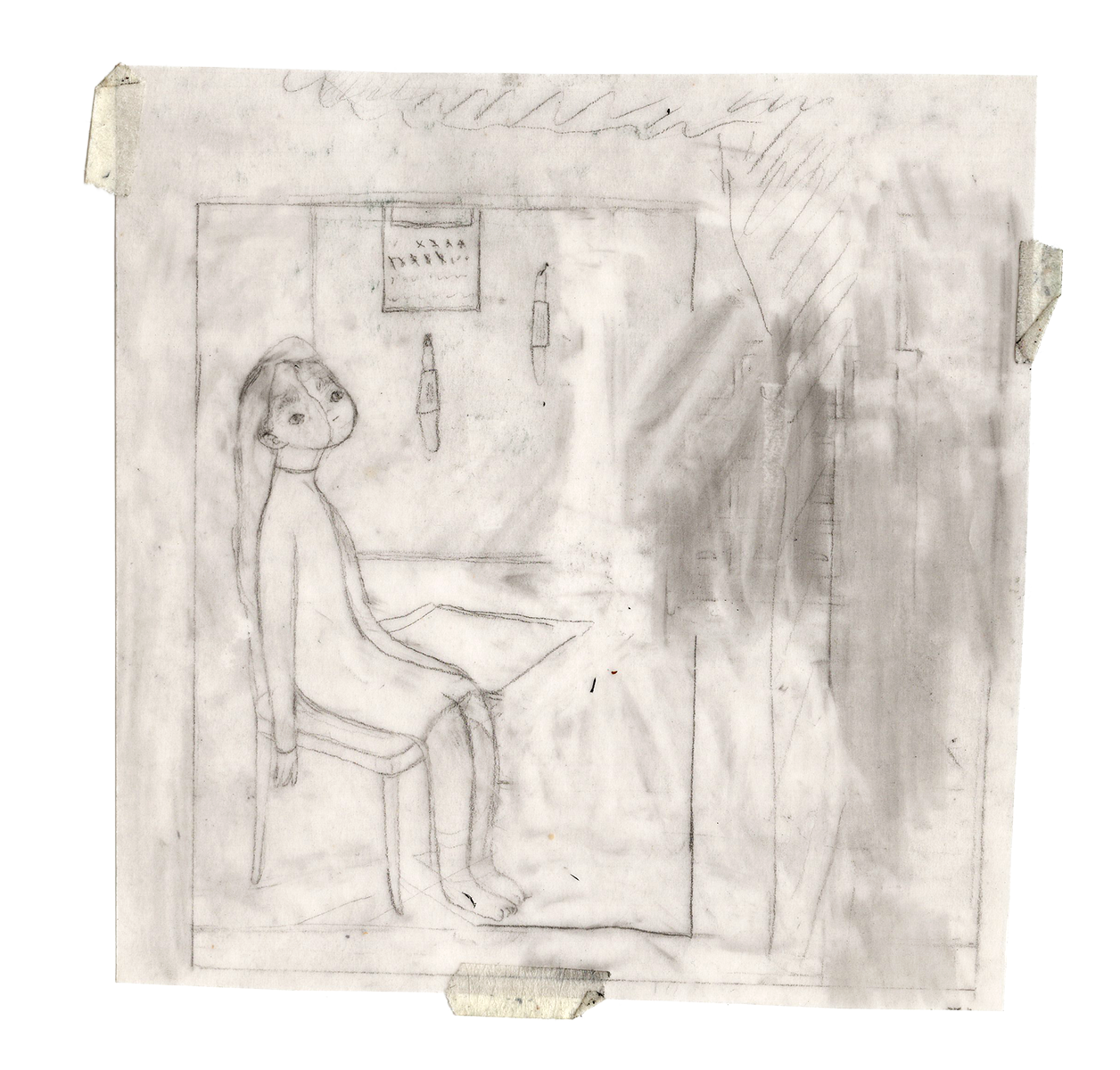
To write this post, I dug out my sketchbook from six years ago. I laughed while flipping through the very first roughs, as they were REALLY casual. And you’ll see how I tried to play with the comic panels and eventually turned them into the window frame of the girl’s room.
Comments
Nothing yet. Say the first thing.
Sign in to join the conversation.