
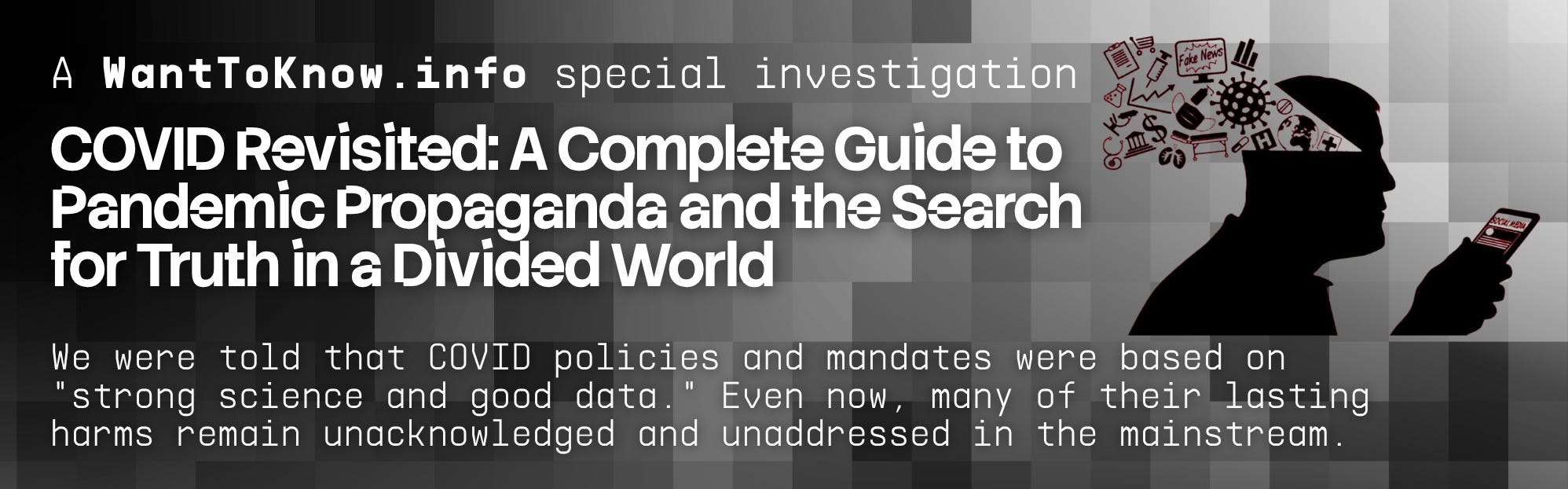
Covid is an amazing case study in groupthink and the effects of partisan bias.
– Stephen Macedo, political scientist, professor of politics at Princeton University
Perhaps the greatest damage done by the COVID era was not to public health, but to our social health. Questioning official narratives cost people their reputations, careers, platforms, friendships, and even marriages. While forced isolation and prolonged lockdown policies physically separated us, we were also encouraged to fear and shame one another, censor one another, and view simple disagreement as a dangerous threat. In the name of protecting public health, we undermined one of its most essential foundations: social connection.
Social connection is a major determinant of health. Research shows that social isolation is one of the strongest predictors of premature death, carrying a mortality risk comparable to smoking and obesity.
The long-term social consequences of pandemic policies are becoming impossible to ignore. A Pew Research Center study found that Americans are significantly now less likely to trust one another or even people living next door than they once were. Time spent helping or caring for people outside the family has dropped by more than one-third. Digital habits formed during the pandemic normalized isolating and sedentary lifestyles. Crisis capitalism contributed to the dystopian rise of boarded up businesses across the country and the closure of many third places—the gathering places beyond work and home that once fostered civic life and a sense of belonging.
As we’ll discuss below, the most effective COVID messaging used to increase compliance did not rely on scientific evidence alone. They relied on using fear, shame, social status, the threat of exclusion, and censorship as levers for shaping public behavior. The result was one of the largest real-world case studies in groupthink, conformity, and behavior modification in modern history.
Yet understanding what happened is only the first step. Reviving social trust, open dialogue, and human connection may be one of the most important public health challenges of our time. Without them, no society can respond wisely to future crises. Restorative justice scholar Claudia Mazzucato writes that the COVID era created a form of collective trauma marked by dehumanizing isolation, the expanded use of military and police powers, increased surveillance, and the loss of fundamental freedoms. Human rights scholars have called for a COVID Truth and Reconciliation Commission, citing the UN Special Rapporteur on Freedom of Opinion and Expression, who warned that COVID had become a “pathogen of repression” where governments suppressed dissent in the name of public health.
If we want to ensure that this never happens again, we need to carefully consider what actually occurred during this turbulent moment in history. Which companies and institutions manipulated our conversations and censored legitimate views? How can we repair the long term damage that was done to our social health and economy by pandemic policies? And how can we restore trust in our institutions if there is no transparency or accountability with the harm that was done?
Propaganda ends where simple dialogue begins.
– French political and social scientist Jacques Ellul
Thousands of epidemiologists and scientists, including leading experts from Harvard, Stanford, and Oxford, warned that mandatory lockdowns would cause devastating long-term harms. They were censored, ridiculed, and some even received death threats. Dr. Mike deBoisblanc, the medical director of Trauma and Regional Services for John Muir Health Hospital in California, reported seeing more deaths by suicide than COVID during the quarantine. “We’ve never seen numbers like this, in such a short period of time,” he told ABC7. “I mean, we’ve seen a year’s worth of suicide attempts in the last four weeks.” After writing a letter to the Contra Costa County’s health director that more lockdowns lead to much more non-COVID morbidity and mortality, Dr. deBoisblanc was removed from his position without any explanation. Many of the concerns once dismissed by dissenting experts were later acknowledged. Numerous studies have found little evidence that lockdowns reduced COVID mortality or transmission. Renowned economists, public health experts, top officials at the World Health Organization and UNICEF, and former officials now acknowledge that lockdowns inflicted enormous social harms, and exacerbated trauma and the mental health crisis.
The COVID era gave birth to AI-driven censorship systems, shadowy surveillance campaigns deployed by vaccine manufacturers and NGOs, military-intelligence influence over social media, widespread censorship of accurate information with platforms even removing videos of US Senate committee hearings, and an unprecedented expansion of behavior modification techniques designed to shape public opinion and compliance. Now, big tech companies have expressed regret for caving in to the Biden administration’s efforts to censor truthful information that did not violate the companies’ policies.
COVID policies destroyed the economy and led to the greatest wealth transfer in history. In 2022, it was estimated that a new billionaire was minted about every 30 hours during the pandemic while at least 75 lawmakers were financially invested in the lucrative business of COVID vaccines, treatments, and tests. Instead of holding our public officials accountable for this, we turned against each other.
The 6-foot distancing rule was treated as unquestionable science. Yet even Dr. Anthony Fauci, the highest-paid employee in the entire US federal government—earning more than the President–could not identify the evidence on which it was based. In his testimony before the House Oversight and Accountability Committee, Fauci acknowledged that COVID policies may have gone too far and produced harmful consequences. As Washington Post reported, Fauci characterized the recommendation as “an empiric decision that wasn’t based on data” and testified: “It sort of just appeared, that six feet is going to be the distance.” What does this say about our public health leaders?
The constant, fear-based drumbeat of COVID case counts, hospitalizations, and deaths were over-inflated and, in many cases, meaningless. Washington Post reported how patients admitted for gunshot wounds, heart attacks, broken bones, cancer treatment, or other unrelated conditions were being counted as COVID hospitalizations if they tested positive, even if the infection had no bearing on why they sought medical care. If those patients later died, COVID was added to the death certificate despite not being the primary cause of death or, in some cases, playing no meaningful role at all. Stanford University School of Medicine researchers also concluded that youth hospitalization rates may have been inflated by as much as twofold, since many children counted as COVID patients were hospitalized for unrelated conditions, tested positive through routine screening, and often had no COVID symptoms whatsoever. One New York Times report even exaggerated the number of child hospitalizations by 837,000 cases.
If COVID metrics were inflated, it’s worth looking at the incentives that encouraged healthcare providers to report the inflated figures. Hospitals received higher Medicare payments for treating COVID patients, along with additional reimbursement for certain authorized treatments, including remdesivir, the anti-viral drug that became standard care that cost over $3,000 per patient. Yet this treatment protocol was never aligned with global best practices. The World Health Organization recommended against the use of remdesivir after finding no evidence of reduced deaths, shortened hospital stays, or reduced need for mechanical ventilation. They also identified disproportionately high reports of liver and acute kidney injury associated with remdesivir, prompting the European Medicines Agency to launch a safety review into reports of acute kidney injury. A subsequent Science investigation reported that numerous scientists questioned the FDA’s unusual approval of remdesivir without convening its independent antiviral advisory committee. This investigation also found that key data demonstrating that the drug reduced viral load—a standard benchmark for antiviral drugs—was never publicly released.
An Arizona hospital medical coder and whistleblower’s allegations surrounding COVID hospital protocols—including remdesivir harms and the aggressive use of mechanical ventilation—have been echoed by hundreds of real-life patient and family testimonies documented in the Vaxxed III documentary and by later major media reporting. The whistleblower alleged that many patients developed severe kidney damage shortly after receiving remdesivir, leaving some dependent on dialysis, others with permanent kidney disease, and some even being placed on kidney transplant lists. As physicians learned more about COVID, many concluded that mechanical ventilation had often been used too aggressively early in the pandemic, with high airway pressures potentially worsening oxygenation in some patients. It was also discovered that many patients with severe COVID who died did not die primarily from COVID itself—they died after developing ventilator-associated secondary bacterial pneumonia. This pneumonia was responsible for a higher mortality rate than the COVID infection.
Rather than helping people understand who was most at risk and how to reduce their risk given that the mortality rate was as low as 1%, the public health response largely emphasized fear. If nearly 90% of hospitalized COVID patients had underlying chronic health conditions like obesity and poor metabolic health, why weren’t these realities central to public health messaging? Common-sense strategies for supporting immune function—including good nutrition, essential vitamins, zinc, and regular exercise—were often dismissed as “lacking sufficient evidence,” even though many pandemic policies were themselves implemented under incomplete evidence. In reality, multiple hospital-based studies across Mexico, Spain, Belgium, Iran, and Turkey found vitamin D deficiency was widespread among hospitalized COVID patients, while other research found that vitamin D supplementation in deficient patients may substantially reduce COVID-19 mortality.
After years of natural immunity being labeled a conspiracy theory, leading medical journals and mainstream media outlets eventually acknowledged that natural immunity from a COVID infection is just as protective against severe illness and death as vaccination.
The lab-leak hypothesis was censored on social media and labeled a conspiracy theory for years. Today, the evidence is overwhelming that the pandemic was manmade. Leaked emails, grant proposals, NIH records, congressional subpoenas, whistleblower testimony, criminal indictments and even emerging discoveries into Dr. Anthony Fauci’s biodefense legacy all indicate that COVID was likely the outcome of risky bioweapons research intentionally operating outside of congressional oversight.
The research resulted in a modified virus that was 10,000 times more infectious in lungs, 1 million times more infectious in brains and three times more lethal in humanized lab mice, [Rutgers University molecular biologist Dr. Richard] Ebright testified earlier this week, based on NIH disclosures of the experiment.
–Dr. Anthony Fauci writes COVID-19 lab leak is a ‘conspiracy theory’ in memoir — but told Congress it wasn’t, New York Post
This comes at a remarkable moment. Top editors of world-renowned journals have warned that much of published scientific and medical research is distorted by fraud, corruption, and compromised regulatory agencies who put corporate profits over human health. Newly declassified documents released by outgoing Director of National Intelligence Tulsi Gabbard reveal that the US has funded more than 120 biolabs across over 30 countries, many engaged in research involving dangerous pathogens and, in some cases, gain-of-function experiments.
During the pandemic, the term “anti-vaxxer” became so emotionally loaded that even asking reasonable questions about vaccine safety carried significant social and professional risk. Yet now, extensive media coverage has chronicled devastating COVID vaccine injuries, including reports of accelerated cancer progression, permanent heart damage, brain injuries, paralysis, autoimmune disorders, and deaths. Senior FDA officials have now acknowledged there have been serious, life-changing injuries that weren’t adequately recognized, and that those reporting post-vaccination injuries have been “completely ignored and dismissed and gaslighted.”
Still, official narratives continue to downplay this growing body of documentation, insisting that COVID vaccine injuries are rare and the benefits outweigh the risks. Yet because these vaccines have only existed for a few years, no one can honestly claim to know their full long-term health effects.
The original Pfizer clinical trials were not designed to determine whether vaccination prevented transmission. Yet the public was repeatedly told by authorities and even the President that if they got vaccinated, they “wouldn’t get COVID” and “wouldn’t spread the virus.” Labeling COVID a “pandemic of the unvaccinated” stigmatized millions of people. One of the world’s most prestigious medical journals, The Lancet, deemed this over-used phrase wrong, dangerous, and unjustifed. As one New York Times writer later observed, COVID was more accurately “a pandemic of the old.”
Internal government records show US health officials discussing the large number of reports of myocarditis (a potentially fatal and/or permanently damaging inflammation of the heart muscle) following COVID vaccination in early 2021. While physicians and the public remained largely unaware of the risk, CDC officials were providing Pfizer and Moderna with regular updates on internal discussions about myocarditis. Internal meeting notes from May 2021 included the question: “Is VAERS signaling for myopericarditis now?” The answer: “For the age groups 16-17 years and 18-24 years, yes.”
Concerns about vaccine safety were significant enough that countries including Canada, Germany, France, Spain, and Italy either restricted or suspended certain COVID vaccines over risks such as myocarditis and blood clots, while the European Union later recommended that the Novavax vaccine carry warnings for myocarditis and pericarditis.
As of April 2025, a comparative study identified 167,532 COVID vaccine injury compensation applications worldwide. The Vaccine Adverse Event Reporting System (VAERS) is a voluntary government reporting system that only captures a portion of the actual injuries. As of June 2026, VAERS data shows 39,166 COVID Vaccine Reported Deaths and 222,741 Total COVID Vaccine Reported Hospitalizations. Worst of all, people who suffered serious vaccine injuries are unable to hold manufacturers accountable because federal law grants vaccine makers broad immunity from liability. Read more about how COVID vaccines were deployed under emergency countermeasure laws and Department of Defense contracts that provided manufacturers with extraordinary liability protections.
Recent findings by The British Medical Journal, a renowned medical journal, assert that the FDA and CDC effectively maintain two VAERS systems. The public-facing database that journalists, researchers, physicians, and citizens can access often contains only the original report. Behind the scenes is a private database containing updates, corrections, diagnoses, medical records, follow-up investigations, and even deaths that occurred after the initial report. This means that researchers using public VAERS data can unknowingly underestimate the severity of injuries because later developments may never appear in the version they can access. The BMJ found cases where serious outcomes were never reflected in the public record. One physician reported a child who suffered cardiac arrest after vaccination. When the child’s condition worsened and life support was withdrawn, there was reportedly no effective mechanism to update the public record. The case continued to appear as a hospitalization rather than a death.
Read our Substack, The Nuanced View on COVID Vaccine Injuries and Lawsuits, for more on this important information.
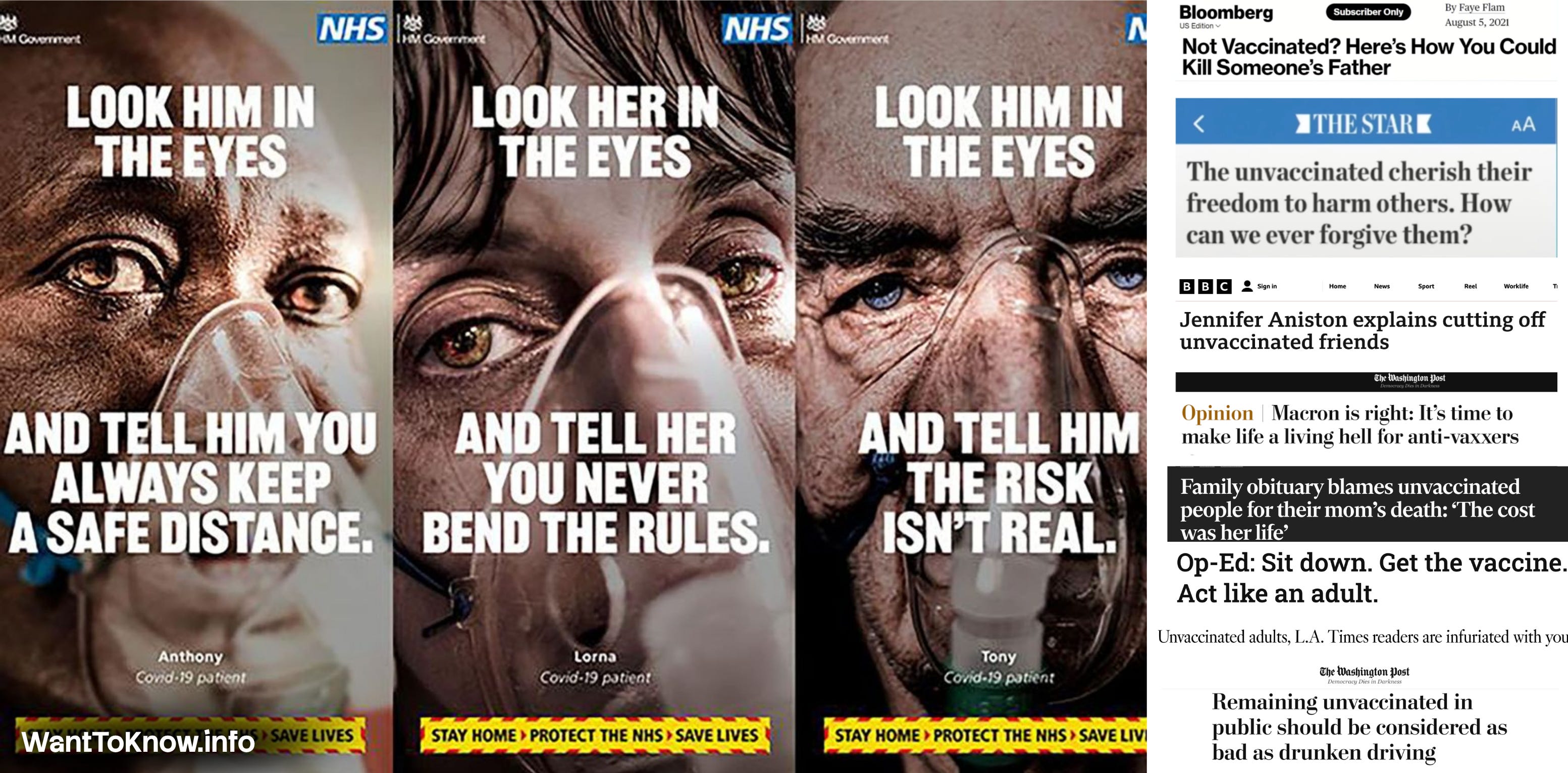
In a remarkable admission, a 2020 Yale study received an ethical exemption to test how best to persuade people to take a COVID vaccine before one even existed. Researchers experimented with messages promoting vaccine safety, effectiveness, and science, alongside psychological tactics rooted in guilt, embarrassment, conformity, social pressure, and fear of being ostracized or judged by others. The study found that some of the strongest effects came not from scientific evidence, but from emotional and social manipulation designed to increase compliance.
The main findings of the study are below:
Messages that frame vaccination as a cooperative action to protect others or emphasize how non-vaccination might negatively affect one’s social image increased reported willingness to advise a friend, and increased judgment of non-vaccinators.
A Yale article reviewing the study notes that appeals to community spirit and shame are most likely to shift vaccine attitudes. Gregory A. Huber, the Forst Family Professor of Political Science in Yale’s Faculty of Arts and Sciences and a co-author of the study reported that “emotional appeals, such as evoking embarrassment, motivate people to reach out to others. That effect is likely very important to increasing the vaccination rate.”
Leaked WhatsApp messages revealed that senior UK officials viewed fear as a tool of public policy, with Health Secretary Matt Hancock discussing how to “deploy the new [COVID] variant” to “frighten the pants off everyone” and increase compliance with lockdown restrictions.
The daily diet of statistics on deaths, hospitalisations and Covid cases has been so effective that compliance with lockdown has gone far beyond what ministers expected. The problem with fear, as one behavioural scientist said ... is that “you can’t turn it on and off like a tap.” [Fear] clouds rational thinking. You become more reliant on government messaging, which makes you more frightened, which makes you even more reliant on their messaging, creating a doom loop. We have forgotten how to analyse risk.
– “State of fear: how ministers ‘used covert tactics’ to keep scared public at home,”The Telegraph
The CDC’s iconic coronavirus illustration became one of the defining visual symbols of COVID, appearing in virtually news article about COVID. Although viruses have no natural color and cannot be seen with the naked eye, the illustration deliberately used vivid red spike proteins, dramatic lighting, deep shadows, and three-dimensional rendering to create an image that immediately conveyed danger and urgency. Even the illustrators acknowledged they selected red because it commanded attention far more effectively than softer alternatives. The result transformed an invisible microscopic particle into a visually menacing symbol that reinforced the psychological atmosphere of fear surrounding the pandemic.
The CDC vision is otherworldly, a death star floating in deep space, with curious stars glimmering in the distance. The red spikes give it an ominously sticky quality, as if it is some alien, manufactured burr picked up on a stroll through a blasted, dystopian landscape. Part of the CDC’s mission is to promote “healthy and safe behaviors,” and the color scheme chosen clearly emphasizes the threat this virus poses to those who refuse to, or cannot, socially distance themselves.
– “Coronavirus is a killer. But this artist won’t reduce it to a cartoon villain.,”The Washington Post
Psychological tactics to change public behavior have concerning implications. The unethical use of “nudge” tactics to inflate fear among the public prompted 40 psychologists in the UK to write a letter to the Parliament’s Public Administration and Constitutional Affairs Committee, saying it was “highly questionable whether a civilised society should knowingly increase the emotional discomfort of its citizens as a means of gaining their compliance.” The letter added:
Government scientists deploying fear, shame and scapegoating to change minds is an ethically dubious practice that in some respects resembles the tactics used by totalitarian regimes … where the state inflicts pain on a subset of its population in an attempt to eliminate beliefs and behaviour they perceive to be deviant.
Instead of openly discussing medical risks that were minimized or even covered up, official narratives emphasized the social risks of noncompliance. Tragically, pandemic policies themselves damaged the social, psychological, and relational conditions needed for human health. Public health was actually worsened in the name of managing a virus.
Fear is not merely an emotion. It is a biological state with real consequences. Chronic stress contributes to 75–90% of human diseases and is tied to six of the leading causes of death in the US including heart disease, cancer, and suicide. Neuroscientists at Harvard have found that the brain plays a central role in regulating immune responses and even generating symptoms of illness. Chronic stress, anxiety, and negative emotional states are known to impair immune function and can worsen a variety of health conditions. If fear influences how the body experiences and responds to disease, the psychological effects of years of fear-based public messaging deserve far more scrutiny than they have received.
Fear changes the way we perceive reality. Neuroscientist Lisa Feldman Barrett’s work showed how the same piece of information can be interpreted very differently depending on a person’s physiological state. When we can regulate our emotions, we are generally more capable of critical thinking, perspective-taking, and tolerating uncertainty. When we are fearful, stressed, isolated, or overwhelmed, our perception narrows. Research shows that the heart sends more signals to the brain than the brain sends to the heart. When the heart is in an incoherent rhythm (stress, fear, etc), the messages it sends disrupt cognition and critical thinking. This sabotages the prefrontal cortex, the part of the brain responsible for empathy, logic, and decision-making.
Propaganda can contain accurate information yet still mislead by selectively presenting facts, omitting context, and framing issues to produce a desired emotional or political response. Its goal is often not to help you think more clearly, but to make you feel more certain—through fear, outrage, urgency, simplistic heroes and villains, and by discouraging questions or nuance.
The same psychological vulnerabilities that governments exploited during COVID have become the foundation of the modern attention economy. A growing body of research is making it clear that our media systems are structurally designed to amplify outrage and division. The result is an information environment where emotional activation is much more profitable than understanding, nuance, or viewpoint diversity. This manipulated environment creates the illusion of consensus about the official story while at the same time promoting the illusion of division by amplifying extremes. In other words, our fears about each other aren’t always a natural response to genuine threats. Often times, they’re a reaction to distorted media messaging that hijacks our emotions, pits us against one another, and collapses complex issues into artificial binaries.
The fact that we’re increasingly socially isolated means also that we’re not testing our ideas about the world with other people,” he said. “And the more you sit around the table with other people who might have somewhat different views, the more you start moderating your own views. And the increasing lack of social interaction and social isolation as a result, for a lot of people — amplified by echo chambers — makes people more radical.
–Americans Are Unhappier Than Ever. Solo Dining May Be a Sign.,New York Times
A society cannot thrive when its people are afraid of one another. The more we come to see one another as threats, the less we talk to each other, or listen to each other.
A baby starved of social contact has difficulty developing a regulated nervous system. Young men with few social acquaintances develop high adrenaline levels. Lonely students have low levels of immune cells. Prison inmates prefer violence to solitary confinement. In the US, social isolation is a greater public health problem than obesity.
– Douglas Rushkoff, author and media theorist professor,Team Human
Stella Morabito, former CIA analyst who specialized in Soviet propaganda and disinformation methods, explains the power of gaining compliance through emotional manipulation tactics in her new book, The Weaponization of Loneliness: How Tyrants Stoke Our Fear of Isolation to Silence, Divide, and Conquer. Here’s a striking passage from her book:
Even if the great majority of a population is not on board with an authoritarian agenda, a huge part of the agenda can be achieved through the power of mobs. Propagandized agendas can advance quickly when there’s a good dose of agitation along with well-orchestrated media support for them. This all serves to ignite the social contagion of high emotion.
In order to get all of society on board, they must enlist mobs to promote the illusion of compliance with their visions. Mobs enforce the narrative, often through violence. They help censor any competing views through intimidation and various forms of book burning.
The common denominator of such revolutions past, present, and future is the weaponization of loneliness. All its features pit people against one another. All were at work in various ways in past revolutions of modern history. And all result in our further atomization, our further separation from one another.
The most critical features are the forces of identity politics, political correctness, and mobs. Identity politics is clearly meant to divide us into hostile groups, such as oppressor and victim, based on race or sex or any other demographic grouping. Political correctness induces us to self-censor, which means we drive ourselves into further isolation by limiting our exchanges with others to avoid the risk of social rejection. Mobs then serve as agitation forces that push propaganda into action. They intimidate others into silence and compliance and finally can cause any agenda—no matter how fringy—to become policy.
Another way to think about the machinery is as a combustion engine that can’t operate without ignited fuel. The fuel is our conformity impulse, and the spark is our fear. Without them, the machinery of loneliness simply can’t operate. So if we cannot shake off our conformity impulse and fear of isolation, we will remain self-silenced, isolated, and obedient to the mob. We will end up lonelier, more exhausted, and conditioned to repeat the cycle.
The Asch conformity experiments reveal how strongly a person’s opinions are affected by people around them, even when it means denying their own intuition and sense of things. Yet interestingly enough, Morabito points out that “partnering with a subject enormously reduced conformity in giving a false answer. Partnering even by just one person punctures the illusion that everyone has the same opinion. And it has an effect on bystanders, even if they don’t immediately chime in.”
Emotional regulation is the foundation of intellectual freedom. Freedom in the digital era is the capacity to exercise ownership of your own attention, perception, and participation in a world designed to manipulate and exploit them. To notice where fear of judgment or cancel culture shapes what we are willing to say, question, or explore beyond what we know. To have the courage to question narratives that have been normalized—and to inspire others to think for themselves rather than outsource their thinking to institutions that should be continuously questioned and held accountable.
Jay Bhattacharya, Director of the NIH and co-author of the Great Barrington Declaration, argues that modern science has become too dependent on centralized authority and institutional gatekeepers rather than independent verification and open debate. In his speech titled Launching a Second Scientific Revolution, he proposed reforms including funding independent scientists to replicate and verify influential studies before they become widely accepted, while also decentralizing research funding. Together, these changes reflect a broader recognition that restoring public trust will require more transparency, greater intellectual humility, and a scientific culture that welcomes dissent rather than discourages it. He also calls for the NIH to fund more bold, unconventional ideas that have a higher chance of failure but a much greater chance of producing transformative discoveries and breakthroughs that can dramatically improve human health.
We can’t shift the chaos we’re in until we name it clearly. When we can recognize what’s really pushing us—in our personal lives and as a society—we already have a degree of freedom from it. Challenging information can paradoxically remind us of the greater good. It is the courage of the people and the love for the common good that bring these challenges to light—fueling open dialogue and constructive action.
WantToKnow.info is a nonprofit news information service founded by White House whistleblower Fred Burks in 2003, after he testified in a high-profile terrorism trial about how U.S. government officials repeatedly lied to the international press during his time as a language interpreter for presidents and top government officials around the world.
We go beyond today’s headlines to uncover the hidden forces shaping history and driving global events today, regardless of who’s elected in office. Our organization serves a dual purpose: exposing verifiable information on high level corruption and cover-ups and highlighting the best of humanity with solutions and stories that remind us of our innate goodness and collective power. We have a comprehensive database of over 13+ news articles, which has been used by thousands of journalists, researchers, and everyday truth seekers since our founding.
Subscribe to our free weekly newsletter here: https://www.wanttoknow.info/subscribe
No posts
Comments
Nothing yet. Say the first thing.
Sign in to join the conversation.