
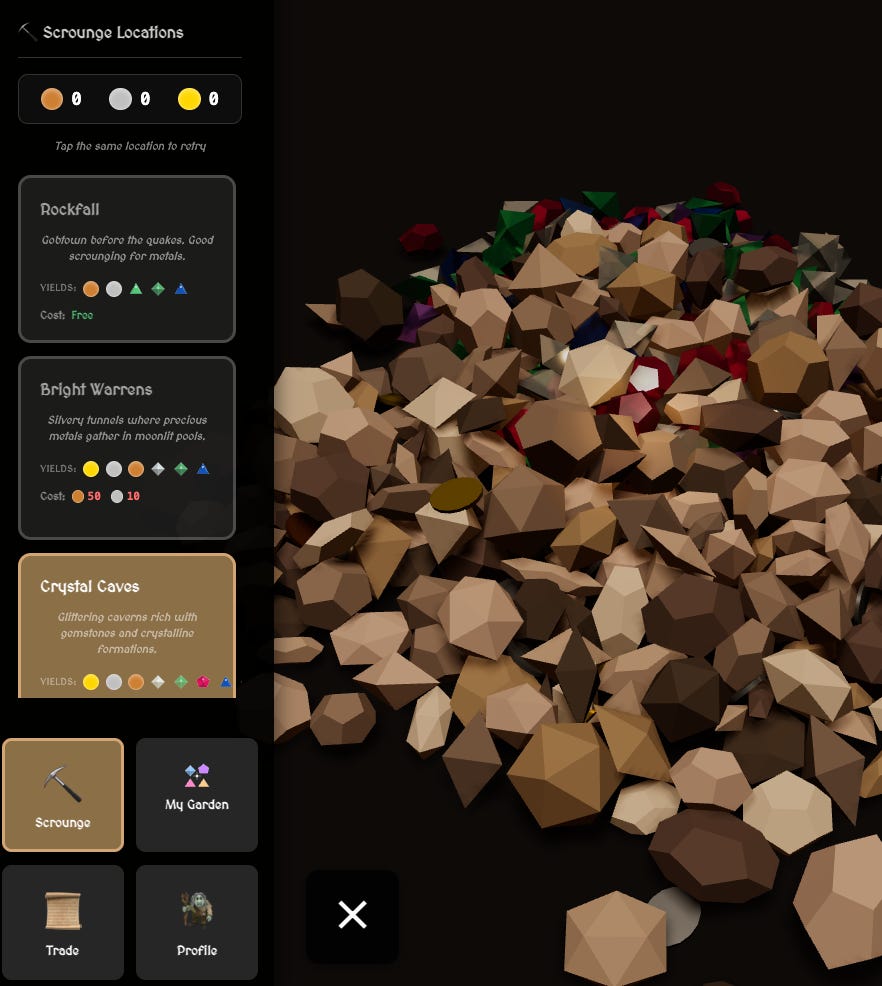
Goblin Gardens was made using Kiro and Claude Code. The AI workflow enabled me to build the game, a fairly complex full-stack 3d physics mobile responsive web app, in a short 2 week sprint. The app was built on Devvit, Reddit’s new developer platform and a promising new distribution channel for game developers. Hopefully these pointers can help other devs looking to start making games on Reddit.
You can find the game code here and play it at r/goblin_gardens_dev. Please check it out and let me know what you think in the comments!
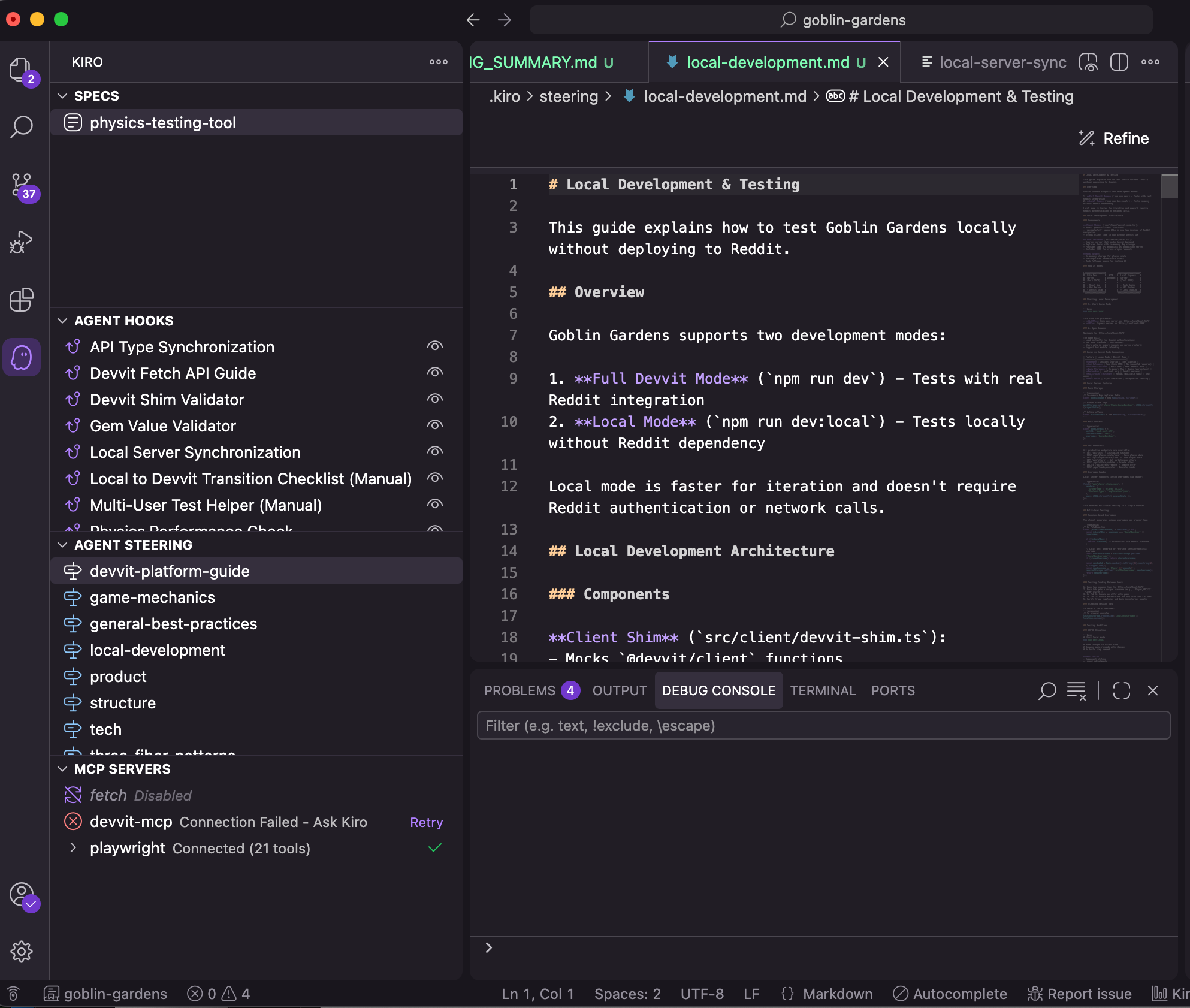
One cool thing about Kiro is how they use Spec Driven Development, a more structured process that I’ve found gave better results than directly vibecoding. This process directly led me to improving my local testing workflow.
Devvit uses Redis hosted on their platform for API calls, for when your game needs a server for gameplay mechanics such as saving player data or doing player-to-player transactions. The process for testing this is usually to deploy the app on Reddit so you can test via the reddit app. While this accurately shows how the game will play, it leads to some overhead when you want to quickly test.
By consulting with AI and having it evaluate the deployment process found in the Agent Steering, I was able to settle on a local testing workflow that works better for me. It uses a testing shim and mock data that allows me to test the game quickly on my localhost, even mechanics that use the server like buying and selling gems.
The main file to see this in the repo is src/server/local.ts
Traditional game development is very structured, with teams organized around very specific niches such as graphics development and game tooling (such as level design tools, which we see in games with modding support).
Game Tooling can be supercharged with AI, as one-man game development teams can still build them with less overhead.
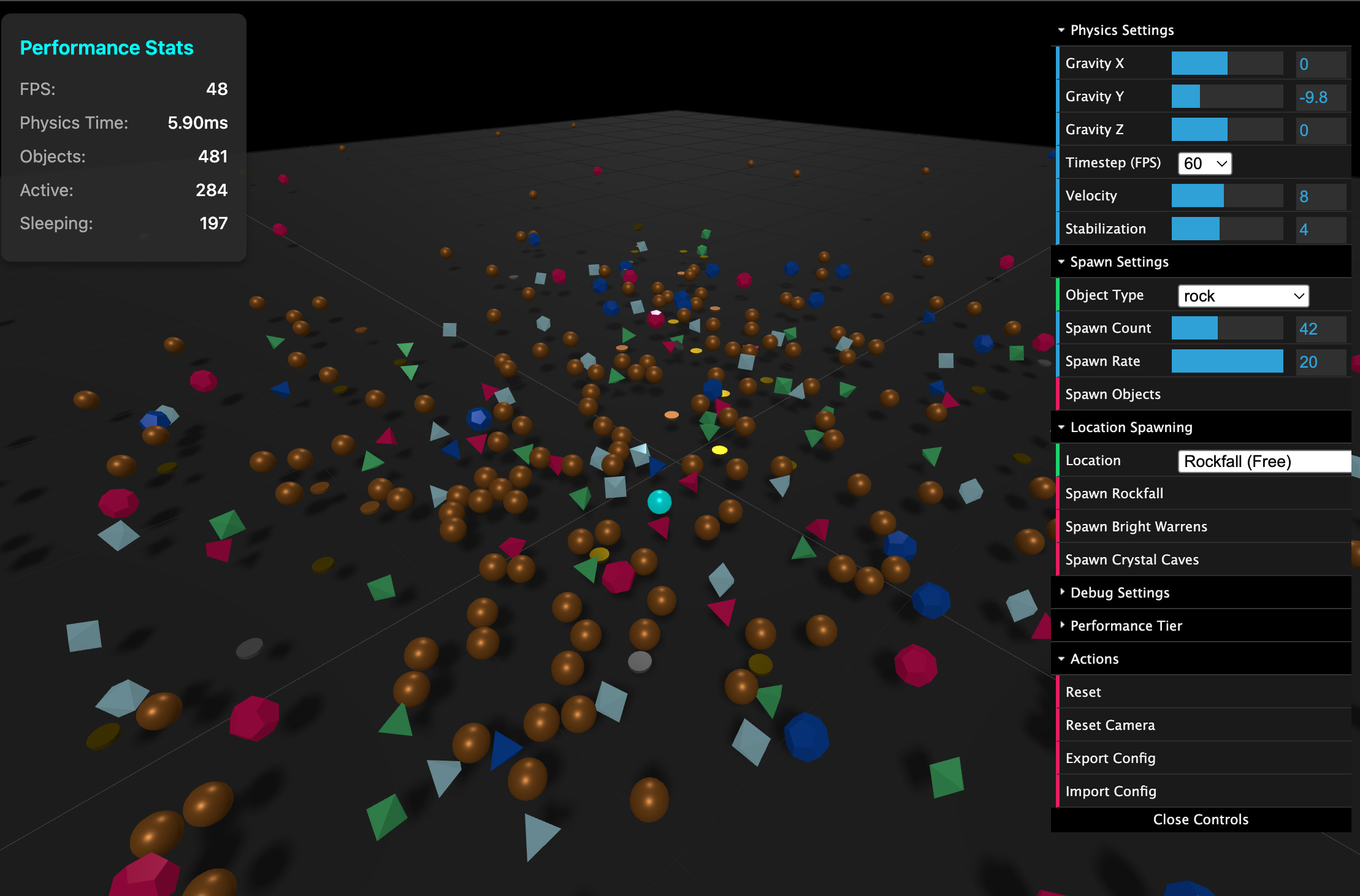
With Goblin Gardens, physics has been a challenge due to its non-deterministic nature, and the significant resources it uses. Kiro helped me build a physics testing tool that simulates each level and allows me to test performance.
This tool will also be the foundation for further game tooling, such as testing raycasting, level design and user interactions.
The source code for the tool can be found at /tools/physics-testing-tool.html
Finally, one thing I love about current AI workflows are the open standards written in natural language. This leads to rapid innovation around how we can improve our processes.
MCPs are an example of these: Goblin Gardens uses the Playwright MCP, which has helped quickly me test browser UI and interactions via agents.
Another is Claude Skills, which I’m also very excited about. It’s an open format as well, so Kiro (especially if we use the Claude Sonnet 4.5 model) can easily understand the spec and build reusable skills you can use for other projects, and share with other devs.
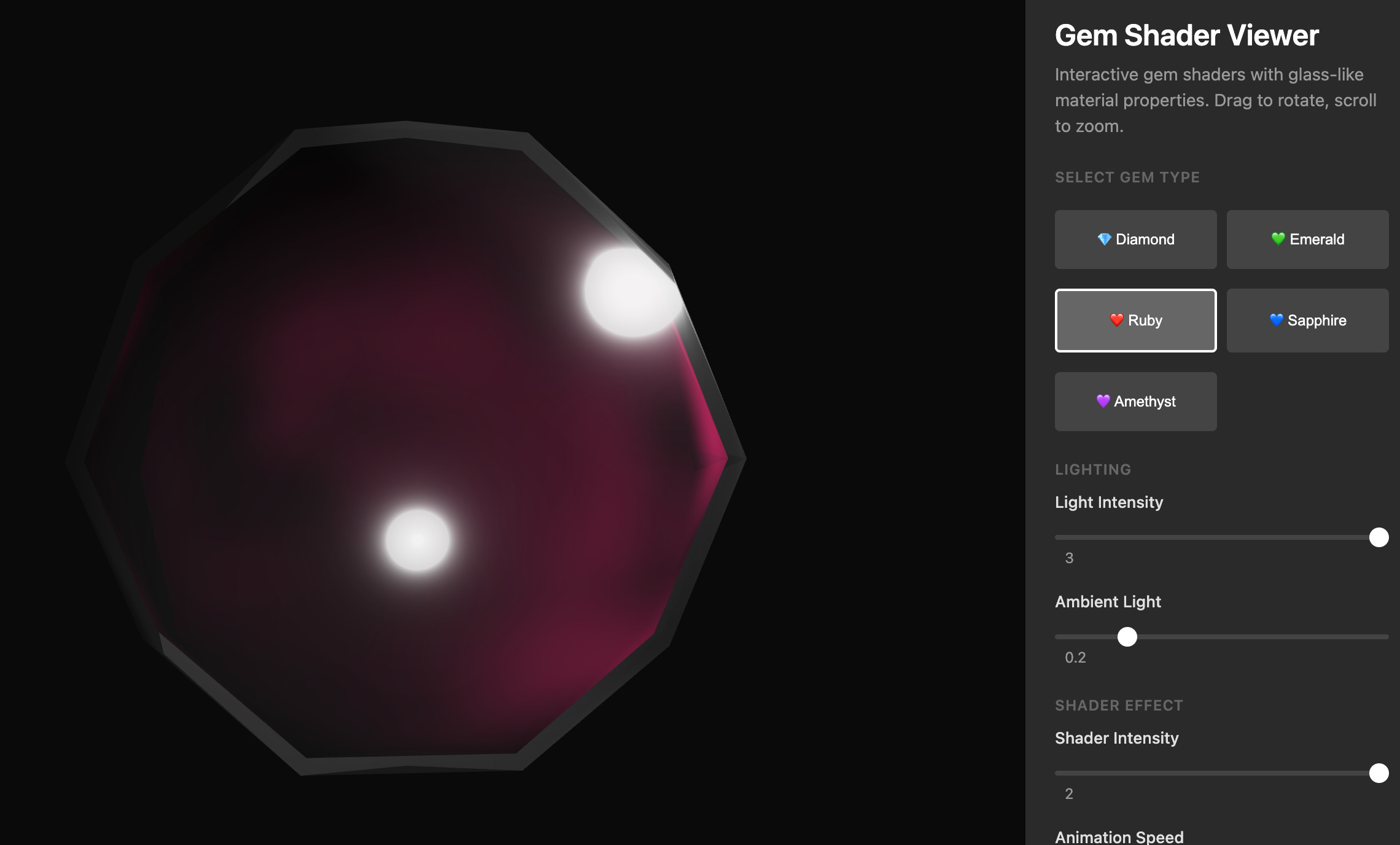
I used Claude Skills to build a Gem Viewer, allowing me to create shaders based on Goblin Garden's aesthetics. It’s based on an example skills template called Algorithmic Art, which I’ve found was a good creative tool for procedural generation.
Code for the Gem Viewer can be found at /test-shaders, and the Shader Creator and other example skills can be found here.
Hope the pointers are useful, and good luck with your Reddit game!
I’ve found building games with AI tech can sometimes be a bit disorienting, especially with how quickly new tools are coming out, and with how we are starting to redefine what intelligence even is.
One thing I appreciate though is how it’s engaged us to start rethinking our workflows, and how we need to go more meta. We need to start thinking about thinking; now that we have a new kind of intelligence with Kiro and our new AI friends, what does it mean to make games and to play?
No posts
Comments
Nothing yet. Say the first thing.
Sign in to join the conversation.