
There were three negative articles in the NYTimes about ABA services. I don’t want to comment on the entire article and debate the points made by the authors Sarah Kliff, Margot Sanger-Katz and Asmaa Elkeurti.
https://www.nytimes.com/2026/05/23/health/autism-therapy-clinics.html?searchResultPosition=1
There are other leaders in our field who are better suited for this task, such as those who govern ABAI, or are involved in certification of BCBAs or people like Ron Leaf who currently operate such programs. I haven’t operated an ABA program for children with autism since 2014. I am no longer familiar with current billing practices. When I was in business we were paid by California through the Regional Center system and various school districts. We had medical billing but it was a relatively small part.
What I’d like to comment on is depicted in the photo below.
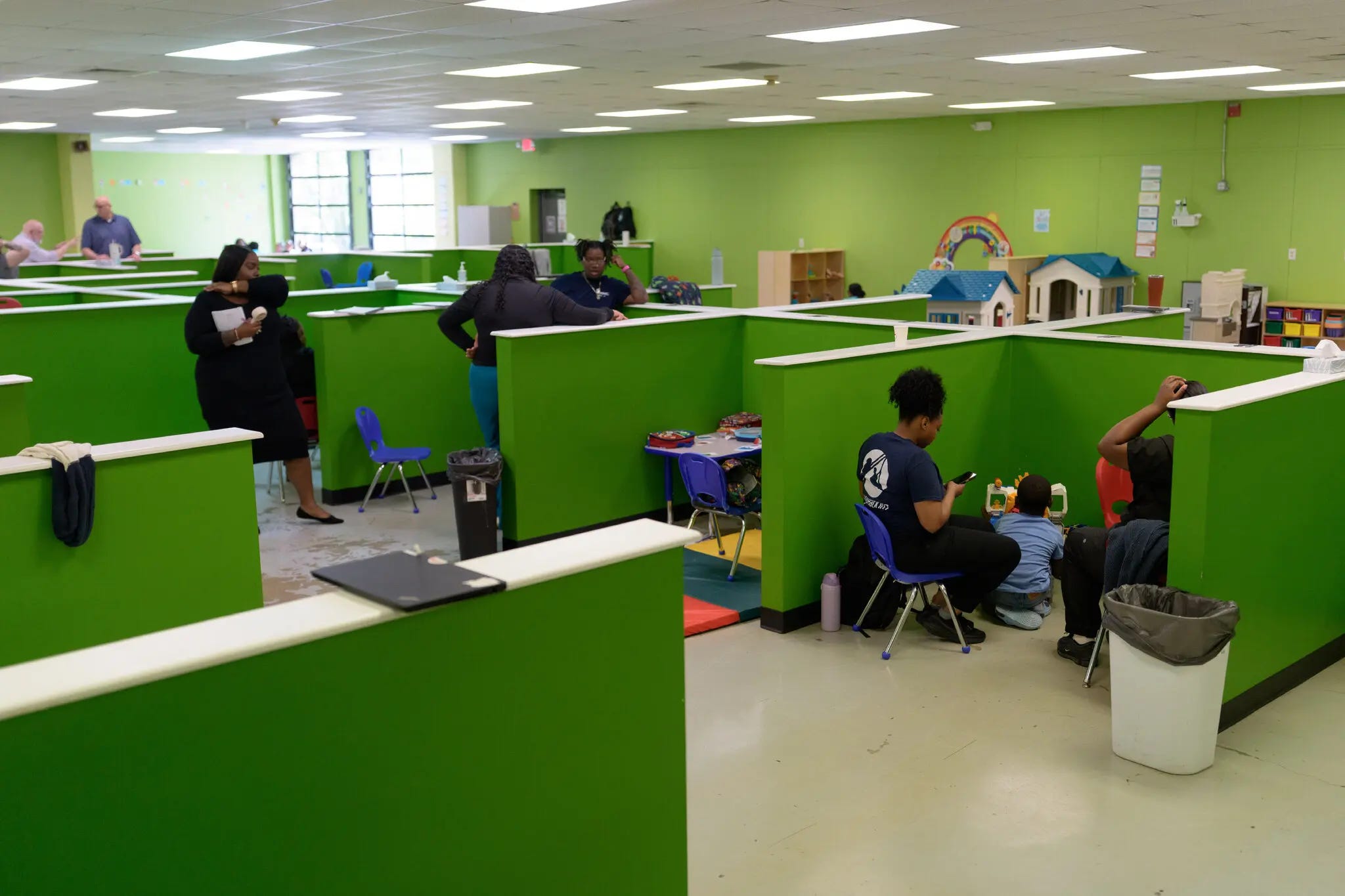
I would not develop a center based program for children with autism that looked like this. I prefer to arrange the teaching in natural environments, such as the home, or in the classroom, or in the community, where ever the child’s goals and objectives dictated. In the home the therapists worked with the child on a 1:1 basis. Certain sessions were designed to train the parents in ABA teaching techniques. We taught them discrete trial teaching and pivotal response teaching. We taught them how to give good instructions, how to use prompts, how to reinforce, when to ignore behavior, how to arrange activity schedules, how to react to screaming, hitting and other behavior problems. We taught them how to collect data and more. I felt that if you trained the parents so they used the teaching techniques in naturally occurring situations the effects of the behavior therapy would extend beyond the therapy sessions. You did not need to provide 40 hours a week of therapy to obtain excellent results.
Regional Center provided funding for many of the children younger than 3 years old through Early Start. For that program we typically provided 2 hours a day of therapy 5 days a week with 2 hours of supervision. There were some children who received 4 hours a day 5 days a week with 4 hours supervision. Few if any received more. \The therapy was provided at home. Almost all rooms in the home were used for therapy, not just the bedroom. Some sessions occurred outside. We were not limited. We were looking for generalization. I have talked about the outcome data of our Early Start program here:
School districts provided the funding for children older than 3 years old. Sometimes their program was funded also by insurance or by Regional Center. If they were not in preschool or elementary school we provided a similar program to our Early Start program. If they were in preschool or elementary school we provided therapy at home and at school. However, there were some cases where we only provided service at home or at school not both.
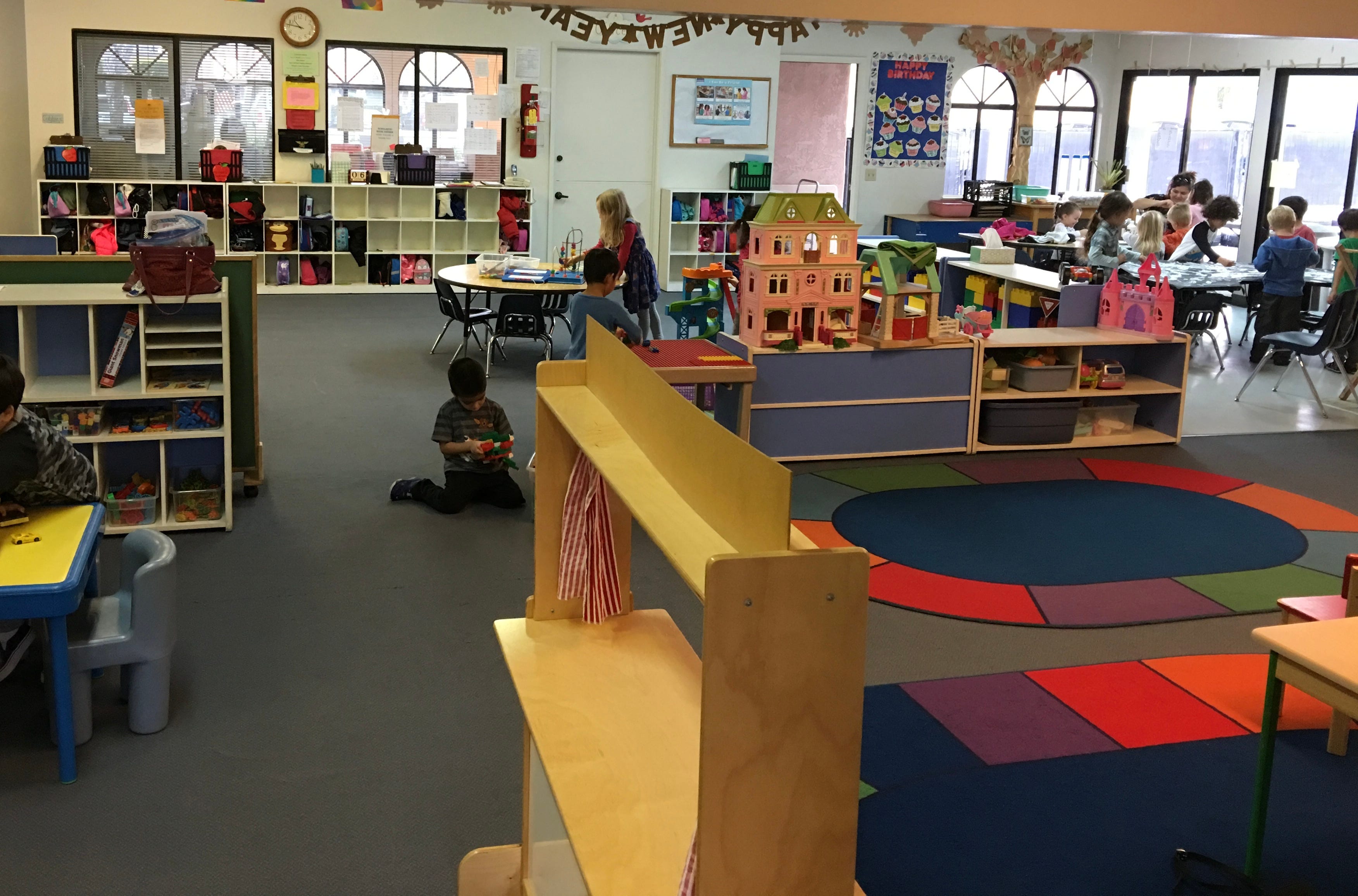
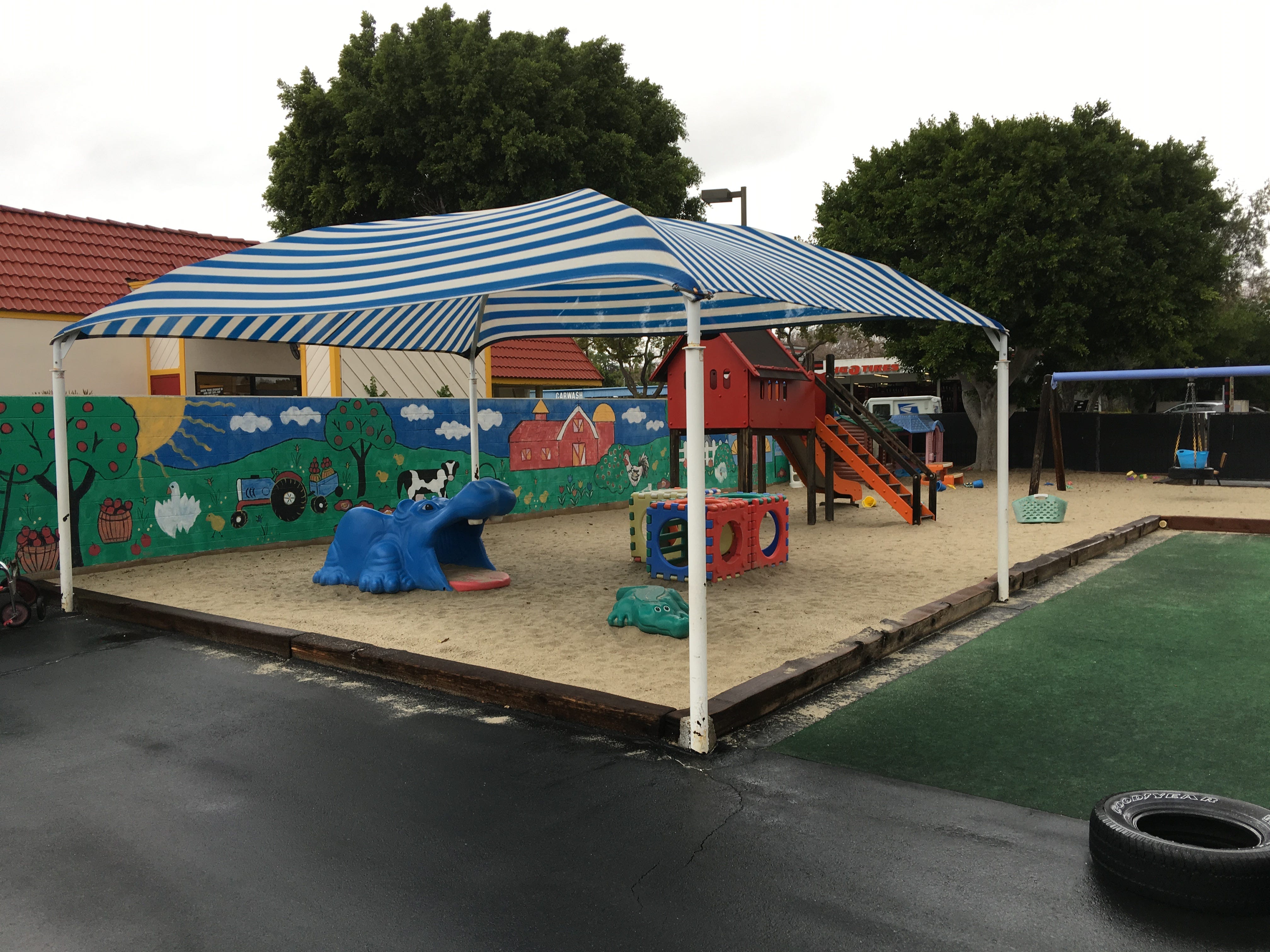
Mary Alice Coyne BCBA and I owned and operated The Learning Village Preschool in Tustin CA as well as Coyne & Associates. The preschool enrolled typical children, not children with special needs. However, we did have an arrangement with Coyne & Associates where The Learning Village offered a 600 square foot classroom and the outdoor play yard within the preschool to offer a Play And Language Skills program (PALS) for children with autism. The room included 2 kidney bean shaped tables seating 4 children at each table. Table activities included art, science, and snack. There was also space for floor activities, such as: free play with cause and effect toys, story time, dance and creative movement. The large room was open with no partitions. Incidental teaching techniques and natural environment teaching techniques were used to develop play, language and social skills. Also taught were readiness skills for functioning in a school setting, such as: using a cubby, participating in group, lining up, using a drinking fountain and restroom. PALS children interacted with the typical preschoolers during playground time.
The children with autism did not participate in the PALS program every day. In general, the children attended PALS two afternoons a week for 2 1/2 hour sessions. All behavior therapists were required to meet the requirements of Community Care Licensing who monitored our program.
Here is a staff memo written for the PALS program. At that time we called our behavior therapists, Early Childhood Interventionists or ECIs. Think of them as registered behavior therapists (RBT) which is the common label used today. Also, notice the “Centers” reference. The program was divided into centers: play yard activities, table top activities, and floor activities without using partitions. The ECI sometimes worked 1:1 with their child, sometimes they supervised whoever was in their section or zone. In basketball parlance we sometimes used a man on man defense, sometimes we used a zone defense.
ECIs are assigned two children for whom to collect data; ECIs summarize and graph data for those children at the end of the session.
ECIs collect data during all opportunities with the following exceptions:
Most of the time, ECI will be unable to collect data when ECI is Activity Coordinator for a Lesson.
ECI will be unable to collect data when leading a Center and designated children are at a different Center.
Example:
ECI = Tiffany
Tiffany is responsible for data collection for two children, Colin and Quinn
Tiffany’s data collection responsibilities for the PALS session are outlined below in BOLD
Tiffany arrives and prepares data sheets for Colin and Quinn. She reviews their binders and graphs to make sure that the current teaching step for each program is indicated on the data sheet for the day. Tiffany affixes the data sheets onto her clipboard.
Instructors 1-3, Activity Coordinator, Supervisor
Activity Coordinator (Not Tiffany)
Tiffany is assigned to one of the Outdoor Centers: Play House
During the first center rotation, Colin and another child are at Tiffany’s Center, the Play House.
Tiffany runs the Center and when possible, creates opportunities to work on Colin’s target objectives.
Tiffany records data for each teaching opportunity for Colin.
During the second rotation, Quinn and another child are at Tiffany’s Center, the Play House.
Tiffany runs the Center and when possible, creates opportunities to work on Quinn’s target objectives.
Tiffany records data for each teaching opportunity for Quinn.
During the third rotation two other children are at Tiffany’s Center, the Play House.
Tiffany runs the Center with those children.
Activity Coordinator Not Tiffany
Tiffany supports children in her “zone” during Circle Activities.
During activity, whenever possible, Tiffany does one of the following:
Creates teaching opportunities for Colin and Quinn
Prompts Activity Coordinator to create teaching opportunities for Colin and Quinn
Prompts another ECI to create teaching opportunity for Colin or Quinn
Capitalizes on naturally occurring teaching opportunities.
Tiffany collects data on Colin’s performance and on Quinn’s performance during these opportunities.
Activity Coordinator Tiffany
Tiffany coordinates the snack activity; acts as “Teacher.”
Tiffany responds to directives from other ECIs to create teaching opportunities for children.
Data for Colin and Quinn are not collected UNLESS Tiffany is able to manage the clipboard and conduct teaching trials with Colin and Quinn during a lull in the activity (e.g., all children are eating).
As Activity Coordinator, Tiffany cleans up after the snack activity before re-joining group at the next scheduled activity.
Activity Coordinator Not Tiffany
Tiffany supports children in her “zone” during Gross Motor Activity.
During activity, whenever possible, Tiffany does one of the following:
Creates teaching opportunities for Colin and Quinn
Prompts Activity Coordinator to create teaching opportunities for Colin and Quinn
Prompts another ECI to create teaching opportunity for Colin or Quinn
Capitalizes on naturally occurring opportunities.
Tiffany collects data on Colin’s performance and on Quinn’s performance during these opportunities.
Activity Coordinator Not Tiffany
Tiffany supports children in her “zone” during Art Activity.
During activity, whenever possible, Tiffany does one of the following:
Creates teaching opportunities for Colin and Quinn
Prompts Activity Coordinator to create teaching opportunities for Colin and Quinn
Prompts another ECI to create teaching opportunity for Colin or Quinn
Capitalizes on naturally occurring opportunities.
Tiffany collects data on Colin’s performance and on Quinn’s performance during these opportunities.
Activity Coordinator Tiffany
Tiffany coordinates the Story Time Activity; acts as “Teacher.”
Tiffany responds to directives from other ECIs to create teaching opportunities for children.
Data for Colin and Quinn are not collected UNLESS Tiffany is able to manage the clipboard and conduct teaching trials with Colin and Quinn while conducing group activity.
As Activity Coordinator, Tiffany cleans up after the story time activity before re-joining group at the next scheduled activity.
Instructors 1-3, Activity Coordinator, Supervisor
Activity Coordinator (Not Tiffany)
Tiffany is assigned to one of the Cooperative Learning Centers: Cariboo
During the first center rotation, Colin and another child are at Tiffany’s Center playing Cariboo.
Tiffany runs the Center and when possible, creates opportunities to work on Colin’s target objectives.
Tiffany records data for each teaching opportunity for Colin.
During the second rotation, Quinn and another child are at Tiffany’s Center playing Cariboo.
Tiffany runs the Center and when possible, creates opportunities to work on Quinn’s target objectives.
Tiffany records data for each teaching opportunity for Quinn.
During the third rotation two other children are at Tiffany’s Center, playing Cariboo.
Tiffany runs the Center with those children.
Activity Coordinator Not Tiffany
Tiffany supports children in her “zone” during Circle.
During activity, whenever possible, Tiffany does one of the following:
Creates teaching opportunities for Colin and Quinn
Prompts Activity Coordinator to create teaching opportunities for Colin and Quinn
Prompts another ECI to create teaching opportunity for Colin or Quinn
Capitalizes on naturally occurring opportunities.
Tiffany collects data on Colin’s performance and on Quinn’s performance during these opportunities.
At 5:00, Tiffany summarizes and graphs data in Colin’s and Quinn’s binders.
Two Issues to Consider:
1. References to Tiffany’s “Zone” are indicated above. This implies that Tiffany is not supporting Colin and Quinn exclusively during those activities, but instead is positioned in an area and supports the 2-3 students in that area. We will need to flesh this out a little bit so staff know where they should be positioned.
An alternative to the “Zone” would be having the ECIs support the children for whom they are collecting data (e.g., Tiffany supporting Colin and Quinn during all activities except activities during which Tiffany is Activity Coordinator).
I think that there are advantages and disadvantages to both systems. We should put this issue on the agenda for the next PALS meeting.
2. The 1:1 Pull Out was not explicitly discussed above. Those details need to be worked out. In the example above, for instance, Tiffany might be responsible for conducting the 1:1 with Colin and with Quinn during their scheduled 1:1 sessions. Or Celia could do the 1:1 to start. Or one ECI does all the 1:1 for all the 1:1 sessions on a given day (to minimize staff movement in the group). We should put this issue on the agenda for the next PALS meeting.
The PALS program was available to children who lived near Tustin, CA. The children we served in San Diego, for example, did not have access to a PALS program. The description of the PALS program came directly from an internal memo provided to staff. I thought it illustrated how we ran our center based program within The Learning Village Preschool. It seems different than the center based program operated by Compleat Kids, as described by the NYTimes. The photo below is not the classroom where the PALS program operated. This is a different part of the school, however it shows you the open design and the various activity centers in the program. Unfortunately, I don’t have a photo of the PALS program without children’s faces easily identified. Here the child’s faces are obscured. I’ve included also a photo of the play yard the PALS program used. It is a typical preschool environment. It is not a partitioned program in a corporate building designed to maximize billable hours. Notice that the PALS program began at 2:30 p.m., i.e., after children’s nap time was over. Children took naps at the Learning Village with blankets and cots from 12:30 - 2:00 p.m. We certainly didn’t wake them up after 7 minutes so we could bill for therapy, as described in the NYTimes article.
Written by Paul Coyne PhD and Mary Alice Coyne MAEd.
Notes:
No AI was used in writing this article.
The Learning Village is now closed. Coyne & Associates was sold to private equity by my previous employees.
No references.
Thanks for reading Paul’s Substack of Useful Information! Subscribe for free to receive new posts and support my work.
Comments
Nothing yet. Say the first thing.
Sign in to join the conversation.