
Author’s note: The following is an excerpt from my new book Based on a True Story: Vibe Shifts, the End of Deconstruction, and the Reboot of Meaning.
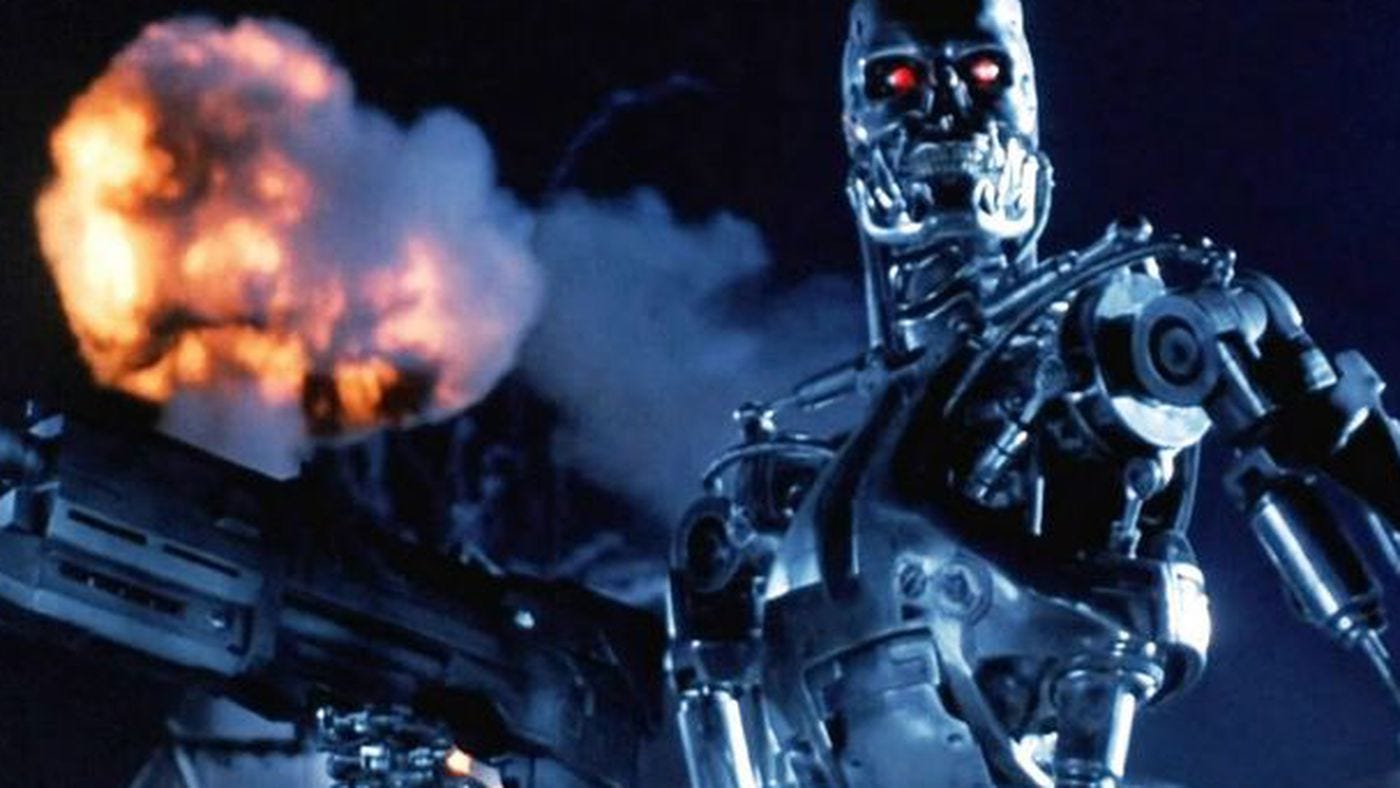
Zombies, ecological collapse, AI overlords, wars, and rumors of wars— our screens are filled with stylized apocalyptic stories of civilizational doom. But apocalyptic stories aren’t anything new. The end is always nigh.
Every culture has told cautionary tales about where things are headed if the people don’t course-correct. These stories are less about detailed predictions and more about deeper pattern recognition. When the cultural environment feels unstable— when institutions fracture, moral norms erode, and signs of a meaning crisis surround us—our brains begin to sense that an uncertain future is up for grabs.
As I explain in more detail in Based on a True Story, this cultural destabilization often sparks a surge of nostalgia. Cue the endless reboots, sequels, and prequels. When the present stories can’t hold us together, we look to the past for hints at what once worked. But we don’t just look back—we look forward.
Behavioral scientists call this “prospective cognition,” which is our ability to anticipate, rehearse, and emotionally prepare for possible futures. It’s how we map out the prospective trajectory of our current life strategies and figure out what to do now to avoid future ruin.
Apocalyptic stories help us do just that. They terrify, but they also clarify. They are like culture- wide exercises in prospective cognition.
Zombie hordes and alien invasions may be unrealistic visions of the future, but that’s how apocalyptic stories work. It could be a video game like Fallout, a film like 28 Years Later, or the biblical book of Revelation with its imagery of dragons and a white-horse rider with a sword coming out of the rider’s mouth.
They use fantastical settings and imagery to capture our attention as symbolic stand- ins for our fears of civilizational collapse. What we’re really doing with these stories is scanning the cultural landscape for the root problem we must fix to avoid disaster. They are a warning: Live out of alignment with reality, and ruin awaits.
This is why, in the Christian tradition, the word apocalypse doesn’t mean destruction. It means “unveiling.” The Hebrew prophets of the Old Testament weren’t just forecasting doom like modern clickbait headlines. They were unveiling the consequences of living out of step with the Pattern that’s at the center of it all.
When the prophet Jeremiah warned Jerusalem of its impending destruction, he wasn’t trying to boost ratings for a dying cable news station. He was trying to clarify the people’s vision and call them back into alignment with reality. However, the people didn’t see or listen, and the dystopian vision became their reality. In 586 BC, the Babylonians razed Jerusalem and stacked the dead bodies in the nearby Valley of Hinnom to be burned.
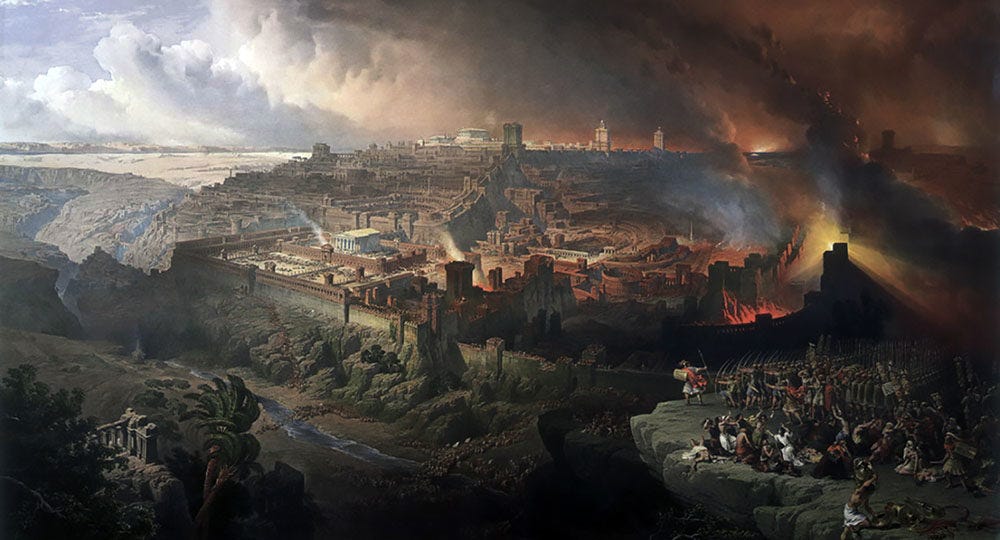
Five centuries later, Jesus stood in a rebuilt Jerusalem and issued a similar warning. He told the people that the consequence of going against the grain of God’s good ordering was Gehenna— a word most Bibles translate as “hell,” but which literally referred to that same Valley of Hinnom in his Aramaic tongue. In AD 70 Jerusalem was destroyed again. The fires of Gehenna weren’t just a metaphor.
Apocalyptic stories are a wake-up call, not a death sentence. They unveil what has gone wrong and offer a path back to life. That’s why the end-of-the-world genre never goes out of style. Every generation is born into a world that is in some state of ruin. Our newest versions may have higher budgets and CGI, but they hint at the same old wisdom. There’s a narrow road that leads to life and a wide road that leads to ruin.
But here’s the paradox: Even as we continue to binge dystopian stories, something is changing about how we respond to those stories.
The nihilism of the 1990s through the 2010s is losing its grip. The irony-soaked detachment that once passed for wisdom is starting to feel like anesthesia, and anesthesia doesn’t do you much good if you’re free-falling into Gehenna.
If you want to read more about why the nihilistic “anti-story” is losing its grip, grab a copy of my new book Based on a True Story: Vibe Shifts, the End of Deconstruction, and the Reboot of Meaning.
Comments
Nothing yet. Say the first thing.
Sign in to join the conversation.