
In the mid-1970s, Hollywood had made a turn toward the dark and cynical. The defining films of the decade were studies in despair— Chinatown, where evil simply wins; Network, Taxi Driver, Dog Day Afternoon, The Conversation—films marked by the absence of true heroes.
Hollywood didn’t quite have the reach of influence it would have a decade later, when “home video stores” would start popping up around the country, bringing stories once reserved for the big screen to living-room CRT TVs. But the nightly news was airing its own narratives of despair. The Watergate story had convinced millions that our highest institutions could lie; Vietnam had taught that they could lie and the average Joe would be the only one to truly pay the price.
In the midst of a culture that was being tempted toward hopelessness, a broke, unknown actor sat in those theaters and named what he was watching with a precision the critics missed.
“I felt at the time that cinema, at least the movies I had been seeing, were at an all-time low. Everything was anti-society, anti-Christ, anti-government, anti-everything, and there was no one to root for.”
Notice what Sylvester Stallone actually diagnosed.
Not “movies are dark.” Not “movies are violent.”
He listed the casualties one by one: society, Christ, government…everything.
He had watched the cultural gatekeepers slowly turn against that which kept the chaos of civilizational collapse at bay. Stallone understood that a story without a single hero to root for, bearing even the slightest resemblance to Christ-like sacrifice and care for the world, meant doom for a society.
What he did next is the most important part.
He didn’t answer cynicism with more cynicism. Stallone believed movies were cyclical and that people would be hungry for virtue again, so he reached back to the films of the ‘40s and ‘50s to search for examples of when morality was at the forefront.
The story he wrote, which would become an unexpected Oscar-winning film was Rocky.
Rocky (1976) was hopeful, not naive. Go back and watch it. You may remember more of the campiness and Cold War-era bravado of Rocky IV, but the original Rocky felt more like an arthouse film. It knows everything the cynics knew. Its hero is a leg-breaker for a loan shark, a man so beaten down he can’t meet your eyes or finish a joke. The film is set in the same gutter that era loved to portray in cinema. The difference is what it does there.
Rocky showed you can pass through disillusionment and come out the far side still believing something. At the end, bloodied, with the whole world finally watching and the cameras shoved in his face, he calls out, not for vainglory, but for love. The last line of the movie, directed to Adrian, is I love you.
At the 1977 Academy Awards, this million-dollar picture by a nobody beat Taxi Driver, Network, and All the President’s Men for Best Picture. The Academy, of all bodies, chose hope over despair.
Then the tide came in fast. Star Wars arrived months later, reaching past the darkness and upward to the light. Star Wars is the most consequential movie of the era, but make no mistake: Rocky paved the way.
Just look at how the studio advertised for Star Wars in 1976. It was much darker, leaning into horror-like elements that were en vogue in Hollywood in the mid-70s. Here’s the first trailer from 1976:
But that is not the Star Wars we got in 1977.
Then came Superman: The Movie the very next year. Superman played heroism dead straight. The Man of Steel would smuggle PSA messages between action scenes while earnestly wearing his undewear on the outside of his blue and red supersuit.
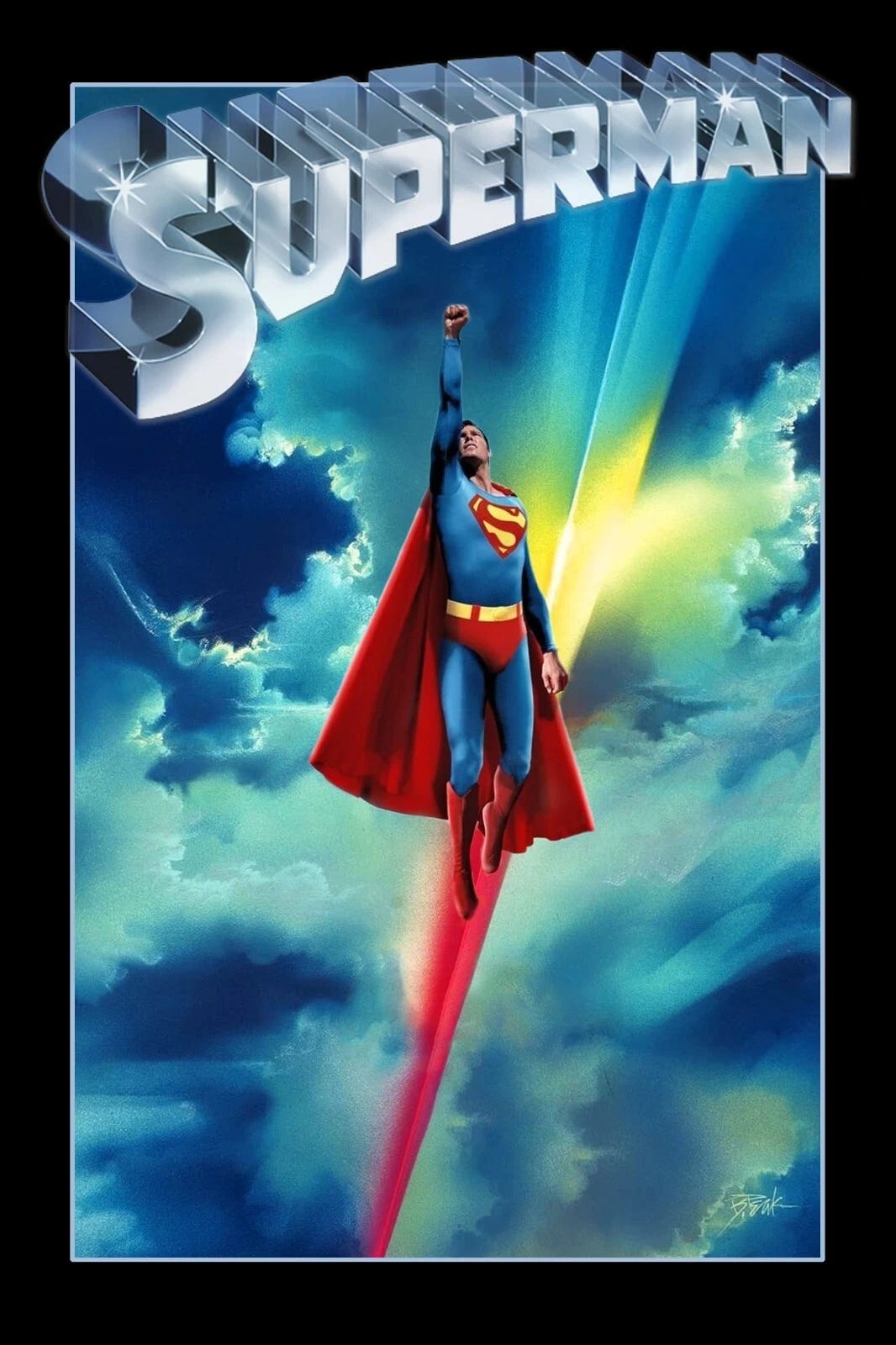
You can draw the line forward from there to Spielberg and the whole wonder-struck register of the ‘80s. When the home video store opened up in your town, there was a pretty good chance your family was renting one of those movies, and you were bringing home a little slice of hope, wonder, and maybe even some glimpses of Christ.

One unproven actor/writer armed with a better story changed the entire culture for the good.
Here is the lesson, and it has not aged a day:
You do not defeat a cynical age by out-cynicing it. You go beyond it by telling a better story— a truer one that has looked squarely at everything the cynics see and still finds something worth rooting for.
Right now, we’re in another crucial cultural turning point. Some of you may even be called not just to talk about culture, but to do something about it by telling a better story.
The tide is turning. A fresh spiritual hunger for meaning, sincerity, and hope is moving through our culture.
Thanks for reading, friends. Just a reminder that my new book Based on a True Story: Vibe Shifts, the End of Deconstruction, and the Reboot of Meaning is coming out on July 14th!
You could order your copy HERE or wherever you buy books.
If you found this essay helpful, share it with a friend!
Comments
Nothing yet. Say the first thing.
Sign in to join the conversation.