
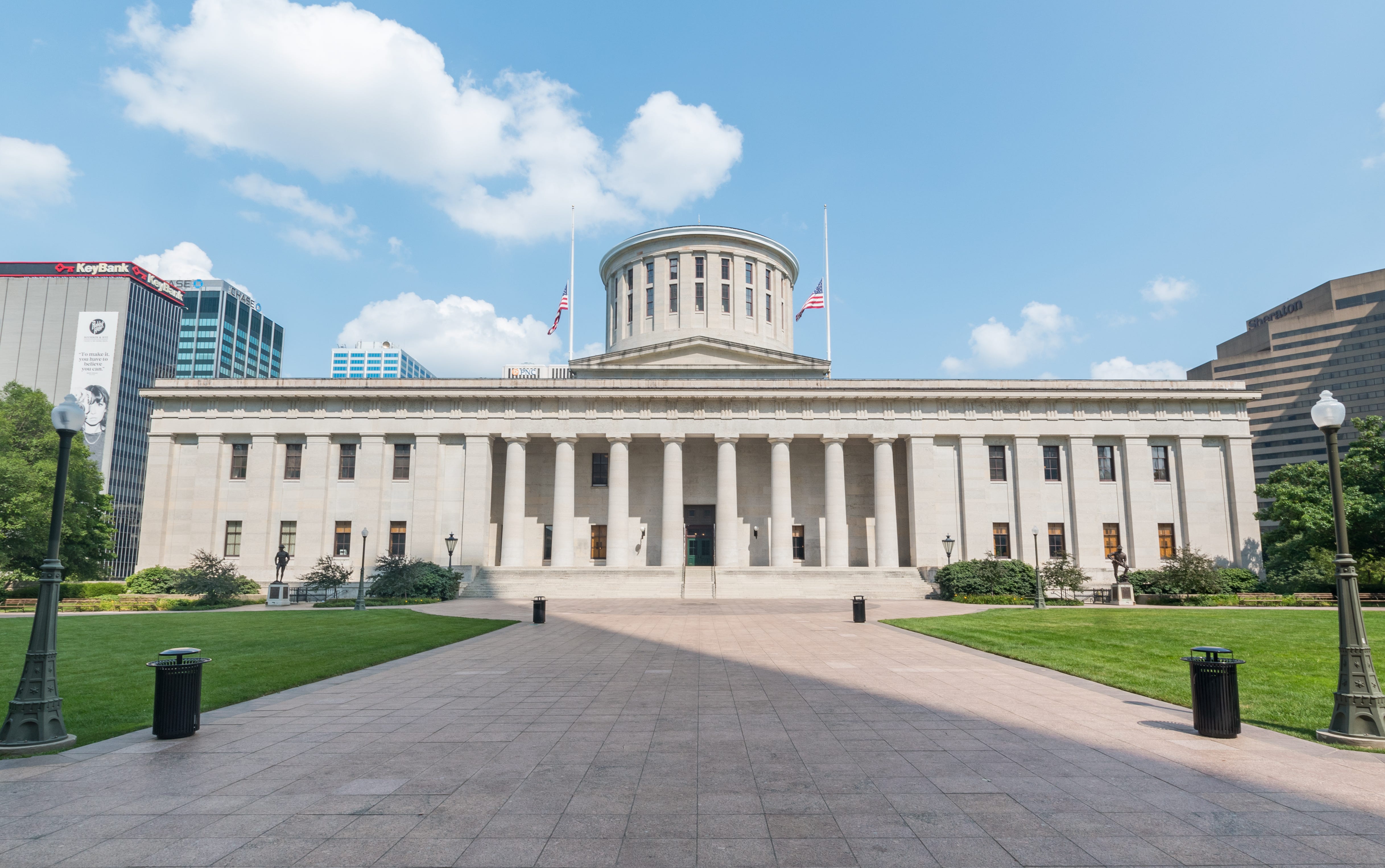
Governor Sarah Malone of Ohio took office in January 2030 with no illusions about the job. She’d spent twelve years in the state legislature. She knew the budget was tight, the problems were real, and that good intentions without good information was just another word for waste.
She also knew something her predecessors hadn’t fully grasped: for the first time in history, a governor didn’t have to govern blind.
Within her first week, Malone activated what her team simply called The Fleet — a coordinated network of AI agents tasked with one foundational mission: find out what actually works.
The premise was simple, almost embarrassingly so. Across the United States, thousands of governments — federal agencies, fifty state legislatures, three thousand counties, tens of thousands of municipalities — had been running programs for decades. Some of those programs were transforming lives. Others were burning money and producing nothing. And almost nobody had a complete picture of which was which.
The Fleet changed that.
Every night, while the governor slept, her AI agents were reading. Scanning legislation from Vermont and New Mexico. Digesting outcome data from workforce programs in Georgia and Colorado. Comparing recidivism rates across different reentry models in a dozen states. Tracking school attendance trends tied to specific nutrition initiatives in cities from Tulsa to Tacoma. Cross-referencing budget efficiency data, public satisfaction surveys, academic studies, and real-world outcomes — simultaneously, tirelessly, at a scale no human team could match.
By morning, The Fleet had organized everything into something a governor could actually use.
Take what happened with Ohio’s foster care system in March 2030.
Malone had inherited a system that was underfunded, understaffed, and producing heartbreaking outcomes for children aging out of care. She knew the problem. She didn’t know the solution. Her team had weeks, not years, to come up with something.
The Fleet surfaced a program that had been quietly running in Tarrant County, Texas — a model that combined early family intervention with a tiered kinship support network, backed by a modest but targeted funding structure. The outcomes were striking: kids staying in stable family environments at nearly twice the rate of the national average, at roughly 80% of the cost of traditional foster placements. The program had been running for four years. It had peer-reviewed validation. It had survived two budget cycles.
Nobody in Columbus had heard of it.
Within sixty days, Ohio had a pilot program running in three counties, adapted to the state’s specific legal framework and demographic realities. The Fleet hadn’t just found the model — it had mapped the statutory changes needed, flagged potential implementation pitfalls based on what had tripped up similar efforts in other states, and helped the governor’s policy team build the coalition needed to move it forward.
That’s one story. There were dozens like it unfolding simultaneously.
In education, the Fleet identified literacy intervention models from rural Tennessee that were producing outsized results in communities that looked a lot like southeastern Ohio. In infrastructure, it found maintenance scheduling frameworks used by Midwestern counties that were extending road lifespans by years while cutting costs. In public health, it mapped opioid recovery program structures across twelve states and built a composite model of what the evidence said actually moved the needle on long-term sobriety.
None of this was magic. None of it replaced human judgment, political wisdom, or the irreplaceable knowledge of people living inside these communities. Governor Malone was the first to say so. The Fleet found the signal. Her team still had to do the work.
But here’s what changed: she stopped making decisions in the dark.
For most of American history, good governance has been limited not just by money or willpower, but by information asymmetry. A program that worked brilliantly in Chattanooga might never reach Akron simply because no one with the right authority ever heard about it. A failed approach might be replicated in state after state because there was no efficient mechanism for failure to travel as fast as enthusiasm.
The Fleet collapsed that asymmetry.
I find this scenario genuinely thrilling — not because AI is doing the governing, but because it’s finally giving human leaders something they’ve always deserved and rarely had: a clear view of the whole landscape.
Governor Malone still makes the hard calls. She still answers to voters. She still has to look people in the eye and explain her choices. The Fleet doesn’t change any of that.
What it changes is this: when she makes those calls, she knows what she’s looking at.
That, it turns out, is everything.
Paul Allen writes about the intersection of AI, human performance, and the future of competitive advantage.
No posts
Comments
Nothing yet. Say the first thing.
Sign in to join the conversation.