
By Cynthia Hughes
Founder, The Hughes Foundation d/b/a Weaponization Watch
There is no shortage of serious issues demanding attention right now.
Americans are worried about election integrity, growing distrust in government, institutional corruption, unequal justice, and what many see as the weaponization of our legal system.
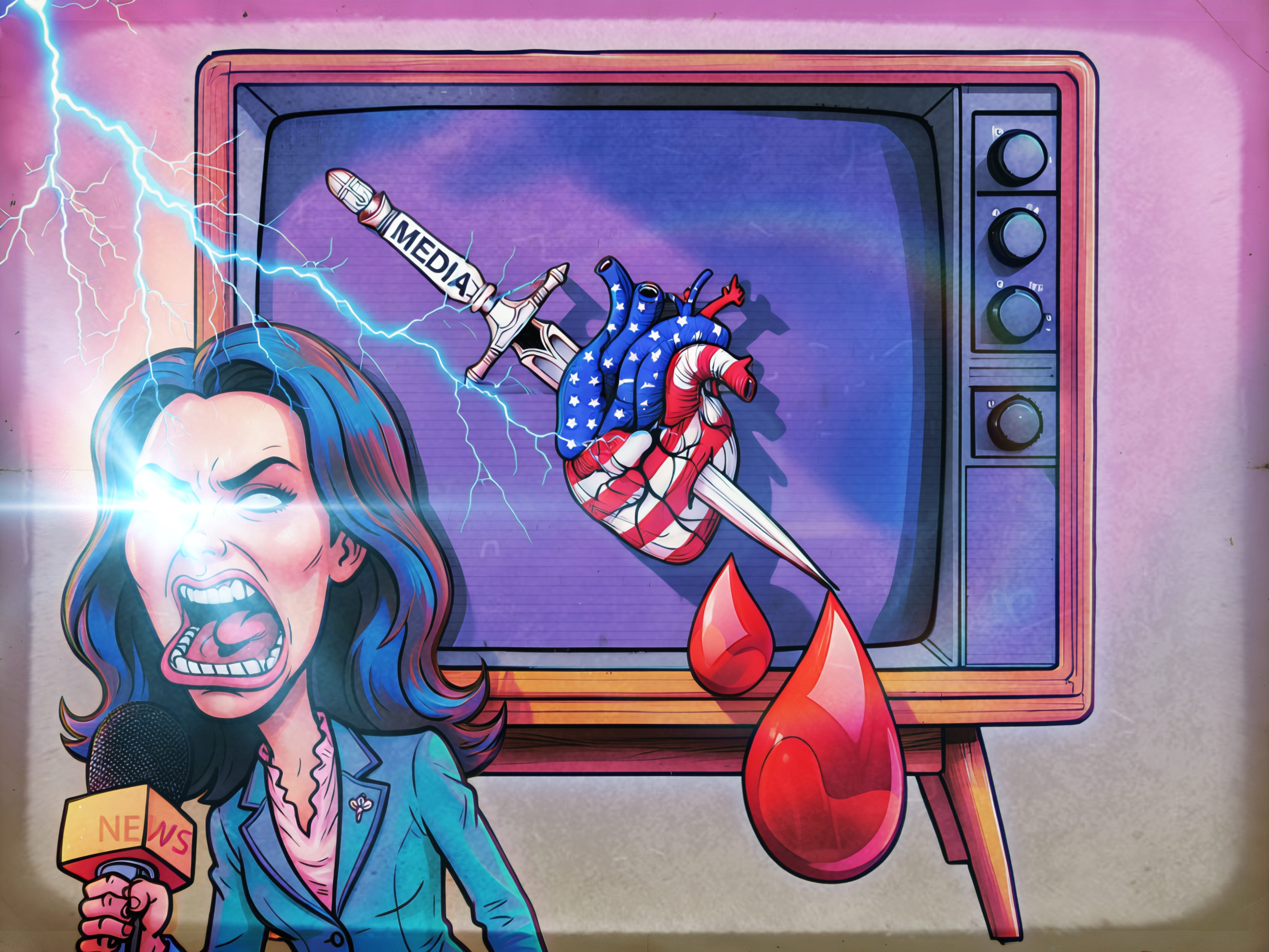
But today, I want to focus on the media’s newest war: clemency.
They’ve taken something merciful and deeply human and twisted it into a scandal, simply because President Donald Trump is the one sitting behind the Resolute Desk.
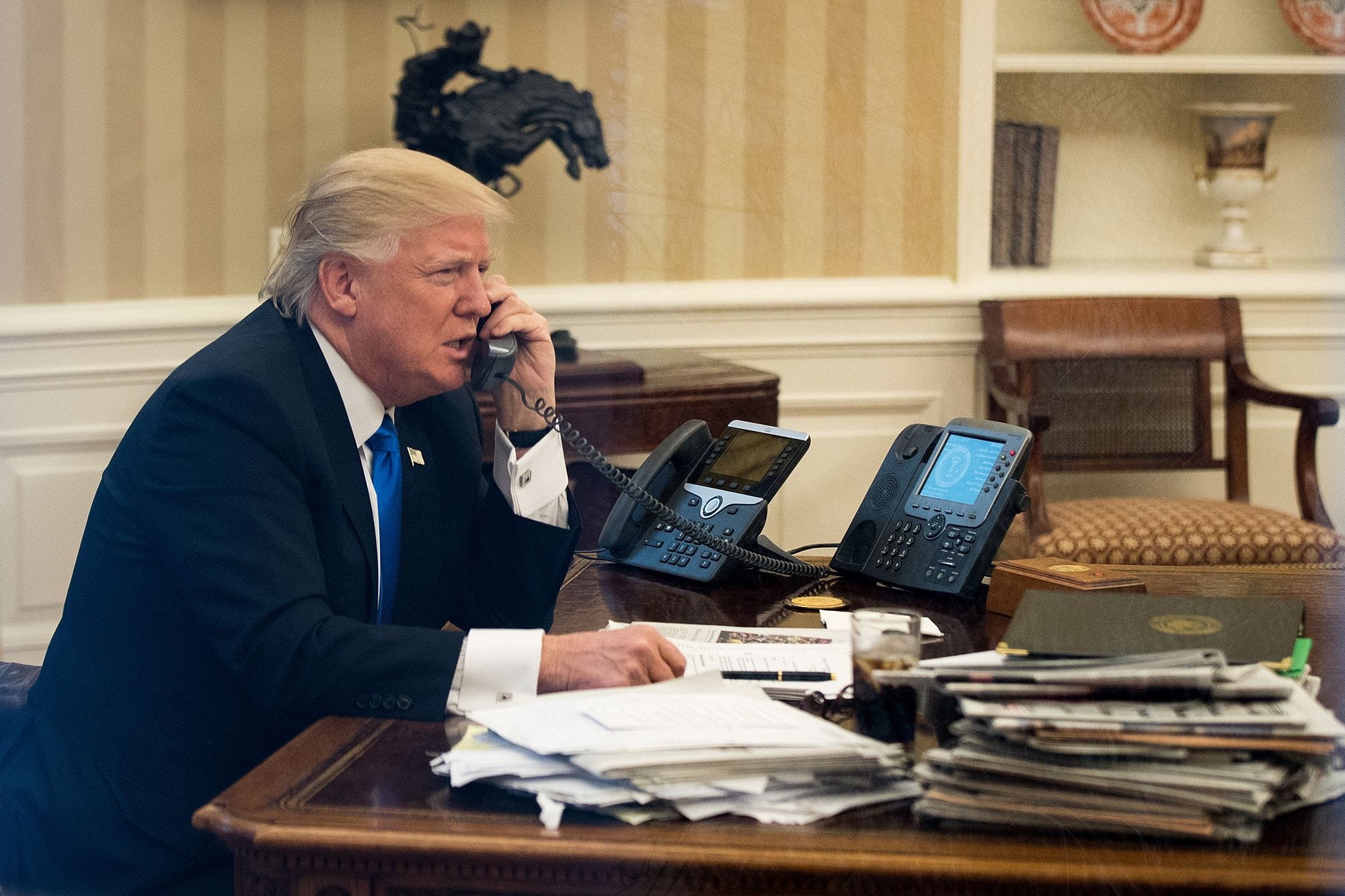
Presidential pardons and acts of mercy are now treated as suspicious, corrupt, and dangerous before the facts of each case are even considered.
As usual, the media brands everything President Trump says or does as some secret threat to democracy.
But this time, they’ve gone even darker…
Now, mercy itself has become the crime.
The public is repeatedly told that every pardon granted by President Trump is suspicious, every act of clemency is corrupt, and anyone asking this president for mercy is undeserving.
That’s not true.
This is a political war built on hostility, selective outrage, and fearmongering. Worse, it ignores the entire reason the presidential pardon power exists in the first place.
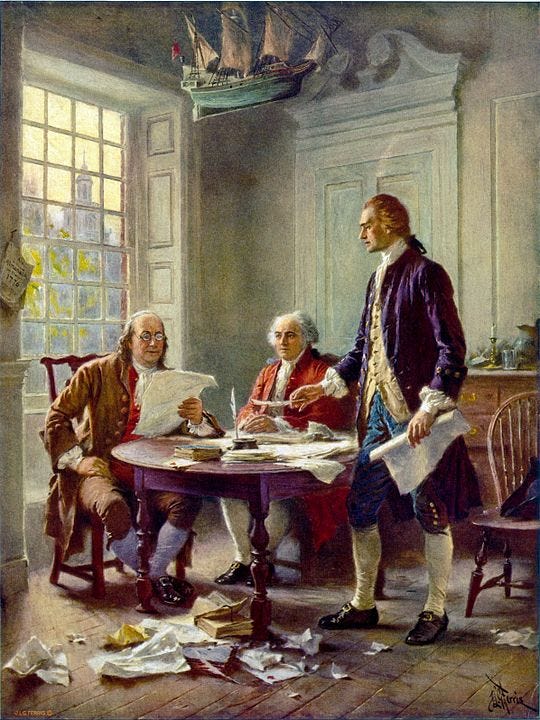
The president’s authority to grant pardons and clemency isn’t some random loophole. It’s not some sneaky political favor tucked away in the Constitution. It is a power explicitly granted under Article II because our Founders understood something that remains true today:
Human beings are imperfect, and so are the systems they create.
Alexander Hamilton explained in Federalist No. 74 that there must be someone capable of extending mercy when justice becomes too harsh or unforgiving.
The pardon power was never designed to undermine the courts. It was designed to complement them.
The pardon power exists because even when the justice system functions as designed, it’s still run by human beings. Prosecutors can get things wrong, sentencing laws can leave judges with limited options, circumstances can change, and people can show real rehabilitation. There are also humanitarian cases where continued punishment may be lawful, but no longer serves justice.
That’s exactly why nearly every president in our nation’s history has used this constitutional authority.
George Washington granted pardons. So did Thomas Jefferson, Abraham Lincoln, Harry Truman, Ronald Reagan, Bill Clinton, George W. Bush, Barack Obama, Joe Biden, and Donald Trump.
The power itself isn’t the problem.
The politics surrounding it are.
Before Donald Trump entered politics, how often did Americans hear nightly news coverage treating presidential pardons as some inherently corrupt scheme?
Crickets.
Because unless someone closely followed constitutional law or presidential history, the answer is probably never.
Presidents have exercised clemency throughout American history. Yet now, every pardon President Trump grants is portrayed by his critics as evidence of wrongdoing before anyone has even examined the facts of the case.
It’s hysterical, political, and does nothing to enrich or better this great nation.
And that should concern every American, regardless of their politics.
The Constitution doesn’t magically change depending on who occupies the Oval Office. Neither should our respect for the powers entrusted to that office.
One of the biggest misconceptions about clemency is that it exists only for innocent people.
It doesn’t.
Clemency cases aren’t all the same. Some involve serious claims of innocence or wrongful conviction. Others involve overcharging, excessive sentences, or punishments that no longer fit the facts, the person, or the interests of justice.
And yes, some clemency cases involve people who are straight-up guilty.
They committed crimes, accepted responsibility, and served many years behind bars.
That reality doesn’t disappear. But guilt shouldn’t automatically end the mercy conversation. After years of punishment, rehabilitation, and different circumstances, mercy still deserves to be considered.
Should every person receive mercy? Absolutely not.
Should every application receive a fair review? Yes.
Justice and mercy can exist at the same time. We can hold people accountable and still recognize when someone has changed, when a sentence went too far, or when continued punishment no longer serves any real purpose.
I think about the teenager who robbed a store at seventeen and is still paying for it decades later.
I think about the young man who followed the wrong crowd into a bad decision, or the young woman whose life was permanently changed by one moment that never told the full story.
These are the kinds of cases clemency was meant to look at and carefully consider. Not to excuse harm or erase accountability. But to ask whether ongoing punishment still serves justice.
Sometimes people are convicted because of bad choices they made. Other times, a person’s life is changed forever by association, conspiracy charges, pressure from prosecutors, or circumstances the public never fully understands.
That’s why clemency cases should be reviewed individually. Not every conviction is wrongful, and not every sentence is unjust. But every case has facts, context, and human consequences that deserve to be examined before a person is just written off forever.
One mistake shouldn’t always become a lifetime of hopelessness.
America has always believed in redemption. We shouldn’t abandon that entire principle now, just because many in the media dislike the current president.
Since starting this work in 2021, I’ve met countless families whose lives were shattered by the criminal justice system.
Some cases involve people who maintain their innocence. Others involve people who acknowledge wrongdoing but received punishments their families believe were excessive.
Many of these families have exhausted every dollar they had paying legal fees. Some lost homes, businesses, marriages, savings, and their health. Others lost relationships they thought would survive anything.
But the people who break my heart the most are the children.
A son graduates without his father in the audience. A daughter celebrates another birthday without her mother. Grandparents step in to raise children again. A spouse tries to keep the lights on while holding a broken family together.
The family serves the sentence too.
That’s the part nobody talks about.
One of the saddest things I’ve seen is how many people move through the criminal justice system with no one in their corner.
They don’t have money for a powerful lawyer or the media pressure that forces people to listen and care. These forgotten Americans are left hoping someone, anyone, will just listen to their story.
Thousands of Americans quietly disappear into a system that can feel impossible to navigate, and far too many fall through the cracks, never to be seen again.
That should concern every American.
We desperately need to have an honest conversation about proportional sentencing, prosecutorial discretion, rehabilitation, second chances, due process, clemency, and allegations of prosecutorial abuse where they exist.
These aren’t Republican or Democratic issues.
These are American issues.

And ignoring them guarantees that countless families will continue suffering in silence.
That’s why I find most of the media coverage around clemency so frustrating.
These clickbait headlines reduce every discussion about pardons to politics while ignoring the people behind the petitions.
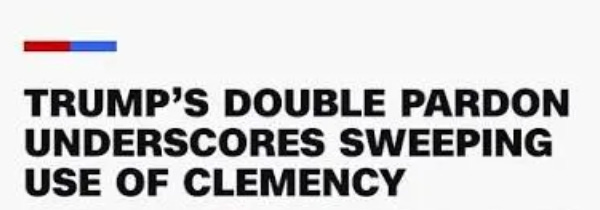

The focus becomes who received mercy, instead of why mercy exists in the first place.
That’s the story that must be told honestly.
Like you, I’m exhausted by this nonstop “selective reporting.” I’m frustrated by coverage that seems more interested in political hit jobs than human stories. And I’m sick and tired of seeing clemency treated like a dirty word simply because the president using that authority is Donald J. Trump.
You can disagree with President Trump all you want.
But when Americans lose respect for the office of the presidency, we all lose.
Disrespecting the office doesn’t weaken one president. It weakens overall confidence in one of our most important constitutional institutions, and that impacts every single American.
Right now, our justice system is under enormous strain. People may disagree about the root causes, but many Americans see serious problems: overcharging, sentencing disparities, unequal resources, political pressure, and families left with no clear path forward.
Too many politicians campaign on reform and then disappear once they’re elected.
Thankfully, there are still leaders who genuinely care. But there aren’t enough.
We need public servants who remember that leadership is about serving people, not chasing headlines.
I know I can’t fix every injustice, help every family, or correct every wrongdoing. But I refuse to ignore people simply because helping them has become politically controversial.
Since 2021, I’ve stood beside forgotten families. I’ve listened to them, advocated for them, connected them with resources, and reminded them that someone still cares.
I truly believe empathy has no political party, compassion has no ideology, and mercy should never be controversial.
Our justice system should punish genuine wrongdoing, protect victims, and uphold the rule of law. But justice without mercy can become something very ugly.
Our Constitution recognized that danger. That’s why every president possesses the authority to grant clemency.
Not every applicant deserves clemency. But history has shown that the system doesn’t always get it right. Sentences can be excessive, laws can later be changed, and people can become very different from who they were when they entered prison. Without clemency, there would be no constitutional mechanism to address those realities.
That is why mercy matters.
The greatest tragedy in America today isn’t just that people are incarcerated. It’s that so many have been forgotten.
Too many people in this system have been pushed out of sight: families, children, the poor, and those without money, influence, or powerful advocates. And once politics takes over, compassion is usually the first thing to disappear.
I believe President Trump has been willing to look beyond the political controversy surrounding clemency and consider cases others would ignore.
Whether someone agrees with every decision or not, the constitutional authority itself should never be treated as scandalous.
Clemency is not corruption, weakness, or an attack on justice or democracy.
It is a humanitarian principle built into our Constitution because the Founders understood that justice alone isn’t always enough. Sometimes justice must be accompanied by mercy.
Weaponization and prosecutorial abuse deserve scrutiny wherever they occur. Prosecutors hold so much power, and that power should be used responsibly. Defendants deserve due process, families deserve dignity, and children shouldn’t be treated like collateral damage.
That’s what this fight is really about.
It’s not about excusing crime or pretending accountability doesn’t matter. It’s about recognizing that people are more than the worst moment of their lives, and that a justice system without room for mercy is cold, political, and dangerously detached from the human beings caught inside it.
That’s why clemency matters.
And that’s why these families shouldn’t be forgotten.
This is the version of America I believe in.

For incarcerated individuals and the families waiting at home, clemency can be the first real sign that the door has not been locked forever.
It doesn’t guarantee release, and it shouldn’t. But it gives deserving cases a chance to be reviewed on the facts, not buried under politics, headlines, or public pressure.
That is where hope begins.
And hope is powerful…
It can keep families going when they have nothing else left.
Clemency doesn’t erase accountability. It gives the right cases a chance to be reviewed honestly, without politics turning mercy into something shameful.
Unfortunately, instead of encouraging a serious conversation about clemency, sentencing reform, proportional punishment, and second chances, most of the mainstream media is doing what it always does with President Trump: turning the issue into a scandal.
That’s a dangerous problem.
The media isn’t looking at the facts of each case. It’s not asking if the sentence went too far, if the person changed, or if their family has been left to suffer in silence.
It’s asking one typical question:
Did Trump grant it?
And once the answer is yes, the story pretty much writes itself.
The mother praying for her son to come home becomes irrelevant. The child growing up without a father is background noise. The family that spent every dollar trying to be heard disappears behind another headline written to make compassion look corrupt.
Americans are fed a steady stream of outrage, fearmongering, and political theater while the human stories are buried.
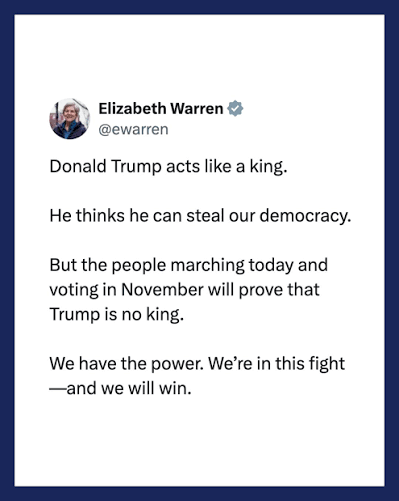
Enough is enough.
My message to the media and the anti-Trump establishment is simple: stop pretending mercy is only noble when it benefits someone whose politics you agree with.
Stop treating constitutional powers as suspicious simply because President Trump is the one exercising them.
And stop allowing partisan politics to overshadow the Americans whose lives hang in the balance.
Get back to doing actual journalism.
Investigate the story, ask difficult questions, and hold everyone accountable equally. Most importantly, remember the forgotten families.
Because behind every clemency petition is a husband, wife, mother, father, son, daughter, or child waiting for another chance to hug someone they love.
That’s what clemency is really about.
Not clickbait headlines or political warfare.
It’s about humanity.
As someone who has spent years sitting with these families, hearing their stories, wiping away tears, and witnessing heartbreak and resilience, I can say with absolute certainty that clemency is one of our nation’s greatest strengths.
Justice without mercy is incomplete.
Mercy without justice is irresponsible.
America’s Constitution gave us both.
It’s time we remembered why…
Weaponization Watch will continue telling the stories others ignore, advocating for due process, exposing government overreach, and standing with families who feel forgotten by the system.
Click here to support our mission.
Weaponization Watch is a DBA of The Hughes Foundation, a 501(c)(3) nonprofit organization. All donations are tax-deductible to the fullest extent allowed by law.
Thank you for supporting due process, accountability, and the fight to expose political weaponization.
Stay connected and follow the fight for justice on social media.
[ X ] [ TRUTH SOCIAL ] [ GETTR ] [ INSTAGRAM ] [ FACEBOOK ] [CYNTHIA HUGHES]
No posts
Comments
Nothing yet. Say the first thing.
Sign in to join the conversation.