
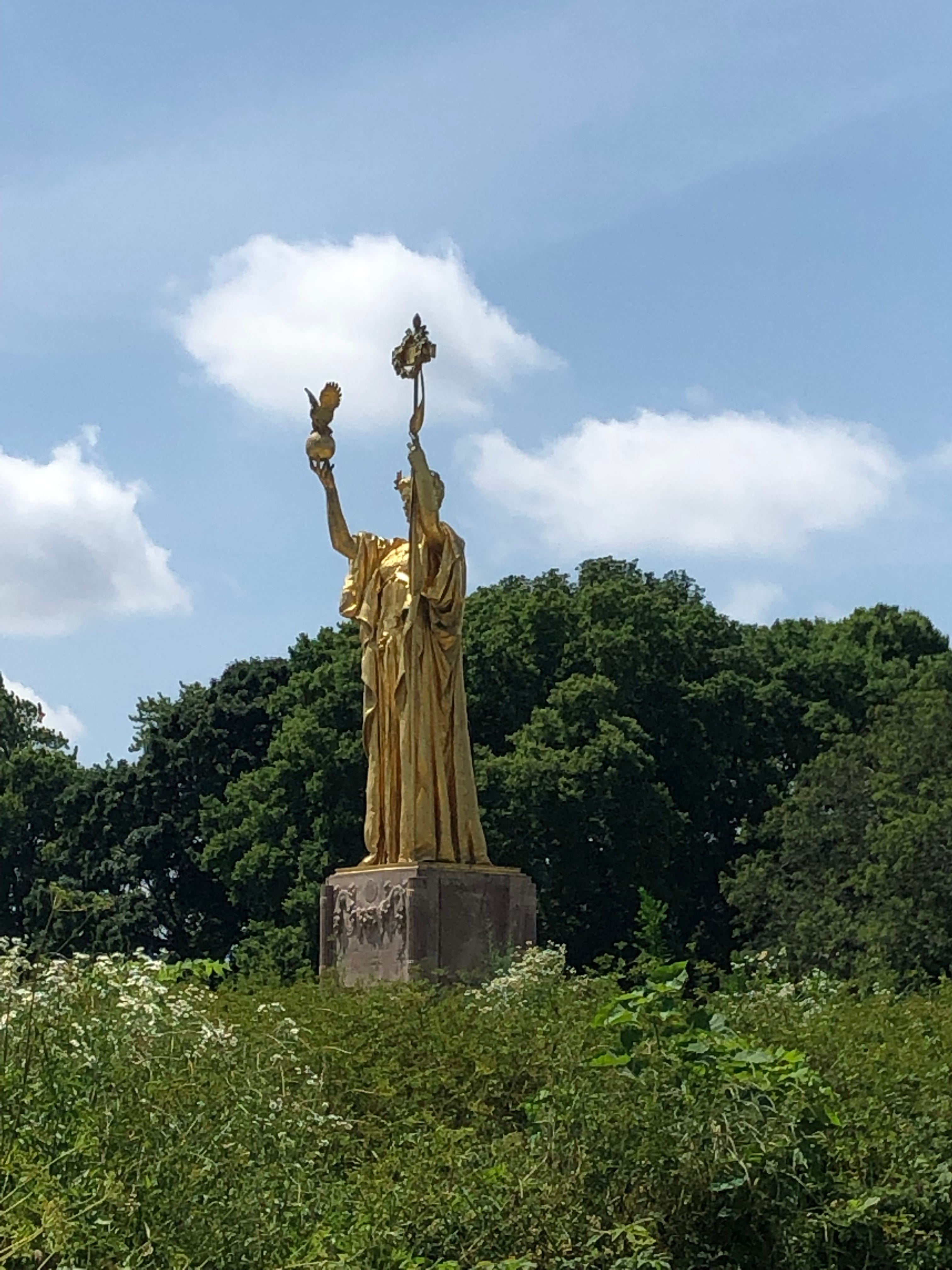
Many people are coming to Jackson Park to see the Obama Presidential Center. There are a number of other spots there with interesting histories. This is going to be a set of links to the story behind the locations. I’ll be posting more detail by topic in the next few days, but this is the whole walking tour of things I’ve written about.
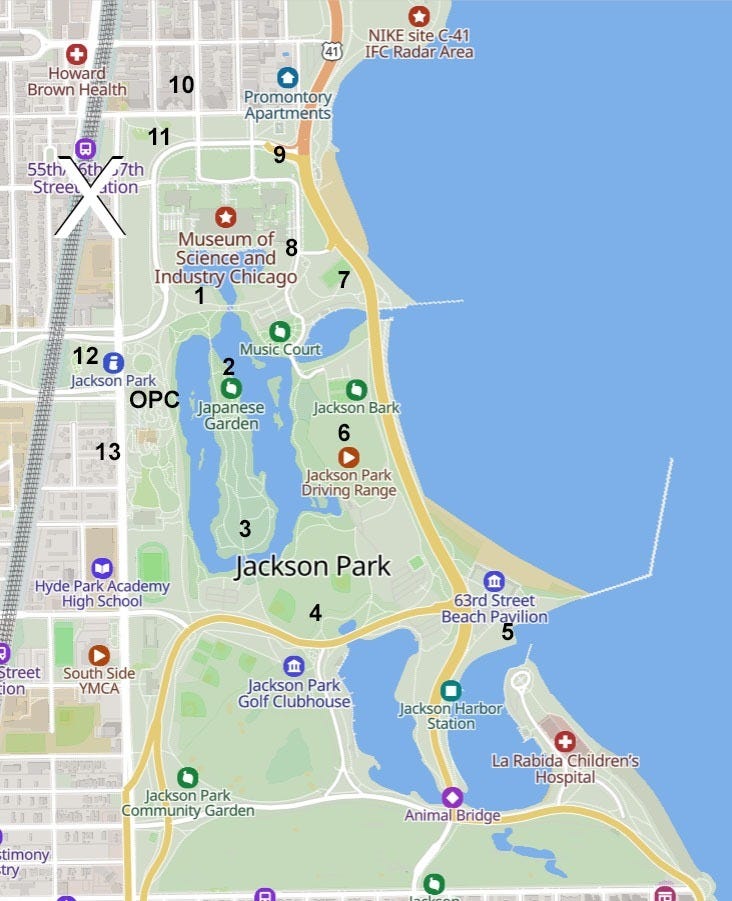
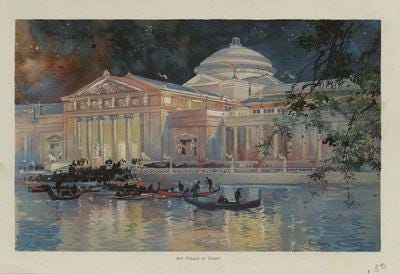
Part I, the 1893 Palace of Fine Arts (and why it is where it is and looks the way it does)
Part II, the Field Columbian Museum (and the origin of the Field Museum in Grant Park)
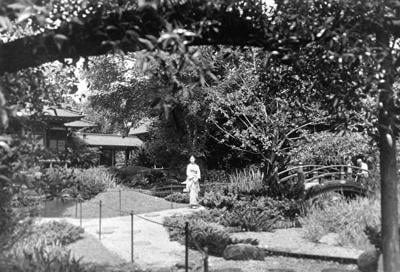
Part II, the destruction and resurrection of the Japanese Garden after World War II
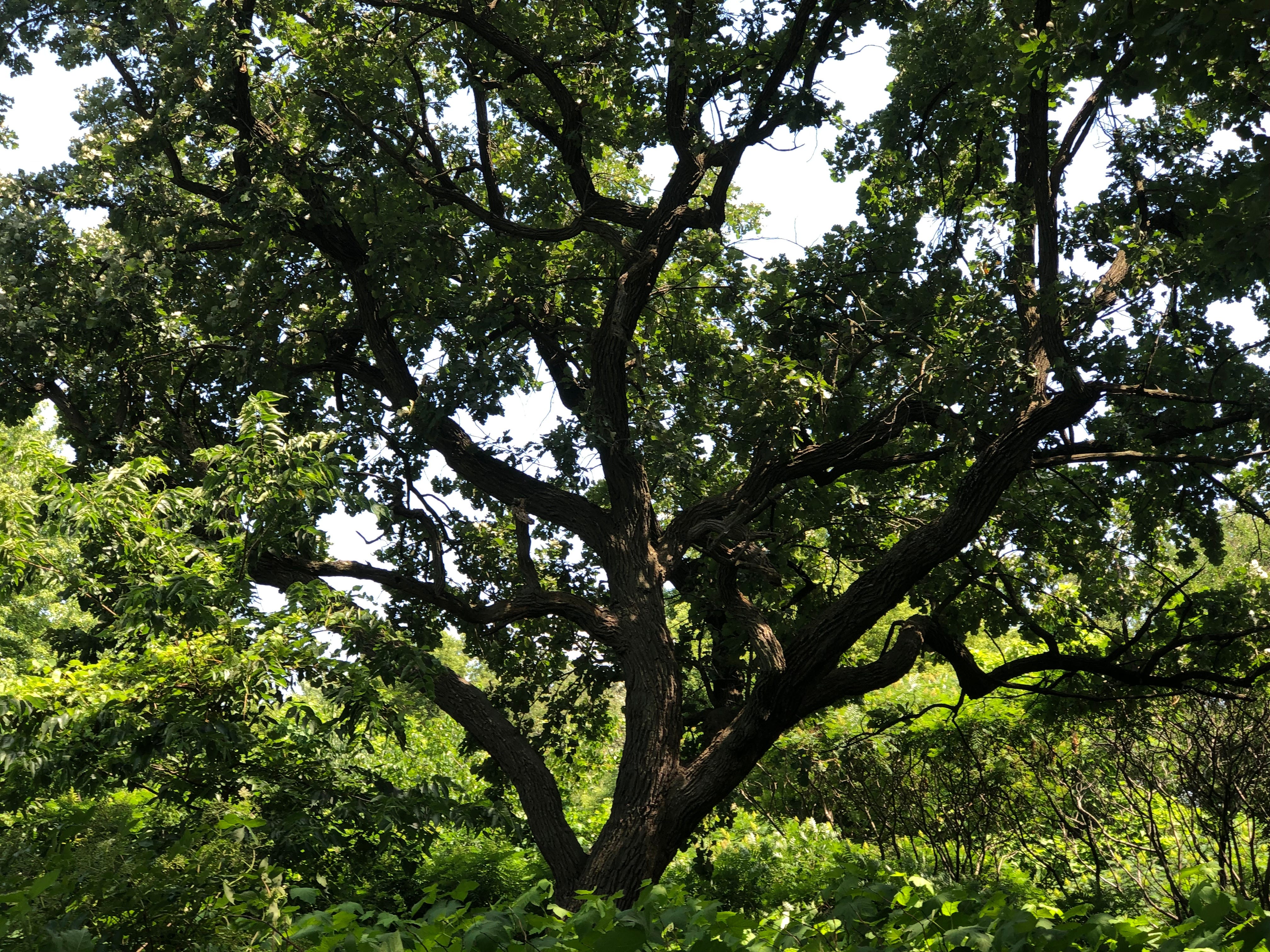
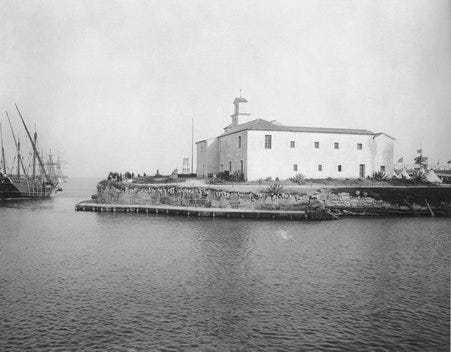
The original wall from 1893 and the stone of a Silurian coral reef and how a Children’s Hospital ended up in Jackson Park named for a convent in Spain
How the Cold War took over the park and then turned into a natural area
Natural Areas and Missile Bases
·
Jun 8

I’m working up a “walking tour” post of sites to see in Jackson Park, now that folks might be visiting the Obama Presidential Center. There are many other things to see! They are all sites I’ve written up except this one—Bobolink Meadow Nature Area, which rests on top of the remains of Missile Base C41, a relic of the Cold War. I hadn’t written about it
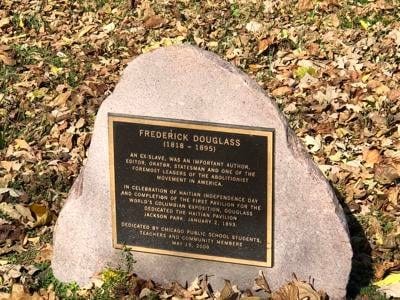
This needs to be a much bigger memorial. I was hoping the OPC would care about this and the playground dedicated to Earl B. Dickerson.
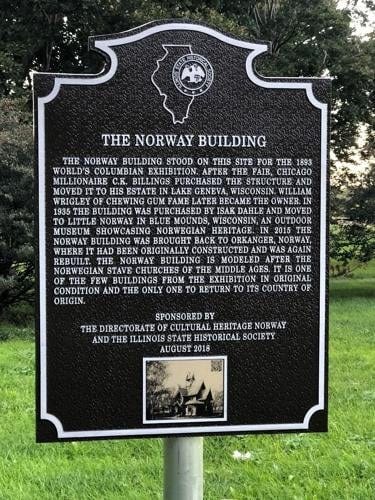
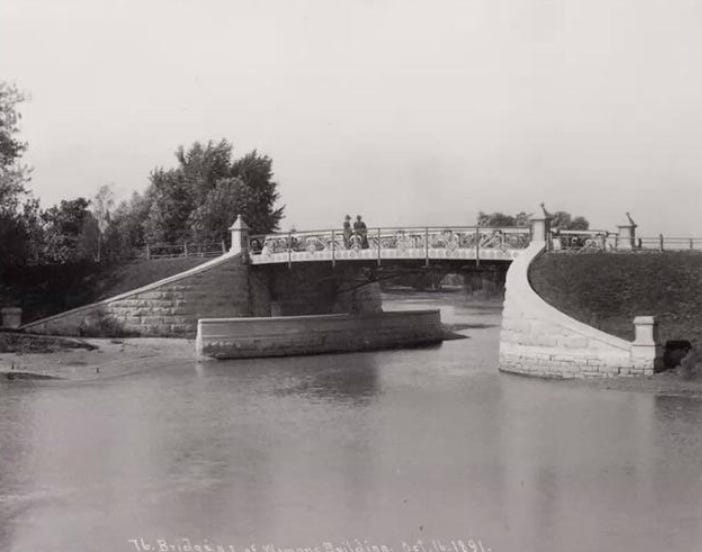
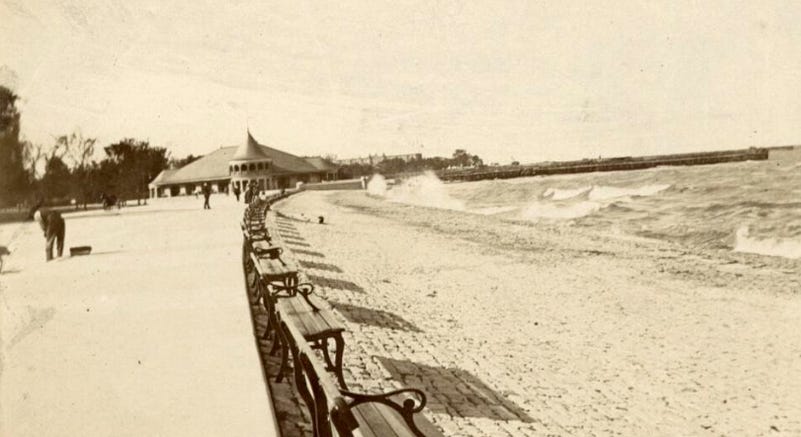
I wrote a focused history on the Windermere here
But I put it on the tour because it shows how something big in the park can transform a neighborhood. After the 1893 World’s Columbian Exposition left huge luxury hotels behind, Hyde Park became a very different place, which is clearer in this Substack:
Hyde Park History
The Windermere Hotel
·
January 15, 2025
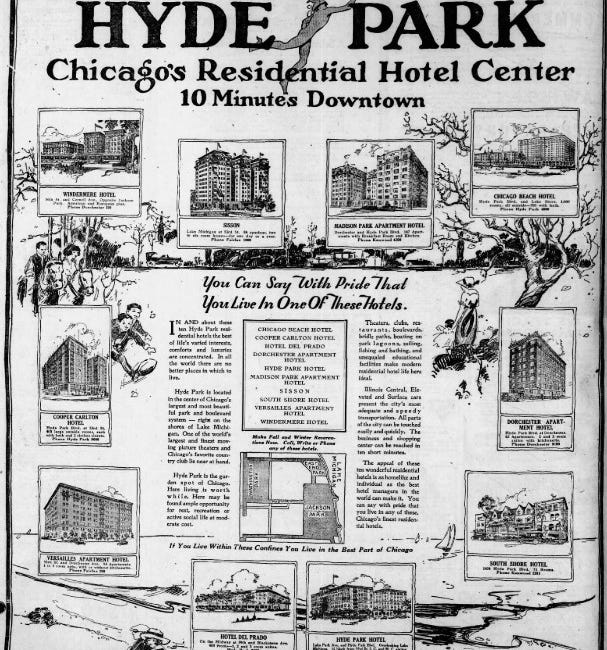
I’m working on a Herald article focused on the Windermere Hotel though more as a look at the life going on in the grand residential hotels of Hyde Park, of which there were many. The district had sprung up for the 1893 World’s Fair, but it survived and expanded into the early 20th Century.
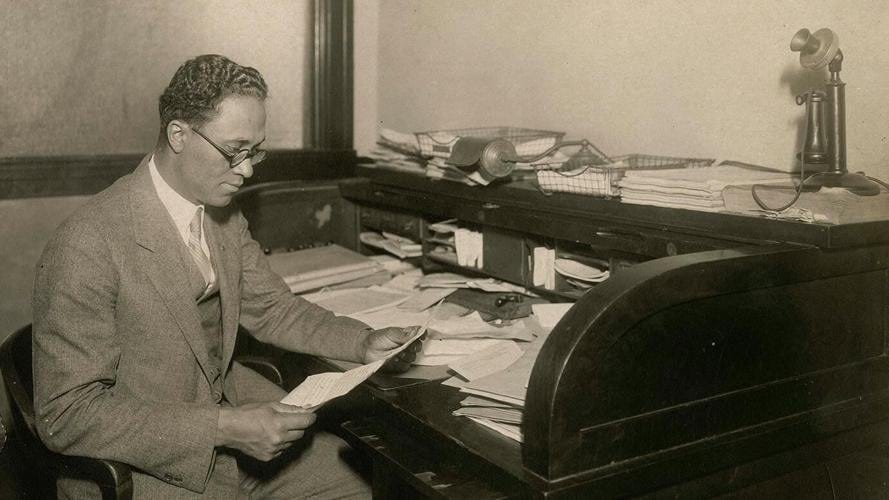
I did a focused article for the Herald here. But I found his story fascinating so did a lot of Substack posts to tell his story in detail. Links in the Jackson Park Rights and Politics post.
I realized after I made the map that people would be walking by a part of the Civil Rights and Women’s Movement that Hyde Park is famous for—the mural movement. The last of William Walker’s murals that exist in Hyde Park is at the 56th Street underpass—a hope for the future. His children attended Bret Harte across the street.
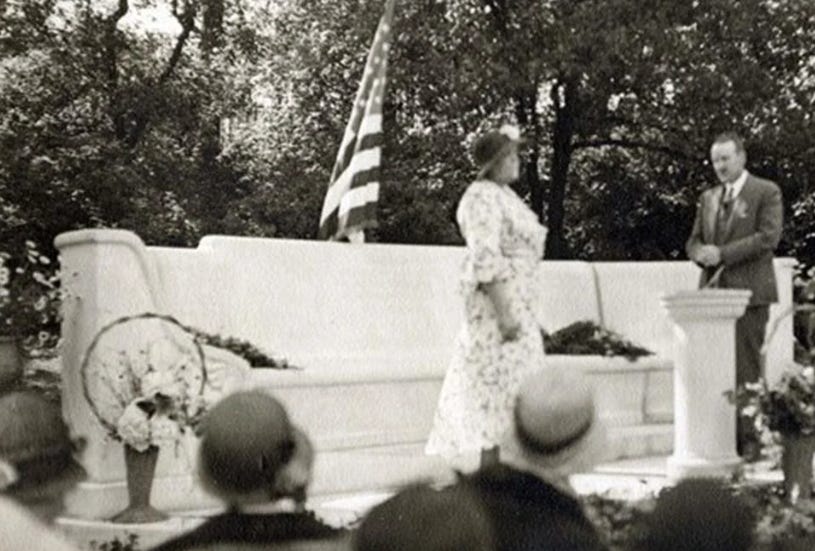
There was a long-neglected bench dedicated to two beloved women who fought for the right to vote. The bench is by the tracks. The women then tried to demonstrate how women’s votes might make life better for others. Luckily, the bench has been restored.

Hyde Park History
Our Neighborhood National Convention
·
August 19, 2024
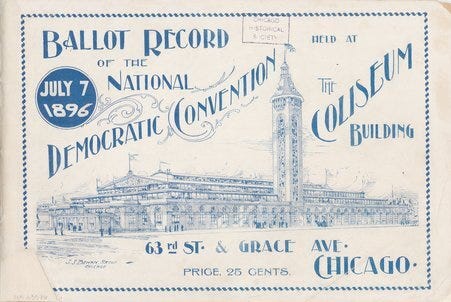
Chicago has been the host of many political conventions and Hyde Park has been connected to at least three of the famous ones. The first was 1860 and the Republican convention that nominated Abraham Lincoln. Hyde Park was a central location of Lincoln supporters and even his friends and associates. In addition, the very new Hyde Park Hotel, billed as a …
Comments
Nothing yet. Say the first thing.
Sign in to join the conversation.