
Don’t forget to come out to Jimmy’s Woodlawn Tap on Saturday (tomorrow!) to have some fun and support the Nichols Park Advisory Council that works so hard to bring us the 4th and 53rd Parade. I recommend Jimmy’s grilled cheese sandwich!
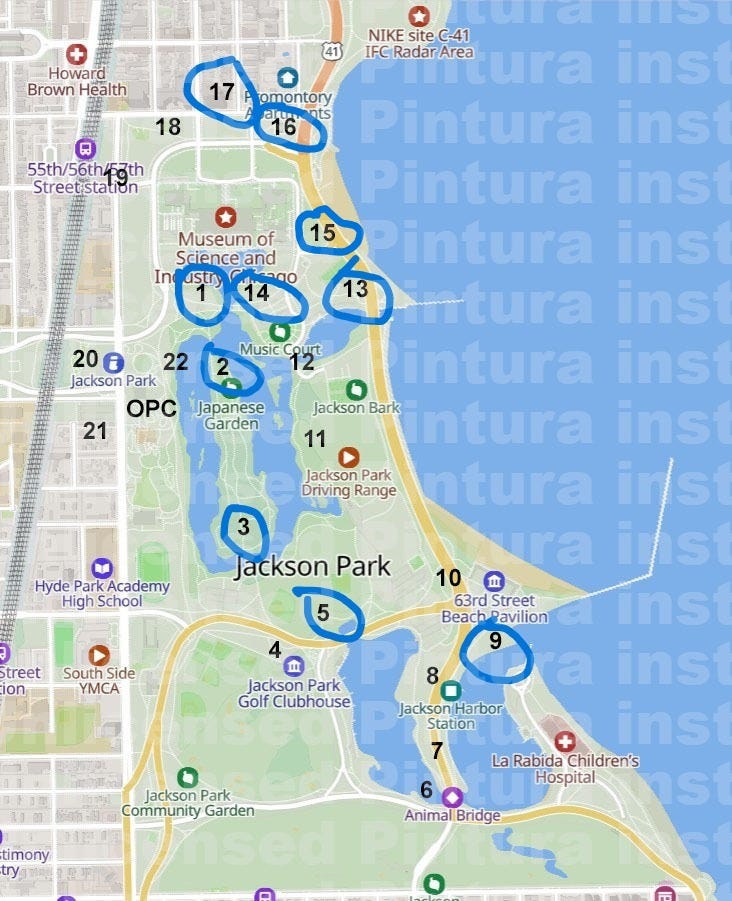
Here as part of my on-going effort is another look at Jackson Park—some of the World’s Fair souvenirs.
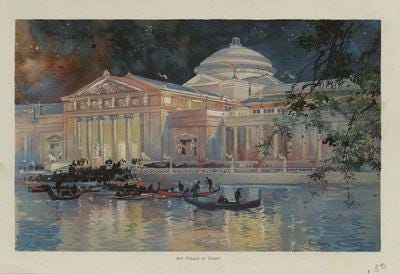
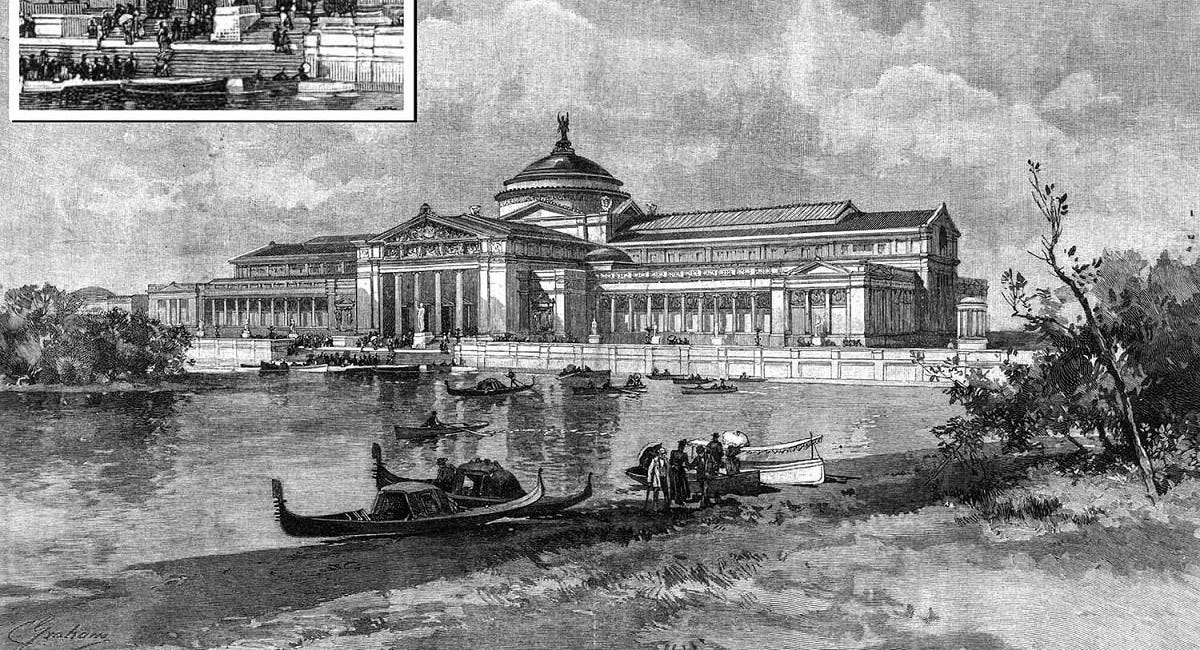
It was built for the 1893 World’s Fair as the Palace of Fine Arts. Its outside was reconstructed to look as close as possible to the original in permanent materials. There are a couple of things they missed—no giant statue of Athena on the South Entrance, no lions guarding all 8 entrances, and no attempt to put the Winged Victory on the top of the dome—she didn’t outlast a wind storm in May 1893 after all.
Here is the story of how it came to be. There are two more parts about its life as the Field Columbian Museum and its resurrection as the Museum of Science and Industry.
Part I, the 1893 Palace of Fine Arts (and why it is where it is and looks the way it does)
What I didn’t post before was this look at a the Winged Victory that didn’t outlast a late spring storm. I had the hardest time trying to figure out if she had actually appeared, however briefly, towering over the park.
Hyde Park History
Palace of Fine Arts (Griffin MSI)
·
March 24, 2025
I’m working on a sort of walking tour—that is, a walk around Jackson Park area that would introduce people to Hyde Park’s history and why it makes sense that Obama’s Presidential Center is here. I have no idea how I would get it in the hands of visitors, but at least it will exist. I realized that I really need to talk about the building now known as th…
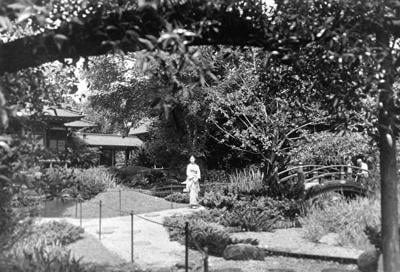
There is one thing in the Japanese Garden that probably witnessed the fair—the Kasuga Lantern. I’ll always be sad I missed the pavilions.
Wooded Island itself was saved for the fair to create natural relief in the midst of the extreme artificiality of the fair. It got its name from the fair and every redo of the park has kept it. Of course, it’s thousands of years old, being a deposit from retreating glacial Lake Chicago. It predates the fair.
She’s just a replica, but she gives a taste of the original, which was 3 times as big, stood on the shore with her back to the lake, and was definitely not built to last. The park district is supposed to regild her soon as part of the historic remediation of the park. The creation and preservation of the central symbol of the 1893 World’s Fair—the Statue of the Republic
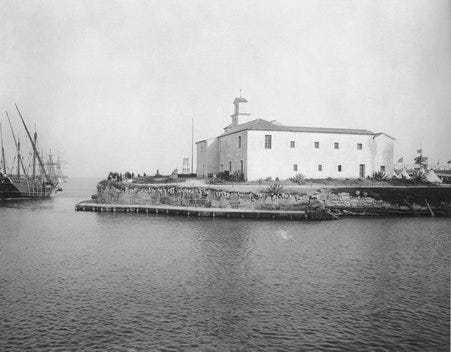
The original wall from 1893 still stands.
This needs to be a much bigger memorial. I was hoping the OPC would care about this and the playground dedicated to Earl B. Dickerson. The OPC museum has Frederick Douglass’s pens and pen stand. Maybe with time they or the Park District will care. As it is, we owe it to high school students that we remember his presence with us.
The monument to the warriors for Civil Rights at the fair.
Weirdly, when the park district was insisting on insignficant bronze plaques on boulders, they allowed fans of the Norway Building to erect a large metal sign along Science Drive.
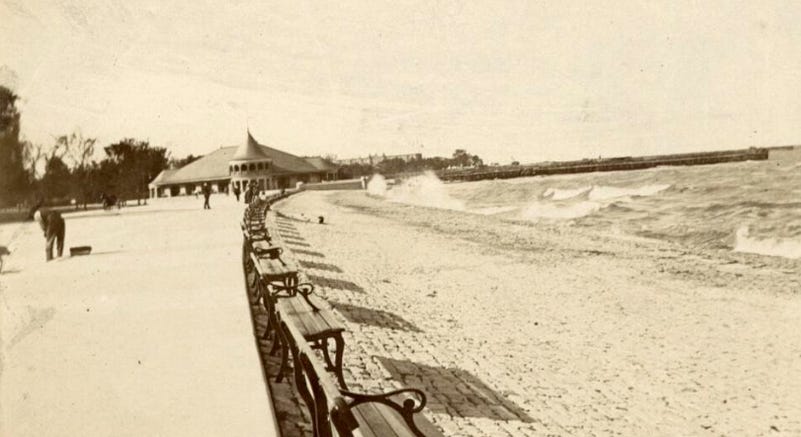
I circled the so-called Iowa Building because people think it had something to do with the fair but it has absolutely nothing to do with it. It’s a WPA picnic pavilion from the 1930s redesign of the park that the Park District suddenly thought should be renamed from Jackson Park Pavilion. If you want to read about the ACTUAL pavilion: The Jackson Park pavilion
The current hotel is from the 1920s, but I wrote a focused history on the Windermere here. I’m including it because I thought it was interesting to recall how a large event like the fair can transform a neighborhood. Hyde Park suddenly became a hotel district and a vacation destination and stayed that way to World War II.
We’re all holding our breath to see what effect the Obama Presidential Center has. More hotels. More tourists. Articles in the New York Times about where to eat.
I wrote about the district a bit here:
Hyde Park History
The Windermere Hotel
·
January 15, 2025
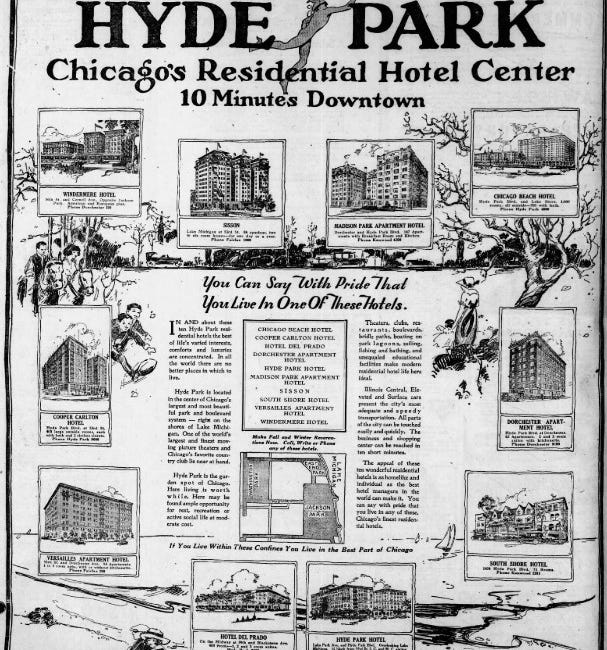
I’m working on a Herald article focused on the Windermere Hotel though more as a look at the life going on in the grand residential hotels of Hyde Park, of which there were many. The district had sprung up for the 1893 World’s Fair, but it survived and expanded into the early 20th Century.
And gave my very first Zoom talk on the topic. I hadn’t yet learned how to be lively when just talking to my computer screen, but the information is good.
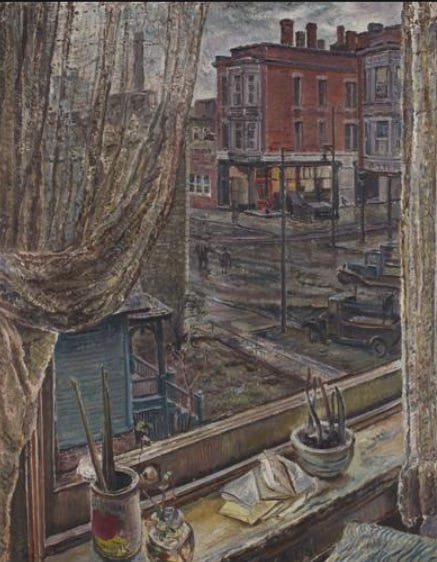
In that vein, I’ll include the Art Colony here. The fair brought something else altogether, the long-lived world unto itself but essential part of the neighborhood—the Art Colony. Big new things can produce all kinds of unintended consequences. It will be interesting to see what the OPC brings.
The fair gave people the idea that this was an area of creative ferment. Unfortunately, the OPC won’t provide one of the essential conditions that the fair left behind that allowed the Art Colony to flourish—cheap apartments and studio space. So whatever new things we get, it won’t be an art colony here. Maybe one can grow further south.
Part I and Part II (its demise)
Comments
Nothing yet. Say the first thing.
Sign in to join the conversation.