
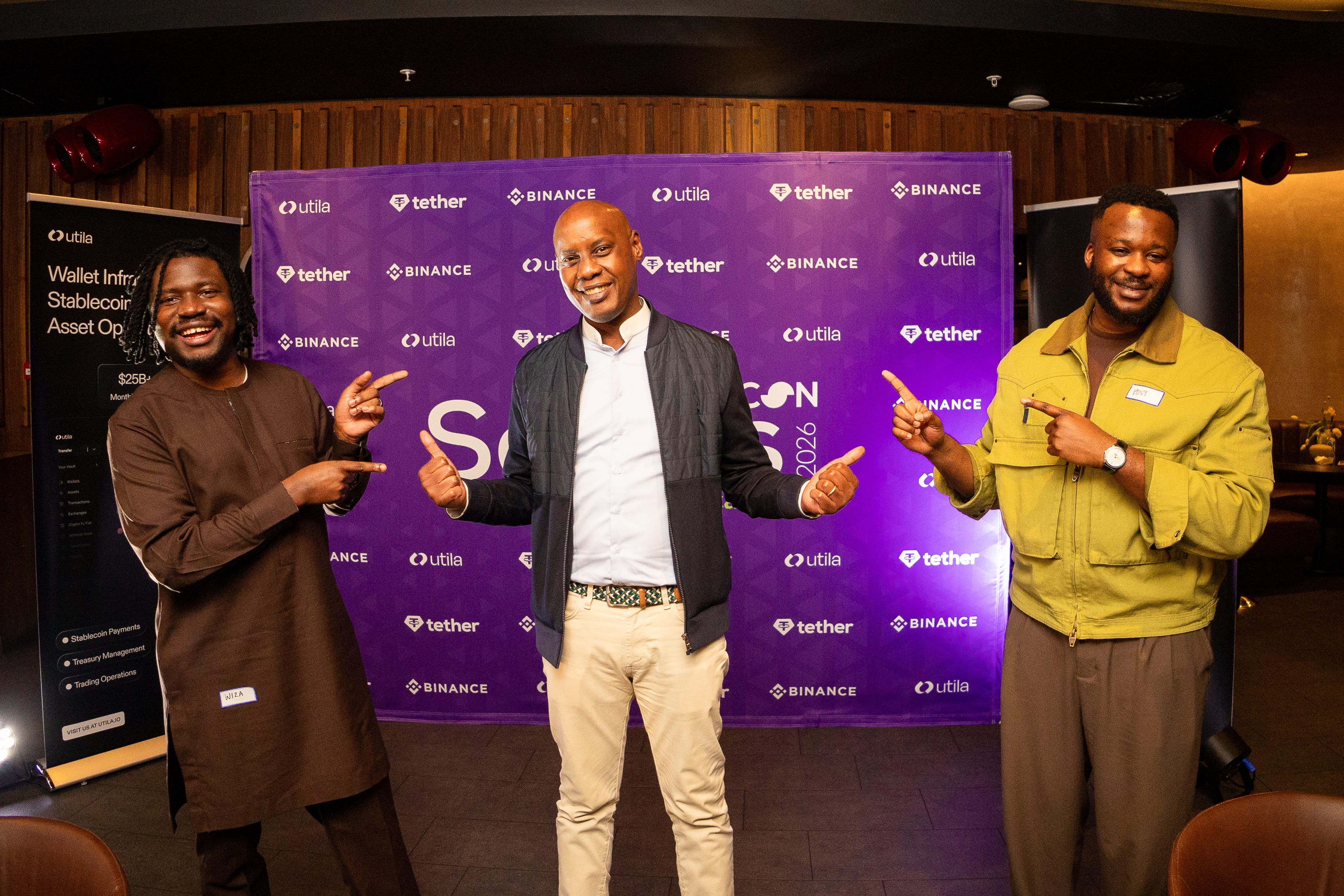
Left to right: Wiza Jalakasi (Commercial Lead, Middle East & Africa, EBANX), Christian Bwakira (Group Chief Commercial Officer, Onafriq) Paschal Okeke (Host Stablecon Salons: Africa) . Stablecon Salons Johannesburg, June 25th, 2026.
South Africa has over 310 licensed crypto asset service providers. More than any other country on the continent. The world is still debating whether stablecoins will become real financial infrastructure. South Africa quietly answered that question and moved on to the harder one: what economy gets built on top?
That was the conversation we gathered to have on June 25th in Sandton.
I was at Sandton setting up when it hit me.
Less than a year ago, I had a conversation with Gwera Kiwana and Dennis Owusu-Sem, COO of This Week in Fintech. A radically ambitious idea came out of that conversation: a Pan-African tour on stablecoins and cross-border payments.
Get the people actually building this in the same room, across a continent with 54 countries, 42 currencies, and no single regulatory framework. Pan-African efforts rarely make it past ambition, most stay in the group chat.
Gwera went on to co-host two editions with me, while Dennis has watched every step unfold.
To see it come to life across four cities is something I still cannot fully process.
More than 500 of Africa's top builders, leading regulators and investors have walked through these rooms. Standing in Sandton before anyone arrived, I kept thinking: this is actually real.
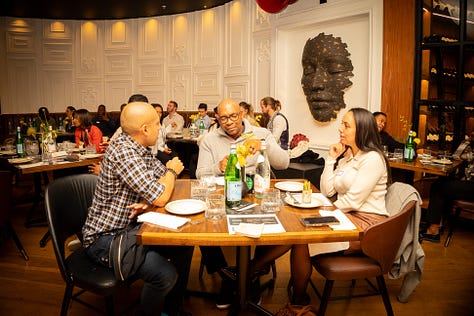
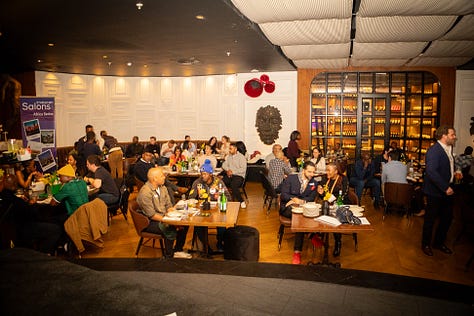
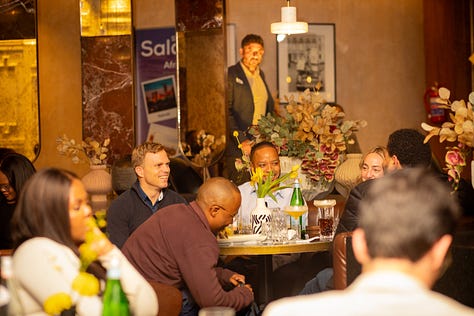
The room reflected the market: operators, treasury managers, compliance leads, founders and institutional players responsible for what South Africa’s digital asset market does next. The theme was From Infrastructure to Economy. The infrastructure argument is settled, the evening was the room pressure-testing what comes next.
Two conversations; A panel first and then a fireside to close it.
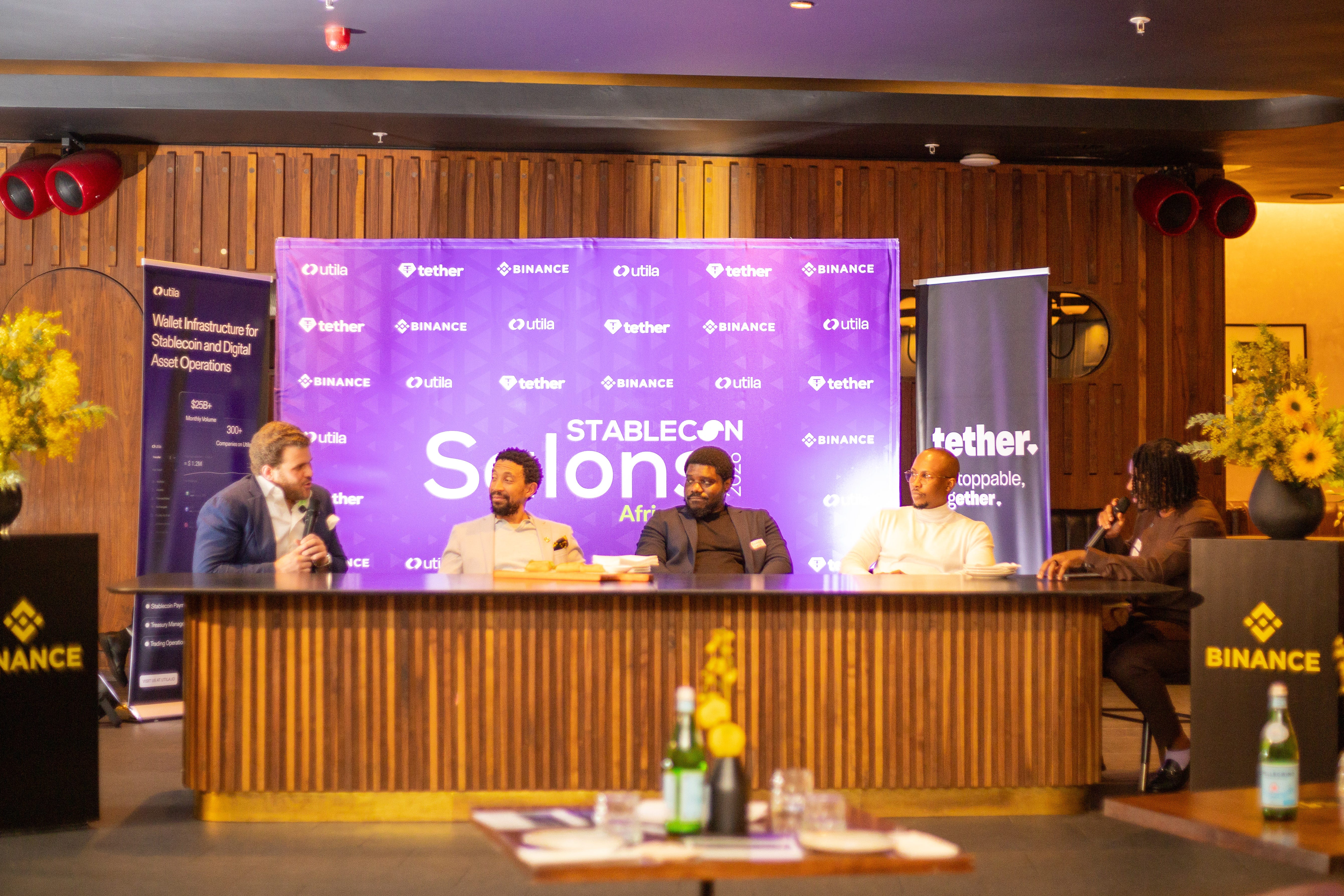
Left to Right: Arnoud d’Yve de Bavay (Head of Africa Expansion, Tether), Larry Cooke (Head of Africa Legal, Binance), Francis Ogbuka (Head of Africa, Utila), Nkahiseng Ralepeli (Director Strategic Operations, BlockTower), Wiza Jalakasi (Commercial Lead, Middle East & Africa, EBANX). Stablecon Salons Johannesburg, June 25th 2026.
Wiza’s opening framing to the room was direct. The infrastructure argument in South Africa is settled; 310 licensed CASPs,17.2% of mobile transactions in stablecoins. The question is what kind of economy gets built on top of that?
He opened with Nkahiseng, on what working inside traditional financial services taught him that the crypto ecosystem couldn’t have.
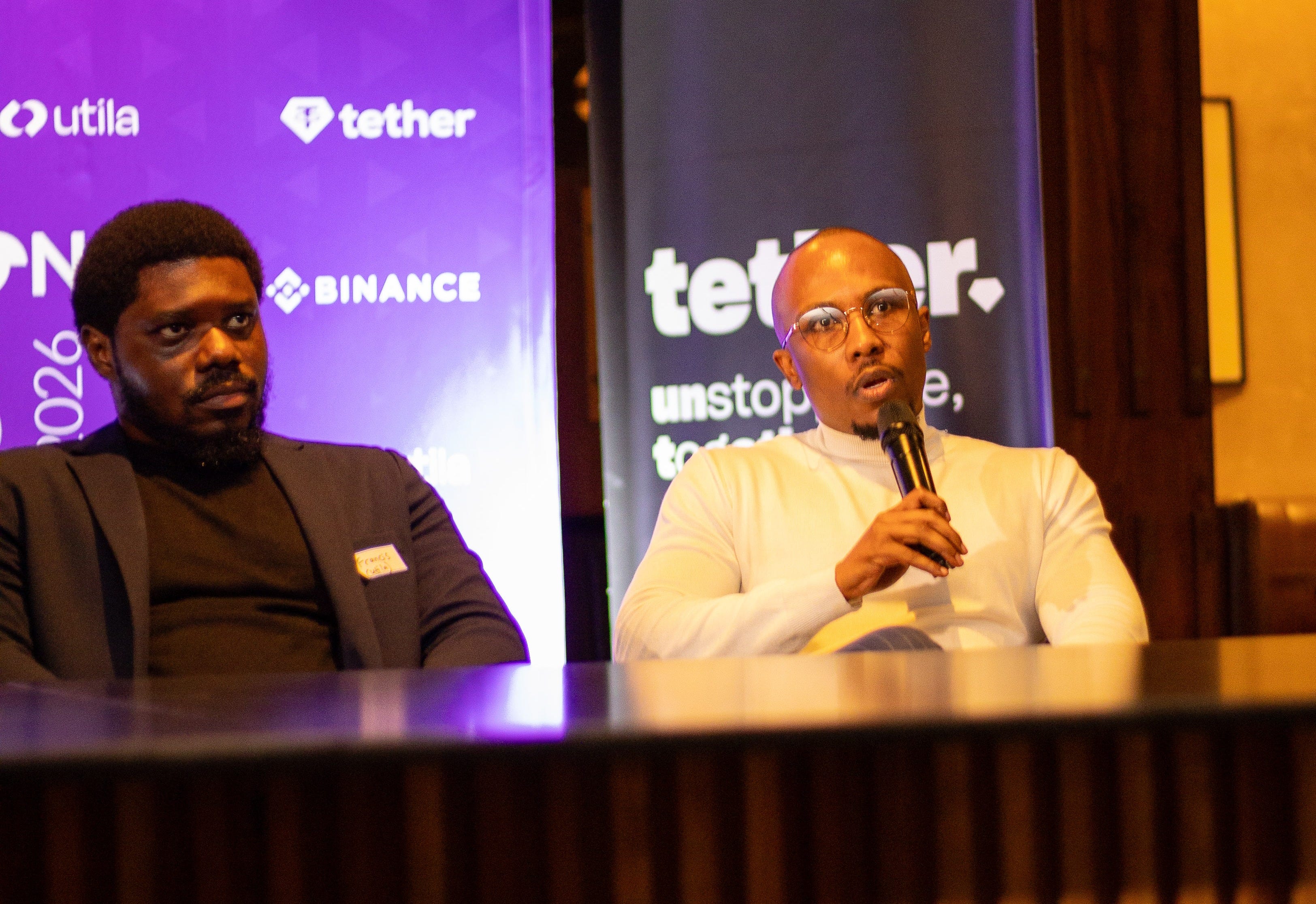
Nkahiseng Ralepeli (Director Strategic Operations, BlockTower) driving home his point on why stablecoins aren’t the product but rather the architecture built around it.
“The most important thing traditional financial services taught me is that trust is institutional before it is technical. Crypto tends to frame trust as something you engineer away: you don’t need to trust the counterparty, you trust the code. That is an intellectually interesting proposition, but it is not how most people, businesses, or regulators actually make decisions about where to put their money and their settlement flows. Inside a bank, you learn very quickly that the last mile of any financial product is always a human relationship. A board that needs to be comfortable, a compliance officer who needs to be able to explain it, a counterparty who needs to know what happens when something goes wrong. The technology is the easy part. The institutional architecture around it is the work.”
On how that shapes what he is building now at ZARU:
“You do not approach it with contempt for the existing system. You approach it with a clear-eyed understanding of what it was solving for and why, which makes you much more precise about what you actually need to change and what you can leave alone. The stablecoin itself is not the hard part. The reserve architecture, the regulatory perimeter, the institutional partnerships with Sanlam, Luno, EasyEquities and Lesaka: that is the product.”
The stablecoin is not the product, the architecture around it is. That is a precise way of saying something a lot of people in this space haven’t worked out yet.
When Wiza pushed the 17.2% number: what is the behaviour behind it that tells you this is structural and not cyclical?
“The behaviour behind that number that I find most telling is persistence across market cycles. Stablecoin volumes in South Africa have not tracked the crypto bull and bear cycle in the way you would expect if this were speculative behaviour. They have been relatively stable through the 2022 drawdown, through the FTX collapse, through every moment that caused retail crypto investors to pause. That stability tells you something important: a meaningful portion of that usage was never a crypto bet. It was a payment and treasury decision.”
On the retail side: a population that found a practical way to hold dollar-denominated value without a dollar bank account, receive remittances without the last-mile conversion cost, and transact across borders with people on completely different banking infrastructure. On the institutional side:
“Treasury and finance teams are discovering that the efficiency argument holds completely independently of any view on crypto. They are not buying stablecoins because they believe in the technology. They are using them because settlement in seconds costs less than settlement in three days and the working capital implication is real. When retail and institutional users are both growing their usage for entirely different reasons, that is when you know the infrastructure has become load-bearing. That is not cyclical.”
Load-bearing, not adoption; dependency. That is the threshold.
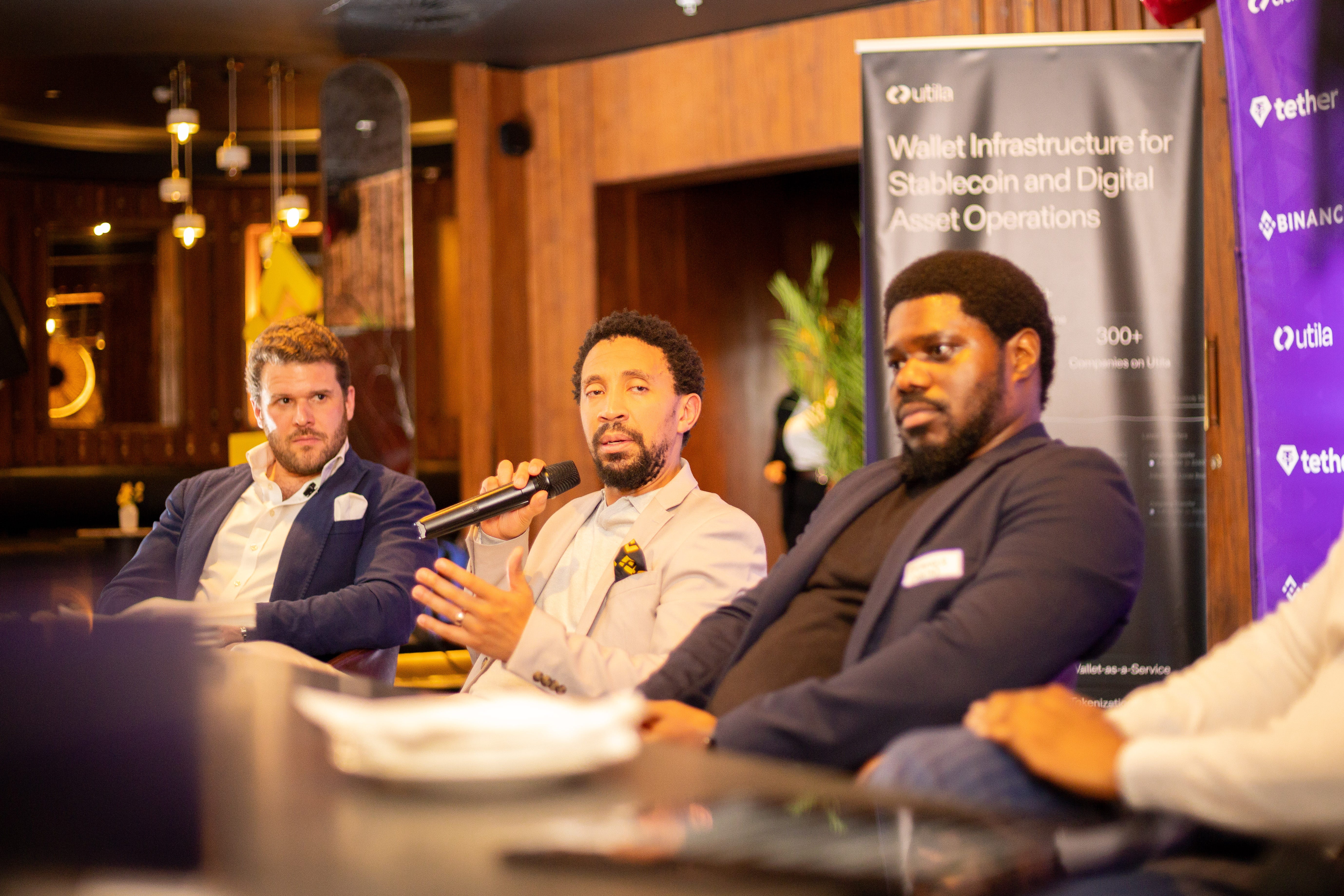
Larry Cooke (Head of Africa Legal, Binance) on why South Africa is finding an answer to the global money identity crisis faster than any other market on the continent. Stablecon Salons Johannesburg, June 25, 2026.
Wiza took the question of South Africa’s distinct path to Larry.
“Globally, money is experiencing an identity crisis, and Africa is not excluded. However, South Africa is finding an answer to the crisis sooner because of the proactive regulator engagements, effective judicial system, and industry stakeholder alignment. And all of this is off the baseline of a mature financial legislative ecosystem. The use cases are still the same but the rules are the differentiator, which could either create a precedent for other jurisdictions or require down-the-line adjustments.”
The rules as the differentiator, that framing held through the entire evening.
When Wiza asked what the one condition is that accelerates the retail-to-institutional transition faster than anything else, Larry pushed back on the framing.
“As retail and institutional crypto have always run parallel, retail’s maturity has always been ahead. It’s as retail crypto moves towards critical mass that we see institutional crypto catching up faster. That’s because institutional adoption largely depends on retail, but also on other critical factors not spoken about; enough regulatory permission, and leadership endorsement within institutions. There is no one condition, but those three factors are the key requirements.”
Three conditions, not one: regulatory permission, retail critical mass and the one most people miss: leadership endorsement inside the institutions themselves. Without a board or executive team that is willing to move, no compliance framework in the world closes the gap.
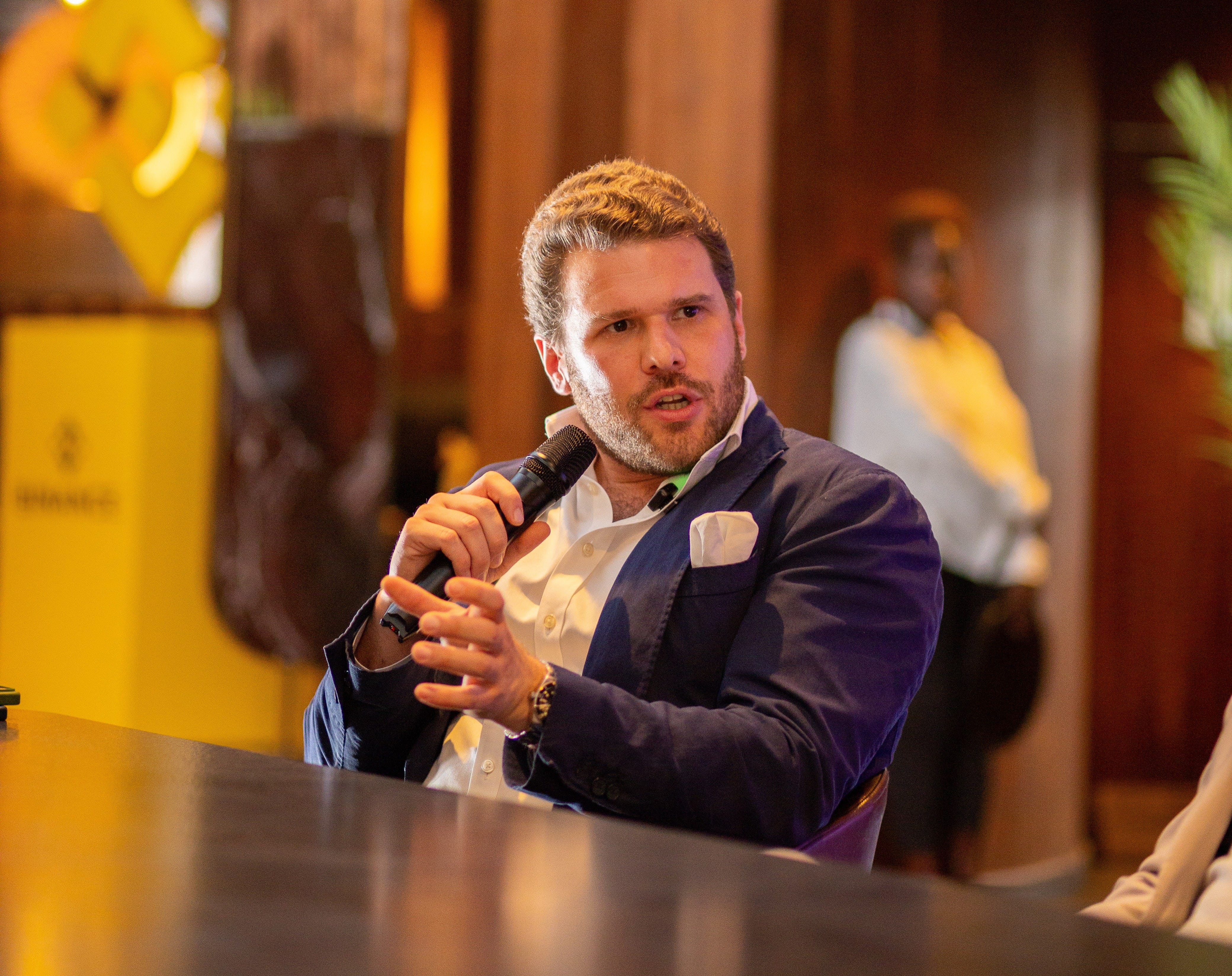
Arnoud d’Yve de Bavay (Head of Africa Expansion, Tether) on where stablecoin adoption is generating real commercial activity and where the work is still ahead. Stablecon Salons Johannesburg, June 25, 2026.
Arnoud placed South Africa in the global picture that only Tether’s vantage point can provide.
“The strongest stablecoin use cases are the ones solving existing problems. Cross-border payments, treasury management and settlement aren’t new challenges. Stablecoins simply offer a more efficient way to address them.”
“The industry is entering a new phase where the conversation is no longer about the technology itself, but about how digital assets can integrate into existing financial systems and deliver measurable value to businesses.”
On South Africa specifically:
“South Africa’s digital asset ecosystem is broad and active, which creates a strong foundation for practical use cases in payments, treasury, and settlement to develop over time.”
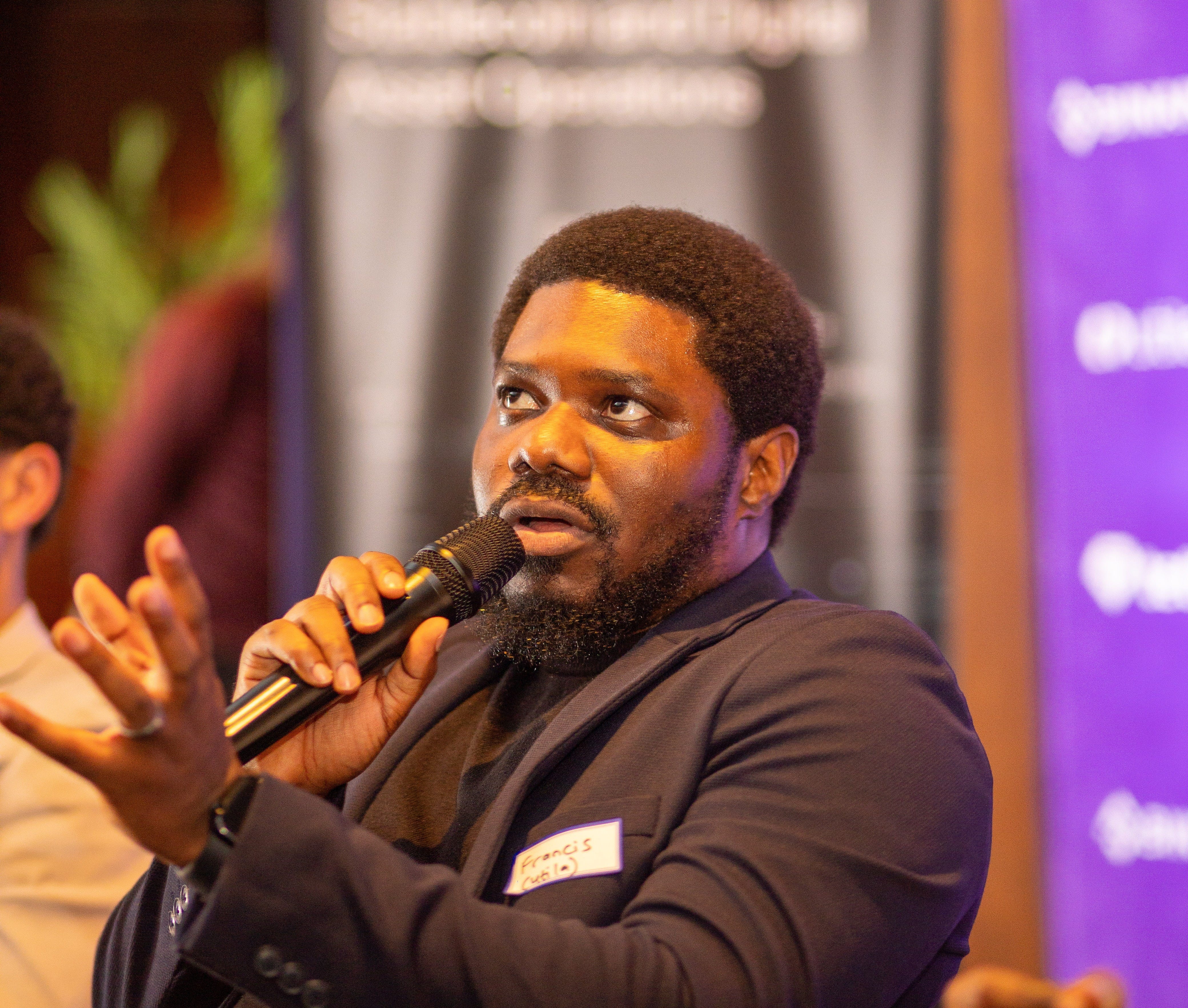
Francis Ogbuka (Head of Africa, Utila) making the case that market maturity requires three things: regulatory certainty, institutional participation, and seamless interoperability between fiat and digital assets. Stablecon Salons Johannesburg, June 25, 2026.
Francis was asked what the commercial condition is that actually moves South African institutions from evaluating stablecoin exposure to deploying it. He laid out three things.
The first is regulatory clarity.
“South Africa now has more than 300 licensed Crypto Asset Service Providers, the highest number on the continent. That level of licensing reflects strong market confidence. Investors, developers, builders and operators are willing to commit capital and resources because they understand the rules of engagement. Equally important is the responsiveness of the country’s regulators, who have demonstrated a willingness to engage with the industry while maintaining appropriate oversight.”
The second is meaningful participation from traditional financial institutions.
“Whether we like it or not, banks remain central to the financial system, and their involvement is essential for digital assets to move beyond experimentation into mainstream financial infrastructure. Compared to many other African markets, South Africa has seen significantly stronger engagement from traditional banks. Financial institutions are no longer simply evaluating stablecoins and digital assets; they are actively exploring and, in many cases, deploying real-world use cases across tokenisation, collateral management, payment orchestration and other institutional applications.”
The third is seamless interoperability between fiat and digital assets.
“Stablecoins cannot exist in isolation. Institutions need reliable on and off ramps between bank accounts and blockchain networks, real-time settlement capabilities, robust payment rails, secure custody and treasury infrastructure, and the ability to integrate these capabilities into existing banking and enterprise systems. Without that interoperability, stablecoins remain a niche technology. With it, they become practical financial infrastructure.”
“Ultimately, market maturity is not determined by stablecoin adoption alone. It is the combination of regulatory certainty, institutional participation and seamless integration with the existing financial system that enables digital assets to transition from innovation to critical financial infrastructure.”
Wiza closed the panel with one question to all four.
South Africa has 310 licensed CASPs. Has this industry grown from infrastructure into economy?
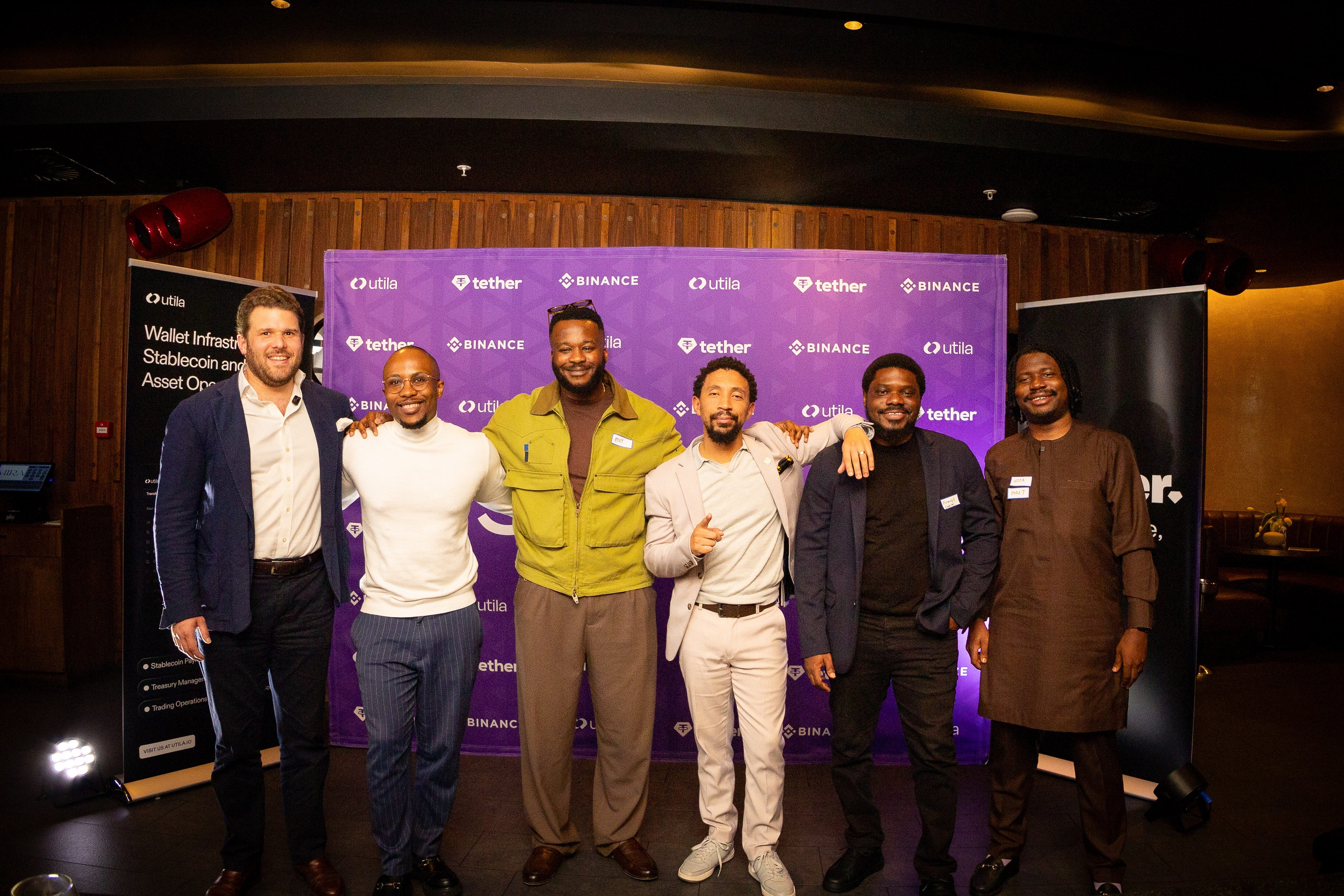
Left to Right: Arnoud d’Yve de Bavay (Head of Africa Expansion, Tether), Nkahiseng Ralepeli (Director Strategic Operations, BlockTower), Paschal Okeke (Host Stablecon Salons: Africa), Larry Cooke (Head of Africa Legal, Binance), Francis Ogbuka (Head of Africa, Utila), Wiza Jalakasi (Commercial Lead, Middle East & Africa, EBANX). Stablecon Salons Johannesburg, 25th June 2026.
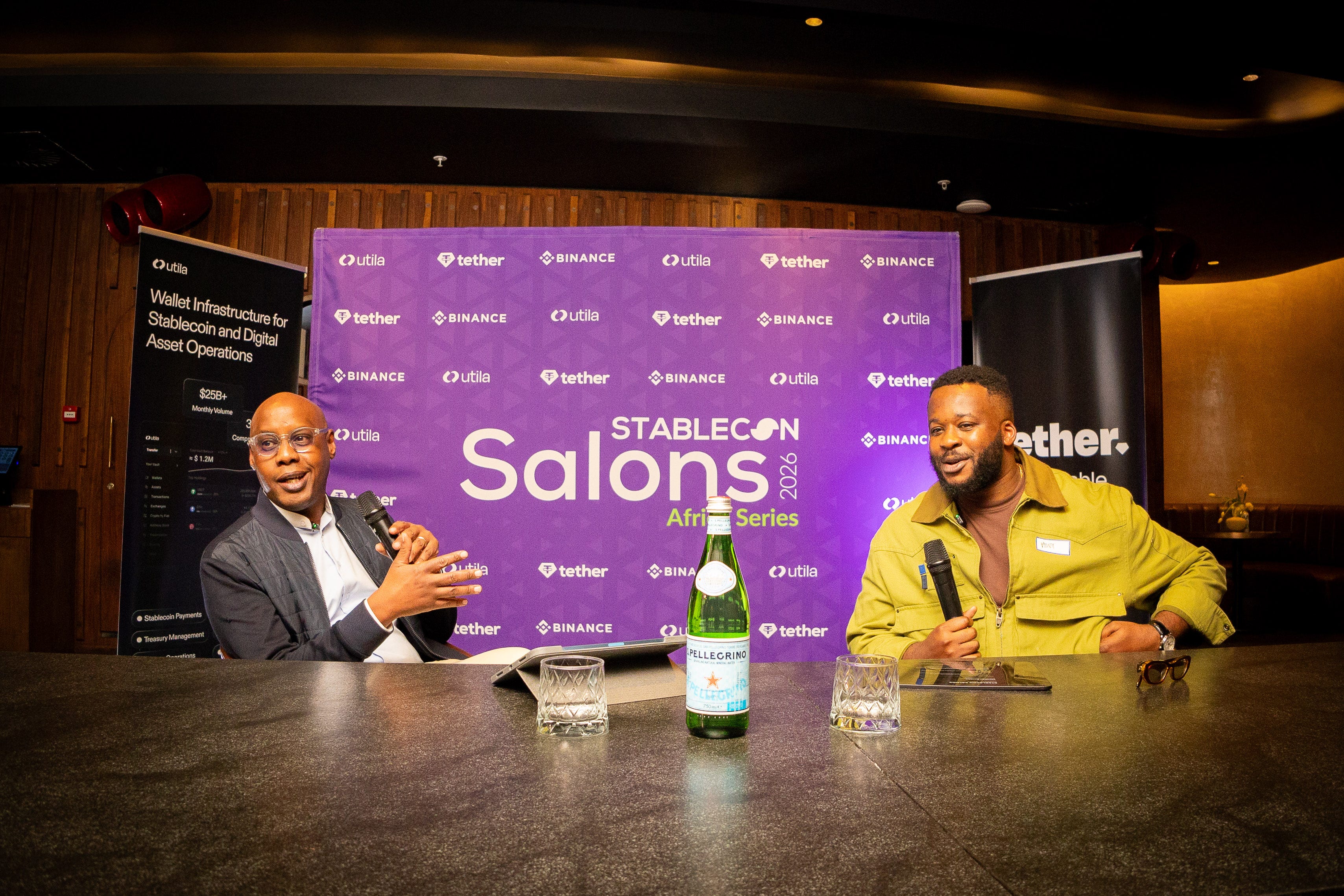
Christian Bwakira, (Group Chief Commercial Officer at Onafriq), in conversation with Paschal Okeke on the economics of stablecoin settlement across 43 African markets. Stablecon Salons Johannesburg, June 25, 2026.
The panel had done its work, then we closed the evening with the conversation I had been looking forward to most.
Christian Bwakira is Group Chief Commercial Officer at Onafriq, the infrastructure layer connecting 43 markets, approximately a billion mobile money wallets, and 500 million bank accounts across the continent. He came through Visa, Mastercard, and Ingenico before Onafriq.
He is one of the people responsible for how African payments actually moves.
I titled the fireside Liquidity at the Edge. I wanted the honest read, not the pitch.
I opened with his journey; four institutions, four vantage points on the same infrastructure problem. What does that path tell you about where African payments have genuinely moved, and where the friction has simply relocated rather than disappeared?
His answer was the framing I needed for the rest of the conversation. The problem was never moving money globally. Every role confirmed the same structural truth: the moment value hits an African border is where the system breaks. The average cost of sending $200 to Sub-Saharan Africa is 8.78% against a global average of 6.49% and an SDG target of 3%. Banks are the worst offenders at 14.55% and mobile operators are the cheapest at 4.97%.
That gap is not a market failure.
“The infrastructure gap is a design failure, not a market failure.”
Onafriq, he said, is the synthesis of everything that journey revealed: card, bank, and mobile money rails across 43 markets through a single API, built for the part of the problem traditional payment networks were never designed to solve.
On where the friction still hasn’t moved across 43 markets, a billion mobile money wallets, 500 million bank accounts:
The last mile remains the most expensive mile. But the hidden cost that rarely surfaces in these conversations is pre-funding. Operators lock working capital across dozens of nostro accounts in volatile currencies. On some corridors, correspondent banking settlement runs to 72 hours or more. That trapped float is a real cost, and it flows directly to consumers as higher fees and to operators as compressed margins.
“Pre-funding is the hidden tax nobody talks about.”
Regulatory fragmentation compounds everything; 43 markets, 43 licensing regimes and zero mutual recognition. A compliant operator in Ghana is not automatically compliant in Mozambique. Building a compliant payment company across the region is exactly what Onafriq has spent the last 15 years constructing.
On where stablecoins are genuinely changing the economics of a transaction on African corridors today, and where the promise is still ahead of the reality:
The honest answer, he said, splits cleanly. The real stuff first. When an MTO sends USD stablecoins instead of wiring USD through correspondent banks, you compress two to three days of float risk and wire fees into minutes. That is live, with select partners and stablecoins now account for 43% of Sub-Saharan Africa’s total crypto transaction volume, people using USDT and USDC to store value and hedge inflation, not to speculate. In high-inflation markets, that is a genuine financial inclusion story.
The part that is still a promise is the frictionless end-to-end corridor. Stablecoins represent less than 1% of daily global money transfers. Traditional payment systems process an estimated $7 trillion daily; stablecoins move $20 to 30 billion. Until off-ramps into mobile money and local banking are embedded and invisible, the friction that an individual faces trying to cash out in Lagos hasn’t gone away.
“The killer app hasn’t arrived. Until off-ramps are invisible, the economics haven’t changed for the person at the end of the corridor.”
I asked him about the architectural direction Onafriq is taking as stablecoin flows grow. Specifically around the organization’s stablecoin partnerships: accept USD stablecoins inbound, off-ramp to local fiat. What does that bet say about where Onafriq is heading?
These partnerships compresses the value chain, moves Onafriq up the stack, and taps into the growing share of MTO flows already pre-funding in stablecoins.
The 2026 roadmap he described targets live pilots with MTOs and PSPs for USD stablecoin settlement, where regulation permits.
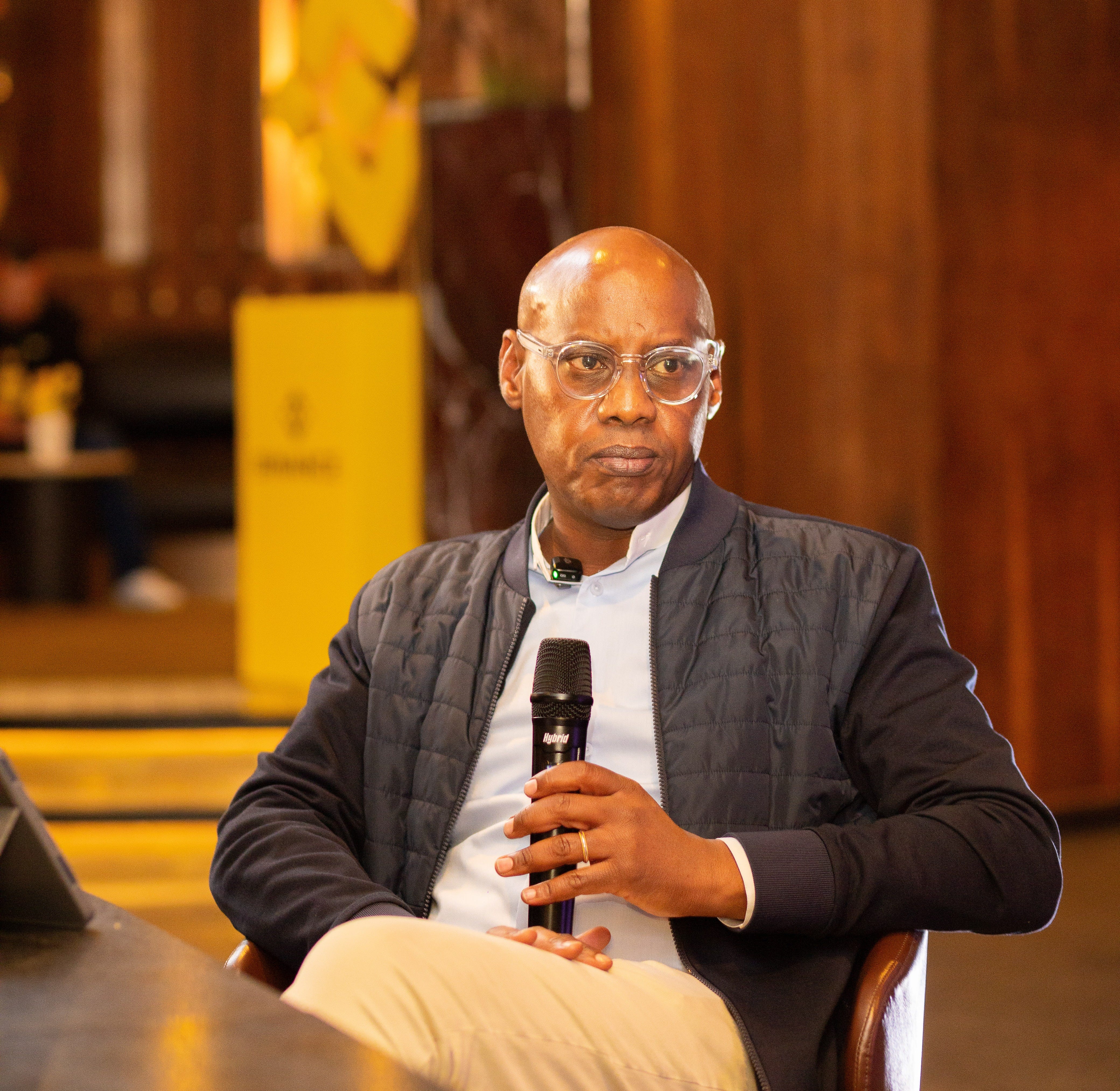
Christian Bwakira (Group Chief Commercial Officer, Onafriq) making his point on where Onafriq sits in a stablecoin-native settlement world
Stablecoins are interoperable at the protocol layer. They are not interoperable at the compliance, liquidity, or last-mile layer, that is where Onafriq’s value sits. The licenses across markets, the MNO relationships, the local float, the regulatory approvals that turn on-chain stablecoins into recipient cash. None of that is available to a crypto-native player without years of build.
“Stablecoins are interoperable by default at the protocol level. What they are not is interoperable at the compliance, liquidity, and last-mile level. That is precisely where Onafriq sits. We are the regulatory glue.”
Stablecoin flows already represent approximately 6.7% of Africa’s GDP. That is real volume. Real volume needs real off-ramp infrastructure. And the compliance depth and MNO relationships that infrastructure requires are not things regulated banks and central banks hand to a crypto startup overnight.
On Onafriq’s position if stablecoin finality becomes the default settlement layer on major African corridors:
The decision was deliberate and clear: Onafriq will not issue its own stablecoin and will not build first-party custody. Instead, they aggregate Circle, Tether, Ripple, and emerging local-currency stablecoins into a single API.
“We are the orchestration layer, not the issuer, not the blockchain. The entity a regulated European MTO, a global PSP, or an African MNO uses to settle stablecoin flows compliantly across Africa, with better SLAs.”
The financial case is clear.
On what the infrastructure looks like in five years, and what the room should be paying attention to today:
Three forces define what comes next. Regulatory clarity, not permissiveness but clarity: the GENIUS Act and MiCA show that clear rules unlock institutional capital, they don’t suppress it.
Tokenised liquidity, compressing settlement to T+0 and releasing the working capital trapped in pre-funding across African corridors.
Trust portability: shared KYC and AML infrastructure so verification done once travels, with PAPSS and the AfCFTA Digital Trade Protocol as the plumbing.
For the bank heads in the room, Christian’s point was direct.
“The stablecoin conversation has moved past being a necessity. It’s now about who builds the compliance and liquidity layer as settlement shifts. Banks that partner with infrastructure operators position themselves at the centre of that shift.”
And the close that stayed with me:
The infrastructure is there, the economy question is what’s left.
Three cities in, the series had a shape. Nairobi showed me a market that had done the legislative work and was asking what comes next. Kigali showed me what deliberate government positioning looks like when it’s actually backed by action. Marrakech showed me institutional depth that the international narrative consistently underestimates.
Johannesburg showed me something different: a market that doesn’t need to be convinced. Over 310 licensed CASPs, Institutional adoption following retail critical mass. The infrastructure argument here is over, what remains is the harder work of turning load-bearing infrastructure into a functioning economy.
The people in that room on June 25th are the ones doing it and that combination doesn’t get old.
Last week Saturday I had separate conversations with Nkhahiseng and Arnoud. Both unprompted, both about the same thing: potential partnerships and conversations that started in that room and are still moving.
That is the part nobody sees when they look at an event from the outside.
The room closes but he conversations don’t.
That is the fuel, that is what makes the routing and the vendor calls and the months of planning worth every bit of it.
Accra is next, then Abidjan, Lagos and finally Cape Town.
Four cities left, I am genuinely excited for all of them.
But Lagos in particular, that is the city where my own journey into stablecoins began. Bringing this series there feels like something that was always going to happen.
I just had to build the road first.




If the conversations in Johannesburg left you wanting to go deeper, I recently published a white paper The Next Phase of Global Money Movement: An Operator’s 2026 Outlook on Liquidity, Control, and Infrastructure Through Africa that expands on a lot of what was discussed here.
The Johannesburg edition of Stablecon Salons was made possible by our ecosystem partners who are each building infrastructure at the heart of the stablecoin economy.
Binance is the world’s largest crypto exchange by trading volume, with one of the most active Africa operations in the industry. From regulatory engagement to local market development, Binance has been a consistent presence across the continent’s digital asset ecosystem.
Tether: Pioneer in stablecoin technology and creator of USDT, the world’s largest and most liquid stablecoin. Tether is building accessible financial, AI, and energy infrastructure that bridges traditional finance and decentralised systems with a particular focus on empowering underserved communities across Africa and beyond.
Utila is a digital asset infrastructure platform built for fintechs and payment companies managing stablecoin flows at scale. Its modular approach lets companies assemble and switch between custody, compliance, liquidity, and yield providers rather than being locked into a single stack. Designed for operators who have outgrown their first-generation setup.
Stablecon Salons is a series of intimate gatherings for operators, builders, and policymakers working on the future of cross-border payments and digital finance across Africa. The series spans eight cities.
No posts
Comments
Nothing yet. Say the first thing.
Sign in to join the conversation.