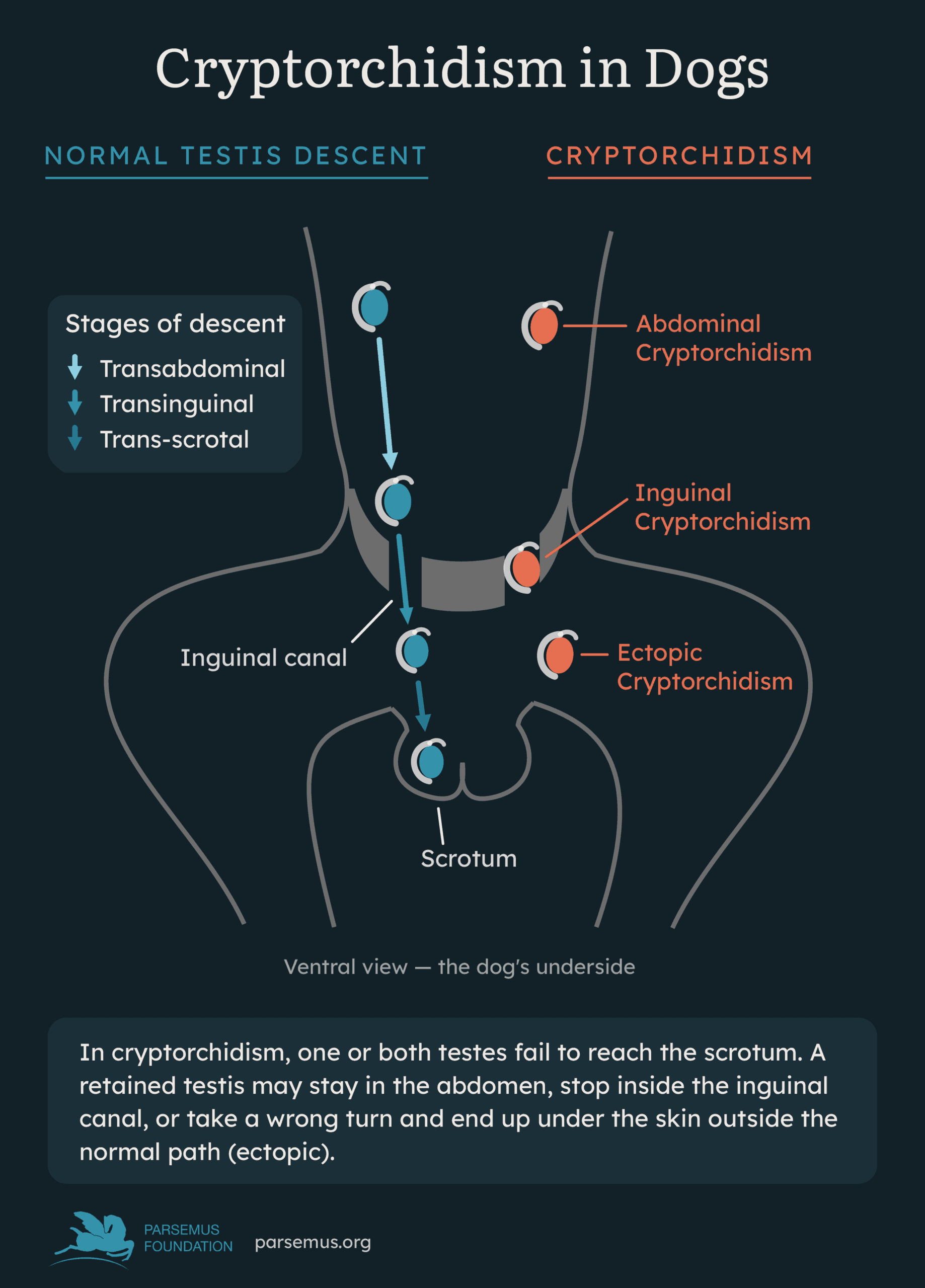
Cryptorchidism in dogs means one or both testes never made it down into the scrotum, and the retained testis carries a real risk of developing a tumor later in life. Veterinarians agree the undescended testis should come out. But what about a normal, descended testis sitting in the scrotum? The post Cryptorchidism in dogs: should you keep a descended testis? appeared first on Parsemus Foundation .
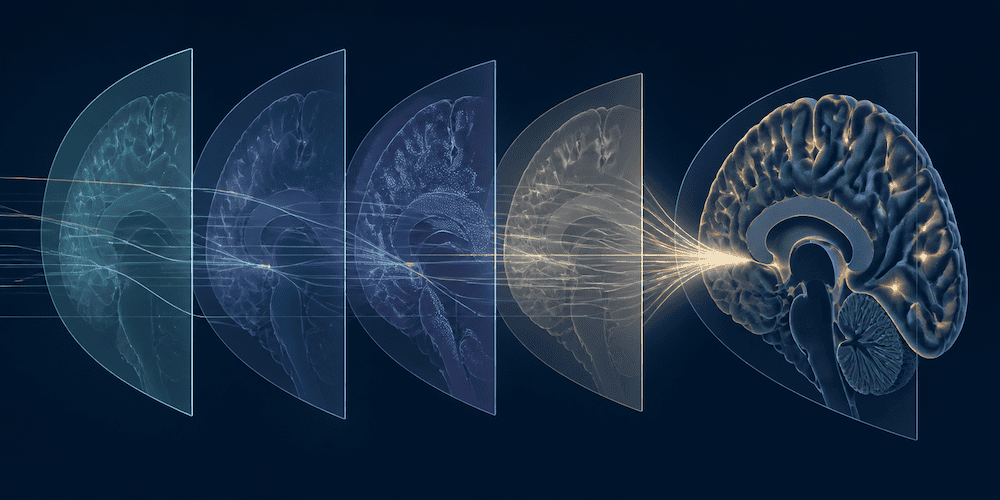
Multiple sclerosis damages more than the brain’s white matter. It also scars the brain's outer layer, the cortex, made of gray matter. Yet routine MRI scans have rarely shown this damage clearly. A new study offers a way to see much more of this damage, using image processing and artificial intelligence. That could finally let researchers study cortical lesions properly, and check whether…
Obesity affects an estimated 59% of US dogs and drives higher rates of arthritis, diabetes, heart and lung disease, and certain cancers, while cutting years off a dog's life. Standard treatment for dog obesity — calorie restriction plus exercise — works in theory but is hard for owners to sustain. Two newer approaches are now being studied: a GLP-1 drug (liraglutide) and a gut-bacteria supplement…
Picture neutering a stray cat without any surgery, stitches, or recovery cage. That's the promise behind a new approach called magnetic nanoparticle hyperthermia, or MNH. Two recent studies offer the most detailed look yet at this non-surgical neutering technique. One followed rats for nearly a year; the other tested the method in cats for the first time. Together, they help answer whether it…
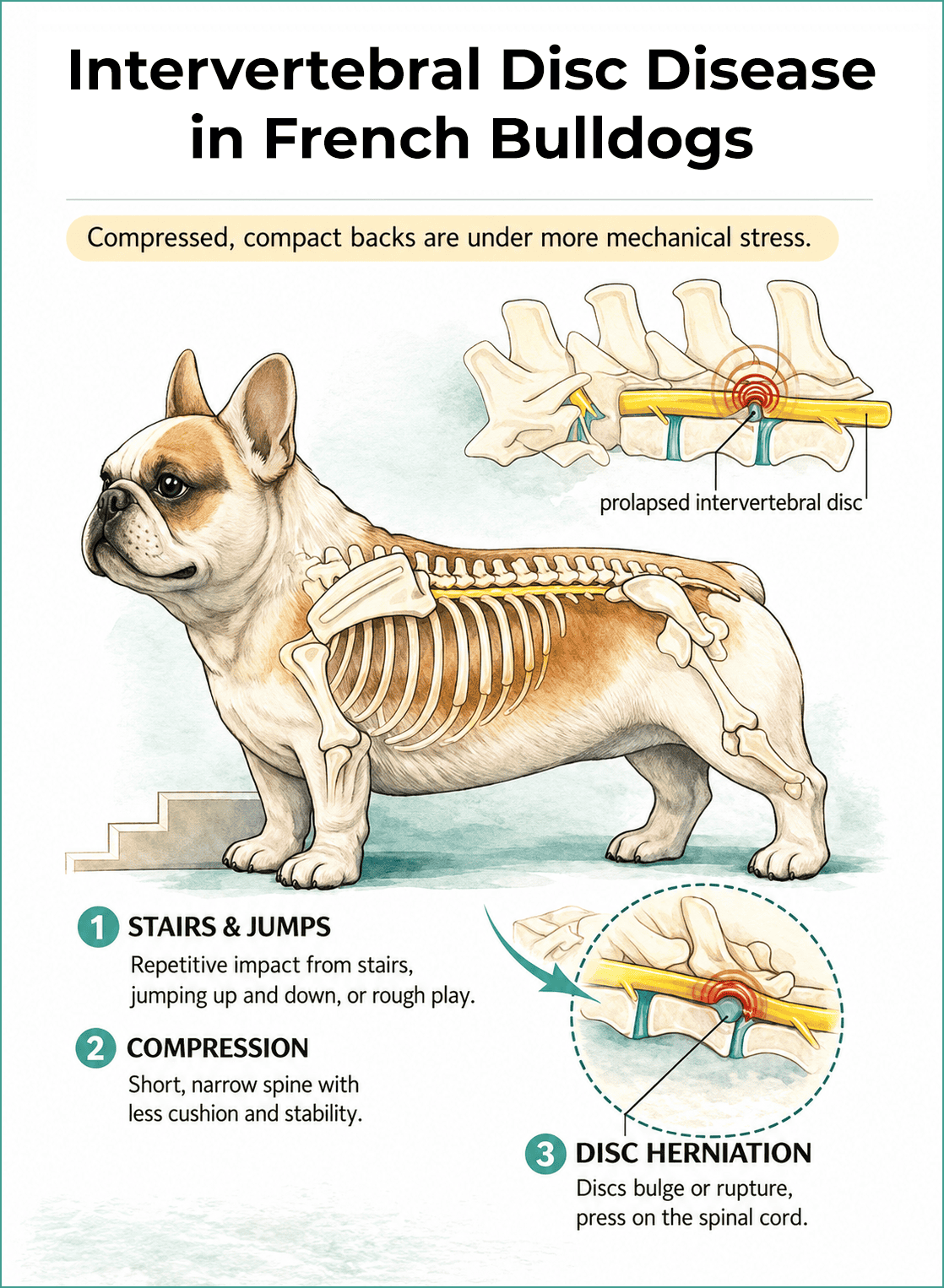
The French Bulldog is everywhere. It's also one of the most fragile breeds a person can bring home, according to a growing body of veterinary research. A new retrospective study of more than 2,000 French Bulldogs adds an important piece to that puzzle: the age at which a dog is spayed or neutered may shape its risk of a painful, sometimes paralyzing spinal condition. The post The French bulldog’s…
A new study of nearly 125,000 women is one of the largest ever to examine menopause and HRT (hormone replacement therapy), looking at how both relate to mood, sleep, cognition, and brain structure. It found an association between HRT use and mental health symptoms, but cannot infer cause and effect. The post What a major UK study tells us about menopause and HRT appeared first on Parsemus…
Every brain affected by Alzheimer's disease carries two telltale signs: sticky clumps of a protein fragment called amyloid-beta, and tangled threads of another protein called tau. Scientists have studied both for decades. Yet a comprehensive new scientific review, published in the journal Cell Death & Disease, makes one thing clear: we still don't fully understand how these two proteins cause the…
Home test kits for your gut microbiome have surged in popularity. But a major new study suggests the results may tell you very little about what's actually living in your gut. The post Gut microbiome tests: popular, pricey, and surprisingly unreliable appeared first on Parsemus Foundation .
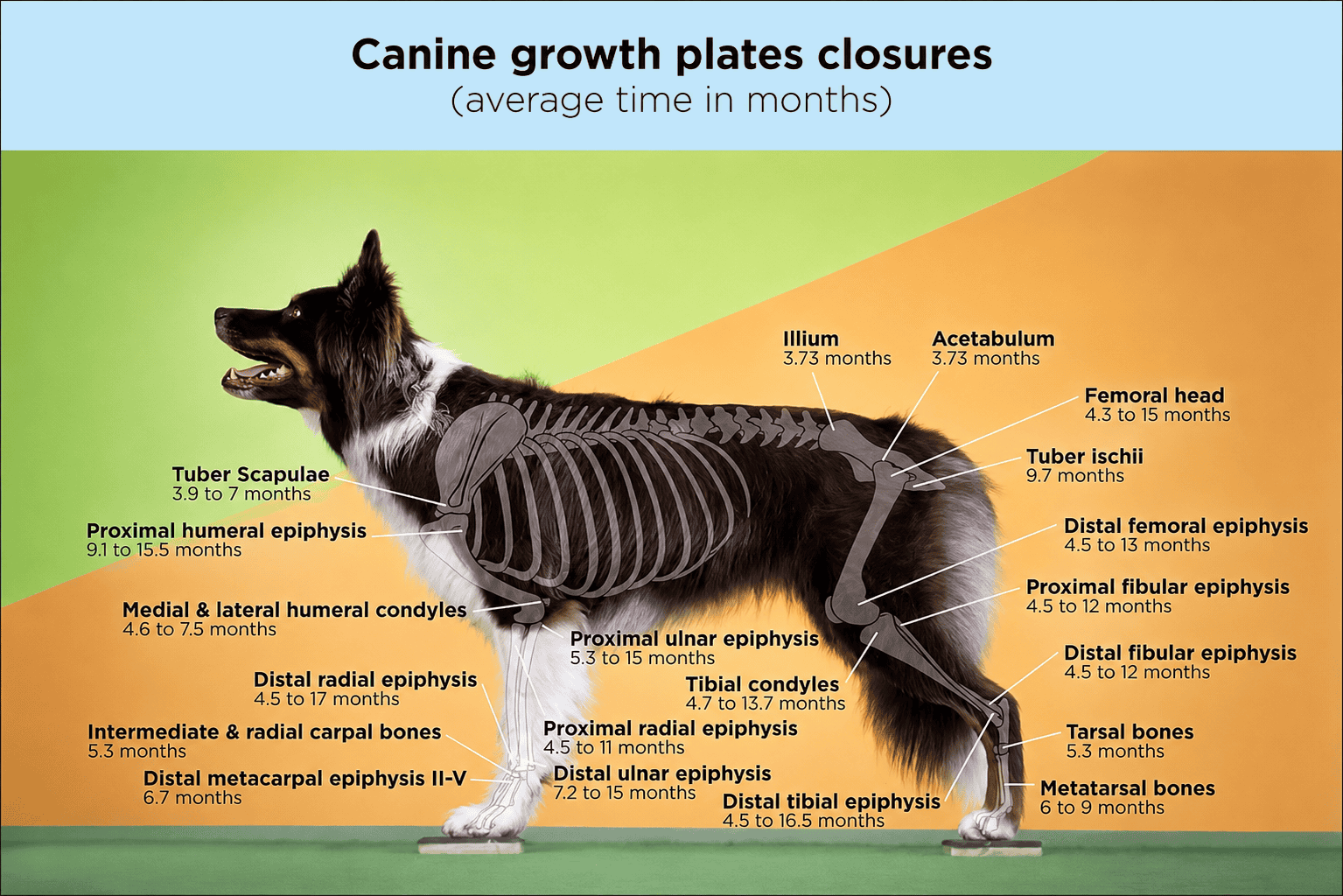
A groundbreaking 2026 study published in the Journal of Small Animal Practice reported that to minimize the risk of cranial cruciate ligament (CCL) disease—similar to an ACL tear in humans—delaying spaying or neutering until at least 2.9 years for female dogs and 2.2 years for male dogs. The post When is it too early to neuter your dog? Hormone exposure and joint health appeared first on Parsemus…
The main tool for controlling the stray dog population — surgical castration — requires trained surgeons, sterile facilities, anesthesia, and post-operative care. In many places, that's simply not available. Two new studies suggest that injections of clove essential oil could offer a non-surgical sterilization method. The post Could clove oil be used to nonsurgically sterilize male dogs? appeared…