
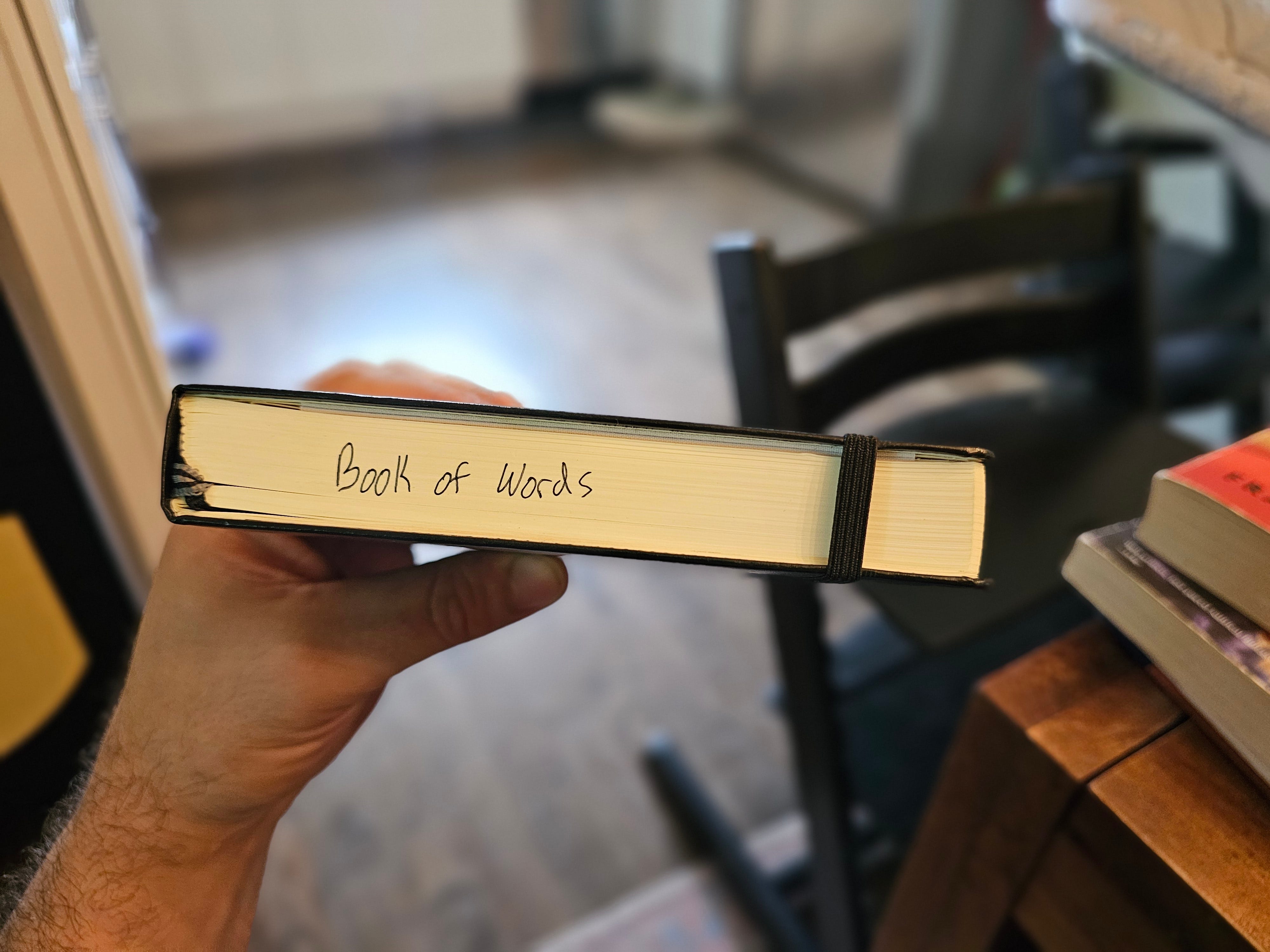
Brain Rot was the 2024 Oxford word of the year.
That may be surprising to some of you who’ve only recently been exposed to it in the last 8 or 9 months thanks to your favorite Gen-Zer or Gen-Z-lamenter, but the word actually goes way back to Henry David Thoreau in his book Walden.
“While England endeavours to cure the potato rot, will not any endeavour to cure the brain-rot – which prevails so much more widely and fatally?” (source)
So, what is brain rot? Thoreau wrote Walden in the mid-1840s, way before very-online Gen-Z-online-brain-rotting. Thoreau was lamenting the facile, dependent, foppish, un- or even anti-intellectual, unmanly life embraced by his contemporaries.
There are nowadays professors of philosophy, but not philosophers. Yet it is admirable to profess because it was once admirable to live. To be a philosopher ios not merely to have subtle thoughts, nor even to found a school, but so to love wisdom as to live according to its dictates, a life of simplicity, independence, magnanimity, and trust. It is to solve some of the problems of life, not only theoretically, but practically. The success of great scholars and thinkers is commonly a courtier-like success, not kingly, not manly. They make shift to live merely by conformity, practically as their fathers did, and are in no sense the progenitors of a nobler race of men. (Walden, Wordsworth Editions, 12).
He goes on to diagnose luxury as that which induces the degeneration of mankind, spiritually, physically, and mentally—aka brain rot.
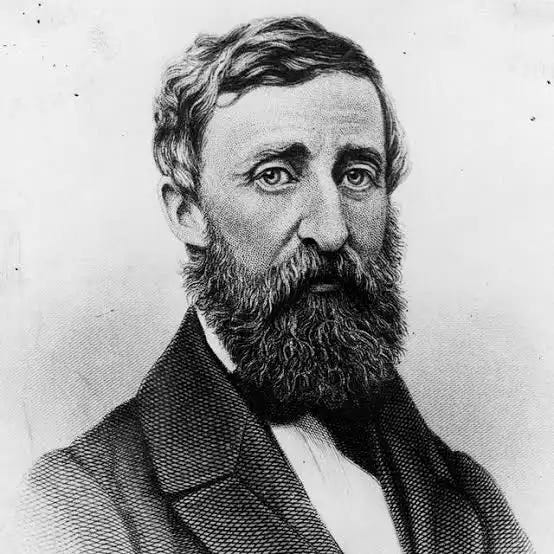
So, that’s where brain rot got its start. But today it is seen to be the product, not necessarily of luxury—though perhaps it is by extension—but more specifically, as the product of online culture and social media addiction.
An Oxford University Press online entry on brain rot says that, at least as of 2024, brain rot was used
to describe both the cause and effect of this, referring to low-quality, low-value content found on social media and the internet, as well as the subsequent negative impact that consuming this type of content is perceived to have on an individual or society. (source)
And according to the Merriam-Webster entry on brain rot,
Brain rot refers to material of low or addictive quality, typically in online media, that preoccupies someone to the point it is said to affect mental functioning. Both the state of preoccupation and resulting mental degradation are known as brain rot. (source)
I think these definitions still pick out at least one aspect of what the term ‘brain rot’ ranges over, but there’s more to the word today, in 2026.
Today, I’ve seen brain rot used in at least 3 ways:
Brain Rot is used to deride shallow, valueless short-form video content like TikTok vids and YouTube shorts and Instagram Reels, etc. “This is brain rot” or “this video gave me brain rot”, which isn’t meant to describe a real phenomenon, like mental fog, but meant in derision, like “this video gave me cancer” which, believe it or not, used to be an expression online.
Brain Rot is also used as a personal descriptor to describe the mental fog that comes from getting locked into the infinite social media scroll for too long.
Brain Rot is used to describe internet slag, especially the goofy stuff that Gen-Z has fabricated by bastardizing poor, unsuspecting words like ‘charisma’ (rizz).
It’s that 3rd sense of brain rot that’s the newest and it’s probably what you’ve encountered most recently—though all three would make Thoreau lose his mind.
So, assuming you think brain rot—in any or all of its senses—is a malady, how do we fight it? How do we avoid wasting all of our time by getting sucked into the infinite scroll of social media? How do we avoid the mental fatigue and fogginess which comes from the lightning fast constant context shifting that is scrolling? How do we increase our vocabulary instead of degrading it?
Simple. Start your own personal dictionary.
How does that help fight brain rot? How should you go about doing it? I’ve got you covered by the secrets to the kingdom of thought are for my paid subscribers.
I actually hate to slap paywalls on my stuff but I do need to feed my daughters and dogs. I don’t make all of my posts solely for my paid subscribers, but my notebook tutorials are exclusive. I have written tutorials with lots of pictures from my own notebooks and video tutorials where I walk through them in more detail. I also write exclusive book club essays for my paid subscribers, which are companion essays to the books in my book club that will help you learn philosophy as we read some of the best philosophical fiction and non-fiction books out there. I also offer lots of other exclusives for my paid subscribers to make it exceedingly worth the cost. It’s a win-win. I get to feed my family, you get to learn lots and lots of philosophy and study/notebook habits.
If you’re already a paid subscriber, THANK YOU!! I seriously appreciate your patronage. I couldn’t do this without your support—genuinely. Thanks. If you want access to all the exclusive stuff I offer my subscribers, consider upgrading to a paid subscription today.
Okay, on with the personal dictionary tutorial—and lots of pictures of how I keep mine!
Comments
Nothing yet. Say the first thing.
Sign in to join the conversation.